When you were mine, you were kinda sorta my best friend (When You Were Mine – Prince).
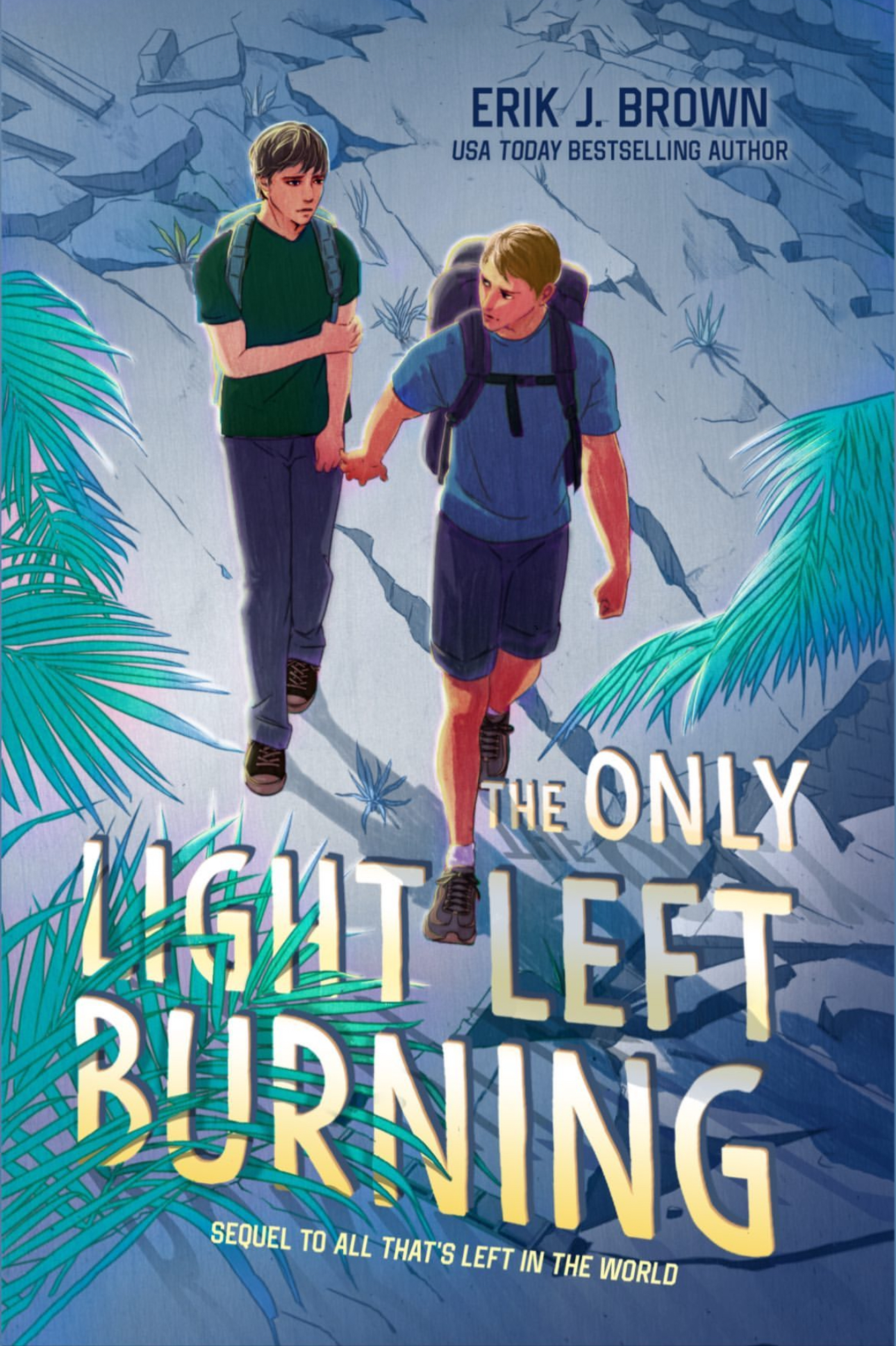
Let me just say that I’m probably a minority in the minority when it comes to this book, and I'm totally cool with that. If most people like this, then I truly, genuinely think that’s awesome. I just wish I could be among the people who loved this, but I'm afraid I'm going to have to sit this one out. It sucks because… I’m probably going to be mean to this book. Well maybe, it depends on how much of my haterade I end up editing out. Anyway, what the hell happened here!? Because I certainly don’t remember the first book being anything close to the meandering, tedious, and repetitive mess that this one was. I know a lot of people were disappointed in the Ari & Dante sequel and the third Simon Snow book, but I implore those folks to try giving The Only Light Left Burning a read and they might just walk away with a new appreciation for them. I did not like this. And not only did it fail to hold a candle to the first one, but it also retroactively made me like it less. That's not good! Okay, so what was the problem? Well, for one, the cover is lying. because Andrew and Jamie are hardly ever alone in this book and so much of the space on the pages are crowded with side-characters that aren't really unique or interesting. But my usual nitpicks aside, my opinion is that I just don’t think this was a story that needed a sequel. I didn't hate the idea of one, it’s not like I didn’t want to see more of the characters I loved from the first book (though after reading this, I’m pretty sure I don’t like them anymore), but I’m generally of the mind that post-apocalyptic fiction is actually pretty limited in what it can say. Like, as a message. No matter the medium or how different the story, it always, always boils down to that incessant “woah-can-you-believe-humans-are-the-real-monsters?"- thing and this book didn't even try to do something new. Wow, what a groundbreaking thought. The Walking Dead, The Last of Us, The Road, 28 Days Later, they’re all fine in their own right, but come on, they’re all saying the same thing! We get it, humans suck ass. That’s actually what made the first book stand out to me, because while it shows some awful things, it still had an optimistic vibe that made the story unique in its own right. Because while The Only Light Left Burning (this one) tries for a grittier and more realistic feel to it, I think that it’s often held back by its own billing as a YA book. Without fail, whenever things get a little too real, the story will then take a sharp turn and immediately yank it back into safer waters. Want a darker story? Great. Then make it darker! Don't constantly flip-flop just to try to appeal to everyone. The only thing that leads to is a half-baked story with no strong sense of identity. Even the way this book handled the ends of its chapters was annoying to me. It’d constantly be something dumb like “Oh no, we walked right into a trap! Dun dun dunnn!!” and I’m sorry but… none of this was a surprise. At what point are the characters just being stupid by constantly trusting things will go well despite the fact that they’re traveling with children and are literally being hunted by a hate group! Besides, I feel like if you use the same twist twice in a story, then it’s not really a twist anymore, it’s just a thing that keeps happening.
I have another question… why exactly did the author decide to center this book around the relationship troubles between Jamie and Andrew? First chapter and they’re already fighting? That’ll certainly get the readers hooked on a feeling! Really though, six pages in and I was just about ready to come out as byesexual. But I figured hey, I loved the first one so I should love this one, right? Um… no, wrong. Now, I know this literally happens in every sequel to a romance story and this book is trying the “sunny days, everybody loves them, can you stand the rain?” -trope (you know, that classic trope), but much like how I’m finding the post apocalypse genre more and more tired rather than groundbreaking, there’s really nothing new to explore with the characters falling apart. And while I'm sure the tension throughout the novel was supposed to be rather uncomfortable and oppressive, I’m not so sure it was actually handled in an interesting way. Like, if you can’t do a couple fighting better than Before Midnight then don’t even bother. Jamie and Andrew never even had a huge blowout argument to end all arguments! Just little feelings of resentment and bitterness in each character’s narration. I know that’s more realistic, but this is still a story and there are certain common story tropes that are probably best followed. Especially if there’s not going to be any satisfying payoff to all their fighting anyway and they just end up happily-ever-after by the final page. Ugh, I even hated the reason why they were fighting in the first place. I think it was something about a boat? I can’t really remember, it’s not like they brought it up every damn page! The argument was so vague and small stakes that I actually forgot multiple times which character was on which side. Facetiousness aside, give me a little credit, I am aware that the actual central conflict is the fact that Jamie has lingering paranoia issues and just wants to run away to a cabin far away while Andrew wants to find a new family (Or maybe it was the other way around? Ugh, I hope I'm right!), but that doesn’t make it any less eye-roll worthy to keep rehashing the same argument while they’re literally on the run from a homophobic hate group. Priorities, please. PRIORITIES! Also, if the main conflict of a story is a simple argument between the characters that slowly grows more and more corrosive, then it’s incredibly important that you don’t prove either character right through the events of the story. They should be on equal footing, narratively speaking. I shouldn’t be able to this easily point at a character and say “well, he’s obviously right because of this and this and this!” I literally had a list on a piece of paper comparing how many times a certain character was in the right! It’s wild because Jamie was so, so justified in his paranoia, because every time the group found safety, it'd blow up in their faces. Sorry, but Andrew really just came across as a complete dumbass who kept endangering everybody else. Look, if you have a selfless, trusting character like Andrew in a post-apocalyptic story, then you absolutely have to reward them by making them correct through their choices within the story! Because otherwise... yeah, they just end up looking like a complete dumbass who keeps endangering everybody else.
I think this is the part where I admit the embarrassing fact that I actually kind of forgot which character was which. Jamie who? Andrew whomst!? What were their personality traits again? I mean, it has been a while since I’ve read the first one, okay!? I figured I’d be able to use the power of context clues and play catch up for a while and everything would be good to go in no time! And yeah, while I did eventually figure everything out (which character was in the cabin and which character shot the homophobic guy from the last book) right as rain, by this point I was already like, 70% done with the book. That's a long ass time for the ball to get rolling! It didn’t help that what made it finally click for me on how to distinguish the two main characters (their respective narrative voices were very similar) was how angry I was at Andrew’s decision making. Oh, I guess I'm talking about Andrew again. It’s probably not a good sign that I started associating him as the “the annoying one” by the halfway point. He’s one of those guys who would rather maintain the moral high ground and take up fence sitting rather than working on being a supportive boyfriend. If this were a normal YA then sure, but these characters are all fighting for their lives so... get real dude. All I know is that if I were in a post-apocalyptic world and my partner wanted to go on a revenge mission against an evil homophobic piece of shit (who is also hunting them), I’d be along for the ride. I mean, maybe I wouldn’t be happy about it, but I’d sure as hell be there! In fact, I even have a problem with the way the whole book even tried to paint this thing as a “revenge” mission in the first place! They’ve been hunted by this faction for the whole book and they even put up (slight spoilers) wanted posters for Jamie, that's how badly they wanted to kill him, so I’d hardly count this as a silly revenge tale. It’s about safety!! If I were Andrew, I wouldn’t be out here trying to moral grandstand when it’s obvious that they’re all in very real danger. The world is better without these people anyway, and I’m not afraid to say it plainly, even if the book didn't want to. I remember in the Telltale’s The Walking Dead (a game where your choices determine the ending of the game), I made sure to kill off any character that even slightly gave off the wrong vibes. I wasn’t trusting anybody. A guy so much as coughs funny and you know damn well he’d be walking the plank. I just think it's odd how Andrew's used as a narrative tool to espouse some kind of moral, but then it's neither adhered to by Jamie or brought up again. You might as well go all out on the cynicism if you're not even going to stick to your own message, right? It might not be a better story, but it'd certainly be more entertaining if there were a character like Micah in Dutch van der Linde’s ear screaming “He's lyiii~iing!” at every opportunity. Seriously though, I’m not actually saying that Andrew and Jamie needed to be monsters for this book to be better, but maybe them not trusting every group that they came across would be nice. If this is the only light left burning, then just go ahead and snuff it out already. Alright, I didn’t like this and I feel bad about it because I loved the first one. But what I said earlier still stands; I really do hope that I’m the outlier and that most people love this. Because the thing is, I do think that this author’s efforts to have a diverse cast in a post-apocalyptic story is something to be admired and despite everything, I at least don’t regret reading All That’s Left in the World (the first one).