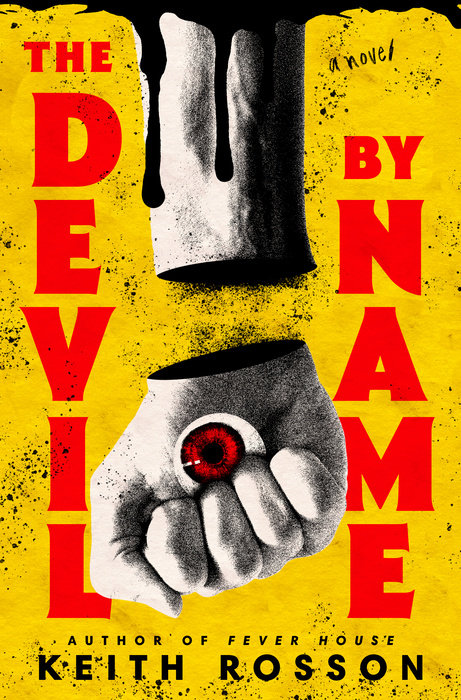
I would not have predicted that the lightning of Fever House could be captured again, and yet Rosson has succeeded wildly. This sequel, set five years after the end of the first novel, is somehow more intense, bloodier, more cynical, and yet has more heart, too. The chapters move around through numerous POVs, some characters from the first novel and some new characters. It is the perfect narrative style for this story, and it works just as well here as last time. The action is propulsive, bloody, and unexpected. Every chapter leaves you wanting to know what happens next only to have you distracted to some other part of this dystopian hellscape when perspective shifts, and instead of being frustrated you’re instantly transported into that character’s struggles. The characters do kind of fit into some of the paradigms or archetypes you expect from a horrific post-apocalyptic story, but the character-building doesn’t stop there, they have more depth and are far more interesting and genuine than they need to be, frankly.
This story has no problem unexpectedly bodying characters that seemed destined to make it to the end. It is surprising and doesn’t always travel where you expect, and yet manages to tie up all the loose threads from the previous novel without ever feeling disjointed. To be fair there is a trajectory that becomes clear somewhat quickly, we know these characters are going to be crossing paths and in so doing create the conditions for the action (and narrative) to erupt into something even bloodier, more epic. Yet even with this telegraphed early on, it doesn’t feel like chess pieces all being moved around just to wait for the final ten pages of the story, this novel is chock full of action and consequences and welcome narrative arcs. There is less of a crime/noir aspect this time around, but that makes sense—five years after an apocalyptic event is going to find a whole lot of social/paradigm changes. The novel is still pulpy and brash, heartfelt and metal AF. There is some cult activity that is touched upon, and I would have loved it if the earlier part of the story gave us more depth into that part of this new world, the story is ripe for it, and so only getting passing mention was a little disappointing. But the novel didn’t let me stay disappointed for long, being filled with horrific transformations, both emotional and physical, that captivate and keep you on edge.
Not only was this novel a lot of fun—I didn’t want to put it down once I started—it was a great and worthy follow-up to the previous novel. People—some good people, some bad people, and some people who don’t know where fall in that spectrum—are forced to make choices, and as a reader we have to wonder at every step what we would do. How do you react to the end of the world, to the fascistic power of a capitalist state co-run by a private weapons manufacturer, to choices that put your survival and your humanity at seeming odds every day? There is no waxing philosophic in this novel, but there are complicated and engaging characters problems that, while they are extreme, boil down to extremely relatable decisions. This book is a blast, and if you liked the first then you’ll love this one.
I want to thank the author, the publisher Random House, and NetGalley, who provided a complimentary eARC for review. I am leaving this review voluntarily.