Jump to ratings and reviews
Rate this book

Il mondo senza api

Rate this book
Abbiamo bisogno delle api. Il nostro futuro dipende da loro. Gli insetti impollinatori sono in pericolo. Pesticidi, monoculture, deforestazione e temperature in rapido aumento minacciano la loro sopravvivenza. Ma è impossibile immaginare un futuro senza di loro: un terzo degli alimenti del pianeta è frutto del lavoro di impollinazione di insetti come vespe, bombi, calabroni e farfalle. Hanna Harms, con questa graphic novel urgente e piena di poesia, racconta l'importanza delle api per il nostro ecosistema e i rischi che corriamo con la loro scomparsa. Età di lettura: da 12 anni.

112 pages, Hardcover

First published August 30, 2022

1 person is currently reading
306 people want to read

About the author

Hanna Harms

1 book2 followers

Ratings & Reviews

What do you think?
Rate this book

Friends & Following

Create a free account to discover what your friends think of this book!

Community Reviews

5 stars
67 (28%)
4 stars
106 (45%)
3 stars
47 (20%)
2 stars
9 (3%)
1 star
3 (1%)
Displaying 1 - 30 of 45 reviews
Profile Image for Rod Brown.
7,396 reviews284 followers
February 12, 2025
A thin overview of how climate change, deforestation, modern farming practices, and the asphalt cap we're putting over the world are destroying bees and are endangering all the things we depend on bees to provide as honey producers and plant pollinators.

The art is austere, aloof, and a bit abstract at times, making it pretty easy to detach from the dire message being communicated. The terse, scant sentences only take a few minutes to read and don't do much to inspire action.

If I can close your ecological diatribe wholly unmoved -- even when it's a topic I care about and one which should provoke outrage -- you're doing something wrong.


(Best of 2024 Project: I'm reading all the graphic novels that made it onto one or more of these lists:
Washington Post 10 Best Graphic Novels of 2024
Publishers Weekly 2024 Graphic Novel Critics Poll
NPR's Books We Love 2024: Favorite Comics and Graphic Novels

This book made the NPR list.)
Profile Image for Nancy.
1,708 reviews51 followers
August 29, 2024
Harms has crafted a captivating graphic novel about the plight of bees and what their decline means worldwide. While the book is certainly conveying a message, it is told in a straightforward way with only a touch of whimsy and incorporates a realistic tone that does not sugarcoat the issue. However, the work still gives readers a nugget of hope at the conclusion. The art has a beautiful simplicity to it, with clean lines and a limited color palette. Yellow predominates, of course, but is used with precision to elevate the point of the narrative. The graphic novel is bookended by comments from authorities who study bees, giving the story additional weight.

Verdict: A must-buy for graphic novel collections that feature nonfiction, as it includes an important directive about our connection to our ecosystem that could spur readers to action.

I reviewed this graphic novel for the School Library Journal magazine: https://www.slj.com/review/milk-witho...
Profile Image for Jane.
7 reviews
March 30, 2024
It’s about Bees that’s worth 5* any day of the week. The illustrations in this book are beautiful in their simplicity. Very thought provoking.
Profile Image for Mervyn C.
23 reviews
August 27, 2025
I felt like everything told in the books was
fairly barebones and basic like the only thing that I learned in the book is about beetles
I do wish it said a bit more and a bit more on how to help
Anywho the artwork looks nice
Profile Image for Raven Black.
2,855 reviews5 followers
August 5, 2024
A clever, poetic look at the loss of the pollinator, especially bees. The author's illustrations are both a bit realistic but also abstract. The use of the color yellow (as well as black and white) is important. The overall feel is the content is for anyone, but the way it is presented might not be for everyone. Informative and enjoyable. Read via an online reader copy.
Profile Image for Yasmeen Asha.
618 reviews84 followers
November 6, 2024
_ اسم الكتاب: لبن بلا عسل
_ اسم المؤلف: هانا هارمز
_ ترجمة : د.علا عادل
_ دار النشر: المحروسة
_ عدد الصفحات: 100

📌 رأيي بالكتاب:
" دون النحل ربما كان العالم ليبدو كما كان قبل 100 مليون عامًا "

كان ليصبح عالماً قاتمًا. في هذه القصة المصور تتناول الحديث عن أهمية النحل في حياة الإنسان وأهميته للطبيعة.

تتحدث القصة عن النحل وجمال وجوده ولكن في أحد الأيام يصيب النحل فيروس يقتل النحل فماذا سيحدث للعالم ؟!

في الختام كلمة بقلم خبير النحل للدكتور يورجن تاوتس
يتحدث عن أهمية النحل والحشرات:
"الحشرات لا تحتاج إلينا ، بل نحن من نحتاج إليها "

" لم يكن هناك أي شيء أحلى من العسل لوقت طويل. "
قصة رائعة خفيفة لطيفة و رسومات تُسحر القارئ فتروي لنا القصة بكل متعة وفائدة باسلوب سلس وبسيط.

إبداعات دار المحروسة في القصص المصورة لا تُخيب ظني كالمعتاد ❤️

📌 الكتاب ملون وهذه إيجابية أخرى.
📌 تقييمي : 3.5/5

 🔴تنبيه: هذا رأيي الشخصي ، ما يعجبني قد لا يعجبكم وما لا يعجبني قد يعجبكم ، ولا اقلل من شأن الكاتب او الكتاب ، وتقيمي ما هو الا رأيي الشخصي بعد قراءة الكتاب

#لبن_بلا_عسل#هانا_هارمز#عُلا_عادل#مركز_المحروسة #كتاب_انصح_به#كتاب_من_مكتبتي #قراءة#ثقافة#ادب
#مكتبتي#تصويري#روايات

#milchohnehonig#hannaharms #bookstagram#reading#booklover #bookish#photo #instagramers #readingtime#yasmeen_review
Profile Image for Ellie Foster.
193 reviews4 followers
July 5, 2024
'Milk Without Honey' contains a multitude of beautiful illustrations in which it clearly lays out the importance of bees and why they are integral to the continuation of our planet. A change is necessary within our society to tackle the rapidly declining biodiversity within our ecosystem- this includes action from our politicians who can make a real difference. Bees are absolutely essential and we must do everything possible to protect them.
Profile Image for Richard Derus.
4,205 reviews2,269 followers
December 7, 2024
Real Rating: 4.5* of five

The Publisher Says: What would the future of the world look like without bees?

MILK WITHOUT HONEY chosen for NPR’s BOOKS WE LOVE!


Bees are vital to securing our food supply. We could live in a paradise where insects, especially bees pollinate fragrant seas of flowers whose fruits we harvest. Instead, vast lawns are now replacing flower gardens, and agriculture is characterized by monocultures. Pesticides and climate change are also causing insect mortality, with dramatic consequences for the global ecosystem. As we destroy the insect populations, honey is just one of many foods that will no longer be available to us, unless we learn to honor our innate connection with nature before it's too late.

In gorgeous, limited palette artwork, using contemplative images as well as informative charts, Hanna Harms brings us into the world of bees: their hives, their colonies, and their interactions with the global ecosystem. This is the perfect gift book for anyone concerned about climate change and the environment.

About the Author
Hanna Harms is an illustrator and comic author. She graduated from the Münster School of Design in Germany. She is currently studying for an MA in illustration at the Hamburg University of Applied Sciences. Hanna is co-editor and author of the comic zine Sander. The German edition of this debut graphic novel Milch ohne Honig, won the Ginco Award in 2020 in the Best Nonfiction Comic category.

I RECEIVED A DRC FROM THE PUBLISHER VIA EDELWEISS+. THANK YOU.

My Review
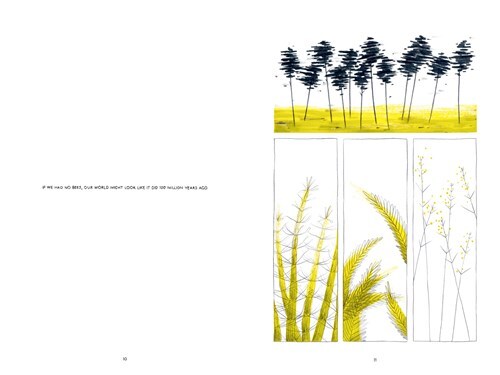
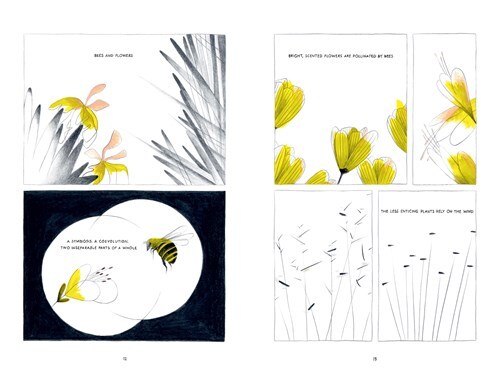
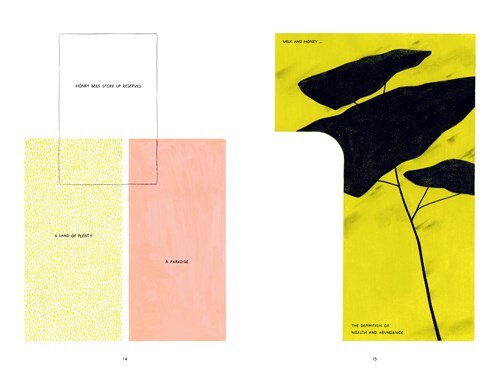
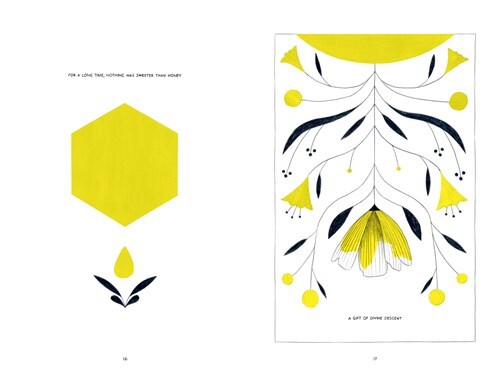
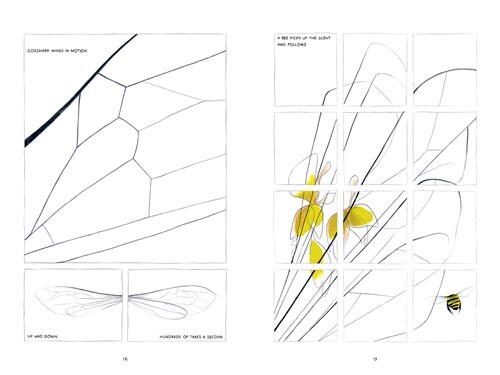
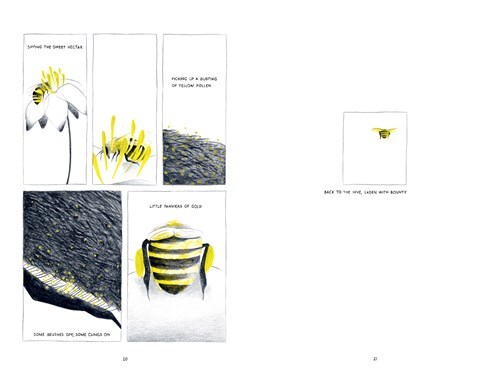
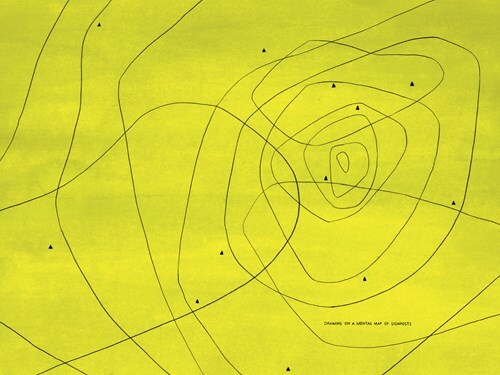
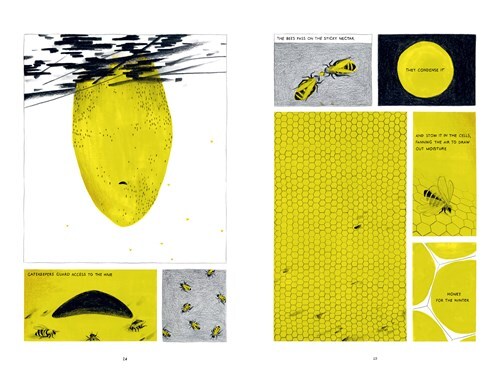
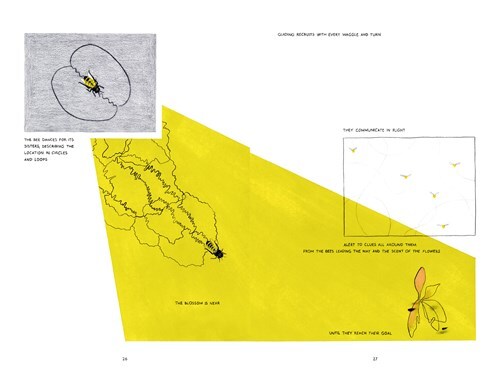
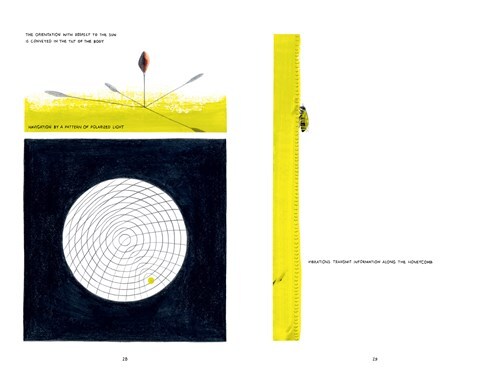
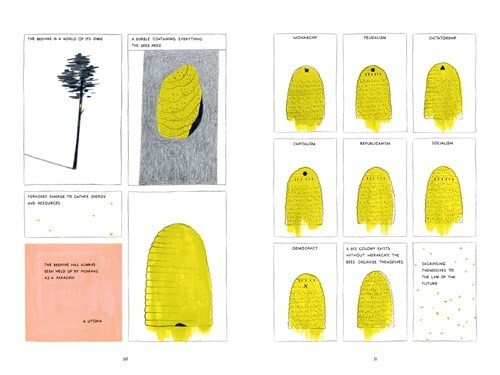
: A book receiving wide notice, a lot of praise, and all of it well-deserved. The author is German, and translator Ruth Ahmedzai Kemp did a seamless job of rendering the text into equally elegant English. Look at these spare, graceful pages:


Remember when I praised BIOGRAPHY OF A FLY by Jaap Robben? The style here is very similar, so of course I'm inclined to enjoy it.

The choice of yellow and black for the presentation is logical...what color is a bee, after all...but I wish they'd gone just a bit more bee-and-honey with the shade. As it is, the book is more pee-and-yellowjacket. It got a touch wearing. That's why the book only got 4.5 stars instead of five, which it otherwise fully merits.

That did not stop me from devouring the book, pardon my wordplay, eager to possess the images that Author Harms has created to explicate the nature of the problem that bees face. The depths of our species' dependence on the bee for its labors to feed itself, which thereby feeds us, makes this a very urgently needed book.

I hope you'll add it to your young ecowarrior's pile of gifts this Yule.
Profile Image for Nouru-éddine.
1,460 reviews280 followers
May 6, 2024
::انطباع عام::
—------------
1_ تواصل دار المحروسة مجهوداتها الحثيثة في الحفاظ على استمرارها في الاعتناء بخط إنتاج القصص المصورة في إخراج فني فاخر، وترجمة ذات عناية ممتازة، ونقل هذه الصناعة الضخمة عالميًا وتقديمها إلى الناطقين بالعربية. كل هذا يستحق الإشادة حقًا، لهذا أتشجع للغاية كلما أصدرت المحروسة إصدارًأ جديدًا في تصنيف (مصور)، لأنني أعلم أنه سيكون مميزًا كالعادة.

2_ في هذه الرواية المصورة والمميزة بالأصفر الفاقع، تستفز قارئها للنظر في قضية ربما تبدو تافهة في نظر المعظم من الوهلة الأولى، ماذا لو اختفى النحل من الكوكب؟ ماذا لو قل بالفعل عدد الحشرات على هذا الكوكب؟ - نعم، نحن نتذكر تلك الحشرات ذات الألوان الغريبة التي كانت تطير بين الأعشاب والحشائش أثناء جولاتنا في المنتزهات في صغرنا، لماذا الآن لم نعد نرى تلك الحشرات؟ لماذا قل عددها؟ هل ذلك أمر جيد؛ فالحشرات مكروهة دومًا من طرف البشر، واخترع كل المبيدات لمكافحتها والقضاء على وجودها؟ كيف سيؤثر تناقص عدد الحشرات ونحل العسل على محاصيلنا الزراعية ذات التلقيح بالحشرات وليس التلقيح بالرياح؟ وهل هناك فارق حقًا بين تلك النباتات الملقحة بالحشرات والأخرى الملقحة بالرياح؟

3_ يعد السؤال الأهم الآن، ماذا يتوجب علينا فعله لمجابهة كارثة قلة عدد الحشرات التي تفيد في زيادة التلقيح بين الزهور وبالتالي تنوع المحاصيل الغنية بالعناصر الغذائية المفيدة؟ إن كل ذلك كان بسبب الاستخدام المفرط في الأسمدة لزيادة إنتاجية الأراضي المزروعة وبالتالي القضاء المطلق على الآفات الزراعية وبالتالي القضاء على الحشرات، هذه الكائنات الأقدم من الإنسان على هذا الكوكب. ربما يوجد هنالك نقطة توازن حقيقية بين استهلاكنا المفرط للمواد الغذائية والسماح ببعض تلك الآفات في المحاصيل دون تدخل بشري منا لكي لا نعتدي على النظام البيئي أكثر من ذلك. ربما علينا ألا نأكل اللحم كل يوم، كي لا تأتي الماشية على كل العلف وتعطي فرصة للكائنات الأخرى بالتعدي على هذه الحشائش؛ ربما علينا ألا نفرط في استهلاك الفواكه كي نسمح بدودة ما تفسد فراولة ما وبالتالي نحافظ على هذا الدود من نقص عدده؛ ربما علينا أن ندخل مجددًا في النظام البيئي ونصبح جزءًا منه دون محاربته إلا بالقدر الضئيل الذي يحفظ لنا حياتنا فحسب دون إفراط أو تفريط.

4_ كتاب رائع، ومحفز على زيادة الوعي الجمعي، رغم بساطة رسوماته وكلماته، ويصلح كذلك للأطفال من سن السابعة فما فوق. كما أنه مذيل بمقالة قصيرة علمية من دكتور متخصص في علم الحشرات.

5_ ملاحظة صغيرة: لماذا ترجمت المترجمة كلمة (ميلش) الألمانية إلى (لبن)، والأصح هو كلمة (حليب)، فاللبن هي كلمة عامية مصرية للإشارة للحليب، بينما اللبن في باقي الدول العربية -وإن كان المعظم يفهمون أن اللبن في مصر هو الحليب عندهم- هو شيء آخر مثل المهلبية أو القشدة أو غير ذلك من منتجات الحليب؟ = ربما قصدت الحفاظ على أسلوب طفولي في اللغة؟ لكنها جارت على اللغة العربية الفصحى في هذه الترجمة للأسف. أنا مترجم، وبالتالي لا أستطيع تفويت هذه الهنات اللغوية.
***
::في سطور::
—------------
حليب (لبن) بدون (بلا) عسل هو كتاب مصور نونفيكشن (غير قصصي) باللغة الألمانية من تأليف الفنانة هانا هارمز. تناولت في عملها ذاك قضية موت النحل وأسبابه التي من صنع الإنسان وكيفية تأثيرها على البشر والطبيعة.
***
::المحتويات::
—------------
1_ يعتبر هذا العمل هو أول عمل للفنانة هارمز، تصوّر فيه انقراض الحشرات الذي سببه البشر، مع التركيز في المقام الأول على النحل. نتج انخفاض عدد الحشرات في جميع أنحاء ال��الم عن التأثير السلبي من البشر على عالم الحشرات. نرى كذلك أيضًا حشرات أخرى مثل النمل والفراشات والعث والدبابير، التي يساهم سلوكها في التلقيح الطبيعي للنباتات.

2_ يفتتح الكتاب المصوّر بمقدمة موجزة عن النحل وأسلوب حياته وسلوكه. على سبيل المثال، نفهم سلوك حركات مختلفة تستخدمها الحشرات للتواصل مع بعضها البعض، للفت الانتباه إلى مصادر الغذاء. أو نفهم كيف أن معظم النحل يعيش منفردًا وليس في مجموعات كبيرة. باختصار، لقد حدث تغير في المزاج البيئي العام عندما تدخل الإنسان الحديث في التاريخ.

3_ انخفضت الكتلة الحيوية لجميع الحشرات، في ألمانيا وحدها، بنحو 75% منذ تسعينيات القرن الماضي؛ ويمكن ملاحظة تفاقم كاسح في جميع أنحاء العالم. على سبيل المثال، تم تسلل عثة (الفاروا) = Varroa Mite، القاتل للنحل، إلى العديد من البلدان عندما حاول المربون إدخال نحل العسل الغربي إلى قارات أخرى. يؤدي الشكل السائد للزراعة عالميًا إلى سوء تغذية النحل ويأخذ مساحة كبيرة. إن المبيدات الحشرية، بما في ذلك النيونيكوتينويدات، لا تقتل الآفات المفترضة فحسب، بل تقتل أيضًا العديد من النحل. غالبًا ما يحتوي العسل على بقايا مبيدات حشرية كبيرة. زيادة التلوث الضوئي يعطل إيقاع حركة الحشرات.
كما تتضح الآثار السلبية لموت النحل على البشرية، على سبيل المثال في قطاع إنتاج الغذاء، حيث تعتمد العديد من أنواع الزهور والفواكه على الملقحات الحشريّة. توجد بالفعل مناطق متنامية حيث يقوم الناس بتلقيح المحاصيل يدويًا باستخدام فرش دقيقة تحاكي الحشرات. يساهم السكان المحليون أيضًا بشكل سلبي إنقاص أعداد النحل، عن طريق سد حدائقهم الأمامية بالحصى، وبالتالي فقدان النحل لموئل قيّم. كل هذا لا تعانيه الحشرات فحسب، بل تتعرض الشبكات الطبيعية المتلاحمة كافة للتلف أو التدمير على يد الإنسان الحديث.

4_ يعرض الكتاب أيضًا الحلول الممكنة لمواجهة الانقراض الخطير المحتمل للحشرات ويسلط الضوء بشكل خاص على الزراعة العضوية. ويذكر كذلك الطرق التي يمكن للأفراد المساهمة بها، على سبيل المثال من خلال إنشاء موائل من خلال الحدائق الطبيعية والنباتات المزهرة الصديقة للحشرات على الشرفات أو النوافذ أو الترشيد من استهلاك اللحوم والفواكه.
***
::الأسلوب والرسوم::
—--------------------
1_ ألهمت الفنانة بفكرة كتابها بعد أن قرأت مقالًا عن العلاقة بين النحل وتاريخ الثقافة الإنسانية، والذي نفذته كجزء من أطروحة البكالوريوس. وبحسب تصريحها الخاص، فقد أرادت رسم قصة علمية غير خيالية شعبية تجمع بين الشعر والعلم. فمن ناحية، اختارت النحلة ممثلا لانقراض الحشرات لأن النحلة كانت تعتبر أفضل الحشرة التي تم بحثها باهتمام من جانب البشر، فنحن نرى جميع أشكال المجتمعات الديموقراطية والديكتاتورية والرأسمالية والإقطاعية في خلايا النحل المختلفة.

2_ تتميز الصور المينيمالية بالبساطة في التصميم بالقلم الرصاص والتلوين بألوان الغواش. استخدمت الفنانة في المقام الأول درجات اللون الأسود والأبيض والرمادي بالإضافة إلى اللون الأصفر الفاقع، وهو يشير بشكل أساسي للنحل، ولكنه يستخدم أيضًا لأغراض أخرى، على سبيل المثال لتوضيح التأثيرات السامة للمواد المكافحة للحشرات. في بعض الأحيان تستخدم تونات الألوان من البرتقالي إلى الوردي، بما في ذلك الزهور. توفر الظلال القوية عمقًا إضافيًا في المنظور الفني. أما النصوص تقتصر على جمل قصيرة أو كلمات مفردة مؤثرة. أرادت هارمز أيضًا فلترة مخزون المعلومات التي تم البحث عنها حتى لا يمل القراء أو تربكهم بالكثير من الحقائق العلمية الإحصائية.

3_ ذيّل عالم الحشرات وخبير النحل يورغن تاوتز الكتاب بالكلمة الختامية، حيث لخص الموضوع على خلفية علمية وذكر أن "الحشرات لا تحتاج إلى البشر، بل البشر هم من يحتاجون الحشرات." يؤكد العالم على أن أفول الكتلة الحيوية للحشرات حقيقي، ويواصل التأكيد على أن انقراض الحشرات ربما يكون أكثر تهديدًا من الاحتباس الحراري. توجد أيضًا قائمة بيبليوغرافية بالمصادر الإضافية في نهاية الكتاب لمن أراد الاستزادة.
***
::المراجعة::
—------------
1_ هنا النحل ليس لطيفًا ولا محبوبًا لأن الفنانة لا تروى قصة شاعرية، الكتاب يقدم صورة واقعية حول مأساة موت النحل اليومية من صعود النحل، وطبعًا انحداره الذي بدأ مع الإنسان الحديث. لا يمكن للقصص المصورة أن تنقذ النحل من الانقراض، لكنها قد تلفت الانتباه إلى جوانب مختلفة من التعامل الفردي مع الحشرات وبالتالي ربما تساهم في إعادة التفكير.

2_ تكفي بعض الجمل والكلمات البسيطة في كل صفحة لنقل الكثير من المعنى في مساحة صغيرة. الصور والكلمات تتحدث لغة ترابطية وشعرية، وما يبقى بعد القراءة هو الشعور بخفة الوزن مع الوعي الكبير بقضية الكتاب. تم تصميم العديد من صور الكتاب بطريقة إبداعية للغاية، على سبيل المثال خريطة رقصات النحلة، والتي تستخدمها لتذكر نقاط الطريق للتوجيه.

3_ هذه القصة فعلاً تخلق اتحاد الشعر مع العلم لأن التفاعل بين الرسومات والنصوص يبدو ثقيلاً، محافظًا على تأثيره. لا يقول الكتاب تقنيًا أي شيء جديد، لكنه يذكرنا بتلك المخلوقات الصغيرة المفيدة بطريقة جميلة ومدروسة بشكل رائع. يدعو الكتاب قارئه إلى أن فتحه مرارًا وتكرارًا والغوص فيه.

4_ إن نوعية تلك القصص المصورة النونفيكشن تثير الإعجاب بجمل بسيطة ودقيقة مع رسومات بسيطة بنفس القدر مع تناغمها تمامًا مع بعضها البعض. كما أن العمل يصلح كمادة تعليمية للمدارس أو للقراءة التثقيفية الحرة من الآباء لأبنائهم.  حاز هذا الكتاب في عام 2020 على جائزة جينكو عن "أفضل كوميك نونفيكشن".
*.*.*.*.*
Profile Image for Zachary Scott.
202 reviews18 followers
August 4, 2025
"The threat to pollinators is caused by human activity. They're dying because of the triumph of civilization. The triumph of humanity.

Not every problem has a solution. Sometimes there is no going back, but the future is still to be written.

It is not enough to ban a few pesticides. The next generation of equally harmful substances is already waiting to take their place. We need to break the cycle of pesticide use."


Took a brief detour from Alaska August to read this gorgeous German book about bees (a beetour?). The premise of this book is showing a future world without bees, but it spends most of its paltry page count celebrating the pollinators and the numerous ways we rely on them. I loved the art style of this book and appreciated the authors showing actionable ways we can help pollinators by restructuring the way we produce food. Check this one out if you can! You can easily knock it out in less than 30 minutes

Happy women in translation month!
Profile Image for Thomas Kelley.
443 reviews13 followers
September 11, 2024
I would rate this 3 1/2 stars out of five. When i saw that this is a 112-page story i figured it would be a short read. When you actually get into the book this is a very short read as it is many unique illustrations that the author has put together along with talk of the decline of insects in general and the impact on the 20,000 species of bees. This will cause harm to both humans and other animal species. She argues one of the main fixes is to restructure the way we produce food. Give a read and see what you think.
111 reviews
April 18, 2025
"Not every problem has a solution, sometimes there is no going back, but the future is still to be written."

This non-fiction graphic novel was a quick but interesting read. It paints in broad strokes the agricultural crisis painted by climate change and its impact on pollinators. It isn't heavily detailed, but creatively sparks the reader to ask more questions to learn more from sources that do have that detail (and provides some, too). It would be a great addition to my student research center!
Profile Image for Zephorah Dove.
464 reviews5 followers
May 16, 2025
Thanks to Edelweiss and Street Noise Books for the ARC!

As a professional hater of flying things buzzing in my ear, this book opened my mind up to the actual flow of how pollination works and what it affects. I’ve heard many people say that bees are going extinct but, if bees go, what’s next? I have so many more questions about what sustainable farming/agriculture looks like and what course of action to take. It sounds like starting with one’s own diet and consumption practices is step one but this title left me with many more questions to ponder and research.
Profile Image for Rachel.
148 reviews1 follower
October 1, 2024
4.5 stars

A review at the beginning of this book notes that this book expertly balances color, design, poetry, and science: I could not agree more. I would include more of a compliment to the writing as well. Most of the pages include brief sentences with powerful implications when paired with the drawings. Great for those who don't know much about the topic and for those who do. I personally would have enjoyed it more if it were a bit more scientific.
Profile Image for Brian.
1,921 reviews62 followers
December 26, 2024
This was a super short, read about a very serious topic. The book goes into detail about the importance of bees and talks about how our world is slowly destroying them, which could lead to catastrophic results. I wish more people were aware of this, and this book really made me understand how uncaring people are about nature.
Profile Image for May-Ling.
1,070 reviews34 followers
February 18, 2025
this felt more like a design book or infographic instead of a graphic novel, since it reads like a rumination on bees rather than a story. harms effectively uses images to convey concepts more than text. it's simple, fairly monochromatic and moving. i did want a little more since this collection didn't feel connected to me and it's a quick flip through.
277 reviews
August 26, 2025
As its cover depicting a dead bee suggests, this is a very depressing book. It examines the population decline of bees and other pollinating insects across the world and its implications for worldwide ecology. It puts the science across in simple terms using at times poetic text while combining it with minimalistic but still beautiful illustrations.

Profile Image for Colleen.
1,316 reviews16 followers
September 26, 2025
Short but bittersweet. Provides an introduction to bees and other pollinators and the threats currently arrayed against them. Serves as a call to action, discouraging pesticide use, advising on the effects of agriculture and encouraging planting native species.
Art is simple, graphic and beautiful…. Supports the story well
Profile Image for Serhiy.
315 reviews12 followers
March 1, 2025
Beauty is in the eye of the bee-holder. This graphic novel leaves you unsettled about the state of bees and the future of food and paints a very clear picture of what needs to change using minimal duotone artwork. 4.5⭐
Profile Image for Christa Van.
1,728 reviews2 followers
May 27, 2025
Our lack of diversity in farming and planting is contributing to the problems with pollinators. We should be serious about fixing this or food will become scarce, or we will all be outside with tiny brushes pollinating plants.
107 reviews1 follower
October 4, 2024
A quick yet sobering and affecting read about the state of bees and other pollinators in the world. Beautiful artwork, simply portrayed.
Profile Image for Ryan Miller.
1,703 reviews7 followers
December 31, 2024
An important message of interdependence and environmental awareness told in an artistic graphic format that is as starkly beautiful as is is informative.
Displaying 1 - 30 of 45 reviews

Can't find what you're looking for?

Get help and learn more about the design.