

What do you think?

Failure
A driven immigrant father, an old poet, Isaac Babel in the author’s dreams—Philip Schultz gives voice to failures in poems that are direct and wry. He evokes other lives, too—family, beaches, dogs, the pleasures of marriage, New York City in the 1970s, "when nobody got up before noon, wore a suit/or joined anything"—and a mind struggling with revolutions both interior and exterior. Failure is a superb new collection from one of America’s great poets. One called him a nobody. No, I said, he was a failure. You can’t remember a nobody’s name, that’s why they’re called nobodies. Failures are unforgettable. —from "FAILURE"
106 pages, Hardcover
First published November 5, 2007
About the author
Philip Schultz
18 books59 followersPhilip Schultz is the author of seven collections of poetry, including the Pulitzer Prize-winning Failure. He is the founder and director of the Writers Studio and lives in East Hampton, New York.
Ratings & Reviews
Friends & Following
Create a free account to discover what your friends think of this book!
Community Reviews
Displaying 1 - 30 of 68 reviews

January 17, 2016
First a disclaimer. I'm not much for LONG poems. I struggle with them because I have to focus and slow myself down with poetry. Doing that over 50 pages seems cruel if not unusual. No wonder my Paradise Lost class in college was such a devilish disaster!
When I picked up Schultz's failure, I didn't realize it was a Pulitzer Prize winner. Thus, by accident, I was reading two Pulitzer poets in a row (first, Tranströmer, and now, Shultzy). Would the center hold? Especially with a 50-page poem taking up the entire second half of the book?
Mixed answers on that. As expected, I wasn't wild about the long one, "The Wandering Wingless." It has a lot of dog, and I can sympathize with that because I write "dog" in my poetry, too, but this was a LOT of dog, from the POV of a "professional" dog walker yet. Ruff.
The long poem also interweaved some other threads, like the speaker's youth, wherein he works with black roofers (and pays for it) and reads about 19th century revolutions (ah, the angry young man syndrome). Plus there's some insanity stuff to spice it up. And a sad failure of a dad. Still, despite its length, "The Wandering Wingless" was fast sledding due to Shultz's fondness for short lines, often 4-5 words short. Move along, little doggies!
I preferred the shorter works, though some of them seemed to mire a bit in abstract nouns and adjectives, often to the overplayed tune of personification. But, on the other hand, Shultz could hit some true notes, too, and, subjectivity being what it is, no poetry collection is great start to finish. For instance, the opener had some good stuff:
It's Sunday Morning in Early November
and there are a lot of leaves already.
I could rake and get a head start.
The boy's summer toys need to be put
in the basement. I could clean it out
or fix the broken storm window.
When Eli gets home from Sunday school,
I could take him fishing. I don't fish
but I could learn to. I could show him
how much fun it is. We don't do as much
as we used to do. And my wife, there's
so much I haven't told her lately,
about how quickly my soul is aging,
how it feels like a basement I keep filling
with everything I'm tired of surviving.
I could take a walk with my wife and try
to explain the ghosts I can't stop speaking to.
Or I could read all those books piling up
about the beginning of the end of understanding...
Meanwhile, it's such a beautiful morning,
the changing colors, the hypnotic light.
I could sit by the window watching the leaves,
which seem to know exactly how to fall
from one moment to the next. Or I could lose
everything and have to begin over again.
I don't know about you, but for me, "how quickly my soul is aging,/how it feels like a basement I keep filling/with everything I'm tired of surviving" is worth the price of admission alone, especially at my age, where birthdays are no longer "celebrated" so much as duly noted. The basement, you see.
And here's the title poem, which treats on the refrain of his dad as lead "failure" among many in the collections:
Failure
To pay for my father's funeral
I borrowed money from people
he already owed money to.
One called him a nobody.
No, I said, he was a failure.
You can't remember
a nobody's name, that's why
they're called nobodies.
Failures are unforgettable.
The rabbi who read a stock eulogy
about a man who didn't belong to
or believe in anything
was both a failure and a nobody.
He failed to imagine the son
and wife of the dead man
being shamed by each word.
To understand that not
believing in or belonging to
anything demanded a kind
of faith and buoyancy.
An uncle, counting on his fingers
my father's business failures—
a parking lot that raised geese,
a motel that raffled honeymoons,
a bowling alley with roving mariachis—
failed to love and honor his brother,
who showed him how to whistle
under covers, steal apples
with his right or left hand. Indeed,
my father was comical.
His watches pinched, he tripped
on his pant cuffs and snored
loudly in movies, where
his weariness overcame him
finally. He didn't believe in:
savings insurance newspapers
vegetables good or evil human
frailty history or God.
Our family avoided us,
fearing boils. I left town
but failed to get away.
If you're feeling like a failure yourself these days, maybe this isn't the best idea. Otherwise, worth a look-see, especially if the themes (and the dogs) appeal to you.
When I picked up Schultz's failure, I didn't realize it was a Pulitzer Prize winner. Thus, by accident, I was reading two Pulitzer poets in a row (first, Tranströmer, and now, Shultzy). Would the center hold? Especially with a 50-page poem taking up the entire second half of the book?
Mixed answers on that. As expected, I wasn't wild about the long one, "The Wandering Wingless." It has a lot of dog, and I can sympathize with that because I write "dog" in my poetry, too, but this was a LOT of dog, from the POV of a "professional" dog walker yet. Ruff.
The long poem also interweaved some other threads, like the speaker's youth, wherein he works with black roofers (and pays for it) and reads about 19th century revolutions (ah, the angry young man syndrome). Plus there's some insanity stuff to spice it up. And a sad failure of a dad. Still, despite its length, "The Wandering Wingless" was fast sledding due to Shultz's fondness for short lines, often 4-5 words short. Move along, little doggies!
I preferred the shorter works, though some of them seemed to mire a bit in abstract nouns and adjectives, often to the overplayed tune of personification. But, on the other hand, Shultz could hit some true notes, too, and, subjectivity being what it is, no poetry collection is great start to finish. For instance, the opener had some good stuff:
It's Sunday Morning in Early November
and there are a lot of leaves already.
I could rake and get a head start.
The boy's summer toys need to be put
in the basement. I could clean it out
or fix the broken storm window.
When Eli gets home from Sunday school,
I could take him fishing. I don't fish
but I could learn to. I could show him
how much fun it is. We don't do as much
as we used to do. And my wife, there's
so much I haven't told her lately,
about how quickly my soul is aging,
how it feels like a basement I keep filling
with everything I'm tired of surviving.
I could take a walk with my wife and try
to explain the ghosts I can't stop speaking to.
Or I could read all those books piling up
about the beginning of the end of understanding...
Meanwhile, it's such a beautiful morning,
the changing colors, the hypnotic light.
I could sit by the window watching the leaves,
which seem to know exactly how to fall
from one moment to the next. Or I could lose
everything and have to begin over again.
I don't know about you, but for me, "how quickly my soul is aging,/how it feels like a basement I keep filling/with everything I'm tired of surviving" is worth the price of admission alone, especially at my age, where birthdays are no longer "celebrated" so much as duly noted. The basement, you see.
And here's the title poem, which treats on the refrain of his dad as lead "failure" among many in the collections:
Failure
To pay for my father's funeral
I borrowed money from people
he already owed money to.
One called him a nobody.
No, I said, he was a failure.
You can't remember
a nobody's name, that's why
they're called nobodies.
Failures are unforgettable.
The rabbi who read a stock eulogy
about a man who didn't belong to
or believe in anything
was both a failure and a nobody.
He failed to imagine the son
and wife of the dead man
being shamed by each word.
To understand that not
believing in or belonging to
anything demanded a kind
of faith and buoyancy.
An uncle, counting on his fingers
my father's business failures—
a parking lot that raised geese,
a motel that raffled honeymoons,
a bowling alley with roving mariachis—
failed to love and honor his brother,
who showed him how to whistle
under covers, steal apples
with his right or left hand. Indeed,
my father was comical.
His watches pinched, he tripped
on his pant cuffs and snored
loudly in movies, where
his weariness overcame him
finally. He didn't believe in:
savings insurance newspapers
vegetables good or evil human
frailty history or God.
Our family avoided us,
fearing boils. I left town
but failed to get away.
If you're feeling like a failure yourself these days, maybe this isn't the best idea. Otherwise, worth a look-see, especially if the themes (and the dogs) appeal to you.

December 28, 2011
It's safe to judge this book of poems by its cover. I laughed the second I opened the amazon.com box and saw it. How interesting to make the image on the cover of a poetry book one of its best metaphors? Failure is a mishammered, unrestorably bent nail. The reason this metaphor is apt enough to speak for the whole is that it perfectly matches the tone of Schultz's brilliant collection: it is simultaneously witty, creative, and starkly tragic. I have to admit: for the first five or so of Schultz's poems, I had trouble understanding how this book won the Pulitzer Prize. The beginning poems aren't at all bad; they're just...fine. They leave you thinking that Schultz is a good storyteller, that he has a pretty good eye, but that his facility with language is just average. But then the magic starts. Beginning with the poem, "My Wife," through the remaining 15 poems of the collection, Schultz is on fire. When I read books of poetry, I usually rate each one with a number of checks, 1-4 so that if I choose to go back and read again, I can remember which ones I found moving. I gave ALL of these poems either three or four checks. One of the most brilliant parts of the book is the way that Schultz mirrors and repeats word choices or images between poems in an increasingly effective fashion until that repetition culminates in the last very long poem, "The Wandering Wingless." This poem serves as the book's "thesis statement" if you will, as it sets forth all of the things the author (and his father who haunts this collection) believes and doesn't believe. I read one review in which a critic said that this book takes the opposite form of most poetry collections in that it begins with the "answer" to life, but then devolves by the end fully into the "problem." I would agree with that. That may be why i found the first poems a bit inane. They are about he and his family at the beach, him loving dogs, enjoying a good meal. All of these are obviously worthy and popular topics of poems, but the reader gets the feeling that the poet didn't yet earn all that breezy-ness. By the end, however, I immediately went back to the beginning and found those same poems cathartic. It's impossible not to be happy for Schultz given the horrible events and experiences he describes at the end. I'll finish with two amazing quotations that I think best characterize Schultz's ideas and style. From "Isaac Babel Visits My Dreams": "We are all failed sentences...one big lopsided family of relative clauses who agree on nothing, whose only subject is how we came to be." And finally, my favorite line in the book, from "Blunt": "I believe in despair, in its antique teeth and sour breath and long memory. To it, I bequeath the masterpiece of my conscience, the most useless government of all." That line occurs midway through the book. When I saw Schultz call conscience "the most useless government of all," I realized that despite the collection's title and cover, Schultz has won, and so have we.

May 18, 2011
A Killer and Authoritative Review, or “Our Current Dystopia”
First: thoughts on poetry criticisms:
After I read a book, and after I’ve written the review, I often go read the reviews of others who have read the book I just finished. I am surprised by the number of people who say, “I don’t know how to critique poetry,” or some such nonsense. They say it to devalue their own thoughts, ideas, and opinions and that troubles me. Who am I to critique poetry? A human being. And it’s true, everybody’s a critic.
I understand the problems with my argument, and I will address that later.
How do I judge poetry? The criteria:
I. If a poem inspires me to write poetry
II. If a poem makes me want to go back and reread the poem again right away, then later, then again even later to my wife
III. If a poem makes me want to write down a line or add it the goodreads quote database, Then THEN the poem is truly good.
Maybe the intelligentsia in their ivory towers disagree with me. (Where are these ivory towers anyway? And how can I apply to get in? Also, why hasn’t PETA destroyed them yet, being made out of ivory and all?...)
In truth, I understand this. We live in an age where people with no knowledge of a topic can pawn themselves off as experts. This is not new. What’s new is the accessibility to propagate these views. And maybe my criteria for judging poetry adds to that accessibility, but a poet who has failed to connect with his audience has failed as a poet.
My criteria cannot be too horrific since a one Pulitzer Prize Board agreed with me...
This book:Failure, was fantastic. Ninety-five percent of the pages matched up with all three of my criteria. More than that, it was not meaningless rambling. For every poem I reminded myself of the title of the book, then the title of the poem. I LOVE poems that connect to their titles. (See Marie Ponsot’s "Bliss and Grief" or Billy Collins’ “Another Reason Why I Don’t Keep A Gun in the House.”)
I’ve asked myself, what if I cast off my individualistic criteria in favor of an ivory tower/ authoritative review? I’m sure the book didn’t win the Pulitzer because members of the board liked to quote it to their spouses... though it probably didn’t hurt.
The Killer Authoritative Review of Failure by Philip Shultz
Though the world is in constant flux, each generation can only see a few frames of the changes encompassed. Society does not see the world as it changes. Society sees the realization of those changes, but has already distanced itself from the society it was. Humans have grown up acclimated to a new world unknowingly living out the fears of their fore-fathers to the extent that they don’t even recognize the fears ever existed – this new dystopia being the new normal.
Every new generation has a new set of justifiable fears that do not even matter. Why? We are the change, and we are all failures. We live in a fallen world, there’s no getting around that. Even if a functional society does not believe in a literal forbidden fruit being tasted by a literal human, surely that society sees the need for rule of law. A lifetime of good decisions can be undone by one bad one, trust can be lost in an instant, and we all have evil thoughts we would hate to be public knowledge.
Would Orwell be shocked and saddened at how language is used and manipulated? Would he be surprised that in his home country the surveillance camera to human ratio is roughly one camera for every fourteen people – and much higher in London? (see: this article) How would Aldous Huxley feel about the many drugs we pass out today? Would they say their dystopias are already here? What freedoms did we have then that we have so willingly given up now, whatever the reason or pretext? The real question is, would people 50-100 years before Orwell and Huxley say that their world was dystopic? My reading of Philip Shultz’s Failure inclined me to think, yes they would. They would because each successive generation views the younger one as corrupt and falling away – when in truth the fall happened much earlier. Because of this – or human nature – it’s just been the blind leading the blind while tied to chains feeling along the shadows of a cave looking for a way out. Whether the failures in Shultz’s book are his own or others, I don’t know. They are the gut wrenching failures of a society looking to improve.
April 4, 2018
Philip Schultz pulls no punches in this collection, which won the Pulitzer Prize when it was published. He is a fearless explorer of contemporary life. A few lines of a poem such as "Blunt" will tell you this:
I want nothing to do
with a soul. I hate
its crenulated edges
and bottomless pockets,
its guileless, eyeless stare.
.... If
I have to believe in something,
I believe in despair. In its
antique teeth and sour breath
and long memory.
The subjects of his poems are, as he describes them, often ideas that "no one can any longer bear to understand." At the same time, one feels better for having visited the places that Schultz's poems take us. The long poem at the end of the volume, "The Wandering Wingless" (pages 50-104), centers on his life as a dog walker. To give you a better idea, not one of the dogs' owners is even mentioned, but other walkers and dogs are. In handling themes in this long poem, Schultz seems to be preparing for his 2014 novel in verse, "The Wherewithal" (which is not about dogs) but sustains multiple focused themes.
I want nothing to do
with a soul. I hate
its crenulated edges
and bottomless pockets,
its guileless, eyeless stare.
.... If
I have to believe in something,
I believe in despair. In its
antique teeth and sour breath
and long memory.
The subjects of his poems are, as he describes them, often ideas that "no one can any longer bear to understand." At the same time, one feels better for having visited the places that Schultz's poems take us. The long poem at the end of the volume, "The Wandering Wingless" (pages 50-104), centers on his life as a dog walker. To give you a better idea, not one of the dogs' owners is even mentioned, but other walkers and dogs are. In handling themes in this long poem, Schultz seems to be preparing for his 2014 novel in verse, "The Wherewithal" (which is not about dogs) but sustains multiple focused themes.

October 24, 2021
"De ce nu vrei să ai și tu ceva pe lume?"
Fiindcă,
sincer să fiu,
nu sunt pregătit
pentru asta.
Fiindcă,
sincer să fiu,
nu sunt pregătit
pentru asta.

July 14, 2018
Clear imagery, and understandable narrative to each poem.
However,
Few surprises, no great language, and frustrating line breaks. Each poem felt the same. Author was writing his wisdom and pain but not in an interesting way.
I love dogs too.
However,
Few surprises, no great language, and frustrating line breaks. Each poem felt the same. Author was writing his wisdom and pain but not in an interesting way.
I love dogs too.
June 11, 2025
For my friend Andrew asking for a review, and other curious minds:
I think this poetry collection is great for anyone who has minor or major conflicts surrounding a father/male figure in their life.
Philip brings emotional weight to the topic that is fresh and grounded but never dives into pity or “why me?” mentality. It’s very matter of fact but you can still feel the narrator of the poems struggling with the consequences of that figures actions. Similar to how Li-Young Lee writes about his father in “Rose” (my favorite poetry book).
He also ties it into growing up a boy in general and broader masculine norms. For the writer specifically, doing so while being poor and everyone around him being considered a “failure”.
I also love the way he writes about lonerism in general, bringing the reader to NYC, Paris, construction work, and a mental institution. Places not typically associated with being alone. But there’s a melancholic tone in the poems that just feels lonely, which the modern world often feels like. It’s like a call to the reader that yes, I’m feeling it too, and here’s how it feels. Nothing more to explain.
I think it’s a very accessible poetry book. There’s nothing fancy about the various forms, no abstract language the reader has to figure out, no what-the-hell-kind-of-drugs the poet was on when writing. Easy to connect to.
With that being said, not having enough variance in the form of your poems can be boring, and it was hard to get through at times cause it felt redundant. A lot of times, it felt like the same poem just different title kind of thing. This collection took longer to read than I wanted.
Lastly, he writes about dogs. Dogs are fucking awesome. And I had a dog I loved very much.
I think this poetry collection is great for anyone who has minor or major conflicts surrounding a father/male figure in their life.
Philip brings emotional weight to the topic that is fresh and grounded but never dives into pity or “why me?” mentality. It’s very matter of fact but you can still feel the narrator of the poems struggling with the consequences of that figures actions. Similar to how Li-Young Lee writes about his father in “Rose” (my favorite poetry book).
He also ties it into growing up a boy in general and broader masculine norms. For the writer specifically, doing so while being poor and everyone around him being considered a “failure”.
I also love the way he writes about lonerism in general, bringing the reader to NYC, Paris, construction work, and a mental institution. Places not typically associated with being alone. But there’s a melancholic tone in the poems that just feels lonely, which the modern world often feels like. It’s like a call to the reader that yes, I’m feeling it too, and here’s how it feels. Nothing more to explain.
I think it’s a very accessible poetry book. There’s nothing fancy about the various forms, no abstract language the reader has to figure out, no what-the-hell-kind-of-drugs the poet was on when writing. Easy to connect to.
With that being said, not having enough variance in the form of your poems can be boring, and it was hard to get through at times cause it felt redundant. A lot of times, it felt like the same poem just different title kind of thing. This collection took longer to read than I wanted.
Lastly, he writes about dogs. Dogs are fucking awesome. And I had a dog I loved very much.

February 1, 2011
A mixed bag of poems that won the Pulitzer recently. The strongest poems are in the middle. The first several poems are formulaic, where a detail mentioned in the first few lines returns at the end with a twist. The last poem is long--nearly 1/2 the book--and is interesting but uneven. The narrator is a dog walker (someone that people hire to walk their dogs) who lives in post 9-11 New York. The poem explores his troubled relationship with his father, other people, dogs, and himself. The poems in between these are strong lyric poems that are enjoyable reading.

September 5, 2019
This is a fantastic collection of poetry from Philip Schultz. The images meditate on failure (not just the titular poem), grief, loss, and life. The poems are haunted, sometimes speaking with the dead, other times speaking for the dead. The final poem is a lengthy one, "The Wandering Wingless" which weaves together the story of a dog walker, his time in the psych ward and relationship with his father, and September 11. It is a 54 page poem, but a page turning and that is some achievement.
February 21, 2022
"putea să vadă
exact cine sunt: un om
care se grăbea încet"
Lac
exact cine sunt: un om
care se grăbea încet"
Lac
June 7, 2020
"Everything I loved I feared
Was this what failure was-
Endless fear?"
What I liked about this book was that it had a rather long, more or less narrative, poem concluding the book; and what I like about long narrative poems is that they have the best of both worlds: they consist of poetry - which is an alternative, not-yet-invented way of experiencing the mundane - and novel - which is life itself, minus the pain of actual living.
What I didn't like about this book was that was the language got too bland at times; like a simple representation of whatever's out there in a realistically reductionist manner (whatever that means).
Finally, I really liked how the poet managed to capture and magnify the tragic aspect of life and human experience through understatement. Here's an example:
"A child,
drowns quickly, silently,
without knowledge of what
is being sacrificed."
Thank you for listening, because as the poet says, "the thought/ of no one listening anymore-/ I like that least of all."
Was this what failure was-
Endless fear?"
What I liked about this book was that it had a rather long, more or less narrative, poem concluding the book; and what I like about long narrative poems is that they have the best of both worlds: they consist of poetry - which is an alternative, not-yet-invented way of experiencing the mundane - and novel - which is life itself, minus the pain of actual living.
What I didn't like about this book was that was the language got too bland at times; like a simple representation of whatever's out there in a realistically reductionist manner (whatever that means).
Finally, I really liked how the poet managed to capture and magnify the tragic aspect of life and human experience through understatement. Here's an example:
"A child,
drowns quickly, silently,
without knowledge of what
is being sacrificed."
Thank you for listening, because as the poet says, "the thought/ of no one listening anymore-/ I like that least of all."

December 18, 2024
Louse Point
I've wanted to write my way into paradise,
leaving the door open for others ... Instead
I am scribbling, beneath its wall, with the door shut.
—DAVID IGNATOW
This is where we came to swim
around grassy islands, past dories
and osprey nests hoisted high
under the muted blues, ravenous reds
and lush hospitable yellows
of the wide East Hampton sky—
a place, you said, where one
can almost forgive oneself.
Once you visited late to say
your wife, mistress, and daughter
all hated you, that love wasn't fate
or salvation, but a cold back room
of paradise. Neither of us asked why,
after a lifetime of writing about sorrow,
you lived in a back room of your house.
You loved me like a son, you whispered
on my fortieth birthday, ready
to rush off if I looked displeased.
Our favorite game was guessing
how much truth someone could tolerate.
For P, you wrote on your last book,
the passionate pilgrim through this sickness
called the world. The truth is, I think,
you wanted the world to father you,
to heal the sickness of your soul.
I saw you, weeks before you died,
in the A & P, straining to read
a soup can in the hard fluorescent haze.
I wanted to explain why I avoided you,
chose love, but you shrugged
and turned away when I tried
to introduce my wife. I didn't go
to your funeral, but, late at night, I
bathe in the beautiful ashes of your words.
I think of you today as my wife hovers
like a mother swan and my sons fish
for hermit crabs scurrying sideways
across the surf. You, too, wanted to shed
your life, renew yourself. Still the waves
are jubilant, slightly off-key, the wind
whispers its few small truths to the earth,
and the migrant clouds stretch forlorn wings
all the way to the open door of paradise.
My Dog
His large black body lies on his bed across the room,
under the French doors, where he used to sleep, watching me.
The vet said to cover him with a blanket, but I can't.
Two hours ago he moaned loudly and let go of his life.
My wife dreamed of his death in Paris but didn't tell me.
I drove home from the airport imagining him at the door,
tail wagging. He introduced me to my wife in a dog run,
stood proudly beside me at our wedding, handsome
in a red bow tie. He faced wherever I was, sat staring out
the window if I was away. If you haven't loved a dog
you'll find it hard to believe he knew it was time to die
but wanted to wait two weeks for me to come home.
I'll spread his ashes at the beach where we walked nearly
every day for twelve years, this gentle creature following me
the mile and a half to the breakers and then back to our car.
Husband
What could be more picturesque
than us eating lobster on the water,
the sun vanishing over the horizon,
willing, once again, to allow us almost
any satisfaction. William James said
marriage was overlooking, overlooking,
yes, but also overlapping: opinions,
histories, the truth of someone not you
sitting across the table seeing the you
you can't bear to, the face behind
the long fable in the mirror. Freud said
we're cured when we see ourselves
the way a stranger does in moments.
Am I the I she tried to save, still lopsided
with trying to be a little less or more,
escaping who I was a moment ago?
Here, now, us, sipping wine in this
candlelit pause, in the charm of the ever
casting sky, every gesture familiar,
painfully endearing, the I of me, the she
of her, the us only we know, alone together
all these years. Call it what you like,
happiness or failure, the discreet curl
of her bottom lip, the hesitant green
of her eyes, still lovely with surprise.
What I Like and Don't Like
I like to say hello and goodbye.
I like to hug but not shake hands.
I prefer to wave or nod. I enjoy
the company of strangers pushed
together in elevators or subways.
I like talking to cabdrivers
but not receptionists. I like
not knowing what to say.
I like talking to people I know
but care nothing about. I like
inviting anyone anywhere.
I like hearing my opinions
tumble out of my mouth
like toddlers tied together
while crossing the street,
trusting they won't be squashed
by fate. I like greeting-card clichés
but not dressing up or down.
I like being appropriate
but not all the time.
I could continue with more examples
but I'd rather give too few
than too many. The thought
of no one listening anymore—
I like that least of all.
The Adventures of 78 Charles Street
For thirty-two years Patricia Parmalee's yellow light
has burned all night
in her kitchen down the hall in 2E.
Patricia—I love to say her name—Par-ma-lee!
knows where, across the street,
Hart Crane wrote "The Bridge,"
the attic Saul Bellow holed up in
furiously scribbling "The Adventures of Augie March,"
the rooftop Bing Crosby yodeled off,
dreaming of Broadway, the knotty,
epicene secrets of each born-again town house.
Indeed, we, Patricia and me, reminisce
about tiny Lizzie and Joe Pasquinnucci,
one deaf, the other near-blind,
waddling hand-in-hand down the hall,
up the stairs, in and out of doors,
remembering sweetening Sicilian peaches,
ever-blooming daylilies, a combined one hundred
and seventy years of fuming sentence fragments,
elastic stockings, living and outliving
everyone on the south side of Charles Street.
How Millie Kelterborn, a powerhouse
of contemptuous capillaries inflamed
with memories of rude awakenings,
wrapped herself in black chiffon
when her knocked-up daughter Kate married a Mafia son
and screamed "Nixon, blow me!"
out her fifth-floor window,
then dropped dead face first
into her gin-spiked oatmeal.
How overnight Sharon in 4E
became a bell-ringing Buddhist
explaining cat litter, America, pleurisy, multiple orgasms,
why I couldn't love anyone who loved me.
And Archie McGee in 5W, one silver-cross earring,
a tidal wave of dyed black hair,
jingling motorcycle boots, Jesus boogying
on each enraged oiled bicep, screaming
four flights down at me for asking
the opera singer across the courtyard to pack it in,
"This is N.Y.C., shithead, where fat people sing while fucking!"
Archie, whom Millie attacked with pliers
and Lizzie fell over, drunk on the stairs, angry
if you nodded or didn't, from whom, hearing his boots,
I hid shaking under the stairwell,
until I found him trembling outside my door,
"Scram, Zorro, I'll be peachy in the morning"
In a year three others here were dead of AIDS,
everyone wearing black
but in the West Village everyone did
every day anyway.
Patricia says, the Righteous Brothers and I
moved in Thanksgiving, 1977,
and immediately began looking for
that ever-loving feeling, rejoicing
at being a citizen of the ever-clanging future,
all of us walking up Perry Street,
down West Tenth, around Bleecker,
along the Hudson, with dogs, girlfriends,
and hangovers, stoned and insanely sober,
arm in arm and solo, under the big skyline,
traffic whizzing by, through
indefatigable sunshine, snow and rain,
listening to The Stones, Monk, Springsteen, and Beethoven,
one buoyant foot after the other, nodding hello
good morning happy birthday adieu adios auf wiedersehen!
before anyone went co-op, renovated,
thought about being sick or dying,
when we all had hair and writhed on the floor
because someone didn't love us anymore,
when nobody got up before noon, wore a suit
or joined anything, before there was hygiene,
confetti, a salary, cholesterol,
or a list of names to invite to a funeral...
Yes, the adventures of a street in a city of everlasting hubris,
and Patricia's yellow light
when I can't sleep and come to the kitchen
to watch its puny precious speck stretch
so quietly so full of reverence
into the enormous darkness,
and I, overcome with love for everything so quickly fading,
my head stuck out the window
breathing the intoxicating melody
of our shouldered and cemented-in little island,
here, now, in the tenement of this moment,
dear Patricia's light,
night after night,
burning with all the others,
on 78 Charles Street.
Isaac Babel Visits My Dreams
The sons of failed fathers have much
to test themselves for...
—LIONEL TRILLING
"Stalin killed me," Isaac explains,
angrily pacing my study, stinking
of vodka and chicken fat, "not
because I was an admired, if
unproductive, Jewish writer,
but because I made sentences
as resolute as a woman's ankle,
which he (who didn't know
a knuckle from a semicolon),
stayed up nights, dissecting
like grasshoppers." "Why," I ask,
"hopelessly entangle yourself in
the arms of opposed civilizations,
ride with the enemy of your people,
you, a myopic bookworm too nervous
to carry a loaded revolver?" He slaps
his high forehead and groans, "Why
not ask what it's like being a verb
lonely for an object, a self-obsessed
doubt posing as a question teetering
on the edge of its own plausibility,
a rudderless internal monologue
with the sexual appetite of a Cossack?
Why not ask me why I'm a Jew?"
He sits slurping black tea, going on
about ankles and finely woven breasts,
his gray tunic stained with, I imagine,
bullet wounds from his execution.
Finally, I ask something I've always
wanted to: "You saw your father on
his knees begging a Cossack captain
to spare his shop during a pogrom –
can such failure be forgiven?" He sighs,
"In a pogrom everyone's a failure.
Our enemies are where our truth is hidden."
"Well, what is it then?" "What we hate
sours our breath for eternity," he winks. Is
this why his stinks of irony pickled with
savage wisdom? "We're all failed sentences,"
he says, his silhouette bathed in moonlight,
"one big lopsided family of relative clauses
who agree on nothing, whose only subject is
how we came to be us, despite our passion for
knowledge, especially while we were still alive."
The One Truth
After dreaming of radiant thrones
for sixty years, praying to a god
he never loved for strength, for mercy,
after cocking his thumbs
in the pockets of his immigrant schemes,
while he parked cars during the day
and drove a taxi all night,
after one baby was born dead
and he carved the living one's name
in windshield snow in the blizzard of 1945,
after scrubbing piss, blood,
and vomit off factory floors
from midnight to dawn,
then filling trays with peanuts,
candy, and cigarettes
in his vending machines all day,
his breath a wheezing suck
and bellowing gasp
in the fist of his chest,
after washing his face, armpits
and balls in cold back rooms,
hurrying between his hunger
for glory and his fear
of leaving nothing but debt,
after having a stroke and
falling down factory stairs,
his son screaming at him
to stop working and rest,
after being knocked down
by a blow he expected all his life,
his son begging forgiveness,
his wife crying his name,
after looking up at them
straight from hell, his soul
withering in his arms—
is this what failure is,
to end where he began,
no one but a deaf dumb God
to welcome him back,
his fists pounding at the gate—
is this the one truth,
to lie in a black pit
at the bottom of himself,
without enough breath
to say goodbye
or ask forgiveness?
Failure
To pay for my father's funeral
I borrowed money from people
he already owed money to.
One called him a nobody.
No, I said, he was a failure.
You can't remember
a nobody's name, that's why
they're called nobodies.
Failures are unforgettable.
The rabbi who read a stock eulogy
about a man who didn't belong to
or believe in anything
was both a failure and a nobody.
He failed to imagine the son
and wife of the dead man
being shamed by each word.
To understand that not
believing in or belonging to
anything demanded a kind
of faith and buoyancy.
An uncle, counting on his fingers
my father's business failures—
a parking lot that raised geese,
a motel that raffled honeymoons,
a bowling alley with roving mariachis—
failed to love and honor his brother,
who showed him how to whistle
under covers, steal apples
with his right or left hand. Indeed,
my father was comical.
His watches pinched, he tripped
on his pant cuffs and snored
loudly in movies, where
his weariness overcame him
finally. He didn't believe in:
savings insurance newspapers
vegetables good or evil human
frailty history or God.
Our family avoided us,
fearing boils. I left town
but failed to get away.
I've wanted to write my way into paradise,
leaving the door open for others ... Instead
I am scribbling, beneath its wall, with the door shut.
—DAVID IGNATOW
This is where we came to swim
around grassy islands, past dories
and osprey nests hoisted high
under the muted blues, ravenous reds
and lush hospitable yellows
of the wide East Hampton sky—
a place, you said, where one
can almost forgive oneself.
Once you visited late to say
your wife, mistress, and daughter
all hated you, that love wasn't fate
or salvation, but a cold back room
of paradise. Neither of us asked why,
after a lifetime of writing about sorrow,
you lived in a back room of your house.
You loved me like a son, you whispered
on my fortieth birthday, ready
to rush off if I looked displeased.
Our favorite game was guessing
how much truth someone could tolerate.
For P, you wrote on your last book,
the passionate pilgrim through this sickness
called the world. The truth is, I think,
you wanted the world to father you,
to heal the sickness of your soul.
I saw you, weeks before you died,
in the A & P, straining to read
a soup can in the hard fluorescent haze.
I wanted to explain why I avoided you,
chose love, but you shrugged
and turned away when I tried
to introduce my wife. I didn't go
to your funeral, but, late at night, I
bathe in the beautiful ashes of your words.
I think of you today as my wife hovers
like a mother swan and my sons fish
for hermit crabs scurrying sideways
across the surf. You, too, wanted to shed
your life, renew yourself. Still the waves
are jubilant, slightly off-key, the wind
whispers its few small truths to the earth,
and the migrant clouds stretch forlorn wings
all the way to the open door of paradise.
My Dog
His large black body lies on his bed across the room,
under the French doors, where he used to sleep, watching me.
The vet said to cover him with a blanket, but I can't.
Two hours ago he moaned loudly and let go of his life.
My wife dreamed of his death in Paris but didn't tell me.
I drove home from the airport imagining him at the door,
tail wagging. He introduced me to my wife in a dog run,
stood proudly beside me at our wedding, handsome
in a red bow tie. He faced wherever I was, sat staring out
the window if I was away. If you haven't loved a dog
you'll find it hard to believe he knew it was time to die
but wanted to wait two weeks for me to come home.
I'll spread his ashes at the beach where we walked nearly
every day for twelve years, this gentle creature following me
the mile and a half to the breakers and then back to our car.
Husband
What could be more picturesque
than us eating lobster on the water,
the sun vanishing over the horizon,
willing, once again, to allow us almost
any satisfaction. William James said
marriage was overlooking, overlooking,
yes, but also overlapping: opinions,
histories, the truth of someone not you
sitting across the table seeing the you
you can't bear to, the face behind
the long fable in the mirror. Freud said
we're cured when we see ourselves
the way a stranger does in moments.
Am I the I she tried to save, still lopsided
with trying to be a little less or more,
escaping who I was a moment ago?
Here, now, us, sipping wine in this
candlelit pause, in the charm of the ever
casting sky, every gesture familiar,
painfully endearing, the I of me, the she
of her, the us only we know, alone together
all these years. Call it what you like,
happiness or failure, the discreet curl
of her bottom lip, the hesitant green
of her eyes, still lovely with surprise.
What I Like and Don't Like
I like to say hello and goodbye.
I like to hug but not shake hands.
I prefer to wave or nod. I enjoy
the company of strangers pushed
together in elevators or subways.
I like talking to cabdrivers
but not receptionists. I like
not knowing what to say.
I like talking to people I know
but care nothing about. I like
inviting anyone anywhere.
I like hearing my opinions
tumble out of my mouth
like toddlers tied together
while crossing the street,
trusting they won't be squashed
by fate. I like greeting-card clichés
but not dressing up or down.
I like being appropriate
but not all the time.
I could continue with more examples
but I'd rather give too few
than too many. The thought
of no one listening anymore—
I like that least of all.
The Adventures of 78 Charles Street
For thirty-two years Patricia Parmalee's yellow light
has burned all night
in her kitchen down the hall in 2E.
Patricia—I love to say her name—Par-ma-lee!
knows where, across the street,
Hart Crane wrote "The Bridge,"
the attic Saul Bellow holed up in
furiously scribbling "The Adventures of Augie March,"
the rooftop Bing Crosby yodeled off,
dreaming of Broadway, the knotty,
epicene secrets of each born-again town house.
Indeed, we, Patricia and me, reminisce
about tiny Lizzie and Joe Pasquinnucci,
one deaf, the other near-blind,
waddling hand-in-hand down the hall,
up the stairs, in and out of doors,
remembering sweetening Sicilian peaches,
ever-blooming daylilies, a combined one hundred
and seventy years of fuming sentence fragments,
elastic stockings, living and outliving
everyone on the south side of Charles Street.
How Millie Kelterborn, a powerhouse
of contemptuous capillaries inflamed
with memories of rude awakenings,
wrapped herself in black chiffon
when her knocked-up daughter Kate married a Mafia son
and screamed "Nixon, blow me!"
out her fifth-floor window,
then dropped dead face first
into her gin-spiked oatmeal.
How overnight Sharon in 4E
became a bell-ringing Buddhist
explaining cat litter, America, pleurisy, multiple orgasms,
why I couldn't love anyone who loved me.
And Archie McGee in 5W, one silver-cross earring,
a tidal wave of dyed black hair,
jingling motorcycle boots, Jesus boogying
on each enraged oiled bicep, screaming
four flights down at me for asking
the opera singer across the courtyard to pack it in,
"This is N.Y.C., shithead, where fat people sing while fucking!"
Archie, whom Millie attacked with pliers
and Lizzie fell over, drunk on the stairs, angry
if you nodded or didn't, from whom, hearing his boots,
I hid shaking under the stairwell,
until I found him trembling outside my door,
"Scram, Zorro, I'll be peachy in the morning"
In a year three others here were dead of AIDS,
everyone wearing black
but in the West Village everyone did
every day anyway.
Patricia says, the Righteous Brothers and I
moved in Thanksgiving, 1977,
and immediately began looking for
that ever-loving feeling, rejoicing
at being a citizen of the ever-clanging future,
all of us walking up Perry Street,
down West Tenth, around Bleecker,
along the Hudson, with dogs, girlfriends,
and hangovers, stoned and insanely sober,
arm in arm and solo, under the big skyline,
traffic whizzing by, through
indefatigable sunshine, snow and rain,
listening to The Stones, Monk, Springsteen, and Beethoven,
one buoyant foot after the other, nodding hello
good morning happy birthday adieu adios auf wiedersehen!
before anyone went co-op, renovated,
thought about being sick or dying,
when we all had hair and writhed on the floor
because someone didn't love us anymore,
when nobody got up before noon, wore a suit
or joined anything, before there was hygiene,
confetti, a salary, cholesterol,
or a list of names to invite to a funeral...
Yes, the adventures of a street in a city of everlasting hubris,
and Patricia's yellow light
when I can't sleep and come to the kitchen
to watch its puny precious speck stretch
so quietly so full of reverence
into the enormous darkness,
and I, overcome with love for everything so quickly fading,
my head stuck out the window
breathing the intoxicating melody
of our shouldered and cemented-in little island,
here, now, in the tenement of this moment,
dear Patricia's light,
night after night,
burning with all the others,
on 78 Charles Street.
Isaac Babel Visits My Dreams
The sons of failed fathers have much
to test themselves for...
—LIONEL TRILLING
"Stalin killed me," Isaac explains,
angrily pacing my study, stinking
of vodka and chicken fat, "not
because I was an admired, if
unproductive, Jewish writer,
but because I made sentences
as resolute as a woman's ankle,
which he (who didn't know
a knuckle from a semicolon),
stayed up nights, dissecting
like grasshoppers." "Why," I ask,
"hopelessly entangle yourself in
the arms of opposed civilizations,
ride with the enemy of your people,
you, a myopic bookworm too nervous
to carry a loaded revolver?" He slaps
his high forehead and groans, "Why
not ask what it's like being a verb
lonely for an object, a self-obsessed
doubt posing as a question teetering
on the edge of its own plausibility,
a rudderless internal monologue
with the sexual appetite of a Cossack?
Why not ask me why I'm a Jew?"
He sits slurping black tea, going on
about ankles and finely woven breasts,
his gray tunic stained with, I imagine,
bullet wounds from his execution.
Finally, I ask something I've always
wanted to: "You saw your father on
his knees begging a Cossack captain
to spare his shop during a pogrom –
can such failure be forgiven?" He sighs,
"In a pogrom everyone's a failure.
Our enemies are where our truth is hidden."
"Well, what is it then?" "What we hate
sours our breath for eternity," he winks. Is
this why his stinks of irony pickled with
savage wisdom? "We're all failed sentences,"
he says, his silhouette bathed in moonlight,
"one big lopsided family of relative clauses
who agree on nothing, whose only subject is
how we came to be us, despite our passion for
knowledge, especially while we were still alive."
The One Truth
After dreaming of radiant thrones
for sixty years, praying to a god
he never loved for strength, for mercy,
after cocking his thumbs
in the pockets of his immigrant schemes,
while he parked cars during the day
and drove a taxi all night,
after one baby was born dead
and he carved the living one's name
in windshield snow in the blizzard of 1945,
after scrubbing piss, blood,
and vomit off factory floors
from midnight to dawn,
then filling trays with peanuts,
candy, and cigarettes
in his vending machines all day,
his breath a wheezing suck
and bellowing gasp
in the fist of his chest,
after washing his face, armpits
and balls in cold back rooms,
hurrying between his hunger
for glory and his fear
of leaving nothing but debt,
after having a stroke and
falling down factory stairs,
his son screaming at him
to stop working and rest,
after being knocked down
by a blow he expected all his life,
his son begging forgiveness,
his wife crying his name,
after looking up at them
straight from hell, his soul
withering in his arms—
is this what failure is,
to end where he began,
no one but a deaf dumb God
to welcome him back,
his fists pounding at the gate—
is this the one truth,
to lie in a black pit
at the bottom of himself,
without enough breath
to say goodbye
or ask forgiveness?
Failure
To pay for my father's funeral
I borrowed money from people
he already owed money to.
One called him a nobody.
No, I said, he was a failure.
You can't remember
a nobody's name, that's why
they're called nobodies.
Failures are unforgettable.
The rabbi who read a stock eulogy
about a man who didn't belong to
or believe in anything
was both a failure and a nobody.
He failed to imagine the son
and wife of the dead man
being shamed by each word.
To understand that not
believing in or belonging to
anything demanded a kind
of faith and buoyancy.
An uncle, counting on his fingers
my father's business failures—
a parking lot that raised geese,
a motel that raffled honeymoons,
a bowling alley with roving mariachis—
failed to love and honor his brother,
who showed him how to whistle
under covers, steal apples
with his right or left hand. Indeed,
my father was comical.
His watches pinched, he tripped
on his pant cuffs and snored
loudly in movies, where
his weariness overcame him
finally. He didn't believe in:
savings insurance newspapers
vegetables good or evil human
frailty history or God.
Our family avoided us,
fearing boils. I left town
but failed to get away.
March 17, 2026
Once again, the local library's discard rack brought a couple of contemporary poets to my grasp, books I'd certainly never purchase, let alone check out of the library. But at a quarter a piece, what the heck.
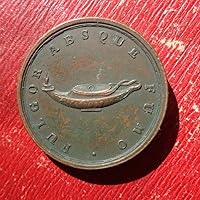
One of these finds was Failure, by establishment poet Philip Schultz. A paperback, it features a bent nail (get it?) and a big serrated prize graphic stating: WINNER OF THE PULITZER PRIZE, like something affixed to the Prize Hog at the Iowa (Writers' Workshop) State Fair. Best of all, on pages 23-24 is a poem that I encountered back around 2007 in the New Yorker, a poem I loathed so much I spent a great deal of unrecoverable time (what other kind of time is there?) dissecting to see why it was so awful. Since this effort was finished in 2009, and is unpublishable, I thought I'd Frankenstein it into a Goodreads review. Which is to say this is not a review of the entire book Failure, just one poem from it.
***
Philip Schultz is one of contemporary American poetry’s semi-big names, a poet who has been writing, publishing and teaching poetry for over thirty (er, forty now) years. Schultz is a New York-based poet, having taught at Columbia and New York University, as well as having founded The Writers Studio, which is described on its web site (www.writerstudio.com) as being “a non-degree granting, private school based in Greenwich Village in New York City” consisting of workshops “whose sole purpose is to help fiction writers and poets discover and nurture their own voices.” Not surprisingly, given his cultural status, Schultz has ready access to top-shelf publications: Schultz first appeared in The New Yorker in 1976 and has shown up from time to time since then, averaging about one poem a year this century (according to The New Yorker’s on-line index; as checked c. 2009). The poem is called “Why” and it appears on pages 68-69 of the August 27, 2007 issue:
WHY
is this man sitting here weeping
in this swanky restaurant
on his sixty-first birthday, because
his fear grows stronger each year,
because he’s still the boy running
all out to first base, believing
getting there means everything,
because of the spiders climbing
the sycamore outside his house
this morning, the elegance of
a civilization free of delusion,
because of the boyish faces
of the five dead soldiers on TV,
the stoic curiosity in their eyes,
their belief in the righteousness
of sacrifice, because innocence
is the darkest place in the universe,
because of the Iraqis on their hands
and knees looking for a bloody button,
a bitten fingernail, evidence of
their stolen significance, because
of the primitive architecture
of his dreams, the brutal egoism
of his ignorance, because he believes
in deliverance, the purity of sorrow,
the sanctity of truth, because of
the original human faces of his wife
and two boys smiling at him across
this glittering table, because of
their passion for commemoration,
their certainty that goodness continues,
because of the spiders clinging to
the elegance of each moment, because
getting there still means everything?
This poem, it is safe to say, is a meditation on aging, mortality, and a perceived decline of civilization. If you don’t pay a lot of attention to it, there is a certain agreeableness to the poem, with its doleful exploration of the poet’s sensitivity to the tragedy of war, the passing of time, and love for family. I can’t knock any of those things for being occasions for poetry. Where the poem fails is in its execution, more specifically in its diction, which employs an array of debased strategies that characterize an increasingly confused and incoherent American poetry scene. The poem’s failure is cumulative, and I hope to show below, is a product of simple bad writing rather than any violations of any particular school, fashion or theory. Although I assume it is a sincere, well-intentioned poem, written by a man with genuine feelings about the situations and scenes he describes, I will point out several instances where Schultz's language is so poorly deployed that the poem comes across being unintentionally implausible, comical, boorish, and vain.
WHY / is this man sitting here weeping / in this swanky restaurant / on his sixty-first birthday… To be sure this is a troubling scene – if in real life you were dining at the next table over this would be a disturbing sight, this late-middle age man weeping in front of his wife and two sons. In the real world I would guess that I was witnessing a cancer diagnosis, an impending divorce or something else tragic and personal. Or if the tragedy weren’t personal, it would be something unusually shocking and catastrophic – Manhattan on the evening of September 11, 2001, for instance. My expectations would be similar were I to encounter this scene in a memoir or a short story. But this is a poem, and we soon discover we are in that special Poem World where hyper-refined sensibilities (often in the first person) lament, grieve, rue, get heartsick and otherwise suffer because of distant (which is to say non-personal) troubles besetting a cold, cruel world. Fair enough – it is indeed a cold, cruel world full of heartbreak and misery – without a doubt and poets should explore it in a way prose will not and perhaps cannot. But such a reaction to the world’s misery can quickly become lugubrious, especially if the weeping is taking place at a public restaurant. I thought of a sardonic Wallace Stevens moment here: “Have it your way. / The world is ugly, // And the people are sad.” Of course historically, the use of outsized, extravagant emotion can lead to great poetry (Berryman, Yeats, Plath, Lowell). But unless skill and cunning are employed, this scene of a sixty-one-year old man weeping at his table will not be able to rise above bathos. While I am not insisting on T. S. Eliot’s objective correlative to pin down exactly what is causing all this weeping, I do believe it is reasonable to expect that something emotionally and humanly plausible is going to happen to justify these tears.
“…because / his fear grows stronger each year, / because he’s still the boy running / all out to first base, believing / getting there means everything / because of the spiders climbing / the sycamore outside his house / this morning…” The big lachrymose question of the title is why? The rest of the poem then is basically a catalog of those things that cause the speaker’s tears, set off by repetition of the word “because.” The first three items are his fear, which we know nothing about except that it is growing, the fact he is in some way still the boy he once was, and spiders. So far this is a fairly standard-issue middle-age guy poem and as such, I do not think it irredeemably atrocious. But still, why the weeping? A high level of emotional intensity is being insisted upon, but not embodied. Compounding these problems, there are the not-quite-right details: do spiders really climb trees in a group? The spiders I’ve seen are lurking singly in dark corners. Ants climbing the sycamores would be more believable, but they do not provide the scary frisson that spiders do. Nothing has gone horribly wrong with this poem beyond a certain only-in-a-poem feeling of implausibility. There is still hope.
“…the elegance of / a civilization free of delusion…” Here the first time the poem seriously drifts off course and resorts to thoughtless rhetoric – what civilization, past or present, has ever been free of delusion? If this question is sincere, as it appears to be, it is ridiculous, an example of sixties-era wishful thinking. In fact “a civilization free of delusion” reminds me of John Lennon on the radio (again and again) asking us all to imagine there’s no countries, and then telling us that it isn’t hard to do. If Schultz here is engaging in nostalgia and hearkens back to America’s Leave It To Beaver past, surely he cannot expect anybody to believe in a delusion-free US civilization of fifty years ago? The American fifties and early sixties was the era of the Cold War, Hollywood blacklists, institutionalized racial segregation and a host of other things that could be considered delusional. A delusion-free future is equally implausible and fatuous. Although civilizations can struggle to reduce the delusion, and certainly some are more delusional than others, but “a civilization free of delusion” is cant. What makes this passage even worse is that this civilization possesses “elegance.” Here the reader should ask herself when in the course of normal, natural speech is “elegance” ever used except ironically, or as fluff in an advertisement for jewelry or an up-scale sedan? I am not advocating a poetic diction that exactly mirrors current conversational usage, but some words really do need to be put on poetry’s forbidden list, or at least require a permit showing the poet is aware of the hazards of using a word such as “elegance.” In any case, just what is an “elegant civilization”?
“…because of the boyish faces / of the five dead soldiers on TV, / the stoic curiosity in their eyes, / their belief in the righteousness / of sacrifice…” The poem most definitely fails here because of what is being done with these “five dead soldiers on TV.” At the most basic, compositional level, because the language is so off-the-shelf, the scene is flaccid. That the faces are “boyish” is artless shorthand, “boyish” being a vaguely old-fashioned word like “youngster.” This conjures up a Norman Rockwell-looking World War II GI, a red-haired kid with a scatter of freckles across his upturned nose heading off to Omaha Beach. I suppose Schultz means it as a compliment to refer to all five soldiers as having “stoic curiosity in their eyes,” but it is really hard to believe. They do? All five of them? And even if you accept that five separate pairs of human eyes can unambiguously register something as specific (if hard to define) as “stoic curiosity” how is it the poet can know whether or not they believed in the “righteousness of sacrifice”? There is nothing intrinsically wrong with a writer speculating on the thoughts and motivations of other people, but here doesn’t this all sound like the windy abstractions from a politician’s vapid eulogy or a bit culled from a pulp western? The dead soldiers are being exploited here, used. Five tin soldiers get scooted around to inject the poem with emotional plausibility, one more “because” to add to the poet’s reasons to weep. I am certain that The New Yorker would never publish a short story that employed such inert afflatus. So why does it pass muster in a poem?
“…because innocence / is the darkest place in the universe…” Perhaps to distract us from his shabby exploitation of American casualties in Iraq, the poet rockets to outer space. Whenever you encounter something in a contemporary American poem being described as the darkest, coldest, or most distant thing “in the universe,” your bullshit detector should go off. It is surprising how often vast, “universal” tropes are employed in contemporary poems. Frank Bidart, to name one name, is fond of such vaporous musings about the universe (for some examples, see the opening of his long poem “The Third Hour of the Night” which took up the entire issue of Poetry in October 2004: “When the edgeless screen facing /
outward as if hypnotized by the edgeless universe…”). Indeed, the universe is a vast, dark place, a frigid vacuum empty but for the frozen ice tails of comets, the perpetual darkness of Neptune and a cold, dead, bone-white moon orbiting our own fragile planet. To pretend that human “innocence” is the “darkest place” in the universe is simply filler, poetical empty calories. I am not demanding a strict adherence to the astronomical definition of “universe,” but I do contend that in most cases the universe has become an empty placeholder in American poetry. Such empty phrase-mongering makes up much of Poem Land’s patois, its speechifying and sermonizing. In fact such language is barely noticed in poems anymore; I fear it might even be expected of them, that without such windiness they are not recognized as even being poems.
“…because of the Iraqis on their hands / and knees looking for a bloody button, / a bitten fingernail, evidence of / their stolen significance…” This is the best part of the poem. The Iraqis are described honestly, which is to say they are not given off-the-shelf attributes like the dead American soldiers were. These lines read like they were based on something actually seen, even if only on TV. It is vivid and concrete. The temptation to bloviate has been resisted by the poet here. Imagine the entire rest of this poem peeled away so all that was left were these lines and the title. This fragment, more than anything else in this poem, has potential (although “stolen significance” appears to serve as an unfortunate circumlocution for being blown to pieces by a bomb).
“…because / of the primitive architecture / of his dreams, the brutal egoism / of his ignorance, because he believes / in deliverance, the purity of sorrow, / the sanctity of truth…” Immediately after the comparatively delicate, convincing treatment of the Iraqis, the poet descends into such shameless preening and vanity that the poem becomes almost comical. Like any experienced seducer sitting at the bar, Schultz starts off with a couple of pseudo-negatives qualities (“primitive architecture of his dreams” “brutal egoism of his ignorance”) before trying to close the deal with his selling points: we are told this weeping man at the restaurant believes in “deliverance,” “purity of sorrow” and “the sanctity of truth”. The ostensibly negative qualities are bombastic or unbelievable (this weeping hypersensitive man might have an ego, but I have a hard time believing there is anything brutal about it). The good qualities (“deliverance,” “purity of sorrow,” etc.) sound like Superman being described using politically correct substitutes for truth, justice and the American way. I am not sure what is worse, the pious, vaporous “sanctity” of these qualities or the presumptuous high self-regard that they represent. Schultz’s language is so heedless here! What can you possible do in literature or in life with a mentally healthy adult who tells you, the tears running down his cheeks, that he believes in “the sanctity of truth”? Even in war-torn New York do they really talk this way in the “swanky” restaurants? As examples of psychological insight or spiritual self-awareness, these lines are failures, rhetorical filler of the poorest, easiest sort.
“…because of / the original human faces of his wife / and two boys smiling at him across / this glittering table, because of / their passion for commemoration, / their certainty that goodness continues…” After the self-congratulations of the preceding lines, the weeping man’s family now comes in for similar, although comparatively muted praise. First we are treated to the sham profundity and non-information of the fact their faces are both “original” and “human,” descriptions which outside the context of plastic surgery baffle me. What is interesting about the phrase “the original human faces” is that it provides an excellent example of the pseudo-profundities that makes up vast swatches of contemporary poetry. It is leftover “deep image” diction that can often be found inserted into even the most straightforward narrative poem in an effort to bump up the voltage. To an inexperienced reader of poetry, something like “the original human faces of his wife and two boys” can be puzzling or even intimidating; I suspect it is passages such as this one that leads to poetry’s on-going reputation for being difficult. Indeed it is difficult because it is nonsense. As for the rest of this passage, the poet’s family around “the glittering table” (Really? It glitters?) are also provided with little bits of only-in-a-poem praise: they have a “certainty that goodness continues” which is difficult to criticize, it being so darned nice and optimistic and brave. More of a problem is their “passion for commemoration,” which as far as I can figure from the context of the poem means that the family has a passion for birthdays, which is a strange passion to have as an adult. Perhaps worst of all is the fact that the family is not weeping along with the narrator – despite the tragedies in Iraq and other calamities that beset us, only the narrator has sensibilities delicate enough to actually weep. In fact the two boys are smiling, which in the context of the poem is heartless of them, isn’t it? Who knows? In the context of real restaurants filled with real people there is little here to make sense of or to understand.
“…because of the spiders clinging to / the elegance of each moment, because / getting there still means everything?” Here at the end of the poem, the spiders and the long-grown-up boy return to provide a forced sense of closure. The spiders no longer climb, they now merely cling. But they cling not to the sycamores anymore – they cling to “the elegance of each moment”! Change the spiders to butterflies and you have something from the Precious Moments greeting card collection. The word “elegance” has not gained any traction with repetition. I am not qualified to parse the metaphysics of this poem, but the closer seems “getting there still means everything” strikes me as a profundity of the most banal sort, something you might find in a Buick commercial: “the destination doesn’t matter, only the journey does...”
***
Those are my notes from long ago. And yep, 15 years later I still really don't like this poem. I hope I pointed out specifically why this is the case. As I type, we are a couple weeks into yet another war in the Middle East; perhaps Schultz, turning 81 (he was born in 1945) can weep yet again at the restaurant surrounded by "original human faces" and go on about the "sanctity of truth" etc.
One of these finds was Failure, by establishment poet Philip Schultz. A paperback, it features a bent nail (get it?) and a big serrated prize graphic stating: WINNER OF THE PULITZER PRIZE, like something affixed to the Prize Hog at the Iowa (Writers' Workshop) State Fair. Best of all, on pages 23-24 is a poem that I encountered back around 2007 in the New Yorker, a poem I loathed so much I spent a great deal of unrecoverable time (what other kind of time is there?) dissecting to see why it was so awful. Since this effort was finished in 2009, and is unpublishable, I thought I'd Frankenstein it into a Goodreads review. Which is to say this is not a review of the entire book Failure, just one poem from it.
***
Philip Schultz is one of contemporary American poetry’s semi-big names, a poet who has been writing, publishing and teaching poetry for over thirty (er, forty now) years. Schultz is a New York-based poet, having taught at Columbia and New York University, as well as having founded The Writers Studio, which is described on its web site (www.writerstudio.com) as being “a non-degree granting, private school based in Greenwich Village in New York City” consisting of workshops “whose sole purpose is to help fiction writers and poets discover and nurture their own voices.” Not surprisingly, given his cultural status, Schultz has ready access to top-shelf publications: Schultz first appeared in The New Yorker in 1976 and has shown up from time to time since then, averaging about one poem a year this century (according to The New Yorker’s on-line index; as checked c. 2009). The poem is called “Why” and it appears on pages 68-69 of the August 27, 2007 issue:
WHY
is this man sitting here weeping
in this swanky restaurant
on his sixty-first birthday, because
his fear grows stronger each year,
because he’s still the boy running
all out to first base, believing
getting there means everything,
because of the spiders climbing
the sycamore outside his house
this morning, the elegance of
a civilization free of delusion,
because of the boyish faces
of the five dead soldiers on TV,
the stoic curiosity in their eyes,
their belief in the righteousness
of sacrifice, because innocence
is the darkest place in the universe,
because of the Iraqis on their hands
and knees looking for a bloody button,
a bitten fingernail, evidence of
their stolen significance, because
of the primitive architecture
of his dreams, the brutal egoism
of his ignorance, because he believes
in deliverance, the purity of sorrow,
the sanctity of truth, because of
the original human faces of his wife
and two boys smiling at him across
this glittering table, because of
their passion for commemoration,
their certainty that goodness continues,
because of the spiders clinging to
the elegance of each moment, because
getting there still means everything?
This poem, it is safe to say, is a meditation on aging, mortality, and a perceived decline of civilization. If you don’t pay a lot of attention to it, there is a certain agreeableness to the poem, with its doleful exploration of the poet’s sensitivity to the tragedy of war, the passing of time, and love for family. I can’t knock any of those things for being occasions for poetry. Where the poem fails is in its execution, more specifically in its diction, which employs an array of debased strategies that characterize an increasingly confused and incoherent American poetry scene. The poem’s failure is cumulative, and I hope to show below, is a product of simple bad writing rather than any violations of any particular school, fashion or theory. Although I assume it is a sincere, well-intentioned poem, written by a man with genuine feelings about the situations and scenes he describes, I will point out several instances where Schultz's language is so poorly deployed that the poem comes across being unintentionally implausible, comical, boorish, and vain.
WHY / is this man sitting here weeping / in this swanky restaurant / on his sixty-first birthday… To be sure this is a troubling scene – if in real life you were dining at the next table over this would be a disturbing sight, this late-middle age man weeping in front of his wife and two sons. In the real world I would guess that I was witnessing a cancer diagnosis, an impending divorce or something else tragic and personal. Or if the tragedy weren’t personal, it would be something unusually shocking and catastrophic – Manhattan on the evening of September 11, 2001, for instance. My expectations would be similar were I to encounter this scene in a memoir or a short story. But this is a poem, and we soon discover we are in that special Poem World where hyper-refined sensibilities (often in the first person) lament, grieve, rue, get heartsick and otherwise suffer because of distant (which is to say non-personal) troubles besetting a cold, cruel world. Fair enough – it is indeed a cold, cruel world full of heartbreak and misery – without a doubt and poets should explore it in a way prose will not and perhaps cannot. But such a reaction to the world’s misery can quickly become lugubrious, especially if the weeping is taking place at a public restaurant. I thought of a sardonic Wallace Stevens moment here: “Have it your way. / The world is ugly, // And the people are sad.” Of course historically, the use of outsized, extravagant emotion can lead to great poetry (Berryman, Yeats, Plath, Lowell). But unless skill and cunning are employed, this scene of a sixty-one-year old man weeping at his table will not be able to rise above bathos. While I am not insisting on T. S. Eliot’s objective correlative to pin down exactly what is causing all this weeping, I do believe it is reasonable to expect that something emotionally and humanly plausible is going to happen to justify these tears.
“…because / his fear grows stronger each year, / because he’s still the boy running / all out to first base, believing / getting there means everything / because of the spiders climbing / the sycamore outside his house / this morning…” The big lachrymose question of the title is why? The rest of the poem then is basically a catalog of those things that cause the speaker’s tears, set off by repetition of the word “because.” The first three items are his fear, which we know nothing about except that it is growing, the fact he is in some way still the boy he once was, and spiders. So far this is a fairly standard-issue middle-age guy poem and as such, I do not think it irredeemably atrocious. But still, why the weeping? A high level of emotional intensity is being insisted upon, but not embodied. Compounding these problems, there are the not-quite-right details: do spiders really climb trees in a group? The spiders I’ve seen are lurking singly in dark corners. Ants climbing the sycamores would be more believable, but they do not provide the scary frisson that spiders do. Nothing has gone horribly wrong with this poem beyond a certain only-in-a-poem feeling of implausibility. There is still hope.
“…the elegance of / a civilization free of delusion…” Here the first time the poem seriously drifts off course and resorts to thoughtless rhetoric – what civilization, past or present, has ever been free of delusion? If this question is sincere, as it appears to be, it is ridiculous, an example of sixties-era wishful thinking. In fact “a civilization free of delusion” reminds me of John Lennon on the radio (again and again) asking us all to imagine there’s no countries, and then telling us that it isn’t hard to do. If Schultz here is engaging in nostalgia and hearkens back to America’s Leave It To Beaver past, surely he cannot expect anybody to believe in a delusion-free US civilization of fifty years ago? The American fifties and early sixties was the era of the Cold War, Hollywood blacklists, institutionalized racial segregation and a host of other things that could be considered delusional. A delusion-free future is equally implausible and fatuous. Although civilizations can struggle to reduce the delusion, and certainly some are more delusional than others, but “a civilization free of delusion” is cant. What makes this passage even worse is that this civilization possesses “elegance.” Here the reader should ask herself when in the course of normal, natural speech is “elegance” ever used except ironically, or as fluff in an advertisement for jewelry or an up-scale sedan? I am not advocating a poetic diction that exactly mirrors current conversational usage, but some words really do need to be put on poetry’s forbidden list, or at least require a permit showing the poet is aware of the hazards of using a word such as “elegance.” In any case, just what is an “elegant civilization”?
“…because of the boyish faces / of the five dead soldiers on TV, / the stoic curiosity in their eyes, / their belief in the righteousness / of sacrifice…” The poem most definitely fails here because of what is being done with these “five dead soldiers on TV.” At the most basic, compositional level, because the language is so off-the-shelf, the scene is flaccid. That the faces are “boyish” is artless shorthand, “boyish” being a vaguely old-fashioned word like “youngster.” This conjures up a Norman Rockwell-looking World War II GI, a red-haired kid with a scatter of freckles across his upturned nose heading off to Omaha Beach. I suppose Schultz means it as a compliment to refer to all five soldiers as having “stoic curiosity in their eyes,” but it is really hard to believe. They do? All five of them? And even if you accept that five separate pairs of human eyes can unambiguously register something as specific (if hard to define) as “stoic curiosity” how is it the poet can know whether or not they believed in the “righteousness of sacrifice”? There is nothing intrinsically wrong with a writer speculating on the thoughts and motivations of other people, but here doesn’t this all sound like the windy abstractions from a politician’s vapid eulogy or a bit culled from a pulp western? The dead soldiers are being exploited here, used. Five tin soldiers get scooted around to inject the poem with emotional plausibility, one more “because” to add to the poet’s reasons to weep. I am certain that The New Yorker would never publish a short story that employed such inert afflatus. So why does it pass muster in a poem?
“…because innocence / is the darkest place in the universe…” Perhaps to distract us from his shabby exploitation of American casualties in Iraq, the poet rockets to outer space. Whenever you encounter something in a contemporary American poem being described as the darkest, coldest, or most distant thing “in the universe,” your bullshit detector should go off. It is surprising how often vast, “universal” tropes are employed in contemporary poems. Frank Bidart, to name one name, is fond of such vaporous musings about the universe (for some examples, see the opening of his long poem “The Third Hour of the Night” which took up the entire issue of Poetry in October 2004: “When the edgeless screen facing /
outward as if hypnotized by the edgeless universe…”). Indeed, the universe is a vast, dark place, a frigid vacuum empty but for the frozen ice tails of comets, the perpetual darkness of Neptune and a cold, dead, bone-white moon orbiting our own fragile planet. To pretend that human “innocence” is the “darkest place” in the universe is simply filler, poetical empty calories. I am not demanding a strict adherence to the astronomical definition of “universe,” but I do contend that in most cases the universe has become an empty placeholder in American poetry. Such empty phrase-mongering makes up much of Poem Land’s patois, its speechifying and sermonizing. In fact such language is barely noticed in poems anymore; I fear it might even be expected of them, that without such windiness they are not recognized as even being poems.
“…because of the Iraqis on their hands / and knees looking for a bloody button, / a bitten fingernail, evidence of / their stolen significance…” This is the best part of the poem. The Iraqis are described honestly, which is to say they are not given off-the-shelf attributes like the dead American soldiers were. These lines read like they were based on something actually seen, even if only on TV. It is vivid and concrete. The temptation to bloviate has been resisted by the poet here. Imagine the entire rest of this poem peeled away so all that was left were these lines and the title. This fragment, more than anything else in this poem, has potential (although “stolen significance” appears to serve as an unfortunate circumlocution for being blown to pieces by a bomb).
“…because / of the primitive architecture / of his dreams, the brutal egoism / of his ignorance, because he believes / in deliverance, the purity of sorrow, / the sanctity of truth…” Immediately after the comparatively delicate, convincing treatment of the Iraqis, the poet descends into such shameless preening and vanity that the poem becomes almost comical. Like any experienced seducer sitting at the bar, Schultz starts off with a couple of pseudo-negatives qualities (“primitive architecture of his dreams” “brutal egoism of his ignorance”) before trying to close the deal with his selling points: we are told this weeping man at the restaurant believes in “deliverance,” “purity of sorrow” and “the sanctity of truth”. The ostensibly negative qualities are bombastic or unbelievable (this weeping hypersensitive man might have an ego, but I have a hard time believing there is anything brutal about it). The good qualities (“deliverance,” “purity of sorrow,” etc.) sound like Superman being described using politically correct substitutes for truth, justice and the American way. I am not sure what is worse, the pious, vaporous “sanctity” of these qualities or the presumptuous high self-regard that they represent. Schultz’s language is so heedless here! What can you possible do in literature or in life with a mentally healthy adult who tells you, the tears running down his cheeks, that he believes in “the sanctity of truth”? Even in war-torn New York do they really talk this way in the “swanky” restaurants? As examples of psychological insight or spiritual self-awareness, these lines are failures, rhetorical filler of the poorest, easiest sort.
“…because of / the original human faces of his wife / and two boys smiling at him across / this glittering table, because of / their passion for commemoration, / their certainty that goodness continues…” After the self-congratulations of the preceding lines, the weeping man’s family now comes in for similar, although comparatively muted praise. First we are treated to the sham profundity and non-information of the fact their faces are both “original” and “human,” descriptions which outside the context of plastic surgery baffle me. What is interesting about the phrase “the original human faces” is that it provides an excellent example of the pseudo-profundities that makes up vast swatches of contemporary poetry. It is leftover “deep image” diction that can often be found inserted into even the most straightforward narrative poem in an effort to bump up the voltage. To an inexperienced reader of poetry, something like “the original human faces of his wife and two boys” can be puzzling or even intimidating; I suspect it is passages such as this one that leads to poetry’s on-going reputation for being difficult. Indeed it is difficult because it is nonsense. As for the rest of this passage, the poet’s family around “the glittering table” (Really? It glitters?) are also provided with little bits of only-in-a-poem praise: they have a “certainty that goodness continues” which is difficult to criticize, it being so darned nice and optimistic and brave. More of a problem is their “passion for commemoration,” which as far as I can figure from the context of the poem means that the family has a passion for birthdays, which is a strange passion to have as an adult. Perhaps worst of all is the fact that the family is not weeping along with the narrator – despite the tragedies in Iraq and other calamities that beset us, only the narrator has sensibilities delicate enough to actually weep. In fact the two boys are smiling, which in the context of the poem is heartless of them, isn’t it? Who knows? In the context of real restaurants filled with real people there is little here to make sense of or to understand.
“…because of the spiders clinging to / the elegance of each moment, because / getting there still means everything?” Here at the end of the poem, the spiders and the long-grown-up boy return to provide a forced sense of closure. The spiders no longer climb, they now merely cling. But they cling not to the sycamores anymore – they cling to “the elegance of each moment”! Change the spiders to butterflies and you have something from the Precious Moments greeting card collection. The word “elegance” has not gained any traction with repetition. I am not qualified to parse the metaphysics of this poem, but the closer seems “getting there still means everything” strikes me as a profundity of the most banal sort, something you might find in a Buick commercial: “the destination doesn’t matter, only the journey does...”
***
Those are my notes from long ago. And yep, 15 years later I still really don't like this poem. I hope I pointed out specifically why this is the case. As I type, we are a couple weeks into yet another war in the Middle East; perhaps Schultz, turning 81 (he was born in 1945) can weep yet again at the restaurant surrounded by "original human faces" and go on about the "sanctity of truth" etc.

June 8, 2023
I care, but not enough

June 13, 2008
Alright, the language is pretty plain and maybe you have to be a nobody or a failure to navigate your way through this Pulitzer Prize winning book. I trust this poet's grief-worn voice. Schultz understands marriage, dogs, age, and what else? That you can't outrun the past, even when it's your father's past. And that the dead prefer our company to their own.
August 26, 2019
I don't read a lot of poetry and read this book to fulfill the category "a book outside your (genre) comfort zone" from my reading list for the year. The poetry describing reactions to the 9/11 tragedy were interesting and I appreciated his poetry pertaining to dogs. I wondered how many, if any, of the poems were autobiographical.
May 18, 2018
I wanted to like this book better than I did. Perhaps more overlap of life experience would have helped. He clearly has a gift and those that I did relate to more, I really appreciated. But I never was engrossed.

June 23, 2018
I read almost all poems in this collection loudly yesterday & I like the way Schultz did to the poems; to reader’s feelings.
September 4, 2021
I'm not sure why but this book of poetry resonated with me. The style of writing was straightforward and the subject matter felt genuine and honest.
September 16, 2021
the stuff about his dad bro

May 5, 2024
I don't read poetry. As a student, poetry was (and still is) as foreign a language to me as reading music - like I have some form of art blindness.
I read Philip Schultz's Failure on a recommendation from novelist and memoirist, Andre Dubus III. In a recent writing workshop, Dubus endorsed reading poetry as one way to push your creative boundaries. It turns out that poetry, with its clever turn of phrase and its unique pacing, can get your writer's brain synapses firing. In fact, Dubus reads half a dozen poems every morning as ritual. Failure was one of the collections he recommended.
While I still lack the level of appreciation I probably should have for poetry, reading Failure was a worthy experience, and it makes me want to experience more of the form. What follows are a few standout stanzas that have stuck with me. Please note, any asterisk following a stanza are my own notes/interpretations.
Talking to Ourselves
When my father's vending business was failing,
he'd talk to himself while driving, his lips
silently moving, his black eyes deliquescent.
He didn't care that I was there, listening,
what he was saying was too important.
*Added deliquescent to my vocabulary... I really appreciated how isolatingly introspective he described the father.
My Dog
*No stanza here to share, but a poem you will read and reread if there's a hotel room in your heart occupied by a dog. It describes the passing of his black lab and it'll break your heart.
The Idea of California
We had a lot in common and therefore little to say.
My Wife
At night she walks in the dark downstairs.
I know what she wants, to go to him the way
she goes to our boys when they're frightened,
to place herself between him and the pain.
*This poem was about a woman who lost her brother to a heroin overdose. Describing how she wanted to protect her brother like a mother comforting her children was raw and powerful.
Husband
William James said
marriage was overlooking, overlooking,
yes, but also overlapping: opinions,
histories, the truth of someone not you
sitting across the table seeing the you
you can't bear to, the face behind
the long fable in the mirror.
*If you have someone in your life that sees the full you, the self you might not fully admit to and might rarely share with others, this stanza should resonate.
Isaac Babel Visits My Dreams
Why not ask what it's like being a verb lonely for an object...
*I can't think of another time I've read analogy drawn from language structure. I thought this was direct and clever.
Failure
To pay for my father's funeral
I borrowed money from people
he already owed money to.
One called him a nobody.
No, I said, he was a failure.
You can't remember
a nobody's name, that's why
they're called nobodies.
Failures are unforgettable.
*From the title poem. Another stanza that cuts with honesty.
There was one other poem in which Schultz described someone's conscience as a "most useless government." I wrote down the line, but not the title. Again, a way to describe something in a way I found interesting.
Whether you're a student of poetry or whether poetry is still a foreign language to you, I wish you much Failure.
4 out of 5
I read Philip Schultz's Failure on a recommendation from novelist and memoirist, Andre Dubus III. In a recent writing workshop, Dubus endorsed reading poetry as one way to push your creative boundaries. It turns out that poetry, with its clever turn of phrase and its unique pacing, can get your writer's brain synapses firing. In fact, Dubus reads half a dozen poems every morning as ritual. Failure was one of the collections he recommended.
While I still lack the level of appreciation I probably should have for poetry, reading Failure was a worthy experience, and it makes me want to experience more of the form. What follows are a few standout stanzas that have stuck with me. Please note, any asterisk following a stanza are my own notes/interpretations.
Talking to Ourselves
When my father's vending business was failing,
he'd talk to himself while driving, his lips
silently moving, his black eyes deliquescent.
He didn't care that I was there, listening,
what he was saying was too important.
*Added deliquescent to my vocabulary... I really appreciated how isolatingly introspective he described the father.
My Dog
*No stanza here to share, but a poem you will read and reread if there's a hotel room in your heart occupied by a dog. It describes the passing of his black lab and it'll break your heart.
The Idea of California
We had a lot in common and therefore little to say.
My Wife
At night she walks in the dark downstairs.
I know what she wants, to go to him the way
she goes to our boys when they're frightened,
to place herself between him and the pain.
*This poem was about a woman who lost her brother to a heroin overdose. Describing how she wanted to protect her brother like a mother comforting her children was raw and powerful.
Husband
William James said
marriage was overlooking, overlooking,
yes, but also overlapping: opinions,
histories, the truth of someone not you
sitting across the table seeing the you
you can't bear to, the face behind
the long fable in the mirror.
*If you have someone in your life that sees the full you, the self you might not fully admit to and might rarely share with others, this stanza should resonate.
Isaac Babel Visits My Dreams
Why not ask what it's like being a verb lonely for an object...
*I can't think of another time I've read analogy drawn from language structure. I thought this was direct and clever.
Failure
To pay for my father's funeral
I borrowed money from people
he already owed money to.
One called him a nobody.
No, I said, he was a failure.
You can't remember
a nobody's name, that's why
they're called nobodies.
Failures are unforgettable.
*From the title poem. Another stanza that cuts with honesty.
There was one other poem in which Schultz described someone's conscience as a "most useless government." I wrote down the line, but not the title. Again, a way to describe something in a way I found interesting.
Whether you're a student of poetry or whether poetry is still a foreign language to you, I wish you much Failure.
4 out of 5
August 8, 2024
3.5 stars rounded up (maybe more like 3.75? not sure)
i liked this poetry book!! i thought it was quite pleasantly simply with language and structure, but striking and beautiful with imagery and diction. some of the poems i didn’t really understand or wanted more out of, but most of them i found myself enjoying greatly. i thought his descriptions of both contentedness/joy and despair/grief were fantastic and relatable. also i’ve never had a pet dog but this book made me simultaneously want one and scared to have one… this guy loves dogs. he made me love them too, i got attached to all of the dogs in “the wandering wingless”, which some of it i didn’t really get but a lot of it i had a good time reading. overall, glad i picked this one from dr. c’s list! :)
i liked this poetry book!! i thought it was quite pleasantly simply with language and structure, but striking and beautiful with imagery and diction. some of the poems i didn’t really understand or wanted more out of, but most of them i found myself enjoying greatly. i thought his descriptions of both contentedness/joy and despair/grief were fantastic and relatable. also i’ve never had a pet dog but this book made me simultaneously want one and scared to have one… this guy loves dogs. he made me love them too, i got attached to all of the dogs in “the wandering wingless”, which some of it i didn’t really get but a lot of it i had a good time reading. overall, glad i picked this one from dr. c’s list! :)

March 30, 2022
As good as it gets
The poetry of Philip Schultz is some of the most readable in the genre. There are definite themes blinking in and out. Dogs, family, mental health, his father, and Washington Park in the Village, they all tie together to expose glimpses of life.
The poetry of Philip Schultz is some of the most readable in the genre. There are definite themes blinking in and out. Dogs, family, mental health, his father, and Washington Park in the Village, they all tie together to expose glimpses of life.
September 26, 2026
Painful and true.
Schultz examines failure and despair in this evocative and hard-hitting volume. He suggests some existential solutions, which are about finding love and companionship, that sound plausible.
Schultz examines failure and despair in this evocative and hard-hitting volume. He suggests some existential solutions, which are about finding love and companionship, that sound plausible.

Read
December 3, 2019Poems where good.

January 23, 2021
I really enjoyed this book.
March 18, 2022
the pain bruh
July 28, 2025
Absolut grozav. Sper să se mai traducă.

February 14, 2026
I can see why he won the 2008 Pulitzer Prize for this book. I absolutely enjoyed his original prose.

August 29, 2012
This book was almost like a silent presence that spoke up a few times while I was reading it and said... 'Hi - I know what you're thinking!'. Once was a few days ago when I dream't about the word guileless, while napping. Every now and then I dream about words that are sometimes real and sometimes not. While working my way out of my nap, I tried to recall if guileless was a real word and committed to looking it up as soon as I was fully awake, but of course forgot to do so. However, when reading this book later in the day, or the next day (I can't remember which), what do I come across but the word guilelessss...... I know this may not seem like much, but guileless is not a word you see everyday and certainly not one you dream about - that is IF you dream about words like I do;). Then today, my coworkers and I had a brief conversation about it being 9/11 and it being Tuesday - the weekday 9/11 occurred. Lo and behold, as I'm finishing up this book this evening, it happens to be the section that talks about 9/11 and also mentions Tuesday. Again, I know this might not sound like much, but, even though it mentions on the back cover that part of the book's subject matter is 9/11, I never recall reading that. And if I did, I certainly had forgotten and in no way targeted today to be the day I'd finish the book and read the section pertaining to 9/11. (Please take this story as being a little more like poetry and less like a crazy woman! :)
Of the contemporary, pulitzer prize winning poetry books I've read over the past several weeks - Life on Mars, American Primitive, and this one - this is the one that truly seems pulitzer worthy, whatever that means. Schultz is just simply solid. There's nothing more I can really say. His subjects - 9/11, family, struggles with the mind, the virtue of dogs - are stuff most of us can appreciate and he poetifies all of them very smoothly. My appreciation of these poems was on the whole like a bell shaped curve - though all were good, those in the middle stood out the most to me. I only wish that I had read this on my kindle since Schultz sparses out his subjects and characters a good bit and so being able to reference them when needed would've been nice.
Of the contemporary, pulitzer prize winning poetry books I've read over the past several weeks - Life on Mars, American Primitive, and this one - this is the one that truly seems pulitzer worthy, whatever that means. Schultz is just simply solid. There's nothing more I can really say. His subjects - 9/11, family, struggles with the mind, the virtue of dogs - are stuff most of us can appreciate and he poetifies all of them very smoothly. My appreciation of these poems was on the whole like a bell shaped curve - though all were good, those in the middle stood out the most to me. I only wish that I had read this on my kindle since Schultz sparses out his subjects and characters a good bit and so being able to reference them when needed would've been nice.
Displaying 1 - 30 of 68 reviews