

What do you think?
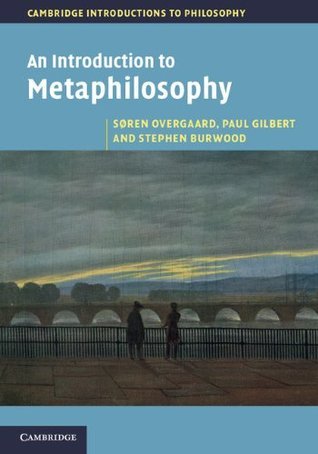
Cambridge Introductions to Philosophy
An Introduction to Metaphilosophy
What is philosophy? How should we do it? Why should we bother to? These are the kinds of questions addressed by metaphilosophy - the philosophical study of the nature of philosophy itself. Students of philosophy today are faced with a confusing and daunting array of philosophical methods, approaches and styles and also deep divisions such as the notorious rift between analytic and Continental philosophy. This book takes readers through a full range of approaches - analytic versus Continental, scientistic versus humanistic, 'pure' versus applied - enabling them to locate and understand these different ways of doing philosophy. Clearly and accessibly written, it will stimulate reflection on philosophical practice and will be invaluable for students of philosophy and other philosophically inclined readers.
- GenresPhilosophyNonfiction
250 pages, Kindle Edition
First published January 1, 2013
Ratings & Reviews
Friends & Following
Create a free account to discover what your friends think of this book!
Community Reviews
Displaying 1 - 8 of 8 reviews

Read
March 17, 2024خوندنش خیلی طول کشید، خیلی زیاد...
اوایل ترم پیش رفتم سراغ یکی از اساتید موردعلاقهم و ازش پرسیدم اگر بخواد کتابی رو به کسی که هیچچیزی از فلسفه نمیدونه معرفی کنه، اون کتاب چیه؟ این کتاب رو بهم پیشنهاد داد.
به نظرم درباره مسائل مهم و جالبی صحبت کرده بود، ولی دنبال کردن بحث برام کمی مشکل بود. یکی از دلایل اینکه خوندن سیصد صفحه رو شش ماه طول دادم. حس میکنم یه بخشیش هم به ترجمه برمیگشت، ولی با اطمینان نمیتونم قضاوت کنم.
به هر حال اینطور نیست که حس کنم وقتم تلف شده. صرفا انرژی روانی زیادی ازم گرفت. شاید اگر بعدتر دوباره بهش برگردم، چیزهای بیشتری دستگیرم بشه.
اوایل ترم پیش رفتم سراغ یکی از اساتید موردعلاقهم و ازش پرسیدم اگر بخواد کتابی رو به کسی که هیچچیزی از فلسفه نمیدونه معرفی کنه، اون کتاب چیه؟ این کتاب رو بهم پیشنهاد داد.
به نظرم درباره مسائل مهم و جالبی صحبت کرده بود، ولی دنبال کردن بحث برام کمی مشکل بود. یکی از دلایل اینکه خوندن سیصد صفحه رو شش ماه طول دادم. حس میکنم یه بخشیش هم به ترجمه برمیگشت، ولی با اطمینان نمیتونم قضاوت کنم.
به هر حال اینطور نیست که حس کنم وقتم تلف شده. صرفا انرژی روانی زیادی ازم گرفت. شاید اگر بعدتر دوباره بهش برگردم، چیزهای بیشتری دستگیرم بشه.

September 10, 2022
فصل سوم (فلسفه، علم و علوم انسانی) برای من جالبترین فصل بود.

June 6, 2013
This seems to be the only english language introduction to metaphilosophy currently in print. Luckily, this is a fantastic introduction that thoroughly surveys the various areas within the field of metaphilosophy, while avoiding bogging itself down in jargon and over-categorization that plagues a lot of contemporary textbooks. The book covers topics most philosophers and philosophy courses tend to ignore: what is philosophy good for? what is good philosophy? what is philosophy? If I taught a course on metaphilosophy, this is the text I'd use (unfortunately because it's the only english text available - but even if it wasn't, I would recommend it for its non-technical vocabulary).

September 3, 2013
I appreciated the authors' thinking, but the translation seemed a bit clunky.

March 20, 2026
Metaphilosophy is philosophy looking at itself.
There is a real and valid question to be asked about what philosophy is and what it is meant to be for. All too often the answer ends up being assumed, as simply what people are prepared to pay for as philosophy.
What this book sets out to do is to examine the issue in a more objective way, looking at what philosophers say and do to explain and justify what they are calling philosophy. It sounds like an appropriate methodology, but by the end of the book I’m not sure what has emerged.
Chapter 2 asks us what is philosophy. We discover that quite a few philosophers disagree with each other about what it is. Some like Quine view it as part of Science. Some like Rorty Derrida and possibly Wittgenstein see it more as like an artform or an expression of living. Others see it somewhere in the middle, either trying to describe reality, or describe our attempts to describe reality.
Chapter 3 looks at the relationship between philosophy Science and humanities. Once again matters are complicated and different philosophers see things in different ways, and those differences vary yet again over time and cultures. One of the key issues in the background is the status of metaphysics. The more materialistic philosophers dismiss it, but is the dismissal actually a metaphysical position, thus making some approaches incoherent?
Chapter 4 explores the data which philosophy purports to study. Is it reality (as either physical or metaphysical) or is it people’s impressions of reality (ideas, subjectivity). These issues begin to open up one of the great divides in philosophy between those who think of them selves as focused upon Nature and those focused upon phenomenology. The chapter shows some interesting alignments across the divide, but the fact that there is an ongoing division of thought on this issue means that once again there isn’t a simple answer to what philosophy is doing.
Chapter 5 explores the division between Continental and Analytic philosophers. As a relatively short and self-contained chapter, this is a good attempt to give an overview and explain the differences. But, even though those differences seem stark on teh surface, they turn out to be extreme poles on a long continuum, where there is much philosophising on the spectrum that is difficult to sharply assign to one type or the other.
Chapter 6 explores the idea that philosophy is trying to discover the truth of matters. Once again sharply different opinions emerge. Traditional philosophers (like Aristotle) were firmly focused upon enquiring about the truth. But more modern figures like Rorty question whether it is even possible for human beings to ask and pursue questions of an objective truth when so much of their thinking is locked into subjective influences.
Chapters 7 and 8 ask what counts as success, or ‘good’ philosophy. Given all the disagreement evident in the previous chapters, it is not surprising that there is no simple answer.
The chapters are interesting in how they explain contemporary philosophical approaches but I dont think the book really gets far as a “metaphilosophical” study. It is more of what used to be called a history of philosophy, simply explaining that there are differences and what those differences are.
There is a real and valid question to be asked about what philosophy is and what it is meant to be for. All too often the answer ends up being assumed, as simply what people are prepared to pay for as philosophy.
What this book sets out to do is to examine the issue in a more objective way, looking at what philosophers say and do to explain and justify what they are calling philosophy. It sounds like an appropriate methodology, but by the end of the book I’m not sure what has emerged.
Chapter 2 asks us what is philosophy. We discover that quite a few philosophers disagree with each other about what it is. Some like Quine view it as part of Science. Some like Rorty Derrida and possibly Wittgenstein see it more as like an artform or an expression of living. Others see it somewhere in the middle, either trying to describe reality, or describe our attempts to describe reality.
Chapter 3 looks at the relationship between philosophy Science and humanities. Once again matters are complicated and different philosophers see things in different ways, and those differences vary yet again over time and cultures. One of the key issues in the background is the status of metaphysics. The more materialistic philosophers dismiss it, but is the dismissal actually a metaphysical position, thus making some approaches incoherent?
Chapter 4 explores the data which philosophy purports to study. Is it reality (as either physical or metaphysical) or is it people’s impressions of reality (ideas, subjectivity). These issues begin to open up one of the great divides in philosophy between those who think of them selves as focused upon Nature and those focused upon phenomenology. The chapter shows some interesting alignments across the divide, but the fact that there is an ongoing division of thought on this issue means that once again there isn’t a simple answer to what philosophy is doing.
Chapter 5 explores the division between Continental and Analytic philosophers. As a relatively short and self-contained chapter, this is a good attempt to give an overview and explain the differences. But, even though those differences seem stark on teh surface, they turn out to be extreme poles on a long continuum, where there is much philosophising on the spectrum that is difficult to sharply assign to one type or the other.
Chapter 6 explores the idea that philosophy is trying to discover the truth of matters. Once again sharply different opinions emerge. Traditional philosophers (like Aristotle) were firmly focused upon enquiring about the truth. But more modern figures like Rorty question whether it is even possible for human beings to ask and pursue questions of an objective truth when so much of their thinking is locked into subjective influences.
Chapters 7 and 8 ask what counts as success, or ‘good’ philosophy. Given all the disagreement evident in the previous chapters, it is not surprising that there is no simple answer.
The chapters are interesting in how they explain contemporary philosophical approaches but I dont think the book really gets far as a “metaphilosophical” study. It is more of what used to be called a history of philosophy, simply explaining that there are differences and what those differences are.
December 25, 2025
Philosophy is a notorious "intellectual weight" and it is definitely difficult to lift. From time to time, we may ask ourselves "why should I struggle with this book in particular and with philosophy in general when I could just play some videogame?" or "has philosophy ever reached to a conclusion? Do we know a thing about reality thanks to the efforts of philosophy?" or any variation of "why bother at all?". Here we have a fantastic attempt to answer these questions. Take your time, because this book is heavy!
AI Summary:
This text provides a comprehensive introduction to metaphilosophy, investigating the foundational nature, methods, and value of philosophical inquiry. It contrasts analytic and continental traditions, exploring whether philosophy should be viewed as a continuous part of science, a distinct humanities discipline, or a form of conceptual therapy. Key debates include the reliability of intuition and armchair reflection versus the rising influence of experimental philosophy and naturalism. The author examines the lack of definitive progress in the field, suggesting that philosophy often serves as a "midwife" to new sciences or functions as an edifying conversation rather than a search for objective truths. Ultimately, the source weighs the practical utility of philosophy in shaping worldviews and sharpening critical thinking against its more abstract, theoretical aims. It concludes by reflecting on the intellectual virtues required for good philosophizing and the subject's enduring role in human understanding.
AI Summary:
This text provides a comprehensive introduction to metaphilosophy, investigating the foundational nature, methods, and value of philosophical inquiry. It contrasts analytic and continental traditions, exploring whether philosophy should be viewed as a continuous part of science, a distinct humanities discipline, or a form of conceptual therapy. Key debates include the reliability of intuition and armchair reflection versus the rising influence of experimental philosophy and naturalism. The author examines the lack of definitive progress in the field, suggesting that philosophy often serves as a "midwife" to new sciences or functions as an edifying conversation rather than a search for objective truths. Ultimately, the source weighs the practical utility of philosophy in shaping worldviews and sharpening critical thinking against its more abstract, theoretical aims. It concludes by reflecting on the intellectual virtues required for good philosophizing and the subject's enduring role in human understanding.

April 17, 2026
berfilsafat tentang filsafat melahirkan metafilsafat. bagian pengantar buku ini membahas tentang metafilsafat itu sendiri dengan judul "introduction: what is good metaphilosophy". dengan kata lain, bagian pengantar berfilsafat tentang metafilsafat sehingga kegiatan yang dilakukan bukan lagi metafilsafat, tetapi meta-metafilsafat. (sekarang coba bayangkan meta-metafilsafat itu difilsafati lagi, maka lahirlah meta-meta-metafilsafat, dan seterusnyanya tanpa ujung.) secara umum, buku ini mengajikan uraian luas dan dalam di setiap babnya, dari bab pertama "what is philosophy?" sampai bab terakhir "what good is philosophy" denga gaya tutur yang jernih dan tertata. sebagai buku pengantar buku ini bagus banget! bahasa inggris saya masih terbata-bata. karena itu, saya menghabiskan tiga bulanan untuk mengkhatamkannya. semoga ke depan bahasa inggris saya makin fasih biar kian banyak buku filsafat bagus yang bisa saya lahap.
November 1, 2025
If reading about philosophy isn't boring enough, here is a textbook about the philosophy of philosophy. This is literally the only textbook on the matter, so if you want to learn about metaphilosophy this is highly suggested. The authors want to show why metaphilosophy matters, despite the fact that many philosophers disregard the subject. Many original ideas are also posited such as a whole chapter on Rorty. Even if some philosophers are slightly misinterpreted, the bibliography is amazing for finding out how your favorite philosopher came to their stance on philosophy. I wish there was more of a diverse group of thinkers, but this is the best we got for the time being.
Displaying 1 - 8 of 8 reviews