From the award-winning author of Dressing Up, a riveting and diverse history of women’s hair that reestablishes the cultural power of hairdressing in nineteenth-century America.
In the nineteenth century, the complex cultural meaning of hair was not only significant, but it could also impact one’s place in society. After the Civil War, hairdressing was also a growing profession and the hair industry a mainstay of local, national, and international commerce. In Beyond Vanity, Elizabeth Block expands the nascent field of hair studies by restoring women’s hair as a cultural site of meaning in the early United States. With a special focus on the places and spaces in which the hair industry operated, Block argues that the importance of hair has been overlooked due to its ephemerality as well as its misguided association with frivolity and triviality. As Block clarifies, hairdressing was anything but frivolous.
Using methods of visual and material culture studies informed by concepts of cultural geography, Block identifies multiple substantive categories of place and space within which hair acted. These include the preparatory places of the bedroom, hair salon, and enslaved peoples’ quarters, as well as the presentation places of parties, fairs, stages, and workplaces. Here are also the untold stories of business owners, many of whom were women of color, and the creators of trendsetting styles like the pompadour and Gibson Girl bouffant. Block’s ground-breaking study examines how race and racism affected who participated in the presentation and business of hair, and according to which standards. The result of looking closely at the places and spaces of hair is a reconfiguration that allows a new understanding of the cultural power of hair in the period.
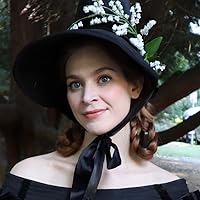
Elizabeth L. Block, an art and culture historian, is a Senior Editor in the Publications and Editorial Department at The Metropolitan Museum of Art in New York.
Dr. Block earned her PhD in art history at The Graduate Center, City University of New York, with a focus on 19th-century American painting. She also holds an MA in American Studies from Columbia University, and a BA in English from The George Washington University.
Gilded Age Fashion (Hardie Grant) is available for preorder now.
Beyond Vanity: The History and Power of Hairdressing (MIT Press) is the winner of the Costume Society of America’s 2025 Millia Davenport Publication Award. The book has been featured in Forbes, Hyperallergic, Daily Art Magazine, Town & Country, The New York Post, and more.
Her book Dressing Up: The Women Who Influenced French Fashion (2021) also published by MIT Press, won the Victorian Society in America book award 2022, and was shortlisted for the Association of Dress Historians 2022 Book of the Year. The book was reviewed widely in academic journals in the fields of fashion history, American history, art history, and business history.
This book is helping to fill a historical gap by recognizing this important cultural cornerstone. So glad that this book exists. Grateful to Elizabeth for taking the time to write it.
Such a great (and diverse) resource on white and Black women’s hair in the 1800s. I will continue to reference this book time and time again for research/writing purposes! Also, a great read for those wanting to learn more about the intricacies of hair and its place in society!
What a fantastic book! I really enjoyed combining my love of beauty with my love of history. This is worth a permanent place on your bookshelf and proof that, as the book drives home, hair is anything but frivolous.
**Review for "Beyond Vanity: The History and Power of Hairdressing"**
This book is a rarity: a mesmerizing historical account told with a flair for storytelling, making complex historical and cultural insights both compelling and relatable.
The book's presentation is equally impressive—its elegant design and striking cover make it a stunning addition to any coffee table.
Whether you're a fashion enthusiast or simply curious about the cultural significance of hair, BEYOND VANITY is both enjoyable and enlightening.
Highly recommend fashion folks and history buffs or just anyone curious about the fascinating history of hair.
Elizabeth Block takes the reader on a powerfully informative voyage through the sometimes tangled history of hairdressing! The images, the writing, THE PAPER! This is a MUST READ & HAVE for anyone who loves fashion studies or historical esthetics.
This is a well rounded and comprehensive look at the history of hair dressing in the 19th century. Elizabeth Block does a great job of exploring the significance of something that (in the present day) is often considered frivolous and unimportant. As a lover of fashion history myself, this look at the importance of hair in the 19th century adds a new layer to my knowledge and appreciation of how women presented themselves to the world during this period.
An unusual nonfiction read which I purchased after attending a talk by the author Elizabeth Block A fascinating and in depth study of woman’s hair and hairstyles as a reflection of the times and societal rules Although a little dense at times I enjoyed it Your call
So glad to finally get my hands on my copy of this book. The first thing that stood out for me was the plethora of images from the nineteenth century. The use of painting, advertisements and portraits give a good idea of what women were doing with their hair.
The second thing that stood out is the inclusion of African American women, some during times of slavery and then afterwards.
Different socioeconomic groups were also written about not just the rich. I’m always interested in what the day to day woman was doing, how they managed as housewives or working women.
I am placing this book right next to my copy of Elizabeth L. Block’s other wonderful book “Dressing up: The women who influenced French Fashion” for reference when researching 19th century women’s life and fashion.
*Beyond Vanity* by Elizabeth Block is a book about how looks affect how we feel about ourselves. Block shares stories and facts from history to show how society pressures people to care about beauty. The book makes readers think about how much we should care about our appearance and what really matters. Block’s writing is easy to follow, and she helps us see why being true to ourselves is more important than just looking good. It’s a good book for anyone who wants to learn more about beauty and being yourself.
An examination of hair styling in the 1800s and early 1900s in the United States, with an emphasis on advertisements as both ideal and reality of use. The photo inserts are very helpful when discussing hair styles, both the more artistic renditions and the actual reality of photographs. Block is strongly focused on the ideas of space and use, to the point where she seems more focused on that over anything to do with hair. When she gets over that and actually discusses different aspects of hair and culture the book does shine but much of the writing feels more like a class-specific thesis.
Elizabeth Block digs deep into her subject, unearthing a treasure trove of information. She is a lucid and engaging writer and “Beyond Vanity” was an absolute pleasure to read. It should appeal to scholars and the general public alike. I will be giving “Beyond Vanity” to more than a few friends this December.
Judith Brodie, retired curator of modern prints and drawings, National Gallery of Art
I’ve been a hairdresser for about 30 years now. I Love the history of hair and culture. I was so excited to find this book as a professional as well as a fun read! Especially someone like Elizabeth who has access to the inside of history at the Metropolitan Museum of Art in NYC. The details from this book are really unique! With a book like this, we can create the future from learning about the past.
So excited to read a dedicated book to the history of hair. I’m both a hairstylist and colourist of 20 years and also a history nerd. I usually have to make do with extracts from fashion and makeup history books. I haven’t finished reading it yet but so far it’s fantastic and the book itself looks beautiful.
BEYOND VANITY is a fascinating, in-depth look at how hair styles have changed over time, as well as the effect they’ve had on history and culture. It’s chock full of photos and illustrations and truly an enlightening read, filled with surprises. For anyone who loves history or fashion, this is a must-read.
Beyond Vanity is most informative! This well-researched book became the catalyst for digging out boxes of family photographs and taking a closer look at how the women in our family styled their hair in the 1800s.
What a well written, researched and fascinating book! I loved it and learned so much about the cultural significance and meaning that women conveyed by their hairstyles throughout history.