החיים כמשל היה לרב־מכר גדול מאז הופעתו וזכה לדורות של קוראים נלהבים. פנחס שדה מגולל בו את סיפור חייו של היחיד, "הקיים בתוך האינסופיות, בדד לעומת אלוהים."
פרשת החיים מתוארת בגילוי לב אכזרי, חסר מעצורים ושובר מוסכמות, שבאמצעותו מנסה המחבר להגיע אל כוחה המטהר של האמת. במסע הזה פוגש גיבור הספר בדמויות, ממשיות ופנטסטיות כאחד: צעירים המחפשים את המשמעות והיופי שבחיים, אוהבים, סובלים, תועים ונאבקים. אדיש לכל המוסכמות המקובלות חושף שדה את עצמו באקסהיביציוניזם יחיד ומיוחד בספרות העברית.
מתוך קריאה סובייקטיבית ביותר בכתבי הלדרלין, דוסטויבסקי, קירקגור וניטשה הוא יוצר לעצמו מעין דת, שבה מציאות החושים מאירה את החיים בזווית פרטית ורגישה מאוד.
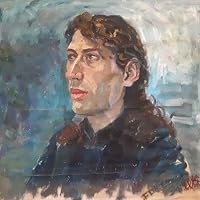
Pinchas Sadeh, also Pinhas Sadeh, (Hebrew: פנחס שדה) was a Polish-born Israeli novelist and poet.
Sadehwas born Pinhas Feldman, in Galicia (then part of Poland). His family immigrated to Mandatory Palestine in 1934, settling in Tel Aviv. He lived and studied in Kibbutz Sarid. Later, he studied in England. Sadeh worked as a shepherd at Kvutzat Kinneret. There he met Yael Sacks, whom he married in 1956 but the union lasted only three months. In 1962-1969, he was married to Yehudit. He began publishing his work in 1945.
In this profound and insightful story, Sadeh, the poet and the hero, is set out for a search of a meaning through the exploration of Israeli society at its budding. Life itself is the source of his quest and happiness. Sadeh is a carpe diem poet who lives the moment, and in his search for the meaning of life his philosophical questions grew with an epic passion. Sadeh is a fascinating story teller whose grand admiration towards life surpasses the complexities of his time. Despite the upheavals and wars in Israel he walks the narrow path of salvation. His wanderings at nights throughout the narrow streets of Jerusalem and about the mysterious nature outside Jerusalem made a mark upon his search for reason. It was simply magical to walk the walk with him as a reader. Furthermore, the romantic tone in this story reaffirms his spiritual love for humanity. As an altruist and a humanist Sadeh challenges the dogmatism of his age and advocates for purity of literature and purity of heart. It felt here as if Sadeh touched salvation and even ate from the fruit of knowledge. His analytical eyes and keen sense of judgment led him to the threshold of the truth through existentialism. The beating heart of society, even when he traveled abroad, intrigued him. His love of mankind led him to question the motives of society as there was more to life than just survival and more to beauty than just the eye can meet. There was something holy about his life and he pointed it out throughout his search for holiness. Existentialism is the chief theme in this book. However, Sadeh’s call to sanctify literature and keep it pure rendered him a divine poet and author. I really enjoyed reading this book and I could not let it go until the very end. Sadeh is truly an intriguing storyteller.
"אדם, שדמו יתחיל לטפטף טיפה אחר טיפה, יוכה אימה וירוץ אל הרופאים וירעיש שמים וארץ, כי הוא יודע שבכלות הדם יכלו חייו; אבל אין איש חס ומרחם על הרגעים הנוטפים בלי חשך. והלא הזמן הוא דם החיים. החיים הם זמן. מה שהיה איננו, מה שהווה לא יהיה, מה שיהיה עדיין איננו ואחרי כן ישוב ולא יהיה. הכל קרוע בין הלא-היה לבין הלא-יהיה. אם לא לחשוב שממשותו ומובנו צפונים באלוהים, הרי הכל אינו אלא זוועה אחת אין-סופית"
The book is amazing & when you realize that it was written by a 27 year old guy it's even more shoking. The book talks about all that is important in life, how one thinks, why he acts and everything in between.
I have to admit that I feel a bit like "Emperor's Clothes" syndrome. This book has something of cult status in modern Israeli literature, but not for me. I read quite a bit of philosophy and I also immensely enjoy reading in general. I love books that manage to combine the two, so this book should have suited me perfectly. Which is why I decided to read it. What I got was a lugubrious narcissist, with a good command of the Hebrew language. Autobiographies are by definition about "me", but Sadeh has great difficulty in seeing anyone else as a thinking and feeling human. Even his loves tend to be short one-way alleys. God is woven into the fabric of the narrative and especially into the more philosophical musings, but I reckon that reckon that even He would find Sadeh a challenge. Depressing books can be fascinating, thought provoking and challenging. Hardy's "Jude the Obscure" jumps to mind. What a great read that was. I didn't have the temerity to stop reading in the middle, so I carried on suffering to the end. I suppose that this somewhat Sadeh's Parable of Life.