In 1931, an expedition team arrives at a campsite in Antarctica…to find its crew of men and sled dogs strewn and dead.
Some are hideously mangled, as if in rage—some have been dissected in a curious and cold-blooded manner. One man is missing. But a still more horrific sight is the star-shaped mound of snow nearby…for under its five points is another mass grave—and what lies there is not remotely human!
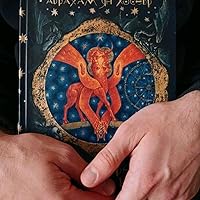
At the Mountains of Madness is a journey into the core of Lovecraft’s Mythos—into the deep caverns and even deeper time of the dead continent where the secret history of our planet is preserved. Since it was first published in Astounding Stories during the classic pulp era, At the Mountains of Madness has influenced both horror and science fiction worldwide!
“I love H.P. Lovecraft…It would be great to adapt him as a serialized manga, but I actually saw Gou Tanabe create a great adaption of H.P. Lovecraft's stories. Afterwards, I ended up not doing it because I thought I wouldn't be as good as Gou's version.”— Junji Ito (Uzumaki, Black Paradox)
Collects H.P. Lovecraft’s At the Mountains of Madness Volume 1 and 2.
Rating: endless burning stars to fill the whole fucking universe until it explodes!
Take my words, Gou Tanabe is the messiah for all the Lovecraft fans out there. XD
I must confess, some of H. P. Lovecraft's short stories are one hell of a bitch to get through...and At the Mountains of Madness is one of those 'difficult to read' tales.
I mean, when I was reading the English version of this novella, I felt like I was painfully crawling my way through a fucking endless icy wasteland, and I'm not kidding.
Therefore what a delight it truly is to go through Lovecraft's ill-fated Antarctica exploration again in this much easier way, in the form of that extremely fine-crafted, 'one of a kind' manga adaptation! The manga-ka, the talented Gou Tanabe had done a great job (some would probably say he had done the impossible) of handling all the hard labor for us by translating Lovecraft's epic, massive tale of cosmical horror into page after page of stunning visual artwork filling four full volumes of this exquisite graphic novel! Just so you can experience, with your very eyes, the depth of Lovecraft's imagination, and the inescapable sense of dread he created through the story telling!
If you are a newbie to the Lovecraftian stuff, do try this one out!
Updated@26/02/2022:
I guess the reason why Lovecraft is so intriguing and up-to-date/timeless is that he just pointblank tell you humanity is doomed and the future is hopeless.
Give the current state the world is in, I can only say he is right.
Gou Tanabe’s artwork brings Lovecraft’s story to the next level. His style fits perfectly and his pacing, use of panels, and use of stunning two-page spreads all work together to draw the reader into Lovecraft’s world of cosmic dread.
Робота Танабе переважає працю Кулбарда перш за все об'ємом. Комікс займає 128 сторінок, манґа - аж 626! Далі - гіперреалізм. Пейзажі, кораблі, характерні риси кожного учасника експедиції і що найголовніше - вдало передана атмосфера Арктики, крижин і велетенських гір. В одній з перших панелей Танабе відразу відкриває перед читачем циклопічні масштаби гір, три різні розгортки і остання - вигляд з космосу! Так,цей художник аж ніяк не боїться показати яких масштабів буде його розповідь. З цікавого - в обох адаптаціях Даєр має бороду,але як і інші персонажі в Танабе він краще розкритий (а що ж ви хотіли від опусу в 600 сторінок). Більше того, Танабе йде далі Лавкрафта і додає динаміки в сцени досліджень. Наприклад падіння при переході мостом в якому калічаться два пси, а переповнений пристрастю дослідника, Лейк, лишає їх помирати. Ще краще розкритий конфлікт між молодим Лейком і старшим Даєром. Але найбільшим досягненням Ґо Танабе є розділи в яких він змальовує прибуття Древніх на Землю їх колонізацію, історію та створення перших живих організмів. Масштаби, буквально космічні - прибуття з відкритого космосу, метеоритні бомбардування інкапсульованими тілами в первісний всюдисущий океан доісторичної безживної землі. Побудова міст з допомогою лазерів та контролю над гравітацією. Апофеозу ця арка досягає в сценах війн між Древніми, расою Ктулху, Мі-Ґо і шоґґотами. Я не побоюсь цього слова, але тут Танабе зробив щось подібне до ілюстрацій Доре для Біблії. Ці ілюстрації на стільки потужні, що інколи перевершують письмове першоджерело! Ешерівсько-піранезійна архітектура, скульптури та мозаїки чужорідної раси виконані настільки майстерно, що закрадається думка про приналежність автора до Древніх) Загалом, я часто закидаю манзі відсутність деталізації, але в даному випадку - все навпаки і робота Ґо Танабе є не просто доповненням Лавкрафта, а якісно новим поглядом з скрупульозною уважністю до всіх деталей. Тепер хочу ознайомитися з іншими роботами Ґо в цьому всесвіті.
Sono molto combattuta, premetto che non sono per nulla un'amante dei racconti Lovecraftiani, il suo horror non mi colpisce perché ho una sensibilità diversa, preferisco l'horror psicologico di Poe. Per quanto riguardo il fumetto/manga: da un lato i disegni li trovo spettacolari e suscitano l'inquietudine e la paura che dovrebbero suscitare, grandi distese dettagliatissime di città perdute, vette nere sconfinate immerse nei paesaggi dell'Antartico, torri gigantesche di un antico passato, è tutto molto evocativo. Dall'altro lato però i personaggi sono insulsi, nel senso che sono intercambiabili e uno vale l'altro, sono "carne da macello" (cit) , la storia non è così interessante da leggere, i dialoghi sono una semplice descrizione di ciò che succede, tediosi e didascalici, i personaggi soltanto osservando da lontano capiscono tutto. Non so se la colpa sia di chi li ha scritti o del fatto che Lovecraft non sia my cup of tea. La parte migliore rimane infatti quella finale, dove non ci sono dialoghi ma solo descrizioni e dove le illustrazioni di creature e paesaggi ancestrali ne fanno da padrone. Però vorrei tantissimo godere ancora delle illustrazioni di Gou Tanabe e quindi proverò con un altro fumetto sempre ispirato a Lovecraft.
"Per questo non posso fare a meno di porre una domanda a coloro che sono sicuri che la razza umana sia la massima espressione della vita sulla terra. C'è qualcuno di voi in grado di dirmi con certezza se, ancora oggi nell'abisso sotterraneo scavato dal fiume fra le viscere della terra, dove luce e uomo non sono mai penetrati, sopravvivano o meno delle creature sconosciute venute dallo spazio in epoche antiche? Perché tuttora quel folle verso risuona costantemente nella mia mente. Tekeli-li! Tekeli-li!"
Bellissima questa edizione Jpop del caposaldo dell'orrore cosmico di Lovecraft, interpretato dai disegni mozzafiato di Gou Tanabe. Ho letto ancora poco di Lovecraft per avere una sua conoscenza ferrata e completa, ma alcuni punti mi hanno entusiasmato molto, ad esempio la scoperta degli "Antichi", di cui ho letto qualche breve racconto, della megalopoli e degli Shoggoth... Tanabe è riuscito a rendere in forma grafica il profondo senso di inquietudine delle pagine lovecraftiane, in cui l'autore prende spunto da un altro maestro come Poe, e instilla il suo personale tratto immaginifico, per raccapricciare il lettore. Un'opera da tenere nella propria biblioteca, davvero un bellissimo lavoro.
Let me start with saying this. This is the best adaptation of a work from Lovecraft i have ever read in any medium. This is among my favorite reads of this year. It was nothing short of spectacular, and i enjoyed every minute of it.
At The Mountains of Madness was writen in 1931 and rejected at first by Weird Tales. It finally found a publisher in 1936 with Astounding Stories. The story is one of Lovecrafts most beloved and tells the story of a disasterous expedition in the Antartic. Lovecraft himself was very interested by Antarctic exploration, the continent was not yet fully explored in the 1930s, Lovecrafts borrows heavily from Edgar Allen Poe's The Narrative of Arthur Golden Pym of Nantucket. But giving it his own spin. This is Lovecraftian in any way as it is at it contains Cosmic horror, Eldritch and even Cthulhu and Shoggoth, even the Necronomicon is mentioned. Gou Tanabe is a master with his visuals and his panels and pacing especially is of the chain. I know that Guilermo Del Toro wants to make a Madness Movie for years, and if its half as good as this one i am happy. If you dig Lovecraft, this is a serious no brainer. Cant wait to revisit this one in the future.
Amazing 600+ pages of detailed art that really set the atmosphere of unknown, discovery and what if... If you like dark adventure stories about lost and forgotten civilizations this one is for you. Only downside is, that in some parts art becomes little bit confusing and chaotic. Nothing serious though... 4.5*
Opasłe tomisko, które być może niewiele nowego wnosi, jako kolejne odczytanie dzieła Lovecrafta, ale prezentuje je w bardzo strawnej i dynamicznej formie. Dodatkowo rzecz ciekawa graficznie. Bez zobowiązań, w ramach popołudniowej rozrywki
A dark sci-fi / adventure story, of a group of explorers travelling to Antarctica, who happen upon mysterious signs of ancient life. The artwork almost seems from another world, so detailed and intricate it’s difficult to imagine someone actually creating it. It reminded me at times of ‘Uzumaki’ (Junji Ito) because of the swirling patterns and the unease the artwork and story telling evoked in me as I read it. I have to say the constant stern looks of consternation on pretty much all of the characters, all the time, got a little tiresome towards the end. Still, enjoyable none the less.
About 40% of the art was difficult to make out. Therefore, a lot of panels seemed pointless and the action was usually stilted. I'm glad I read this, as I now have a better understanding of some of the Lovecraft mythos. I probably won't pick up the original version anytime soon, though.
Lake radioed that they had found a complete specimen reminiscent of "creatures of primal myth...Dyer and Pabodie have read the Necronomicon and seen Clark Ashton Smith's paintings based on text, and will understand... when I speak of Elder Thing's supposed to have created all Earth life as jest or mistake. Scientists of a philosophical bent who have encountered this text regarded it as a morbid imaginative interpretation of fossils found in ancient and medieval history...and as an echo of the beings of prehistoric folklore worshipped by the Cthulhu cult..."
I have previously read this adaption, but knew this would be a different experience compared to the previous two volume standard set. The weight of the tome, its oversized pages, and the luxury feel, make it sometime truly special.
The story is the culmination of the Cthulhu mythos and probably Lovecraft's finest work, bringing together a lot of his ideas. The original text is somewhat bogged down with long descriptions of the mountains, the ancient city, and the elder Gods which Tanabe's has brought to life in classic greyscale. By doing so, you are left with the heart of the story, a survival horror, a space opera, a sci-fi masterpiece, its hard to pin it down. What you can say, is that it is the gold standard on how to adapt Lovecraft to different mediums. 5 stars.
Nei primi del '900, il Polo Sud è ancora un luogo inesplorato e un gruppo di scienziati organizza una spedizione. Lì trovano una catena montuosa nascosta nella quale rinvengono un'antica e terribile civiltà risalente a prima della nascita della vita sulla terra. Quegli esseri sono perfettamente conservati e, forse, pronti a svegliarsi per riportare un antico male.
Non è più possibile contare le trasposizioni di Lovecraft: tra fumetti, film, videogiochi, giochi da tavolo... l'autore è stato trasposto in ogni media e in ogni modo. Eppure Gou Tanabe riesce a rendere quelli che sono gli aspetti più viscerali dello scrittore, portandoci, con un realismo inquietante, all'interno dell'ambientazione. Questo manga ha un ritmo coinvolgente e oscuro, con tante tavole che si concentrano sul paesaggio, sulle misteriose montagne nascoste. Particolare attenzione è anche sugli aspetti umani, sul terrore, sulle reazioni di chi queste cose le vede e le vive (la caratteristica anche di Lovecraft).
Per chi già ama Lovecraft e per chi lo vuole scoprire, le pagine scivolano una dopo l'altra e non si può fare a meno di girarle per scendere sempre più nelle profondità degli abissi del mistero.
It's sort of a well-known cliche that Lovecraft is hard to adapt, as his cosmic horror is so often about terrors that defy depiction and comprehension. The presentation of this promises to be this epic, definitive adaptation of Lovecraft's only novel, which left me a tad underwhelmed. While it shows off a lot of huge, impressive splash pages, the panel-to-panel storytelling felt weak. Lots of faces upturned in disbelieving terror, as one would expect, but it's often hard to get a cohesive feel for where these characters are in relation to one another and their environments. True, this can have a disorienting effect that fits the exploration of Eldritch labyrinths, but the fact that it pervades the whole book makes it less effective and feel less intentional.
(Zero spoiler review) Despite the flawed start, with Tanabe replacing Lovecraft's prose with his own, the story really gets going about a third of the way through. From then on in, this is a near masterclass in atmosphere and mounting tension. Tanabe's art is stellar and brings Lovecraft's seminal work to life in a way that has never been equalled before or since. Again, the book is at its weakest when Tanabe's voice takes over, though when it looks this good, it's hard to complain too much. A tense yet fairly brisk read that every horror fan should experience for themselves. If only they had made a movie of this in the 80's. It could have been an all timer. I wouldn't want them touching it now, though. 4/5
Fino ad ora, la migliore trasposizione di Gou Tanabe. Ho una particolare affezione per Le montagne della follia e questa edizione mi ha letteralmente fatto impazzire. Il racconto non passa solo dai dialoghi, ma il linguaggio visivo crea le tensioni che caratterizzano questo romanzo.
OH. MY. GOD. I can say, with absolute certainty, that Gou Tanabe's work, is definitely, unequivocally, the best adaptation of H.P. Lovecraft's work to ever exist. I'll start with a hot take confession: I don't think At the Mountains of Madness was Lovecraft's best work. while I don't argue that it's one of his most important stories (in terms of lore, world building, and overall mythos), I don't think that it's particularly strong in terms of his writing style. long story short, the original story is written in the POV of a scientist who uses very long and less interesting descriptions of visuals compared to a typical Lovecraft protagonist who uses much more interesting and flowery language in their descriptions (which, in my opinion, is Lovecraft's strength). this adaptation fixes what I disliked about the original story via its medium, and it does it in the most exceptional way I couldn't have possibly even imagined. Tanabe's art is the first time where I looked at a piece of Lovecraft inspired visual art and felt that it was truly Lovecraftian. to keep it short: it's beautiful. it's gorgeous. it's JAW DROPPINGLY STUNNING. my limited vocabulary cannot express just how absolutely INCREDIBLE this looks. I am in the camp that believes that Lovecraft's works shouldn't [and were never meant to be] adapted into a visual medium, as I think Lovecraft's prose and literary style is what makes his works so amazing, yet I think Tanabe's work supercedes that. Tanabe's art is on par with Lovecraft's writing. need I say anything else? a perfect 10/10
There's a particular kind of horror that comes not from jump scares or gore, but from scale — from the slow, dawning realization that everything you believed about your place in the universe was wrong. Gou Tanabe understands this better than perhaps any other adapter of Lovecraft's work, and this volume is the proof. The setup is deceptively simple: a research expedition to Antarctica stumbles onto a massacre. Sled dogs and men torn apart. Others dissected with an almost clinical precision that's somehow worse than the violence. And then that star-shaped mound — a detail that Tanabe renders with such stark, geometric wrongness that it unsettles you before you even understand why. What makes this adaptation extraordinary is the art. Tanabe draws the Antarctic landscape as something almost sacred in its indifference — vast, white, silent — and then lets the ancient architecture of the Elder Things rise out of it with a scale that genuinely induces vertigo. His linework has this dense, etching-like quality that feels perfectly suited to Lovecraft's prose; it's less "manga adaptation" and more "visual excavation" of the story's buried terror. And that's really the triumph here: Tanabe doesn't just illustrate the plot, he translates the feeling of the story — that particular Lovecraftian sensation of time collapsing, of history turning out to be so much older and stranger than we could bear to know. The pacing is patient, almost meditative, right up until it isn't, and the shift into full cosmic horror in the later chapters hits with real force. If you've read Lovecraft's original novella, this isn't a redundant retelling — it's a genuine reinterpretation that finds new dread in familiar sentences. If you haven't, this might honestly be the better entry point: the visuals do half the work of conveying just how alien and vast this mythos is. Simply put: the best Lovecraft adaptation I've encountered, in any medium. Essential for horror readers, cosmic-horror fans, and anyone who wants to understand why this story has haunted genre fiction for nearly a century.
[2.9] A team of explorers aim to uncover what hides deep in the heart of yet unexplored Antarctica.
I haven't read the original, but this seems like a good adaptation. Descriptions of the surroundings are made by pen and ink while dialogue make out the text. The art is good but never astonishing. Though the environment is barren (it's Antarctica after all), I like the landscapes and the two page spreads. Though, many times I have a hard time making out what the images are trying to convey.
It's a very quick and smooth read, despite the 600 some pages, and I appreciate that. There are passages that piques the interest. Besides that, however, the story feels more and more like it's moving to an inevitablility that I'm just waiting for. Like a slow walk to that destination. Not a whole lot happens along that way, but we put all the trust in the premise. It feels like the purpose is to create an ever greater sense of claustrophobia, horror and wonder, but this adaptation only partly manages to achieve that.
I have read some shorts from E. A. Poe (that inspired H. P. Lovecraft), and I find some of that in his writing. But in his stories the scene seldomly changes very much, and the purpose isn't a grand adventure. Instead, the story is kept very tightly in a specific environment and builds the horror by extending that small environment with imagination. Some of that can be found in this version of At the Mountains of Madness, and those are the parts I enjoyed the most.