

What do you think?

Zajednička čajanka
Darja vjeruje da je otkrila savršen poklon za kćerkin dvadeset peti rođendan – pronalazak idealnog supruga. Mina se, međutim, zasitila majčine beskrajne potrage i fascikli prepunih naizgled idealnih iransko-američkih neženja. Budući da je djetinjstvo provela u Teheranu, a mladost u New Yorku, Mina je iskusila kulturne sukobe iz prve ruke.
Nakon posljednjeg nesretnog pokušaja spajanja, majka i kćerka kreću na put u Iran. Ponovo postaju dijelom perzijske kulture i polako pronalaze zajednički jezik.
Zajednička čajanka dirljiv je roman o porodici, ljubavi i pronalasku mjesta kojem istinski pripadamo.
"Od Teherana sedamdesetih do New Yorka devedesetih – prekrasna priča o ljubavi, odnosu majke i kćerke te njihovom kulturnom identitetu."
Jill Davis
Nakon posljednjeg nesretnog pokušaja spajanja, majka i kćerka kreću na put u Iran. Ponovo postaju dijelom perzijske kulture i polako pronalaze zajednički jezik.
Zajednička čajanka dirljiv je roman o porodici, ljubavi i pronalasku mjesta kojem istinski pripadamo.
"Od Teherana sedamdesetih do New Yorka devedesetih – prekrasna priča o ljubavi, odnosu majke i kćerke te njihovom kulturnom identitetu."
Jill Davis
284 pages, Paperback
First published May 21, 2013
About the author
Marjan Kamali
4 books6,080 followersMarjan Kamali is the New York Times bestselling author of The Lion Women of Tehran (Gallery Books/Simon & Schuster), The Stationery Shop (Gallery Books/Simon & Schuster), and Together Tea (EccoBooks/HarperCollins). Kamali’s novels are published in translation in more than 30 languages. She is a 2022 recipient of the National Endowment for the Arts Creative Writing Fellowship. Her essays have appeared in The Wall Street Journal, Literary Hub, and the Los Angeles Review of Books. Kamali holds a bachelor’s degree in English literature from the University of California, Berkeley, an MBA from Columbia University, and a Master of Fine Arts in creative writing from New York University. Born in Turkey to Iranian parents, she spent her childhood in Turkey, Iran, Germany, Kenya, and the U.S. She now lives in the Boston area with her family.
The Lion Women of Tehran:
New York Times best-seller
Instant national best-seller
International best-seller
USA Today best-seller
One of NPR's best books of the year
A Book of the Month Main Selection
Goodreads Choice Nominee for Historical Fiction
An Indie Next Selection
Amazon's Editor's Pick Best Literature & Fiction
Editor's Top Pick from Real Simple magazine
Apple Books Must-Listen pick
Apple Best Book of the Month Pick
The Stationery Shop:
National and international best-seller
Prix Attitude Award in France
Boston Globe best-seller
Publishers Weekly best-seller
Indie Next Pick
Amazon's Editor's Pick Best Literature & Fiction
Amazon Best Book of the Month
Editor's Top Pick from Real Simple magazine Newsweek's 30 Best Summer Books
Solstice Literary Magazine Pushcart Nomination
Together Tea:
Massachusetts Book Award Finalist
NPR WBUR Good Read
Target Emerging Author Selection
Adapted for the stage and performed in California.
The Lion Women of Tehran:
New York Times best-seller
Instant national best-seller
International best-seller
USA Today best-seller
One of NPR's best books of the year
A Book of the Month Main Selection
Goodreads Choice Nominee for Historical Fiction
An Indie Next Selection
Amazon's Editor's Pick Best Literature & Fiction
Editor's Top Pick from Real Simple magazine
Apple Books Must-Listen pick
Apple Best Book of the Month Pick
The Stationery Shop:
National and international best-seller
Prix Attitude Award in France
Boston Globe best-seller
Publishers Weekly best-seller
Indie Next Pick
Amazon's Editor's Pick Best Literature & Fiction
Amazon Best Book of the Month
Editor's Top Pick from Real Simple magazine Newsweek's 30 Best Summer Books
Solstice Literary Magazine Pushcart Nomination
Together Tea:
Massachusetts Book Award Finalist
NPR WBUR Good Read
Target Emerging Author Selection
Adapted for the stage and performed in California.
Ratings & Reviews
Friends & Following
Create a free account to discover what your friends think of this book!
Community Reviews
Displaying 1 - 30 of 1,251 reviews

June 29, 2021
It's always through the women that the men express their agenda. Now she has to cover up so they can feel like they are in power.
A marvelous book about family, love, war and togetherness.Dive into Darya and Mina’s journey from war-ridden Iran to the USA.Along with the path,,they find themselves and their love for life.
Why I picked this book up:The title and the cover.Tea is a symbol of togetherness and unspoken emotions in Persian culture.I could easily feel the warmth as a tea-loving Bangladeshi.And the cover is so colorful and exotic.
What compelled me to love this book
•Strong female characters
•Persian culture and the places-The tomb of Hafez and Saadi(Google it and you will be marveled)
•The definition of life through the eyes of war escapees
•Romance-levelheaded soft romance(Why would you go for a moment’s passion when you can have a life filled with soft romance!)
•Togetherness
A little turn off
•The first few pages were a bit mediocre.The same immigrant matchmaking stuff.But the book turned out to be a butterfly
I am delighted after reading this book and I look forward to reading more books from the author💕
A marvelous book about family, love, war and togetherness.Dive into Darya and Mina’s journey from war-ridden Iran to the USA.Along with the path,,they find themselves and their love for life.
Why I picked this book up:The title and the cover.Tea is a symbol of togetherness and unspoken emotions in Persian culture.I could easily feel the warmth as a tea-loving Bangladeshi.And the cover is so colorful and exotic.
What compelled me to love this book
•Strong female characters
•Persian culture and the places-The tomb of Hafez and Saadi(Google it and you will be marveled)
•The definition of life through the eyes of war escapees
•Romance-levelheaded soft romance(Why would you go for a moment’s passion when you can have a life filled with soft romance!)
•Togetherness
A little turn off
•The first few pages were a bit mediocre.The same immigrant matchmaking stuff.But the book turned out to be a butterfly
I am delighted after reading this book and I look forward to reading more books from the author💕
June 23, 2013
Going into this book I was expected a cute chick lit with a matchmaking mother, and a daughter wanting to find love on her own. That's the type of book I enjoy, and would have been perfect for the beach (which is where I was when reading). Except, I was pleasantly surprised and am happy to say this was so much more than that.
The first part of the novel takes place in 1996 when Darya and her 20-something daughter, Mina, both reach the decision that the need to go back to Iran in order to move forward in their lives. The second section, goes back in time to 1978, the dawn of the Iranian revolution, how it impacted Darya, Mina, and their family and what it was like escaping to America. The final third detailed their trip back to Iran.
I don't think I've ever read anything that takes place in Iran, and was fascinated by all the information here. While I do have some idea of the revolution and what happened, I learned far more from this "chick lit" than anything else in my life so far.
In addition, while I loved the history and culture, Mina's story is what really spoke to me. So much of this book is Mina's journey finding herself and discovering what she wants with her life. (Darya had a similar path, but given the age difference it was harder for me to identify with her.) Part of me wants to classify this as new adult, as in the becoming an adult, but not quite sure how that's supposed to happen (similar to my reaction to Bond Girl), except with out the ridiculously naive girl that seems to be standard in the NA genre.
The novel end came close to bringing me to tears, and probably would have if I wasn't reading it in an elevator full of 20 people. But it was so good, I couldn't put it down. I really, truly loved my experience with this book, and feel like this is one I need to start loaning out so everyone I know can discover it.
Disclosure: I was provided this book through TLC Book Tours. All opinions expressed are my own.
The first part of the novel takes place in 1996 when Darya and her 20-something daughter, Mina, both reach the decision that the need to go back to Iran in order to move forward in their lives. The second section, goes back in time to 1978, the dawn of the Iranian revolution, how it impacted Darya, Mina, and their family and what it was like escaping to America. The final third detailed their trip back to Iran.
I don't think I've ever read anything that takes place in Iran, and was fascinated by all the information here. While I do have some idea of the revolution and what happened, I learned far more from this "chick lit" than anything else in my life so far.
In addition, while I loved the history and culture, Mina's story is what really spoke to me. So much of this book is Mina's journey finding herself and discovering what she wants with her life. (Darya had a similar path, but given the age difference it was harder for me to identify with her.) Part of me wants to classify this as new adult, as in the becoming an adult, but not quite sure how that's supposed to happen (similar to my reaction to Bond Girl), except with out the ridiculously naive girl that seems to be standard in the NA genre.
The novel end came close to bringing me to tears, and probably would have if I wasn't reading it in an elevator full of 20 people. But it was so good, I couldn't put it down. I really, truly loved my experience with this book, and feel like this is one I need to start loaning out so everyone I know can discover it.
Disclosure: I was provided this book through TLC Book Tours. All opinions expressed are my own.
July 20, 2013
A great story. The history of Iran before, during, and post Revolution (in this book, immediately after and then years later, in 1996) is fascinating. As the author points out throughout the book, the media here often paints a one-sided picture of Iran due to its government and in doing so, ignores the people actually living there, many of whom have progressive beliefs but are completely silenced by the government. I was glad to get some insight into what daily life is like for Iranian citizens. Kamali also does an excellent job of portraying the mixed emotions of the immigrant experience. The love story aspect of the book was nice but felt a bit cliche at times, as did some of the writing about life, marriage, etc. (hence the three stars). Overall though, I did enjoy this novel!

January 8, 2025
perhaps i'm not too comfortable with the way marjan kamali depicted islam here, so this book leaves quite a bad taste in my mouth. i understand that Iran was (or is it still ongoing? i need to read more on their islamic revolution) ruled and dominated by islamic extremists, and not to mention their shiites idealogy. But here in this book, the author heavily idolised the western way of living and completely misrepresented islam in such a way that put islam in a bad light — further strengthening the claims that islam is a backward and restrictive religion made by westerners. Whatever strict restrictions and rules that the Iranian government implemented in their country was set by a bunch of extremists, and not something that the Prophet (saw) preached — something that was not clearly explained by the author. I figured that such representation is harmful, particularly for those who are not familiar with the true islamic teachings.

September 3, 2017
This wonderful debut novel might be classified as "chick lit", however that does not have to be a bad thing. The feeling is light, but not fluffy. I would suggest this book to people who like Chitra Banerjee Divakaruni, as both authors write about relationships between mothers and daughters, as well the immigrant experience. I would also recommend it to people who liked Persepolis.
Being of mixed ancestry, born in one place, living in another, these kind of books resonate with me. There are great details about Persian culture and what it is like to be from Iran and immigrate to the West.
It is definitely a "feel good" book and exactly what I was in the mood for!
Being of mixed ancestry, born in one place, living in another, these kind of books resonate with me. There are great details about Persian culture and what it is like to be from Iran and immigrate to the West.
It is definitely a "feel good" book and exactly what I was in the mood for!

February 7, 2021
The entire time I read this book, I was homesick for Fataneh, a neighbor from years ago with who I bonded. She and her family upgraded our everyday, plain-old neighborhood to something much more exotic. They were from Tehran. A family of mom, dad and girls the same ages as mine, but very shy and covered. Fataneh invited us over and we reciprocated, and worked on canning, jamming and sewing together. She taught us about Ramadan, adding rose water / flavors to just about everything, having halvah for breakfast, and the marathon that is baklava making. I taught her how to quilt, went to the best places to pick strawberries, and made strawberry jam. When they had to return to Tehran she encouraged us to come and live in their compound in Tehran. That's not an invitation that happens every day. . . .
This is a mother-daughter story, with a more general tale of an entire family, who had escaped to America just prior to the overthrow of the Shah. Darya is eager to get her 25-year old daughter, Mina, married and so begins the process of choosing a proper husband for her. Mina has quickly assimilated into American society and wants a love match that she determines, not a parental choice. The family has the opportunity to return to Iran to visit, and all the wheels of the story begin to turn to a predictable ending.
A happy ending, lovely cultural sharing and explaining, as well-drawn situations make clear the differences between the two countries and their societal expectations. Mina's family returns to America to their much freer lives and happy developments occur. I'm not a romance person, but I needed lighter fare with some of the books I've got on deck. So this hit the spot. Not a high spot, but a just-right spot.
3 stars!
This is a mother-daughter story, with a more general tale of an entire family, who had escaped to America just prior to the overthrow of the Shah. Darya is eager to get her 25-year old daughter, Mina, married and so begins the process of choosing a proper husband for her. Mina has quickly assimilated into American society and wants a love match that she determines, not a parental choice. The family has the opportunity to return to Iran to visit, and all the wheels of the story begin to turn to a predictable ending.
A happy ending, lovely cultural sharing and explaining, as well-drawn situations make clear the differences between the two countries and their societal expectations. Mina's family returns to America to their much freer lives and happy developments occur. I'm not a romance person, but I needed lighter fare with some of the books I've got on deck. So this hit the spot. Not a high spot, but a just-right spot.
3 stars!
January 13, 2018
(I hope Marjan Kamali, who was very sweet and well spoken and signed a nice note in my copy of this book at the Boston Book Festival, never reads this review!)
This was...poorly written. Characters were completely 2 dimensional, heavy handed, unnuanced, and noninteresting. I mean Mina saves her friend in Iran from being arrested after taking off her hijab by literally roundhouse kicking the guard. The worst offender was Parviz, Mina's father who is a Tony Robbins motto repeater, always seizing the day, and has not a lick of realism in his entire character.
At its core, it didn't really know whether it was an immigrant story, trapped between two worlds, or a mother daughter story with arranged marriage undertones. I mean it could have easily melded the two, but those two threads didn't really feel all that connected. Though she did love to hit you over the head with those two story lines. Mina's love interest literally spells out why he feels connected to her. Because we come from two worlds!! And don't feel at home in either!!
Let's just say, it was no Persepolis.
This was...poorly written. Characters were completely 2 dimensional, heavy handed, unnuanced, and noninteresting. I mean Mina saves her friend in Iran from being arrested after taking off her hijab by literally roundhouse kicking the guard. The worst offender was Parviz, Mina's father who is a Tony Robbins motto repeater, always seizing the day, and has not a lick of realism in his entire character.
At its core, it didn't really know whether it was an immigrant story, trapped between two worlds, or a mother daughter story with arranged marriage undertones. I mean it could have easily melded the two, but those two threads didn't really feel all that connected. Though she did love to hit you over the head with those two story lines. Mina's love interest literally spells out why he feels connected to her. Because we come from two worlds!! And don't feel at home in either!!
Let's just say, it was no Persepolis.

December 11, 2013
What a wonderful story! It begins in America, where Darya, a caring mom, tells her 25 year old daughter, Mina, that she found a wonderful man she wanted her to meet. He was one out of dozens that Mina had to meet with her mom and dad present...
Darya grew up in Iran, where her own mother arranged her marriage to Parviz, a kind, generous man, a doctor. Darya and Parviz married and had three children, two boys and Mina. Life was good for the family until Sadaam started bombing Iran, and war was upon them. Revolutionary guards began making demands upon the people of Iran: no dancing, no western clothes, women must cover their heads and their bodies, etc. When one of Sadaam's bombs killed Darya's mother on her way to buy a special pomegranate for her granddaughter, Parviz arranged for his family to move to America. Mina lived a life between Iran and America. Her dad had to work making pizzas until he could pass all of his tests to become a doctor once again. Her mom worked in a dry cleaner, sewing for the New York populace until Parviz could support the family once again...
Mina was going to business school, instead of art school, which was her parents' wishes. When Mina decides to quit business school and take a vacation in Iran to find herself, her mom decides to join Mina to rejoin their family. It is in Iran, among family and friends, that mother and daughter begin to understand each other. It is also where Mina finds the love of her life, totally unexpectedly.
This story has humor and sadness interwoven among the pages. I will repeat, this is a wonderful story!
Darya grew up in Iran, where her own mother arranged her marriage to Parviz, a kind, generous man, a doctor. Darya and Parviz married and had three children, two boys and Mina. Life was good for the family until Sadaam started bombing Iran, and war was upon them. Revolutionary guards began making demands upon the people of Iran: no dancing, no western clothes, women must cover their heads and their bodies, etc. When one of Sadaam's bombs killed Darya's mother on her way to buy a special pomegranate for her granddaughter, Parviz arranged for his family to move to America. Mina lived a life between Iran and America. Her dad had to work making pizzas until he could pass all of his tests to become a doctor once again. Her mom worked in a dry cleaner, sewing for the New York populace until Parviz could support the family once again...
Mina was going to business school, instead of art school, which was her parents' wishes. When Mina decides to quit business school and take a vacation in Iran to find herself, her mom decides to join Mina to rejoin their family. It is in Iran, among family and friends, that mother and daughter begin to understand each other. It is also where Mina finds the love of her life, totally unexpectedly.
This story has humor and sadness interwoven among the pages. I will repeat, this is a wonderful story!
November 17, 2019
I had my hopes up after reading and loving The Stationery Shop; unfortunately, this book by the same author did not measure up. I enjoyed the humor in some of the characters, and the way the author moved through time. But I found the writing and story simplistic and predictable. I’d leave this one on the shelf, but take The Stationery Shop down to be read and shared! 4.5/10.

May 24, 2026
3.5 stars
Immigrants to America, an Iranian mother and daughter return to their beloved homeland and are reminded of the numerous simple freedoms that are lacking in Iran. This takes place decades ago but is timely because Iran women have always been treated like scum and the rulers are always a-holes. A big reminder of how lucky we Americans are, we women are, to have the freedoms we have. And how we must fight with everything we have to not let them be taken from us in the coming months. Be awake to what bills go before Congress and the hidden agendas some contain.
Immigrants to America, an Iranian mother and daughter return to their beloved homeland and are reminded of the numerous simple freedoms that are lacking in Iran. This takes place decades ago but is timely because Iran women have always been treated like scum and the rulers are always a-holes. A big reminder of how lucky we Americans are, we women are, to have the freedoms we have. And how we must fight with everything we have to not let them be taken from us in the coming months. Be awake to what bills go before Congress and the hidden agendas some contain.

June 4, 2021
Together tea
A dispetto del titolo che evoca frivolezze, questo romanzo svela ben presto un contenuto tutt’altro che leggero e non certo di genere rosa. Il titolo originale, Together Tea, nella propria laconica semplicità, è di gran lunga preferibile a quello, maldestramente rivisto e ampliato, che campeggia quasi con un po’ di malizia (e forse la viva speranza di vendere più copie) sulla copertina dell’edizione in lingua italiana; infatti, malgrado la discutibile scelta presumibilmente da parte di chi ha curato la versione nostrana e della casa editrice che l’ha pubblicata nel 2013, il tè in questione non è soltanto quello che si offre in famiglia per conoscere un potenziale fidanzato...
La mia recensione al romanzo sulla rivista "L'Ottavo":
https://www.lottavo.it/2021/07/12670/...
😊📚📚
A dispetto del titolo che evoca frivolezze, questo romanzo svela ben presto un contenuto tutt’altro che leggero e non certo di genere rosa. Il titolo originale, Together Tea, nella propria laconica semplicità, è di gran lunga preferibile a quello, maldestramente rivisto e ampliato, che campeggia quasi con un po’ di malizia (e forse la viva speranza di vendere più copie) sulla copertina dell’edizione in lingua italiana; infatti, malgrado la discutibile scelta presumibilmente da parte di chi ha curato la versione nostrana e della casa editrice che l’ha pubblicata nel 2013, il tè in questione non è soltanto quello che si offre in famiglia per conoscere un potenziale fidanzato...
La mia recensione al romanzo sulla rivista "L'Ottavo":
https://www.lottavo.it/2021/07/12670/...
😊📚📚
Read
September 22, 2025"كانت قهوة فحسب، كان شاياً فحسب، لم يكُن شيئاً حقاً" و كان هناك ألوان و توابل طهران و اصفهان.
دائما أقول، بدَل أن تسأل قارئ عن رأيه في كتاب، اسأله بالأحرى لماذا يقرأ هذا الكتاب، ف"القصدية" عند برنتانو و هوسلر هي التي توجه وعي القارئ أو الباحث لاستخلاص من نص ما معانٍ و تجاهل أخرى،"كل عقلٍ يجذب من المعنى ما يُناغي هدفه" ، لذا أعتبر دائما أن اختلاف الهدف من الفعل القرائي هو أهم عامل في اختلاف الأذواق و في التلقّي الجمالي و الانطولوجي للنص و في توجيه العملية المعرفية بشكل خاص.
ثم إن القارئ نفسه يختلف تذوقه، إذ أن نوع الأدب هو تعبير عن حاجتنا الوجودية لحظة القراءة.
كل هذا لأقول لكم أني لن أكتب تقييما لهذا الكتاب، و أكتفي بالقول أني منذ أن قرأت "كالماء للشكولاته" و شهيتي مفتوحة للروايات عن الوصفات و الطعام و المطابخ أو ما يسمى "Food fiction"، أتممت مؤخرا "أفروديت حكايات و وصفات" لإيزابيل الليندي (أستجمع الشجاعه لكتابة مراجعة عنه 🫣) , و قرأت شوكولا لهاريس جوان أعجبتني، لها روايات أخرى عن الطعام وضعتها على لائحتي، على اللائحة أيضا:
*ذائقة طعام هتلر، بوستورينو 🇮🇹
*طعم الحياة، مارك كيرمز 🇧🇪
* خميس بنكهة الشكولاته، ميتشيكو أوياما 🇯🇵
*رؤوس و توابل(ميثاق اللهب في مطبخ الأمير السلجوقي) سليم بركات 🇸🇾
*كحل و حبهان، عمر طاهر 🇪🇬
*خبز على طاولة الخال ميلاد, محمد النعّاس 🇱🇾
* جمعية غورنسي الأدبية لفطيرة قشر البطاطس 🇺🇲
* الطبّاخ، مارتين زوتر 🇪🇸
*عاشقة التوابل، ديفاكاروني 🇮🇳
* "Le Banquet annuel de la Confrérie des fossoyeurs" Mathias Énard 🇫🇷
* "le dernier banquet" Jonathan grimwood🇫🇷
Joanne Harris:🇬🇧
* "Mardi gras"
*"Pêches pour monsieur le curry"
* "Easter sunday"
اقترحوا عليا عناوين أخرى☺️
دائما أقول، بدَل أن تسأل قارئ عن رأيه في كتاب، اسأله بالأحرى لماذا يقرأ هذا الكتاب، ف"القصدية" عند برنتانو و هوسلر هي التي توجه وعي القارئ أو الباحث لاستخلاص من نص ما معانٍ و تجاهل أخرى،"كل عقلٍ يجذب من المعنى ما يُناغي هدفه" ، لذا أعتبر دائما أن اختلاف الهدف من الفعل القرائي هو أهم عامل في اختلاف الأذواق و في التلقّي الجمالي و الانطولوجي للنص و في توجيه العملية المعرفية بشكل خاص.
ثم إن القارئ نفسه يختلف تذوقه، إذ أن نوع الأدب هو تعبير عن حاجتنا الوجودية لحظة القراءة.
كل هذا لأقول لكم أني لن أكتب تقييما لهذا الكتاب، و أكتفي بالقول أني منذ أن قرأت "كالماء للشكولاته" و شهيتي مفتوحة للروايات عن الوصفات و الطعام و المطابخ أو ما يسمى "Food fiction"، أتممت مؤخرا "أفروديت حكايات و وصفات" لإيزابيل الليندي (أستجمع الشجاعه لكتابة مراجعة عنه 🫣) , و قرأت شوكولا لهاريس جوان أعجبتني، لها روايات أخرى عن الطعام وضعتها على لائحتي، على اللائحة أيضا:
*ذائقة طعام هتلر، بوستورينو 🇮🇹
*طعم الحياة، مارك كيرمز 🇧🇪
* خميس بنكهة الشكولاته، ميتشيكو أوياما 🇯🇵
*رؤوس و توابل(ميثاق اللهب في مطبخ الأمير السلجوقي) سليم بركات 🇸🇾
*كحل و حبهان، عمر طاهر 🇪🇬
*خبز على طاولة الخال ميلاد, محمد النعّاس 🇱🇾
* جمعية غورنسي الأدبية لفطيرة قشر البطاطس 🇺🇲
* الطبّاخ، مارتين زوتر 🇪🇸
*عاشقة التوابل، ديفاكاروني 🇮🇳
* "Le Banquet annuel de la Confrérie des fossoyeurs" Mathias Énard 🇫🇷
* "le dernier banquet" Jonathan grimwood🇫🇷
Joanne Harris:🇬🇧
* "Mardi gras"
*"Pêches pour monsieur le curry"
* "Easter sunday"
اقترحوا عليا عناوين أخرى☺️
November 20, 2025
الرواية في البداية كانت ماشية على خط واحد ( قصة وحدة مرتبة ) ، فجأة في منتصف الكتاب بدأت تصير الأمور عشوائية ( ذكريات وقصص و أحداث جانبية غير مهمة، و شخصيات مالها أي دور فعلي).
صار فيه مقاطع متفرعة ومو الخط الواحد الي في البداية.
و اعتمدت على ايماءات واجد ( يخلوني احس ان فيه شي بيصير بس ما يصير شي ) ، وايضًا فيه الكثير من اللحظات العشوائية الي تنتهي بطريقة غير مناسبة
واسوأ شي في الكتاب كان وجود إسقاطات كثيرة على الدين الاسلامي بشكل مبالغ فيه وحاولوا يبينوا ان الدين يبعد الشخص عن حقيقته الداخلية ومصدر خوف وقلق مستمر وكانت فيه جملة سيئة جدًا
"فأصبحت الفتيات الملوّنات الضاحكات الراقصات جميعهن محجبات، مثل صف من الغربان…..شاهدت مينا كيف تحولت السندريلات إلى فقيرات".
ولكن
كنت احب الشخصيتين ، حبيت مينا و حبيت داريا🤍
فيه لحظات واجد في الكتاب خلتني ابتسم، كانت لحظات دافئة ولطيفة بشكل كبير
ما حسيت بالملل لما كنت اقرأ الكتاب، واحسه وضح معنى "الانتماء" بطريقة جميلة رغم بساطتها.
كان الكتاب مركز على المشاعر أكثر من تركيزه على الأحداث ، حتى النهاية كانت أي شي.
مشاعري اتجاه الكتاب جدًا جدًا متناقضة ما اعرف هل احبه ولا لا، لكن ما احس بالندم إني قرأته.
صار فيه مقاطع متفرعة ومو الخط الواحد الي في البداية.
و اعتمدت على ايماءات واجد ( يخلوني احس ان فيه شي بيصير بس ما يصير شي ) ، وايضًا فيه الكثير من اللحظات العشوائية الي تنتهي بطريقة غير مناسبة
واسوأ شي في الكتاب كان وجود إسقاطات كثيرة على الدين الاسلامي بشكل مبالغ فيه وحاولوا يبينوا ان الدين يبعد الشخص عن حقيقته الداخلية ومصدر خوف وقلق مستمر وكانت فيه جملة سيئة جدًا
"فأصبحت الفتيات الملوّنات الضاحكات الراقصات جميعهن محجبات، مثل صف من الغربان…..شاهدت مينا كيف تحولت السندريلات إلى فقيرات".
ولكن
كنت احب الشخصيتين ، حبيت مينا و حبيت داريا🤍
فيه لحظات واجد في الكتاب خلتني ابتسم، كانت لحظات دافئة ولطيفة بشكل كبير
ما حسيت بالملل لما كنت اقرأ الكتاب، واحسه وضح معنى "الانتماء" بطريقة جميلة رغم بساطتها.
كان الكتاب مركز على المشاعر أكثر من تركيزه على الأحداث ، حتى النهاية كانت أي شي.
مشاعري اتجاه الكتاب جدًا جدًا متناقضة ما اعرف هل احبه ولا لا، لكن ما احس بالندم إني قرأته.

June 23, 2013
The thing I liked most about this book was learning about Iranian culture and how it humanized the Iranian people. The romance plot line was weak. The description of food was almost obsessive.

September 7, 2026
جلسة شاي في أصفهان
الثلاث نجوم للترجمة إذ احسست بأن بها الكثير من الأخطاء المطبعية، ولكن في رأيي القصة الحقيقية تستأهل خمس نجوم كاملة.
عند قراءة هذه الرواية تذكرت حياتي، واجتاحتني الكثير من المشاعر والتي لا أريد أن اذكرها هنا، وهذا ما أقوله دائما، الحياة لا بد ألا يشوبها سياسة، فالسياسة لابد ان تخرب حياة الناس، أو مثلا حتى إذا تغيرت طرق الحكم وما الى ذلك ، لماذا ندع هذه الأمور تؤثر على حياة الناس؟ لماذا مثلا استمرّت الحرب بين العراق وايران لأكثر من ثمان سنوات، وكلنا نعرف ما حدث بعد ذلك، أين هو صدام؟ ومن يحكم الان؟ وماذا يحدث معنا؟ كل يوم نصحو على صافرات الإنذار ولا نعرف هل سنموت قريبا ام ان لنا يوما آخر في الحياة؟ عموما منطقتنا مليئة بأمور تغير من حياة الناس وتقلبها رأسا على عقب ولا اعتقد بأن شيئا سيتغير لنكون امنين. أتذكر لما عشت في نيوزيلندا، أجد أشخاص يعيشون في نفس البيت الذي بناه جد الجد، يعني تتعاقب الأجيال والبيتُ واحدُ. إسألوني كم بيت عشت فيه من بداية حياتي الزوجية؟ ٢٨ بيتا. ولا اعرف ان كنت سأنتقل مرة أخرى؟
عموما، احس ان هذه الرواية تلقي الضوء على الناس وما يحدث لهم عند تغيير الانضمة ولكن شرح الكاتبة للأشياء الصغيرة التى ربما لا نتذكرها كان جميلا جدا. كمثال شرحها عن مدينة أصفهان والتي تسمى نصف الدنيا كان رائعا وتذكرت الأمكنة التي ذكرتها كلها حتى شرب الشاي تحت الجسر.
اقتباسات
"مضغت الخالة فيروزة البقلاوة، ونظرت جانبا الى السيد جونسون. ففي وقت سابق في المطبخ، سمعت مينا الخالة فيروزة تقول لداريا: انه عميل للبريطانيين. هم لديهم يد في كل شيء خلف الكواليس، ألا تعلمين ذلك؟ تماما كما حدث حين ساعدوا وكالة المخابرات المركزية الأمريكية على الإطاحة بحكومتنا الديمقراطية الوحيدة عام ١٩٥٣، هم يتمنون رؤية هذا البلد مدمراً، حتى يتمكنوا من الحصول على نفطنا، فهذا ما يريدونه. لوحت بقطعة خيار وهي تقول ذلك، لكن داريا أبعدت الخيار ونظرية الخالة فيروزة.
وصف لسفرة عقد القران (والتي هي مشهورة في العراق وايران)
"كانت سفرة الزفاف، عبارة عن قطعة قماش خاطتها ماماني يدويا لحفل زفاف داريا قبل سنوات طويلة ، مفروشة على أرضية غرفة المعيشة، وقد تلألأت خيوطها الذهبية والفضية في ضوء الشمس المتسلل عبر النوافذ. كانت متينة وناعمة في آن واحد، تغطيها أشياء مهمة لهذه المناسبة، مثلا مرآة على رأس السفرة مضاءة بالشمعدان على كلا الجانبين، وُضعت بحيث يرى العروسان انعكاس صورتهما في المرآه
صينية بهارات للحماية من الأرواح الشريره والعين الشريره، مرتبة بألوان مختلفة، مع بذور الحرمل. متناثرة بعناية لطرد الطاقة السلبية والأفكار السيئة. وفي الجزء العلوي من الصينية، كتبت داريا "مبروك الزواج" بحبات الأرز البري. وكذلك توجد مناديل من الدانتيل على شكل حمام تحمل في مناقيرها حبات لوز باللون الأزرق الباستي والوردي والأبيض.
وكذلك كان هناك نوع من الخبز المخبوز على الحجر مكتوب عليه كلمة مبروك ببذور القرفة ومزين على الجوانب بجبنة الفيتا والأعشاب الخضراء.
وعاء البيض الملون والذي يرمز الى الخصوبة
أوعية من الحلويات والمعجنات الفارسية الصغيرة التي أعدتها داريا، والملبس وبسكويت الأرز وبسكوت الحمص وبسكويت اللوز والبقلاوة.
وعاء من العسل لضمان مستقبل حلو للعروسين
قالبا سكر لاستخدامها خلال حفل عقد القران( تمسك بنتان غير متزوجتان بالقالبين ويحكونها ببعضهما وعندما تتناثر حبيبات السكر تُجمع ويعمل منها مشروب للعروسان التصبح حياتهما جميلة)
مصحف مفتوح بجانب المرآه، محاط ببتلات الياسمين والورد"
"فكما تعلمين يا مينا هناك الكثير مما يمكن قوله عن التعليم، والمهنة، وتاريخ العائلة والمظهر. ولكن إذا كان هناك شيء واحد مهم ، فهو الطباع. هذا هو الشيء الوحيد الذي يدوم. يمكن ان تفقد الدرجات العلمية أهميتها، ويمكن أن تضيع الوظائف، ولا ينبغي لماضي العائلة ان يحدد هوية الشخص، أما بالنسبة للمظهر….. حسناً المظهر يتلاشى بالنسبة لأفضلنا، لكن الطباع، هو ما يدوم واللطف سيعبر بك تقلبات الحياة"
لاحظت مينا إن شعر داريا الداكن بدأ كلون الشاي في الضوء. لا بد أنهما بدتا عاديتين للآخرين، أمّ وابنتها تتجولان في الشارع. لكنّ أحدا لم يكن يعرف فرحتهما. فهل كانت الحرية لحظات صغيرة كهذه؟ أن تعلم ببساطة أن لا أحد يكترث لانعكاس الشمس على شعركِ؟
الحياة الحقيقية فوضوية، هي لن تكون منطقية أبداً، ولن تكون مثالية أبداً، لم تكن هناك حاجة لذلك
شعرت فجأة بنفسها معلقة، كانا وحدهما تحت تلك الشجرة وتبدد كل شيء آخر، تحررت من الماضي والمستقبل، وكانا هنا الآن معا، حيث كل لحظة تمرّ، وكل لحظة لذيذة، وأبدية تمتد تحت تلك الشجرة، لا يمكن محوها.
الثلاث نجوم للترجمة إذ احسست بأن بها الكثير من الأخطاء المطبعية، ولكن في رأيي القصة الحقيقية تستأهل خمس نجوم كاملة.
عند قراءة هذه الرواية تذكرت حياتي، واجتاحتني الكثير من المشاعر والتي لا أريد أن اذكرها هنا، وهذا ما أقوله دائما، الحياة لا بد ألا يشوبها سياسة، فالسياسة لابد ان تخرب حياة الناس، أو مثلا حتى إذا تغيرت طرق الحكم وما الى ذلك ، لماذا ندع هذه الأمور تؤثر على حياة الناس؟ لماذا مثلا استمرّت الحرب بين العراق وايران لأكثر من ثمان سنوات، وكلنا نعرف ما حدث بعد ذلك، أين هو صدام؟ ومن يحكم الان؟ وماذا يحدث معنا؟ كل يوم نصحو على صافرات الإنذار ولا نعرف هل سنموت قريبا ام ان لنا يوما آخر في الحياة؟ عموما منطقتنا مليئة بأمور تغير من حياة الناس وتقلبها رأسا على عقب ولا اعتقد بأن شيئا سيتغير لنكون امنين. أتذكر لما عشت في نيوزيلندا، أجد أشخاص يعيشون في نفس البيت الذي بناه جد الجد، يعني تتعاقب الأجيال والبيتُ واحدُ. إسألوني كم بيت عشت فيه من بداية حياتي الزوجية؟ ٢٨ بيتا. ولا اعرف ان كنت سأنتقل مرة أخرى؟
عموما، احس ان هذه الرواية تلقي الضوء على الناس وما يحدث لهم عند تغيير الانضمة ولكن شرح الكاتبة للأشياء الصغيرة التى ربما لا نتذكرها كان جميلا جدا. كمثال شرحها عن مدينة أصفهان والتي تسمى نصف الدنيا كان رائعا وتذكرت الأمكنة التي ذكرتها كلها حتى شرب الشاي تحت الجسر.
اقتباسات
"مضغت الخالة فيروزة البقلاوة، ونظرت جانبا الى السيد جونسون. ففي وقت سابق في المطبخ، سمعت مينا الخالة فيروزة تقول لداريا: انه عميل للبريطانيين. هم لديهم يد في كل شيء خلف الكواليس، ألا تعلمين ذلك؟ تماما كما حدث حين ساعدوا وكالة المخابرات المركزية الأمريكية على الإطاحة بحكومتنا الديمقراطية الوحيدة عام ١٩٥٣، هم يتمنون رؤية هذا البلد مدمراً، حتى يتمكنوا من الحصول على نفطنا، فهذا ما يريدونه. لوحت بقطعة خيار وهي تقول ذلك، لكن داريا أبعدت الخيار ونظرية الخالة فيروزة.
وصف لسفرة عقد القران (والتي هي مشهورة في العراق وايران)
"كانت سفرة الزفاف، عبارة عن قطعة قماش خاطتها ماماني يدويا لحفل زفاف داريا قبل سنوات طويلة ، مفروشة على أرضية غرفة المعيشة، وقد تلألأت خيوطها الذهبية والفضية في ضوء الشمس المتسلل عبر النوافذ. كانت متينة وناعمة في آن واحد، تغطيها أشياء مهمة لهذه المناسبة، مثلا مرآة على رأس السفرة مضاءة بالشمعدان على كلا الجانبين، وُضعت بحيث يرى العروسان انعكاس صورتهما في المرآه
صينية بهارات للحماية من الأرواح الشريره والعين الشريره، مرتبة بألوان مختلفة، مع بذور الحرمل. متناثرة بعناية لطرد الطاقة السلبية والأفكار السيئة. وفي الجزء العلوي من الصينية، كتبت داريا "مبروك الزواج" بحبات الأرز البري. وكذلك توجد مناديل من الدانتيل على شكل حمام تحمل في مناقيرها حبات لوز باللون الأزرق الباستي والوردي والأبيض.
وكذلك كان هناك نوع من الخبز المخبوز على الحجر مكتوب عليه كلمة مبروك ببذور القرفة ومزين على الجوانب بجبنة الفيتا والأعشاب الخضراء.
وعاء البيض الملون والذي يرمز الى الخصوبة
أوعية من الحلويات والمعجنات الفارسية الصغيرة التي أعدتها داريا، والملبس وبسكويت الأرز وبسكوت الحمص وبسكويت اللوز والبقلاوة.
وعاء من العسل لضمان مستقبل حلو للعروسين
قالبا سكر لاستخدامها خلال حفل عقد القران( تمسك بنتان غير متزوجتان بالقالبين ويحكونها ببعضهما وعندما تتناثر حبيبات السكر تُجمع ويعمل منها مشروب للعروسان التصبح حياتهما جميلة)
مصحف مفتوح بجانب المرآه، محاط ببتلات الياسمين والورد"
"فكما تعلمين يا مينا هناك الكثير مما يمكن قوله عن التعليم، والمهنة، وتاريخ العائلة والمظهر. ولكن إذا كان هناك شيء واحد مهم ، فهو الطباع. هذا هو الشيء الوحيد الذي يدوم. يمكن ان تفقد الدرجات العلمية أهميتها، ويمكن أن تضيع الوظائف، ولا ينبغي لماضي العائلة ان يحدد هوية الشخص، أما بالنسبة للمظهر….. حسناً المظهر يتلاشى بالنسبة لأفضلنا، لكن الطباع، هو ما يدوم واللطف سيعبر بك تقلبات الحياة"
لاحظت مينا إن شعر داريا الداكن بدأ كلون الشاي في الضوء. لا بد أنهما بدتا عاديتين للآخرين، أمّ وابنتها تتجولان في الشارع. لكنّ أحدا لم يكن يعرف فرحتهما. فهل كانت الحرية لحظات صغيرة كهذه؟ أن تعلم ببساطة أن لا أحد يكترث لانعكاس الشمس على شعركِ؟
الحياة الحقيقية فوضوية، هي لن تكون منطقية أبداً، ولن تكون مثالية أبداً، لم تكن هناك حاجة لذلك
شعرت فجأة بنفسها معلقة، كانا وحدهما تحت تلك الشجرة وتبدد كل شيء آخر، تحررت من الماضي والمستقبل، وكانا هنا الآن معا، حيث كل لحظة تمرّ، وكل لحظة لذيذة، وأبدية تمتد تحت تلك الشجرة، لا يمكن محوها.

May 11, 2013
Full disclosure: Marjan Kamali is a writing friend. I loved this book from page one to the end because the characters were so engaging - and real. Some might call this a light summer read, but I believe it's a witty, humorous book with incredible poignancy and depth.
Marjan, who is an Iranian American, gives readers a sense of what it was like during the Iranian revolution in the 1970s. She also takes us into the modern lives of Iranians both in Iran and in America.
It's a story about a mother-daughter relationship, but it's also as much a story about immigrants in America. I highly recommend this book, not just because the author is a dear friend. It is an absolutely dear book.
Marjan, who is an Iranian American, gives readers a sense of what it was like during the Iranian revolution in the 1970s. She also takes us into the modern lives of Iranians both in Iran and in America.
It's a story about a mother-daughter relationship, but it's also as much a story about immigrants in America. I highly recommend this book, not just because the author is a dear friend. It is an absolutely dear book.

June 13, 2025
A sweet story following an Iranian woman and her daughter (born in the US). It explores the reality of being an Iranian migrant in the US (i.e., first gen migrants being expected to have impressive degrees, marry within the community, call themselves Persian and not Iranian cuz POLITICS) and then, in the second half of the book, they both go to Iran for a trip.
The book focuses on the struggles of having a dual existence and having a divided ‘home’ (US/Iran). It also includes the years after the revolution in Iran focusing on the restrictions women face and their small rebellions.
In not really into books exploring mother-daughter relationships but this was cute, I enjoyed reading it.
The book focuses on the struggles of having a dual existence and having a divided ‘home’ (US/Iran). It also includes the years after the revolution in Iran focusing on the restrictions women face and their small rebellions.
In not really into books exploring mother-daughter relationships but this was cute, I enjoyed reading it.
April 27, 2026
مينا الإبنة الصغرى والوحيدة لـ داريا المهووسة بتزويجها .. فنشاهد علاقة مينا بوالدتها والصراعات اللي يعيشونها في الإنتماء حيث فرّت عائلتهم من إيران الى أمريكا مع اندلاع ثورة إسلامية ضد ديكتاتورية الشاة…. فنصاحب هذي العائلة وهذة العلاقة الأم وابنتها في صراعاتهم اليومية للحنين للماضي وللحنين للأرض التي ينتمون إليها لتقرر مينا وداريا أخيرا زيارة أيران للإجابة على اسئلة كثيرة، فهل ستُحل أزمة الإنتماء مع هذه الزيارة؟ وهل ستجد مينا الحب؟
الفصول قصيرة وتحمس على انهاء الكتاب بسرعة، وأعجبني وصف الأكل والتقاليد الإيرانية
الفصول قصيرة وتحمس على انهاء الكتاب بسرعة، وأعجبني وصف الأكل والتقاليد الإيرانية
May 14, 2022
s t u n n i n g

January 21, 2020
The domestic fiction/women's fiction novel, "Together Tea," by Marjan Kamali, published in 2013, is an absolutely wonderful book. Warm, heartfelt, and delightful. I really enjoyed it.
"Together Tea" centers on the bond between a mother and daughter named Mina and Darya. In 1981 (about a year after the start of the Iran-Iraq War), their immediate family leaves Tehran, Iran and moves to New York City, where they eventually become permanent U.S. residents. In 1996, Mina and Darya journey back to Tehran to see their friends and family again.
The novel gives just enough information about 1970s Iran, and a brief mention in dialogue of the Iran hostage crisis (1979-1981), to provide cultural and historical context to an American (and assumed non-Iranian) reader. "Together Tea" is a book about the challenges of leaving one's homeland and finding a new place in the world. As highly educated, affluent Iranians and affluent Iranian-Americans, the two main characters and their families harbor no ill will toward the U.S. The dark, frightening realities of life in Iran that led to the 1979 Revolution are glossed over or completely unmentioned. "Together Tea" is a feel-good book, not a history lesson. It's certainly not a book that examines U.S. foreign policy or the CIA.
And I'm perfectly fine with that. I'm already highly aware of that history, and this novel does an excellent job of humanizing Iranians and Iranian-Americans. This is a domestic novel, not a political diatribe. "Together Tea" certainly doesn't read like nonfiction at all. The story is sweet and endearing. It's a book that made me smile a lot and feel good.
A lot of the themes in "Together Tea" are similar to those found in "Funny in Farsi: A Memoir of Growing Up Iranian in America," a 2003 memoir by Iranian American author Firoozeh Dumas. Dumas penned a sequel memoir, "Laughing Without an Accent: Adventures of an Iranian American, at Home and Abroad" (2008), which is also delightful. Kamali's novel isn't as laugh-out-loud hilarious as Dumas's heartwarming two books, but Kamali and Dumas definitely share similar purposes in writing for a largely non-Iranian American audience.
Kamali's "Together Tea" is nowhere near as dark as Marjane Satrapi's illustrated memoir, "Persepolis" (2000, 2004). But if you enjoyed the infusion of humor, warmth, and humanity found in "Persepolis," then you would absolutely enjoy "Together Tea."
And if you are a reader who knows absolutely nothing about Iran or Iranians, and you enjoy domestic, contemporary fiction, then "Together Tea" would be a great introduction to the nation and its people. The characters in this book are incredibly lovable, and the author has a highly engaging prose style. I read every word of this novel, and it's a rare book that doesn't force me to skim or skip pages. "Together Tea" held me captive, with prose that is concise and evocative, and a story that kept me smiling.
Five full stars. Highly recommended. "Together Tea" made me wish I could enjoy every novel I pick up as much as I enjoyed this one.
"Together Tea" centers on the bond between a mother and daughter named Mina and Darya. In 1981 (about a year after the start of the Iran-Iraq War), their immediate family leaves Tehran, Iran and moves to New York City, where they eventually become permanent U.S. residents. In 1996, Mina and Darya journey back to Tehran to see their friends and family again.
The novel gives just enough information about 1970s Iran, and a brief mention in dialogue of the Iran hostage crisis (1979-1981), to provide cultural and historical context to an American (and assumed non-Iranian) reader. "Together Tea" is a book about the challenges of leaving one's homeland and finding a new place in the world. As highly educated, affluent Iranians and affluent Iranian-Americans, the two main characters and their families harbor no ill will toward the U.S. The dark, frightening realities of life in Iran that led to the 1979 Revolution are glossed over or completely unmentioned. "Together Tea" is a feel-good book, not a history lesson. It's certainly not a book that examines U.S. foreign policy or the CIA.
And I'm perfectly fine with that. I'm already highly aware of that history, and this novel does an excellent job of humanizing Iranians and Iranian-Americans. This is a domestic novel, not a political diatribe. "Together Tea" certainly doesn't read like nonfiction at all. The story is sweet and endearing. It's a book that made me smile a lot and feel good.
A lot of the themes in "Together Tea" are similar to those found in "Funny in Farsi: A Memoir of Growing Up Iranian in America," a 2003 memoir by Iranian American author Firoozeh Dumas. Dumas penned a sequel memoir, "Laughing Without an Accent: Adventures of an Iranian American, at Home and Abroad" (2008), which is also delightful. Kamali's novel isn't as laugh-out-loud hilarious as Dumas's heartwarming two books, but Kamali and Dumas definitely share similar purposes in writing for a largely non-Iranian American audience.
Kamali's "Together Tea" is nowhere near as dark as Marjane Satrapi's illustrated memoir, "Persepolis" (2000, 2004). But if you enjoyed the infusion of humor, warmth, and humanity found in "Persepolis," then you would absolutely enjoy "Together Tea."
And if you are a reader who knows absolutely nothing about Iran or Iranians, and you enjoy domestic, contemporary fiction, then "Together Tea" would be a great introduction to the nation and its people. The characters in this book are incredibly lovable, and the author has a highly engaging prose style. I read every word of this novel, and it's a rare book that doesn't force me to skim or skip pages. "Together Tea" held me captive, with prose that is concise and evocative, and a story that kept me smiling.
Five full stars. Highly recommended. "Together Tea" made me wish I could enjoy every novel I pick up as much as I enjoyed this one.

February 18, 2020
Beautifully told audio book. 🎧
I loved it !
I loved it !
January 27, 2026
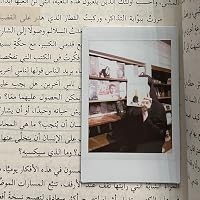
"بدأتُ أعتقد أنه لا يوجد شخصٌ واحدٌ مناسبٌ. ولا يوجد توأمُ روح مُقدَّرٌ لكِ مسبقاً. ولا توجد صيغة. أو إن وُجدت، فإن كثيراً من التوافيق المختلفة يمكن أن تعطيكِ إجابةً صحيحة، أو شخصاً مناسبا."

February 26, 2021
Am just so glad I picked this book..
It just warms the heart.
It gives you a peek into a culture and traditions.
It just warms the heart.
It gives you a peek into a culture and traditions.

December 1, 2025
حكاية وطن و مهاجرين من خلال حكاية عائلة داريا التي خرجت من إيران بعد ثورة الخميني الى الولايات المتحدة و عيشها في ثقافة مستقبلة مع حفاظها على ثقافتها الاصلية .
رحلة ذهاب و إياب بين ماض و حاضر منسمة بكاسات من الشاي المتخمر بحب في جلسات بوح و نوستالجيا.
رحلة ذهاب و إياب بين ماض و حاضر منسمة بكاسات من الشاي المتخمر بحب في جلسات بوح و نوستالجيا.

December 21, 2023
Radnja prvog romana Marjan Kamali "Zajednička čajanka" smještena je dijelom u Ameriku, a dijelom u Iran. Prati porodicu Rezaji koja se nakon zaoštravanja sukoba između Irana i Iraka iz Teherana preselila u New York. Kao i za svakoga, taj novi početak je i za njih bio težak, no na kraju su postigli sve ono čemu su težili, ili barem većinu toga - ostalo je još da ožene kćerku Minu. Majka Darja to shvata kao ozbiljan zadatak pa vrijedno prikuplja podatke o svim dostupnim iransko-američkim neženjama. Nakon jednog neuspjelog pokušaja "uparivanja", majka i kćerka kreću na put u Teheran. Da li će napokon pronaći zajednički jezik i da li će uspjeti naći razumijevanje za životne odluke one druge?
Usuđujem se reći meni lično mnogo bolji od njenog drugog romana "Knjižara u Teheranu" koji mi se također veoma dopao. Ovaj je prožet finim humorom, bavi se veoma ozbiljnom temom imigracije i prilagođavanja potpuno novom mjestu i kulturi, te pronalasku mjesta kojem istinski pripadamo. Radujem se što će uskoro izaći u izdanju Buybooka.
Usuđujem se reći meni lično mnogo bolji od njenog drugog romana "Knjižara u Teheranu" koji mi se također veoma dopao. Ovaj je prožet finim humorom, bavi se veoma ozbiljnom temom imigracije i prilagođavanja potpuno novom mjestu i kulturi, te pronalasku mjesta kojem istinski pripadamo. Radujem se što će uskoro izaći u izdanju Buybooka.

August 16, 2025
This would have been a five-star read had I read it before the later two books of Kamali's that were most certainly deserving of all the stars (The Lion Women of Tehran and The Stationery Shop). This author has gotten even better over the years!
Together Tea is a story about family, friends old and new, and romance; it also explores the oppression of women in Iran. I enjoyed it thoroughly, but it seemed a little more predictable and contrived after reading Kamali's later books first, thus I knocked off one star. The ending wasn't as strong as her other novels to me; it was as I expected, a foregone conclusion.
Together Tea is a story about family, friends old and new, and romance; it also explores the oppression of women in Iran. I enjoyed it thoroughly, but it seemed a little more predictable and contrived after reading Kamali's later books first, thus I knocked off one star. The ending wasn't as strong as her other novels to me; it was as I expected, a foregone conclusion.

Read
April 5, 2022If you want to read something heartwarming then this is the book for you. Endearing characters, believable storyline and beautiful writing is what makes Together Tea such a delightful read.
The protagonists Darya and her daughter Mina are trying to navigate between their Iranian heritage and American dreams. The author brings to life this tussle in the dialogues between the two characters. Sometimes in trying not to lose or forget your roots, sometimes you forget to experience your current. In some sense, Mina does just that.
In reading their story one sees the similarities between the Iranian and India culture - the pressing need that parents have to find a suitable match for their children and see them settle. The story begins with Darya setting up a meeting for her 25-year-old unmarried daughter. The stress of it all that both Darya and Mina feel comes through in the writing.
Both the protagonists take a trip back to Iran and while Mina remembers it as it was when she left as a young girl, what she sees surprises her. This also brings out the inner conflict that Mina jostles with. A love story that brews in Iran will leave you smiling.
Mina is not just looking for a partner but the story is also about her own journey to find herself. What are her own aspirations, beliefs and ideals. At times we live by rules others set for us and do not venture into looking within to find ourselves - this story is a reminder to make that journey.
If you are looking for a good read that will gently push you into thinking and at the same time is entertaining, then Marjan Kamali's Together Tea is for you.
Together Tea
The protagonists Darya and her daughter Mina are trying to navigate between their Iranian heritage and American dreams. The author brings to life this tussle in the dialogues between the two characters. Sometimes in trying not to lose or forget your roots, sometimes you forget to experience your current. In some sense, Mina does just that.
In reading their story one sees the similarities between the Iranian and India culture - the pressing need that parents have to find a suitable match for their children and see them settle. The story begins with Darya setting up a meeting for her 25-year-old unmarried daughter. The stress of it all that both Darya and Mina feel comes through in the writing.
Both the protagonists take a trip back to Iran and while Mina remembers it as it was when she left as a young girl, what she sees surprises her. This also brings out the inner conflict that Mina jostles with. A love story that brews in Iran will leave you smiling.
Mina is not just looking for a partner but the story is also about her own journey to find herself. What are her own aspirations, beliefs and ideals. At times we live by rules others set for us and do not venture into looking within to find ourselves - this story is a reminder to make that journey.
If you are looking for a good read that will gently push you into thinking and at the same time is entertaining, then Marjan Kamali's Together Tea is for you.
Together Tea
May 21, 2013
This was an easy and quick read that caught me by surprise and with a few tears also. This is the story of an Iranian family that immigrated to America in order for their children to have freedom and to live without fear. I loved Mina (the daughter), Darya (the mom), and Parviz (the dad). I found myself easily sucked into turning the pages and the world around me disappeared as I read to find out what was going to happen next. My heart was touched both when the family left Iran and when Mina and Darya returned. I could not imagine leaving my close family for so long with no knowledge of when we would meet again. The author did a great job of introducing Iranian culture and showing the beauty and color of Iran.

October 4, 2018
I loved this book, which focuses on the lives of Mina and her mom Darya, immigrants from Iran. The book begins with Darya setting up Mina with a potential husband, but the story becomes much more than that as they talk about their experiences in Iran when the Iraq/Iran war broke out, and their experiences in America when they first arrived. I love the books exploration of immigrants not feeling part of one culture or the other, where they feel like they are part of the hyphen between the two worlds. It resonated with me, although I am first generation born Taiwanese. To me, this book is ultimately a story about love, family, culture, identity, and finding your place in this world.

August 31, 2017
A perfect novel. The characters are so well drawn yet the writing is very tight; not a word wasted. Under the guise of a light, almost romantic comedy, this book examines some serious themes: the plight of the immigrant (in this case Iranian-Americans but really all immigrants anywhere) and the lives of modern Iranians. It has all the elements of a classic novel including the ending (which I of course won’t reveal here). Highly recommend to all.
Displaying 1 - 30 of 1,251 reviews