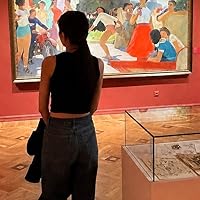
À Florence, alors qu'il a le sentiment de se promener au cœur même du monde de la Renaissance, un touriste péruvien tombe en arrêt, à la faveur d'une exposition de photos, devant des images anciennes de son propre pays : sur l'une des photos, un homme debout parle au milieu d'un cercle d'Indiens accroupis et attentifs. Et par la magie du souvenir ou d'une prodigieuse affabulation grâce à laquelle la mémoire personnelle ouvre ses vannes à une mémoire plus ancienne, voici que le peuple machiguenga se met de nouveau en marche et tente d'arrêter le soleil dans sa chute. Vargas Llosa nous restitue de façon magistrale, par l'intervention truculente et la réminiscence attendrie, le langage et la mythologie d'un peuple en perdition, la vérité cruelle et fascinante d'un Pérou archaïque en plein naufrage.
Jorge Mario Pedro Vargas Llosa, 1st Marquess of Vargas Llosa, more commonly known as Mario Vargas Llosa, was a Peruvian novelist, journalist, essayist, and politician. Vargas Llosa was one of the Spanish language and Latin America's most significant novelists and essayists and one of the leading writers of his generation. Some critics consider him to have had a more substantial international impact and worldwide audience than any other writer of the Latin American Boom. In 2010, he won the Nobel Prize in Literature "for his cartography of structures of power and his trenchant images of the individual's resistance, revolt, and defeat". Vargas Llosa rose to international fame in the 1960s with novels such as The Time of the Hero (La ciudad y los perros, 1963/1966), The Green House (La casa verde, 1965/1968), and the monumental Conversation in The Cathedral (Conversación en La Catedral, 1969/1975). He wrote prolifically across various literary genres, including literary criticism and journalism. His novels include comedies, murder mysteries, historical novels, and political thrillers. He won the 1967 Rómulo Gallegos Prize and the 1986 Prince of Asturias Award. Several of his works have been adopted as feature films, such as Captain Pantoja and the Special Service (1973/1978) and Aunt Julia and the Scriptwriter (1977/1982). Vargas Llosa's perception of Peruvian society and his experiences as a native Peruvian influenced many of his works. Increasingly, he expanded his range and tackled themes from other parts of the world. In his essays, Vargas Llosa criticized nationalism in different parts of the world. Like many Latin American writers, Vargas Llosa was politically active. While he initially supported the Cuban revolutionary government of Fidel Castro, Vargas Llosa later became disenchanted with its policies, particularly after the imprisonment of Cuban poet Heberto Padilla in 1971, and later identified as a liberal and held anti-left-wing ideas. He ran for the presidency of Peru in 1990 with the center-right Frente Democrático coalition, advocating for liberal reforms, but lost the election to Alberto Fujimori in a landslide. Vargas Llosa continued his literary career while advocating for right-wing activists and candidates internationally following his exit from direct participation in Peruvian politics. He was awarded the 1994 Miguel de Cervantes Prize, the 1995 Jerusalem Prize, the 2010 Nobel Prize in Literature, the 2012 Carlos Fuentes International Prize, and the 2018 Pablo Neruda Order of Artistic and Cultural Merit. In 2011, Vargas Llosa was made the Marquess of Vargas Llosa by Spanish king Juan Carlos I. In 2021, he was elected to the Académie française.
In the depths of the peruvian jungle inhabit, among others, the Machiguenga tribe. This novel progresses between two timelines, with the first steps of an incipient writer and, on the other side, with the narrations of the storyteller, a mysterious figure within the indigenous machiguenga culture. The two timeless advance independently and between intervals, until they merge towards the end.
I liked it and I didn’t. Sometimes interesting, sometimes not. It has its pros and cons. Overall I rescue from it the author's great hability to transmit the rawness of the life of that primitive tribe that dwells in a lost part of the world, with all its animism and magical beliefs. Must be noted that it is also written in a much friendlier style of writing than the one used in “The Leaders”, “The Cubs” or “The Green House”, which found all terribly unpleasant. Definitely the best of Vargas Llosa I read to this day.
An interesting reading, but not especially memorable, except for a few particular parts that are and very . Personally I don’t know if I would recommend it, although I’m sure this could greatly appeal to certain palates, maybe more refined than mine. It certainly has its value, for those lucky enough to appreciate it.
----------------------------------------------- PERSONAL NOTE: [1987] [237p] [Fiction] [3.5] [Conditional Recommendable] -----------------------------------------------
En las profundidades de la selva peruana habita, entre otras, la tribu Machiguenga. Esta novela progresa a través de dos líneas de tiempo, con los primeros pasos de un incipiente escritor y, por otro lado, con las narraciones del hablador, una figura misteriosa dentro de la cultura indígena machiguenga. Las dos líneas temporales se desarrollan independientemente y a intervalos, para confluir llegando al final.
Me gustó y no me gustó. A veces interesante, a veces no. Tiene sus pros y sus contras. Dentro de todo rescato una genial capacidad del autor para transmitir con crudeza la vida de ese primitivo pueblo tribal perdido del mundo, con todo su animismo y creencias mágicas. Cabe destacar también que está escrito en un estilo literario mucho más amigable que el de "Los jefes", "Los cachorros" o "La casa verde", los cuales me desagradaron terriblemente. Definitivamente el mejor de Vargas Llosa que leí hasta el día de hoy.
Una lectura interesante, pero no especialmente memorable, a excepción de algunas partes particulares que sí lo son y mucho . Personalmente no sé si lo recomendaría, aunque estoy seguro que podría gustar muchísimo para ciertos paladares. tal vez más refinados que el mío. Ciertamente tiene su valor, para aquellos suficientemente afortunados de poder apreciarlo.
----------------------------------------------- NOTA PERSONAL: [1987] [237p] [Ficción] [3.5] [Recomendable Condicional] -----------------------------------------------
Two strands make up this phantasmagorical... braid. One, a contemporary search for the truth behind the mythical "hablador" of the Machiguengas, an Amazonian tribe forgotten and lost in time; the other, the stories of the storyteller (or "el hablador") himself--all of them incredibly fantastical & brilliant, origin stories & adventure stories, together glued to "the oral tradition."
MVL is definitely using the technique he so articulately defined in "Letters to a Young Novelist" as communicating vessels. These, only part of the added element to the overall fantasia, are responsible for the magical osmosis that occurs when two different styles are interwoven, their overlap signifying a chemical reaction which elevates the work wholly to a new level of genius. Without all the pieces glued together, decoupaged, it would all have been a completely failed attempt (well, at least two half-stories, with no synthesis between them).
There is no other way to have told this story, which vacillates between times and styles, fictional characters & non- (although, this being a novel, they are ALL fictional [can you tell how much realism there is amidst all this fantasy?]). I had a great time figuring out why this was being told, and why in this way and then it dawned on me: it HAS to exist, otherwise it would be forever lost. & I am really glad I found it! A must!
That's a fascinating story about people from the Amazon in Peru. There's a reflection on what we have done and are still doing to assimilate people into our Western way of life. The thousand-year-old beliefs and the meaning of these individuals' daily rituals are rich; this is how the author reveals their essence to us. The protagonist, a marginal and eccentric man who reaches the end of his awareness, challenged me with his convictions, but above all with his sensitivity and his thirst for respect for human beings in the face of his cultural difference.
What attracts us to a certain kind of life? To a place? To another person? Obviously it is not the bare facts of their existence. Our emotional calculus is subjective. We select the facts that matter to us (or perhaps they are selected for us). We weave these facts into stories to which we then mysteriously become committed. Our lives take on a direction, spiritually as well as geographically. We become devoted to a cause, to something that we come to consider part of ourselves. We fall in love.
Religious people call this process being touched by grace. And certainly it feels as if one has been affected by an alien presence, something entirely outside of oneself. And there is some truth in this feeling because the stories we concoct are never ours alone. No story rises up without a history like Venus from the sea. All stories are to some extent ‘already there’ waiting to be heard and then retold with the emotion we have attached to them.
Some stories are attractive because they are familiar. But others are compelling because they are so different from any we have heard before. The key difference need not be in the story itself but in the unstated presumptions about what is important in life, about what should be noticed, even about what it means to be human. These are the stories that provoke ‘conversion,’ that is to say, the stepping beyond the normal, the conventional, the expected.
Conversion implies a loss of oneself, or at least the self one has been. The new self is only incipient in the stories in which one has enmeshed oneself. It emerges fully only through the unique re-telling of these stories. Vargas-Llosa understands the process: “The sort of decision arrived at by saints and madmen is not revealed to others. It is forged little by little, in the folds of the spirit, tangential to reason, shielded from indiscreet eyes, not seeking the approval of others—who would never grant it—until it is at last put into practice.”
If the story and the speaker of the story are very good, important things make sense, things like the origins of suffering and disappointment and the meaning of the feelings of isolation and loss. The best stories are those that include other stories (those 0f other animals as well as humans). And the most inclusive story has incredible value: “Whoever knows all the stories has wisdom.” At this point the story becomes a religion and the storyteller a prophet.* And the world changes, at least for a time. If the story is good enough for those who hear it, it can unify them against stories (and religions) from elsewhere that have nothing to do with their own experience.
*Several people have been in touch to ask how stories include one another. Vargas-Llosa demonstrates how explicitly in his alternate chapters on the tales of the hablador. His stories start out modestly about a single tribe and their origins and responsibilities. The stories gradually expand to include all the ‘men who walk’ in the forests below the Great Gorge of the River. They then extend further up into the Andes to incorporate Inca and other mountain traditions, including those of the Sky gods. Ultimately the stories extend to a re-telling of Judaic persecution and diaspora and of Christian accounts of the birth and death of Jesus. There is even an intriguing digression into the nature of language and its dangers that is worthy of Wittgenstein (or the Kabbalah). The hablador forgets nothing and ensures everything fits in a coherent narrative whole. This syncretistic innovation is its strength. The story rejects nothing; yet it insists on nothing. It’s elements are “what I have been told.” It would presumably continue to grow as it encounters new elements, at least as long as the people of the hablador continue to exist.
Postscript: As yet there has been no story told that is compelling enough to stop the exploitation of the Amazonian jungle or its inhabitants more than a half century after the events in The Storyteller. A more powerful religion is apparently required: https://apple.news/A9-lWNXAqRVyJeYFIH...
The Storyteller by Mario Vargas Llosa is at the same time a memoir by a journalist about a friend of his that he believed dead and a joyous complex voyage through the legends and mythology of the Michiguenga tribe of the Amazonian basin in Peru. The narrator comes across a picture of an hablador (a storyteller) who he comes to recognize as his friend who, somewhat like Kurtz in Conrad's Heart of Darkness has melded with the Indian tribes and become their hablador. The book alternates between the narrator's time in Florence when he discovers the photo of his friend Saúl in the present and his memories of two voyages into the Amazon, and the rambling, animist legends told by the hablador night after night. It is both a slice of irreplaceable culture now most likely extinct and this also a sad reminder of how the encroachment of Western "civilizing" missionaries and later cocaine growing cartels destroyed the Amazonian tribes over several generations. An interesting set of references back to Vargas Llosa's second book The Green House also surfaces where we see the Indian chief Jum tortured for trying organize resistance to the rape and pillage by the Viracochas (Indian name for the missionaries and soldiers of the Peruvian government). "...to illustrate what is perhaps the very symbol of underdevelopment: the divorce between theory and practice, decisions and facts." (P. 151) The realization at the end of the book, "Talking the way a storyteller talks means being able to feel and live the the heart of that culture, means having penetrated its essence, reached the marrow of its history and mythology, given body to its taboos, images, ancestral desires, and fears" (p. 244) is striking and to me also applies to any kind of writing. Mario Vargas Llosa wrote a dazzling story of preservation and melancholy regret in The Storyteller which is, again, a fascinating view from the other side of the cultural divide than that he wrote in The Green House.
Great read. I loved the spotlight for indigenous rights in this novel, and some sections were superbly written, but the storyline was more fractured than I care for. One would have to do a close read of the entire novel and diagram the plot to remember all the nuance. Again, great read, but not one I would read again because of the complexity of the narrative.
This is the seventh MVL novel I’ve read, and yet such is the man’s originality that I never know what to expect. In this one we have an unnamed narrator from Lima, telling the story of his friend Saúl Zuratas, who develops an intense interest in, and becomes a passionate defender of, Amazon Indian tribes. In particular Zuratas becomes immersed in the culture of a people called the Machiguenga, who live in the Peruvian Province of Madre De Dios. The time setting stretches from the 1950s to the 1980s.
The Narrator has his own interest in the Machiguenga and at one point describes his frustration at trying to present, to a modern audience “how a primitive man with a magico-religious mentality would go about telling his story.” That neatly encapsulates one part of the novel, which is presented from the viewpoint of the Machiguenga. From my perspective MVL does an extremely good job in presenting a world view that is entirely different from mine. One example, that I initially found confusing, was that all of the male Machiguenga characters are addressed as or referred to as “Tasurinchi”, sometimes being distinguished by a further description such as “the blind one” or “the herb doctor”. As far as I can make out this is because the Machiguenga do not have personal names.
In this novel, the Machiguenga are presented as a timid and somewhat fatalistic people. They are continually attacked not only by the “white” Peruvians but by other Indian tribes, and their reaction to these threats is to move away from them. The Machiguenga become “the people who walk”, and their nomadism becomes a central part of their identity. However, the modern world is closing in. At one point, the “Storyteller” goes to visit a friend who lives at a particular point on a riverbank, only to find it has been taken over by gold prospectors. He eventually finds his friend living deep in the forest:
“You’ve gone so far in the Viracochas will surely never come here,” I said. “They’ll come,” he answered. “It may take a while, but they’ll turn up here, too. You must learn that, Tasurinchi. They always get to where we are in the end.”
Through its lead characters, the novel really poses the question of how the modern world should interact (perhaps today it would be more accurate to say “should have interacted”) with tribal peoples. Should tribal peoples be allowed to continue with practices such as head-hunting, slavery, polygamy, and the killing of children born with “imperfections”, or would forcing them to change their customs, religion and languages constitute a form of genocide? As always with MVL, the reader is left to make up his or her own mind.
Identity and belonging are the other themes of the book. Zuratas is an outsider, not only because he is a member of Peru’s tiny Jewish community, but also because he has a disfiguring facial birthmark. His favourite novel is Kafka’s “Metamorphosis” and the novel contains frequent allusions to that story.
Despite its many merits, I can’t say that I found this an easy read, and I wouldn’t compare it to MVL’s very best. I was somewhere between a 3 and a 4 star marking, but have gone for 4 stars, because it’s a thought provoking read, and I think it is one that will grow on me over time.
i spend much time creating my own right-to-exist argument for modern civilization. can anything justify the horrors we've inflicted on the globe, on one another, on the animals? doubt it. but nobody is better. ain't no noble savage. ain't nothing. just the least of all evils. and we might be it. pathetic, huh? in feast of the goat and war of the end of the world vargas llosa lays down the evil and stupidity and fanaticism that finds its permanent residence in the human heart. similarly, the storyteller probes deep into questions of 'civilization' while wisely refusing to answer any of 'em… the book falters along the way and feels somewhat unfinished, but definitely of interest.
gonna start my own political party of which i am the only member: a kind of nihilist/anarchist/humanist/fascist/far-left/far-right lunatic. morons who believe we can unring the bell of technology brutality and violence are useless; worse is the faux-provinicialism might-makes-rightism of the bomb-the-bad-guys jackasses.
Bir mitolojik öykü kitabı, Amazon Ormanları’nın daha doğrusu “cangıl’ın” mitolojisi. Peru cangıllarında kauçuk, altın, gülağacı veya tarımsal alanlar açmak için yerlerinden edilmiş ve hep daha sağlıksız ve verimsiz yörelere sürülmüş yerlilerin masallarını ama hepsi de gerçek olan masallarını anlatıyor Vargas. Buralardaki ilkel kabilelerin söylencelerinden, inançlarından ve törelerinden dillerinden bahsediyor. Bu kabileler arasında yeralan Machiguengalar’la yaşayan gençlik ve üniversite arkadaşı olan Saul isimli bir habladorun öyküsünü anlatıyor (Hablador: masalcı).
Uçsuz bucaksız Amazon Ormanları’nda bir Machiguenga topluluğundan öbürüne sürüklenerek masallar, destanlar derleyen, uyduran, sonra da bunları gittikleri yerlerde anlatan habladorlarla ilgili heyecan verici bir anlatım. Bu yerlilerin kültürlerini ve kimliklerini yok ettikleri için, araştırma yapan dilbilimci veya etnologlara, misyonerlere düşman olan, herşeyi geride bırakarak kendini bu yerlilere adıyan Saul’un öyküsü.
Otobiyografik bir roman olan “Masalcı”nın anlatıcısı yazarın kendisi, ancak anlattıkları ne kadarı gerçek ne kadarı kurmaca bilemedim. Arada masalcı Saul söze giriyor ve yerlilerin bilge kişisi olan bir “seripigari”den, artık yaşamayan “Tasurinchi” adlı bir seripigari’den öğrendiklerini ve masallarını anlatıyor.
Vargas diğer Latin Amerika’lı yazarların aksine sola düşman bir neoliberal. Gençliğinde sol düşüncedeymiş sonra liberalizme dönmüş ancak özgürlükler konusunda hassas, diktatörlük karşıtı ve hayrettir antiemperyalist. Sanırım ülkemizde dünyaya soldan bakanların kapsama alanına girmemesinde Vargas’nın sola karşı sert söylemlerde bulunması rol oynuyor. Siyasi düşüncesi ne olursa olsun çok iyi bir yazar. Gerçekçi çizgide ve titiz tarihi araştırmalarla yazıyor, kalemi çok kuvvetli. “Gregor-Tasurinchi” ile Kafka’ya selam çakan bir Peru’lu yazar.
Vargas bu kitabı, daha doğrusu bu masalları yazmaya 1950’li yılların sonlarında niyetlenmiş ancak çeyrek asır sonra 1980’lerin başlarında yazabilmiş. Çok keyifle okudum, hem de masalcının masallarının birbirine çok benzemesi, hatta tekrar duygusu uyandırmasına rağmen. “Yürüyen adamlar” ile yürümek iyi geldi bana. Öneririm.
"Non sempre si sa perché le cose commuovono (..) ti toccano una corda segreta ed ecco fatto"
Passeggiando per il centro di Firenze un turista peruviano s'imbatte in una piccola mostra fotografica sui nativi della foresta amazzonica: fermarsi è un obbligo dal momento che queste foto ritraggono i paesaggi della propria terra. E' un attimo e la memoria prepotente torna a galla. Così il viaggio culturale a Firenze passa in secondo piano. Il ricordo, infatti, dimostra di essere più forte e. così Dante, Macchiavelli e qualsiasi altra tappa dell'itinerario programmato, si defilano in un angolino...
Tutto cominciò, tanti anni prima, dall'amicizia con un compagno universitario: Saùl Zuratas, detto Mascarita (potrebbe essere tradotto come Mascherina) a causa di una grossa voglia violacea che gli ricopriva metà viso. Saùl è colui che si appassionerà al popolo indigeno dei machiguenga.
Il romanzo da qui alterna capitoli in cui l'autore ricorda le appassionate discussioni con Mascarita, ad altri capitoli in cui una sconosciuta voce narrante immerge il lettore nella mitologia del popolo machiguenga. Questo alternarsi strutturale ne richiama un altro concettuale che è al cuore del romanzo e si racchiude in una domanda: fino a che punto è giusto conoscere questi popoli? Quali sono le conseguenze dell'incontro tra la modernità e il primitivismo che protegge la loro sopravvivenza? Centrale è la funzione dei narratori ( habladores) che prima ascoltano e poi raccontano.
Questo è, almeno, quanto io sono venuto a sapere
Sono l'estremo baluardo a difesa della saggezza popolare dai pericoli della dimenticanza.
Sono una prova palpabile che raccontare storie può essere qualcosa di più di un mero divertimento: Qualcosa di primordiale, qualcosa da cui dipende l'esistenza stessa di un popolo.
Non so se rientri a pieno titolo nel romanzo, o se sia un romanzo saggio o magari la definizione più giusta è un romanzo che contiene favole, miti e leggende ed è proprio questo aspetto che gli conferisce tanto fascino. Nel libro due voci si alternano, una è il narratore principale della storia, alter ego di Vargas Llosa, che per caso, trovandosi in giro per Firenze scopre una mostra fotografica su una popolazione dell’Amazzonia peruviana, i machiguenga. Tra gli scatti esposti riconosce la foto di un amico che conosceva a Lima, quando studiava all’università, un compagno di origine ebrea, detto Mascarita per una grande voglia sul volto, studente di etnologia…; l’altro è lui, il narratore ambulante, l’uomo che vaga da una tribù all’altra nella foresta amazzonica per raccontare senza sosta agli indios (e a noi lettori, catturandoci con grande abilità) storie e leggende che i machiguenga si trasmettono di generazione in generazione. Una figura mitica, simile ai trovatori provenzali, la memoria collettiva di una comunità destinata a scomparire per opera della “civiltà”. I toni malinconici e fantastici del racconto fanno sentire il lettore a proprio agio, le leggende che il narratore ambulante racconta sono ricolme di fascino, di fantasia e di saggezza. Magari Vargas Llosa, prima di diventare uno scrittore, avrebbe voluto essere lui un cantastorie, o forse vuole dirci che l’altra faccia dello scrittore è quella del “narratore ambulante”, che in un mondo primitivo sopravvive soltanto grazie alla fantasia e all’ascolto e che nel mondo di oggi passa attraverso le serie tv, i videogiochi e, ultimi in ordine temporale, gli influencer.
یوسا که برای گذراندن ایام فراغت و از یاد بردن پرو (حتی برای مدتی کوتاه) سری به فلورانس زده به واسطه بازدید از یک گالری کوچک که آثاری از بومیان آمازونی را به نمایش گذاشته و همچنین مشاهده عکسی از بومیان که دور مردی حلقه زده و گوش به سخنان مردی سپرده اند، به نوعی از خود بی خود میشود و یاد و خاطره یک دوست قدیمی که مدتها از او بی خبر بوده در او زنده میشود و همین موضوع زمینه نوشتن این اثر شده است. موضوع اصلی کتاب در خصوص افرادی است که در میان بومیان آمازونی وظیفهای غریب بر عهده داشتند که همانا "سخن گفتن" بود این افراد هیچ جایگاه ثابتی را مکان زندگی خود قرار نمی دادند بلکه با حرکت در جنگلها و انتقال آنچه بر آنها گذشته دیگر بومیان را از شرح احول همنوعان خود در دیگر نقاط جنگل آگاه میکردند. کتاب از کشش نسبتاً قابل قبولی برخوردار است هرچند به نسبت دیگر آثار یوسا آنقدر متاثر کننده نیست. ضمن آنکه آنچه یوسا را ترغیب به نوشتن این اثر کرده، وسوسه و شکی بوده که با دیدن آن عکس دچارش شده، که آیا آن فرد سخن گو در عکس یاد شده، همان دوست گم شده یوسا نیست که سالها کسی از او خبری ندارد.
یکی از حسرتهای من در زندگی این است که چرا سرخپوست نشدهام؟ شاید همین کافی بود که من از خواندن کتاب خیلی لذت ببرم اما باید بگویم که اینطور نشد! کتاب به رمان کمتر شباهت داشت، گزارش و تحقیق هم نبود البته. طوری نبود که آدم را با خودش بکشاند. پر بود از افسانهها و تخیلات آدمها و باورهای قبایلی که هنوز تمدن به آنها راه نیافته. با اینهمه برای من کم بود. چیزی کم داشت.
حیف نیست آدم صرفا برای اینکه به یه حوزهای علاقه نداره یه داستان خوب رو رها کنه؟ فک کنم اون کار حیف رو انجام دادم. رمان شروعش خیلی خوبه. واقعا عالیه. قصهی یه دوستی خوب و صمیمانه و حالخوبکن اون هم در عین حال که بین دو دوست تفاوتهای زیادی هست. اما رمان توی فصل بعدی میره توی وادیای که فقط میتونم بگم حیف که دوسش ندارم. میره توی دنیای سرخپوستها و خداهاشون. با اینکه همیشه فیلمهای سرخپوستی رو دوست داشتم اما نمیدونم چرا آدم کتابهای این قبایل نیستم. فکر میکنم دارم یه حوزهی مطالعاتی خیلی جذاب رو از دست میدم؛ اما ترجیح میدم فعلا وقت محدودم رو بذارم برای کتابهایی که دوست دارم
سوپرماریوی عزیز ببخشید این کتابت فعلا برای من نیست. ولی یادم میمونه که اگه روزی به قومشناسی علاقهمند شدم برگردم سراغ این کتابت ...
Un roman altfel din toate punctele de vedere. Bine documentat, Llosa crează o lume fantastica pe care o descoperi doar cu răbdare și plăcerea cititului încet. Nu este o lectură ușoară - aviz amatorilor de chilipiruri. 🙂
La novela transcurre en dos carriles. Uno de ellos, entre un grupo de estudiantes en Lima, que incluye al extraño personaje conocido como Mascarita, por la mancha que cubre su rostro.
En el otro, el monólogo de un hablador de la etnia amazónica de los Machiguengas, que recorre la selva visitando los diversos grupos nómades, y a través de sus narraciones, mantiene la unidad cultural entre los distintos grupos dispersos. A cada hombre sobre quien habla lo denomina indistintamente tasurinchi (posiblemente hombre); sólo distingue a uno al que llama tasurinchi gregorio, un guiño del autor a Kafka, en referencia al Gregor Samsa de La metamorfosis.
Los humanos necesitamos historias, que además de saciar nuestra curiosidad, mantienen la amalgama cultural.
این کتاب خیلی برام جالب بود و البته خیلی متفاوت نسبت به کتابایی که تا به حال خوندم. و در تعجب بودم که چرا تا حالا از این نویسنده کتابی نخوندم چون واقعا مورد علاقه م بود. از متن کتاب: پیش از آنکه متولد شوم فکر میکردم هر قومی باید عوض شود. عادات ، ممنوعیت ها ، جادوها ی اقوام قوی تر را بپذیرد. خدایان و فرشتگان، شیطان ها و شیطانک ها ی اقوام فرزانه را از آن خودش کند. به این ترتیب ما پاک تر میشویم. اما درست نبود. حالا میدانم که اینطور نیست. آری این را از شما یاد گرفته ام. چه کسی با صرف نظر کردن از تقدیر خودش ، میتواند پاک تر و خوشبخت تر باشد؟ هیچ کس. ما همان که هستیم باقی خواهیم ماند . این طور بهتر است. اگر کسی از وظیفه ای که به عهده اش گذاشته شده است دست بردارد و به وظیفه ی دیگری عمل کند روح خودش را از دست میدهد. شاید کالبد خودش را از دست بدهد و بدون شک وقتی روحش را از دست داد ، نفرت انگیزترین موجودات،آزاردهنده ترین حیوانات در پیکر خالی او جای میگیرند.
In 2013 I tried to read this novel and quickly put it aside. Structurally, there are two lines of narration in the novel. The first comes from a student in Lima, Peru going to university in the latter half of the 1950’s. He has a very bright Jewish friend who begins to study ethnology and has a birthmark covering half his face. The friend is nicknamed Mascarita (the Mask), and his physical deformity sets him apart from his peers. As part of his studies Saul Curates, Mascarita, visits the Amazonian jungle tribes and begins to learn their beliefs, customs and ways of life. But the story begins many years later with the narrator in Florence, Italy in the 1980’s looking back at Mascarita becoming an accepted part of the Machiguenga people as one of their storytellers. The second narrative line is Mascarita telling stories as a Machiguenga storyteller. His stories evolve over time.
I admire how this novel was constructed and understand why it was put together in this way. As purely a reading experience, I enjoyed the first narrative very much and often found the second tedious and boring. My initial failure in reading this novel happened when I encountered the first section narrated by the storyteller, found myself confused and just could not muscle through. On my second attempt I was more persistent and in a better state of mind to understand what the author was doing and why. I also learned that the two narratives were interleaved, so that my frustrations with the second narrative were relieved periodically by a return to the first. I even found that the second narrative improved as it progressed. I finished the novel this time and enjoyed it, but there were still those intervals where I struggled.
I was impressed by the novel and by Mario Vargas Llosa as a writer. This was an ambitious and complex project. In previewing his other novels, I see that several of them are rated much higher than this one. It was clear to me from this novel that Llosa can tell an engaging story, so I am looking forward to trying something else by him.
First Attempt - 2013 I did something with this book that I can't remember last doing: I stopped reading partway through the book. The first section of the book was decent. The second section, for me, was unintelligible. What I did understand of it, I was not enjoying. It was painful, and there was no enjoyment mixed with the pain. Life is too short. I have read other reviewers who raved about how unique the voices in the story are. Perhaps I will go back and try again at some point. I don't know. Once the memory of the pain has faded.
The story's narrator visits an art gallery where there is an exhibit of photographs of the Machiguenga, an indigenous Amazonian tribe living in southeastern Peru. The Machiguenga are gathered around a storyteller who looks like Saul Zuratas, his friend when he was a university student. Zuratas had been called Mascarita (Mask face) because he had a port wine birthmark covering half his face. The narrator realizes that Mascarita had left the modern world to live with the Machiguenga. Although the native tribe killed babies born with physical problems, they were very accepting of adults with deformities.
The narrator tells about the discussions that he and Mascarita, an ethnology student, had about the effects of modern civilization on the native tribes in the 1950s. Should the Machiguengas be kept away from Western ideas, or would they have a better life if they could form villages and become part of the modern world? The indigenous tribes had often been exploited, especially by the rubber industry. Missionaries were destroying native cultures. Linguists and anthropologists were exposing them to Western ideas. Is a hybrid culture impossible to avoid? The narrator tells about the controversy surrounding the interaction of Western and indigenous peoples in half the chapters of the book.
The alternating chapters of the book are set in the Amazon basin as Mascarita, the storyteller, visits small groups of the Machiguenga. At first, he just tells stories of their traditions and history that he learned during his travels. Many of the stories are fables full of taboos and superstition. They often revolve around gods like the sun, moon, and other forces of nature. Eventually Mascarita incorporates Western ideas such as stories from the Bible, and even Kafka's "Metamorphosis" into his stories. Although Mascarita wanted to completely leave the modern world to live with the indigenous people, he unconsciously started practicing cultural hybridism in his storytelling. Mascarita comes from a Jewish family, and there are parallels between the Exodus of the Jews, and the walking of the Machiguenga further into the Amazon jungle as they are displaced by modern civilization.
Mario Vargas Llosa gives the reader lots to think about as he shows both sides of the controversy concerning modern influences on native cultures. The sections of the book with the fables could have been shortened a bit while still giving the reader a good idea of the lives of the Machiguenga. Overall, the book presented a cultural controversy in an interesting, original story.
Prossigo neste meu garimpo de culturas, estilos e geografias. Nunca tinha lido esta pérola de Vargas Llosa : El Hablador. Encontro na história qualquer coisa que me recorda Torga. A terra, o telúrico, até mesmo a figura do Hablador me fez recordar personagens de alguns contos – por exemplo, o Abafador, que investiguei, para desconstruir, no meu terceiro romance. Incrível a técnica de Vargas Llosa, escrevendo esta história a duas vozes, completamente distintas que vão alternadamente contrapondo-se à medida que nos conduz ao desfecho em que (previsivelmente, mas não menos excitantemente) se juntam. Nesta antifonia começada algures à beira das margens do Arno (não poderia ter elegido um lugar mais significativo), desenvolve uma história, em analepse, em que nos apresenta os questionamentos de dois jovens peruanos (um deles parece profundamente autobiográfico) e um homem ‘primitivo’ que evolui numa amazónia encurralada, há décadas sob a pressão da modernidade, portadora do bem, do mal e do execrável. É assim que Vargas Llosa nos traz a sua obsessão fundamental: o papel da ficção na vida dos homens.
Două povești principale alcătuiesc ,,Povestașul’’, în aparență sunt două fire narative fără nici o legătură, lucru ce se dovedește fals până la final, dar ambele își păstrează autenticitatea și frumusețea. Per total putem defini cartea, ca fiind o frescă socială și civilizațională, ambele istorii prezentând probleme sociale, prejudecăți, schimbările prin care trece o civilizație și mai ales dispariția unor întregi populații. Llosa rămâne pentru mine unul dintre cei mai buni și talentați scriitori contemporani, iar această carte îmi întărește acest crez.
به دلیل درگذشت یوسا تصمیم گرفتم یکی از کتابهای نخوندهش رو بخونم. بین چندتا کتاب شک داشتم که درنهایت قصهگو رو خوندم که مدتی هم بود توی لیست کتابهام بود. راستش به اندازه کارهای دیگهی یوسا برای من جذاب نبود. کتاب خوب شروع میشه و روند سریعی هم داره و شخصیتهای زیادی توی کتاب نیستن برای همین خوندنش اصلا سختی نداره. موضوع اصلی کتاب در مورد بومیان ساکن جنگلهای آمازون هستش و بحثهایی که بین افراد در خصوص نحوه برخورد با اونها، حق و حقوقشون و نقد رفتارهای استعماری و تبلیغ مذهب مسیحیت بین اونا شکل میگیره. همه چیز گل و بلبل هستنش تا اینکه یک دفعه همه چیز بهم میریزه و زبان کتاب و کلمات و زمان تغییر میکنه و داستان از زبان بومیان نقل میشه. داستان چندین بار بین نقل قول عادی نویسنده و نقل قول بومیها جابجا میشه و واقعا خوندن بخشهایی از کتاب سخت و بسیار درهم و برهم پیش میره، اونقدری که ممکنه هرلحظه کتاب رو بذارید کنار. ولی با صبر و تحمل در انتها خیلی جالب توجه تموم میشه. حتی خواننده با دلایل این پیچیدگی و درهم و برهمی پی میبره و چقدر خوب دغدغهمند مسائل مربوط به جوامع بومیان رو مطرح میکنه. یه جاهایی هم خیلی قشنگ به بحث مذهب و جامعهشناسی ورود میکنه و حرفهای قابلتاملی رو میزنه. البته یه جاهایی هم در خصوص فلسفه موضوعات مختلف از دیدگاه بومیان میپردازه که برای من خیلی کند و خستهکننده بود (چندین داستان اسطورهای مختلف در خصوص بهشت و جهنم و پیدایش ماه و خورشید و غیره تعریف میکنه). در کل کتاب جالبی هستش اگر به آمازون، قبایل و رسم و رسومهاشون علاقهمندید، ولی کتاب راحتی نیست و به هر کسی پیشنهاد نمیکنم.
When ever I come to names such as “Llosa”, “Borges”, “Cortazar”, “Fuentes”... I wish I knew Spanish language, as I’m sure works by these authors would have a different aroma and melody in their own tongues. Llosa is, for me, one of the greatest story tellers, whose works give me deliciousness in Persian as well, (if it’s translated by Abdollah Kowsari, for example). Mario Bargas Llosa uses a highly sophisticated techniques with a very delicate language in multiple viewpoint, as if I’m listening to “Sare”, my childhood story tellers whom supposed to drown me in sleep, but was keeping me awake instead. Llosa takes you to a place, and while you get used to the situation, become a bit relax, he leaves you for another situation, another character in another place, force you to follow him as a sleepwalker, burning of curiosity, apprehension and restlessness, while he continue to make new situations with new chracters out of nothing, absolutely relax with a smile on his lips. He doesn’t explain the characters, but procreates them and leave them on your lap, and disappears…
بسیاری از آثار ماریو بارگاس یوسا به فارسی برگردانده شده. آنها که من دیده ام؛ "زندگی واقعی آلخاندرو مایتا" / حسن مرتضوی (ترجمه ی بدی نیست)، "سال های سگی" / احمد گلشیری (ترجمه ی خوبی ست)، "عصر قهرمان" / هوشنگ اسدی (ترجمه ی خوبی ست)، "مردی که حرف می زند"(قصه گو) / قاسم صنعوی، "موج آفرینی"/ مهدی غبرائی (ترجمه ی روانی ست)، "جنگ آخر زمان"/ عبدالله کوثری(ترجمه بسیار خوبی ست)، "گفتگو در کاتدرال"/ عبدالله کوثری (ترجمه ی شاهکاری ست) و... برخی از این آثار را ابتدا به فارسی خوانده ام، و دیگر آثار را برای بازخوانی به ترجمه ی آنها به فارسی رجوع کرده ام. تجربه نشان داده که حال و هوای ترجمه ی فارسی، بهررو با ترجمه به زبان های انگلیسی، فرانسه و دانمارکی متفاوت است. در خواندن آثار بارگاس یوسا، بورخس، سروانتس، فوئنتس، کورتازار... حسرت ندانستن زبان اسپانیولی در من بیدار می شود چرا که به خوبی حس می کنم این آثار به زبان اصلی موسیقی متفاوتی دارند. با این وجود، روایت های ماریو بارگاس یوسا بهر زبانی لذت بخش است. روایت های یوسا بوی "قصه گویی" می دهد. او عادت دارد از جایی به جای دیگر برود و همین که به صحنه ای عادت می کنی، یوسا به محل و شخصیتی دیگر می گریزد، در صندلی هنوز جا نیفتاده ای که تو را از جا بلند می کند و به صحنه ی دیگر می کشاند، روی صندلی سرد تازه ای بنشینی تا ادامه ی روایت یوسا دوباره گرمت کند. یوسا قصه گویی ست حرفه ای که گاه از هیچ، همه چیز می سازد. با یوسا بسیار جاهای ندیده را دیده ام؛ برزیل را، پرو را و... بسیار جاها که دیده ام؛ وین، رم، آمستردام را را به گونه ای دیگر تماشا کرده ام... در کوچه ها و خیابان ها و رستوران ها و قهوه خانه های بسیاری نشسته ام، گاه آنقدر نزدیک و آشنا که انگاری در همان خانه ای که یوسا وصف کرده. روایت یوسا زنده می شود و در جان می نشیند. وقتی رمانی از یوسا را شروع می کنی باید وقایع و شخصیت ها را در اولین صفحه ها به خاطر بسپاری و از نام و مشخصات هیچ کدامشان نگذری. شخصیت ها و موقعیت ها در همان فصل اول و دوم مثل رگباری فرو می ریزند، و در فصول بعدی آنها را عین پازلی کنار هم می نشاند و تابلوی بی نظیرش را می سازد. زبان شخصیت ها از یکی به دیگری، همراه با روحیه و کار و بار و زندگی شان، تغییر می کند. یوسا دستت را می گیرد و تو را با خود وارد قصه می کند، همین که درگیر فضا و آدم ها شدی، غیبش می زند، تنهایت می گذارد تا انتهای روایت همپای شخصیت ها به سفر ادامه دهی. از یک موقعیت به دیگری، به دفتری، رستورانی، خانه ای و بستری، با آدم هایی که در نهایت خشم و خشونت، به کودکانی معصوم می مانند. گاه نشسته ام و مدت ها به عکس یوسا نگاه کرده ام؛ این معصومیت لبخند یوساست که همه ی قصه هایش را پر کرده؟
I am a great fan of Mario Vargas Llosa but I was disappointed in this book, not so much for its subject matter but in the way it was presented.
In the opening chapter, the unknown narrator (Llosa?) who is only referred to as “pal” or “old boy,” comes across a painting in Florence depicting the Machiguenga Indians of Peru. The painting portrays a white-skinned oral storyteller with red hair, a disfiguring birthmark on his face, sitting in the middle of a circle of Machiguenga. The narrator wonders if this his old friend from university, Saul Zuratas, Mascarita as he was nicknamed, a Jew, who supposedly vanished to Israel after rejecting a post-graduate scholarship in ethnological studies.
This intriguing opening then departs along two story lines, each with its own style: one depicts the narrator’s journalistic account of his hunt for Mascarita by embarking on various expeditions into the Amazon, the other is a profusion of mythological tales about the origins of the Machiguenga, which appear to be coming from the mysterious storyteller himself. Llosa used this dual narrative approach in his previous novel Aunt Julia and the Scriptwriter to much greater effect by converging them in the end, but in this novel the two threads do not quite meet.
The journalistic narrative is flat and lacks conflict and is full of extraneous detail. The mythological one is dreamlike and merges one story into another; mixed in is the story of Creation, the story of Jesus, the coming of the white man to South America and bits of Dante’s Inferno, and one wonders – given this is being narrated by a red haired white man – if the storyteller is cloaking western mythology in Amazonian imagery. The storyteller is colourful in his descriptions of earthquakes, plague, gods, slitting of bellies to pluck out babies, women bearing fish from their loins, shit fights and the constant migration that the Machiguenga are consigned to. “Diaspora is survival,” seems to be the lot of the Amazonian tribes and of the storyteller as he wanders the Amazon forests telling his tales. The imagery of the mythological narrative is graphic at times: “his farts were like thunder, his belches like the jaguar’s roar...” Despite these colourful visuals however, one wonders if it is hubris on the part of the author or the translator’s lack of skill for why there are so many native words in the storyteller’s recounting; it is quite disruptive to the flow of this English translation and does not in any way enhance its uniqueness.
Mascarita’s voluntary conversion to the Amazonian way of life is his act of total rejection of Western civilization and its technology. His assimilation into a pre-historic lifestyle is indicative of our ability to delayer as humans and return to our origins. His affinity to the Machiguenga is reflective of his being Jewish and living with the badge of persecution just as his new hosts do. Llosa makes some insightful connections here.
And yet for all its profundity, I wish this book had been written differently. Some fundamental principles of the novel – character, conflict and story – are sacrificed in favour of giving us the grand panorama of Machiguenga legend, leaving me with a question: would this narrative have been better written as a no-nonsense, non-fiction history of the indigenous tribes of the Peruvian Amazon, instead of as a flat novel with a jumble of myths?
Llosa'nın şuana kadar okuduğum en güzel kitabı. Amazon Ormanlarının cangıllarına gittik bu kitapla. Mitolojik öykülerle çok leziz bir metin olmuş. Tavsiye ederim.
'Güneşe, ırmaklara nasıl yardım ederiz? Bu dünyaya, bütün canlılara nasıl yardım ederiz? Yürüyerek. Yükümlülüğümü yerine getirdim sanırım. Bak, daha şimdiden belli oluyor. Ayaklarının altındaki toprağa kulak ver, masalcı, yürü üstünde. Ne kadar güçlü ve dingin! Yeniden üstünde yürüdüğümüzü duyumsuyor ya, Çok mutlu'
'Bunların hepsini sizden öğrendim. Doğmadan önce, bir halk değişmeli, diye düşünürdüm. Güçlü halkların törelerini, tabularını, büyülerini benimsemeli. Daha akıllı halkların tanrı ve tanrıcıklarını, şeytan ve şeytancıklarını kabullenmeli. O zaman herkes kötülüklerden daha bir arınmış, daha mutlu olur, derdim kendi kendime. Yanılmışım meğer. Artık doğru olmadığını biliyorum. Bunu sizden öğrendim. Sorarım size, kim yazgısını yadsıyıp da kötülüklerden daha bir arınmış, daha mutlu olmuş? Hiç kimse. En iyisi kendimiz olmak. Kendi yükümünü yerine getirmekten vazgeçip başkalarının yükümünü yerine getirmeye kalkan ruhunu yitirir. O kötü esrime sırasında cırcırböceğine dönüşen Gregor-Tasurinchi gibi kalıptan kalıba girer belki de. Insan ruhunu yitirmeyegörsün, en iğrenç yaratıklar, en yabanıl hayvanlar gelir boş bedenine yerleşirler. Atsineği sivrsineği yutar, kuş atsineğini, yılan da kuşu. Biz yutulmak istiyor muyuz? Hayır. İz bırakmadan yokolup gitmek istiyor muyuz? Hayır. Bizim sonumuz gelirse, dünyanın da sonu gelir. Demek en iyisi, yürüyedurmak. Güneşin gökyüzündeki yerinde, ırmağın yatağında, ağacın topraktaki kökünde, ormanın yeryüzünde kalmasını sağlamak'
هابلادورها یا همان قصهگویان حافظهي جامعه بودند، تنها وظیفهي آنها انتقال اخبار نبود. آنها از گذشته حرف میزدند و خردورزی میکردند. دهان آنها رابطی است میان جامعهای که در کشمکش برای زنده ماندن است و قصهگو با حکایتهایش در یک دور دایرهای شکل گذشته و حال را با آینده به همدیگر میدوزد. حالا به گمشدن فکر میکنم، گمشدنی که بهنظر میرسد شکاف میان جامعهی بدوی و مدرن پرو را پر میکند. یا شاید هم یک سوال، جایگاه گمشده میان این دو است؟ «گم» نه به معنای عام آن؛ بلکه ژرفتر. تنازعی میان یک گروه و گروه دیگر، که دیگری هیچ درکی نداشت که حقیقتا کجاست و به تاریخچهی آنجا و طبیعتش اهمیتی نمیداده است. درعوض مواجهی گروهی که تلاش کردند شناختشان از آن مکان را بر مبنای شناخت خودشان استوار کنند و رسمورسوم و حتی اسامیی نو بسازند. گم شدن میتواند گمشدنی از ریشه و اصلی باشد که خودمان را به آن گره میزنیم و با آن تعریف میکنیم. مثل کابسا دواکایی که ربکا سولنیت در جستارش او را به ما معرفی میکند و مردانش که وقتی بعد از ده سال چرخیدن در میان قبایل مختلف بهصورت اتفاقی با سواران اسپانیایی مواجه شدند، فاصلهای میان همدیگر حس کردند. او چیزی نزدیک به یک دهه بود که میخواست به آغوش مردم خودش بازگردد، اما اتفاقات به آنصورتی که میخواست پیش نرفت و اولین مواجهه با هموطنانش آسان نبود و بعد که به اسپانیا بازگشت خیلی چیزها دیگر گم نبود، نه بهخاطر بازگشتش که بهخاطر تبدیل شدندش به چیزی دیگر. داستان کابسا دواکا در قرون ۱۵ و ۱۶ جریان داشت؛ داستان به اسارت گرفتن کاشفان و عابرانی که مسیرشان به سرزمینهای تازه کشف شده میافتاد. اما با فرا رسیدن قرن ۱۹ و پیش رفتن سالها این روال برعکس شد و مردمان بومی دیگر در سرزمین خودشان آزاد نبودند؛ دیگر خود آنها بودند که داشتند اسیر فرهنگ غالب و همهگیر میشدند. اینجا دیگر فقط پای افراد در میان نبود، بلکه فرهنگها بودند که ناغافل به مواجهه و برخورد با مورد متفاوت کشیده میشدند و فاصلهی بین دوردستها ونزدیکیها را در مینوردیدند. گذاری به مثابهی دگردیسی فرهنگی مسألهای جدی است. قصهگو برای من رفتوبرگشتی مدام بین گم شدن بود، گمشدن فرهنگهایی که مورد استثمار و استعمار قرار گرفتند و فرهنگهایی که یورش بردند و خواستند تا هیچ قوم و قبیلهای نباشد که شبیه آنها نیست.
Urmând tehnica vaselor comunicante descrisă în 𝐒𝐜𝐫𝐢𝐬𝐨𝐫𝐢 𝐜ă𝐭𝐫𝐞 𝐮𝐧 𝐭â𝐧ă𝐫 𝐫𝐨𝐦𝐚𝐧𝐜𝐢𝐞𝐫, Llosa urmărește, cu stiluri narative diferite,destinul unui prieten din studenție în paralel cu poveștile habladorilor dintr-un trib amazonian, dispărut de acum, care purtau numele de 𝙢𝙖𝙘𝙝𝙞𝙜𝙪𝙚𝙣𝙜𝙖𝙨. Stilul lui Llosa este copleșitor, ca de obicei, din toate punctele de vedere, iar povestea este, cum să spun, înălțătoare prin mesaj dar și tragică și în continuare mai actuală ca oricând. Ca și majoritatea romanelor sale nici acesta nu este o carte de weekend,dar frumusețea frazelor depășește cu mult parcursul labirintic al poveștilor întrepătrunse.
La narrativa de Mario Vargas Llosa puede gustar o no. A menudo y con frecuencia sus historias tiende a ser o están basadas sobre cuentosperuanos, sin embargo la propia tierra natal. La primera vez que leí este libro fue hace más de diez años, por trabajo estaba en el centro comercial del puerto del la isala Las Palmas de Gran Canaria, y por la noche tenía varias horas libre que he gastado con la lectura: he pasado un año y medio sin televisión o radio, eran tres años que me solté de una sociedad con Pol Mourani Achi, un chico de Sriria. Por no hablar con alguien, al pasar de una biblioteca he sido fascinado por el título: El hablador. Pero quién sabe qué diablos me imaginaba de leer. En general el mensaje es interesante, pero no se puede decir que el libro es de los mejores.
El Hablador es un libro que se centra principalmente en las tribus peruanas, los machiguengas, y su forma de ver el mundo que es lleno de supersticiones. Rico de realismo mágico y la estrecha relación que las personas tienen con la naturaleza del mismo lugar: a lo largo del cuento existe la presencia y el trabajo de diversas instituciones y organizaciones, incluso con buenas intenciones. Eso para cambiar las armas y el equipaje de las tribus que es en busca de ayuda. Naturalmente, algunas de estas organizaciones aprovechan la oportunidad para difundir la palabra de dios entre las tribus, en manera que se vayan de sus propias creencias para encontrar el camino correcto de la salvación.