

What do you think?

How the Soldier Repairs the Gramophone
For young Aleksandar - the best magician in the non-aligned states and painter of unfinished things - life is endowed with a mythic quality in the Bosnian town of Višegrad, a rich playground for his imagination. When his grandfather dies, Aleks channels his storytelling talent to help with his grief.
It is a gift he calls on again when the shadow of war spreads to Višegrad, and the world as he knows it stops. Though Aleks and his family flee to Germany, he is haunted by his past - and by Asija, the mysterious girl he tried to save. Desperate to learn of her fate, Aleks returns to his hometown on the anniversary of his grandfather's death to discover what became of her and the life he left behind.
Translated from the German by Anthea Bell.
It is a gift he calls on again when the shadow of war spreads to Višegrad, and the world as he knows it stops. Though Aleks and his family flee to Germany, he is haunted by his past - and by Asija, the mysterious girl he tried to save. Desperate to learn of her fate, Aleks returns to his hometown on the anniversary of his grandfather's death to discover what became of her and the life he left behind.
Translated from the German by Anthea Bell.
345 pages, Hardcover
First published January 1, 2006
Ratings & Reviews
Friends & Following
Create a free account to discover what your friends think of this book!
Community Reviews
Displaying 1 - 30 of 358 reviews
Read
April 7, 2012- 09/10, would write again.

June 1, 2018
QUANDO TUTTO ANDAVA BENE

Višegrad, il ponte sulla Drina (fine XVI secolo).
Dopo alcune decine di pagine durante le quali mi sono passati davanti gatti neri e gatti bianchi, Dolly Bell, papà in viaggio d’affari, il tempo dei gitani, pesci freccia che ballano il valzer, l’intera filmografia di Kusturica per intenderci, che già ho sofferto molto a vederla in sala, trovarla riproposta per intero qui è stato un colpo ferale.
Al punto che m’è venuto da rimpiangere Jancsó, il che è tutto dire. E rimpiangere perfino Angelopoulos, il che è ancor più significativo. Ma poi Angelopoulos non c’entra nulla, perché il famigerato Theo è greco.
E mi sono passati davanti picari e fiumi di slivovitz (ma poca rakjia), pranzi senza fine che diventano cene, zingari che ovviamente non sono mai felici, Bregovic e la musica gitana, eccessi d’ogni dire, urla e lacrime e feste e danze, tutto sempre esagerato spinto al massimo diapason, dopo che la mia pazienza è stata messa a dura prova…
Finalmente a pagina settantasette il maestro dice ad Aleksandar, il tredicenne narratore:
Non voglio più sapere di bisnonne che sradicano querce oppure di come si inaugurano le toilette nella tua famiglia o di come zia Ciclone e Carl Lewis fanno una gara sul ponte per poi sbucare a Tokyo!

Immagine dal film “You, the Living – Du levande” del regista svedese Roy Andersson, 2007. Il film fu presentato al 60° Festival di Cannes nella sezione Un Certain Regard. Nel 2014, con il film “Un piccione seduto su un ramo riflette sull’esistenza”, Andersson ha vinto il Leone d’Oro alla Mostra del Cinema di Venezia.
E così, tutt’a un tratto, Aleksandar si da una calmata, e una regolata, evita perfino di correggere il maestro, guardi maestro che si chiama zia Tifone non Ciclone, e con lui si placa anche Saša Stanišić: appaiono i primi sintomi della guerra, tocca fare le persone serie, sia il bambino narratore che il giovane scrittore.
Viva la guerra, dunque.
Ma la guerra è brutta, come lo sono sempre le guerre.
Questa però lo è anche di più: perché si combatte nelle case nelle scale e nelle cantine, gli eserciti sono pieni di amici, e questa volta gli eserciti non combattono contro altri militari, ma combattono contro i civili – è una guerra sporca che più sporca non si può.

Foto di Meredith Heur, a cui si deve anche lo scatto sulla copertina dell’edizione Frassinelli.
È bravo Saša Stanišić, che quando scrisse questo suo primo romanzo aveva ventotto anni, a cogliere l’altezza di sguardo del tredicenne Aleksandar, ad appropriarsi del suo linguaggio.
A lasciare in sospeso evitando l’esplosione della violenza, riuscendo a emozionare e mettere i brividi, perché il non detto può essere perfino più agghiacciante dell’esplicitato visto che lascia libera la fantasia.
A raccontare l’esteriore attraverso l’interiore.
Ad avvicinare la sua lingua alla poesia.
A commuovere anche con tono comico.
A mischiare generi (romanzo picaresco, romanzo epistolare, romanzo nel romanzo/metanarrazione con tanto di titolo e capitoli, diario, e altri ancora).
Un esordio incredibilmente sapiente, elaborato, già maturo.

Višegrad, il ponte sulla Drina (fine XVI secolo).
La dichiarazione d’intenti è annunciata dall’inizio attraverso le parole messe in bocca al padre di Aleksandar, pittore dilettante:
Un pittore non può mai essere soddisfatto di quello che vede: ritrarre la realtà vuol dire capitolare davanti a essa.
E se non fosse abbastanza chiaro, ecco pronunciata dallo stesso Aleksandar sulla tomba dell’amato nonno Slavko, che con la sua morte nelle prime pagine (agosto 1991) anticipa quella del paese (da Jugoslavia a ex Jugoslavia a Bosnia+Serbia+Croazia+ Slovenia+…), la promessa fatta:
C’eravamo scambiati una promessa fatta di storie… una promessa semplicissima: non smettere mai di raccontare.
Raccontare storie, ricorrere alla finzione artistica è tanto più necessario se intorno il mondo si disgrega, si trasforma in una realtà orribile e mostruosa, nella quale chi è costretto a trascinare cadaveri per buttarli giù dal ponte, all’ottantatreesimo lancio, preferisce essere l’ottantaquattresimo e si lascia cadere cercando la fine – nella quale perfino un cavallo si lancia nel vuoto a inseguire il suicidio, di gran lunga preferibile alla fatica e all’orrore senza fine.

Višegrad
Aleksandar è figlio di madre musulmana e di padre serbo, in quell’epoca assurda, diventata all’improvviso una colpa - grave colpa che mette a rischio la sua intera famiglia. E quindi la fuga, da Visegrád alla Germania (Essen).
Molto di questo viene raccontato nella seconda struggente parte del romanzo, quella epistolare, attraverso le lettere che Aleksandar scrive ad Asija, di cui non conosce né cognome né indirizzo, e quindi ne tenta diversi, li cambia sperando che almeno una busta arrivi.
Ma non riceve mai risposta. E gli anni passano. Ne vanno via dieci: di Asija non sa più nulla.
Ce l’ha fatta, è a Sarajevo? Aleksandar la salvò quella notte del 1992, nascondendo il fatto che fosse musulmana (le avevano già ammazzato entrambi i genitori) - forse se ne innamorò, di sicuro se la impresse nel cuore e nella mente: vorrebbe ritrovarla, ricucire il filo, sapere di lei, e dei dieci anni trascorsi, del paese dove è nato, e dal quale è dovuto scappare per salvarsi la vita.
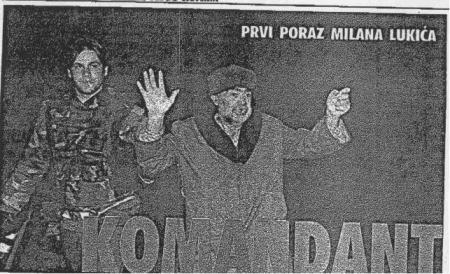
Rastrellamento di cittadini muslmani a Višegrad, 1992.
Nel 2002, dieci anni dopo, Aleksandar torna a visitare la sua terra, i parenti e gli amici che sono rimasti.
Višegrad, nella Bosnia orientale al confine con quella che ora è la Serbia, è stata per secoli la frontiera tra l’Impero Romano d’Oriente e quello d’Occidente, è stata una città simbolo: il suo celebre ponte (del XVI secolo) univa l’occidente all’oriente ottomano. Ivo Andrić, che scrisse Il ponte sulla Drina, è stato il suo cittadino più famoso, e ha vinto il primo e unico premio Nobel della storia degli slavi del sud (1961).
Se Srebenica può essere considerata l’apice, in qualche modo la fine, Višegrad si ritaglia un posto nella storia come l’inizio: nel maggio del 1992, dopo un lungo bombardamento, l’esercito regolare jugoslavo abbandonò la cittadina nelle mani del gruppo paramilitare “Aquile Bianche” guidato da due cugini, Milan e Sredoje Lukić.
Iniziarono rastrellamenti, deportazioni, massacri, stupri di massa. E furono probabilmente i primi di quella guerra che ne ha visti tanti. Il 14 giugno fu dato alle fiamme un condominio in via Pionirska, dopo averlo stipato di musulmani, e dopo aver bloccato porte e finestre: sessantasei persone morirono bruciate vive, dalla più giovane di due giorni, alla più anziana di settantacinque anni. Se qualcuno riusciva a uscire vivo dalle fiamme, i nazionalisti serbi guidati dai cugini Lukić li aspettavano fuori per finirli a raffiche di mitra.
Qualche giorno dopo fu la volta di una casa di periferia, e si trattò di un’altra settantina di musulmani. Il gruppo etnico musulmano bosniaco costitutiva il 63% della popolazione della cittadina: in capo a poche settimane si era ridotto di tremila persone. Gli assassini sgozzavano e gettavano i corpi nella Drina giù dal celebre ponte: alla fine di giugno il direttore della diga fu costretto a inviare una comunicazione ufficiale chiedendo di rallentare il flusso dei cadaveri, altrimenti le turbine della diga rischiavano di incepparsi.
Per completare il quadro, se possibile, è da ricordare che la stazione dei pompieri fu usata come lager, e gli alberghi Vilina Vlas e Bikavac luoghi di detenzione femminile, dove le prigioniere venivano sistematicamente stuprate prima di essere ammazzate o deportate.
Sredoje Lukić è stato condannato dal Tribunale dell’Aja a 30 anni, il cugino Milan al carcere a vita.

Nel 2014 le autorità di Višegrad hanno deciso di cancellare la parola “genocidio” dal monumento che ricorda le vittime del 1992 collocato nel cimitero musulmano. Ma i sopravvissuti non ci stanno, in particolare le donne dell’associazione “Zene zrtve rata”: una di loro ha riscritto la parola cancellata, ‘genocid’, con un rossetto. La storia non si può cancellare.
Stanišić risparmia al lettore questi orridi racconti: sfuma, suggerisce, lascia intuire, ma si astiene da descrizioni di massacri. Qualcosa si apprende nelle note del traduttore, qualcosa si legge altrove.
Saša Stanišić prende commiato dal lettore con un finale struggente, un immaginario banchetto di commemorazione sulla tomba dell’amato nonno, tra commensali vivi e altri già defunti. E in queste ultime magnifiche pagine io mi sono accorto che Bohumil Hrabal potrebbe aver trovato un discendente.

Višegrad, il ponte sulla Drina (fine XVI secolo).
Dopo alcune decine di pagine durante le quali mi sono passati davanti gatti neri e gatti bianchi, Dolly Bell, papà in viaggio d’affari, il tempo dei gitani, pesci freccia che ballano il valzer, l’intera filmografia di Kusturica per intenderci, che già ho sofferto molto a vederla in sala, trovarla riproposta per intero qui è stato un colpo ferale.
Al punto che m’è venuto da rimpiangere Jancsó, il che è tutto dire. E rimpiangere perfino Angelopoulos, il che è ancor più significativo. Ma poi Angelopoulos non c’entra nulla, perché il famigerato Theo è greco.
E mi sono passati davanti picari e fiumi di slivovitz (ma poca rakjia), pranzi senza fine che diventano cene, zingari che ovviamente non sono mai felici, Bregovic e la musica gitana, eccessi d’ogni dire, urla e lacrime e feste e danze, tutto sempre esagerato spinto al massimo diapason, dopo che la mia pazienza è stata messa a dura prova…
Finalmente a pagina settantasette il maestro dice ad Aleksandar, il tredicenne narratore:
Non voglio più sapere di bisnonne che sradicano querce oppure di come si inaugurano le toilette nella tua famiglia o di come zia Ciclone e Carl Lewis fanno una gara sul ponte per poi sbucare a Tokyo!
Immagine dal film “You, the Living – Du levande” del regista svedese Roy Andersson, 2007. Il film fu presentato al 60° Festival di Cannes nella sezione Un Certain Regard. Nel 2014, con il film “Un piccione seduto su un ramo riflette sull’esistenza”, Andersson ha vinto il Leone d’Oro alla Mostra del Cinema di Venezia.
E così, tutt’a un tratto, Aleksandar si da una calmata, e una regolata, evita perfino di correggere il maestro, guardi maestro che si chiama zia Tifone non Ciclone, e con lui si placa anche Saša Stanišić: appaiono i primi sintomi della guerra, tocca fare le persone serie, sia il bambino narratore che il giovane scrittore.
Viva la guerra, dunque.
Ma la guerra è brutta, come lo sono sempre le guerre.
Questa però lo è anche di più: perché si combatte nelle case nelle scale e nelle cantine, gli eserciti sono pieni di amici, e questa volta gli eserciti non combattono contro altri militari, ma combattono contro i civili – è una guerra sporca che più sporca non si può.
Foto di Meredith Heur, a cui si deve anche lo scatto sulla copertina dell’edizione Frassinelli.
È bravo Saša Stanišić, che quando scrisse questo suo primo romanzo aveva ventotto anni, a cogliere l’altezza di sguardo del tredicenne Aleksandar, ad appropriarsi del suo linguaggio.
A lasciare in sospeso evitando l’esplosione della violenza, riuscendo a emozionare e mettere i brividi, perché il non detto può essere perfino più agghiacciante dell’esplicitato visto che lascia libera la fantasia.
A raccontare l’esteriore attraverso l’interiore.
Ad avvicinare la sua lingua alla poesia.
A commuovere anche con tono comico.
A mischiare generi (romanzo picaresco, romanzo epistolare, romanzo nel romanzo/metanarrazione con tanto di titolo e capitoli, diario, e altri ancora).
Un esordio incredibilmente sapiente, elaborato, già maturo.
Višegrad, il ponte sulla Drina (fine XVI secolo).
La dichiarazione d’intenti è annunciata dall’inizio attraverso le parole messe in bocca al padre di Aleksandar, pittore dilettante:
Un pittore non può mai essere soddisfatto di quello che vede: ritrarre la realtà vuol dire capitolare davanti a essa.
E se non fosse abbastanza chiaro, ecco pronunciata dallo stesso Aleksandar sulla tomba dell’amato nonno Slavko, che con la sua morte nelle prime pagine (agosto 1991) anticipa quella del paese (da Jugoslavia a ex Jugoslavia a Bosnia+Serbia+Croazia+ Slovenia+…), la promessa fatta:
C’eravamo scambiati una promessa fatta di storie… una promessa semplicissima: non smettere mai di raccontare.
Raccontare storie, ricorrere alla finzione artistica è tanto più necessario se intorno il mondo si disgrega, si trasforma in una realtà orribile e mostruosa, nella quale chi è costretto a trascinare cadaveri per buttarli giù dal ponte, all’ottantatreesimo lancio, preferisce essere l’ottantaquattresimo e si lascia cadere cercando la fine – nella quale perfino un cavallo si lancia nel vuoto a inseguire il suicidio, di gran lunga preferibile alla fatica e all’orrore senza fine.
Višegrad
Aleksandar è figlio di madre musulmana e di padre serbo, in quell’epoca assurda, diventata all’improvviso una colpa - grave colpa che mette a rischio la sua intera famiglia. E quindi la fuga, da Visegrád alla Germania (Essen).
Molto di questo viene raccontato nella seconda struggente parte del romanzo, quella epistolare, attraverso le lettere che Aleksandar scrive ad Asija, di cui non conosce né cognome né indirizzo, e quindi ne tenta diversi, li cambia sperando che almeno una busta arrivi.
Ma non riceve mai risposta. E gli anni passano. Ne vanno via dieci: di Asija non sa più nulla.
Ce l’ha fatta, è a Sarajevo? Aleksandar la salvò quella notte del 1992, nascondendo il fatto che fosse musulmana (le avevano già ammazzato entrambi i genitori) - forse se ne innamorò, di sicuro se la impresse nel cuore e nella mente: vorrebbe ritrovarla, ricucire il filo, sapere di lei, e dei dieci anni trascorsi, del paese dove è nato, e dal quale è dovuto scappare per salvarsi la vita.
Rastrellamento di cittadini muslmani a Višegrad, 1992.
Nel 2002, dieci anni dopo, Aleksandar torna a visitare la sua terra, i parenti e gli amici che sono rimasti.
Višegrad, nella Bosnia orientale al confine con quella che ora è la Serbia, è stata per secoli la frontiera tra l’Impero Romano d’Oriente e quello d’Occidente, è stata una città simbolo: il suo celebre ponte (del XVI secolo) univa l’occidente all’oriente ottomano. Ivo Andrić, che scrisse Il ponte sulla Drina, è stato il suo cittadino più famoso, e ha vinto il primo e unico premio Nobel della storia degli slavi del sud (1961).
Se Srebenica può essere considerata l’apice, in qualche modo la fine, Višegrad si ritaglia un posto nella storia come l’inizio: nel maggio del 1992, dopo un lungo bombardamento, l’esercito regolare jugoslavo abbandonò la cittadina nelle mani del gruppo paramilitare “Aquile Bianche” guidato da due cugini, Milan e Sredoje Lukić.
Iniziarono rastrellamenti, deportazioni, massacri, stupri di massa. E furono probabilmente i primi di quella guerra che ne ha visti tanti. Il 14 giugno fu dato alle fiamme un condominio in via Pionirska, dopo averlo stipato di musulmani, e dopo aver bloccato porte e finestre: sessantasei persone morirono bruciate vive, dalla più giovane di due giorni, alla più anziana di settantacinque anni. Se qualcuno riusciva a uscire vivo dalle fiamme, i nazionalisti serbi guidati dai cugini Lukić li aspettavano fuori per finirli a raffiche di mitra.
Qualche giorno dopo fu la volta di una casa di periferia, e si trattò di un’altra settantina di musulmani. Il gruppo etnico musulmano bosniaco costitutiva il 63% della popolazione della cittadina: in capo a poche settimane si era ridotto di tremila persone. Gli assassini sgozzavano e gettavano i corpi nella Drina giù dal celebre ponte: alla fine di giugno il direttore della diga fu costretto a inviare una comunicazione ufficiale chiedendo di rallentare il flusso dei cadaveri, altrimenti le turbine della diga rischiavano di incepparsi.
Per completare il quadro, se possibile, è da ricordare che la stazione dei pompieri fu usata come lager, e gli alberghi Vilina Vlas e Bikavac luoghi di detenzione femminile, dove le prigioniere venivano sistematicamente stuprate prima di essere ammazzate o deportate.
Sredoje Lukić è stato condannato dal Tribunale dell’Aja a 30 anni, il cugino Milan al carcere a vita.
Nel 2014 le autorità di Višegrad hanno deciso di cancellare la parola “genocidio” dal monumento che ricorda le vittime del 1992 collocato nel cimitero musulmano. Ma i sopravvissuti non ci stanno, in particolare le donne dell’associazione “Zene zrtve rata”: una di loro ha riscritto la parola cancellata, ‘genocid’, con un rossetto. La storia non si può cancellare.
Stanišić risparmia al lettore questi orridi racconti: sfuma, suggerisce, lascia intuire, ma si astiene da descrizioni di massacri. Qualcosa si apprende nelle note del traduttore, qualcosa si legge altrove.
Saša Stanišić prende commiato dal lettore con un finale struggente, un immaginario banchetto di commemorazione sulla tomba dell’amato nonno, tra commensali vivi e altri già defunti. E in queste ultime magnifiche pagine io mi sono accorto che Bohumil Hrabal potrebbe aver trovato un discendente.

November 14, 2013
Kada sam bila mala, baba bi me svaki put terala iz sobe kada razvlači jufke za pitu („Da ne lete dlake“). Bio je to čitav ritual: prvo rasklopi kauč, pošto je njena jufka bila veća od tepiha, koristila se posebna plahta za razvlačenje, znalo se kako se pita slaže u tepsiju. A ja sam bila opčinjena time kako je moguće da testo bude potpuno providno koliko je tanko, a da se nikad ne pocepa, čak ni kada ga baba podigne kao da širi veš.
To mi je prošlo kroz glavu manje-više čim sam počela da čitam „Wie der Soldat das Grammofon repariert“ („Kako vojnik popravlja gramofon“), jer roman čine baš takve vinjete iz pripovedačevog detinjstva u Višegradu. Neke od njih su krajnje realne i svakodnevne, neke dokaz toga da je junak (barem na početku romana) više nego maštovit devetogodišnjak. A neke po svom sadržaju daleko prevazilaze dečju moć poimanja, pa ih je potrebno malo doraditi. Ali srećom narator Aleksandar preuzima te „popravke“ na sebe. Sve što čujemo kroz njegove reči neposredno je i krajnje jednostavno – jer ako možda ne razumeš baš sve, onda je valjda najbolje da opišeš tačno ono što vidiš.
Kad dođe rat, doći će i ono što niko ne može razumeti. E tad vam se dečja perspektiva zarije u stomak kao pesnica, jer verujem da ništa nije toliko moćno kao ogoljeno imenovanje i opažanje stvari. Uostalom ovo očuđavanje i nije intelektualističko kao kod Kafke ili Brehta, već emotivno do srži. Usred te mirne, melodične naracije odrasli čitalac shvata da je đavo odneo šalu i nađe se u procepu između toga da ne može da prihvati takav sled događaja i toga da ni na trenutak ne sumnja u njega. Barem sam se ja tako osećala kada sam shvatila da fudbal nikad više ne može biti ekipni sport za 22 igrača i zašto je najbolji hleb na svetu gorak.
Da sam ja karakter, a nisam, ovaj osvrt pisala bih na engleskom. (Jer sam za sva dela koja nisu izvorno pisana na našem jeziku odabrala engleski kao lingua franca.) Ali tehnička pravila ovde ne važe. Jer i pored tih hiljada i hiljada nemačkih reči, u ovom romanu sve je toliko po naški da naškije ne može biti. Prilično sam sigurna da nikom drugom „sunce“ nije i izraz milošte i psovka, pa onda još i jedno i drugo u istoj rečenici. Jezička podvojenosti suštinsko je obeležje i junakovog razvoja: Aleksandar će ne samo prestati da peca na Drini i nosi mađioničarski šešir, već će mu biti i sve teže da nastavi priču koju je započeo, jer mu reči izmiču i na njihovo mesto dolaze neke druge. Glavnu nit romana upravo čini splet onoga što izgubimo i dobijemo i onoga što je konstantno u našem identitetu. Nešto kao skapanje kockica dok ne dobijemo sliku sebe. S tim što su kod nekih ljudi te kockice prilično raštrkane i opasno oštrih ivica.
Ti usputni motivi nose najveći naboj, jer su u pitanju toliko lični detalji da je skoro pa nepojmljivo da bi ta osećanja mogao deliti s nekim. A meni je sa Aleksandrom zajednička nekadašnja želja da se moje ime drugačije piše, to što takođe navijam za pet reprezentacija, što sam potpuna samo ukoliko uporedo živim na dva jezika (do te mere da je moj dečko morao da nauči šta znači da si zuversichtlich, jer meni nijedan prevodni ekvivalent ovog sveta nije dovoljno dobar) i da sam kao dete verovala da postoje pogrešna imena. S tom razlikom što sam ja imala sreću da moja pogrešna imena nisu objektivno pogubna već subjektivno nepravedna. (Kad sam čula da mamin prijatelja ima sina Nemanju, bila sam užasno tužna zašto neko dete poput mene nešto nema i zašto je time obeleženo, pa sam uporno govorila „Čika Gorane, pozdravi Imanju.“)
Kada se kao odrastao mlad čovek vrati u rodni grad, Aleksandar će shvatiti da je Višegrad nastavio da živi bez njega isto kao što je i on sam nastavio život negde drugde i da se neke veze ne mogu izbrisati kao što se druge ne mogu obnoviti. U tom istom Višegradu se uostalom nalazi i kutija s njegovim nedovršenim dečjim crtežima, ali i čovek kom si nekad sedeo u krilu, a sad ne smeš ni da pomisliš šta je radio pre deset godina. Ova priča je neiscrpan izvor nade, ali ne ostavlja prostora za (samo)zavaravanje.
To mi je prošlo kroz glavu manje-više čim sam počela da čitam „Wie der Soldat das Grammofon repariert“ („Kako vojnik popravlja gramofon“), jer roman čine baš takve vinjete iz pripovedačevog detinjstva u Višegradu. Neke od njih su krajnje realne i svakodnevne, neke dokaz toga da je junak (barem na početku romana) više nego maštovit devetogodišnjak. A neke po svom sadržaju daleko prevazilaze dečju moć poimanja, pa ih je potrebno malo doraditi. Ali srećom narator Aleksandar preuzima te „popravke“ na sebe. Sve što čujemo kroz njegove reči neposredno je i krajnje jednostavno – jer ako možda ne razumeš baš sve, onda je valjda najbolje da opišeš tačno ono što vidiš.
Kad dođe rat, doći će i ono što niko ne može razumeti. E tad vam se dečja perspektiva zarije u stomak kao pesnica, jer verujem da ništa nije toliko moćno kao ogoljeno imenovanje i opažanje stvari. Uostalom ovo očuđavanje i nije intelektualističko kao kod Kafke ili Brehta, već emotivno do srži. Usred te mirne, melodične naracije odrasli čitalac shvata da je đavo odneo šalu i nađe se u procepu između toga da ne može da prihvati takav sled događaja i toga da ni na trenutak ne sumnja u njega. Barem sam se ja tako osećala kada sam shvatila da fudbal nikad više ne može biti ekipni sport za 22 igrača i zašto je najbolji hleb na svetu gorak.
Da sam ja karakter, a nisam, ovaj osvrt pisala bih na engleskom. (Jer sam za sva dela koja nisu izvorno pisana na našem jeziku odabrala engleski kao lingua franca.) Ali tehnička pravila ovde ne važe. Jer i pored tih hiljada i hiljada nemačkih reči, u ovom romanu sve je toliko po naški da naškije ne može biti. Prilično sam sigurna da nikom drugom „sunce“ nije i izraz milošte i psovka, pa onda još i jedno i drugo u istoj rečenici. Jezička podvojenosti suštinsko je obeležje i junakovog razvoja: Aleksandar će ne samo prestati da peca na Drini i nosi mađioničarski šešir, već će mu biti i sve teže da nastavi priču koju je započeo, jer mu reči izmiču i na njihovo mesto dolaze neke druge. Glavnu nit romana upravo čini splet onoga što izgubimo i dobijemo i onoga što je konstantno u našem identitetu. Nešto kao skapanje kockica dok ne dobijemo sliku sebe. S tim što su kod nekih ljudi te kockice prilično raštrkane i opasno oštrih ivica.
Ti usputni motivi nose najveći naboj, jer su u pitanju toliko lični detalji da je skoro pa nepojmljivo da bi ta osećanja mogao deliti s nekim. A meni je sa Aleksandrom zajednička nekadašnja želja da se moje ime drugačije piše, to što takođe navijam za pet reprezentacija, što sam potpuna samo ukoliko uporedo živim na dva jezika (do te mere da je moj dečko morao da nauči šta znači da si zuversichtlich, jer meni nijedan prevodni ekvivalent ovog sveta nije dovoljno dobar) i da sam kao dete verovala da postoje pogrešna imena. S tom razlikom što sam ja imala sreću da moja pogrešna imena nisu objektivno pogubna već subjektivno nepravedna. (Kad sam čula da mamin prijatelja ima sina Nemanju, bila sam užasno tužna zašto neko dete poput mene nešto nema i zašto je time obeleženo, pa sam uporno govorila „Čika Gorane, pozdravi Imanju.“)
Kada se kao odrastao mlad čovek vrati u rodni grad, Aleksandar će shvatiti da je Višegrad nastavio da živi bez njega isto kao što je i on sam nastavio život negde drugde i da se neke veze ne mogu izbrisati kao što se druge ne mogu obnoviti. U tom istom Višegradu se uostalom nalazi i kutija s njegovim nedovršenim dečjim crtežima, ali i čovek kom si nekad sedeo u krilu, a sad ne smeš ni da pomisliš šta je radio pre deset godina. Ova priča je neiscrpan izvor nade, ali ne ostavlja prostora za (samo)zavaravanje.

August 15, 2017
(Considerazioni in italiano a seguire)
Aleksandar is a boy between 8 and 14, who lives in Višegrad, goes to school, loves fishing and spending his days with friends like any other child in the world.
The death of Slavko, beloved grandfather of Aleks, gives us a first clue of what the novel is about, the necessity of coping with loss and endings. All that’s left from Slavko are a magic wand and a cupboard hat, his last gift for the boy. A great gift, indeed: a lesson about life and the way of facing things, even when they seem unbearable.
The most valuable gift of all is invention, imagination is your greatest wealth . . . you remember that and imagine the world is better than it is.
The boy understands there’s no way of bringing back his grandfather and decides to become an artist of the lovely Unfinished. A box in a cupboard will contain 91 unfinished pictures, all perfect moments stolen to reality.
The real world breaks in his village, in the form of a war as senseless as it is cruel. As the soldiers take over his apartment’s building, Aleks is scared, realizing that life or death depend on the sort of name you have. With a lie, he saves Asija, a Muslim girl. Then he lives the country with his family, leaving back his unfinished picture, Asija and his childhood.
Here rhythm and tone change.
On one side we read the letters Aleksandar writes to Asija about his life in Germany. On the other, we read stories of his childhood, in a story called “When everything was all right”.
Life is different, now. He’s starting to feel himself split in two, the boy he was, the Aleksandar he’s becoming. And Višegrad is far, the past is drowned in a thick fog.
He continues searching for Asija, a search that is, at the same time, the search for everything he lost.
He goes back home with a list of things, moments, persons. But there’s no way back. You can’t go back to a country, whose people left. You can visit the country for the first time, a stranger in a stranger land.
It’s time to forgive, to reconcile with his own history and with the past. Time to accept all the things that happened, the good and the bad things.
Unfortunately, he’s not the superpowers he would like to have, he can’t change things. He can only change his way of coping with them.
Saša Stanisič is a magician of words. He plays with them, he bends them without breaking them, brings them to life in a capturing way. We learn of the war without really seeing it, in the same way the river Drina flows, calm and majestic, through a land that once was peaceful and quiet and now it’s A cold, bleak country / Naked and hungry…It is defiant / With sleep.
***
Aleksandar ha tra gli 8 e i 14 anni. Vive a Višegrad, va a scuola, a pescare, gioca con gli amici, come tutti i ragazzi della sua età.
La morte di Slavko, il nonno che Aleks adora, ci dà una prima idea dei temi centrali del romanzo, la necessità di affrontare la morte e la perdita. Di Slavko gli restano una bacchetta magica e un cappello da mago, l’ultimo regalo fatto al nipote. Un gran regalo, in realtà, una lezione su come vivere la vita in tutti i suoi aspetti, anche quelli meno gradevoli.
Il dono più prezioso è l’invenzione, la ricchezza più grande la fantasia. Ricordatelo, Alexandar... ricordatelo e immaginati il mondo più bello di quel che è.
Il ragazzino comprende che non vi è modo di riportare indietro il nonno, e decide di diventare un’artista dell’Incompiuto. Una scatola in un armadio conterrà 91 disegni incompiuti, momenti perfetti rubati alla realtà.
Il mondo reale irrompe nel villaggio sotto forma di una guerra tanto insensata quanto crudele. Quando i soldati occupano il suo stabile, Aleksandar ha paura, sa che la vita o la morte dipendono dal nome che porti. Con una bugia, salva la vita ad Asija, una bambina musulmana.
Poi con la famiglia fugge verso la Germania, lasciandosi alle spalle l’infanzia, gli amici, Anija, i disegni.
Qui il ritmo e il tono del romanzo cambiano.
Dalle lettere che Aleksandar scrive ad Asjia, pur non conoscendone il cognome, sappiamo della sua vita in Germania. Nel racconto Quando tutto andava bene, riviviamo episodi della sua infanzia.
La vita è diversa, adesso. Aleks si sente diviso in due: il bambino di una volta e la persona che sta diventando. Višegrad è lontana, avvolta in una nebbia fitta insieme al passato.
Continua a cercare Asjia, una ricerca che al tempo stesso è un tentativo di ritrovare quello che ha perduto. Torna a casa con una lista di cose, luoghi, persone. Ma non vi è possibilità di ritorno.
...e un ritorno non è ritorno, se si tratta di un posto in cui manca la metà degli abitanti di una volta. È un posto diverso, non ci si può tornare, ci si va per la prima volta.
È tempo di perdonare, di riconciliarsi con la propria storia e con il passato. È tempo di accettare il presente. Risuonano le parole della nonna Katarina:
La nonna non sa più niente del presente e ha un passato per ciascuno di noi. Così, spiega lei, ripago il credito che mi ha concesso il tempo.
Purtroppo, non ha i superpoteri che vorrebbe avere, non può cambiare le cise, ma solo il modo di affrontarle.
Saša Stanisič è un mago delle parole. Ci gioca, le piega senza spezzarle, dà loro vita in un modo che cattura. Narra la guerra in maniera indiretta, attraverso gli occhi di un bambino, ne intuiamo l’orrore, i massacri, ma la vediamo come la Drina, il grande fiume che scorre maestoso attraverso un paese un tempo felice e adesso è:
Un paese gelido e arido,
nudo e affamato,
e oltre a ciò,
perdonami,
recalcitrante
al sonno
Inviato da iPad
Aleksandar is a boy between 8 and 14, who lives in Višegrad, goes to school, loves fishing and spending his days with friends like any other child in the world.
The death of Slavko, beloved grandfather of Aleks, gives us a first clue of what the novel is about, the necessity of coping with loss and endings. All that’s left from Slavko are a magic wand and a cupboard hat, his last gift for the boy. A great gift, indeed: a lesson about life and the way of facing things, even when they seem unbearable.
The most valuable gift of all is invention, imagination is your greatest wealth . . . you remember that and imagine the world is better than it is.
The boy understands there’s no way of bringing back his grandfather and decides to become an artist of the lovely Unfinished. A box in a cupboard will contain 91 unfinished pictures, all perfect moments stolen to reality.
The real world breaks in his village, in the form of a war as senseless as it is cruel. As the soldiers take over his apartment’s building, Aleks is scared, realizing that life or death depend on the sort of name you have. With a lie, he saves Asija, a Muslim girl. Then he lives the country with his family, leaving back his unfinished picture, Asija and his childhood.
Here rhythm and tone change.
On one side we read the letters Aleksandar writes to Asija about his life in Germany. On the other, we read stories of his childhood, in a story called “When everything was all right”.
Life is different, now. He’s starting to feel himself split in two, the boy he was, the Aleksandar he’s becoming. And Višegrad is far, the past is drowned in a thick fog.
He continues searching for Asija, a search that is, at the same time, the search for everything he lost.
He goes back home with a list of things, moments, persons. But there’s no way back. You can’t go back to a country, whose people left. You can visit the country for the first time, a stranger in a stranger land.
It’s time to forgive, to reconcile with his own history and with the past. Time to accept all the things that happened, the good and the bad things.
Unfortunately, he’s not the superpowers he would like to have, he can’t change things. He can only change his way of coping with them.
Saša Stanisič is a magician of words. He plays with them, he bends them without breaking them, brings them to life in a capturing way. We learn of the war without really seeing it, in the same way the river Drina flows, calm and majestic, through a land that once was peaceful and quiet and now it’s A cold, bleak country / Naked and hungry…It is defiant / With sleep.
***
Aleksandar ha tra gli 8 e i 14 anni. Vive a Višegrad, va a scuola, a pescare, gioca con gli amici, come tutti i ragazzi della sua età.
La morte di Slavko, il nonno che Aleks adora, ci dà una prima idea dei temi centrali del romanzo, la necessità di affrontare la morte e la perdita. Di Slavko gli restano una bacchetta magica e un cappello da mago, l’ultimo regalo fatto al nipote. Un gran regalo, in realtà, una lezione su come vivere la vita in tutti i suoi aspetti, anche quelli meno gradevoli.
Il dono più prezioso è l’invenzione, la ricchezza più grande la fantasia. Ricordatelo, Alexandar... ricordatelo e immaginati il mondo più bello di quel che è.
Il ragazzino comprende che non vi è modo di riportare indietro il nonno, e decide di diventare un’artista dell’Incompiuto. Una scatola in un armadio conterrà 91 disegni incompiuti, momenti perfetti rubati alla realtà.
Il mondo reale irrompe nel villaggio sotto forma di una guerra tanto insensata quanto crudele. Quando i soldati occupano il suo stabile, Aleksandar ha paura, sa che la vita o la morte dipendono dal nome che porti. Con una bugia, salva la vita ad Asija, una bambina musulmana.
Poi con la famiglia fugge verso la Germania, lasciandosi alle spalle l’infanzia, gli amici, Anija, i disegni.
Qui il ritmo e il tono del romanzo cambiano.
Dalle lettere che Aleksandar scrive ad Asjia, pur non conoscendone il cognome, sappiamo della sua vita in Germania. Nel racconto Quando tutto andava bene, riviviamo episodi della sua infanzia.
La vita è diversa, adesso. Aleks si sente diviso in due: il bambino di una volta e la persona che sta diventando. Višegrad è lontana, avvolta in una nebbia fitta insieme al passato.
Continua a cercare Asjia, una ricerca che al tempo stesso è un tentativo di ritrovare quello che ha perduto. Torna a casa con una lista di cose, luoghi, persone. Ma non vi è possibilità di ritorno.
...e un ritorno non è ritorno, se si tratta di un posto in cui manca la metà degli abitanti di una volta. È un posto diverso, non ci si può tornare, ci si va per la prima volta.
È tempo di perdonare, di riconciliarsi con la propria storia e con il passato. È tempo di accettare il presente. Risuonano le parole della nonna Katarina:
La nonna non sa più niente del presente e ha un passato per ciascuno di noi. Così, spiega lei, ripago il credito che mi ha concesso il tempo.
Purtroppo, non ha i superpoteri che vorrebbe avere, non può cambiare le cise, ma solo il modo di affrontarle.
Saša Stanisič è un mago delle parole. Ci gioca, le piega senza spezzarle, dà loro vita in un modo che cattura. Narra la guerra in maniera indiretta, attraverso gli occhi di un bambino, ne intuiamo l’orrore, i massacri, ma la vediamo come la Drina, il grande fiume che scorre maestoso attraverso un paese un tempo felice e adesso è:
Un paese gelido e arido,
nudo e affamato,
e oltre a ciò,
perdonami,
recalcitrante
al sonno
Inviato da iPad

January 30, 2019
Wow dieser Sasa Stanisic kann wirklich erzählen! Liebevoll präsentiert er uns kuriose Geschichten aus einem kleinen bosnischen Dorf, durch die wir den Protagonisten Aleksander, einen Jungen irgendwo zwischen 10 und 15 Jahren, seine Familie und eigentlich die ganzen Bevölkerung dieses Mikrokosmos kennen und lieben lernen. Dabei geht es um ganz normale Erlebnisse, wie das Leben eben so spielt, es ereignen sich teilweise sehr lustige, entzückende und dann auch wieder unglaublich herzzerreißende Szenen. Ich liebe diese Art von Familiengeschichten. Als Aleksander von seinem Opa einen Zauberhut und einen Zauberstab geschenkt bekommt, wird diese Szene mit folgenden Erklärungen begleitet:
"Im Hut und im Stab steckt eine Zauberkraft, trägst Du den Hut und schwingst Du den Stab, wirst Du der mächtigste Fähigkeitenzauberer der Blockfreien Staaten sein. Vieles wirst Du revolutionieren können, solange es mit den Ideen von Tito konform geht und in Übereinstimmung mit den Statuten des Bundes der Kommunisten Jugoslawiens steht"
Als Opa ein paar Tage später plötzlich an einem Herzinfarkt stirbt, will Aleksander den toten Opa lebendig machen und macht sich - als es nicht funktioniert - Vorwürfe, dass er die ganze Zauberkraft des Stabes für den Weltrekord von Carl Lewis am Tag vor Opas Tod aufgebraucht hat. - Das ist wirklich herzzerreißend!
Aber auch mit Humoristischem wird bei der Beschreibung des Dorfes nicht gespart. In diesem Roman habe ich eine der groteskesten, geilsten Ehebruchszenen ever gefunden. Der Vater von Aleksanders bestem Freund (Spitzname Walross) kommt zu früh mit seinem Sohn heim, Mutter bläst indes dem Trafikanten einen und wird prompt in flagranti erwischt, Vati ist nur wütend, und wirft dem Trafikanten vor, ihn, der ihm sogar einen Kredit für sein Geschäft gewährt hat, schändlich betrogen zu haben. Er dreht aber völlig durch und packt die Puffn aus, als er merkt, dass der Trafikant beim Tetris seinen Highscore in seinem eigenen Haus auf den ersten 3 Plätzen geknackt und das Kapital von Karl Marx auf den Boden geschmissen hat. Vati schmeißt beide raus und spielt bis Mitternacht, um diese Schande zu tilgen. Als er damit fertig ist, stapft er mit dem Gewehr zur Wohnung des Trafikanten, zerschießt, als er niemanden mehr antrifft, alle Fenster, trägt sich auch dort im Tetris auf den ersten drei Plätzen ein, schmeißt alle Büche auf den Boden und kackt auf den Teppich. Das nenne ich mal eine gerechte Rache!
Als der Bosnienkrieg ausbricht, dreht sich die heiter-groteske Stimmung des Romans in eine bedrohlich-groteske. Alles wird aus der Sicht des vertäumten Protagonisten kommentiert: das Grauen, die marodierende Soldateska, Tod, Flucht nach Deutschland, Verlorenheit und Sehnsucht, Integration, Frieden und Weigerung zurückzukehren zu diesen Mördern.
Auf Seite 163 war ich dann erstmals nicht mehr richtig glücklich mit diesem Roman, denn ab diesem Punkt verlor er völlig seinen chronologischen Bezug und seine Verankerung - im Prinzip hat er sogar die Mitte verloren. Das begann, als der Autor ein Buch im Buch begann, also die Aufzeichnungen von Aleksander respektive seine Schreibversuche in die Geschichte einbaute. Was an und für sich in dieser Konstellation schon totaler Mumpitz ist, denn auch alles davor war aus der Sicht und mit der lyrischen Sprache des kleinen Jungen erzählt, die dürftigen Inhalte hätte man leicht davor logisch und chronologisch in den Hauptstrang einbauen können. Also nachdem Aleksander seinen Status als erwachsener und bestens integrierter Deutscher erreicht, beginnt die Geschichte in Fragmenten wieder von vorne, das Dorf vor dem Krieg - der Krieg - nach dem Krieg - und so weiter. Aber damit nicht genug, es werden weitere Schleifen eingezogen. Als die Schreibversuche des Protagonisten zu Ende sind, fährt der erwachsene Aleksander zurück nach Bosnien, um ein Mädchen zu suchen, das er in der ersten Kriegsnacht kennengelernt hat. In Bosnien angekommen gibt es wieder chronologische Schleifen und Rückblenden in das Dorf vor dem Krieg, in die Schicksale der Dorfbewohner während des Krieges und danach. Hier hat sich der Autor nicht mal mehr die Mühe gemacht, zu erklären, wer aus dem Dorf sich denn da tatsächlich in Rückblenden erinnert, es wird einfach unerklärt immer ohne Sinn und Verstand in den Zeiten vor- und zurückgesprungen.
Versteht mich nicht falsch, was die stoboskopartigen Szenen der Vergangenheit und die weder chronologischen noch logisch konsistent eingebauten Fragmente zum Gesamtinhalt beitragen, kann nicht weggelassen werden, weil es so essentiell ist. Teilweise erschließt sich erst jetzt, wie in diesem bosnischen Dorf ehemalige Nachbarn sich plötzlich auf gegensätzlichen Seiten des Krieges befinden, wie sich dieser Hass und die lapidare Grausamkeit gegen die sehr guten Freunde einfach auf Grund von unterschiedlichen Ethnien aufbaut. Diese sehr wichtige Frage im Jugoslawienkrieg, wie man so plötzlich Ressentiments bis zum Hass auf Freunde entwickeln kann, beschreibt das Buch nämlich ziemlich genau zum Beispiel in einer sehr grotesken Szene, als sich zwei ehemalige Schulkollegen plötzlich auf unterschiedlichen Seiten des Schützengrabens befinden und sich im Rahmen eines Fußballspiels während des Waffenstillstandes begegnen. Diese unversöhnlichen Gräben, die nun genau beleuchtet werden, ziehen sich auch durch Aleksanders Familie, dessen Vater eine Muslima geheiratet hat, und der alleine schon deshalb seine ganzen Verwandten und das Land schleunigst verlassen musste.
Trotz dieser Notwendigkeit der Rückblenden und näheren Erläuterungen hat der Aufbau der Geschichte einfach ziemlich plötzlich komplett den roten Faden verloren und ich als Leserin habe ausgerufen "Kann man das irgendwie ein bisschen ordnen bitte!"
Sogar der Autor wird sehr ambivalent, denn seine Figuren empfehlen genau jene Chronologie beim Geschichtenerzählen, an die sich Sasa Stanisic in seinem Aufbau bedauerlicherweise nicht gehalten hat.
Eine gute Geschichte ist wie unsere Drina: nie ein stilles Rinnsal, sie sickert nicht sie ist ungestüm und breit, Zuflüsse kommen hinzu [...].
Aber eines können weder die Drina noch die Geschichten: Für beide gibt es kein Zurück. Das Wasser kann nicht umkehren und ein anderes Bett wählen [...].
Fazit: Trotz des chrononlogischen Tohuwabhus, das die gesamte Geschichte aus der logisch-zeitlichen Verankerung gerissen hat, ziehe ich nur einen Stern ab, denn der Roman ist wirklich grandios erzählt und beleuchtet einen ganz wesentlichen Aspekt genauer, den ich schon immer wissen wollte, und der mir von anderen Autoren noch nie beleuchtet worden ist. Nämlich: Was zum Teufel mit den Menschen untereinander eigentlich im Bosnienkrieg und im Kossovo passiert ist, in dem eine fast 50 Jahre ineinander verwobene integrierte, friedlich zusammenlebende ethnische Gesellschaft einfach so derart implodieren konnte. Auf jeden Fall absolut lesenswert!
"Im Hut und im Stab steckt eine Zauberkraft, trägst Du den Hut und schwingst Du den Stab, wirst Du der mächtigste Fähigkeitenzauberer der Blockfreien Staaten sein. Vieles wirst Du revolutionieren können, solange es mit den Ideen von Tito konform geht und in Übereinstimmung mit den Statuten des Bundes der Kommunisten Jugoslawiens steht"
Als Opa ein paar Tage später plötzlich an einem Herzinfarkt stirbt, will Aleksander den toten Opa lebendig machen und macht sich - als es nicht funktioniert - Vorwürfe, dass er die ganze Zauberkraft des Stabes für den Weltrekord von Carl Lewis am Tag vor Opas Tod aufgebraucht hat. - Das ist wirklich herzzerreißend!
Aber auch mit Humoristischem wird bei der Beschreibung des Dorfes nicht gespart. In diesem Roman habe ich eine der groteskesten, geilsten Ehebruchszenen ever gefunden. Der Vater von Aleksanders bestem Freund (Spitzname Walross) kommt zu früh mit seinem Sohn heim, Mutter bläst indes dem Trafikanten einen und wird prompt in flagranti erwischt, Vati ist nur wütend, und wirft dem Trafikanten vor, ihn, der ihm sogar einen Kredit für sein Geschäft gewährt hat, schändlich betrogen zu haben. Er dreht aber völlig durch und packt die Puffn aus, als er merkt, dass der Trafikant beim Tetris seinen Highscore in seinem eigenen Haus auf den ersten 3 Plätzen geknackt und das Kapital von Karl Marx auf den Boden geschmissen hat. Vati schmeißt beide raus und spielt bis Mitternacht, um diese Schande zu tilgen. Als er damit fertig ist, stapft er mit dem Gewehr zur Wohnung des Trafikanten, zerschießt, als er niemanden mehr antrifft, alle Fenster, trägt sich auch dort im Tetris auf den ersten drei Plätzen ein, schmeißt alle Büche auf den Boden und kackt auf den Teppich. Das nenne ich mal eine gerechte Rache!
Als der Bosnienkrieg ausbricht, dreht sich die heiter-groteske Stimmung des Romans in eine bedrohlich-groteske. Alles wird aus der Sicht des vertäumten Protagonisten kommentiert: das Grauen, die marodierende Soldateska, Tod, Flucht nach Deutschland, Verlorenheit und Sehnsucht, Integration, Frieden und Weigerung zurückzukehren zu diesen Mördern.
Auf Seite 163 war ich dann erstmals nicht mehr richtig glücklich mit diesem Roman, denn ab diesem Punkt verlor er völlig seinen chronologischen Bezug und seine Verankerung - im Prinzip hat er sogar die Mitte verloren. Das begann, als der Autor ein Buch im Buch begann, also die Aufzeichnungen von Aleksander respektive seine Schreibversuche in die Geschichte einbaute. Was an und für sich in dieser Konstellation schon totaler Mumpitz ist, denn auch alles davor war aus der Sicht und mit der lyrischen Sprache des kleinen Jungen erzählt, die dürftigen Inhalte hätte man leicht davor logisch und chronologisch in den Hauptstrang einbauen können. Also nachdem Aleksander seinen Status als erwachsener und bestens integrierter Deutscher erreicht, beginnt die Geschichte in Fragmenten wieder von vorne, das Dorf vor dem Krieg - der Krieg - nach dem Krieg - und so weiter. Aber damit nicht genug, es werden weitere Schleifen eingezogen. Als die Schreibversuche des Protagonisten zu Ende sind, fährt der erwachsene Aleksander zurück nach Bosnien, um ein Mädchen zu suchen, das er in der ersten Kriegsnacht kennengelernt hat. In Bosnien angekommen gibt es wieder chronologische Schleifen und Rückblenden in das Dorf vor dem Krieg, in die Schicksale der Dorfbewohner während des Krieges und danach. Hier hat sich der Autor nicht mal mehr die Mühe gemacht, zu erklären, wer aus dem Dorf sich denn da tatsächlich in Rückblenden erinnert, es wird einfach unerklärt immer ohne Sinn und Verstand in den Zeiten vor- und zurückgesprungen.
Versteht mich nicht falsch, was die stoboskopartigen Szenen der Vergangenheit und die weder chronologischen noch logisch konsistent eingebauten Fragmente zum Gesamtinhalt beitragen, kann nicht weggelassen werden, weil es so essentiell ist. Teilweise erschließt sich erst jetzt, wie in diesem bosnischen Dorf ehemalige Nachbarn sich plötzlich auf gegensätzlichen Seiten des Krieges befinden, wie sich dieser Hass und die lapidare Grausamkeit gegen die sehr guten Freunde einfach auf Grund von unterschiedlichen Ethnien aufbaut. Diese sehr wichtige Frage im Jugoslawienkrieg, wie man so plötzlich Ressentiments bis zum Hass auf Freunde entwickeln kann, beschreibt das Buch nämlich ziemlich genau zum Beispiel in einer sehr grotesken Szene, als sich zwei ehemalige Schulkollegen plötzlich auf unterschiedlichen Seiten des Schützengrabens befinden und sich im Rahmen eines Fußballspiels während des Waffenstillstandes begegnen. Diese unversöhnlichen Gräben, die nun genau beleuchtet werden, ziehen sich auch durch Aleksanders Familie, dessen Vater eine Muslima geheiratet hat, und der alleine schon deshalb seine ganzen Verwandten und das Land schleunigst verlassen musste.
Trotz dieser Notwendigkeit der Rückblenden und näheren Erläuterungen hat der Aufbau der Geschichte einfach ziemlich plötzlich komplett den roten Faden verloren und ich als Leserin habe ausgerufen "Kann man das irgendwie ein bisschen ordnen bitte!"
Sogar der Autor wird sehr ambivalent, denn seine Figuren empfehlen genau jene Chronologie beim Geschichtenerzählen, an die sich Sasa Stanisic in seinem Aufbau bedauerlicherweise nicht gehalten hat.
Eine gute Geschichte ist wie unsere Drina: nie ein stilles Rinnsal, sie sickert nicht sie ist ungestüm und breit, Zuflüsse kommen hinzu [...].
Aber eines können weder die Drina noch die Geschichten: Für beide gibt es kein Zurück. Das Wasser kann nicht umkehren und ein anderes Bett wählen [...].
Fazit: Trotz des chrononlogischen Tohuwabhus, das die gesamte Geschichte aus der logisch-zeitlichen Verankerung gerissen hat, ziehe ich nur einen Stern ab, denn der Roman ist wirklich grandios erzählt und beleuchtet einen ganz wesentlichen Aspekt genauer, den ich schon immer wissen wollte, und der mir von anderen Autoren noch nie beleuchtet worden ist. Nämlich: Was zum Teufel mit den Menschen untereinander eigentlich im Bosnienkrieg und im Kossovo passiert ist, in dem eine fast 50 Jahre ineinander verwobene integrierte, friedlich zusammenlebende ethnische Gesellschaft einfach so derart implodieren konnte. Auf jeden Fall absolut lesenswert!

May 23, 2015
Da sam carobnjak, pa da znanja i vestine mogu da izvadim iz sesira, kao zeca...ova knjiga ne bi imala kraj.

July 22, 2018
Ovo je možda najbolji savremeni roman sa naših prostora koji sam pročitala, možda zato što zapravo nije s naših prostora, pošto autor piše na nemačkom jeziku. Ovaj je roman već star, ali svakako mnogo poetički i stilski izbrušeniji, a i sadržajniji od onoga što se piše u regionu. O emocijama ne bih ovom prilikom, ali 😭.

December 14, 2020
Nach dem wirklich sehr gelungenen Buchpreissieger Herkunft war dieser Debütroman mein zweites Buch von Saša Stanišić. Stilistisch und thematisch sind die beiden Bücher sich in manchen Punkten ähnlich. Die oft kurzen Kapitel haben den Charakter einer Kolumne oder Essays, eine Handlung spielt eher beiläufig mit. Aber während Herkunft die Erzählstimme des erwachsenen Autors hat, der in erster Linie die Anfangsschwierigkeiten in Deutschland nach der Flucht vor dem Bosnienkrieg thematisiert, wird dieses Buch von dem Kind und später Jugendlichen Aleksandar erzählt, der ebenfalls aus Visegrad in den 90er Jahren nach Deutschland mit den Eltern flieht.
Ich habe generell meine Schwierigkeiten mit kindlich-naiven Ich-Erzählern, das fängt bei Candide an und reicht bis in die Gegenwart. Einzig Oskar Matzerath bildet eine Ausnahme, aber der Blechtrommler ist auch mehr altklug-intelligent als naiv. In vielen Passagen gelingt es dem Autor, den Schrecken des Kriegs und des Fremdenhasses durch die komische Sichtweise zu brechen, z.B. in einem surrealen Fußballspiel zwischen Bosniern und serbischen Soldaten mit einem serbischen Kommandanten-Schiedsrichter, der einen missbilligten bosnischen Spieler schon mal rücklings auf dem Spielfeld erschießt. Andererseits wird es den Gräueltaten aber auch irgendwie nicht gerecht. Insofern waren in diesem Buch die Beschreibungen des Lebens als Flüchtlinge in Deutschland die für mich die besten Kapitel. Das Folkloristische zu Beginn des Romans, wenn Aleksander über die Drolligkeit der Nachbarn und Familienmitgliedern schreibt, über ausgedehnte Fressorgien, skurrile Alte und die Dorfsensation eines neuen Außenklos auf dem Balkon, ist nett, aber auch irgendwie schon bekannt aus Herkunft. Insgesamt hat mich der Roman bei weitem nicht so begeistert wie Herkunft, aber trotzdem ist er lesenswert.
Ich habe generell meine Schwierigkeiten mit kindlich-naiven Ich-Erzählern, das fängt bei Candide an und reicht bis in die Gegenwart. Einzig Oskar Matzerath bildet eine Ausnahme, aber der Blechtrommler ist auch mehr altklug-intelligent als naiv. In vielen Passagen gelingt es dem Autor, den Schrecken des Kriegs und des Fremdenhasses durch die komische Sichtweise zu brechen, z.B. in einem surrealen Fußballspiel zwischen Bosniern und serbischen Soldaten mit einem serbischen Kommandanten-Schiedsrichter, der einen missbilligten bosnischen Spieler schon mal rücklings auf dem Spielfeld erschießt. Andererseits wird es den Gräueltaten aber auch irgendwie nicht gerecht. Insofern waren in diesem Buch die Beschreibungen des Lebens als Flüchtlinge in Deutschland die für mich die besten Kapitel. Das Folkloristische zu Beginn des Romans, wenn Aleksander über die Drolligkeit der Nachbarn und Familienmitgliedern schreibt, über ausgedehnte Fressorgien, skurrile Alte und die Dorfsensation eines neuen Außenklos auf dem Balkon, ist nett, aber auch irgendwie schon bekannt aus Herkunft. Insgesamt hat mich der Roman bei weitem nicht so begeistert wie Herkunft, aber trotzdem ist er lesenswert.
June 15, 2015
Exuberant. Playful. Farcical. Mouth-watering. Delectable. Poignant. Heart-rending. Thought-provoking. Snort-provoking.
I think it's safe to assume that Our Hero Aleksander's biography is well grounded in Saša Stanišić's own: born in Višegrad in 1978, of a Serbian father and a Bosniak mother. The utterly consistent voice of ten-year old Aleksander as narrator means, however, that this is never an issue, they are just his Mum and Dad after all, but watch the names, be aware of the names of his grandparents: on father's side Oma Katarina and Opa Slavko, on his mother's side Nena Fatima, Opa Rafik. Names are significant, a name can mean life or death when the soldiers arrive.
And indeed, the soldiers arrive, but again utterly consistent with a child's experience, almost out of the blue. Yes, Aleksander and his best mate Edin watch the overloaded cars, enjoying the spectacle of ancient Golfs or Yugos weighed down by suitcases, sofas, boxes and crates, but their attention is taken by the scraping exhaust pipes. Until Edin says, you know what, Aleks, I think they are running away. But from what?, I ask.
For Aleks is completely taken up with the important things in life: keeping his Opa Slavko's memory alive by continuing to tell stories. And what stories! They seem to spill out of Aleksander in a river of words, unstoppable, unbounded, hilarious. His teacher despairs of him: I don't want to hear about your oak-tree uprooting great-grandmother or how the indoor toilet is inaugurated in your household, or how your Aunt Typhoon and Carl Lewis have a race across the Bridge and end up in Tokyo! You always stray too far from the subject! Put the brakes on your imagination! But poor Aleks ends up in detention when he takes the teacher too seriously. They get the old chestnut 'My Fatherland' as essay subject, one that comes round at least twice a year. So he curbs his imagination, and turns in seven pages of learned-by-rote geographic and economic statistics about Yugoslavia, referring in one footnote to his previous essay on this subject, and in a second one remarking that, even in spite of nascent inflation, his own attitude to his fatherland has not changed significantly, nor is it likely to.
But it will. Change. No, change is not the word. Rupture. Shatter. And again, utterly consistent with his experience, Aleksander's narrative becomes fragmentary as he is torn away from his home, from his friends, from Asija, from the Drina where he loved to fish. Transplanted to an alien place, a new language, a status as refugee, he survives by his unshakeable faith in the power of words and stories, to rekindle the fire of how it was before, when everything was right, everything was good. He tries to go back. But how can you go back, when that world no longer exists? When the boy you were no longer exists?
I'm not going to dwell on how phenomenal it is that Saša Stanišić wrote this, his debut novel, in German, a language he didn't start learning until he was fourteen. His is the kind of wildly creative imagination that knows no bounds, linguistic, geographic, or any other. And I know myself how annoying it is that people will not credit you with an ability to play with words in a second language. Once, attempting to express how badly someone sang, I said "Er singt wie ein Pferd" - He sings like a horse. All I got was blank looks, and asked if I had translated that from English? Was that a saying in English? No? Well, where did you get that from? FROM INSIDE MY HEAD. And I don't know how much of this is from inside Saša Stanišić's head, imagination, or facts, or what, but I don't care. It's brilliant.
PLEASE NOTE:
According to his blog Saša Stanišić is giving away translations of this novel. Languages still available are: Catalan, Portuguese, Korean, Hungarian, Greek, Taiwan Chinese, Italian, Russian, Japanese.
I was going to offer to pick one up for you, but to my chagrin, the one date when the man himself is reading in Düsseldorf is when I will be elsewhere (damn!!!). But he does give an e-mail addy where you may apply.
If I were a magician who could make things possible, we'd be able to understand all languages every evening between eight and nine.
That'd be great, then you wouldn't need the translation, you could read it yourself every evening between eight and nine.
I think it's safe to assume that Our Hero Aleksander's biography is well grounded in Saša Stanišić's own: born in Višegrad in 1978, of a Serbian father and a Bosniak mother. The utterly consistent voice of ten-year old Aleksander as narrator means, however, that this is never an issue, they are just his Mum and Dad after all, but watch the names, be aware of the names of his grandparents: on father's side Oma Katarina and Opa Slavko, on his mother's side Nena Fatima, Opa Rafik. Names are significant, a name can mean life or death when the soldiers arrive.
And indeed, the soldiers arrive, but again utterly consistent with a child's experience, almost out of the blue. Yes, Aleksander and his best mate Edin watch the overloaded cars, enjoying the spectacle of ancient Golfs or Yugos weighed down by suitcases, sofas, boxes and crates, but their attention is taken by the scraping exhaust pipes. Until Edin says, you know what, Aleks, I think they are running away. But from what?, I ask.
For Aleks is completely taken up with the important things in life: keeping his Opa Slavko's memory alive by continuing to tell stories. And what stories! They seem to spill out of Aleksander in a river of words, unstoppable, unbounded, hilarious. His teacher despairs of him: I don't want to hear about your oak-tree uprooting great-grandmother or how the indoor toilet is inaugurated in your household, or how your Aunt Typhoon and Carl Lewis have a race across the Bridge and end up in Tokyo! You always stray too far from the subject! Put the brakes on your imagination! But poor Aleks ends up in detention when he takes the teacher too seriously. They get the old chestnut 'My Fatherland' as essay subject, one that comes round at least twice a year. So he curbs his imagination, and turns in seven pages of learned-by-rote geographic and economic statistics about Yugoslavia, referring in one footnote to his previous essay on this subject, and in a second one remarking that, even in spite of nascent inflation, his own attitude to his fatherland has not changed significantly, nor is it likely to.
But it will. Change. No, change is not the word. Rupture. Shatter. And again, utterly consistent with his experience, Aleksander's narrative becomes fragmentary as he is torn away from his home, from his friends, from Asija, from the Drina where he loved to fish. Transplanted to an alien place, a new language, a status as refugee, he survives by his unshakeable faith in the power of words and stories, to rekindle the fire of how it was before, when everything was right, everything was good. He tries to go back. But how can you go back, when that world no longer exists? When the boy you were no longer exists?
I'm not going to dwell on how phenomenal it is that Saša Stanišić wrote this, his debut novel, in German, a language he didn't start learning until he was fourteen. His is the kind of wildly creative imagination that knows no bounds, linguistic, geographic, or any other. And I know myself how annoying it is that people will not credit you with an ability to play with words in a second language. Once, attempting to express how badly someone sang, I said "Er singt wie ein Pferd" - He sings like a horse. All I got was blank looks, and asked if I had translated that from English? Was that a saying in English? No? Well, where did you get that from? FROM INSIDE MY HEAD. And I don't know how much of this is from inside Saša Stanišić's head, imagination, or facts, or what, but I don't care. It's brilliant.
PLEASE NOTE:
According to his blog Saša Stanišić is giving away translations of this novel. Languages still available are: Catalan, Portuguese, Korean, Hungarian, Greek, Taiwan Chinese, Italian, Russian, Japanese.
I was going to offer to pick one up for you, but to my chagrin, the one date when the man himself is reading in Düsseldorf is when I will be elsewhere (damn!!!). But he does give an e-mail addy where you may apply.
If I were a magician who could make things possible, we'd be able to understand all languages every evening between eight and nine.
That'd be great, then you wouldn't need the translation, you could read it yourself every evening between eight and nine.
December 31, 2021
When the civil war ravaged Bosnia in the 1990s, young Aleksandar fled to Germany with his parents. Restlessly curious, he conquers the foreign land and tells with irrepressible joy the crazy stories of that time, of his big family and the curious incidents in the small town of Višegrad. Aleksandar fables away his fear and "the time when everything was good".
With "How the Soldier Repairs the Gramophone," Saša Stanišić has written an exuberant, lavish, burlesque, and tragicomic novel about an extraordinary childhood under extraordinary circumstances, about the brutal loss of the familiar, and about the unbreakable trust in storytelling.
To me, Stanišić's debut read like the perfect complement to his latest novel "Herkunft". The two mirror each other. They have basically the same subject matter (Stanišić's childhood and upbringing and his relationship to his home country that is no longer a country), both are prompted by the death of one of his grandparents, in "Herkunft" it is his beloved grandmother Katarina that first becomes senile and then eventually dies (which leads him to write and write down everything he remembers about and for her), and in "How the Soldier..." it is his beloved grandpa Slatko ("Du hattest keinen Opa, Aleksander, du hattest einen Traurigen. Der trauerte um seinen Fluss und seine Erde.") who dies, an event that spirals young Aleksander into questioning much of what his young mind deemed eternal and ever-lasting ("Opas Tod ist das Gegenteiligste von Sommer.").
Stanišić's works of autofiction are love letters to his family, to Yugoslavia, to storytelling. There is something so real, yet melancholic, so tragic, yet beautiful and funny, in his writing. Whenever I read his books I get lost in his words and worlds. He is a master storyteller. The way he strings sentences together is unique and his juxtapositions screamingly funny ("Ich hatte einen schiefen Haarschnitt, aber dafür konnte ich nichts, aber Meister Stankovski so einiges.", "und Opa Slatko sagte: eigentlich bin ich noch zu jung für so einen Quatsch und du schon zu alt."). I will read everything that Stanišić writes!
Gibt es irgendwo Geschichten, bin ich sofort irgendwo.Aleksandar grows up in the small Bosnian town of Višegrad. His greatest talent is inventing stories: He doesn't even think about sticking to the themes of his school essays; the harvest festivals at his great-grandparents' house are far too crazy, the rampages of cuckolded husbands far too gripping, and the confessions of the River Drina far too unbelievable. When the war breaks out with cruel force over Višegrad, the world as Aleksandar knew it cannot withstand the violence, and the family has to flee.
Ich wünschte mir manchmal, dass man mich “Alexander” schreibt und oft, dass man mich einfach in Ruhe lässt.In Germany, Aleksandar's love of storytelling proves vital: for it enables him to find his way around this strange foreign place and to tell himself a home. He was unable to conjure his grandfather back to life back then, but now he has a magic wand that actually works: his imagination brings back what was lost. When the adult Aleksandar returns to the town of his childhood, however, it remains to be seen whether his fabulations can stand up to the post-war reality of Bosnia.
With "How the Soldier Repairs the Gramophone," Saša Stanišić has written an exuberant, lavish, burlesque, and tragicomic novel about an extraordinary childhood under extraordinary circumstances, about the brutal loss of the familiar, and about the unbreakable trust in storytelling.
To me, Stanišić's debut read like the perfect complement to his latest novel "Herkunft". The two mirror each other. They have basically the same subject matter (Stanišić's childhood and upbringing and his relationship to his home country that is no longer a country), both are prompted by the death of one of his grandparents, in "Herkunft" it is his beloved grandmother Katarina that first becomes senile and then eventually dies (which leads him to write and write down everything he remembers about and for her), and in "How the Soldier..." it is his beloved grandpa Slatko ("Du hattest keinen Opa, Aleksander, du hattest einen Traurigen. Der trauerte um seinen Fluss und seine Erde.") who dies, an event that spirals young Aleksander into questioning much of what his young mind deemed eternal and ever-lasting ("Opas Tod ist das Gegenteiligste von Sommer.").
Stanišić's works of autofiction are love letters to his family, to Yugoslavia, to storytelling. There is something so real, yet melancholic, so tragic, yet beautiful and funny, in his writing. Whenever I read his books I get lost in his words and worlds. He is a master storyteller. The way he strings sentences together is unique and his juxtapositions screamingly funny ("Ich hatte einen schiefen Haarschnitt, aber dafür konnte ich nichts, aber Meister Stankovski so einiges.", "und Opa Slatko sagte: eigentlich bin ich noch zu jung für so einen Quatsch und du schon zu alt."). I will read everything that Stanišić writes!

July 20, 2008
I finished this book ages ago, but alas I have not had time to do up a proper review. It was spectacular, though. More soon, I swear.
*******
Reasons why I already adore this book, even though I'm less than fifty pages in:
1. As I learned from bookfriend Brian, the other edition has a photo of a man on the cover, which it turns out (unbeknownst even to him) is Daniel Handler, a.k.a. Lemony Snickett, a.k.a. my boyfriend.
2. The chapter titles are, depending on your preference, either twee and pretentious or quirky and adorable. Example: "How long a heart attack takes over three hundred feet, how much a spider's life weighs, why a sad man writes to the cruel river, and what magic the Comrade in Chief of the unfinished can work."
3. The author in his back-cover photo looks just like that shrieking gay guy from American Idol who should have won but didn't, except a little less manufactured goth and a little more hipster adorable.
4. There is already a character who is in love with a river, another who wants to be Comrade in Chief of unfinished works and things never being over, and another who is called Auntie Typhoon because she moves so fast and with so much energy.

October 11, 2019
“Es zināju, visa pasaule ir tikai ļoti īsa laipa un nedrīkst baidīties no dzelmes, kas plešas zem tās.”
Aleksandars aizved mūs brīžiem diezgan juceklīgā un sapiņķerētā atmiņu stāstā uz savu bērnību Bosnijas pilsētā Višegradā, kur lietu ierasto kārtību sagrauj karš. Brīžiem lasīšana bija pagrūta, ne tik daudz kara šausmu dēļ, bet tādēļ, ka notikumi, cilvēki un vārdi mutuļo un jaucas, liedzot kārtību un spēju saprast, kas ir kas un kas no tā visa ir noticis, dzīvojis un teikts, bet kas ir leģenda, izdomājums, simtkārtējs atstāsts. Bet varbūt tā ir ar mūsu visu atmiņām, īpaši - bērnības atmiņām, un vienīgi ļaujoties plūsmai var izbaudīt ieniršanu šajā neparastajā pasaulē.
Autors raksta ļoti labi, un es apbrīnoju viņa drosmi un apņēmību atgriezties - gan vietās, gan atmiņās, mēģinot to visu atcerēties, atzīt un sevī sakārtot.
“...es šovakar vairs nevēlos atcerēties neko tādu, kas ir vecāks par trim stundām.”
Aleksandars aizved mūs brīžiem diezgan juceklīgā un sapiņķerētā atmiņu stāstā uz savu bērnību Bosnijas pilsētā Višegradā, kur lietu ierasto kārtību sagrauj karš. Brīžiem lasīšana bija pagrūta, ne tik daudz kara šausmu dēļ, bet tādēļ, ka notikumi, cilvēki un vārdi mutuļo un jaucas, liedzot kārtību un spēju saprast, kas ir kas un kas no tā visa ir noticis, dzīvojis un teikts, bet kas ir leģenda, izdomājums, simtkārtējs atstāsts. Bet varbūt tā ir ar mūsu visu atmiņām, īpaši - bērnības atmiņām, un vienīgi ļaujoties plūsmai var izbaudīt ieniršanu šajā neparastajā pasaulē.
Autors raksta ļoti labi, un es apbrīnoju viņa drosmi un apņēmību atgriezties - gan vietās, gan atmiņās, mēģinot to visu atcerēties, atzīt un sevī sakārtot.
“...es šovakar vairs nevēlos atcerēties neko tādu, kas ir vecāks par trim stundām.”
July 4, 2021
Upoznala sam Araša iz Irana, i ja oh VAU iranska kinematografija, čoveče, Madžidi, Farhadi, Kjarostami, Makmalbaf... a Araš se snuždio, šta je bilo Araše, kaže Araš jedini filmovi koji prolaze van granica jesu drame, jesu tragedije, a nikad komedije, možda ljudi ne veruju da mi u Iranu umemo i da smejemo, i da se šalimo i da budemo srećni. Tako se nekako osećam i ja u vezi literature koja opisuje naš deo kugle, kao da mora da opisuje ratove da bi se uklopila u kognitivni vez prosečnog evropskog čitaoca.
Stanišić odbija da igra na kartu izazivanja sažaljenja, te se prkosno poziva na Ćosićevu ulogu porodice u svetskoj revoluciji (samo što Ćosić piše o rastu komunizma, a Stanišić o njegovom padu), na malo magijskog realizma à la Kusturica (bljak magijski realizam bljak), a ima i malo Šćepanovićevih usta puna zemlje (ali za ovo ne znam da li je inspiracija, ili je spontano došao na istu ideju).
Stanišić dobro opisuje problem identiteta, prvo tokom opsade Višegrada kao deteta iz multietničkog braka, potom kao deteta imigranata u ujedinjenoj Nemačkoj. Sa sve osećajem stida, nepripadanja, povratkom i potragom za prošlošću. U intervjuima odbija da govori o "srpsko-hrvatskom jeziku" već ga zamenjuje izrazom "moj naš".
Kao mešancu sličnih ruminacija (koji početkom 2000ih u školi ne valja jer mu prezime nije na -ić i jer slavi katolički Božić a koji posle van granica OPET ne valja jer je iz Srbije) knjiga mi je teško pala. Ali je valjda donela i delić nekog olakšanja, ne znam. Vidim da strani čitaoci kukaju kao Damjanov Zelenko na broj likova u knjizi, pa ko im je kriv kad ne umeju kao sav ostali svet da zapamte komšijinu rodbinu do trećeg kolena, šta je to, sitnica.
Stanišić odbija da igra na kartu izazivanja sažaljenja, te se prkosno poziva na Ćosićevu ulogu porodice u svetskoj revoluciji (samo što Ćosić piše o rastu komunizma, a Stanišić o njegovom padu), na malo magijskog realizma à la Kusturica (bljak magijski realizam bljak), a ima i malo Šćepanovićevih usta puna zemlje (ali za ovo ne znam da li je inspiracija, ili je spontano došao na istu ideju).
Stanišić dobro opisuje problem identiteta, prvo tokom opsade Višegrada kao deteta iz multietničkog braka, potom kao deteta imigranata u ujedinjenoj Nemačkoj. Sa sve osećajem stida, nepripadanja, povratkom i potragom za prošlošću. U intervjuima odbija da govori o "srpsko-hrvatskom jeziku" već ga zamenjuje izrazom "moj naš".
Kao mešancu sličnih ruminacija (koji početkom 2000ih u školi ne valja jer mu prezime nije na -ić i jer slavi katolički Božić a koji posle van granica OPET ne valja jer je iz Srbije) knjiga mi je teško pala. Ali je valjda donela i delić nekog olakšanja, ne znam. Vidim da strani čitaoci kukaju kao Damjanov Zelenko na broj likova u knjizi, pa ko im je kriv kad ne umeju kao sav ostali svet da zapamte komšijinu rodbinu do trećeg kolena, šta je to, sitnica.

November 12, 2013
First things first - ja nemam običaj da pišem reviewove, često zato što ne znam šta bih rekao, a još češće zato što su drugi ljudi sve to rekli bolje nego što bih ja to ikada mogao. Međutim, Vojnik je izuzetak, jer nekako imam osećaj da moram nešto da kažem posle ove knjige.
Knjigu sam dobio od voljene osobe (Jelena, hvala <3) i samim tim sam već i pre nego što sam je i započeo bio malo pod pritiskom da mi se dopadne. Pročitavši prvu rečenicu, shvatio sam da šanse da mi se ne svidi zapravo nije ni bilo :)
Ne bih prepričavao samu radnju (načuo sam da to svakako i nije poenta reviewa), tako da ću samo reći da knjiga prati detinjstvo jednog dečaka pre i tokom rata u Bosni ali da se bavi tolikim mnoštvom tema da mislim da je mali broj ljudi kojima se ne bi svidela.
Šta me je zapravo kupilo? Pre svega duhovitost, toplota i nostalgija kojom veliki broj slika i scena iz knjige odišu. Oduvali su me originalni, ekscentrični sporedni likovi, a kupio me je i jednostavan i pitak stil pisanja, kao i Aleksandrovi genijalni biseri (šta su ironija i rad na crno, postoji li zemlja bez bureka...), a jako sam cenio i to što ne beži od mučnih scena i ne štedi čitaoca. Uživao sam u sitnim detaljima, vraćao se u dečačke dane i onda kroz scene rata ponovo odrastao...
Smeh i suze, po receptu deda Slavka.
Knjigu sam dobio od voljene osobe (Jelena, hvala <3) i samim tim sam već i pre nego što sam je i započeo bio malo pod pritiskom da mi se dopadne. Pročitavši prvu rečenicu, shvatio sam da šanse da mi se ne svidi zapravo nije ni bilo :)
Ne bih prepričavao samu radnju (načuo sam da to svakako i nije poenta reviewa), tako da ću samo reći da knjiga prati detinjstvo jednog dečaka pre i tokom rata u Bosni ali da se bavi tolikim mnoštvom tema da mislim da je mali broj ljudi kojima se ne bi svidela.
Šta me je zapravo kupilo? Pre svega duhovitost, toplota i nostalgija kojom veliki broj slika i scena iz knjige odišu. Oduvali su me originalni, ekscentrični sporedni likovi, a kupio me je i jednostavan i pitak stil pisanja, kao i Aleksandrovi genijalni biseri (šta su ironija i rad na crno, postoji li zemlja bez bureka...), a jako sam cenio i to što ne beži od mučnih scena i ne štedi čitaoca. Uživao sam u sitnim detaljima, vraćao se u dečačke dane i onda kroz scene rata ponovo odrastao...
Smeh i suze, po receptu deda Slavka.
April 25, 2025
Asker Gramofonu Nasıl Tamir Eder?
Saša Stanišić’in çocukluk anılarıyla kurmaca arasında ustalıkla kurduğu bir köprü hakikaten. Savaş zamanı çocuk olmak… Tanık olmayı asla istemeyeceğimiz ama bir sabah ansızın kendimizi içinde bulduğumuz bütün o yıkımlar adına— savaşın parçaladığı hayatları kelimelerle yeniden bir araya getirme çabasını okudukça kalemine daha çok hayran kaldım.
Öylesine duru, öylesine temiz bir ton ki, bazı sayfaları üst üste iki kez okudum.
İçten olduğu kadar düşündürücü; hem bizim, hem evrensel.
Üzücü bir kitap ama çok güzel.
Çok.
Öylesine duru, öylesine temiz bir ton ki, bazı sayfaları üst üste iki kez okudum.
İçten olduğu kadar düşündürücü; hem bizim, hem evrensel.
Üzücü bir kitap ama çok güzel.
Çok.

November 16, 2019
Ich habe dieses Buch gleich im Anschluss an Herkunft gelesen, welches mich ungemein begeistert hat. Beide weisen Parallelen auf, auch wenn Herkunft mehr Autobiographie ist und dieses Buch mehr Fiktion.
Saša Stanišić kann wunderschön schreiben. Er spielt regelrecht mit der Sprache und durch seinen Humor bekommt alles eine sehr tragikomische Note: "Fünf oder sechs andere Familien aus Bosnien wohnen mit uns im Haus, fünfundzwanzig Leute auf zwei Stockwerken. Es ist alles sehr eng, die Bäder immer besetzt, und ich kann mit der Fernbedienung von meinem Onkel den Fernseher von Cika Zahid ausschalten, das macht ihn wahnsinnig, er glaubt an Nazi-Geister."
Auch wenn ich oft lachen musste, hat mich dieses Buch unglaublich traurig gemacht. Die (vergebliche) Suche nach Aleksandars Freundin aus Kindheitstagen, die er versucht zu retten, indem er sie als seine Schwester ausgibt, weil er merkt, dass sie den falschen Namen hat. Das tödliche Fußballspiel der verfeindeten Soldaten. Die aufgegebene Heimat und die Strapazen, die in der neuen Heimat auf die Familie zukommen.
Und ich kann sehr gut verstehen, wenn Saša Stanišić dann bei der Preisverleihung zum Deutschen Buchpreis seiner Wut auf Peter Handke Luft macht: Bereits in diesem 2006 erschienen Buch googelt die Hauptfigur "višegrad genozid handke scham verantwortung". Dieser Hass sitzt also tief und ist nachvollziehbar und darüber muss man, vor allem wenn man dieses Buch gelesen hat, gar nicht lange nachdenken.
Saša Stanišić kann wunderschön schreiben. Er spielt regelrecht mit der Sprache und durch seinen Humor bekommt alles eine sehr tragikomische Note: "Fünf oder sechs andere Familien aus Bosnien wohnen mit uns im Haus, fünfundzwanzig Leute auf zwei Stockwerken. Es ist alles sehr eng, die Bäder immer besetzt, und ich kann mit der Fernbedienung von meinem Onkel den Fernseher von Cika Zahid ausschalten, das macht ihn wahnsinnig, er glaubt an Nazi-Geister."
Auch wenn ich oft lachen musste, hat mich dieses Buch unglaublich traurig gemacht. Die (vergebliche) Suche nach Aleksandars Freundin aus Kindheitstagen, die er versucht zu retten, indem er sie als seine Schwester ausgibt, weil er merkt, dass sie den falschen Namen hat. Das tödliche Fußballspiel der verfeindeten Soldaten. Die aufgegebene Heimat und die Strapazen, die in der neuen Heimat auf die Familie zukommen.
Und ich kann sehr gut verstehen, wenn Saša Stanišić dann bei der Preisverleihung zum Deutschen Buchpreis seiner Wut auf Peter Handke Luft macht: Bereits in diesem 2006 erschienen Buch googelt die Hauptfigur "višegrad genozid handke scham verantwortung". Dieser Hass sitzt also tief und ist nachvollziehbar und darüber muss man, vor allem wenn man dieses Buch gelesen hat, gar nicht lange nachdenken.
January 21, 2021
"El abuelo Slavko me medía la cabeza con la cuerda de tender de la abuela, me estaba haciendo un sombrero de mago, un sombrero picudo de cartulina, y me dijo: en realidad, yo soy todavía demasiado joven para estas tonterías, y tú, demasiado viejo". Así empieza el relato de Alexsandar, un niño yugoslavo que vive en Visegrado, al lado del río Drina y su puente, consagrado por el la novela del Premio Nobel Ivo Andric. Tiene sus juegos y sus amigos, es amante de la pesca, Pionero de las Juventudes, con lo cual se alegra de enorgullecer a su abuelo. Su otro abuelo Rafik, que se perdió cuando cerraron la estación del ferrocarril, la abuela Fátima que no habla, y la abuela Katarina, el padre pintor, la madre cansada, los tíos Miki y Bora, con su dinámica esposa Tifón, los bisabuelos, el Ingeniero Francesco. "Si fuera un mago de atributos, haría que las limonadas siempre tuvieran el mismo sabor que aquella noche en que Francesco me explicó que la luna italiana era merecidamente una luna femenina. Si fuera un mago de atributos, habría quatromila salidas a cualquier estado de ánimo miserable. Si fuera un mago de atributos, seríamos valientes de verdad."
Esta es la primera parte de la novela, hasta que esta infancia feliz se ve interrumpida por una guerra que nadie entiende, que diferencia entre bosnios, serbios, croatas, entre musulmanes y cristianos, a los que hasta ese momento eran eran simplemente parte de ese experimento social llamado Yugoslavia. Y la guerra trae sus padecimientos, pero también el bello pelo de Asija; hasta que la familia logra emigrar a Alemania. Allí comenzará otra vida, y con el tiempo, la necesidad de recuperar lo perdido, las listas.
Esta magnífica novela (4,5) está armada como un mosaico, con saltos en el tiempo, con historias paralelas, con una prudente y cuidadosa introducción del horror, que me han permitido compenetrarme con cada uno de los pasos de Alexsandar, su vida y sus búsquedas, tal vez del lugar perdido, tal vez de la infancia. Pero no todo se puede recuperar; nadie se baña dos veces en el mismo río, ni siquiera en el inmortal Drina.
Esta es la primera parte de la novela, hasta que esta infancia feliz se ve interrumpida por una guerra que nadie entiende, que diferencia entre bosnios, serbios, croatas, entre musulmanes y cristianos, a los que hasta ese momento eran eran simplemente parte de ese experimento social llamado Yugoslavia. Y la guerra trae sus padecimientos, pero también el bello pelo de Asija; hasta que la familia logra emigrar a Alemania. Allí comenzará otra vida, y con el tiempo, la necesidad de recuperar lo perdido, las listas.
Esta magnífica novela (4,5) está armada como un mosaico, con saltos en el tiempo, con historias paralelas, con una prudente y cuidadosa introducción del horror, que me han permitido compenetrarme con cada uno de los pasos de Alexsandar, su vida y sus búsquedas, tal vez del lugar perdido, tal vez de la infancia. Pero no todo se puede recuperar; nadie se baña dos veces en el mismo río, ni siquiera en el inmortal Drina.
June 3, 2008
I LOVED THIS BOOK!!! Stanisic writes of his boyhood growing up in Bosnia before and during the war, but it's not your typical "war story," rather it's a heart-wrenching, hilarious account of an imaginative childhood that happens to include a war. For those who have ever visited Bosnia or are from there, the sites, sounds, and people will strike a true chord that will leave you longing to return. The Drina features solidly in the book as well and it is probably the best love story about the river since Ivo Andric. Truly amazing -- will have you laughing and crying and amazed at the talent of this young author! Can't wait for his next book!
For those that are not familiar with the history or the language, some of the nuances may not be caught (ie., the significance of Alex being part Muslim and part Serb, references to kajmak, borek/burek, slivovica, etc)- but it's a worthy read nonetheless!
For those that are not familiar with the history or the language, some of the nuances may not be caught (ie., the significance of Alex being part Muslim and part Serb, references to kajmak, borek/burek, slivovica, etc)- but it's a worthy read nonetheless!
June 23, 2021
(Oh my god this was beautiful)

April 19, 2013
Stanišić beautifully captures the disjointed, nonsensical chaos of wartime in a darkly comical and endearing voice. I especially enjoyed the last third of the book. Anybody who has left their homeland only to return an accidental stranger will ache at Aleksander’s homecoming.

October 10, 2018
kad bih ja bio čarobnjak koji daje sposobnosti... 💔

April 7, 2021
süper başlayan hatta bir çocuğun gözünden nasıl yazılır dersi olabilecek şekilde başlayan roman ilk yarısından, hatta bosna’dan almanya’ya gidildiği zaman o parlaklığı kaybediyor. kötü mü? değil. ama roman bütünlüğünü kaybedip farklı savaş anlatılarına dönüyor. bazen fazla uzuyor, bazen fazla kalabalıklaşıyor. ama yazarın yaşadığı o kadar çok şey var ki hepsini anlatmak istemiş bunu da hissediyorsunuz.
bazı bölümler bazı kişiler havada kalırken bazılarının hikayesi tamamlanıyor.
ama her yugoslavya savaşı romanı, anısı, hikayesi okuduğumda aynı his. ABV. böyle güzel bir ülkeyi bu hale getirenler... hep anlatılan o komşuların birbirine yaptıkları çok can yakıcı. hep aynı şey tabii ama işin içine kıymalı börekler, dolmalar, bize çok benzer yaşamlar girince hazmetmesi daha zor oluyor.
romanın başarısı başta dediğim gibi müthiş bir çocuk anlatımı olması ve sırp, hırvat demeden herkesin insani yönüne eğilmesinde...
bazı bölümler bazı kişiler havada kalırken bazılarının hikayesi tamamlanıyor.
ama her yugoslavya savaşı romanı, anısı, hikayesi okuduğumda aynı his. ABV. böyle güzel bir ülkeyi bu hale getirenler... hep anlatılan o komşuların birbirine yaptıkları çok can yakıcı. hep aynı şey tabii ama işin içine kıymalı börekler, dolmalar, bize çok benzer yaşamlar girince hazmetmesi daha zor oluyor.
romanın başarısı başta dediğim gibi müthiş bir çocuk anlatımı olması ve sırp, hırvat demeden herkesin insani yönüne eğilmesinde...

November 10, 2019
Bērns karā ir interesanta tēma, taču konkrētajā izpildījumā līdz galam nejutos uzrunāta. Jāatzīmē, ka pirmā grāmatas puse man patika un, par spīti drūmajām tēmām, es vietām pat pasmaidīju. Taču otrajā daļā, kas bija kā Aleksandra piezīmes, galvenokārt jutos apjukusi.
Man patīk, ja grāmatas par reāli notikušu karu kaut kādā ziņā mani kā lasītāju izglīto, taču pēc šīs es par Bosnijas karu zinu tikpat maz kā pirms tās. No vienas puses varbūt tāda arī bija doma, jo, ticot pēcvārdam, autors traumatiskos noteikumus esot izlēdzis no atmiņas, bet no otras - neko nevaru padarīt pret savām ekspektācijām.
Man patīk, ja grāmatas par reāli notikušu karu kaut kādā ziņā mani kā lasītāju izglīto, taču pēc šīs es par Bosnijas karu zinu tikpat maz kā pirms tās. No vienas puses varbūt tāda arī bija doma, jo, ticot pēcvārdam, autors traumatiskos noteikumus esot izlēdzis no atmiņas, bet no otras - neko nevaru padarīt pret savām ekspektācijām.

Read
August 2, 2011How the Soldier Repairs the Gramophone by Sasa Stanisic (Trans. by Anthea Bell, Grove Press, 2008)
How The Soldier Repairs the Gramophone has an unusual structure: it is divided into two parts, the first one with the same title as the novel, the second titled “When Everything Was All Right” and authored by Aleksandar Krsmanovic, the novel’s narrator (and, obviously, an alter ego of Sasa Stanisic). This is not a story within a story, but rather, two twin stories, as both tell the story of a young boy growing up in a small Bosnian village in post-Tito Communist Yugoslavia.
Stanisic’s novel is not written according to the structure of a gradually thickening plot; rather, it is a chronicle of a world about to be swept off by history. The chapters focused on the life before the war seem taken from a film by the French director Tati, revealing a series of picturesque characters and their daily interactions. Aleksandar’s grandfather, the main object of the narrator’s affection, a charming old man very likely based on the author’s own grandfather, happens to be a Communist who holds some title in the local Party nomenklatura. Interestingly, unlike writers from older generations, Stanisic doesn’t seem very critical of Communism, probably because in comparison with the hell that followed, it was “all right.”
There are parts in the novel, especially at the beginning, that made me feel ambivalent about it: on the one hand, Stanisic is, undeniably, a very talented writer, and his characters are extremely vivid; on the other, there is a certain…cuteness in the description of this old world (justified, in part, by the fact that the book is written in the voice of a thirteen-year-old) that I sometimes found off-putting.
In 1991 the villagers’ life (which, in retrospect, appears idyllic) is disrupted by the unthinkable: war. Once the war beings, the narration acquires a raw authenticity that makes it (and not only in my opinion) one of the best works on war in modern literature. Although I am a strong believer in the power of imagination, I think that there are certain extreme events that one can only write about in an authentic way if one has experienced them, and war is one of them. This is not because one cannot imagine war, but because often, when representing such extreme situations, writers tend to transform them into something spectacular (in all the senses of this word), and therefore ob-scene (a spectacle made to be shown on stage). There are numerous accounts of contemporary tragedies that revel in their bloodiness, usually written by authors who haven’t witnessed them.
Stanisic’s honesty, combined with his gift for storytelling (by which I mean the telling of a story in a way bards used to do it, that is, an account informed by orality) give the novel a poignant immediacy. There is a chapter describing a soccer game during the war, when, apparently, the Serbian army and the Territorials (i.e, the Bosnian army) used to play in opposite teams during brief cease-fire breaks. Nowhere else is the absurdity of war more evident than when the soldiers stop the carnage against each other to play together, and afterward go back to killing each other. The chapter describing this absurd game, at the end of which the Serbian leader orders a bloodbath—breaking the rules of the game—is extraordinary.
If one takes into account that Stanicic published this novel at 28 in his second language, German, one can predict a great future for this young writer.
How The Soldier Repairs the Gramophone has an unusual structure: it is divided into two parts, the first one with the same title as the novel, the second titled “When Everything Was All Right” and authored by Aleksandar Krsmanovic, the novel’s narrator (and, obviously, an alter ego of Sasa Stanisic). This is not a story within a story, but rather, two twin stories, as both tell the story of a young boy growing up in a small Bosnian village in post-Tito Communist Yugoslavia.
Stanisic’s novel is not written according to the structure of a gradually thickening plot; rather, it is a chronicle of a world about to be swept off by history. The chapters focused on the life before the war seem taken from a film by the French director Tati, revealing a series of picturesque characters and their daily interactions. Aleksandar’s grandfather, the main object of the narrator’s affection, a charming old man very likely based on the author’s own grandfather, happens to be a Communist who holds some title in the local Party nomenklatura. Interestingly, unlike writers from older generations, Stanisic doesn’t seem very critical of Communism, probably because in comparison with the hell that followed, it was “all right.”
There are parts in the novel, especially at the beginning, that made me feel ambivalent about it: on the one hand, Stanisic is, undeniably, a very talented writer, and his characters are extremely vivid; on the other, there is a certain…cuteness in the description of this old world (justified, in part, by the fact that the book is written in the voice of a thirteen-year-old) that I sometimes found off-putting.
In 1991 the villagers’ life (which, in retrospect, appears idyllic) is disrupted by the unthinkable: war. Once the war beings, the narration acquires a raw authenticity that makes it (and not only in my opinion) one of the best works on war in modern literature. Although I am a strong believer in the power of imagination, I think that there are certain extreme events that one can only write about in an authentic way if one has experienced them, and war is one of them. This is not because one cannot imagine war, but because often, when representing such extreme situations, writers tend to transform them into something spectacular (in all the senses of this word), and therefore ob-scene (a spectacle made to be shown on stage). There are numerous accounts of contemporary tragedies that revel in their bloodiness, usually written by authors who haven’t witnessed them.
Stanisic’s honesty, combined with his gift for storytelling (by which I mean the telling of a story in a way bards used to do it, that is, an account informed by orality) give the novel a poignant immediacy. There is a chapter describing a soccer game during the war, when, apparently, the Serbian army and the Territorials (i.e, the Bosnian army) used to play in opposite teams during brief cease-fire breaks. Nowhere else is the absurdity of war more evident than when the soldiers stop the carnage against each other to play together, and afterward go back to killing each other. The chapter describing this absurd game, at the end of which the Serbian leader orders a bloodbath—breaking the rules of the game—is extraordinary.
If one takes into account that Stanicic published this novel at 28 in his second language, German, one can predict a great future for this young writer.

June 6, 2008
This is an outstanding novel! I’ve read it actually twice during last year, first as ARC which I was aiming to keep in my permanent collection but then I received definitive copy which is staying (actually it’s already taken from me) in PC. So I’ve read both, ARC and definitive book and they are the same
This book reminded me on my childhood during old Yugoslavia, there are so many familiar things, phrases, the way of thinking, positive-ness, food (OMG food!), humour... Oh and ideology, Communism, multiculturalism … yep that was my good old Yugoslavia. This book filled my eyes with tears so many times: I was laughing so hard (special moments of embarrassment in public transport) and then, there were those other moments (when I had to stop reading in public and suddenly check my shoelaces for a few minutes).
”How the Soldier repairs the Gramophone” is the story of a childhood in Višegrad, a city on the Drina, in which Christians and Muslims, Serbs and Bosnians are living together in a peaceful world – until politics, war, and unfathomable powers destroys it. This radiant debut explores the magic of childhood, the surreality of exile, and the power – and limitations – of storytelling. Rich, complex and completely exhilarating!
There are so many fantastic reviews from the critics around the world but to cut the story I’ll quote publisher from Sweden: „How The Soldier Repairs the Gramophone“ does for me what only the very best books can do: it possesses both my head and my heart“
This book reminded me on my childhood during old Yugoslavia, there are so many familiar things, phrases, the way of thinking, positive-ness, food (OMG food!), humour... Oh and ideology, Communism, multiculturalism … yep that was my good old Yugoslavia. This book filled my eyes with tears so many times: I was laughing so hard (special moments of embarrassment in public transport) and then, there were those other moments (when I had to stop reading in public and suddenly check my shoelaces for a few minutes).
”How the Soldier repairs the Gramophone” is the story of a childhood in Višegrad, a city on the Drina, in which Christians and Muslims, Serbs and Bosnians are living together in a peaceful world – until politics, war, and unfathomable powers destroys it. This radiant debut explores the magic of childhood, the surreality of exile, and the power – and limitations – of storytelling. Rich, complex and completely exhilarating!
There are so many fantastic reviews from the critics around the world but to cut the story I’ll quote publisher from Sweden: „How The Soldier Repairs the Gramophone“ does for me what only the very best books can do: it possesses both my head and my heart“

June 9, 2008
The best contemporary novel that I've read. It tells the story of Aleksander Krsmanovic, a young Bosnian boy whose family is forced to emigrate to the town of Essen in Germany during the war. He relives his childhood, memories of his grandfather, the fall of Communism, his inability to cope with death and war. He searches desperately for Asija, a girl he met in a stairwell in a crowded building as Serbian soldiers looted and destroyed. He tells stories that he can't finish.
The book's words flow with a poetic rhythm. I can see where one might find the style overwrought, but I didn't. And while I see the comparisons to Extremely Loud and Incredibly Close, this is so much better. The childish innocence doesn't devolve into self-absorption, and the experimental elements don't come off as gimmickry, but as a natural evolution of the book's content and the narrator's state.
The narrator is terrified of death and can't cope with the the concept of finality, "Everything that's finished and over, all deaths seem to me uncalled-for, unhappy, undeserved. Summer turn to winter, houses are demolished, people in photos turn to photos on gravestones. So many things ought to be left unfinished - Sundays, so that Mondays don't come; dams so that rivers aren't held up." So the book is filled with fantastic half-finished stories, the narrator's novel within a novel, and a hilarious school essay written shortly after Tito's "third death." A beautiful book about a part of the world that often gets ignored.
The book's words flow with a poetic rhythm. I can see where one might find the style overwrought, but I didn't. And while I see the comparisons to Extremely Loud and Incredibly Close, this is so much better. The childish innocence doesn't devolve into self-absorption, and the experimental elements don't come off as gimmickry, but as a natural evolution of the book's content and the narrator's state.
The narrator is terrified of death and can't cope with the the concept of finality, "Everything that's finished and over, all deaths seem to me uncalled-for, unhappy, undeserved. Summer turn to winter, houses are demolished, people in photos turn to photos on gravestones. So many things ought to be left unfinished - Sundays, so that Mondays don't come; dams so that rivers aren't held up." So the book is filled with fantastic half-finished stories, the narrator's novel within a novel, and a hilarious school essay written shortly after Tito's "third death." A beautiful book about a part of the world that often gets ignored.

July 15, 2016
The story is in two parts. The first written by a young Aleksander living in the Bosnian town of Visegrad was humorous, insightful and full of great writing. As a child, Aleksander is imaginative and surrounded by a large and supportive family. But in 1992 the Serbs came and a genocide of the Bosniak population resulted. Aleksander and his family escape from the madness to Germany.
The second part starts after a short story written by Aleksander. The book then becomes a sequence of stories/events as Aleksander tries to contact a girl Asija he had tried to save during the genocide. The writing style changes, at times with magic realism but with less humour - except for a very dark, macabre soccer match between the Serb and Bosnia soldiers.
This is a very different way to tell a very difficult story about displacement, genocide and the people impacted. It works well.
The second part starts after a short story written by Aleksander. The book then becomes a sequence of stories/events as Aleksander tries to contact a girl Asija he had tried to save during the genocide. The writing style changes, at times with magic realism but with less humour - except for a very dark, macabre soccer match between the Serb and Bosnia soldiers.
This is a very different way to tell a very difficult story about displacement, genocide and the people impacted. It works well.

October 8, 2019
Saša Stanišičs raksta sīki un smalki. Niansēti. It kā mēģinādams sev izskaitīt matus uz galvas. Pa vienam vien. Pa vienam. Taču lielo plusa zīmi grāmatai piešķir trāpīgais un sulīgais tulkojums. To atceroties, man mutē saskrien siekalas. Kā domājot par āboliem, kuri pēc pirmajām rudens salnām, knapi koku zaros turoties, gaida, kad tajos iecirtīsies siltie cilvēka zobi, šķaidot sulu uz visām debespusēm. Stāsts par Aleksandru, puiku, kurš ir mazs Minhauzens, ir ne vien aizkustinošs, bet arī komisks. Traģiski komisks. Un jāsaka godīgi, lasot "Kā zaldāts labo gramofonu", es raudāju šo abu iemeslu dēļ.
Vairāk par grāmatu blogā: https://gramatas.austra.lv/2019/10/08...
Vairāk par grāmatu blogā: https://gramatas.austra.lv/2019/10/08...
October 12, 2019
Izcili. Izcils tulkotājas Māras Poļakovas darbs.
"Āāā, slivovicum bonum deorum donum! Vai man tika? Dino Dzofs šļupstēja un uzdāvināja Marko zobu. Saule meta garas koku ēnas klajumā Dieva aizpēdās, klajumā, pa kuru Dievs bija gājis zaldāta zābakos, pa kuru Dievs bija gājis tulznainām kājām, pa kuru Dievs bija gājis driblēdams."
Par sajūtām un pēcgaršu nedaudz šeit: https://lililasa.wordpress.com/2019/1...
"Āāā, slivovicum bonum deorum donum! Vai man tika? Dino Dzofs šļupstēja un uzdāvināja Marko zobu. Saule meta garas koku ēnas klajumā Dieva aizpēdās, klajumā, pa kuru Dievs bija gājis zaldāta zābakos, pa kuru Dievs bija gājis tulznainām kājām, pa kuru Dievs bija gājis driblēdams."
Par sajūtām un pēcgaršu nedaudz šeit: https://lililasa.wordpress.com/2019/1...

March 1, 2020
Grāmatu var sadalīt divās daļās - pirmajā ir hronoloģisks pārstāsts, ar dažādiem bērnības iztēles izpušķojumiem par dzīvi Dienvidslāvijā un kuplo ģimeni, draugu, paziņu loku līdz izceļošanai uz Vāciju, bet otrajā ir stāstiņi par šo laiku. Pirmā daļa man patiešām patika - Aleksandram ir fantastiska iztēle un ar ļoti daudz ko viņa veidojas asociācijas, īpaši patika Taifūntante. Ja ar to būtu aprobežojies šis darbs, no manis būtu visas piecas zvaignes.
Ar otrās daļas stāstiem man gāja stipri grūti, galīgi nelasījās un bremzējās, kā arī prokrastinēju pat ar mājas tīrīšanu, lai nebūtu jāķeras pie grāmatas, tāpēc galā no manis ir tikai trīs zvaigznes.
Ar otrās daļas stāstiem man gāja stipri grūti, galīgi nelasījās un bremzējās, kā arī prokrastinēju pat ar mājas tīrīšanu, lai nebūtu jāķeras pie grāmatas, tāpēc galā no manis ir tikai trīs zvaigznes.
Displaying 1 - 30 of 358 reviews