Michael Ridpath Thobela führt ein bürgerliches Leben in Kapstadt, Südafrika. Er ist in Miriam verliebt, kümmert sich um deren Sohn und arbeitet in einer Motorradwerkstatt. Niemand weiß, daß Thobela ein Killer war, der im Namen der Befreiungsbewegung tötete. Bis eines Tages die Tochter eines alten Freundes vor seiner Tür steht. Ihr Vater, ein ehemaliger Regierungsbeamter, ist gekidnappt worden, weil er eine Festplatte mit belastendem Material besitzt. Thobela eilt seinem Freund zu Hilfe, doch schon am Flughafen wird er vom südafrikanischen Geheimdienst abgefangen. Es gelingt ihm zu fliehen - und nach langer Zeit erwachen seine alten Instinkte wieder. Auf einem Motorrad jagt er quer durch das Land.
Deon Meyer was born in the South African town of Paarl in the winelands of the Western Cape in 1958, and grew up in Klerksdorp, in the gold mining region of Northwest Province.
After military duty and studying at the Potchefstroom University, he joined Die Volksblad, a daily newspaper in Bloemfontein as a reporter. Since then, he has worked as press liaison, advertising copywriter, creative director, web manager, Internet strategist, and brand consultant.
Deon wrote his first book when he was 14 years old, and bribed and blackmailed his two brothers into reading it. They were not impressed (hey, everybody is a critic ...) Deon Meyer
Heeding their wisdom, he did not write fiction again until he was in his early thirties, when he started publishing short stories in South African magazines.
"I still believe that is the best way to learn the craft of writing. Short stories teach you a lot about story structure - and you have limited space to develop character and plot," says Deon.
In 1994 he published his first Afrikaans novel, which has not been translated, "simply because it was not good enough to compete on the international market. However, it was a wonderful learning experience".
All later novels have been translated into several languages, including English, French, German, Dutch, Italian, Spanish, Danish, Norwegian, Swedish, Russian, Finnish, Czech, Romanian, Slovakian and Bulgarian.
Deon lives in Melkbosstrand on the South African West Coast with his wife, Anita, and they have four children to keep them busy: Lida, Liam, Johan and Konstanz.
Other than his family, his big passions are motorcycling, music (he is a Mozart fanatic, but loves rock 'n roll too), reading, cooking and rugby (he unconditionally supports the national Springbok team and the Free State Cheetahs provincial team).
Questo è il romanzo che mi ha introdotto al personaggio di Thobela Mpayipheli, Umzingeli, il Cacciatore, il possente xhosa alto oltre due metri, scherzosamente soprannominato Tiny, una macchina da guerra che durante la guerra contro l’Apartheid fu addestrato dai russi e dal KGB diventando un temibile terminator. L’ho poi ritrovato in Devil’s Peak - African Blues.
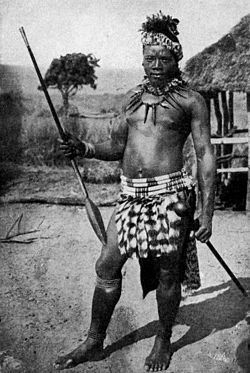
Un guerriero zulu: nella destra impugna l’assegai, la corta lancia usata per infilzare più che da lancio.
Nonostante sia un eccellente tiratore, preferisce usare l’arma bianca, l’assegai, la tradizionale corta lancia del suo popolo: vuole vedere il nemico negli occhi mentre uccide. E, soprattutto, lasciare che la vittima guardi i suoi occhi e non se li dimentichi.
Thobela, nel Sudafrica postapartheid, che non ha saputo ricompensarlo per gli anni di lotta impegno e dedizione assoluta, che si è dimenticato di lui, dopo aver lavorato qualche anno per un importante spacciatore, ha deciso di appendere la lama al chiodo per dedicarsi alla pace e all’amore familiare.
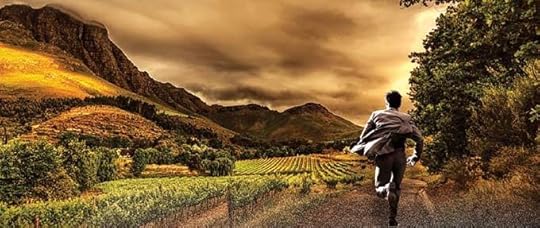
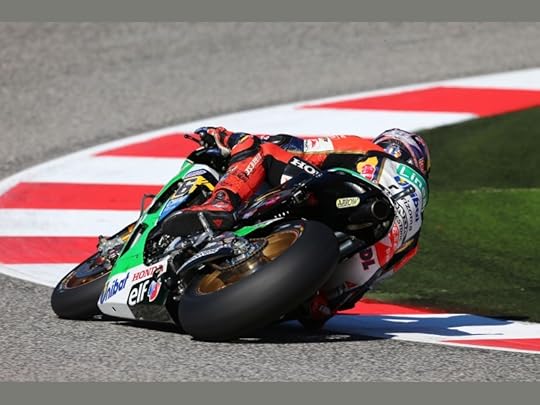
La moto con cui Thobela Mpayipheli percorre duemila chilometri in tre giorni.
Ovviamente, però, il suo progetto esistenziale è interrotto: per debito d’amicizia deve compiere un’ultima missione, che lo porterà ad attraversare il suo paese da sud a nord, fino ad arrivare in Botswana, duemila chilometri in sella a una BMW R 1150 GS. Il viaggio deve durare al massimo tre giorni, 72 ore (Meyer è uno specialista della corsa contro il tempo già nei suoi titoli, vedi “Tredici ore”, “Sette giorni”).
A questo proposito, ecco qualcosa che connota Meyer differenziandolo dalla maggior parte degli scrittori di genere (almeno da quelli di lingua non inglese): per scrivere questo romanzo, Meyer cerca e trova una borsa di studio, che gli permette di percorrere lo stesso itinerario del suo personaggio, sulle stesse strade, in sella alla stessa motocicletta. Meyer scrive di cose che conosce, di cui ha cognizione, spesso esperienza, e nelle sue pagine si sente, si apprezza, si respira e si legge una ‘verità’ che altrove non si trova.
A sinistra il Sudafrica, a destra il Botswana.
Meyer scrive crime story dalle trame complesse e accurate, ricche di personaggi ben delineati e sfaccettati. Però, il personaggio che io preferisco fra tutti, quello che secondo me è il vero protagonista di ognuna delle sue storie, è il Sudafrica, nazione antica giunta a seconda nascita con la fine dell’apartheid (1994), che da allora cerca di ricostruirsi, rigenerarsi, con il suo incredibile intreccio di razze, etnie e lingue.
Thobela è un personaggio speciale, e lo si può considerare un simbolo della forza e della sofferenza dell’Africa e degli africani: è come se attraverso di lui Meyer ci mostrasse il cuore del continente nero.
Madiba era il Mosè che ci ha condotto alla Terra Promessa, ma non vi abbiamo trovato né latte né miele.
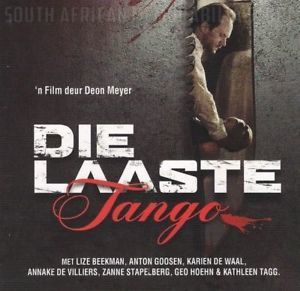
”L’ultimo tango”, film scritto e diretto da Deon Meyer. 2013.
3.5 stars. I have been an enthusiastic fan of Deon Meyer's South African crime series featuring Benny Griessel. This book was dense and complex, exploring historical, political, racial and cultural divisions as tangled as described in other police stories from the country. With the added government, intelligence, and counter-intelligence corruption, I found the plot quite complicated. I was already familiar with Tiny (Thobela) Mpayipheli, who shows up in a couple of the later Bernie Griessel police procedurals/political thrillers. There were a lot of acronyms to sort out.
Tiny is a large Xhosa man living a calm, contented life with his beloved common-law wife and her son, whom he adores. He works at a menial job helping out in a motorcycle shop and desires to move his family to a farm. This gentle giant of a man has a dark and intriguing past. He was a freedom fighter against apartheid as a top Umkhonto we Sizwe soldier for the ANC. He was sent to the former Soviet Union and recruited as an assassin for the KGB and on to East Germany for two years of training. After the end of apartheid, he found his skills as a killing machine obsolete. In need of work became an enforcer for the leading drug lord in Cape Town. Guilty about his life of violence, he decided to go straight and lead a peaceful life as a family man.
This life is disrupted when the daughter of an old friend and colleague pleads with Tiny to deliver a disc to unknown terrorists in Lusaka, Zambia. Her father has been kidnapped and held for the disc and will be killed if it is not delivered. The disc is supposed to contain files detailing secrets that would destroy prominent people's professional and private lives and put some government agencies into disrepute. Tiny feels an obligation to save his old friend. His family is distressed to see him go, but he assures them that it is a quick flight and will return home in a few days. However, he is intercepted at the airport. He steals a motorcycle for the long, difficult journey.
There are others determined to get the disc before it can be delivered. The South African Presidential Unit(PUI) has put together a brutal military reaction unit (UI). This is directed by an ambitious white Afrikaan woman, Janina Mentz, who is relentless in proving her authority. The UI is headed by a homicidal special force commander, Tiger Mazibuko, who trains and oversees two teams of 12 men each, called the Dirty Two Dozen. Their duty is to stop Tiny by any means necessary and retrieve the disc. They are heavily armed with vehicles and support helicopters. Also hunting Tiny are intelligence services and the police. Tiny's motorcycle journey is a long rough one where he must be on the lookout to evade those hunting him.
Add CIA involvement, Moslem extremists, rival motorcycle gangs looking to support him, secret identities and code names, conspiracies, deception, and cover-ups. Will Tiny ever reach Lusaka unharmed? Can he deliver the disc and save his old acquaintance? When will he learn about a terrible tragedy at home? The journey has been one of pain, lack of sleep, and rough roads on his way to his destination. Will he avoid resorting to violence and return home to lead a happy family life?
It would have helped to include a map to pinpoint his journey and help visualize his locations. This was a long, suspenseful, dangerous chase, but my excitement was somewhat diminished by so many players and agencies involved that needed to be sorted out. It was a great plot that required much concentration.
This is the first book I have read by this author and it blew me away. Great plot and characters, as we have South African state intelligence, counter-intelligence, and even counter-counter-intelligence. Many innocents caught up in these games. The plot really takes its time to develop and we are not sure who are the good guys, or who is working for whom. A really good book that makes me want to read a lot more of his works. Biggest negative is that I wish there had been a map since I was sort of lost as to where this 2500 km adventure takes the reader.
Tiny Mpayipheli wants nothing more than to live out the rest of his life with his wife and stepson. He is a good man. His plan is to save enough to purchase some land and farm. But he has a past and when he gets a message from an old friend to bring him a hard drive, it seems like an easy task. Unfortunately the drive contains information that may or may not be bait in international game of spies. Soon everyone is after him and he is trying to stay loyal to his new life and his friend. That may not be possible.
This is a terrific book. It's a real page turner but with heart and feeling for the people and country of South Africa. It's also an examination of good and evil.
Some passges:
But disillusionment followed, not suddenly or dramatically—the small realities slowly took over uninvited. The realization that people are an unreliable, dishonest, self-centered, self-absorbed, backstabbing, violent, sly species that lie, cheat, murder, rape, and steal, regardless of their status, nationality, or color. It was a gradual but often traumatic process for someone who wished only to see good and beauty.
“That is my problem with the media, Miss Healy. You want to press people into packages, that is all there is time and space for. Labels. But you can’t label people. We are not all good or bad. There is a bit of both in all of us. No. There is a lot of both in all of us.”
And he had said: “You know, whitey, it sounds like the new excuse to me. All the great troubles of the world have been done in the name of one or other excuse. Christianization, colonialism, herrenvolk, communism, apartheid, democracy, and now evolution. Or is it genetics? Excuses, just another reason to do as we wish. I am tired of it all. Finished with that. I am tired of my own excuses and the excuses of other people. I am taking responsibility for what I do now. Without excuse. I have choices; you have choices. About how we will live. That’s all. That’s all we can choose. Fuck excuses.
"Codice: cacciatore" di Deon Meyer è un potente thriller in cui la tensione non viene mai meno ed è ambientato in un Paese poco frequentato dal genere, il Sudafrica.
Un modesto inserviente viene improvvisamente chiamato a portare un pacchetto ad un suo vecchio amico a Lusaka, in Zaire. Quello che a prima vista sembrerebbe un piacere da niente si rivela un incarico pericolosissimo per Thobela Mpayipheli.
Ma anche il buon Thobela si rivela un personaggio molto diverso dall'operaio addetto al lavaggio delle moto. Era infatti uno dei killer più temibili del braccio armato dell'African National Congress, la formazione politica che si opponeva all'Apartheid in Sudafrica.
Bloccato in aereoporto Thobela, detto Tiny, sfugge agli inseguitori con una moto presa in prestito nel negozio dove lavora e si lancia in una spericolata fuga attraverso le lande desolate dell'Africa meridionale cercando di raggiungere il suo amico con un hard disk che contiene mille segreti.
Mentre Tiny riesce ad evitare le tante trappole, alle sue spalle i tanti servizi segreti sudafricani tessono le loro trame per approfittare nel modo più bieco della drammatica fuga.
"Codice: cacciatore" ha tutti i pregi che un thriller ben fatto deve avere: ritmo, trama complessa ma non troppo, ambientazione suggestiva, personaggi credibili e pochi tempi morti. Per comprendere meglio le varie sottotrame del libro sarebbe utile cooscere bene la storia della Repubblica Sudafricana degli ultimi 40 anni, in quanto i moventi di quanto accade sono sepolti negli avvenimenti accaduuti dopo la fine dell'Apartheid ma il romanzo si apprezza lo stesso anche senza avere una conoscenza approfondita del periodo.
Chiudendo il libro, che mi sono proprio goduto, ho sentito forte e chiaro il profumo dell'Africa, così stupenda, così selvaggia e così sfortunata: "Dopo aver guardato la sua opera, il Creatore doveva aver pensato: "Io la lascerò così com'è, come una tentazione, e vi metterò gente avida, che farò arrivare da ogni parte dell'Africa e dal mondo dei bianchi per vedere come ridurranno questo paradiso."
I literally had to hide my kindle in a different room at night so that I could get some rest and not read this novel in one go! My almost-crush on this author's works has become full-blown, and the worst part of it is that I told him so -- he must think me such a fangirl!
Heart of the Hunter by Deon Meyer is a suspense thriller. Suspense because it’s packed with twists and turns and you’re not sure who’s showing their true colors and who’s not what they seem. Thriller because it’s non-stop action. Mpayipheli, despite his past, is the character I rooted for. Despite his past, he is the hero. But because of his past, he is not just delivering a package, he is being ruthlessly hunted.
When I first started reading Heart of the Hunter, I had difficulty with the names. A great many of them are names that I didn’t know how to pronounce: “Mpayipheli” for one. But once I assigned them names in my head (for Mpayipheli, I dropped the M), I got into the story, even though I have no idea if that’s the way it is correctly pronounced.
As a reader, you are primarily in Mpayipheli’s head, which is a very interesting place to be since he is quite fascinating. I started reading to learn more about him and to find out if he would get the package where it needed to be in time to save his friend. I kept reading to find out if he would survive the trip when he is being hunted via land and air. I finished it to find out if Mpayipheli would revert to the man he used to be or grow into the man whom the woman who loves him believes him to be.
There is nothing ordinary about this man or the trip he takes. I give Heart of the Hunter by Deon Meyer a rating of Hel-of-a-Protagonist.
A whopper of an 'on the run' novel set in South Africa Former KGB assassin Thobela Mpaypheli is now a lowly errant runner with a motorcycle dealer in Cape Town. Mpaypheli is brought out of retirement when a friend asks him to deliver a computer hard-drive to Lusaka, some 2500 km to the north, within 72 hours. This classic "can he make it?" (of course he can/could, sort of, but with a twist, of course) also involves an agent / double-agent set-up which can sometimes get rather confusing. Everything seems to work out in the end though, Deon Meyer is a careful writer and a conscientious researcher. There are unlikely coincidences (Koos Kok in that hut) but without them, life wouldn't be life, would it? Characterization is often astute, Thobela, his best friend Van Heerden, Cape Times journalist Allison Healy are believable and fun. However, Tiger Mazibuko with his rage would hardly have reached the position he has. Or would he in South Africa? Corruption certainly seems fairly ripe, the way Allison Healy is freely fed news through a police acquaintance is incredible, but not unbelievable. This is a good read if you like crime / on the run stories and Meyer has the accuracy and the ruthlessness (with his own characters, if need be) to keep you turning those pages. This was my second Deon Meyers after "Devil's Peak" and I certainly hope to come back to him again.
This book is his first published in the States. It tells the story of Tiny (who I came across in one of his later novels). I really liked the pace, the guessing who was the good guy, who was the baddie. The bits of philosophy - what makes a person good or bad - were intriguing. I also liked the insights into South Africa's political situation. I'm surprised these books haven't been made into a film or a TV series.
A spare, stark and brutal portrayal of deceit, treason, and underhanded maneuvering in the modern intelligence services of South Africa.
This is a powerful, subtle, inside look at the realities of political strife in the modern Union of south Africa. A former soldier in the Struggle, a black assassin recruited by the KGB, leaves that life when the Soviet Union collapses, works as a benign enforcer for a South African drug baron and ultimately finds a kind of peace for himself as an ordinary worker in a Johannesburg cycle shop. Once the evils of apartheid were overthrown and Nelson Mandela’s ANC became the ruling party, all of the secrets and the secret police were brought into the sun and the daylight and disposed of. Right?
Unfortunately, not everybody fared well in the new South Africa. Many soldiers who made significant contributions were simply cast aside and Thobela Mpayipheli, a legend in the Struggle, was one such soldier. When the story opens, he has found a good woman and her young son and they have begun to forge a life for themselves. And then out of Thobela’s past, comes the daughter an old friend. The friend has been kidnapped and will be murdered unless Thobela delivers, far to the north, a computer disk encoded with secret data.
To accomplish his task, a reluctant Thobela must first “borrow” a powerful German motorcycle and make his way to a city across the northern border, through Botswana and into Zambia. Soon, arrayed against him, are the forces of three military and intelligence services, a scattering of foreign agents, and his own efforts to fulfill his obligation to his old friend yet not slip back into the dark morass of undercover brutality.
This is a thriller of massive proportions. The cast of interesting and conflicted characters are always easy to identify. Within the structure of a conventional suspense novel, Deon Myer has inserted a twisty mystery that enhances and encourages the enjoyment readers will find here. In translation the suspense and entwined convolutions of desperate intelligence agents, battling their own political circumstances and their moral constructs, are enhanced by unfamiliar rhythms of the language. The “imperfect” translation adds to the texture of this fine novel, a subtle book, timely in its examination of the decay that misguided belief in justification of a moral certitude at any cost can bring. Discerning readers will recognize interesting parallels to western nations in this cautionary tale.
Qué experiencia más extraña con este libro. Lo inicié pensando que era una novela policíaca ambientada en Sudáfrica, con toques de espionaje o similar. Y resulta que no, sí que tiene toques de espionaje pero es más una especie de "road novel" y un embrollo que me costó entender. Lo que me da pena es que he disfrutado mucho de casi toda la novela, buen lenguaje, buen contenido. Qué interesante el reflejo de la Sudáfrica "arco iris", el acercamiento que proporciona a la cultura xhosa, las reflexiones sobre las diferencias de clase, de raza, de color, que existen en el país. Deliciosa la comparación con el país vecino, Botswana. Pero qué pesado se me hizo el último cuarto de la novela, qué embrollo... Así que no sé si leeré la segunda entrega. Pero casi seguro que sí leeré algo más del señor Meyer, esperando que me líe un poco menos con la descripción de las cloacas del Estado y sus detritus.
This is an excellent espionage thriller that takes the reader on a roller coaster ride through the recent history of South Africa. Like all of Meyer's books, he uses multiple POV to set up the story. That takes roughly 40% of the book; then, it takes off like an impala. The multiple POV allows Meyer to develop some terse and tense intercutting; he handles it like Hitchcock. And the hints for the twists he drops neatly, and the reader rolls right over in the speed of page turning. Pay attention, catch the hints, then salivate until the meaning is clear.
Yay! I love Deon Meyer. He is my favourite new author (not so new as it turns out.. sorry Deon, I should have woken up to your talents MUUUUCH sooner). Fast paced crime writer whose stories are set in SA with totally believable characters. I could identify with all of them as if I'd met them along my tracels through the old... and especially the new South Africa. Now for the next one...
Excellent. Even though I am shamefully ignorant about South Afrocan politics, I knew just enough to follow the story - and what a story it is! I truly cared about Tiny, the big, bad BMW biker. His fate became so important to me. Well-written, Sir - well-written. I am truly hooked and I will be reading the series!
One of my favourites, Tobela Mpayipheli is truly one of the most interesting and well-developed characters I have met in any book and Koos Kok is without a doubt the most unforgetable minor character I know of: he brought a smile to my face everytime he was mentioned.
Another wow thriller from Deon Meyer. Great characters (especially loved learning Tiny's backstory), lots of action, and interesting look at South Africa's security forces and the various factions within.
After a captivating and intriguing summary about this novel, imagine my surprise to find this story severely lacking and unable to back such claims. The freedom fighting assassin plays a limited role while we are filled with more extraneous actions of others to HotH's detriment. 3 of 10 stars
Zoals gezegd heb ik een nieuwe favoriete auteur. Had dit boek in feite moeten lezen voor Duivelspiek want nu wist ik al een belangrijk feit. Maar dat was in feite niet zo storend omdat dit weer een pageturner was. Vol krachtige personages, boeiende geschiedenis van Zuid-Afrika, sterke dialogen en machtsstrijden, filosofische bedenkingen en zelfs een beetje romantiek. Spannend tot op het einde met een sterk plot. De volgende drie boeken staan al op mijn leeslijst.
Dit boek ‘Proteus’ is in 2006 al eerder verschenen onder de naam ‘De proteus diskette’. Maar ook in 2015 is het een schitterend verhaal en helaas ook nog steeds actueel. Een spannende politieke thriller, waarin in ook spionage niet wordt geschuwd. We gaan dwars door het mooie Zuid Afrika heen met spannende achtervolgingen. We maken kennis met Tobela Mpayipheli, met de bijnaam Tiny. Een Xhosa krijger van bijna twee meter lang. Vroeger een huurmoordenaar voor de regering nu een rustige man die samenwoont met zijn vriendin en zoontje. Dan wordt Tiny zijn hulp ingeroepen en een oude belofte moet worden ingelost. Tiny heeft 72 uur om zijn vriend van de dood te redden, daarvoor moet hij wel een pakje bezorgen. Het pakje bevat een diskette met belastend materiaal over de geheime dienst van Zuid Afrika. De schrijfstijl is boeiend, als geen ander weet de schrijver het mooie Zuid Afrika neer te zetten. Het ruige landschap maar ook de townships worden prachtig beschreven. Je waant je midden in het land en je voelt de spanning rustig oplopen. De politiek wordt op de achtergrond meegenomen, maar ook de apartheid en de afschaffing hiervan. Hoe er toch veel mensen zijn geweest die het er helemaal niet mee eens zijn geweest en alles dwarsbomen. Het is geen gemakkelijk verhaal, zeker als je niet bekent met spionage en politiek. Je moet echt je aandacht erbij houden. Toch wordt het duidelijk uitgelegd. Via de dikgedrukte verhoren van de CIA krijg je een mooi beeld van wat er zich nu werkelijk afspeelt. Niets gaat de schrijver uit de weg. Dit maakt het verhaal boeiend, spannend maar ook soms saai, doordat de schrijver zich laat meeslepen met de maatschappelijke achtergronden. Toch is het alles bij elkaar een mooi spannend geheel geworden waarin je toch wel onder de indruk achterblijft. Want laten we eerlijk zijn, vandaag aan de dag worden dezelfde spelletjes nog altijd gespeeld
Deon Meyer è un autore sudafricano emergente che già vanta alcuni recenti riconoscimenti internazionali.
In questo "Codice cacciatore" dimostra un'ottima capacità di impostare un thriller con originalità e con la giusta quota di misteri che poi verranno risolti nel corso della narrazione con una parte finale altrettanto strutturata.
Il problema di questo romanzo è che tutta la parte centrale del libro (si parla di oltre 200 pagine!) viene impiegata nella descrizione dell'inseguimento del protagonista da parte di servizi segreti iperaddestrati e tecnologizzati che alla prova dei fatti si rivelano degli incapaci. Quindi abbiamo il nostro eroe armato solo della sua forza fisica e psichica che attraversa città, regioni e stati beffando sistematicamente i "cattivi" con tutti i cliché di questo tipo di situazione letti in molti romanzi e visti in moltissimi film: gli incontri con chi vuole aiutarlo, chi sembra tradirlo, mentre i mass-media prendono le parti del fuggitivo inducendo gruppi di popolazione a schierarsi dalla sua parte.
Niente di male nell'aver inserito questo tema, ma il guaio è che qui occupa tanto spazio, ed anche in modo ripetitivo, da fagocitare la trama dell'intero romanzo.
A titolo di esempio, ben diversa è la prova di Caryl Ferey (francese ma buon conoscitore della realtà sudafricana) che in "Zulu" parte dalla stessa realtà di Cape Town e dintorni ma se ne serve per costruire una storia originale e densa di eventi e svolte narrative degne di un vero thriller coi fiocchi. In questo senso Meyer deve fare ancora un bel po' di strada per raggiungere risultati paragonabili.
I've been eager to read a book by this author for a while. I like thrillers, and I have never read one by a South African author - and this guy is supposed to be the best. At least, he's the most well known.
This is the one that had the highest ratings of the selection available at my library a few weeks ago. So this was it!
I vacillated a lot while reading this book. There were times I was super interested and didn't want to stop, and others when I thought "What is the point of this passage? I'm kind of bored" Overall, I came away with the sense that it wasn't as put together and well crafted of a story as I expected. I felt like there were gaps in the story at times, and then other times when things were put in that seemed gratuitous and kind of detracted from the overarching storyline. I can't really pinpoint what dragged the story down for me though, I guess it was a multitude of things. Perhaps there was a lot of nuance in the story that just didn't come clear to me. I don't know.
I did really like the main character though. I liked his motivations, and his process. I wanted to get to know him a bit more and know where he goes from here. I thought, overall, the author did a decently good job of portraying the men, but not so much with the women. But, with the exception of the main character, most of the characters seemed quite flat with the exception of some brief explanations and backstories that came out at the tail end of the book. So, that bothered me a bit.
I might try another by this author to see if they are any better, but I hated that I was disappointed with this one.
Ich habe von dem Autor "damals" schon Der traurige Polizist gelesen und war sehr angetan. Dort erschien mir die Handlung nicht sehr "afrikanisch" - was sich in anderen Journalen auch fand.
Diesmal jedoch war sie es. Denn ein wiederkehrendes Element waren die Vorbehalte gegenüber den anderen ethnischen Gruppen: Zulu, Xhosa, Afrikaaner,...: eigene Sprachen, eigene Sitten - eigene Vorurteile.... Zum anderen war die Geschichte nach Ende der Apartheid ein Thema. Dort zeigt sich das gleiche Problem, wie in einigen Krimis nach Ende des Kalten Krieges: Wohin mit den Agenten/Attentätern/bisherigen helden, wenn sich die politische Situation ändert und man sie für ihre bisherigen Aufgaben nicht mehr braucht? Wenn ich die zugehörigen Geschichten richtig lese, gibt es keine guten Lösungen. Wie eine heisse Kartoffel fallengelassen werden scheint die beliebteste Variante zu sein - und einigen anderen Lösungen sogar glatt vorzuziehen. Thobela ist symphatisch. Er wird in Geschehnisse hineingezogen, mit denen er eigentlich nichts zu tun hat und das nur, weil er einem alten Freund helfen will. Er versucht, nicht in seine alten Verhaltensmuster zu verfallen. Aber das ist schwer, wenn man plötzlich gejagt wird... und dann sind die alten Kenntnisse einfach hilfreich... Mir hat das Buch richtig gut gefallen.
Original publication: 2000 | Thobela Mpayipheli #1
This is one of the earliest of Deon Meyer's books, and certainly one of the best. It introduces the modern day Xhosa warrior Thobela "Tiny" Mpayipheli, who also appears in the later Devil's Peak, Trackers and The Last Hunt. Unlike many of Meyer's later works, this one has only a single plot. It is superb, but patience is required to follow it, as it unfolds from the perspectives of several characters, none of whom knows the whole. The characters are very well-drawn, though I do think the main character is presented a little too idealistically: he seems literally super-human.
I'd read most of Meyer's books before this one, and I hate to admit that the later ones are inferior to this, not just in terms of story and character but very notably in terms of language. Meyer sometimes achieves a poetic intensity here that eludes him (maybe he doesn't put in as much effort?) in his later thrillers. In an interview Meyer accepts a compliment on his English, but confesses that he feels more confident and freer writing in Afrikaans. However, he also allows that he goes over the translation into English very carefully.
I have a new favorite author, and his name is Deon Meyer. I want to read everything he's written. Heart of the Hunter is full of action and intrigue from beginning to end. I couldn't put it down. Deon Meyer is from South Africa, and his knowledge of his country's history and geography is encyclopedic. I wish I knew more....Anyway, I followed every twist and turn of Thobela Mpayipheli's motorbike as he winds his way through his country to carry out his mission. The twists and turns of the plot run parallel to Thobela's journey. This is a brilliant, carefully crafted novel that I won't soon forget.
A mix of spy thriller, man-on-the-run chase story, and noir narrative about the implacability of the past, all in a South African setting with all its baggage of politics and race and poverty, with a strong strain of melancholy about it.