

What do you think?

Il seme della violenza
Written in 1954, this controversial story cracked down on the public school system and dramatized student violence as no other novel of its time did. Hunter used his own teaching experience to create protagonist Richard Dadier, who lands his first real job as an English teacher at North Manual Trades High School in New York City. Dadier knows the students here will be tough, but nothing has prepared hom for the world he enters.. "Hunter's novel attracted much attention when it was first published, and it became a top bestseller in 1955. Set against the changing social culture of the 1950's, The Blackboard Jungle is a time capsule that illuminates an issue still in the forefront of our minds.
400 pages, Paperback
First published August 1, 1954
About the author
Evan Hunter
196 books119 followersBetter known by his pseudonym Ed McBain.
Born Salvatore Albert Lombino, he legally adopted the name Evan Hunter in 1952. While successful and well known as Evan Hunter, he was even better known as Ed McBain, a name he used for most of his crime fiction, beginning in 1956.
Born Salvatore Albert Lombino, he legally adopted the name Evan Hunter in 1952. While successful and well known as Evan Hunter, he was even better known as Ed McBain, a name he used for most of his crime fiction, beginning in 1956.
Ratings & Reviews
Friends & Following
Create a free account to discover what your friends think of this book!
Community Reviews
Displaying 1 - 30 of 85 reviews

August 13, 2021
Absorbed this novel. One of those rarities which I always recommend and often reflect back on in my daily happenings. Impactful and one for the ages. Highly recommend.

Read
December 28, 2009My favourite part of this book was the speech the protagonist, English teacher Rick Dadier, makes to his class of teenagers:
“Tell me, West, do you know what a dream session is? You ever been inside a shooting gallery, West? You know what mootah is, West? You dig a monkey scratching at your back, West? You know what a twist is? You ever flop into some cat’s pad, West? You know what screech trumpet is? Are you hip or from nowhere?...West, do you know what H is? Or C? Or M? Do you know what a fix means? Have you ever met The Man, West?...You dig a high on smoke, boy? You hip to the art of a water mix? You ever dance fish, West? You ever swap spit?...You also know what planked means, don’t you? You know what a dry run is, huh, boy? Or do you go for crime jargon, West? Is that your speed? You a heel and toe boy? A grafter? A fish?”
However my second favourite part was this uncharacteristic foray into unlikely figurative language - this, from a man whose prose is generally no-nonsense and to the point:
“His mouth was a ripe slice of watermelon, and his nose could have been a banana, though Rick shied away from the obvious metaphor.”
All in all, this book just goes to show that kids, and teachers, don't change much.
“Tell me, West, do you know what a dream session is? You ever been inside a shooting gallery, West? You know what mootah is, West? You dig a monkey scratching at your back, West? You know what a twist is? You ever flop into some cat’s pad, West? You know what screech trumpet is? Are you hip or from nowhere?...West, do you know what H is? Or C? Or M? Do you know what a fix means? Have you ever met The Man, West?...You dig a high on smoke, boy? You hip to the art of a water mix? You ever dance fish, West? You ever swap spit?...You also know what planked means, don’t you? You know what a dry run is, huh, boy? Or do you go for crime jargon, West? Is that your speed? You a heel and toe boy? A grafter? A fish?”
However my second favourite part was this uncharacteristic foray into unlikely figurative language - this, from a man whose prose is generally no-nonsense and to the point:
“His mouth was a ripe slice of watermelon, and his nose could have been a banana, though Rick shied away from the obvious metaphor.”
All in all, this book just goes to show that kids, and teachers, don't change much.

August 18, 2019
This is absolutely not an inspirational story of a tough and idealistic teacher who reaches the hearts and minds of poor children who go on to fulfill their destinies as productive, law abiding adults.
It's the story of a broken system that has created the vocational school with the sole purpose of keeping society's undesirable not-quite-adults off the streets for several hours a day. There are a few ignorant people who believe in its stated mission (to teach the youth a trade with which they can earn a living) but the vast majority of teachers and students know better.
So, this is the story of a hopeful young war vet, with ink still drying on his GI Bill-funded-teaching certificate, with a pretty young wife pregnant with their first child, enthusiastic about his new career and his new family and his destiny, who enters this system and must learn to survive the inevitable disillusionment.
I normally would really enjoy this kind of story. It's well-written and I like this kind of gritty realism. I also always try to evaluate a book as a product of its time, but even so, I was dismayed by the pervasive sexism, both implicit and explicit. Women and girls are no more than receptacles and obstacles here. The author even spends quite a lot of time digging into the psyches of the two more prominent female characters, but they are each only caricatures - the grasping, envious, jealous, gestating wife vs the anti-wife, anti-family career woman serving as a distraction and danger to the men-folk. One character, a young and handsome teacher, spends the entire book complaining about having to teach in an all-boys school instead of his dream job teaching in an all-girls vocational school so he can f**k all the slutty juvenile delinquent students. All the other teachers, heroic main character included, regard his rants with humorous distaste, as if he were expressing a wish to plow through a buffet of greasy cheeseburgers.
If I'd been able to get past this, it would have been a 4 star read. It's an interesting story and doesn't cheat the reader at the end.
Audiobook via Audible, with a very good performance by James Patrick Cronin.
It's the story of a broken system that has created the vocational school with the sole purpose of keeping society's undesirable not-quite-adults off the streets for several hours a day. There are a few ignorant people who believe in its stated mission (to teach the youth a trade with which they can earn a living) but the vast majority of teachers and students know better.
So, this is the story of a hopeful young war vet, with ink still drying on his GI Bill-funded-teaching certificate, with a pretty young wife pregnant with their first child, enthusiastic about his new career and his new family and his destiny, who enters this system and must learn to survive the inevitable disillusionment.
I normally would really enjoy this kind of story. It's well-written and I like this kind of gritty realism. I also always try to evaluate a book as a product of its time, but even so, I was dismayed by the pervasive sexism, both implicit and explicit. Women and girls are no more than receptacles and obstacles here. The author even spends quite a lot of time digging into the psyches of the two more prominent female characters, but they are each only caricatures - the grasping, envious, jealous, gestating wife vs the anti-wife, anti-family career woman serving as a distraction and danger to the men-folk. One character, a young and handsome teacher, spends the entire book complaining about having to teach in an all-boys school instead of his dream job teaching in an all-girls vocational school so he can f**k all the slutty juvenile delinquent students. All the other teachers, heroic main character included, regard his rants with humorous distaste, as if he were expressing a wish to plow through a buffet of greasy cheeseburgers.
If I'd been able to get past this, it would have been a 4 star read. It's an interesting story and doesn't cheat the reader at the end.
Audiobook via Audible, with a very good performance by James Patrick Cronin.

November 26, 2025
Powerful book by Hunter, AKA Ed McBain of 87th Precinct fame. First published this in 1955, the novel chronicles Rick Dadier's experiences teaching at a vocational high school in NYC, but do not expect "Welcome Back, Kotter" here!! Hunter tosses in a little backstory on Rick Dadier; he went to college on the GI bill and received his teaching certificate, but he has to teach at least one year in a vocational school before he can move on to a regular school. Vocational schools (Rick muses) might have been a great idea at one time-- teach kids skills they can use when they graduate right off the bat. In time, however, they became schools for the underachievers and remedial students who would have failed out at a normal school. One fellow teacher calls then the trash cans of the school system and their job is to keep the lid on.
Hunter digs deep into Rick here, largely through Rick's musings on life and teaching in general. When going to college to learn to teach, no one prepared him for students who just do not care. Worse, Rick teaches English, something the students find less then useful to say the least. The prose is gritty and down to earth as you might expect from the author of the 87th Precinct series, even if the slang and such take a bit to get used to (the book is 70 years old after all!). Also, like the 87th, the characters really stand out-- no cardboard here! I am still not sure if Hunter had some type of motive for writing this; it is not a critique of vocational schools per se, nor an indictment of college educational teaching. On one level I see it as a rather existentialist novel, with Rick and others trying to find some meaning behind what they do. On another level, it reads as a saga of a man performing a Sisyphean task. In any case, as a teacher myself (professor), I deeply respected it and can see why it made such a splash back in the day. Timeless really. 4 jungle stars!!
Hunter digs deep into Rick here, largely through Rick's musings on life and teaching in general. When going to college to learn to teach, no one prepared him for students who just do not care. Worse, Rick teaches English, something the students find less then useful to say the least. The prose is gritty and down to earth as you might expect from the author of the 87th Precinct series, even if the slang and such take a bit to get used to (the book is 70 years old after all!). Also, like the 87th, the characters really stand out-- no cardboard here! I am still not sure if Hunter had some type of motive for writing this; it is not a critique of vocational schools per se, nor an indictment of college educational teaching. On one level I see it as a rather existentialist novel, with Rick and others trying to find some meaning behind what they do. On another level, it reads as a saga of a man performing a Sisyphean task. In any case, as a teacher myself (professor), I deeply respected it and can see why it made such a splash back in the day. Timeless really. 4 jungle stars!!

May 10, 2013
Este livro foi mais uma excelente surpresa que o Linked Books me proporcionou, pois duvido que sem "as ligações" eu viesse a ler este título por minha iniciativa.
Como disse atrás, não sabia o que esperar do livro, não tinha sinopse, e apenas pelo seu título, apesar de bastante sugestivo, não poderia saber do que se tratava. Quando iniciei a leitura, e apesar do interesse ter sido instantâneo, por momentos fiquei um pouco desiludida, quando entendi do que iria tratar o livro. Percebi que o livro iria ser sobre um professor, novato e idealista, que é colocado a ensinar numa escola má, com imensos problemas disciplinares. Na minha cabeça acendeu-se logo uma luz, achando que já estava a ver tudo o que ia acontecer. Mas não foi nada assim.
Esta não é uma "história da carochinha" , mas uma história muito realista e credível, com personagens fortes e terra a terra. A leitura é sempre interessante, do princípio ao fim, e os acontecimentos inesperados, fugindo das histórias com o mesmo "cenário" a que estou mais habituada.
A história promove uma excelente reflexão social sobre o papel da escola e do professor, e sobre o sistema educativo americano dos anos cinquenta, a partir das relações que se estabelecem entre professores, e entre estes e os seus alunos. Fá-lo sem "colorir" a realidade, e julgo que é este o maior trunfo do autor.
Gostei mesmo muito, e é um livro que sem dúvida recomendo.
Ver post completo em:
http://linkedbooks.blogspot.pt/2014/0...
Como disse atrás, não sabia o que esperar do livro, não tinha sinopse, e apenas pelo seu título, apesar de bastante sugestivo, não poderia saber do que se tratava. Quando iniciei a leitura, e apesar do interesse ter sido instantâneo, por momentos fiquei um pouco desiludida, quando entendi do que iria tratar o livro. Percebi que o livro iria ser sobre um professor, novato e idealista, que é colocado a ensinar numa escola má, com imensos problemas disciplinares. Na minha cabeça acendeu-se logo uma luz, achando que já estava a ver tudo o que ia acontecer. Mas não foi nada assim.
Esta não é uma "história da carochinha" , mas uma história muito realista e credível, com personagens fortes e terra a terra. A leitura é sempre interessante, do princípio ao fim, e os acontecimentos inesperados, fugindo das histórias com o mesmo "cenário" a que estou mais habituada.
A história promove uma excelente reflexão social sobre o papel da escola e do professor, e sobre o sistema educativo americano dos anos cinquenta, a partir das relações que se estabelecem entre professores, e entre estes e os seus alunos. Fá-lo sem "colorir" a realidade, e julgo que é este o maior trunfo do autor.
Gostei mesmo muito, e é um livro que sem dúvida recomendo.
Ver post completo em:
http://linkedbooks.blogspot.pt/2014/0...

January 14, 2010
Pretty good novel about teaching in a tough (and I do mean tough) vocational school in NY. Not a job I would want, I can tell you. Made into a movie in 1955. Evan Hunter was an extremely prolific writer who had many pseudonyms, the most famous being Ed McBain who wrote the 87th Precinct novels.

March 6, 2018
This book is about a character who lands his first teaching job and it happens to be at a vocational school. The time setting is during the fifties and it goes into detail about the hardships the main character will face throughout his first year.
This book was interesting. I believe we can all agree that teaching is a very hard job and can be a thankless job. Teachers have a tough job especially today with all that it entails. It wasn't easier to teach during the fifties even though one might assume it is all about rock and roll and sock hops. Teachers back then faced similar problems whether it was violence or trying to reach the students. This book did an excellent job of portraying this and right away I felt sympathy for the characters who have this occupation. I did have an issue with the characters as they were a little bland. That might have been on purpose by the author. He might have wanted the reader to focus on the hardship of the job instead of the characters.
I heard about this book because it was mentioned in another book I was reading. I am glad I read it but it did feel a little dated. For the most part it is still relevant today but I believe I would have enjoyed it more if it was more of a modern time setting.
This book was interesting. I believe we can all agree that teaching is a very hard job and can be a thankless job. Teachers have a tough job especially today with all that it entails. It wasn't easier to teach during the fifties even though one might assume it is all about rock and roll and sock hops. Teachers back then faced similar problems whether it was violence or trying to reach the students. This book did an excellent job of portraying this and right away I felt sympathy for the characters who have this occupation. I did have an issue with the characters as they were a little bland. That might have been on purpose by the author. He might have wanted the reader to focus on the hardship of the job instead of the characters.
I heard about this book because it was mentioned in another book I was reading. I am glad I read it but it did feel a little dated. For the most part it is still relevant today but I believe I would have enjoyed it more if it was more of a modern time setting.

July 23, 2024
"He taught a lot of kids every day, and every day he went into the blackboard jungle without even knowing how many teeth there were in a lion’s mouth. Or how many claws on a lion’s paw. Or anything about a lion at all. They’d taught him how to milk cows, and now they expected him to tame lions."
The first thing that comes to mind after reading this novel is that it would have been shocking had I been around to read it back when it was first published. Reading this book in 2024 and having first hand accounts of the goings on in some of our "regular" schools, this story is sadly not quite so shocking.
Nevertheless, it is a great novel and exceptional writing.
The first thing that comes to mind after reading this novel is that it would have been shocking had I been around to read it back when it was first published. Reading this book in 2024 and having first hand accounts of the goings on in some of our "regular" schools, this story is sadly not quite so shocking.
Nevertheless, it is a great novel and exceptional writing.

September 3, 2017
Evan Hunter's first. The writing is strong. The characters fully formed. The plot...ok, the plot is a bit predictable in spots, but that's only because this is the original which so many have copied. Many--too many--of the problems facing these youths are the same problems they face today. Makes you want to scream that no more progress has been made.
November 9, 2021
"No woman gets raped or nearly raped unless she's looking for it." Really??
Then follows a paragraph mentioning a pregnant woman's shagging breasts and other misogynistic crap.
Then follows a paragraph mentioning a pregnant woman's shagging breasts and other misogynistic crap.

February 20, 2021
Come insegnare?
Salvatore Lombino cambiò nome in Evan Hunter, poi usò alcuni pseudonimi tra cui Ed McBain, probabilmente il più famoso.
Tra le sue varie occupazioni ci fu anche quella di insegnante, esperienza che servì d'ispirazione a questo romanzo del 1954 che gli diede notorietà, accresciuta poi grazie al film che ne fu tratto l'anno successivo.
Siamo negli anni 50, Richard Dadier ottiene un posto di insegnante di lingua inglese in un istituto professionale. È un uomo sposato e sua moglie è in dolce attesa, il suo entusiasmo per il nuovo lavoro è alto.
Intende essere un insegnante giusto ma inflessibile, desidera solo dare e fare il meglio che può.
L'entusiasmo è una gran cosa ma non sempre utile, soprattutto se i ragazzi della sua classe mostrano poco interesse e nelle loro fila serpeggia un umore di violenza verbale e non.
E così ecco che deve presto salvare una collega, la prorompente Anne, da un tentativo di stupro proprio nei corridoi della scuola, divenendo eroe per alcuni e infame per altri.
Da qui in poi ci sarà tutta una serie di eventi atti a scoraggiare Richard, anche fisicamente, fino a farlo dubitare sul vero ruolo dell'insegnamento e sui meccanismi relazionali tra chi dà e chi riceve.
In tutta onestà sono rimasto poco colpito dal romanzo, vuoi per una violenza che al di là di qualche (grave) episodio mi è parsa leggera - parlerei più di mancanza di rispetto verso l'istituzione, fatto comunque grave nel contesto dell'istruzione e soprattutto in quegli anni - e vuoi per uno stile di scrittura poco essenziale... però la prorompente Anne è una presenza azzeccata, non tanto per quello che fa, in fondo si vede poco, ma per la sinuosità di come lo fa.
Salvatore Lombino cambiò nome in Evan Hunter, poi usò alcuni pseudonimi tra cui Ed McBain, probabilmente il più famoso.
Tra le sue varie occupazioni ci fu anche quella di insegnante, esperienza che servì d'ispirazione a questo romanzo del 1954 che gli diede notorietà, accresciuta poi grazie al film che ne fu tratto l'anno successivo.
Siamo negli anni 50, Richard Dadier ottiene un posto di insegnante di lingua inglese in un istituto professionale. È un uomo sposato e sua moglie è in dolce attesa, il suo entusiasmo per il nuovo lavoro è alto.
Intende essere un insegnante giusto ma inflessibile, desidera solo dare e fare il meglio che può.
L'entusiasmo è una gran cosa ma non sempre utile, soprattutto se i ragazzi della sua classe mostrano poco interesse e nelle loro fila serpeggia un umore di violenza verbale e non.
E così ecco che deve presto salvare una collega, la prorompente Anne, da un tentativo di stupro proprio nei corridoi della scuola, divenendo eroe per alcuni e infame per altri.
Da qui in poi ci sarà tutta una serie di eventi atti a scoraggiare Richard, anche fisicamente, fino a farlo dubitare sul vero ruolo dell'insegnamento e sui meccanismi relazionali tra chi dà e chi riceve.
In tutta onestà sono rimasto poco colpito dal romanzo, vuoi per una violenza che al di là di qualche (grave) episodio mi è parsa leggera - parlerei più di mancanza di rispetto verso l'istituzione, fatto comunque grave nel contesto dell'istruzione e soprattutto in quegli anni - e vuoi per uno stile di scrittura poco essenziale... però la prorompente Anne è una presenza azzeccata, non tanto per quello che fa, in fondo si vede poco, ma per la sinuosità di come lo fa.

September 26, 2019
This is the first big selling novel produced by Evan Hunter. It came out in 1955 and reflects his own work as a teacher in such a school for a very brief time.
It is a well done, plot and character heavy novel, that has some grounding in social concerns. Namely, Are these schools working at all?
The novel has a lot of common association with the youth culture. The screenplay also by Hunter was directed by Richard Brooks in a movie that came out in 1955. Unfortunately the content of it all was overshadowed by pop music. Legend has it that Rock Around the Clock recorded by Bill Haley and his band was the first rock song used it a movie. The song became a big hit and it is said to have begun the rock and roll change over to this newer type of music being heavily marketed to young white kids. Mass communication and corporate power took care of the rest of it, niche marketing and a few other things less important produced the generation gap. It is interesting that a book that is so thoughtful ended up marketing the generation gap and made the juvenile delinquent appear cool and edgy.
Of course this doesn’t happen front reading the book. The JD’s in the book are confused kids trying to live through a time in an institution that doesn’t work and practically forces them to act like jerks to get along with the other kids. But they sure look cool and act cool in the movie. Movies have trouble getting deeper than surface cool. The movies become a battle of the Cools, whoever's image comes off the better, is the most memorable, wins the movie. The Joker will outlast Batman. He is just Don’t-Give-a-shit-COOLER.
The notion of Rock Around The Clock, a really basic dumb lyric diddy, overshadowing impact of the novel’s story is discouraging.
(I don’t recall if I ever saw the movie all the way through.I know it’s a good movie, a riveting melodrama.)
The plot of the book is basically a new young male teacher gets his first job out of college in a tough all boys vocational high school in The Bronx, NYC. It’s the old hero’s journey with him coming in all idealistic but having that questioned with the disillusioning reality of it. It is far far from easy and physically dangerous.
He also has a, pregnant with their first, wife at home in their housing project apartment.
There is a very interesting scene in the book about youth culture that has its base in the marketing of music. Another new male teacher, Josh, befriends our Rick. Josh is a big pop music fan with a big record collection. He and Rick go out for a drink and Josh tells him excitedly about his plan to connect with the students by bringing in his cherished record collection.
The class where he brings the records is vividly set out in the novel. He very reverently presents the big band stars from 10 years before. This is met with disrespect and ridicule. The novel is written before the conversion to vinyl LPs.The shellac records back then were stiff brittle and breakable fragile.
It is in no way explicitly stated as to the meaning and point of this episode, but I have a high level of interest in the effects of art, culture, and mostly popular culture on our lives. I’m on the lookout for stuff like that and the record gap scene appealed to me from that perspective.
The point of conflict with the teacher and the students is the students’ long standing alienation from a system that they can feel is not at all in their best interests. So any individual teacher vanishes behind the role of being another agent for the enemy system. The same thing works in reverse with the jaded tuned-out teachers seeing the students as all being “garbage” in a dumping ground school. This is all clearly pointed out in the novel.
In the record scene a new teacher still has hope of connecting with the students with something that he takes as indisputably wonderful, something he holds dear and loves. Something connected to when he was like them, only 10 years ago, young, and open. Here another problem beyond to one of the school system surfaces. Culture went from locally based to centralize and attached to the capitalist need for growth, the cultural is artificially split up in service to market profits. Telling a specific demographic, “You are special!, They are old, here is your special music, that crap is old and wasn’t as good as they thought it was to begin with because they were less sophisticated back then”. None of these people have control or even cognizance of this hijacking of whatever human culture once was, not that is was much better in whatever, “Back then”, but surely somewhat different before mass electronic media controlled by remote corporations dominated our common entertainment choices. They/we just go along as conditioned.
This is all illustrated in the record scene. Reading it today the absurdity is amplified by our view of the pop music of 60 and 70 years ago. It’s all old, old fashioned stuff on some level even if it’s “great”. The kids in the scene ridicule the big bands, Glenn Miller, etc while asking for Julius LaRosa. LaRosa was no radical performer, just the latest product in a long line.
Also perhaps concerning shifting points of view the young female teacher is badly handled. It could have worked a little better if this could have been two characters. She is sexually assaulted, attacked by student in the hall top ripped open, breast exposed, rescued by our hero Rick. But couldn’t some teacher other than her come on to him in an unsubtle way later in the novel? We get how he has to deal with workplace sexual harassment, that is fine and interesting, but it should have been a different character than the one he rescues from being raped..
Aside from that this is the type of novel that anyone going into or involved with teaching at an institution, might want to read. It is very sad that sixty years later the same problems continue in the same type of institutions, more or less. It this kind of 19th century home/work/school idea ever going to work out again, if it ever did?
It very enjoyable and rich read in multiple ways. There is a lot of plot and story that moves things along and issues to think about. Nicely done.
It is a well done, plot and character heavy novel, that has some grounding in social concerns. Namely, Are these schools working at all?
The novel has a lot of common association with the youth culture. The screenplay also by Hunter was directed by Richard Brooks in a movie that came out in 1955. Unfortunately the content of it all was overshadowed by pop music. Legend has it that Rock Around the Clock recorded by Bill Haley and his band was the first rock song used it a movie. The song became a big hit and it is said to have begun the rock and roll change over to this newer type of music being heavily marketed to young white kids. Mass communication and corporate power took care of the rest of it, niche marketing and a few other things less important produced the generation gap. It is interesting that a book that is so thoughtful ended up marketing the generation gap and made the juvenile delinquent appear cool and edgy.
Of course this doesn’t happen front reading the book. The JD’s in the book are confused kids trying to live through a time in an institution that doesn’t work and practically forces them to act like jerks to get along with the other kids. But they sure look cool and act cool in the movie. Movies have trouble getting deeper than surface cool. The movies become a battle of the Cools, whoever's image comes off the better, is the most memorable, wins the movie. The Joker will outlast Batman. He is just Don’t-Give-a-shit-COOLER.
The notion of Rock Around The Clock, a really basic dumb lyric diddy, overshadowing impact of the novel’s story is discouraging.
(I don’t recall if I ever saw the movie all the way through.I know it’s a good movie, a riveting melodrama.)
The plot of the book is basically a new young male teacher gets his first job out of college in a tough all boys vocational high school in The Bronx, NYC. It’s the old hero’s journey with him coming in all idealistic but having that questioned with the disillusioning reality of it. It is far far from easy and physically dangerous.
He also has a, pregnant with their first, wife at home in their housing project apartment.
There is a very interesting scene in the book about youth culture that has its base in the marketing of music. Another new male teacher, Josh, befriends our Rick. Josh is a big pop music fan with a big record collection. He and Rick go out for a drink and Josh tells him excitedly about his plan to connect with the students by bringing in his cherished record collection.
The class where he brings the records is vividly set out in the novel. He very reverently presents the big band stars from 10 years before. This is met with disrespect and ridicule. The novel is written before the conversion to vinyl LPs.The shellac records back then were stiff brittle and breakable fragile.
It is in no way explicitly stated as to the meaning and point of this episode, but I have a high level of interest in the effects of art, culture, and mostly popular culture on our lives. I’m on the lookout for stuff like that and the record gap scene appealed to me from that perspective.
The point of conflict with the teacher and the students is the students’ long standing alienation from a system that they can feel is not at all in their best interests. So any individual teacher vanishes behind the role of being another agent for the enemy system. The same thing works in reverse with the jaded tuned-out teachers seeing the students as all being “garbage” in a dumping ground school. This is all clearly pointed out in the novel.
In the record scene a new teacher still has hope of connecting with the students with something that he takes as indisputably wonderful, something he holds dear and loves. Something connected to when he was like them, only 10 years ago, young, and open. Here another problem beyond to one of the school system surfaces. Culture went from locally based to centralize and attached to the capitalist need for growth, the cultural is artificially split up in service to market profits. Telling a specific demographic, “You are special!, They are old, here is your special music, that crap is old and wasn’t as good as they thought it was to begin with because they were less sophisticated back then”. None of these people have control or even cognizance of this hijacking of whatever human culture once was, not that is was much better in whatever, “Back then”, but surely somewhat different before mass electronic media controlled by remote corporations dominated our common entertainment choices. They/we just go along as conditioned.
This is all illustrated in the record scene. Reading it today the absurdity is amplified by our view of the pop music of 60 and 70 years ago. It’s all old, old fashioned stuff on some level even if it’s “great”. The kids in the scene ridicule the big bands, Glenn Miller, etc while asking for Julius LaRosa. LaRosa was no radical performer, just the latest product in a long line.
Also perhaps concerning shifting points of view the young female teacher is badly handled. It could have worked a little better if this could have been two characters. She is sexually assaulted, attacked by student in the hall top ripped open, breast exposed, rescued by our hero Rick. But couldn’t some teacher other than her come on to him in an unsubtle way later in the novel? We get how he has to deal with workplace sexual harassment, that is fine and interesting, but it should have been a different character than the one he rescues from being raped..
Aside from that this is the type of novel that anyone going into or involved with teaching at an institution, might want to read. It is very sad that sixty years later the same problems continue in the same type of institutions, more or less. It this kind of 19th century home/work/school idea ever going to work out again, if it ever did?
It very enjoyable and rich read in multiple ways. There is a lot of plot and story that moves things along and issues to think about. Nicely done.

June 2, 2011
Who knew that in our perfect little 1950's society, teachers were already confronting mouthy, lazy students and protecting themselves from assault and rape in the classroom.
June 3, 2025
1954's "Blackboard Jungle" begins with a young English teacher named Richard Dadier interviewing for a position at a NYC Vocational School, and then earning a reputation (possibly not a good one) when he commits an act of heroism that sets him even more apart from the street-wise and anti-authority high school dropouts there. These students are being shuffled through the city's vocational school system which is kind of a second-tier landing spot for kids not smart enough for the public prep schools.
While the older teens there at the all-boys North Manual Trades Reformatory are part-outcasts and almost-prisoners, and most don't want to learn, we follow along with Dadier in his uphill struggle to understand how to work with these kids simultaneously with his slow descent into annoyance, frustration, irritability, and then paranoid dissolution and internal conflict of purpose.
It is a little dated at times, being written in the early fifties and carrying some occasional "after-school-special" feel to it, and there are some passages of preachiness, lamenting the ills of the public school system from a teacher's perspective, like some tropey combination of "Stand and Deliver," "The Wire" season 4, and "Dangerous Minds" but with more internal monologuing. The heavy-handedness of the sexist and racist aspects of this story might be authentically represented but in this day and age they just read, well, heavy-handed.
For fans of Ed McBain crime novels, I should point out that Evan Hunter is Ed McBain. They're the same guy. This was his first novel.
Verdict: An interesting story with some tense interpersonal drama, group power dynamics, struggles for hearts and minds, moral preachiness, a smart ending, and a nice snapshot of that specific place and time - 1950's NYC.
Jeff's Rating: 3 / 5 (Good)
movie rating if made into a movie: R
While the older teens there at the all-boys North Manual Trades Reformatory are part-outcasts and almost-prisoners, and most don't want to learn, we follow along with Dadier in his uphill struggle to understand how to work with these kids simultaneously with his slow descent into annoyance, frustration, irritability, and then paranoid dissolution and internal conflict of purpose.
It is a little dated at times, being written in the early fifties and carrying some occasional "after-school-special" feel to it, and there are some passages of preachiness, lamenting the ills of the public school system from a teacher's perspective, like some tropey combination of "Stand and Deliver," "The Wire" season 4, and "Dangerous Minds" but with more internal monologuing. The heavy-handedness of the sexist and racist aspects of this story might be authentically represented but in this day and age they just read, well, heavy-handed.
For fans of Ed McBain crime novels, I should point out that Evan Hunter is Ed McBain. They're the same guy. This was his first novel.
Verdict: An interesting story with some tense interpersonal drama, group power dynamics, struggles for hearts and minds, moral preachiness, a smart ending, and a nice snapshot of that specific place and time - 1950's NYC.
Jeff's Rating: 3 / 5 (Good)
movie rating if made into a movie: R

July 17, 2017
Z dílny slavného detektivkáře a duchovního otce Steva Carelly Ed McBaina ještě coby Evan Hunter (mimochodem také scénáristy slavných Hitchockových Ptáků z pera Daphne du Maurier). Čtenáři se nechce věřit, že novela byla napsána už v první polovině padesátých let, kam se pak hrabe nějaká fimová "džungle" v Nebezpečných myšlenkách s Michelle Pfeiffer!;-)

March 30, 2013
My wife is proud of me. I never quit books and she keeps saying to me, "Life is too short for bad books." This isn't a bad book...it's just dull and Hunter hadn't developed his sharp prose style yet, so I gave it 100 pages and decided I didn't want to continue.

June 5, 2025
I've seen the movie adaptation of "The Blackboard Jungle" several times. The book by Evan Hunter isn't much different, but the language is saltier. I wish I had read the book first, though, as I couldn't help but picture Glenn Ford and Sidney Poitier as the main characters. Still enjoyable.
April 21, 2010
The Blackboard Jungle Review
For my outside reading assignment, I chose to read the book The Blackboard Jungle by Evan Hunter. This book is a work of fiction and I chose it because it looked interesting and it gave a glimpse of what high schools were like in the 1950’s. Even though this book is a work of fiction, it gives a real portrayal of the chaos in a rough 50’s high school. The basic plot follows the challenges faced by North Manual Trades High School English teacher Richard Dadier as he tries to control and gain the respect of his difficult class. He was new to the school, and his class turned out to be full of juvenile delinquents who didn’t want to be told what to do. The book tells how he wins the respect of these kids. The main character is Richard Dadier. His wife is Anne Dadier who is pregnant with the couple’s first child. There is also the class who act like one body that is headed by an African American boy named Gregory Miller and a white boy, Artie West. Over time, we see a change for the better in Miller and the rest of the class, but West doesn’t change and remains defiant, so he gets what’s coming his way in the end.
The central conflict in the story can be both man vs. society and man vs. man. For man vs. society, it would be Richard Dadier vs. his rebellious class, and for man vs. man, it would be Dadier against first Gregory Miller then Artie West. I believe that the theme of the story is perseverance leads to rewards and success. This is the theme because, despite getting more attitude from his students in one day then most teachers can stand in one year, Dadier didn’t give up, and those kids (except for a few), changed for the better. Evan Hunter uses a wide range of literary devises ranging from similes and metaphors to allusions and oxymorons. Hunter sets a suspenseful and riveting tone as we don’t know what could happen to Dadier as student violence against him rises. Hunter also uses detailed descriptions which painted pictures in my mind as I read the story.
Hunter uses a realistic writing style. I say this because he writes it a way where this story could have happened even though North Manual Trades High School is a fictional school. However there are some sparks of truth because back in the 50’s schools really were like this in the tough parts of town. I would recommend this book. If anybody is interested about the education system in the 50’s, this is your book. I know that I definitely became more aware of what our school systems were like back then and I found this book a great read and I just couldn't put it down.
For my outside reading assignment, I chose to read the book The Blackboard Jungle by Evan Hunter. This book is a work of fiction and I chose it because it looked interesting and it gave a glimpse of what high schools were like in the 1950’s. Even though this book is a work of fiction, it gives a real portrayal of the chaos in a rough 50’s high school. The basic plot follows the challenges faced by North Manual Trades High School English teacher Richard Dadier as he tries to control and gain the respect of his difficult class. He was new to the school, and his class turned out to be full of juvenile delinquents who didn’t want to be told what to do. The book tells how he wins the respect of these kids. The main character is Richard Dadier. His wife is Anne Dadier who is pregnant with the couple’s first child. There is also the class who act like one body that is headed by an African American boy named Gregory Miller and a white boy, Artie West. Over time, we see a change for the better in Miller and the rest of the class, but West doesn’t change and remains defiant, so he gets what’s coming his way in the end.
The central conflict in the story can be both man vs. society and man vs. man. For man vs. society, it would be Richard Dadier vs. his rebellious class, and for man vs. man, it would be Dadier against first Gregory Miller then Artie West. I believe that the theme of the story is perseverance leads to rewards and success. This is the theme because, despite getting more attitude from his students in one day then most teachers can stand in one year, Dadier didn’t give up, and those kids (except for a few), changed for the better. Evan Hunter uses a wide range of literary devises ranging from similes and metaphors to allusions and oxymorons. Hunter sets a suspenseful and riveting tone as we don’t know what could happen to Dadier as student violence against him rises. Hunter also uses detailed descriptions which painted pictures in my mind as I read the story.
Hunter uses a realistic writing style. I say this because he writes it a way where this story could have happened even though North Manual Trades High School is a fictional school. However there are some sparks of truth because back in the 50’s schools really were like this in the tough parts of town. I would recommend this book. If anybody is interested about the education system in the 50’s, this is your book. I know that I definitely became more aware of what our school systems were like back then and I found this book a great read and I just couldn't put it down.

June 29, 2022
Un libro invecchiato male, ma che anche per il suo tempo lo metterei tra le opere a stento sufficienti. La sua denuncia verso razzismo e disuguaglianza sociale è flebile e si perde completamente a fronte del sessismo e maschilismo di cui è pregna l'opera. Dispiace perché lo stile di Evan Hunter è il solito, asciutto e diretto e si legge piacevolmente (come per i suoi libri dell'87esimo distretto, scritti sotto lo pseudonimo di Ed McBain, quelli, invece, sì che meritano) solo che qui si perde nell'essere ripetitivo e, come scritto in precedenza, in uscite grottesche, soprattutto sulle figure femminili. Ovviamente metto in conto che all'epoca dell'uscita del libro c'era un'altra sensibilità a riguardo, però, appunto, oggi risulta alquanto datato e perde tutta la sua carica di denuncia.

August 3, 2008
Having just spent two years teaching at a tech/vocational high school, I found this book interesting, but not particularly enjoyable. The author did a good job of depicting how helpless and inept a teacher can feel at times... especially when their students are completely uninterested in learning. I could really relate to a lot of that. The book was written in the 50s, and it was disheartening to see that a lot of the educational system's "issues" haven't changed in the last 58 years. Also, because it was written in the 50's, the book has a lot of sexist undertones, which I really despised. I'm glad I read it, but the best I can give it is two stars.
August 14, 2011
The prose grabbed me from the start. The account of a tough school is covered from all angles: students, teachers, principal, home life of the central character Rick Dadier, a man learning about teaching. Add in a mystery: (Who is pestering Dadier's wife?), and a climax: (The classroom knife fight); and you have a book which satisfies on many levels. But the prose remains - the description of snow falling at the start of Chapter 6 reflects the writing skills of a great author.

February 25, 2022
Interesante, pero nada que no haya visto antes. Un profesor joven, idealista, que llega a un barrio complicado y trata de cambiar la vida de sus alumnos.
La historia tiene ritmo, los diálogos funcionan, y hay momentos en los que realmente se siente la tensión del aula. Pero también cae en ciertos clichés y, a ratos, parece más un guion de Hollywood que una novela con carne real. Se deja leer y tiene su mérito, pero no me voló la cabeza.
La historia tiene ritmo, los diálogos funcionan, y hay momentos en los que realmente se siente la tensión del aula. Pero también cae en ciertos clichés y, a ratos, parece más un guion de Hollywood que una novela con carne real. Se deja leer y tiene su mérito, pero no me voló la cabeza.

December 15, 2016
An excellent story of a man "trying" to teach at a vocational high school in New York City in the 1950's -- very insightful, exciting, discouraging, inspiring. And have things really changed? Some yes, but some no. Kind of sad really :(
April 18, 2022
I went back and forth with this one. From "Am I ever going to finish this book?" to "Oh! Now it's getting good!" and then back to, "Please let me finish this book..." "Hey! This is good!" It is good in spots but there are several places where it drags.

January 15, 2016
by Evan Hunter
4 ★
4 ★

August 24, 2022
A little dated but considering it is from the 50s, pretty acceptable still. I love Ed McBain (Evan Hunter) and love his writing style - he was a giant. Might just watch the movie now.

December 21, 2014
21 dec 14, sunday afternoon
there was this once...a friend here asked if i'd like a bunch of books...john d macdonald...i said sure no problem. we exchanged addresses...give me time i'll send him some homemade jam and maybe a book or two. this paperback was included in the box. i've read stories from ed mcbain...maybe i heard or read that he also published under another name...or names... so i'm reading this one now.
the blackboard jungle: a novel of juvenile delinquents
1954
has this dedication: this is for anita, my wife--who was with me every step of the way
has a disclaimer...there is no school...
has a quote from the waste land...t.s. eliot, four lines that end a heap of broken images, where the sun beats...
story begins:
the building presented a not unpleasant architectural scheme, the banks of wide windows reflecting golden sunlight, the browned weathered brick facade, the ivy clinging to the brick and framing the window. his eyes passed over the turrets on each corner of the building, green-tiled in the sunlight. it was a nice-looking building, he thought.
okee-dokee, then, as the good doctor said...onward & upward:
time place scene settings
*north manual trades high school
*the bronx, new york city
*september...part one concerns itself w/september...later, we learn this is an election year, presidential election year...there is nothing about korea/war...so presumably the time is after the world war, before korea...say? 1948?
*room 439, english office
*city housing project, near the east river, the dadiers' 11th floor apartment...apparently on bruckner boulevard and soundview avenue
*the library for an organizational meeting (principal,staff, teachers old and new)
*room 206...with a machine shop above it...at the end of an "L"...and this is richard's room
*teacher's lunchroom
*gym
*auditorium
*teachers' lavatory
*the first bar they came to...josh/rick...first friday
*a dark spot near third avenue
*174th street...rick/anne's apartment is here...but i thought earlier it was the other two streets...continuity error? or what?
*part two concerns itself with october 19th, snow falling, and following
*a tenement between 1st & 2nd on 120th street...rick's past as a youth
*the forbidden city...solly klein describes manual trades
*nov 4th, day after election
*the dadier apartment is at east 174th street, 11c
*kagoshima...scene from rick's navy past
*nov 24th
*westchester...josh and rick take a drive day before josh quits
*bronz river parkway...thwaite's...seems like a nod to a thing...out of place, otherwise.
*einhorn auditorium of lenox hill hospital...lexington between 76 anbd 77
*subway 77th street
*dec 23rd...january 4th...january 15th
a note on the narration
the story is told 3rd-person, multiple character point-of-view. through two chapters, the telling has been through richard's pov and the 2nd chapter is from the pov of solly klein...followed by richard's. the telling works from the pov of the students...as a group...a whole...or a machine as one teacher describes them. most of the telling is from rick's pov. there is a part one...september...followed by a part two, october 19th and following. the narrative includes pov tellings from josh edwards...from anne, rick's wife...and part three is close to the end of november, beginning of december
characters, major minor peripheral names
*mr. stanley :interviews richard dadier in opening scene...perhaps he is the english chair of the school
*richard dadier: he has been married to anne for two years now and he is a veteran of the navy...veteran of the war, presumably the world war, although that is not confirmed. he walks into north manual trades high school, applying for an english teaching position. he is hired. he student taught at machine and metal trades. he went to hunter college, previously an all-girls college, opened to veterans returning from service/the war. he has an "emergency license" to teach...and the meaning of that isn't entirely clear...but apparently it does mean that he can teach now, right away...and perhaps it also means that he can teach here, at this vocational school...the definition of which is not clear yet...although it is clear that a vocational school has troubled youth. anne, richard's wife, is six months pregnant. they live in a city housing project, on the 11th floor.
*a distinguished-looking man (mr. stanley) &
*a frightened-looking man...(applying for the job, not hired)
*a blonde with an upswept hairdo
*an executive...that richard knew...who had to have the last word
*jerome "jerry"/"jerr" lefkowitz: another fellow sitting at the far end of the bench...there for the job, interviewed before richard, not hired, though they knew each other in school. he married
*shirley levine and they have two children, boy/girl
*mr. ackerman, dept. chair/english, at machine & metal trades
*miss brady...secretary at the interview office. she is also the principal's secretary...mr william small
*mr. william small...new principal at north manual
*the elf...someone who played football with richard/jerry
*samual gompers...just a well-known name...also name of a school
*taft...another name...also name of a school
*tyrone power...name only...also the...prefix of richard's tellie
*hedy lamarr...rita hayworth (movie actresses of the time)
*henry the fourth...henry the cinq...richard quotes from the 2nd
*solly klein: 12 years at manual trades...he must teach automobile mechanics
*orwell...the "boss" small is likened to orewell
*gathered teachers
*kalbenstadt w/1 new science teacher
*morley w/2 new history men
*red barber/collier's...presumably he writes a sports column? the teachers are likened to a new fall line-up
*mike angelico: 18 years at manual trades
*hawkner: 17 years at manual trades
*juan garza...student...now at a reform school although his
*disciples...are still at manual trades
*martha riley: math
*four ladies present...four women teachers
*former principals names: ginzer, anderson, panucci
*evander childs...name of a school
*joshua "josh" edwards: is in the room across the hall from richard. he leaves school w/rick 1st friday, they go for drinks...and he is...an optimist...wants to teach...repeats that...why won't they let me teach? is jumped w/rick by seven students
*jesus...god...one name is mentioned...the existence and the purpose of the other is suggested
*harry james...possibly a musician...or writer? musician, i think, based on the context
*moses...martha riley compared to moses
some of the names that will be/are in richard's class/es
*abrahams, morris
*arretti, louis
*bonneli, george
*casey, frank
*diaz, alonso
*di zeffolo
*donato
*dover
*estes...and on and on and on
*several students he passed in the hall
*mr. halloran, superintendent of schools...speaks dialect, slang
*mr clancy, "ironman clancy"...carpentry & woodworking, uses soap wrapped as candy to control foul language in his classes, helps rick on the christmas show by helping construct the set/s
*miss lois hammond: we first see her in the organizational meeting in the library, before school starts...though we don't know her name...only her appearance...and then we see her in the auditorium, first day of classes. she takes over, heads up the school newspaper, renamed it the trades trumpet.
*martin & lewis...there are many names from hollywood
*sir laurence olivier
*fran oresschi...from richard's college years
*dover...a negro boy in richard's first class, he is assigned the task of making sure the windows are opened
*dad-ee-yay...how one pronounces the protagonist's name
*daddy-oh...how some students pronounce the name...when the teacher isn't looking
*a husky boy sitting near the back...a left-backer, a troublemaker...sullivan...and he is assigned a task, too
*bob canning...a past graduate of hunter college...did not do well teaching...wanted to be called "bob"...was knifed, attached
*foster, a boy in richard's first class...is asked to pick up cards...delany cards...whatever that is...name, rank, etc maybe?
*a thin boy with brown hair...brings a mimeographed paper to the class
*he calls to another, charlie
*caesar...another name only
*two boys stood flanking...kinda hall monitors
*emmanuel trades, puerto rican...restroom scene
*gregory miller, negro boy, restroom scene, a kind of leader...he has an i-q of 113 in a class where the average i-q is 85. there is a lot of back/forth between miller/rick
*allah...as in be praised
*mr. chips...more hollywood
*george katz, social studies, or possibly history, or possible continuity error
*captain max schaefer, gym,
*lou savoldi: cynical teacher, we first see him in the teacher's lunchroom. teaches electrical wiring.
*alan manners wants to teach at an all-girls school
*the man lying face-down on the couch: in the teacher's lunchroom...if the setting is the lunchroom, this man is there, face-down on the couch. nobody knows who he is...rick does not. heh!
*president of the united states
*mother of moses...samuel gompers...governor dewey...general macarthur...mae west
*artie west, arthur francis west: student, with an i-q of 86...one of the students w/a big part in the telling
*belazi...artoro...santini...maglin: students
*rocky marciano...a famous boxer from the time
*charlie chaplin...a famous actor...milton berle, another...humphrey bogart, another actor...gandhi...frankenstein...watson (sherlock's watson)
*douglas murray: rapist/miss hammond
*duke mantee...in the petrified forest...a play possibly, richard was duke
*students: carter...levy...de la cruz
*josh's sainted father
*the bartender...a few men at the bar
*stan the man...kenton...sarah vaughan...glen miller...james...charlie barnet...the duke...helen forrest...bob eberle...helen o'connell...jimmy dorsey band
*a kid of about eighteen
*christ...included in the talk about the musicians above
*art ford...plays records on the radio, wnew
*the invisible man
*the man upstairs banged on the floor with a broom handle
*professor kraal: supervised student teaching of rick, professor at hunter college
*students: jackson...di luca...conrad...perez
*miss daniels...rick student taught in her classroom
*dewey...another dewey? the one concerned w/education?
*students: corrente...levy...de la cruz...kruger
*gabriel heatter...a movie star? someone recognized for voice...scene with the tape recorder
*ghys...shostakovich...rossini (music)
*students: pietro...vandermeer...erin
*morales: puerto rican student goaded into speaking for the tape recorder...uses the word frig/friggin as he speaks
*morales's sister
*pete...a student morales sees on the way to school that day
*students: marchetti...harris...sullivan
*blind grandmother...maybe miller takes care of one
*katz's friends in middle-income projects
*josh has a brother whose car he borrows
*andrews, mrs. mahaffey, bigelow, frisco...imaginary characters, hypothetical situation
*miller's sister...who has a baby...a boy, whose husband miller's brother-in-law is in the service, army, stationed overseas
*cat andrews, thelonious sphere monk, vido musso, cozy cole, gillespie...presumably musicians/artists...willie, bass for kenton
*josh-waa...the students liken josh to the biblical joshua
*students: vallera, jones, pasco
*bunny berigan...como, tony bennette, the hilltoppers...james & spivak & elman...will bradley...presumably all musicians/artists...ray mckinley
students: brothers, magruder, kramer, falanzo
*president mckinley
*more musicians?...ella mae morse
*finley breeze morse...from a student...historical figure?
students: alexander, vallera, jones
*charlie liggett...another musician i think
*christine paulson: male teacher, science
*overburdened mailman
*unassigned teachers
*freida...a lady anne knows...was also pregnant
*dr. bradley...anne's doctor
*anne's mother
*teachers: sokoloff...jamison
*secret pal...anne receives typed letters, notes really, from a secret pal...that reminds her of a real secret pal from when she was 16...anonymous notes signed secret pal...that frightened her before they stopped
*santa...will be played by george katz, teacher
*a host of angels...will be played by miller and five other black guys
*green pastures...either a play or a tv/movie...in which black angels...perhaps a black god featured
*brown...one of the 6 black angels...he can't read
*blueprinting: scanlon
*anuzzi; related drawing, teachers, both
*john dewey...big man...into 'education' control
*look homeward, angel: words used by lois...has to be the wolfe novel...check date.
*viola jackson, colored neighbor of the dadier's.
*fred jackson, viola's husband
*their daughter...who viola volunteers to help anne with the laundry
*white man/negress story...harlem riots...knife...death
*mr. goldin...gunner's-mate third bowden...a gummer's mate first armbuster...frank, a friend of rick's in the radar crew
*students: antoto and taglio and levy...kruger and vandermeer...o'brien and erin...various nationalities...and then miller, parsons, baker...all black...or either negro as the telling uses or colored
*students: morales/rodriguez...simpson/negro...ventro
*andy jacobson, teacher that rick knows, teaching at an elementary school
*a woman screaming...a nurse...proud fathers...elevator operator
*dr. kinsey
*ray & dodie crane...ray passed his board, can now be officially called dr. raymong crane...friends of rick/anne
*"the fifty-first dragon"...heywood broun
*dragons...gawaine de coeur-hardy...knight, assistant professor of pleasaunce...headmaster and the magic word, rumplesnitz
*students: 2nd termers, finley, bello, spencer, shocken, speranza, davidson, price, theros, wilson
*who knows a guy whose mother soon so forth
*nate cole, pearl bailey...musicians/artists
*"army ants in the jungle" a story
*belazi...a student
a quote...that i've seen in willeford, too
the hell with 'em all. all but six. save them for the pallbearers, and the hell with the rest of them. i'll link to willeford later when i find the quote
modes of teaching
*clobbering: what it sounds like
*slobbering: what it sounds like
*the veteran hook: appeal to patriotic pride
*teacher, halloran, used a type of slobbering
*slumbering: solly klein...ignore what is happening
*rumbler: complain and rumble
*fumbler: rick...wing it until one falls upon a method that works
political correctness at work
one big surprise is the political correctness at work. i've read at least one review that said the story is dated. not in this sense. in this sense it is oh so real. more so, when rick is judged guilty before he has had a chance to defend himself...and...he is not afforded opportunity to face his accuser. nothing less than orwellian. reminds me of the so-called progressives...who can only see "hatred" in any opposition to obama. simply because the man is black does not stand the test. it gets rather tiring hearing and reading the same tripe over and over. why bother? i'd like to say hi to the goodreads police who are reading this...making sure it passes muster...and hi, too, to the nsa. greetings from the authoritarian-ship.
any other surprises?
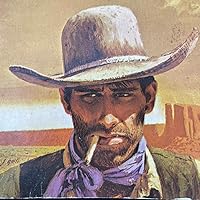
the cover is...something else. clean-cut kid with a knife, the one female teacher suggestive...the troubled man in the background. they made a movie? i looked/saw a screen-still-shot...didn't see any black actors...there are black students...puerto rican. the licenses is...new...though that hasn't been gone into...a curiosity. i search-engined on-line...and apparently there still exist voc-schools? i s'pose we have all heard about violence...but the man portrays it for real here...it comes to life. too...the black angels are a hoot. i like the interaction between miller/rick...and wonder where it will lead. about 50 pages left to read.
update, finished, 22 dec 14, monday monday 4:48 p.m. e.s.t.
this is a good story...beginning, middle, end...conflict, resolution...change. this is a really really good story. i don't know what the hell the other review means by sexist undertones...there are characters in this one whose opinion of women is less-than-stellar. does that mean the story has sexist undertones? meh. one character uses the word twat either in dialogue or in stream-of-consciousness. but then...when the zombies have been taught not to denigrate the different...though the zombies have also been taught that it is okay to denigrate third world countries...by the big-talking-heads on the evening news...that it is okay to denigrate trailer parks and the people who live therein...because slick willie couldn't keep his pecker in his pants, and hey, he was our hero...meh. i think it is nothing more than fashionable ideology. sixty-year-old story and save for a few things...the musicians...the use of some words...it could take place today. is that good? or bad? onward and upward.
there was this once...a friend here asked if i'd like a bunch of books...john d macdonald...i said sure no problem. we exchanged addresses...give me time i'll send him some homemade jam and maybe a book or two. this paperback was included in the box. i've read stories from ed mcbain...maybe i heard or read that he also published under another name...or names... so i'm reading this one now.
the blackboard jungle: a novel of juvenile delinquents
1954
has this dedication: this is for anita, my wife--who was with me every step of the way
has a disclaimer...there is no school...
has a quote from the waste land...t.s. eliot, four lines that end a heap of broken images, where the sun beats...
story begins:
the building presented a not unpleasant architectural scheme, the banks of wide windows reflecting golden sunlight, the browned weathered brick facade, the ivy clinging to the brick and framing the window. his eyes passed over the turrets on each corner of the building, green-tiled in the sunlight. it was a nice-looking building, he thought.
okee-dokee, then, as the good doctor said...onward & upward:
time place scene settings
*north manual trades high school
*the bronx, new york city
*september...part one concerns itself w/september...later, we learn this is an election year, presidential election year...there is nothing about korea/war...so presumably the time is after the world war, before korea...say? 1948?
*room 439, english office
*city housing project, near the east river, the dadiers' 11th floor apartment...apparently on bruckner boulevard and soundview avenue
*the library for an organizational meeting (principal,staff, teachers old and new)
*room 206...with a machine shop above it...at the end of an "L"...and this is richard's room
*teacher's lunchroom
*gym
*auditorium
*teachers' lavatory
*the first bar they came to...josh/rick...first friday
*a dark spot near third avenue
*174th street...rick/anne's apartment is here...but i thought earlier it was the other two streets...continuity error? or what?
*part two concerns itself with october 19th, snow falling, and following
*a tenement between 1st & 2nd on 120th street...rick's past as a youth
*the forbidden city...solly klein describes manual trades
*nov 4th, day after election
*the dadier apartment is at east 174th street, 11c
*kagoshima...scene from rick's navy past
*nov 24th
*westchester...josh and rick take a drive day before josh quits
*bronz river parkway...thwaite's...seems like a nod to a thing...out of place, otherwise.
*einhorn auditorium of lenox hill hospital...lexington between 76 anbd 77
*subway 77th street
*dec 23rd...january 4th...january 15th
a note on the narration
the story is told 3rd-person, multiple character point-of-view. through two chapters, the telling has been through richard's pov and the 2nd chapter is from the pov of solly klein...followed by richard's. the telling works from the pov of the students...as a group...a whole...or a machine as one teacher describes them. most of the telling is from rick's pov. there is a part one...september...followed by a part two, october 19th and following. the narrative includes pov tellings from josh edwards...from anne, rick's wife...and part three is close to the end of november, beginning of december
characters, major minor peripheral names
*mr. stanley :interviews richard dadier in opening scene...perhaps he is the english chair of the school
*richard dadier: he has been married to anne for two years now and he is a veteran of the navy...veteran of the war, presumably the world war, although that is not confirmed. he walks into north manual trades high school, applying for an english teaching position. he is hired. he student taught at machine and metal trades. he went to hunter college, previously an all-girls college, opened to veterans returning from service/the war. he has an "emergency license" to teach...and the meaning of that isn't entirely clear...but apparently it does mean that he can teach now, right away...and perhaps it also means that he can teach here, at this vocational school...the definition of which is not clear yet...although it is clear that a vocational school has troubled youth. anne, richard's wife, is six months pregnant. they live in a city housing project, on the 11th floor.
*a distinguished-looking man (mr. stanley) &
*a frightened-looking man...(applying for the job, not hired)
*a blonde with an upswept hairdo
*an executive...that richard knew...who had to have the last word
*jerome "jerry"/"jerr" lefkowitz: another fellow sitting at the far end of the bench...there for the job, interviewed before richard, not hired, though they knew each other in school. he married
*shirley levine and they have two children, boy/girl
*mr. ackerman, dept. chair/english, at machine & metal trades
*miss brady...secretary at the interview office. she is also the principal's secretary...mr william small
*mr. william small...new principal at north manual
*the elf...someone who played football with richard/jerry
*samual gompers...just a well-known name...also name of a school
*taft...another name...also name of a school
*tyrone power...name only...also the...prefix of richard's tellie
*hedy lamarr...rita hayworth (movie actresses of the time)
*henry the fourth...henry the cinq...richard quotes from the 2nd
*solly klein: 12 years at manual trades...he must teach automobile mechanics
*orwell...the "boss" small is likened to orewell
*gathered teachers
*kalbenstadt w/1 new science teacher
*morley w/2 new history men
*red barber/collier's...presumably he writes a sports column? the teachers are likened to a new fall line-up
*mike angelico: 18 years at manual trades
*hawkner: 17 years at manual trades
*juan garza...student...now at a reform school although his
*disciples...are still at manual trades
*martha riley: math
*four ladies present...four women teachers
*former principals names: ginzer, anderson, panucci
*evander childs...name of a school
*joshua "josh" edwards: is in the room across the hall from richard. he leaves school w/rick 1st friday, they go for drinks...and he is...an optimist...wants to teach...repeats that...why won't they let me teach? is jumped w/rick by seven students
*jesus...god...one name is mentioned...the existence and the purpose of the other is suggested
*harry james...possibly a musician...or writer? musician, i think, based on the context
*moses...martha riley compared to moses
some of the names that will be/are in richard's class/es
*abrahams, morris
*arretti, louis
*bonneli, george
*casey, frank
*diaz, alonso
*di zeffolo
*donato
*dover
*estes...and on and on and on
*several students he passed in the hall
*mr. halloran, superintendent of schools...speaks dialect, slang
*mr clancy, "ironman clancy"...carpentry & woodworking, uses soap wrapped as candy to control foul language in his classes, helps rick on the christmas show by helping construct the set/s
*miss lois hammond: we first see her in the organizational meeting in the library, before school starts...though we don't know her name...only her appearance...and then we see her in the auditorium, first day of classes. she takes over, heads up the school newspaper, renamed it the trades trumpet.
*martin & lewis...there are many names from hollywood
*sir laurence olivier
*fran oresschi...from richard's college years
*dover...a negro boy in richard's first class, he is assigned the task of making sure the windows are opened
*dad-ee-yay...how one pronounces the protagonist's name
*daddy-oh...how some students pronounce the name...when the teacher isn't looking
*a husky boy sitting near the back...a left-backer, a troublemaker...sullivan...and he is assigned a task, too
*bob canning...a past graduate of hunter college...did not do well teaching...wanted to be called "bob"...was knifed, attached
*foster, a boy in richard's first class...is asked to pick up cards...delany cards...whatever that is...name, rank, etc maybe?
*a thin boy with brown hair...brings a mimeographed paper to the class
*he calls to another, charlie
*caesar...another name only
*two boys stood flanking...kinda hall monitors
*emmanuel trades, puerto rican...restroom scene
*gregory miller, negro boy, restroom scene, a kind of leader...he has an i-q of 113 in a class where the average i-q is 85. there is a lot of back/forth between miller/rick
*allah...as in be praised
*mr. chips...more hollywood
*george katz, social studies, or possibly history, or possible continuity error
*captain max schaefer, gym,
*lou savoldi: cynical teacher, we first see him in the teacher's lunchroom. teaches electrical wiring.
*alan manners wants to teach at an all-girls school
*the man lying face-down on the couch: in the teacher's lunchroom...if the setting is the lunchroom, this man is there, face-down on the couch. nobody knows who he is...rick does not. heh!
*president of the united states
*mother of moses...samuel gompers...governor dewey...general macarthur...mae west
*artie west, arthur francis west: student, with an i-q of 86...one of the students w/a big part in the telling
*belazi...artoro...santini...maglin: students
*rocky marciano...a famous boxer from the time
*charlie chaplin...a famous actor...milton berle, another...humphrey bogart, another actor...gandhi...frankenstein...watson (sherlock's watson)
*douglas murray: rapist/miss hammond
*duke mantee...in the petrified forest...a play possibly, richard was duke
*students: carter...levy...de la cruz
*josh's sainted father
*the bartender...a few men at the bar
*stan the man...kenton...sarah vaughan...glen miller...james...charlie barnet...the duke...helen forrest...bob eberle...helen o'connell...jimmy dorsey band
*a kid of about eighteen
*christ...included in the talk about the musicians above
*art ford...plays records on the radio, wnew
*the invisible man
*the man upstairs banged on the floor with a broom handle
*professor kraal: supervised student teaching of rick, professor at hunter college
*students: jackson...di luca...conrad...perez
*miss daniels...rick student taught in her classroom
*dewey...another dewey? the one concerned w/education?
*students: corrente...levy...de la cruz...kruger
*gabriel heatter...a movie star? someone recognized for voice...scene with the tape recorder
*ghys...shostakovich...rossini (music)
*students: pietro...vandermeer...erin
*morales: puerto rican student goaded into speaking for the tape recorder...uses the word frig/friggin as he speaks
*morales's sister
*pete...a student morales sees on the way to school that day
*students: marchetti...harris...sullivan
*blind grandmother...maybe miller takes care of one
*katz's friends in middle-income projects
*josh has a brother whose car he borrows
*andrews, mrs. mahaffey, bigelow, frisco...imaginary characters, hypothetical situation
*miller's sister...who has a baby...a boy, whose husband miller's brother-in-law is in the service, army, stationed overseas
*cat andrews, thelonious sphere monk, vido musso, cozy cole, gillespie...presumably musicians/artists...willie, bass for kenton
*josh-waa...the students liken josh to the biblical joshua
*students: vallera, jones, pasco
*bunny berigan...como, tony bennette, the hilltoppers...james & spivak & elman...will bradley...presumably all musicians/artists...ray mckinley
students: brothers, magruder, kramer, falanzo
*president mckinley
*more musicians?...ella mae morse
*finley breeze morse...from a student...historical figure?
students: alexander, vallera, jones
*charlie liggett...another musician i think
*christine paulson: male teacher, science
*overburdened mailman
*unassigned teachers
*freida...a lady anne knows...was also pregnant
*dr. bradley...anne's doctor
*anne's mother
*teachers: sokoloff...jamison
*secret pal...anne receives typed letters, notes really, from a secret pal...that reminds her of a real secret pal from when she was 16...anonymous notes signed secret pal...that frightened her before they stopped
*santa...will be played by george katz, teacher
*a host of angels...will be played by miller and five other black guys
*green pastures...either a play or a tv/movie...in which black angels...perhaps a black god featured
*brown...one of the 6 black angels...he can't read
*blueprinting: scanlon
*anuzzi; related drawing, teachers, both
*john dewey...big man...into 'education' control
*look homeward, angel: words used by lois...has to be the wolfe novel...check date.
*viola jackson, colored neighbor of the dadier's.
*fred jackson, viola's husband
*their daughter...who viola volunteers to help anne with the laundry
*white man/negress story...harlem riots...knife...death
*mr. goldin...gunner's-mate third bowden...a gummer's mate first armbuster...frank, a friend of rick's in the radar crew
*students: antoto and taglio and levy...kruger and vandermeer...o'brien and erin...various nationalities...and then miller, parsons, baker...all black...or either negro as the telling uses or colored
*students: morales/rodriguez...simpson/negro...ventro
*andy jacobson, teacher that rick knows, teaching at an elementary school
*a woman screaming...a nurse...proud fathers...elevator operator
*dr. kinsey
*ray & dodie crane...ray passed his board, can now be officially called dr. raymong crane...friends of rick/anne
*"the fifty-first dragon"...heywood broun
*dragons...gawaine de coeur-hardy...knight, assistant professor of pleasaunce...headmaster and the magic word, rumplesnitz
*students: 2nd termers, finley, bello, spencer, shocken, speranza, davidson, price, theros, wilson
*who knows a guy whose mother soon so forth
*nate cole, pearl bailey...musicians/artists
*"army ants in the jungle" a story
*belazi...a student
a quote...that i've seen in willeford, too
the hell with 'em all. all but six. save them for the pallbearers, and the hell with the rest of them. i'll link to willeford later when i find the quote
modes of teaching
*clobbering: what it sounds like
*slobbering: what it sounds like
*the veteran hook: appeal to patriotic pride
*teacher, halloran, used a type of slobbering
*slumbering: solly klein...ignore what is happening
*rumbler: complain and rumble
*fumbler: rick...wing it until one falls upon a method that works
political correctness at work
one big surprise is the political correctness at work. i've read at least one review that said the story is dated. not in this sense. in this sense it is oh so real. more so, when rick is judged guilty before he has had a chance to defend himself...and...he is not afforded opportunity to face his accuser. nothing less than orwellian. reminds me of the so-called progressives...who can only see "hatred" in any opposition to obama. simply because the man is black does not stand the test. it gets rather tiring hearing and reading the same tripe over and over. why bother? i'd like to say hi to the goodreads police who are reading this...making sure it passes muster...and hi, too, to the nsa. greetings from the authoritarian-ship.
any other surprises?
the cover is...something else. clean-cut kid with a knife, the one female teacher suggestive...the troubled man in the background. they made a movie? i looked/saw a screen-still-shot...didn't see any black actors...there are black students...puerto rican. the licenses is...new...though that hasn't been gone into...a curiosity. i search-engined on-line...and apparently there still exist voc-schools? i s'pose we have all heard about violence...but the man portrays it for real here...it comes to life. too...the black angels are a hoot. i like the interaction between miller/rick...and wonder where it will lead. about 50 pages left to read.
update, finished, 22 dec 14, monday monday 4:48 p.m. e.s.t.
this is a good story...beginning, middle, end...conflict, resolution...change. this is a really really good story. i don't know what the hell the other review means by sexist undertones...there are characters in this one whose opinion of women is less-than-stellar. does that mean the story has sexist undertones? meh. one character uses the word twat either in dialogue or in stream-of-consciousness. but then...when the zombies have been taught not to denigrate the different...though the zombies have also been taught that it is okay to denigrate third world countries...by the big-talking-heads on the evening news...that it is okay to denigrate trailer parks and the people who live therein...because slick willie couldn't keep his pecker in his pants, and hey, he was our hero...meh. i think it is nothing more than fashionable ideology. sixty-year-old story and save for a few things...the musicians...the use of some words...it could take place today. is that good? or bad? onward and upward.

March 28, 2024
DNF title.
To start with, I have never seen the movie of the same name, though it is considered a classic in noir films.
I made it about a third of the way into this book and then just shelved it on my kindle.
The scorn for the profession, the students, the administration staff is just dripping in this book. Look up the history of the author and he tried to be a teacher in trade high schools, but only lasted two weeks after the start of the year before he quit. I am sure the reasons are not at all reflected in student characters created, the creepy teachers created, and some of the women who appear to just be to sexually objectified. This really tries hard to be a noir style book. If you have read Mike Hammer or even Race Williams style hard boiled men; then you get the idea of who the students are and to an extent who the main character wishes he was.
As I said I DNF'd this book, or did not finish it, I got about a third of the way in before I just threw my hands up and was frustrated with this book. There wasn't a redeeming character in here and the picture for 1950s era NYC that is painted of the trade/vocational high schools; i.e. the high schools where you learned to become auto mechanics, carpenters, machinists, etc those items where as a student you weren't going to college proper after high school. That they were barely a step above a reform school where kids were sent after going through the court systems. That
This is an all boys school and in the second chapter about this new teacher Rick Dadier just getting further and further in over his head. One of the scenes that started me think about why was this book written a certain way; he was getting his schedule and not recognizing that an assignment given by a principal to support hall monitors in a spot where its commonly known that there is smoking in the bathroom and a door with busted locks allowing all manner of folks into the school. This guy walks in to the school as if he thinks he knows it all. As if being a military veteran and someone who had gone to school on the GI Bill of the 1940s and 1950s after apparently breezing through teacher's college he is now ready to face the world. It seems as part of the deal for going to college in NYC to become a teacher and expedited teaching license, you had to spend so many years in a VoTech High School. Yet, he thinks a stern tone and aggressive attitude with threats of suspension or expulsion from the school, will whip these kids into line. Instead they know he has no power over them, and the unseen narrator says that most of them are treading through the system until they can get work permits or get called up with the draft.
Some of the other teachers are jaded and just burned out it appears. More then a few of them in one scene want to go to an all girls VoTech college in the hopes of being "friendly" to the girls. Even for 1950s era writing, you can hear the disgust in this attitude from a few others and that one perv doesn't know what he is getting himself into if he does go to one of those schools. In an earlier scene, which is fairly objectifying this same jerky teacher, is oogling a young and new female teacher at a meeting of staff at the school. All because she chose to wear some semi-reveling clothing and items that accentuated her body shape. Again the writing was graphic to the point that you can hear this teacher mentally undressing this woman and almost pondering what it would be like to bed her.
I got to a scene where Rick meets the school tough guy in the name of Alfie and another one in the name Greg Miller. I just closed the book after seeing Rick get into a verbal fight with both Alfie and Greg and it slowly slid into Rick being on the loosing end. It was then that I realized all this book was going to be was Rick being broken by a system that the author already assumed as a broken system.
I really wanted to tough this book out, but the author was calling his shots early for every scene. That as we stumbled into them; you could see the setup already and it was a question of watch the trains wreck or do something else. I am choosing something else. Its rare that even for books I have problems with that I don't finish. This book, just isn't keeping me engaged. I guess I am a Gen Xer and seen too many of the same story before of failing schools, tough kids from the streets, and idealistic adults who want to be the light in education. That even if I don't know the ending, I can almost say it.
To start with, I have never seen the movie of the same name, though it is considered a classic in noir films.
I made it about a third of the way into this book and then just shelved it on my kindle.
The scorn for the profession, the students, the administration staff is just dripping in this book. Look up the history of the author and he tried to be a teacher in trade high schools, but only lasted two weeks after the start of the year before he quit. I am sure the reasons are not at all reflected in student characters created, the creepy teachers created, and some of the women who appear to just be to sexually objectified. This really tries hard to be a noir style book. If you have read Mike Hammer or even Race Williams style hard boiled men; then you get the idea of who the students are and to an extent who the main character wishes he was.
As I said I DNF'd this book, or did not finish it, I got about a third of the way in before I just threw my hands up and was frustrated with this book. There wasn't a redeeming character in here and the picture for 1950s era NYC that is painted of the trade/vocational high schools; i.e. the high schools where you learned to become auto mechanics, carpenters, machinists, etc those items where as a student you weren't going to college proper after high school. That they were barely a step above a reform school where kids were sent after going through the court systems. That
This is an all boys school and in the second chapter about this new teacher Rick Dadier just getting further and further in over his head. One of the scenes that started me think about why was this book written a certain way; he was getting his schedule and not recognizing that an assignment given by a principal to support hall monitors in a spot where its commonly known that there is smoking in the bathroom and a door with busted locks allowing all manner of folks into the school. This guy walks in to the school as if he thinks he knows it all. As if being a military veteran and someone who had gone to school on the GI Bill of the 1940s and 1950s after apparently breezing through teacher's college he is now ready to face the world. It seems as part of the deal for going to college in NYC to become a teacher and expedited teaching license, you had to spend so many years in a VoTech High School. Yet, he thinks a stern tone and aggressive attitude with threats of suspension or expulsion from the school, will whip these kids into line. Instead they know he has no power over them, and the unseen narrator says that most of them are treading through the system until they can get work permits or get called up with the draft.
Some of the other teachers are jaded and just burned out it appears. More then a few of them in one scene want to go to an all girls VoTech college in the hopes of being "friendly" to the girls. Even for 1950s era writing, you can hear the disgust in this attitude from a few others and that one perv doesn't know what he is getting himself into if he does go to one of those schools. In an earlier scene, which is fairly objectifying this same jerky teacher, is oogling a young and new female teacher at a meeting of staff at the school. All because she chose to wear some semi-reveling clothing and items that accentuated her body shape. Again the writing was graphic to the point that you can hear this teacher mentally undressing this woman and almost pondering what it would be like to bed her.
I got to a scene where Rick meets the school tough guy in the name of Alfie and another one in the name Greg Miller. I just closed the book after seeing Rick get into a verbal fight with both Alfie and Greg and it slowly slid into Rick being on the loosing end. It was then that I realized all this book was going to be was Rick being broken by a system that the author already assumed as a broken system.
I really wanted to tough this book out, but the author was calling his shots early for every scene. That as we stumbled into them; you could see the setup already and it was a question of watch the trains wreck or do something else. I am choosing something else. Its rare that even for books I have problems with that I don't finish. This book, just isn't keeping me engaged. I guess I am a Gen Xer and seen too many of the same story before of failing schools, tough kids from the streets, and idealistic adults who want to be the light in education. That even if I don't know the ending, I can almost say it.

October 6, 2017
É um bom livro que nos mostra o modo de funcionamento do sistema de ensino americano nos anos 50. É curioso o facto de poucas diferenças haverem desde esses tempos até ao dia de hoje, relativamente ao ensino, excepto que a violência e o desinteresse por aprender se acentua ainda mais, devido à tecnologia, hoje sabe-se (quase) tudo. Outro facto interessante deste livro é que evidencia alguma das razões desta falta de interesse, que é a falta de prespectivas futuras, o porquê de estudar se depois não há emprego ou, se houver, é só trabalho precário. Além disso, o sistema de ensino torna-se tão desacreditado, tanto pelos alunos como pelos próprios professores. Todos se resignam, todos se conformam, salvo raras exceções. Este livro mostra também situações de violência fisica e psicológica a que os professores são muitas vezes sujeitos e nas quais muitas vezes os agressores saiem impunes ou com castigo pouco adequado. Nos dias de hoje isto ainda se observa. Pouco evoluímos, para não dizer que regredimos. As gerações atuais são hoje encaradas como carneiros. Podemos dizer que nestas questões, este livro torna-se intemporal. Este livro leva-nos a refletir sobre o estado da educação no nosso país.
É visto de um ponto de vista de um professor e é interessante como começa a tentar construir uma ligação com uma turma. Não é um livro excelente, a escrita não é nada por aí além e é bastante previsível, na minha opinião, mas para quem gosta e quer saber mais sobre o assunto, recomendo. :)
É visto de um ponto de vista de um professor e é interessante como começa a tentar construir uma ligação com uma turma. Não é um livro excelente, a escrita não é nada por aí além e é bastante previsível, na minha opinião, mas para quem gosta e quer saber mais sobre o assunto, recomendo. :)

September 9, 2025
Much has not dated well. A shocking story of teaching.
Having been there myself, briefly, seeing the 'trade' school system of the 50s, the students populating it, the teachers attempting to keep control... it felt very disconcerting.
The story of a young teacher's first job, from interview to the classroom. Stopping a crime, failing to discipline his classes, trying to get through to them and actually do his job. Fascinating stuff, very tense.
The narrative style gives us hints of what is to come. The book itself more than hints at the social morals and expectations of the time - some awfully graphic representations of racist and sexist language and behaviours (I won't elaborate too much). The low aspirations of these students. A truly disgusting male teacher obsessed with getting a job at a girl's school. Physical assaults. The depictions of the only two female characters, so markedly different but both quite stereotyped and derogatory.
Dadier remains sympathetic throughout, I felt. He really earnestly wants to teach. He begins more idealistically than readers know is going to be good for him.
I can only imagine that this book caused waves at the time it was published. I may have seen the film decades ago but can't remember. The book was shocking though, today more than ever for the changes that have happened in terms of our expectations of language and expectations.
Hard to read at times, due to this. And a shocking, distressing tale in itself.
Possibly won't win any converts to the teaching profession!
Having been there myself, briefly, seeing the 'trade' school system of the 50s, the students populating it, the teachers attempting to keep control... it felt very disconcerting.
The story of a young teacher's first job, from interview to the classroom. Stopping a crime, failing to discipline his classes, trying to get through to them and actually do his job. Fascinating stuff, very tense.
The narrative style gives us hints of what is to come. The book itself more than hints at the social morals and expectations of the time - some awfully graphic representations of racist and sexist language and behaviours (I won't elaborate too much). The low aspirations of these students. A truly disgusting male teacher obsessed with getting a job at a girl's school. Physical assaults. The depictions of the only two female characters, so markedly different but both quite stereotyped and derogatory.
Dadier remains sympathetic throughout, I felt. He really earnestly wants to teach. He begins more idealistically than readers know is going to be good for him.
I can only imagine that this book caused waves at the time it was published. I may have seen the film decades ago but can't remember. The book was shocking though, today more than ever for the changes that have happened in terms of our expectations of language and expectations.
Hard to read at times, due to this. And a shocking, distressing tale in itself.
Possibly won't win any converts to the teaching profession!
Displaying 1 - 30 of 85 reviews