

What do you think?

The Silence of the Choir
Seventy-two men arrive in the Sicilian countryside. They are "immigrants", "refugees" or "migrants". But in Altino, they are called the ragazzi, the 'guys' that the Santa Marta Association have taken responsibility for. And their presence changes the course of life in this small Sicilian town.
While they await their fate, the ragazzi encounter all kinds of a strange vicar who rewrites their pasts, a woman committed to offering them asylum, a man determined to refuse it, an older ragazzo who has become an interpreter, and a reclusive poet who no longer writes.
Each character, wherever they may come from, is forced to reflect on what it means to meet people they know nothing about. As each brings a different view, a cacophony of discordant voices resonates to the end, when the final one reduces the choir to silence.
While they await their fate, the ragazzi encounter all kinds of a strange vicar who rewrites their pasts, a woman committed to offering them asylum, a man determined to refuse it, an older ragazzo who has become an interpreter, and a reclusive poet who no longer writes.
Each character, wherever they may come from, is forced to reflect on what it means to meet people they know nothing about. As each brings a different view, a cacophony of discordant voices resonates to the end, when the final one reduces the choir to silence.
368 pages, Kindle Edition
First published July 21, 2017
About the author
Mohamed Mbougar Sarr
10 books857 followersMohamed Mbougar Sarr was born in Dakar in 1990. He studied literature and philosophy at the École des Hautes Études en Sciences Sociales in Paris. Terre ceinte (Brotherhood), his first novel, won the Grand Prix du Roman Métis, the Prix Ahmadou Kourouma, and the French Voices Grand Prize. The president of Senegal named him a Chevalier of the National Order of Merit. La plus secrète mémoire des hommes (The Most Secret Memory of Men) won the 2021 Goncourt Prize.
Ratings & Reviews
Friends & Following
Create a free account to discover what your friends think of this book!
Community Reviews
Displaying 1 - 30 of 133 reviews

May 22, 2024
LASCIATE OGNI SPERANZA, VOI CH’INTRATE
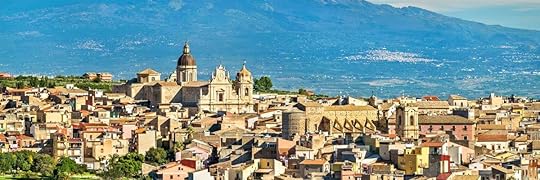
Altino = Aidone.
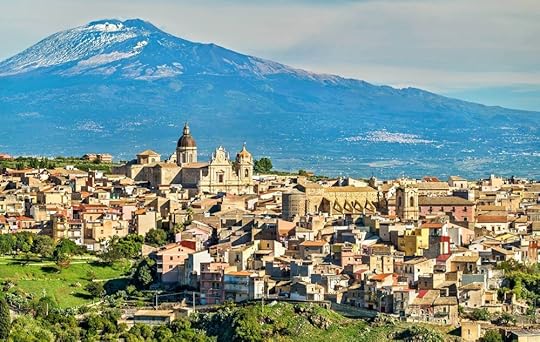
La storia si svolge ad Altino, immaginario paese dell’entroterra siciliano, da cui non distante si vede l’Etna, il lato opposto a quello che affaccia sul mare. Sarr ha modellato il suo paese su quello esistente di Aidone, dove ha trascorso un po’ di tempo insieme a un amico poeta durante una vacanza catanese, entrando in contatto con i locali ‘ragazzi’ ospiti in un centro d’accoglienza e con gli operatori di un’associazione che li assistevano.
Ad Altino arrivano settantadue ‘ragazzi’, il termine usato per definire i migranti arrivati da e attraverso il mare (ma prima, da e attraverso il deserto e le prigioni libiche).
Li chiamano ragazzi presumibilmente perché sono giovani, e tutti uomini. Perché è meglio che chiamarli migranti, o emigrati, o immigrati, o emigranti. Se non altro è un termine che non gli ricorda la loro drammatica vicenda, che non li bolla o etichetta.
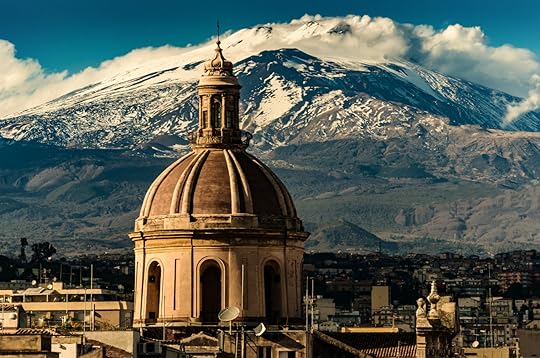
Ad Altino è attiva un’organizzazione umanitaria che si prende cura dei ‘ragazzi’: dal punto di vista medico, e poi fornendo alloggi, denaro, cibo, preparandoli alla richiesta d’asilo, insegnandogli l’italiano. Medici, operatori sociali, una suora e quant’altro: una piccola ma nutrita armata Brancaleone, pratica, attiva, concreta, ma forse troppo utopistica.
C’è un sindaco che ha aperto le porte del paese ai ‘ragazzi’: probabilmente lo fa per motivi di carriera politica, gli stessi per i quali farà qualche capriola, inseguendo il suo progetto di ascesa al Senato della Repubblica.
C’è un prete cieco che è tutto dalla parte dei ‘ragazzi’. C’è un poeta nazionale che a un certo punto si accorge dell’esistenza dei ragazzi.
C’è una comunità, divisa tra accoglienza e respingimento. E c’è chi su questa divisione specula, tiene viva la fiamma della rabbia e del rancore e dell’invidia.
C’è un ex ‘ragazzo’ che è diventato l’interprete dell’associazione umanitaria.
C’è un bravo medico, che fa anche l’allenatore della locale squadra di calcio, composta in buona parte di ‘ragazzi’. C’è un bravo comandante della locale caserma dei carabinieri.
Insomma, c’è un coro, quello del titolo.
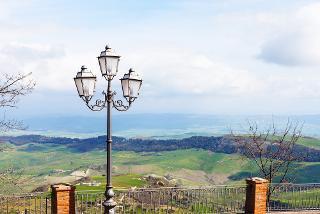
Balcone di Sicilia.
Fino a pagina ottanta, o giù di lì, il romanzo m’è sembrato un po’ troppo irrigidito sulle cronache che si sanno, un copione tristemente noto, con i ‘ragazzi’ vittime da proteggere, i buoni molto buoni, e i cattivi salvinescamente razzisti e fascisti. Con il rischio di cadere nel cliché del romanzo umanista e di sinistra.
Poi, Sarr ha cominciato a mescolare le carte, e il suo racconto s’è fatto più interessante e meno manicheo, nel momento in cui anche i ‘ragazzi’ cominciano a mostrare un lato aggressivo e meno imbalsamato.
Nelle ultime cento pagine si vira all’improvviso verso il poliziesco, risolto dal solito spiegone, particolarmente goffo e improbabile.
Il finale, mia impressione, è esagerato oltre misura, con tanto di vulcano ex machina, ma salvato da un paio di trovate geniali e toccanti che Sarr sa inventare.
Il silenzio del coro è del 2017: precede, dunque, il magnifico vincitore del Goncourt La più recondita memoria degli uomini.
Rispetto all’esordio Terra violata è un consistente passo avanti: Sarr è decisamente più padrone dei suoi mezzi, al punto da permettersi di esagerare, di giocare col lettore. Si è fatto ottimo raccontatore di storie, che qui, trattandosi di un coro, sono numerose. Usa materiali vari, stralci di diari, monologhi, brani di immaginarie trasmissioni radiofoniche o televisive o interviste. Moltiplica i punti di vista, non quelli dell’intero coro, ma comunque un buon numero.
A mio avviso un po’ meno, un po’ più asciutto, un po’ più corto avrebbe giovato al risultato.
Tre stelle e mezzo.
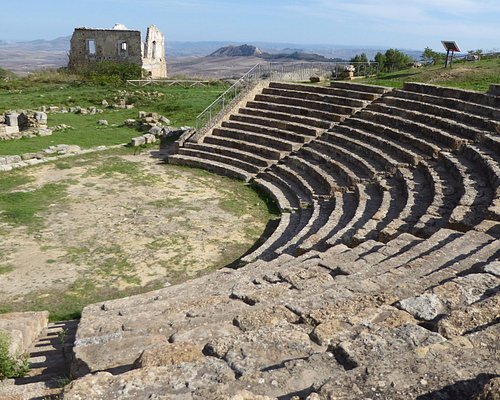
Il silenzio del coro.
Altino = Aidone.
La storia si svolge ad Altino, immaginario paese dell’entroterra siciliano, da cui non distante si vede l’Etna, il lato opposto a quello che affaccia sul mare. Sarr ha modellato il suo paese su quello esistente di Aidone, dove ha trascorso un po’ di tempo insieme a un amico poeta durante una vacanza catanese, entrando in contatto con i locali ‘ragazzi’ ospiti in un centro d’accoglienza e con gli operatori di un’associazione che li assistevano.
Ad Altino arrivano settantadue ‘ragazzi’, il termine usato per definire i migranti arrivati da e attraverso il mare (ma prima, da e attraverso il deserto e le prigioni libiche).
Li chiamano ragazzi presumibilmente perché sono giovani, e tutti uomini. Perché è meglio che chiamarli migranti, o emigrati, o immigrati, o emigranti. Se non altro è un termine che non gli ricorda la loro drammatica vicenda, che non li bolla o etichetta.
Ad Altino è attiva un’organizzazione umanitaria che si prende cura dei ‘ragazzi’: dal punto di vista medico, e poi fornendo alloggi, denaro, cibo, preparandoli alla richiesta d’asilo, insegnandogli l’italiano. Medici, operatori sociali, una suora e quant’altro: una piccola ma nutrita armata Brancaleone, pratica, attiva, concreta, ma forse troppo utopistica.
C’è un sindaco che ha aperto le porte del paese ai ‘ragazzi’: probabilmente lo fa per motivi di carriera politica, gli stessi per i quali farà qualche capriola, inseguendo il suo progetto di ascesa al Senato della Repubblica.
C’è un prete cieco che è tutto dalla parte dei ‘ragazzi’. C’è un poeta nazionale che a un certo punto si accorge dell’esistenza dei ragazzi.
C’è una comunità, divisa tra accoglienza e respingimento. E c’è chi su questa divisione specula, tiene viva la fiamma della rabbia e del rancore e dell’invidia.
C’è un ex ‘ragazzo’ che è diventato l’interprete dell’associazione umanitaria.
C’è un bravo medico, che fa anche l’allenatore della locale squadra di calcio, composta in buona parte di ‘ragazzi’. C’è un bravo comandante della locale caserma dei carabinieri.
Insomma, c’è un coro, quello del titolo.
Balcone di Sicilia.
Fino a pagina ottanta, o giù di lì, il romanzo m’è sembrato un po’ troppo irrigidito sulle cronache che si sanno, un copione tristemente noto, con i ‘ragazzi’ vittime da proteggere, i buoni molto buoni, e i cattivi salvinescamente razzisti e fascisti. Con il rischio di cadere nel cliché del romanzo umanista e di sinistra.
Poi, Sarr ha cominciato a mescolare le carte, e il suo racconto s’è fatto più interessante e meno manicheo, nel momento in cui anche i ‘ragazzi’ cominciano a mostrare un lato aggressivo e meno imbalsamato.
Nelle ultime cento pagine si vira all’improvviso verso il poliziesco, risolto dal solito spiegone, particolarmente goffo e improbabile.
Il finale, mia impressione, è esagerato oltre misura, con tanto di vulcano ex machina, ma salvato da un paio di trovate geniali e toccanti che Sarr sa inventare.
Il silenzio del coro è del 2017: precede, dunque, il magnifico vincitore del Goncourt La più recondita memoria degli uomini.
Rispetto all’esordio Terra violata è un consistente passo avanti: Sarr è decisamente più padrone dei suoi mezzi, al punto da permettersi di esagerare, di giocare col lettore. Si è fatto ottimo raccontatore di storie, che qui, trattandosi di un coro, sono numerose. Usa materiali vari, stralci di diari, monologhi, brani di immaginarie trasmissioni radiofoniche o televisive o interviste. Moltiplica i punti di vista, non quelli dell’intero coro, ma comunque un buon numero.
A mio avviso un po’ meno, un po’ più asciutto, un po’ più corto avrebbe giovato al risultato.
Tre stelle e mezzo.
Il silenzio del coro.

August 3, 2025
Seventy two men, the ragazzi from different countries in West Africa seeking asylum end up in a small town in Sicily in this gut wrenching story . Told from multiple perspectives, this is quiet and slow moving and intense as the quiet is disturbed by the violence that peers its ugly head in before the story is over . The refugees waiting to hear if they will be formally given asylum blended with the voices of local citizens comprise the choir .
Reflecting racism and unabashed hatred for these men along with some fair minded people who welcome them with their humanitarian efforts. The structure is a mix of narrative styles - news, story within a story , a play and is beautifully translated . Sad an eerily relevant with some looking only for evil among many innocent. Extremely thought provoking view of the reality of what it means to be a refugee and the view of those willing to accept them or not. A stunning ending, so beautifully written.
I received a copy of this from Europa Editions through Edelweiss
Reflecting racism and unabashed hatred for these men along with some fair minded people who welcome them with their humanitarian efforts. The structure is a mix of narrative styles - news, story within a story , a play and is beautifully translated . Sad an eerily relevant with some looking only for evil among many innocent. Extremely thought provoking view of the reality of what it means to be a refugee and the view of those willing to accept them or not. A stunning ending, so beautifully written.
I received a copy of this from Europa Editions through Edelweiss

August 15, 2024
Woooow. What an absolutely breathtaking book. It is a story about rampant xenophobia and what happens when it takes over a small town in Sicily. A group of refugees enter a Sicilian town to a mixed reception and the novel follows the growing tensions between the refugee community, those who are welcoming and helping to protect them, and those who are determined to get rid of them.
The breadth of the characters was incredible and I loved reading about both the Italians and the refugees and the vast expanse of points of view that were shown - including the clearly deranged group of racists and nationalists. There was such a wide variety of characters with different views but it ultimately showed how toxic and destructive racism is and how hatred will destroy us all. The use of the land as a metaphor for the boiling tension between the different groups was something I’ve never been done before and made for a completely unique and shocking read.
I loved the comments on translation and the fact that welcoming each other will bind us together in an unspoken kind of language and how translation gives us power. And what an incredible ending. Sarr is truly a masterful writer and I feel stunned finishing this book because of how powerful it was. This is my second favourite of his books but it also feels like the one which holds the most weight and is the most important to read.
The breadth of the characters was incredible and I loved reading about both the Italians and the refugees and the vast expanse of points of view that were shown - including the clearly deranged group of racists and nationalists. There was such a wide variety of characters with different views but it ultimately showed how toxic and destructive racism is and how hatred will destroy us all. The use of the land as a metaphor for the boiling tension between the different groups was something I’ve never been done before and made for a completely unique and shocking read.
I loved the comments on translation and the fact that welcoming each other will bind us together in an unspoken kind of language and how translation gives us power. And what an incredible ending. Sarr is truly a masterful writer and I feel stunned finishing this book because of how powerful it was. This is my second favourite of his books but it also feels like the one which holds the most weight and is the most important to read.

May 20, 2024
The Most Secret Memory of Men is likely the best book I’ve read in 2024, therefore my expectations going into The Silence of the Choir were high. I quickly realized that I needed to temper expectations and acknowledge that this novel was written several years prior to MSMOM; though flashes of the brilliance to come appeared here and there, this was a long shot from the masterpiece that is MSMOM.
Brief summary: 72 migrants from varying West African nations arrive in a small town in Sicily seeking asylum. They are welcomed warmly by many townspeople, including by the Santa Marta association, whose sole purpose is to accommodate the ragazzi (Italian for “guys”), providing housing and food while helping the men gain legal documentation. There are, of course, members of the town who are not so pleased with the newcomers’ presence and make their opinions well known. Chaos ensues.
In the writing of this novel, it felt Sarr hadn’t quite learned to trust his reader, often opting to spell matters out explicitly rather than folding in important information with writing that evokes or implies meaning. Going hand in hand with this is a lack of subtlety in near every aspect of the story. The dialogue is over the top (there’s little subtext to explore), the characters are cartoonish (with rare exception, there is little nuance in their portrayal of being “good” and “bad”), and the plot points melodramatic (there were several eye rolls involved).
Despite this, Sarr successfully builds a tension that becomes almost visceral, culminating in a grand standoff that…yeah, ends in a deus ex machina. *Sigh*. Though I understand why he needed this plot point to happen in order to drive home his final point, its improbability was still frustrating.
Like I said before, there are flashes of the brilliant writing we know Sarr eventually develops. I’m not sure how to explain it, but Sarr is at his best when he just writes—not dialogue, not about characters, not about plot—but in the pages interspersed where he explores language, memory, and what it means to be human and to belong to something called humanity. The circular nature of the prologue and ending also felt reminiscent of the more elevated storytelling found in MSMOM.
I heavily critiqued this novel, but I must also admit that I devoured it. The description is accurate in that it’s an entertaining story, it really does suck you in. I just wanted more than entertainment.
Mohamed Mbougar Sarr is still one the best authors I’ve discovered this year and I cannot wait to see how his writing career flourishes.
Brief summary: 72 migrants from varying West African nations arrive in a small town in Sicily seeking asylum. They are welcomed warmly by many townspeople, including by the Santa Marta association, whose sole purpose is to accommodate the ragazzi (Italian for “guys”), providing housing and food while helping the men gain legal documentation. There are, of course, members of the town who are not so pleased with the newcomers’ presence and make their opinions well known. Chaos ensues.
In the writing of this novel, it felt Sarr hadn’t quite learned to trust his reader, often opting to spell matters out explicitly rather than folding in important information with writing that evokes or implies meaning. Going hand in hand with this is a lack of subtlety in near every aspect of the story. The dialogue is over the top (there’s little subtext to explore), the characters are cartoonish (with rare exception, there is little nuance in their portrayal of being “good” and “bad”), and the plot points melodramatic (there were several eye rolls involved).
Despite this, Sarr successfully builds a tension that becomes almost visceral, culminating in a grand standoff that…yeah, ends in a deus ex machina. *Sigh*. Though I understand why he needed this plot point to happen in order to drive home his final point, its improbability was still frustrating.
Like I said before, there are flashes of the brilliant writing we know Sarr eventually develops. I’m not sure how to explain it, but Sarr is at his best when he just writes—not dialogue, not about characters, not about plot—but in the pages interspersed where he explores language, memory, and what it means to be human and to belong to something called humanity. The circular nature of the prologue and ending also felt reminiscent of the more elevated storytelling found in MSMOM.
I heavily critiqued this novel, but I must also admit that I devoured it. The description is accurate in that it’s an entertaining story, it really does suck you in. I just wanted more than entertainment.
Mohamed Mbougar Sarr is still one the best authors I’ve discovered this year and I cannot wait to see how his writing career flourishes.
December 15, 2024
This book is the reason I read.
The topic is wrenching, complicated. If you need CW/TW, heed this for all sorts of violence.
I found this to be a beautifully crafted read. The story, the multiple perspectives and characterizations, the writing/tone/style and the translation are wondrous.
I was swept into this world--this affecting and tormented story. At times, the read was sweet and tender, and others cruel and petty. There were so many dialectical elements--the blind priest who saw clearly and the mute young woman who communicated profoundly, the racist twins and welcoming association. A dynamic tension. There were well-conceived layers and facets...all fit neatly to tell the story.
Each time I picked up this book, I looked forward to an unfolding tale that would move and wound me. It was strange: a few times I suddenly noticed a silent tear trailing down my cheek.
The author depicted opposing sides of the new African immigrant stance with a careful eye and pen. I thought the bad guys were clear but I marveled at how Sarr made them three-dimensional. The philosophical layers and poles were well presented and represented in the characters.
My ultimate compliment is that I will read more of Sarr's work.
The topic is wrenching, complicated. If you need CW/TW, heed this for all sorts of violence.
I found this to be a beautifully crafted read. The story, the multiple perspectives and characterizations, the writing/tone/style and the translation are wondrous.
I was swept into this world--this affecting and tormented story. At times, the read was sweet and tender, and others cruel and petty. There were so many dialectical elements--the blind priest who saw clearly and the mute young woman who communicated profoundly, the racist twins and welcoming association. A dynamic tension. There were well-conceived layers and facets...all fit neatly to tell the story.
Each time I picked up this book, I looked forward to an unfolding tale that would move and wound me. It was strange: a few times I suddenly noticed a silent tear trailing down my cheek.
The author depicted opposing sides of the new African immigrant stance with a careful eye and pen. I thought the bad guys were clear but I marveled at how Sarr made them three-dimensional. The philosophical layers and poles were well presented and represented in the characters.
My ultimate compliment is that I will read more of Sarr's work.
December 16, 2024
3.5. this is a difficult book to review, in part bc i found it to be quite uneven. on one hand, some of this prose was the best that i’ve read from a book published in the 2010/20s. and i found some of the characters to be very nuanced and alive and i liked the surreal touch the whole book has. but on the other hand, some characters/plot points were almost cartoonishly one dimensional and i thought totally undermined the complex world the author was building in this novel. so just a weird collection of decisions…. ultimately my impression is that this author has amazing potential which was not fully developed at the time of this book. i will be reading his future works!

April 28, 2026
This novel is set in the fictional Sicilian town of Altino, where a group of African migrants have arrived after a grueling journey and are awaiting decisions on their asylum claims. It is structured in multiple voices: the migrants themselves, the Italian townspeople, a local priest, activists, journalists, and various observers. Some of Altino's residents are friendly and welcoming, others hostile, and a few ambivalent.
Some perspectives feel more inhabited than others. The Italian characters occasionally lean toward typecasting in ways the African characters mostly don't, and the novel at times reads like a study of migration politics rather than fiction. Alison Anderson's English translation from the original French flows smoothly. Sarr is Senegalese, and the book looks at what African identity means in a European setting.
It is hard to "enjoy" a book like this. There is anger, rhetoric, and gruesome violence. None of it is gratuitous, but none of it is easy either. My larger reservation is with the ending. It is the type that releases the tension the novel has carefully built without reckoning with it.
3.5
Some perspectives feel more inhabited than others. The Italian characters occasionally lean toward typecasting in ways the African characters mostly don't, and the novel at times reads like a study of migration politics rather than fiction. Alison Anderson's English translation from the original French flows smoothly. Sarr is Senegalese, and the book looks at what African identity means in a European setting.
It is hard to "enjoy" a book like this. There is anger, rhetoric, and gruesome violence. None of it is gratuitous, but none of it is easy either. My larger reservation is with the ending. It is the type that releases the tension the novel has carefully built without reckoning with it.
3.5
December 1, 2023
L'ambientazione siciliana mi ha molto colpito, perché è una terra ricca di contraddizioni, e vederle attraverso lo sguardo di uno scrittore francese è stato particolare.
La magnifica descrizione delle dinamiche di un piccolo paesino, insieme alla critica ai gruppi di estrema destra e alla corruzione politica, unit alle frecciatine al mondo dell'arte moderna fanno di questo libro una chicca, che conserva la tipica struttura circolare dei libri di Sarr, che ama inserire personaggi cechi che sanno vedere il futuro meglio dei vedenti.
Interessanti le parti che riflettono sull'impossibilità della traduzione.
"Forse la dimostrazione finale che non era più a casa sua stava proprio nel fatto che il suono ben conosciuto della propria lingua gli facesse l'effetto di una sorpresa mortale"
"Non c'è niente di peggio delle persone che pensano di poter scrivere quando non hanno sceso neanche il primo gradino della scala che va in fondo a se stessi, giù in fondo, nel nero assoluto in cui si è soli, ma dove finalmente è possibile una verità"
"Rifiutare un altro uomo è la cosa più facile che ci sia per una mente umana, basta spegnerla (...)"
La magnifica descrizione delle dinamiche di un piccolo paesino, insieme alla critica ai gruppi di estrema destra e alla corruzione politica, unit alle frecciatine al mondo dell'arte moderna fanno di questo libro una chicca, che conserva la tipica struttura circolare dei libri di Sarr, che ama inserire personaggi cechi che sanno vedere il futuro meglio dei vedenti.
Interessanti le parti che riflettono sull'impossibilità della traduzione.
"Forse la dimostrazione finale che non era più a casa sua stava proprio nel fatto che il suono ben conosciuto della propria lingua gli facesse l'effetto di una sorpresa mortale"
"Non c'è niente di peggio delle persone che pensano di poter scrivere quando non hanno sceso neanche il primo gradino della scala che va in fondo a se stessi, giù in fondo, nel nero assoluto in cui si è soli, ma dove finalmente è possibile una verità"
"Rifiutare un altro uomo è la cosa più facile che ci sia per una mente umana, basta spegnerla (...)"

April 27, 2025
Stunning. Likely to be the best read of the year. Out of respect for the deliberately vague beginning, I will not comment on plot or setting. But author Sarr brings gorgeous writing to contemporary themes, develops characters slowly but well, and addresses eternal themes. Its World Literature Prize is well-deserved.

February 11, 2025
7/10 A difficult book to rate. The writing´s very good and the "reflective" parts are brilliant,exploring weighty issues. The plot and characters,however, slide too often into cardboard characters, clichés, and several soapoperish twists

June 3, 2025
‘The Silence of the Choir’ by Mohamed MBougar Sarr is a fantastic read! It won the Métis Prize for readers of the city of Saint-Denis, the 2018 Solidarity Prize, the World Literature Prize, and the Porte Dorée Literary Prize. The book has been translated from the original French to English.
I love ‘The Silence of the Choir’ and highly recommend it. Every viewpoint by many real people around the world in regards to immigrants is voiced by many of the fictional characters in this literary novel.
The novel explores what happens when Sicilians in a small town host seventy-two men from Africa. They do so somewhat reluctantly no matter what their opinion, whether they agree or not, about the decision to be a host town. In addition, readers also hear from those characters who are the immigrants as well as other Italians with political agendas living in other towns and cities. It is clear everyone is on a different page, so to speak, literally and figuratively — the immigrants, who have traveled to Europe for many different reasons, and those Italians who either want to help them or send them back to Africa, or who desire to win political offices in elections.
I have copied the book blurb:
”Seventy-two men arrive in the middle of the Sicilian countryside. They are “immigrants,” “refugees” or “migrants.” But in Altino, they’re called the ragazzi, the “guys” that the Santa Marta Association have taken responsibility for. In this small Sicilian town, their arrival changes life for everybody.
While they wait to know their fate, the ragazzi encounter all kinds - a strange vicar who rewrites their pasts, a woman committed to ensuring them asylum, a man determined to fight against it, an older ragazzo who has become an interpreter, and a reclusive poet who no longer writes.
Each character in this moving and important saga is forced to reflect on what it means to encounter people they know nothing about. They watch as a situation unfolds over which they have little control or insight. A story told through a growing symphony of voices that ends only when one final voice brings silence to the choir.”
Quotes from the novel:
“”…but I’ve been disappointed. Once again, Europe is weak, not up to the task. This continent isn’t ready to welcome these men.
[The immigrants from Africa, having arrived illegally by boat in Italy, have been granted temporary residency. They are hoping for permanent residency and work.]
On a vital level, it’s not ready. It has nothing to offer them that would elevate them in a meaningful way, that is, as human beings. Europe is impoverished, spiritually impoverished, emptied out. We take people in thanks to our wealth. But none of our human attempts—if we even make any—will be retained. Europe cannot take in all the misery of the world, that’s true, but I might add: that’s because Europe itself is miserable. It can’t even grasp the value of human life; it’s terrified by it…We’re always the first to lecture others on morality, to talk about human rights, but look at us! Degenerate humanism. The broken lighthouse of a civilation caught in a storm…And the Church…even the Holy Church…It’s got it all wrong. It takes them in for the grace of God, but it should be taking them in for the salvation of mankind…For the Church, charity’s a dogma; it doesn’t come from the heart. And the ragazzi [Italian for guys] can sense that; they know it. It’s killing them. Ever since I started to meeting with these men and listening to them, I’ve been learning what makes them saddest, Giuseppe, and that is the emptiness of our continent. They’re disappointed by the living conditions, which are, to be sure, far less brilliant than in their fatal delusions about a continent of economic superpowers. But I can tell that, above all, they’re disappointed in the Europeans themselves.””
”His face was now completely drained of light. “”I’m not sure I know what humanity is, what defines it. All these words with majestic capital letters on which we hope to build…Humanity, Courage, Freedom, Brotherhood, Solidarity…It’s so relative, so uncertain. Illusions.””
The above are quotes from a conversation by a character, Padre Amedeo Bonianno, in the novel.
““Human Grandeur has become weaker all over the world.””
“”One thing you said is true, and for that alone, you have no right to despair: the presence of these ragazzi is an opportunity for more humanity.””
Quotes by another character in the novel, a famous poet, Giuseppe Fantini.
Fantini and Bonianno are discussing in Bonianno’s church their opinions of the Italian town’s reception of the African men after the arrival of the refugees. The immigrants have been waiting for six months for a decision on their status, and they are visibly losing patience, becoming surly. They are bored and angry, needing to make money, tired of sitting around getting cheap food handouts, living in rundown apartments, and not having jobs. The citizens of Altino are worried about these men, becoming more frightened every day. Fear-mongering political speeches by right-wing members of Italian associations are starting to have an effect on the townspeople. Racism is growing. The growing surliness of the men is being noticed.
Oh oh. There is going to be trouble!
Quoted from the Goodreads bio: “The author Mohamed Mbougar Sarr was born in Dakar in 1990. He studied literature and philosophy at the École des Hautes Études en Sciences Sociales in Paris. Terre ceinte (Brotherhood), his first novel, won the Grand Prix du Roman Métis, the Prix Ahmadou Kourouma, and the French Voices Grand Prize. The president of Senegal named him a Chevalier of the National Order of Merit. La plus secrète mémoire des hommes (The Most Secret Memory of Men) won the 2021 Goncourt Prize.”
Steve, a Goodreads follower of my reviews, recommended this novel to me. Thank you!
I really liked this review in the New York Times, but it might be behind a paywall: https://www.nytimes.com/2024/05/22/bo...
This is another good book review from The Guardian newspaper: https://www.theguardian.com/books/202...
I am now including some of my personal bio which I feel like writing down here because I am a garrulous old lady who often repeats myself to friends and family and they don’t want to listen to my stories anymore. Feel free to skip the rest of this review.
I have never been a true foreigner beyond being a tourist, visiting Mexico and Canada. But I still am haunted by the emotions I had on moving from Seattle, Washington to San Francisco, California in 1982. Surprisingly, I experienced a heavy dose of culture shock. I was without question identified as someone ‘foreign’ in San Francisco despite that I am an American-born citizen, and I was moving to another American city. San Francisco turned out to be more cosmopolitan in every way than my hometown of Seattle at that time. I did make some friends, one of whom told me I happened to move to San Francisco during a time when it was undergoing a dramatic change of urban character due to a lot of people moving there then for different reasons, especially New Yorkers, who were offending native San Franciscans, too.
Seattle is a city situated near the ocean but on an inner bay, and San Francisco is a city near the ocean, so the weather was somewhat similar. Nothing else was similar, though, unless one counts that American English was spoken in both cities.
According to San Franciscans of 1982, I had an accent which many knew meant I was from Seattle. In other words, a perception I was a hick who lived in the backwoods. But even if my accent hadn’t given me away, there were my clothes. I wore what San Franciscans considered leisure clothes, and in colors they wouldn’t be caught dead in. Seattle folks wore mostly sedate and quiet beige, brown, black, or green colors, while San Franciscans wore the colors of tropical birds - brilliant and loud, the same as the tone of their blaring voices in public. San Franciscans looked directly and pointedly into your face wherever they met you, in the street, restaurants, bars, as well as work. This caused me to realize native Seattlelites did not do this, at least in 1982, especially while walking on the streets. I have since heard this described as “the Seattle Freeze”, meaning we are not quick to accept those who want to be friends. Actually, we were being politely observant of your privacy, or so was the thinking of us Seattle natives of that time.
Then there was the emphasis on social status and financial wealth in San Francisco, which at this time was not mostly a thing in most Seattle neighborhoods. At the time, Seattlelites were all about appearing like everyone else - which meant everyone basically looked like they were a standardized Sears-shopping middle-class middle-aged parent or a jeans/t-shirt forever-teenage babyboomer - except for those Seattlelites considered ‘arty’ - nudists and colorful weirdos all lived in the Fremont District.
The financial shock of moving from Seattle to San Francisco was not an insignicant thing. Rents in Seattle in 1982 were very affordable, no matter how much money one made, even if one were lower class. As a secretary making $800 a month, I could get a one-bedroom apartment on Queen Anne or Capital Hill (downtown neighborhoods) for $150 to $350 a month. Parking was $3 a hour or $10 for all day. In San Francisco in 1982, a studio was going for $1500 a month, and parking was $15 for an hour, $50 to $75 all day. Restaurant prices in San Francisco were incredibly high to someone from Seattle.
But one did not mention eating at a Denny’s or a Lyon’s to anyone outside of family - that meant you definitely were low-rent trailer-trash, not cool at all in San Francisco. Instead, San Franciscans bragged on about finding some especially terrific niche restaurant hidden in an alley without a sign, or in some downbeat-looking area with a terrific arty menu. Only tourists or high-fliers went to the very openly expensive restaurants.
But these things were not the worst. What was worse was the technology gap. In Seattle, I was a highly respected office worker, and for a secretary, highly paid. I had a degree in Secretarial Excellence as well as my high school diploma. But in San Francisco, I was trailer trash to employers. Not hireable.
In San Francisco, a secretary had to know how to use the latest office computer to type a letter, which at the time were word processors that were huge in size compared to today’s general computers, actually, and only did one thing basically - type stuff with styling finesse. I had never heard or seen these things before I moved to San Francisco.
This was one kind of word processor at the time which was considered a necessity to know how to use in San Francisco if one wanted to be a secretary - Wang word processors: https://youtu.be/K6LN2Zd3x2I?si=nltje...
This is another kind, an IBM product:
https://youtu.be/vqTTxLPPE30?si=0SXOv...
In Seattle, secretaries were judged by the speed of their typing on - wait for it - IBM Selectric II electric typewriters, which were considered the most modern devices in Seattle. When I left, electric typewriters with a limited internal memory were just starting to be available. I could set up the typewriter to remember paragraphs I used all of the time in certain letters, which it would automatically type out if I struck a certain key on the keyboard. I also knew shorthand, something I studied for three years in high school. This meant I was a high-end secretary….until I wasn’t.
I don’t know if internal American migrants moving around America still face cultural/regional challenges in the easily accessible internet world of America. But of course, if that happens it is without the horrible life-and-death dangers some immigrants face, as well as many more cultural shocks of differences, such as language and foodstuffs. Even so, I had felt humiliated, terribly shocked, humbled, and most of all, without hope and incredibly under-educated and useless, unemployable. My feelings were very subjective of course, with only the weak foundation of my youth and inexperience beyond a visit to Disneyland a couple of years before to bear me up. However, limited in scope as my experience of being a stranger in a strange land was, it has survived in my mind as an awful adjustment era to have gone through. I feel empathy towards immigrants coming here from very different cultures as a result.
As far as the political issues of illegal immigration, and the personal dangers of the journeys which are undertaken to get here, and the very real lack of resources America has to offer legalized immigrants beyond, perhaps, three months of free rent and food before a demand is made to find a job, maybe being asked to take basic English classes, or even in those states which have been designated “sanctuaries” for undocumented immigrants, I believe I wouldn’t make the attempt at all to enter illegally after my more tepid mid-20th century adventure of moving from Seattle to San Francisco. The fear of harm, the anxieties of not understanding very much of the culture, never knowing if someone will hate or disrespect you beyond reason because of your cultural differences, but especially the poverty in not being able to earn a livable wage with the ensuing deprivations following the lack of money - I don't think I could handle it. My mild version of 'emigrating' was so scary and worrying! Whatever else, they must be very desperate or competent survivalists.
I love ‘The Silence of the Choir’ and highly recommend it. Every viewpoint by many real people around the world in regards to immigrants is voiced by many of the fictional characters in this literary novel.
The novel explores what happens when Sicilians in a small town host seventy-two men from Africa. They do so somewhat reluctantly no matter what their opinion, whether they agree or not, about the decision to be a host town. In addition, readers also hear from those characters who are the immigrants as well as other Italians with political agendas living in other towns and cities. It is clear everyone is on a different page, so to speak, literally and figuratively — the immigrants, who have traveled to Europe for many different reasons, and those Italians who either want to help them or send them back to Africa, or who desire to win political offices in elections.
I have copied the book blurb:
”Seventy-two men arrive in the middle of the Sicilian countryside. They are “immigrants,” “refugees” or “migrants.” But in Altino, they’re called the ragazzi, the “guys” that the Santa Marta Association have taken responsibility for. In this small Sicilian town, their arrival changes life for everybody.
While they wait to know their fate, the ragazzi encounter all kinds - a strange vicar who rewrites their pasts, a woman committed to ensuring them asylum, a man determined to fight against it, an older ragazzo who has become an interpreter, and a reclusive poet who no longer writes.
Each character in this moving and important saga is forced to reflect on what it means to encounter people they know nothing about. They watch as a situation unfolds over which they have little control or insight. A story told through a growing symphony of voices that ends only when one final voice brings silence to the choir.”
Quotes from the novel:
“”…but I’ve been disappointed. Once again, Europe is weak, not up to the task. This continent isn’t ready to welcome these men.
[The immigrants from Africa, having arrived illegally by boat in Italy, have been granted temporary residency. They are hoping for permanent residency and work.]
On a vital level, it’s not ready. It has nothing to offer them that would elevate them in a meaningful way, that is, as human beings. Europe is impoverished, spiritually impoverished, emptied out. We take people in thanks to our wealth. But none of our human attempts—if we even make any—will be retained. Europe cannot take in all the misery of the world, that’s true, but I might add: that’s because Europe itself is miserable. It can’t even grasp the value of human life; it’s terrified by it…We’re always the first to lecture others on morality, to talk about human rights, but look at us! Degenerate humanism. The broken lighthouse of a civilation caught in a storm…And the Church…even the Holy Church…It’s got it all wrong. It takes them in for the grace of God, but it should be taking them in for the salvation of mankind…For the Church, charity’s a dogma; it doesn’t come from the heart. And the ragazzi [Italian for guys] can sense that; they know it. It’s killing them. Ever since I started to meeting with these men and listening to them, I’ve been learning what makes them saddest, Giuseppe, and that is the emptiness of our continent. They’re disappointed by the living conditions, which are, to be sure, far less brilliant than in their fatal delusions about a continent of economic superpowers. But I can tell that, above all, they’re disappointed in the Europeans themselves.””
”His face was now completely drained of light. “”I’m not sure I know what humanity is, what defines it. All these words with majestic capital letters on which we hope to build…Humanity, Courage, Freedom, Brotherhood, Solidarity…It’s so relative, so uncertain. Illusions.””
The above are quotes from a conversation by a character, Padre Amedeo Bonianno, in the novel.
““Human Grandeur has become weaker all over the world.””
“”One thing you said is true, and for that alone, you have no right to despair: the presence of these ragazzi is an opportunity for more humanity.””
Quotes by another character in the novel, a famous poet, Giuseppe Fantini.
Fantini and Bonianno are discussing in Bonianno’s church their opinions of the Italian town’s reception of the African men after the arrival of the refugees. The immigrants have been waiting for six months for a decision on their status, and they are visibly losing patience, becoming surly. They are bored and angry, needing to make money, tired of sitting around getting cheap food handouts, living in rundown apartments, and not having jobs. The citizens of Altino are worried about these men, becoming more frightened every day. Fear-mongering political speeches by right-wing members of Italian associations are starting to have an effect on the townspeople. Racism is growing. The growing surliness of the men is being noticed.
Oh oh. There is going to be trouble!
Quoted from the Goodreads bio: “The author Mohamed Mbougar Sarr was born in Dakar in 1990. He studied literature and philosophy at the École des Hautes Études en Sciences Sociales in Paris. Terre ceinte (Brotherhood), his first novel, won the Grand Prix du Roman Métis, the Prix Ahmadou Kourouma, and the French Voices Grand Prize. The president of Senegal named him a Chevalier of the National Order of Merit. La plus secrète mémoire des hommes (The Most Secret Memory of Men) won the 2021 Goncourt Prize.”
Steve, a Goodreads follower of my reviews, recommended this novel to me. Thank you!
I really liked this review in the New York Times, but it might be behind a paywall: https://www.nytimes.com/2024/05/22/bo...
This is another good book review from The Guardian newspaper: https://www.theguardian.com/books/202...
I am now including some of my personal bio which I feel like writing down here because I am a garrulous old lady who often repeats myself to friends and family and they don’t want to listen to my stories anymore. Feel free to skip the rest of this review.
I have never been a true foreigner beyond being a tourist, visiting Mexico and Canada. But I still am haunted by the emotions I had on moving from Seattle, Washington to San Francisco, California in 1982. Surprisingly, I experienced a heavy dose of culture shock. I was without question identified as someone ‘foreign’ in San Francisco despite that I am an American-born citizen, and I was moving to another American city. San Francisco turned out to be more cosmopolitan in every way than my hometown of Seattle at that time. I did make some friends, one of whom told me I happened to move to San Francisco during a time when it was undergoing a dramatic change of urban character due to a lot of people moving there then for different reasons, especially New Yorkers, who were offending native San Franciscans, too.
Seattle is a city situated near the ocean but on an inner bay, and San Francisco is a city near the ocean, so the weather was somewhat similar. Nothing else was similar, though, unless one counts that American English was spoken in both cities.
According to San Franciscans of 1982, I had an accent which many knew meant I was from Seattle. In other words, a perception I was a hick who lived in the backwoods. But even if my accent hadn’t given me away, there were my clothes. I wore what San Franciscans considered leisure clothes, and in colors they wouldn’t be caught dead in. Seattle folks wore mostly sedate and quiet beige, brown, black, or green colors, while San Franciscans wore the colors of tropical birds - brilliant and loud, the same as the tone of their blaring voices in public. San Franciscans looked directly and pointedly into your face wherever they met you, in the street, restaurants, bars, as well as work. This caused me to realize native Seattlelites did not do this, at least in 1982, especially while walking on the streets. I have since heard this described as “the Seattle Freeze”, meaning we are not quick to accept those who want to be friends. Actually, we were being politely observant of your privacy, or so was the thinking of us Seattle natives of that time.
Then there was the emphasis on social status and financial wealth in San Francisco, which at this time was not mostly a thing in most Seattle neighborhoods. At the time, Seattlelites were all about appearing like everyone else - which meant everyone basically looked like they were a standardized Sears-shopping middle-class middle-aged parent or a jeans/t-shirt forever-teenage babyboomer - except for those Seattlelites considered ‘arty’ - nudists and colorful weirdos all lived in the Fremont District.
The financial shock of moving from Seattle to San Francisco was not an insignicant thing. Rents in Seattle in 1982 were very affordable, no matter how much money one made, even if one were lower class. As a secretary making $800 a month, I could get a one-bedroom apartment on Queen Anne or Capital Hill (downtown neighborhoods) for $150 to $350 a month. Parking was $3 a hour or $10 for all day. In San Francisco in 1982, a studio was going for $1500 a month, and parking was $15 for an hour, $50 to $75 all day. Restaurant prices in San Francisco were incredibly high to someone from Seattle.
But one did not mention eating at a Denny’s or a Lyon’s to anyone outside of family - that meant you definitely were low-rent trailer-trash, not cool at all in San Francisco. Instead, San Franciscans bragged on about finding some especially terrific niche restaurant hidden in an alley without a sign, or in some downbeat-looking area with a terrific arty menu. Only tourists or high-fliers went to the very openly expensive restaurants.
But these things were not the worst. What was worse was the technology gap. In Seattle, I was a highly respected office worker, and for a secretary, highly paid. I had a degree in Secretarial Excellence as well as my high school diploma. But in San Francisco, I was trailer trash to employers. Not hireable.
In San Francisco, a secretary had to know how to use the latest office computer to type a letter, which at the time were word processors that were huge in size compared to today’s general computers, actually, and only did one thing basically - type stuff with styling finesse. I had never heard or seen these things before I moved to San Francisco.
This was one kind of word processor at the time which was considered a necessity to know how to use in San Francisco if one wanted to be a secretary - Wang word processors: https://youtu.be/K6LN2Zd3x2I?si=nltje...
This is another kind, an IBM product:
https://youtu.be/vqTTxLPPE30?si=0SXOv...
In Seattle, secretaries were judged by the speed of their typing on - wait for it - IBM Selectric II electric typewriters, which were considered the most modern devices in Seattle. When I left, electric typewriters with a limited internal memory were just starting to be available. I could set up the typewriter to remember paragraphs I used all of the time in certain letters, which it would automatically type out if I struck a certain key on the keyboard. I also knew shorthand, something I studied for three years in high school. This meant I was a high-end secretary….until I wasn’t.
I don’t know if internal American migrants moving around America still face cultural/regional challenges in the easily accessible internet world of America. But of course, if that happens it is without the horrible life-and-death dangers some immigrants face, as well as many more cultural shocks of differences, such as language and foodstuffs. Even so, I had felt humiliated, terribly shocked, humbled, and most of all, without hope and incredibly under-educated and useless, unemployable. My feelings were very subjective of course, with only the weak foundation of my youth and inexperience beyond a visit to Disneyland a couple of years before to bear me up. However, limited in scope as my experience of being a stranger in a strange land was, it has survived in my mind as an awful adjustment era to have gone through. I feel empathy towards immigrants coming here from very different cultures as a result.
As far as the political issues of illegal immigration, and the personal dangers of the journeys which are undertaken to get here, and the very real lack of resources America has to offer legalized immigrants beyond, perhaps, three months of free rent and food before a demand is made to find a job, maybe being asked to take basic English classes, or even in those states which have been designated “sanctuaries” for undocumented immigrants, I believe I wouldn’t make the attempt at all to enter illegally after my more tepid mid-20th century adventure of moving from Seattle to San Francisco. The fear of harm, the anxieties of not understanding very much of the culture, never knowing if someone will hate or disrespect you beyond reason because of your cultural differences, but especially the poverty in not being able to earn a livable wage with the ensuing deprivations following the lack of money - I don't think I could handle it. My mild version of 'emigrating' was so scary and worrying! Whatever else, they must be very desperate or competent survivalists.
September 10, 2025
One of the most brilliant books i've read recently - the prose, the plot - i was gripped immediately with this emotionally charged novel that echoes events of the last decade.

July 23, 2024
This is a complex novel, at times maybe a little too complex, as the format goes from chapters to a story within a story, to a play. Each format is effective, if a little odd. There are a lot of characters plus the ragazzi as a whole, and the little city as a whole, all adding layers of complexity. At the center of it all is how a group of refugee men being offered temporary asylum in a city where some are helping them and others are wishing they would be gone, both disrupts and enriches the lives of all of them. Each refugee has his story, each seems burdened with his share of shame. As they wait to find out if they can stay or will have to go back to their home country, they are the objects of pity, scorn, racist slurs, compassion, and anger. Those helping them are determined, yet have doubts that they can truly help. The writing here is introspective and incredibly beautiful. What the author perceives and understands can only come from someone who has intimately known the treatment of an outsider. This is a book to read slowly and savor for its insights into how people know and don’t know each other and the nature of humanity.

January 15, 2024
Mi sono avvicinata a questo libro dopo aver letto “La più recondita memoria degli uomini” e averlo trovato un racconto fantastico, scritto in modo sublime. Purtroppo questo volume non ha rispecchiato le mie aspettative: troppo stereotipato, inverosimile e sproporzionato per gli eventi di cui si parla, secondo me. È indubbio che volesse avere un forte significato allegorico ma niente di più. Molto belle le poche riflessioni dell’autore su alcuni temi, come che cosa significhi fare una traduzione e dove sviscera il concetto di accidia. Apprezzabile il cambio di registro nell’inserimento di momenti del romanzo sotto forma di articoli di giornale e pièce teatrale. È pur vero che questo romanzo si colloca antecedentemente al capolavoro già citato. Darò altre possibilità all’autore in futuro.

August 23, 2024
This was a very interesting story about a group of asylum seekers who travel from Africa to Sicily where they hope to be granted citizenship so they can begin working and sending money to help those they left behind. Of course it is sad. It's a really interesting story from all points of view. There's a doctor who's trying to keep them healthy, and a director of the organization who's trying to cheer the group along as they wait endless hours for their asylum interviews, an interpreter who is part of the group and yet by virtue of his forte in languages has earned a good paid position to interpret for the members of the group. The diversity of this book was amazing: one minute you're almost in tears from reading about these exploited people. The next minute, you're laughing at the antics of two artists who live on the island, totally oblivious to the apparent problems in front of them. The book hops from person to person like a little jackrabbit so you never have time to get bored in any one section. No matter what your political position is regarding immigration, this book makes you look at all sides of it.

December 27, 2024
Tremendous.
April 2, 2024
Brilliantly translated from French by Alison Anderson, Sarr's blistering tale is set in Altino, a small village in Sicily at the foot of Mount Etna which has for several years welcomed groups of migrants awaiting regularization.
As the novel begins 72 'ragazzi' have found refuge with the Santa Marta Association.
Each of these men carries within them the wounds of exile, the horror of crossing the Mediterranean, the incalculable loss of what they’ve left behind and the anxiety of what lies ahead. Villagers struggle as well with their own miseries.
Utilizing a variety of forms; drama, newspaper articles and the reiterative use of the story-within -story, the narrative style is somewhat disjointed yet remains captivating.
Unlike Greek tragedies the multitudinous cast of characters comprising the chorus in this novel is either physically, or emotionally unable to verbalize their internal torment and are collectively silent to the detriment of the refugees and the entire village.
Sarr shines at dissecting the contradictory forces that coexist in the refugee crisis within the novel, which is then mirrored throughout the world.
As the novel begins 72 'ragazzi' have found refuge with the Santa Marta Association.
Each of these men carries within them the wounds of exile, the horror of crossing the Mediterranean, the incalculable loss of what they’ve left behind and the anxiety of what lies ahead. Villagers struggle as well with their own miseries.
Utilizing a variety of forms; drama, newspaper articles and the reiterative use of the story-within -story, the narrative style is somewhat disjointed yet remains captivating.
Unlike Greek tragedies the multitudinous cast of characters comprising the chorus in this novel is either physically, or emotionally unable to verbalize their internal torment and are collectively silent to the detriment of the refugees and the entire village.
Sarr shines at dissecting the contradictory forces that coexist in the refugee crisis within the novel, which is then mirrored throughout the world.
May 29, 2022
Altino, petit village de Sicile au pied de l'Etna, accueille depuis quelques années des groupes de migrants dans l'attente de leur régularisation. Alors que le roman débute, 70 "ragazzi" ont trouvé refuge auprès de l'association Santa Marta. Chacun de ces hommes porte en lui les blessures de l'exil, la plaie d'une traversée de la Méditerranée dont la plupart taisent les horreurs. Ils arrivent portés par l'espoir d'une nouvelle vie sur le sol européen, mais c'est sans compter sur la difficulté à se faire accepter par des locaux souvent réticents, voire opposés à leur présence. Ce roman polyphonique donne à voir dans toute sa complexité et son universalité la question de l'accueil d'autrui. Néanmoins, on peut regretter le caractère parfois caricatural et un peu attendu de certains personnages.
Le roman n'en demeure pas moins une belle fable pleine d'humanité et de beauté.
Le roman n'en demeure pas moins une belle fable pleine d'humanité et de beauté.
March 31, 2026
Le livre ressemble beaucoup à Terre Ceinte. Les questions philosophiques discutées en groupe et l’opposition de deux camps, dont ni l’un, ni l’autre n’est entièrement mauvais, ni bon. L’alternance entre les récits m’évoque plutôt La plus secrète mémoire des hommes, dans lequel MMS semble avoir perfectionné son art de labyrinthe littéraire.
En commençant le livre, je me suis dit que comme d’habitude, je me sentais chez moi dans les livres de Mohammed Mbougar Sarr. Une trame de fond politisée, des enjeux complexes et des récits entrecroisés, son écriture, tout simplement. Mais plus j’avançais dans le livre, plus je le trouvais trop. Trop tragique, trop dramatique, trop long, trop d’histoires en cul de sacs, trop de personnages entrecroisés. Au final, c’est une version moins réussie de Terre Ceinte…
C’est le dernier livre de MMS qu’il me restait à lire, après ma quête de lire tout ses livres, dans laquelle je me suis lancée il y a un an. J’attends le prochain avec impatience!
En commençant le livre, je me suis dit que comme d’habitude, je me sentais chez moi dans les livres de Mohammed Mbougar Sarr. Une trame de fond politisée, des enjeux complexes et des récits entrecroisés, son écriture, tout simplement. Mais plus j’avançais dans le livre, plus je le trouvais trop. Trop tragique, trop dramatique, trop long, trop d’histoires en cul de sacs, trop de personnages entrecroisés. Au final, c’est une version moins réussie de Terre Ceinte…
C’est le dernier livre de MMS qu’il me restait à lire, après ma quête de lire tout ses livres, dans laquelle je me suis lancée il y a un an. J’attends le prochain avec impatience!

September 2, 2026
I just didn't get any of this author's decision making. You turn your big bad villain into a caricature who has a ridiculous origin story. You make everyone a love interest. And your ending is incredibly weak. I don't think he meant to make the story "show both sides of the crisis" but it was really awkward when it was.
And then the translator too. I did 5 Italian Duolingo lessons and I'm sitting here stumped as to why ragazzi was used to refer to the refugees. There's no obvious reason and an obscure one didn't land with this audience at least. It ends up feeling like no one involved knows Italian, which sure this is a French to English translation, but the Italian phrases deserve some googling for the book taking place in Italy. There was also a pretty heavy duty vocabulary that I didn't fit the characters, and British slang I had to google.
And then the translator too. I did 5 Italian Duolingo lessons and I'm sitting here stumped as to why ragazzi was used to refer to the refugees. There's no obvious reason and an obscure one didn't land with this audience at least. It ends up feeling like no one involved knows Italian, which sure this is a French to English translation, but the Italian phrases deserve some googling for the book taking place in Italy. There was also a pretty heavy duty vocabulary that I didn't fit the characters, and British slang I had to google.

March 21, 2024
Serve la rincorsa per entrare nel romanzo, e ogni volta che se ne esce per un tempo prolungato per farvi poi rientro.
Il realismo cede il passo allo strazio di un'irrealtà troppo crudele per essere vera, o forse troppo reale per essere accettabile.
Certamente lascia nel lettore una consapevolezza maggiore sul tema.
Il realismo cede il passo allo strazio di un'irrealtà troppo crudele per essere vera, o forse troppo reale per essere accettabile.
Certamente lascia nel lettore una consapevolezza maggiore sul tema.

tasted
January 29, 2025This novel didn’t seem to be very well written, in its sentences or in its form. And, as unusual the circumstances, it seemed pat and familiar to me, with all the usual games (who are they? where are they? what for?). I felt manipulated from the start, as well as bored and confused.
January 24, 2025
There was a bit of cheese and cliche in it but ultimately did surprise me how much it moved me. Written like a movie
May 19, 2026
Sarr has an amazing poetic style and when he wants things funny, they truly are. The story here is incredibly timely, but the structure gets a little in the way.

September 13, 2026
Excellent book - a tough and uncomfortable read but well worth it. Told from multiple perspectives the tension builds and you just know something bad is going to happen. A compassionate view of the experience of African migrants when they finally get to Europe in this case a small town in Sicily close to Mt Etna.

December 29, 2024
racism is bad !!!! i would like to fall in love in sicily
September 9, 2023
DeTrès bien écrit , sujet d'actualité qui donne à refléchir .

September 8, 2025
loved this book even though it’s message was so on the nose about immigration and xenophobia. SO GOOD. u really get so attached to the characters in this
November 17, 2023
Libro inaspettatamente sincero, una scrittura scorrevole e avvincente mi ha mostrato le diverse prospettive di vari soggetti presenti nel libro. Ho apprezzato molto la struttura del libro e ne ho trovato ogni caso capitolo importante a modo suo, come fossero tutte storie nella storia.

September 14, 2024
Welcome to the small village of Altino, Italy where 72 men have arrived after a perilous boat trip from Libya. They are Immigrants. Refugees. Migrants. In Altino they are called “Ragazzi”. They are strangers in a strange land. They don’t look like the Altinos: they are black. They don’t speak Italian. They seek asylum.
They are asked “Why did you leave your homeland?” The answers are critical, crucial. An answer beginning “Because” or "Due to” will reflect the absolute necessity of departure – war, famine, persecution, discrimination, natural or ecological disaster. An answer beginning with “In order to” or “For” connects their departure to a reason that is not absolutely necessary – to earn money, help their family, have prospects for the future, improve their life.
There are those in the village who welcome the Ragazzi and try to help whenever they can. There are also those who resent the Ragazzi, wish these 72 men had never come, and wish them gone by whatever means.
And, always in the background, stands Mount Etna.
I read this EARC courtesy of Edelweiss and Europa Editions. Published May 2024
They are asked “Why did you leave your homeland?” The answers are critical, crucial. An answer beginning “Because” or "Due to” will reflect the absolute necessity of departure – war, famine, persecution, discrimination, natural or ecological disaster. An answer beginning with “In order to” or “For” connects their departure to a reason that is not absolutely necessary – to earn money, help their family, have prospects for the future, improve their life.
There are those in the village who welcome the Ragazzi and try to help whenever they can. There are also those who resent the Ragazzi, wish these 72 men had never come, and wish them gone by whatever means.
And, always in the background, stands Mount Etna.
I read this EARC courtesy of Edelweiss and Europa Editions. Published May 2024
Displaying 1 - 30 of 133 reviews