

What do you think?
Win a free print copy of this book!
0 days and 07:39:34
25 copies available
U.S. only
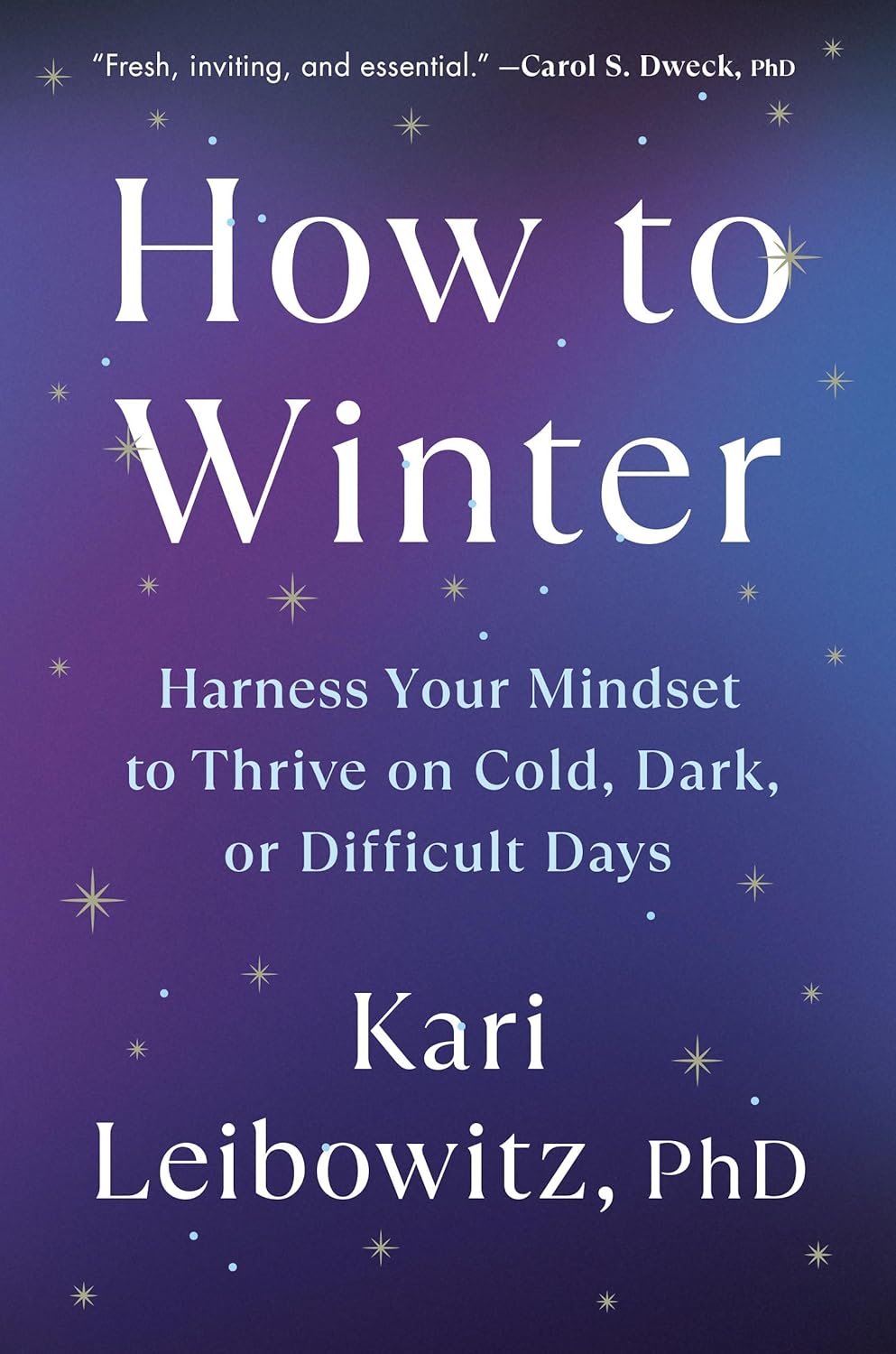
How to Winter: Harness Your Mindset to Thrive on Cold, Dark, or Difficult Days
Win a free print copy of this book!
0 days and 07:39:34
25 copies available
U.S. only
A blend of mindset science, original research, and cultural insights for cultivating a "positive wintertime mindset” to vanquish winter blues and find joy and comfort in dark times year-round
Do you dread the end of daylight saving time and complain about the long, chilly season of gray skies and ice? Do you find yourself in a slump every January and February? What if there were a way to rethink this time of year? Psychologist and winter expert Kari Leibowitz’s galvanizing How to Winter uses mindset science to help readers embrace winter as a season to be enjoyed, not endured—and in turn learn powerful lessons that can affect mental well-being throughout the year.
Kari Leibowitz has lived in the Arctic and traveled to places on Earth with some of the coldest, darkest, and longest winters. There she discovered the power of "wintertime mindset"—viewing the season as full of opportunity and wonder. Helpful strategies for cultivating this wintertime mindset can teach us not just about embracing the frigid, gray months of the year but also the darker and more challenging seasons of life.
Inspired by cutting-edge psychological and behavioral science research as well as cultures worldwide that find warmth and joy in winter’s extremes, How to Winter provides readers with concrete tools for making winter pleasant wherever they live.
Do you dread the end of daylight saving time and complain about the long, chilly season of gray skies and ice? Do you find yourself in a slump every January and February? What if there were a way to rethink this time of year? Psychologist and winter expert Kari Leibowitz’s galvanizing How to Winter uses mindset science to help readers embrace winter as a season to be enjoyed, not endured—and in turn learn powerful lessons that can affect mental well-being throughout the year.
Kari Leibowitz has lived in the Arctic and traveled to places on Earth with some of the coldest, darkest, and longest winters. There she discovered the power of "wintertime mindset"—viewing the season as full of opportunity and wonder. Helpful strategies for cultivating this wintertime mindset can teach us not just about embracing the frigid, gray months of the year but also the darker and more challenging seasons of life.
Inspired by cutting-edge psychological and behavioral science research as well as cultures worldwide that find warmth and joy in winter’s extremes, How to Winter provides readers with concrete tools for making winter pleasant wherever they live.
265 pages, Hardcover
First published October 22, 2024
Ratings & Reviews
Friends & Following
Create a free account to discover what your friends think of this book!
Community Reviews
Displaying 1 - 30 of 827 reviews

December 10, 2024
This is a decent book to read in our current season! Kari Leibowitz's research focuses on what "we" can learn from cultures who embrace winter. (I put "we" in quotations because I think a lot of the book is directed towards Americans with desk jobs.) Her core argument is that learning "how to winter" can also help us learn how to generally cope in trying times, which can occur year-round.
The book mostly makes good on the argument, but I felt there was a bit too much celebration of Scandinavian and Japanese customs she didn't really know that well. I feel like we lost the plot when she started going on and on about how saunas are “the great equalizer of Finnish society” where bosses and workers are all the same. Like HUH?!? Beyond this annoyance, there were some helpful notes about what you can control to make your winter experience better.
While Leibowitz mostly focuses on personal changes, she also doesn't ignore the fact that many elements of how people are able to enjoy the winter are not up to them. The final sections of this book discuss various infrastructure improvements that governments need to make, and she notes when recommendations would only be possible for a small group of readers. Her direction of the book towards people with desk jobs became particularly clear in the sections about adjusting your daily work schedule to slow down in the winter. So, I appreciate that she's not claiming this is universal advice, though it could certainly still be disappointing to realize how many of these suggestions would not work for many people.
Leibowitz's 3 main approaches to help us have a better experience of winter are as follows: 1) Celebrate Winter, 2) Make Winter Special, and 3) Get Outside. This is all fairly straightforward, but pretty hard to do! For Approach 1: Celebrate Winter, she suggests first beginning with changing our mindset. This could be done through adjusting the way we talk about winter, anticipating and acknowledging the season with rituals (such as seasonal home decor), and being kind to ourselves when we notice that we are having trouble adjusting to the changes.
Approach 2: Make Winter Special has a lot to do with embracing the darkness and slower season!! Instead of forcing ourselves to ignore the seasonal changes, we can try to use warmer light in our homes, go to bed earlier, and find fun wintertime hobbies that help us treat the season as a special time of year where we do things differently on purpose.
Finally, Approach 3: Get Outside is not just about extreme winter sports and cold plunges (though those are also in here.) Leibowitz shows lots of research about how our time in nature, even if brief, can make a huge different in our moods. Being attentive about the items you observe in the natural world, and taking the leap of faith to go out in the cold (with appropriately warm clothing), can seem like small or inconsequential actions, but they can add up. I will say that I've been trying to go out more regularly since reading this book, or at least notice and remark on how the trees look more sparse, or the fog on a rainy morning makes me feel like I'm in a True Detective episode. These small changes to my otherwise inside routine have made a difference, and I look forward to continuing them.
So, that's all for this one! Nothing groundbreaking, but there are some helpful tips and reminders that could be useful for a small group.
The book mostly makes good on the argument, but I felt there was a bit too much celebration of Scandinavian and Japanese customs she didn't really know that well. I feel like we lost the plot when she started going on and on about how saunas are “the great equalizer of Finnish society” where bosses and workers are all the same. Like HUH?!? Beyond this annoyance, there were some helpful notes about what you can control to make your winter experience better.
While Leibowitz mostly focuses on personal changes, she also doesn't ignore the fact that many elements of how people are able to enjoy the winter are not up to them. The final sections of this book discuss various infrastructure improvements that governments need to make, and she notes when recommendations would only be possible for a small group of readers. Her direction of the book towards people with desk jobs became particularly clear in the sections about adjusting your daily work schedule to slow down in the winter. So, I appreciate that she's not claiming this is universal advice, though it could certainly still be disappointing to realize how many of these suggestions would not work for many people.
Leibowitz's 3 main approaches to help us have a better experience of winter are as follows: 1) Celebrate Winter, 2) Make Winter Special, and 3) Get Outside. This is all fairly straightforward, but pretty hard to do! For Approach 1: Celebrate Winter, she suggests first beginning with changing our mindset. This could be done through adjusting the way we talk about winter, anticipating and acknowledging the season with rituals (such as seasonal home decor), and being kind to ourselves when we notice that we are having trouble adjusting to the changes.
Approach 2: Make Winter Special has a lot to do with embracing the darkness and slower season!! Instead of forcing ourselves to ignore the seasonal changes, we can try to use warmer light in our homes, go to bed earlier, and find fun wintertime hobbies that help us treat the season as a special time of year where we do things differently on purpose.
Finally, Approach 3: Get Outside is not just about extreme winter sports and cold plunges (though those are also in here.) Leibowitz shows lots of research about how our time in nature, even if brief, can make a huge different in our moods. Being attentive about the items you observe in the natural world, and taking the leap of faith to go out in the cold (with appropriately warm clothing), can seem like small or inconsequential actions, but they can add up. I will say that I've been trying to go out more regularly since reading this book, or at least notice and remark on how the trees look more sparse, or the fog on a rainy morning makes me feel like I'm in a True Detective episode. These small changes to my otherwise inside routine have made a difference, and I look forward to continuing them.
So, that's all for this one! Nothing groundbreaking, but there are some helpful tips and reminders that could be useful for a small group.

April 27, 2026
Winter gets a bad rap. Spring has blooming flowers and comfortable temperatures. Summer tends to get associated with vacations and the beach. Fall may have the most to enjoy: dramatic natural colors, cooling temperatures, dedicated food and drinks, and a pleasing coziness. Then there’s poor outcast winter. Most view it as dreary, ugly, boring, and too cold for frequent outside activity. “Dead of winter” is a phrase that exists. The season can even trigger a psychiatric illness: seasonal affective disorder (SAD). Curiously, all the seasons have their downsides, but for some reason the upsides of spring, summer, and fall come to mind immediately, whereas the opposite is true of winter. Why? Afterall, as psychologist Kari Leibowitz shows, winter has upsides.
How to Winter was born from Leibowitz’s time as a researcher and Fulbright Scholar at University of Tromsø from 2014 to 2015. Tromsø, Norway is an arctic city that annually experiences Polar Night, which is two months of perpetual darkness. Leibowitz grew up hating winter, and her study was focused on understanding how the residents manage winter depression and, for those who have it, SAD. She quickly discovered this was the wrong approach, however, and what followed was the start of an illuminating experience that improved her life both professionally and personally. Leibowitz’s assumption that winter was depressing and limiting baffled the people of Tromsø, and SAD isn’t more prevalent there; it may even be less prevalent. (On a crucial side note, Leibowitz clarifies that SAD is uncommon to begin with but that misdiagnosis from both individuals themselves and from unskilled mental-health professionals has led to over-diagnosis. “Estimates vary, but research generally suggests that in the US, somewhere between 0.5 percent and 3 percent of people suffer from the disorder.” Far more common—and normal—are “winter blues,” a state that stems from the natural phenomenon of torpor.) Winter in Tromsø is a celebrated season. That positive regard is entrenched in the culture so that people cherish winter for its coziness and outdoor activities specific to it, such as cross-country skiing. These Norwegians recognize and embrace rather than complain and impatiently count down the days till warmth and light.
Leibowitz’s book isn’t about how to live during winter at the practical, gear-wise level, although she addresses the specifics of dressing properly for the season based on the Scandinavian method. This is a necessary inclusion because dressing for maximum warmth and comfort is one step of many to help people appreciate the season. Interestingly, those living at a middle latitude are more likely to make mistakes with attire:
Mostly, Leibowitz emphasizes three principles that lead to winter appreciation and enjoyment: Everyday living (covering the importance of frequent social contact, lots of outdoor activity, and comforting home set-up), public infrastructure, and mindset. These three aren’t as simple as they sound, so she deeply explains, and then reinforces as they naturally come up throughout the book. The author admires how much socializing is baked into winter life in Tromsø, as is spending time outside, preferably every day (going place to place via cross-country skis is a way of life). Dim lighting, candles, and light bulbs that have lower-value kelvins (aka warm-toned lighting) ease anxiety, increase contentment, create coziness, and instantly beautify a space. Outdoor dining areas with heat lamps; generous snow-plowing; heated sidewalks; cross-country ski trails; winter festivals; and picnicking areas with fire pits prevent winter from being restrictive and dull.
Leibowitz is passionate, though, about something less obviously actionable: the role of mindset. This view may irritate as it calls to mind potentially damaging “toxic positivity,” and the “harness your mindset” of the subtitle does sound corny; however, the author is a researcher and scholarly professional with a doctorate in psychology. Positivity turns toxic when it, obviously, becomes divorced from the science of psychology. Her book isn’t divorced from the science. “Positive winter mindset,” as she puts it, is also personal to her: Shifting from a negative winter mindset to a positive one benefited her dramatically, so she’s especially confident about this element.
Mindset strongly influences perception of the season (and everything, really), and perception then determines how we feel:
The language we use to talk about things matters too. Leibowitz made a strict switch to positive vocabulary to help her on her journey to becoming a winter lover. This simple change did indeed make a difference, and she’s bothered that negative conversations about the season have become standard. That standard does deserve scrutiny and criticism: Psychological studies on the connection between language and perception find that words, like mindset, shape outlook. Throughout the book she gives examples of how to look at the season with fresh eyes so that we become not just pleased by it but awestruck and then express that awe (reading nature-focused poetry could provide helpful inspiration).
The practice of looking for awe also has wider effects. Studies that instruct people to, for instance, take daily walks during which they “tap into [their] childlike sense of wonder” and “approach what [they] see with fresh eyes,” indicate that finding awe regularly for many weeks straight is surprisingly beneficial:
Leibowitz acknowledges that some people may think her area of expertise is lightweight and that she’s an unrealistic Pollyanna. Hating winter seems harmless, so why should anyone care about learning to love it? In fact, hating winter may not harm others or hurt winter’s feelings, but it absolutely harms the individual. How to Winter comes at an appropriate time, not only because the climate crisis is predicted to make winters dramatically colder and snowier but also because more than ever, society appreciates the importance of good psychological health. When it comes down to it, How to Winter is about being the happiest one can be.
How to Winter makes sense. Each of Leibowitz’s recommendations is as specific as the part on how to dress like a Scandinavian, and of course, her own transformation is inspiring and persuasive. She’s elated to be relieved of the burden of “winter dread,” happy to be able to welcome cold and wet weather. This shift in her view has had reverberating effects, extending to other areas of her life. The way to win the fight against such weather is to stop viewing it as something to fight in the first place.
Complementary reading:
Four Thousand Weeks: Time Management for Mortals
Joyful: The Surprising Power of Ordinary Things to Create Extraordinary Happiness
The Happiness Project
How to Winter was born from Leibowitz’s time as a researcher and Fulbright Scholar at University of Tromsø from 2014 to 2015. Tromsø, Norway is an arctic city that annually experiences Polar Night, which is two months of perpetual darkness. Leibowitz grew up hating winter, and her study was focused on understanding how the residents manage winter depression and, for those who have it, SAD. She quickly discovered this was the wrong approach, however, and what followed was the start of an illuminating experience that improved her life both professionally and personally. Leibowitz’s assumption that winter was depressing and limiting baffled the people of Tromsø, and SAD isn’t more prevalent there; it may even be less prevalent. (On a crucial side note, Leibowitz clarifies that SAD is uncommon to begin with but that misdiagnosis from both individuals themselves and from unskilled mental-health professionals has led to over-diagnosis. “Estimates vary, but research generally suggests that in the US, somewhere between 0.5 percent and 3 percent of people suffer from the disorder.” Far more common—and normal—are “winter blues,” a state that stems from the natural phenomenon of torpor.) Winter in Tromsø is a celebrated season. That positive regard is entrenched in the culture so that people cherish winter for its coziness and outdoor activities specific to it, such as cross-country skiing. These Norwegians recognize and embrace rather than complain and impatiently count down the days till warmth and light.
Leibowitz’s book isn’t about how to live during winter at the practical, gear-wise level, although she addresses the specifics of dressing properly for the season based on the Scandinavian method. This is a necessary inclusion because dressing for maximum warmth and comfort is one step of many to help people appreciate the season. Interestingly, those living at a middle latitude are more likely to make mistakes with attire:
Those living in [places with harsh winters] know that “bad” weather—when it’s cold, sleety, or snowy—isn’t a reason to stay indoors. Rather it’s those who live at middle latitudes, who experience slightly more temperate winters, who often believe we can’t, or shouldn’t, go outside when the sun sets, the temperature drops, or the rain falls. People at these latitudes aren’t forced to adapt to intense winter conditions. At the same time, living in climates with less extreme winters (like London, New York [City], Berlin, or Tokyo) can make it more likely we will be uncomfortable outside: when having proper winter gear isn’t a matter of life or death, people are more likely to dress inappropriately for the season.It’s obvious yet at the same time easy to overlook: People would be happier in snowy and wet weather if they’d simply make themselves as physically comfortable as possible.
Mostly, Leibowitz emphasizes three principles that lead to winter appreciation and enjoyment: Everyday living (covering the importance of frequent social contact, lots of outdoor activity, and comforting home set-up), public infrastructure, and mindset. These three aren’t as simple as they sound, so she deeply explains, and then reinforces as they naturally come up throughout the book. The author admires how much socializing is baked into winter life in Tromsø, as is spending time outside, preferably every day (going place to place via cross-country skis is a way of life). Dim lighting, candles, and light bulbs that have lower-value kelvins (aka warm-toned lighting) ease anxiety, increase contentment, create coziness, and instantly beautify a space. Outdoor dining areas with heat lamps; generous snow-plowing; heated sidewalks; cross-country ski trails; winter festivals; and picnicking areas with fire pits prevent winter from being restrictive and dull.
Leibowitz is passionate, though, about something less obviously actionable: the role of mindset. This view may irritate as it calls to mind potentially damaging “toxic positivity,” and the “harness your mindset” of the subtitle does sound corny; however, the author is a researcher and scholarly professional with a doctorate in psychology. Positivity turns toxic when it, obviously, becomes divorced from the science of psychology. Her book isn’t divorced from the science. “Positive winter mindset,” as she puts it, is also personal to her: Shifting from a negative winter mindset to a positive one benefited her dramatically, so she’s especially confident about this element.
Mindset strongly influences perception of the season (and everything, really), and perception then determines how we feel:
Mindsets are true but biased: they zoom in on one slice of complicated phenomena. Similarly, our attention is selective: it’s meant to filter. Attending to every light, sound, and physical sensation at all times would put you in sensory overload. We can’t notice and observe everything, so our mental shortcuts—including our mindsets—help determine our focus. [...] One of the ways mindsets become self-fulfilling is by directing our attention, making us more likely to observe winter’s negatives or positives. When it’s gray and rainy, it’s equally true that the world is hushed and reflective as it is that you’ll have to avoid puddles and feel a bit damp. The winter light can make us more tired, but it can also fall in unusual, soft shadows. The cold can chill and numb, and it can awaken and refresh. Our mindset can determine which of these truths we notice.And psychology research offers the following food for thought:
...what’s known as the Peak-End Rule in psychology suggests that people judge and remember experiences based on how they felt at the “peak,” or most extreme and intense point, and at the end of the experience. So these extreme—and usually rare—instances can become our default memory of what winter is like, even when evidence suggests that’s not usually the case.Negative perspective has a special way of overpowering our thinking and then hanging around to maintain unhappiness, so it requires noticing and counteracting with a deliberate mindset shift.
The language we use to talk about things matters too. Leibowitz made a strict switch to positive vocabulary to help her on her journey to becoming a winter lover. This simple change did indeed make a difference, and she’s bothered that negative conversations about the season have become standard. That standard does deserve scrutiny and criticism: Psychological studies on the connection between language and perception find that words, like mindset, shape outlook. Throughout the book she gives examples of how to look at the season with fresh eyes so that we become not just pleased by it but awestruck and then express that awe (reading nature-focused poetry could provide helpful inspiration).
The practice of looking for awe also has wider effects. Studies that instruct people to, for instance, take daily walks during which they “tap into [their] childlike sense of wonder” and “approach what [they] see with fresh eyes,” indicate that finding awe regularly for many weeks straight is surprisingly beneficial:
Research shows that awe helps us feel more life satisfaction, more connected to humanity and the world, and less bogged down and annoyed by day-to-day concerns. Awe is associated with reduced symptoms of post-traumatic stress disorder (in both military veterans and young people from underserved communities), feeling happier on a moment-by-moment basis, and reduced daily distress. Experiencing awe might even make you nicer: the emotion is associated with greater generosity and prosociality, [...] less narcissism, and decreased aggression.We quickly become blind to the details of our surroundings. Evolutionary wiring has done this for protective reasons, but the blindness flattens our lives and makes us sad.
Leibowitz acknowledges that some people may think her area of expertise is lightweight and that she’s an unrealistic Pollyanna. Hating winter seems harmless, so why should anyone care about learning to love it? In fact, hating winter may not harm others or hurt winter’s feelings, but it absolutely harms the individual. How to Winter comes at an appropriate time, not only because the climate crisis is predicted to make winters dramatically colder and snowier but also because more than ever, society appreciates the importance of good psychological health. When it comes down to it, How to Winter is about being the happiest one can be.
...every day, we have the chance to embrace the world in front of us. We can celebrate what’s there; find the delights; seize any chance for joy, big or small. When we write off winter, we resign ourselves to settling for crumbs of happiness; we decide it’s okay to be miserable for one to six months of the year. We let the little unpleasantries, the pinpricks of cold and the annoyance of wet and the fatigue of dark grind us down without realizing it. [...] Embracing winter is about embracing our life: all of it, the dark parts and the light.Most adults curmudgeonly about winter were once children excited about it; the season isn’t inherently bad—and we know it: Snowglobes charm us, as do winter-themed children’s books. We like reading about building snowmen but won’t hang out in snow long enough to build one. The cheerful, cozy wintry imagery of Christmas-themed depictions are highly attractive. The holiday season has somehow laid claim to coziness, festivity, and outdoor winter fun, but that’s because we let it.
How to Winter makes sense. Each of Leibowitz’s recommendations is as specific as the part on how to dress like a Scandinavian, and of course, her own transformation is inspiring and persuasive. She’s elated to be relieved of the burden of “winter dread,” happy to be able to welcome cold and wet weather. This shift in her view has had reverberating effects, extending to other areas of her life. The way to win the fight against such weather is to stop viewing it as something to fight in the first place.
Complementary reading:
Four Thousand Weeks: Time Management for Mortals
Joyful: The Surprising Power of Ordinary Things to Create Extraordinary Happiness
The Happiness Project

December 21, 2025
4.5 Stars!
"Plants and animals don't fight the winter; they don't pretend its not happening and attempt to carry on the same lives that they lived in the summer."
I'm an old person. I just had my birthday and being a December baby I actually like winter for the most(though technically my birthday is still in Fall). I like cold weather. I like snow....for the most part. What I struggle most with is the lack of daylight. It's rough for me that by 6pm its pitch black. My mental health definitely struggles. I tell my dad all the time I don't care if its 20 degrees as long as the sun is out. Cold and grey days are rough for me.
"Get outside in the winter. Don't let the weather stop you."
How to Winter is a quick but informative read. The tips in this book are simple and I will be implementing some of them. I don't want to dread going outside for 4 months. The author suggests we develop a "positive wintertime mindset". If you dread winter that will affect your mental health. She uses the residents of a small Norwegian town to teach us how to not only not dread winter but to welcome it.
I'm not going to giveaway all the tips because I think you should read this book but I will tell you the basics:
1. Appreciate Winter
2. Make It Special
3. Get Outside
"Rest is not a luxury, a privilege or a bonus we must wait for once we are burned out. You are worthy of rest."
I want to live life like the Nordics do. They consider cold weather to be healthy. They look forward to winter. I want that mindset for myself.
I highly recommend this book. If you dread winter like me, this book will change how you think about winter.
"Plants and animals don't fight the winter; they don't pretend its not happening and attempt to carry on the same lives that they lived in the summer."
I'm an old person. I just had my birthday and being a December baby I actually like winter for the most(though technically my birthday is still in Fall). I like cold weather. I like snow....for the most part. What I struggle most with is the lack of daylight. It's rough for me that by 6pm its pitch black. My mental health definitely struggles. I tell my dad all the time I don't care if its 20 degrees as long as the sun is out. Cold and grey days are rough for me.
"Get outside in the winter. Don't let the weather stop you."
How to Winter is a quick but informative read. The tips in this book are simple and I will be implementing some of them. I don't want to dread going outside for 4 months. The author suggests we develop a "positive wintertime mindset". If you dread winter that will affect your mental health. She uses the residents of a small Norwegian town to teach us how to not only not dread winter but to welcome it.
I'm not going to giveaway all the tips because I think you should read this book but I will tell you the basics:
1. Appreciate Winter
2. Make It Special
3. Get Outside
"Rest is not a luxury, a privilege or a bonus we must wait for once we are burned out. You are worthy of rest."
I want to live life like the Nordics do. They consider cold weather to be healthy. They look forward to winter. I want that mindset for myself.
I highly recommend this book. If you dread winter like me, this book will change how you think about winter.

October 12, 2024
This was a refreshingly balanced look at a season that causes many of us some negative feelings. The basis for it is that people in Nordic countries, in spite of darker and colder winters, tend to experience less seasonal depression than their counterparts at lower latitudes. The book explores why that might be so, and offers some fresh perspectives on winter that are helpful to internalize.
Although a lot of the material seemed to fall under the category of common sense, it's worth seeing it in print and really taking the time to engage with it, analyzing one's own attitude in comparison with that of others. I did find some of it to be a bit repetitive, but I quite enjoyed the book and thought it was practical and even inspiring. The idea that you can change your relationship with winter is interesting. So are the musings on mindset and preparation, which really translate into lots of other areas of life as well.
Thanks to Pan Macmillan | Bluebird and Netgalley for this digital review copy!
Although a lot of the material seemed to fall under the category of common sense, it's worth seeing it in print and really taking the time to engage with it, analyzing one's own attitude in comparison with that of others. I did find some of it to be a bit repetitive, but I quite enjoyed the book and thought it was practical and even inspiring. The idea that you can change your relationship with winter is interesting. So are the musings on mindset and preparation, which really translate into lots of other areas of life as well.
Thanks to Pan Macmillan | Bluebird and Netgalley for this digital review copy!

August 24, 2024
This was a fascinating read. I’m a little bit worried that this book won’t get the exposure it should get, because the people who need to read it might not. After all, people who hate winter might not understand that there’s an alternative. And they also might not understand that learning to love winter can help them with their mindset in so many other ways.
The author of this book teaches a class at Stanford called mindset matters, and she did a lot of the research for this book in Tromso, Norway. I picked it up when I was offered a free copy because I’ve recently planned a winter trip to Tromso and it peaked my interest. I was hoping that the book would address both attitudes toward winter and also attitudes toward dark times in ones life, and it doesn’t do that directly, but it’s there if you search the nuggets of wisdom.
Changing my attitude towards winter is not some thing I’ve really ever thought about, but now it’s fascinating to me. Even living in California, I feel like this book will help me so much when daylight savings hits. The exercises and suggestions at the end of each chapter are really great. And as a therapist, this book would be really fascinating for someone who legitimately suffers from seasonal effective disorder. This book is just very enjoyable to read.
The author of this book teaches a class at Stanford called mindset matters, and she did a lot of the research for this book in Tromso, Norway. I picked it up when I was offered a free copy because I’ve recently planned a winter trip to Tromso and it peaked my interest. I was hoping that the book would address both attitudes toward winter and also attitudes toward dark times in ones life, and it doesn’t do that directly, but it’s there if you search the nuggets of wisdom.
Changing my attitude towards winter is not some thing I’ve really ever thought about, but now it’s fascinating to me. Even living in California, I feel like this book will help me so much when daylight savings hits. The exercises and suggestions at the end of each chapter are really great. And as a therapist, this book would be really fascinating for someone who legitimately suffers from seasonal effective disorder. This book is just very enjoyable to read.

March 14, 2025
It took me most of the winter to finish this book. The message is mainly about how attitude affects how we experience winter (or anything else for that matter). The book also examined ways different cultures dealt with winter extremes. It got repetitive and at the end the author admits that attitude, when confronted with extreme realities, can only take you so far. This book could have been about half its current length and still have been just as effective.

August 14, 2024
Winter both captivates and confounds me.
In some ways, I love winter. I love the intimacy of it. I love the mystery. I love the chill and the wonder and the darkness.
But yeah, there are practical matters to consider. I'm a wheelchair user living in a Midwestern city that most definitely experiences all four seasons. Indianapolis is sort of in-between those cities that experience really intense winter seasons and those cities that barely experience a snowflake.
In some ways, it's the most challenging way to experience winter because my city is good but far from great at facilitating winter, an issue that Dr. Kari Leibowitz talks about in her book "How to Winter: Harness Your Mindset to Thrive on Cold, Dark, or Difficult Days." She addresses the fact that part of what helps us switch into a wintertime mindset is when our environment facilitates peace within those winter blues. It's a lot easier, and as a wheelchair user I feel this, to embrace winter when the roads are paved, the sidewalks are cleared, and I don't have to worry about getting stuck in my wheelchair simply going to work.
There's much to appreciate about "How to Winter," a weaving together of mindset science, original research, and cultural insights. I was most enchanted by "How to Winter" when Leibowitz was immersing us in the cultural insights and experiences she's had along the way of her unique and extensive research.
Because I live in a city that is on the border of winter wonder, the dread of the end of Daylight Saving Time is strong. Heck, even mentioning Daylight Saving Time seems to put my fellow Hoosiers into a grump. We mostly make it through the magic of the holiday, however, by the time January rolls around melancholy seems to set in and hang around until the first signs of spring.
Leibowitz gently nudges us toward an enjoyment of winter - not just tolerating it or enduring it.
"How to Winter" plants us within Leibowitz's initial move to the Arctic Circle, a place where the sun doesn't rise for two months each year, as she begins with a plan to research the season's negative effects on mental health. Instead, however, she encounters a surprise - those around her actually look forward to this with equal parts delight and enthusiasm.
There's nary a fear to be found.
As her own perspectives shifted, Leibowitz reshaped her research and began years of traveling to some of the coldest, darkest, longest, and most intense winters.
She discovered the power of "wintertime mindset." "How to Winter" serves up research, culturla immersion, and very practical strategies for developing a "wintertime mindset."
"How to Winter" is a comprehensively researched yet accessible exploration of how we can truly harness our mindset so that we don't just survive but actually thrive on cold, dark, and difficult days.
In some ways, I love winter. I love the intimacy of it. I love the mystery. I love the chill and the wonder and the darkness.
But yeah, there are practical matters to consider. I'm a wheelchair user living in a Midwestern city that most definitely experiences all four seasons. Indianapolis is sort of in-between those cities that experience really intense winter seasons and those cities that barely experience a snowflake.
In some ways, it's the most challenging way to experience winter because my city is good but far from great at facilitating winter, an issue that Dr. Kari Leibowitz talks about in her book "How to Winter: Harness Your Mindset to Thrive on Cold, Dark, or Difficult Days." She addresses the fact that part of what helps us switch into a wintertime mindset is when our environment facilitates peace within those winter blues. It's a lot easier, and as a wheelchair user I feel this, to embrace winter when the roads are paved, the sidewalks are cleared, and I don't have to worry about getting stuck in my wheelchair simply going to work.
There's much to appreciate about "How to Winter," a weaving together of mindset science, original research, and cultural insights. I was most enchanted by "How to Winter" when Leibowitz was immersing us in the cultural insights and experiences she's had along the way of her unique and extensive research.
Because I live in a city that is on the border of winter wonder, the dread of the end of Daylight Saving Time is strong. Heck, even mentioning Daylight Saving Time seems to put my fellow Hoosiers into a grump. We mostly make it through the magic of the holiday, however, by the time January rolls around melancholy seems to set in and hang around until the first signs of spring.
Leibowitz gently nudges us toward an enjoyment of winter - not just tolerating it or enduring it.
"How to Winter" plants us within Leibowitz's initial move to the Arctic Circle, a place where the sun doesn't rise for two months each year, as she begins with a plan to research the season's negative effects on mental health. Instead, however, she encounters a surprise - those around her actually look forward to this with equal parts delight and enthusiasm.
There's nary a fear to be found.
As her own perspectives shifted, Leibowitz reshaped her research and began years of traveling to some of the coldest, darkest, longest, and most intense winters.
She discovered the power of "wintertime mindset." "How to Winter" serves up research, culturla immersion, and very practical strategies for developing a "wintertime mindset."
"How to Winter" is a comprehensively researched yet accessible exploration of how we can truly harness our mindset so that we don't just survive but actually thrive on cold, dark, and difficult days.

December 21, 2024
Honestly, while I know that "How To" is literally in the title, this probably would have done better as a straight up research based book about how different cultures deal with cold and darkness. The anecdotes and the author's little tips cheapened the book for me. I wanted to know more about the research. Alas.
January 2, 2025
Great concept, but it became repetitive very quickly and by page 120 I closed the book

January 26, 2025
TLDR: Despite my initial skepticism, I did wind up enjoying the whole thing and I do recommend it if you're interested.
--------
My fault for choosing by cover alone, but I didn't realize how much science would be in here. I love that there's science, but it's so new, and therefore incomplete. Ok, yes, "mindset" in general has been a part of popular culture forever, from morals in fables to inspirational posters, but to make it reliable science we need more replication, more efforts to disprove, and more diverse locations, climates, & cultures (I don't think Leibowitz ever visited the Southern Hemisphere, nor, though this is aimed at Americans, did she apparently visit Montana, Idaho).
So anyway, I'm focusing more of my attention on the tips. And there too it's rather disappointing, so far, because, again, doesn't everyone interested already know that we need to spend more time outside? That there can be a joy found in bringing out the candles and the sweaters?
I do *very* much appreciate the idea that "winter tiredness" is a thing, and does not necessarily equate to SAD. Simple allowing oneself to sleep more is ok! Granted, not everyone can, especially if they're trying to get more exercise, but try it before scolding yourself for being depressed! It's just that you're being adaptive, and following the cycles of nature; hibernation is ok!
And back to the subtitle of the book. The author theorizes that if one can develop a flexible mindset, one can not only be able to find reasons to enjoy winter, but can also find the 'silver linings' (my idiom) in other difficult times. She doesn't oversimplify as I do, but she does want you to learn from this book things that might help you with loss, illness, other challenges.
Well, I'm not very far in, so come back for more insights when I'm done. :)
Meanwhile, one of my most favorite poems is relevant:
Dust of Snow
By Robert Frost
The way a crow
Shook down on me
The dust of snow
From a hemlock tree
Has given my heart
A change of mood
And saved some part
Of a day I had rued.
Further along and time to record more bookdarted bits:
Seek "apricity, the warmth in the winter sun." I tried it today. It didn't work on my morning walk, but on a later one, when the air got to above freezing, it did. And it reminded me of similar feelings as a child in Wisconsin.
Author talks about the power of language to shape thought. Well, yeah, propaganda, and biased words, branding, etc. And she uses the word "nice" which reminds me of what my mother used to say: "If you can't say something nice, don't say anything at all." Stop kvetching so much. Call the cold wind Invigorating, or Refreshing, at least if you only have to experience the few minutes between the car and office.
She writes well. I like a little purplish prose sometimes, and so I like: "The long night made space for contemplation: feelings too intense to be looked at in broad daylight crept out of my head and curled by my feet in the evening shadows."
" we can thank winter for making space for the serene."
---
OK done.
Yes, I do like her voice, and did find the text itself worth reading. Even if the science is incomplete, and even if not nearly all the tips are actionable to me. I'm putting this on my 'to reread' shelf.
One off-hand tip is actually rather brilliant. Get dressed for the outdoors, then do a warm-up inside the house, so that going outside gives you relief from being on the verge of overheating. I've already tried that a couple times and I think it works.
"Wise or fierce self-compassion: "
"Sometimes, dealing with our inner selves is like parenting a child: treating the child with compassion doesn't mean giving them whatever they want, or letting them do whatever they want. If a child never wants to take a bath, the compassionate response is not to let them remain filthy, but to try to communicate the necessity of bathing, or to help them make fast time more fun."
" I'm giving myself a chance to do something that feels a little difficult and to overcome a challenge. And if I was able to do that, what else can I do?"
The actual bulleted tips I'm going to note to myself only as it seems beyond fair use to add them here.
Bottom line, yes, this is worth the read if you're interested.
--------
My fault for choosing by cover alone, but I didn't realize how much science would be in here. I love that there's science, but it's so new, and therefore incomplete. Ok, yes, "mindset" in general has been a part of popular culture forever, from morals in fables to inspirational posters, but to make it reliable science we need more replication, more efforts to disprove, and more diverse locations, climates, & cultures (I don't think Leibowitz ever visited the Southern Hemisphere, nor, though this is aimed at Americans, did she apparently visit Montana, Idaho).
So anyway, I'm focusing more of my attention on the tips. And there too it's rather disappointing, so far, because, again, doesn't everyone interested already know that we need to spend more time outside? That there can be a joy found in bringing out the candles and the sweaters?
I do *very* much appreciate the idea that "winter tiredness" is a thing, and does not necessarily equate to SAD. Simple allowing oneself to sleep more is ok! Granted, not everyone can, especially if they're trying to get more exercise, but try it before scolding yourself for being depressed! It's just that you're being adaptive, and following the cycles of nature; hibernation is ok!
And back to the subtitle of the book. The author theorizes that if one can develop a flexible mindset, one can not only be able to find reasons to enjoy winter, but can also find the 'silver linings' (my idiom) in other difficult times. She doesn't oversimplify as I do, but she does want you to learn from this book things that might help you with loss, illness, other challenges.
Well, I'm not very far in, so come back for more insights when I'm done. :)
Meanwhile, one of my most favorite poems is relevant:
Dust of Snow
By Robert Frost
The way a crow
Shook down on me
The dust of snow
From a hemlock tree
Has given my heart
A change of mood
And saved some part
Of a day I had rued.
Further along and time to record more bookdarted bits:
Seek "apricity, the warmth in the winter sun." I tried it today. It didn't work on my morning walk, but on a later one, when the air got to above freezing, it did. And it reminded me of similar feelings as a child in Wisconsin.
Author talks about the power of language to shape thought. Well, yeah, propaganda, and biased words, branding, etc. And she uses the word "nice" which reminds me of what my mother used to say: "If you can't say something nice, don't say anything at all." Stop kvetching so much. Call the cold wind Invigorating, or Refreshing, at least if you only have to experience the few minutes between the car and office.
She writes well. I like a little purplish prose sometimes, and so I like: "The long night made space for contemplation: feelings too intense to be looked at in broad daylight crept out of my head and curled by my feet in the evening shadows."
" we can thank winter for making space for the serene."
---
OK done.
Yes, I do like her voice, and did find the text itself worth reading. Even if the science is incomplete, and even if not nearly all the tips are actionable to me. I'm putting this on my 'to reread' shelf.
One off-hand tip is actually rather brilliant. Get dressed for the outdoors, then do a warm-up inside the house, so that going outside gives you relief from being on the verge of overheating. I've already tried that a couple times and I think it works.
"Wise or fierce self-compassion: "
"Sometimes, dealing with our inner selves is like parenting a child: treating the child with compassion doesn't mean giving them whatever they want, or letting them do whatever they want. If a child never wants to take a bath, the compassionate response is not to let them remain filthy, but to try to communicate the necessity of bathing, or to help them make fast time more fun."
" I'm giving myself a chance to do something that feels a little difficult and to overcome a challenge. And if I was able to do that, what else can I do?"
The actual bulleted tips I'm going to note to myself only as it seems beyond fair use to add them here.
Bottom line, yes, this is worth the read if you're interested.

November 17, 2024
This is an easy and helpful read. Some tips were common sense that needed to be reinforced, and others were creative. Written well, but the intro was a bit lengthy. If you suffer from the winter blues, this book may help.

October 11, 2025
The perfect book for me right now. I didn’t realize how negative my mindset had turned towards winter during my adult years (I used to love it so much as a child!!) Leibowitz’s discovered love for winter was infectious, and I actually managed to finish it and feel really excited for this upcoming winter! Some parts felt repetitive, but I didn’t mind that as I needed this positive-winter-mindset hammered into my head as frequently as possible (lol).
I especially liked that she had a “winter practice” box at the end of each chapter full of tangible things you can do. I can see myself revisiting this book over the years whenever my mindset towards winter dips, and it’ll bring me right back to an appreciation for the season.
As she says on the last page: “When we write off winter, we resign ourselves to settling for crumbs of happiness; we decide it’s OK to be miserable for one to six months of the year…Reclaiming winter is a chance to find intentional joy…Embracing winter is about embracing our life: all of it, the dark parts and the light. Our winter story is, in part, our life story.”
I especially liked that she had a “winter practice” box at the end of each chapter full of tangible things you can do. I can see myself revisiting this book over the years whenever my mindset towards winter dips, and it’ll bring me right back to an appreciation for the season.
As she says on the last page: “When we write off winter, we resign ourselves to settling for crumbs of happiness; we decide it’s OK to be miserable for one to six months of the year…Reclaiming winter is a chance to find intentional joy…Embracing winter is about embracing our life: all of it, the dark parts and the light. Our winter story is, in part, our life story.”

January 10, 2025
"Reclaiming winter is a chance to find intentional joy; to let ourselves anticipate and rest. It's an opportunity to notice, with awe and wonder, what is really in front of us. It's a practice in talking about those delights, sinking into coziness, ritualizing the mundane. It allows us to know ourselves more deeply, breath in crisp air, feel the wind in our face or the rain on our skin. It can propel us to adventure or help find us warmth. Embracing the winter is about embracing our life: all of it, the dark parts and the light." Kari Leibowitz
Winter. For three to five cold months we humans are subjected to cold, gloomy days, dangerous storms, and long, dark nights. It's a season that people try to get away from by traveling south, or begrudgingly tolerate as they hide indoors. But like it or not winter comes every year, and maybe it's worth looking at ways to make the best of it.
How to Winter is a book about how to manage your mindset about winter. Mindset is everything in the mental health field, and it can transform depression and boredom into wonder and excitement. Taking a fresh look at this inevitable transformation of our weather is worth the trouble as it opens up fresh possibilities.
The author, Kari Leibowitz, is a health psychologist and writer who has devoted her research into the power of mindsets with a focus on winter. For the book she traveled extensively to the coldest spots on the planet- Norway, Iceland, and Finland, finding the most remote cities with the longest winters. There she interviewed the residents and found some surprising views about winter and how they cope with it.
Make no mistake- winter weather is to be respected. People should dress appropriately and avoid dangerous conditions when necessary. But with the proper precautions, winter activities like skating, skiing, sledding, and even swimming can have beneficial qualities.
How to prepare your mind for winter starts in November and December, when the weather is turning colder and darker. Rather than dreading the coming winter, find things to look forward to besides just the holidays. When New Year's comes and goes, all that's left are the frigid days of January and February. What can you do in winter that you wouldn't do in summer? Rest and sleep are one thing to catch up on. The end of one year and beginning of another is an ideal time to reflect on things and make new plans. And indoor hobbies like painting, jigsaw puzzles, baking or reading are ideal for wintertime.
Winter is a perfect time to slow things down and appreciate nature, people, and the world around you. The author recommends establishing rituals that bring peace and meaning to the darkness- from small daily rituals to large elaborate ones. She sings the praises of Hygge, a Scandinavian term that refers to coziness, comfort, and pleasant unstructured times with friends and family. Warmer months encourage us to pack in too many activities, but in the long Norwegian winters people seek coziness by lighting candles and fireplaces, and focusing on the unique sounds and smells of winter.
They did a study asking people to go on wintertime "awe walks," where they were instructed to tap into their childlike sense of wonder and look at everything with fresh eyes instead of burying themselves in their phones. People who did this experienced health benefits while also finding a sense of awe to make them more spiritually connected to the world and themselves.
In the final section, the author recommends that people face winter head on and enjoy time outside when they can. Many winter days are quite bearable and allow hiking, biking, and general activities that increase endorphins and make us feel alive. Too much time indoors can make one feel trapped and stuck.
Three activities the book examined were bathing, saunas, and winter swimming, most of which are unique to northern countries. In Iceland, people bathe in geothermal pools in large numbers and report positive results. In Finland, they sweat in saunas during the winter to improve their heart health and sweat out toxins. And the Norwegians took on winter swimming- immersing a body in ice-cold waters- which sounds very unpleasant but surprisingly releases powerful feel-good chemicals once the frigid dip is over.
Reading this book made me take a second look at my own attitudes towards winter. I've never been a fan. But where I live it is unavoidable and can have its charms. Life is precious, so wasting an entire season hoping it will end eventually seems counter-productive. Winter is a great time for reflection, reading, and appreciating the circle of life- a life that will most assuredly return with the flowers of spring.
You can also extend the metaphor of winter mindsets to include almost any other mindset that holds you back. Too often we resign ourselves to reluctantly endure whatever nastiness has enveloped us. This book and its focus on mindsets reminds us that we have the power to see things differently and look for new ways of looking at unpleasant situations, (other than moving to Florida, that is.) Choice one is to avoid bad situations entirely, which sometimes works. Choice two is to grin and bear it, which is the easiest choice. And choice three is to seek a better mindset and learn all that you can about adapting and growing from any situation. That's the best choice but not so easy to attain.
Winter. For three to five cold months we humans are subjected to cold, gloomy days, dangerous storms, and long, dark nights. It's a season that people try to get away from by traveling south, or begrudgingly tolerate as they hide indoors. But like it or not winter comes every year, and maybe it's worth looking at ways to make the best of it.
How to Winter is a book about how to manage your mindset about winter. Mindset is everything in the mental health field, and it can transform depression and boredom into wonder and excitement. Taking a fresh look at this inevitable transformation of our weather is worth the trouble as it opens up fresh possibilities.
The author, Kari Leibowitz, is a health psychologist and writer who has devoted her research into the power of mindsets with a focus on winter. For the book she traveled extensively to the coldest spots on the planet- Norway, Iceland, and Finland, finding the most remote cities with the longest winters. There she interviewed the residents and found some surprising views about winter and how they cope with it.
Make no mistake- winter weather is to be respected. People should dress appropriately and avoid dangerous conditions when necessary. But with the proper precautions, winter activities like skating, skiing, sledding, and even swimming can have beneficial qualities.
How to prepare your mind for winter starts in November and December, when the weather is turning colder and darker. Rather than dreading the coming winter, find things to look forward to besides just the holidays. When New Year's comes and goes, all that's left are the frigid days of January and February. What can you do in winter that you wouldn't do in summer? Rest and sleep are one thing to catch up on. The end of one year and beginning of another is an ideal time to reflect on things and make new plans. And indoor hobbies like painting, jigsaw puzzles, baking or reading are ideal for wintertime.
Winter is a perfect time to slow things down and appreciate nature, people, and the world around you. The author recommends establishing rituals that bring peace and meaning to the darkness- from small daily rituals to large elaborate ones. She sings the praises of Hygge, a Scandinavian term that refers to coziness, comfort, and pleasant unstructured times with friends and family. Warmer months encourage us to pack in too many activities, but in the long Norwegian winters people seek coziness by lighting candles and fireplaces, and focusing on the unique sounds and smells of winter.
They did a study asking people to go on wintertime "awe walks," where they were instructed to tap into their childlike sense of wonder and look at everything with fresh eyes instead of burying themselves in their phones. People who did this experienced health benefits while also finding a sense of awe to make them more spiritually connected to the world and themselves.
In the final section, the author recommends that people face winter head on and enjoy time outside when they can. Many winter days are quite bearable and allow hiking, biking, and general activities that increase endorphins and make us feel alive. Too much time indoors can make one feel trapped and stuck.
Three activities the book examined were bathing, saunas, and winter swimming, most of which are unique to northern countries. In Iceland, people bathe in geothermal pools in large numbers and report positive results. In Finland, they sweat in saunas during the winter to improve their heart health and sweat out toxins. And the Norwegians took on winter swimming- immersing a body in ice-cold waters- which sounds very unpleasant but surprisingly releases powerful feel-good chemicals once the frigid dip is over.
Reading this book made me take a second look at my own attitudes towards winter. I've never been a fan. But where I live it is unavoidable and can have its charms. Life is precious, so wasting an entire season hoping it will end eventually seems counter-productive. Winter is a great time for reflection, reading, and appreciating the circle of life- a life that will most assuredly return with the flowers of spring.
You can also extend the metaphor of winter mindsets to include almost any other mindset that holds you back. Too often we resign ourselves to reluctantly endure whatever nastiness has enveloped us. This book and its focus on mindsets reminds us that we have the power to see things differently and look for new ways of looking at unpleasant situations, (other than moving to Florida, that is.) Choice one is to avoid bad situations entirely, which sometimes works. Choice two is to grin and bear it, which is the easiest choice. And choice three is to seek a better mindset and learn all that you can about adapting and growing from any situation. That's the best choice but not so easy to attain.

November 3, 2025
Kari Leibowitz, die selbst aus New Jersey stammt, hat jahrelang zum Einfluss unserer Einstellung (besonders gegenüber dem Winter) auf die Gesundheit geforscht und dazu Skandinavien, die Niederlande, Island und Japan bereist. Sich ihrer eigenen anerzogenen US-amerikanischen Überzeugung bewusst, man könne nur im Sommer Spaß haben, richtet sie ihren Focus darauf, wie wir Einstellungen gegenüber der dunklen Jahreszeit und der Zeitumstellung im Oktober ändern können. Man könnte auch einfach fragen: wie halten es andere Länder und was können wir von ihnen lernen? Da die Bereitschaft, Einstellungen anzupassen, entscheidenden Einfluss auf unsere körperliche und seelische Gesundheit hat, hatte ich mir von der Übertragung ihrer Erkenntnisse auf andere Lebensbereiche viel versprochen. Auch wenn Leibowitz‘ zahlreiche Begegnungen mit Menschen im hohen Norden sich flott herunterlesen lassen, hielt sich der Erkenntnisgewinn in Grenzen.
Wichtig finde ich wie Leibowitz, auf die eigene Sprache zu achten, da sie unser Bewusstsein prägt. Statt der – nur vier – trockenen Bezeichnungen für Jahreszeiten in Deutschland könnte man z. B. mehr als vier Saisons mit dem bezeichnen, was getan wird: Pflanzen, Ernten, Baumschnitt. Dass u. a. das kanadische Edmonton wegen wachsendem Fachkräftemangel eine Image-Kampagne für Edmonton und den schlechten Ruf des Winters initiierte, liest sich zwar locker weg. Leibowitz geht insgesamt jedoch mit dem beschränkten Blick einer weißen, privilegierten, kinderlosen US-Akademikerin an ihr Thema heran, was die Zielgruppe ihres Winterbuchs einschränkt. Wer kleine Kinder hat, die im Winter ständig krank sind, betagte Angehörige, für die Schnee und Eis eine Unfallgefahr darstellen, seine Arbeitszeit nicht frei einteilen kann und auch keine Gelegenheit für ein wärmendes offenes Feuer hat, wird mit ihren Ratschlägen wenig anfangen können. Im Gegenteil, als Europäerin muss ich mich eher über das Erstaunen der Autorin über europäische Saunakultur wundern und dass hier Babys selbstverständlich warm eingepackt bei Kälte mit nach draußen genommen werden. Einer der wenigen für mich umsetzbaren Tipps: im Winter an Gäste und Studenten aus warmen Klimazonen denken und sie mit Mützen und reflektierenden Accessoires versorgen …
Kari Leibowitz Blick auf europäische Wintersitten aus US-amerikanischer Perspektive trifft auf die Themen Sensibilität für Sprache, Wahrnehmung schärfen, Mythen entzaubern, Rituale und Stadtplanung, um schließlich den Bogen zum Klimabewusstsein zu schlagen (da Nordeuropa mit Temperaturanstieg, Veralgung von Seen und abnehmendem Schneefall bereits einen Teil seines Winterglücks eingebüßt hat). Aus meiner Sicht eher eine Reise der Autorin in Länder, deren Einstellungen wohltun.
Wichtig finde ich wie Leibowitz, auf die eigene Sprache zu achten, da sie unser Bewusstsein prägt. Statt der – nur vier – trockenen Bezeichnungen für Jahreszeiten in Deutschland könnte man z. B. mehr als vier Saisons mit dem bezeichnen, was getan wird: Pflanzen, Ernten, Baumschnitt. Dass u. a. das kanadische Edmonton wegen wachsendem Fachkräftemangel eine Image-Kampagne für Edmonton und den schlechten Ruf des Winters initiierte, liest sich zwar locker weg. Leibowitz geht insgesamt jedoch mit dem beschränkten Blick einer weißen, privilegierten, kinderlosen US-Akademikerin an ihr Thema heran, was die Zielgruppe ihres Winterbuchs einschränkt. Wer kleine Kinder hat, die im Winter ständig krank sind, betagte Angehörige, für die Schnee und Eis eine Unfallgefahr darstellen, seine Arbeitszeit nicht frei einteilen kann und auch keine Gelegenheit für ein wärmendes offenes Feuer hat, wird mit ihren Ratschlägen wenig anfangen können. Im Gegenteil, als Europäerin muss ich mich eher über das Erstaunen der Autorin über europäische Saunakultur wundern und dass hier Babys selbstverständlich warm eingepackt bei Kälte mit nach draußen genommen werden. Einer der wenigen für mich umsetzbaren Tipps: im Winter an Gäste und Studenten aus warmen Klimazonen denken und sie mit Mützen und reflektierenden Accessoires versorgen …
Kari Leibowitz Blick auf europäische Wintersitten aus US-amerikanischer Perspektive trifft auf die Themen Sensibilität für Sprache, Wahrnehmung schärfen, Mythen entzaubern, Rituale und Stadtplanung, um schließlich den Bogen zum Klimabewusstsein zu schlagen (da Nordeuropa mit Temperaturanstieg, Veralgung von Seen und abnehmendem Schneefall bereits einen Teil seines Winterglücks eingebüßt hat). Aus meiner Sicht eher eine Reise der Autorin in Länder, deren Einstellungen wohltun.

November 25, 2025
Fantastic thoughts and research! I’m looking forward to implementing some of these ideas and suggestions this winter.

January 27, 2026
Change your perspective, change your life!! Perfect book to read while 8 inches of snow piled up outside.

January 3, 2025
I live in the Pacific Northwest, there are so many grey, rainy days I lose count. I am always battling the winter months, looking for ways to navigate low energy. How to Winter started out slow, a lot of general observations and advice to change one's mindset. Easier said than done. About half way I really began to appreciate the way the author unpacked the negative feelings about the season and gave specific ways to engage and feel joy in the shorter, darker days. A lovely book, a book best read in Winter. Highly recommended.

February 24, 2026
As some of my closest friends in Boston and NYC are suffering through a blizzard, this couldn't have been more of a timely read. And while I thankfully do not have to contend with seasonal Depression, (just the regular kind that can pop up basically whenever), I do think it's understandable to have a tough time during the cold, dark Winter months. The biggest theme running throughout this book is the concept of changing your mindset, and normally something like that would have me popping up a middle finger. But don't worry: this is NOT a case of toxic positivity. Instead, the author builds a solid case for learning to look at the season differently, finding things to enjoy and even look forward to each year. I found it interesting that I've actually been employing some of those methods a little bit already. (Making my personal living space as cozy as possible, changing up the lighting, building traditions and rituals like burning nightly candles, extending things I love about the holidays into the months after, etc.) Also, appreciating how much more comfortable the house is in the Winter than it is in the Summer, because my room is the hottest room. Typically I'm absolutely not a fan of the “your mindset affects your circumstances” approach, but here it does make sense.
I also like that Leibowitz covered the science behind fatigue and society’s tendency to view the need for rest as “laziness,” proceeding to disprove that stigma. She wrote that Winter is the perfect time to embrace rest and relaxation. She went into the idea of having different habits for different seasons, and really making one's personal calendar season specific so that you have things to look forward to rather than dreading it. And yes, the book does give lots of specific suggestions for activities as well as for HOW to work on shifting your mindset from hating Winter to, at the very least, NOT hating it so much. I think there were some useful therapy tips in here for life in general, like recognizing negative thought patterns and trying to re-word them into something a bit more neutral. I’m going to try this with my anxiety.
The book includes interesting psychological studies, information about the cultural differences of how various places around the world handle Winter, and various other things to keep the topic fresh. I wanted to travel to so many of the places she talked about! Leibowitz does acknowledge that circumstances do play a part when it comes to safely navigating a town covered in snow, for example, and that if you don’t have access to certain resources and basic comforts then no amount of mindset change can make a difference. It’s also very clear that many other countries are far superior at designing spaces for Winter enjoyment, celebrating the season and taking basic care of their citizens than the U.S. will probably ever be. (Some places have HEATED SIDEWALKS!)
Overall, I think this was a helpful read! I think it's a good choice for anyone who struggles with the season and needs some coping strategies for it. Leibowitz does not talk down to the reader or, what I consider to be the most annoying thing when it comes to Nonfiction: try to be hilarious. And the book did give me a lot to work with and made some excellent points. Even though it's a very chilly day here, there's a part of me that is already kind of sad that Winter will be over soon. Can you believe it?
I also like that Leibowitz covered the science behind fatigue and society’s tendency to view the need for rest as “laziness,” proceeding to disprove that stigma. She wrote that Winter is the perfect time to embrace rest and relaxation. She went into the idea of having different habits for different seasons, and really making one's personal calendar season specific so that you have things to look forward to rather than dreading it. And yes, the book does give lots of specific suggestions for activities as well as for HOW to work on shifting your mindset from hating Winter to, at the very least, NOT hating it so much. I think there were some useful therapy tips in here for life in general, like recognizing negative thought patterns and trying to re-word them into something a bit more neutral. I’m going to try this with my anxiety.
The book includes interesting psychological studies, information about the cultural differences of how various places around the world handle Winter, and various other things to keep the topic fresh. I wanted to travel to so many of the places she talked about! Leibowitz does acknowledge that circumstances do play a part when it comes to safely navigating a town covered in snow, for example, and that if you don’t have access to certain resources and basic comforts then no amount of mindset change can make a difference. It’s also very clear that many other countries are far superior at designing spaces for Winter enjoyment, celebrating the season and taking basic care of their citizens than the U.S. will probably ever be. (Some places have HEATED SIDEWALKS!)
Overall, I think this was a helpful read! I think it's a good choice for anyone who struggles with the season and needs some coping strategies for it. Leibowitz does not talk down to the reader or, what I consider to be the most annoying thing when it comes to Nonfiction: try to be hilarious. And the book did give me a lot to work with and made some excellent points. Even though it's a very chilly day here, there's a part of me that is already kind of sad that Winter will be over soon. Can you believe it?

January 31, 2025
Many cultures find winter to be a restful and exciting time of year. Snow becomes a beautiful occurrence when you approach it with the right mindset. But some cultures encourage an attitude of despair and grumpiness in the winter, making summer the star of the year, and forcing winter into a narrow box of grouchy grumbling. This book will give you practical tips for enjoying winter no matter how bleak it may first appear.
When I used to work an office job, I would go to work in the dark and leave in the dark and never see the sun in my little indoor office. I had the winter doldrums for sure. But now that I am master of my own work schedule, and I can go outdoors in the winter when the sun is shining, I find that I enjoy winter so much more! Even when days are dark or cloudy, my mindset is completely different. I find the darkness restful, and I don't push myself to be so active in the winter. I embrace the cold and make it into something cozy. Instead of focusing on the cold, I focus on the crisp clean feeling in the air, and I appreciate the warmth of fuzzy socks and a hot cup of tea even more.
No matter what your schedule may be, or how little sunlight your area receives in the winter, you can find gratitude and appreciation for all the delightful things that winter brings. I love that this book gives real practical ways to enjoy winter. Get outside. Dress warmly. Sleep more. Enjoy warm foods. Embrace candlelight and low lamps. Celebrate holidays all winter long, not just at Christmas. Make time for calm activities. Notice nature.
My favorite part of this book was the chapter that talked about rest. I realized that I don't let myself rest enough, especially in the winter. I always thought of sleep as sort of a waste of time when I could be doing productive things, but those productive things are not going to happen if you don't have a healthy foundation of rest. Mental rest, physical rest, spiritual rest; all these can be cultivated in winter more than any other season.
I used to think I had Seasonal Affective Disorder, because I would be so worn down and depressed in the winter. After reading this book, I'm convinced that (for most people) Seasonal Affective Disorder is a myth. Only the most extreme cases might actually be medically diagnosed with SAD. But for the rest of us, we just have a culture of griping and grouching in the winter. For myself, I want to cultivate an attitude of rest, gratitude, and delight in the winter.
Disclaimer: I received a copy of this book from the publisher in exchange for a free and honest review.
When I used to work an office job, I would go to work in the dark and leave in the dark and never see the sun in my little indoor office. I had the winter doldrums for sure. But now that I am master of my own work schedule, and I can go outdoors in the winter when the sun is shining, I find that I enjoy winter so much more! Even when days are dark or cloudy, my mindset is completely different. I find the darkness restful, and I don't push myself to be so active in the winter. I embrace the cold and make it into something cozy. Instead of focusing on the cold, I focus on the crisp clean feeling in the air, and I appreciate the warmth of fuzzy socks and a hot cup of tea even more.
No matter what your schedule may be, or how little sunlight your area receives in the winter, you can find gratitude and appreciation for all the delightful things that winter brings. I love that this book gives real practical ways to enjoy winter. Get outside. Dress warmly. Sleep more. Enjoy warm foods. Embrace candlelight and low lamps. Celebrate holidays all winter long, not just at Christmas. Make time for calm activities. Notice nature.
My favorite part of this book was the chapter that talked about rest. I realized that I don't let myself rest enough, especially in the winter. I always thought of sleep as sort of a waste of time when I could be doing productive things, but those productive things are not going to happen if you don't have a healthy foundation of rest. Mental rest, physical rest, spiritual rest; all these can be cultivated in winter more than any other season.
I used to think I had Seasonal Affective Disorder, because I would be so worn down and depressed in the winter. After reading this book, I'm convinced that (for most people) Seasonal Affective Disorder is a myth. Only the most extreme cases might actually be medically diagnosed with SAD. But for the rest of us, we just have a culture of griping and grouching in the winter. For myself, I want to cultivate an attitude of rest, gratitude, and delight in the winter.
Disclaimer: I received a copy of this book from the publisher in exchange for a free and honest review.

December 8, 2024
This was such a good read. I am already an unashamed winter lover, so not much of the advice in here was really new to me, but I would urge anyone who struggles with the cold and/or the dark to read this and take it to heart. Everything the author learns and suggests just reinforced why I enjoy the season, even after the holidays are done.

December 29, 2025
Not to be dramatic, but this book changed my life!
As a California native who has settled (probably forever) in Idaho, winter has not always been my fave. I love Idaho in the spring and summer—it always felt like the reward for making it through the long winter! In reading this book, I’ve already made changes to help me embrace and even grow to love winter! Ironically, I’m doing this on the mildest winter I’ve ever seen here, but the mindset shift is helpful nonetheless. Highly recommend!
As a California native who has settled (probably forever) in Idaho, winter has not always been my fave. I love Idaho in the spring and summer—it always felt like the reward for making it through the long winter! In reading this book, I’ve already made changes to help me embrace and even grow to love winter! Ironically, I’m doing this on the mildest winter I’ve ever seen here, but the mindset shift is helpful nonetheless. Highly recommend!

March 8, 2026
An interesting read with lots of great ideas for surviving and changing your thinking about winter...but I read it on my Kindle phone app and the chapters felt as long as winter (I know I shouldn't use this negative description of winter but that was honestly my first thought!)
A book I'd definitely revisit next winter, albeit skipping through to find the relevant parts.
A book I'd definitely revisit next winter, albeit skipping through to find the relevant parts.

January 1, 2026
Life changing.

June 28, 2026
4.0 Stars
Not sure why I decided to read this in the middle of summer but I ended up really enjoying it. I bought a copy because I want to revisit it every winter to learn to cherish the season.
Not sure why I decided to read this in the middle of summer but I ended up really enjoying it. I bought a copy because I want to revisit it every winter to learn to cherish the season.

February 18, 2025
The book encouraged me to experience winter more deeply and fully embrace it. While much of the content is common sense, with some repetition and suggestions that may not be feasible for everyone due to time, financial, or geographical reasons, I still found many ideas inspiring. I plan to implement some of them into my next winter: shifting my mindset, preparing for winter, creating new winter rituals, taking awe walks, going on night walks, stargazing, bathing in heat and cold, engaging in slow hobbies, cultivating more coziness indoors… appreciating the benefits of darkness and stillness, while still staying active, spending lots of time outside, and experiencing winter with all my senses. The book also made me want to visit Tromso, the Isle of Lewis, and Edmonton.
I’d recommend it, even if it doesn’t offer groundbreaking new insights.
"Our winter story is, in part, our life story. What do you want yours to say?"
🧤❄️☕📚🕯️🍪🛁💤🥾🏔️🚲🌌
I’d recommend it, even if it doesn’t offer groundbreaking new insights.
"Our winter story is, in part, our life story. What do you want yours to say?"
🧤❄️☕📚🕯️🍪🛁💤🥾🏔️🚲🌌

December 15, 2024
Contains some useful ideas about approaching winter with a more positive mindset but is often repetitive and some of the tips ignore the limitations and financial concerns of most people's lives -- jump in a cold body of water with a heated shelter nearby, don't work as hard when the days are shorter, take a sauna regularly, live in places that have an infrastructure for cold weather. More adaptable ideas include preparing for the end of daylight savings time, stop feeling guilty about not being as energetic as you are in warmer months, dress appropriately for the weather (though this can be problematic when you have to go between the cold and very warm places without a place to shed and store layers), check your reality (is being outside really as bad as you thought it would be?), put up twinkly lights or burn big, fat candles. Lean into winter and try spending more time outside.
Like most books of this type, the author has a few good ideas and repeats them, including summarizing suggestions at the end of each chapter in a list. While I do not appreciate this style, readers of self-improvement books probably will.
Like most books of this type, the author has a few good ideas and repeats them, including summarizing suggestions at the end of each chapter in a list. While I do not appreciate this style, readers of self-improvement books probably will.

December 11, 2025
Easy five stars - not because it’s up there with the best /favorite books. Rather, because it’s important! This was a game changer for me with its practical ideas for enjoying winter, mingled with the science of why adopting those ideas is a smart move! As I embark on what appears to be the beginning of an extreme winter in Iowa, I feel prepared to take advantage of what it has to offer

December 11, 2025
A fun exploration of ways to make winter a “favorite season” for lots of folks (if you live in areas with abundant access to cross country ski trails and cleared bike paths). Tips on living with the darker days and longer nights, for embracing the outdoors for refreshing experiences & for modified seasonal activities, the writer mixes in some pop-psychology terms & concepts (e. g. “Mindset”) with traditional, cultural concepts (“hygge” “gemütlichkeit”.) There’s a little medical science sprinkled in as well, with many research results cited as proof for “embracing the season.”
I LOVE winter. It’s when I thrive and live my best life. So it was a little difficult to find a common definition of “winter” from the author, who jets all around the world experiencing different winter environments (rainy and windy in the Outer Hebrides, vs damp & gray in Amsterdam, vs deep snow and cold in northern Finland. When she’s discussing how to “dress for the winter you’re in,” she talks a lot about layering a bundling up and finding the correct footwear to enjoy a walk in “bone-chilling temperatures” which turn out to be 33°F. In my part of the world, when it’s 33° you wear your flannel jacket or a hoodie out to do a brisk walk around the neighborhood, and, if it’s not icy, you wear your sneakers and maybe some low-cut socks. I guess I was looking for more content dealing with the strings of below zero (F) days and nights we often experience here. She also takes for granted that what works to draw folks out of their winter homes in highly homogenous Scandinavian countries would be tenable in areas where many cultures coexist and have different views & values on things like plowed walking trails and small warming huts located on trails.
It’s also a very urban-centric book, directed toward people for whom engagement with wintertime is optional, not those who work long hours in the cold, eg farmers, construction workers, fishermen, etc. I’d be asking THEM for tips on how to make it through the coldest months of the year.
She ends her book with a mildly judgmental/stress-y commentary on global warming, and how we need to find ways to keep the earth from warming anymore, so we can preserve winter. I’m wondering which foreign country she wrote this in, while jetting from international airport to international airport in the name of cultural research.
An OK book, but done much better in Meik Wiking’s The Little Book of Hygge. He’s a Scandinavian native, not a Jersey Shore ex-pat
I LOVE winter. It’s when I thrive and live my best life. So it was a little difficult to find a common definition of “winter” from the author, who jets all around the world experiencing different winter environments (rainy and windy in the Outer Hebrides, vs damp & gray in Amsterdam, vs deep snow and cold in northern Finland. When she’s discussing how to “dress for the winter you’re in,” she talks a lot about layering a bundling up and finding the correct footwear to enjoy a walk in “bone-chilling temperatures” which turn out to be 33°F. In my part of the world, when it’s 33° you wear your flannel jacket or a hoodie out to do a brisk walk around the neighborhood, and, if it’s not icy, you wear your sneakers and maybe some low-cut socks. I guess I was looking for more content dealing with the strings of below zero (F) days and nights we often experience here. She also takes for granted that what works to draw folks out of their winter homes in highly homogenous Scandinavian countries would be tenable in areas where many cultures coexist and have different views & values on things like plowed walking trails and small warming huts located on trails.
It’s also a very urban-centric book, directed toward people for whom engagement with wintertime is optional, not those who work long hours in the cold, eg farmers, construction workers, fishermen, etc. I’d be asking THEM for tips on how to make it through the coldest months of the year.
She ends her book with a mildly judgmental/stress-y commentary on global warming, and how we need to find ways to keep the earth from warming anymore, so we can preserve winter. I’m wondering which foreign country she wrote this in, while jetting from international airport to international airport in the name of cultural research.
An OK book, but done much better in Meik Wiking’s The Little Book of Hygge. He’s a Scandinavian native, not a Jersey Shore ex-pat
December 9, 2024
Well written but the basic gist is 'change your mindset'. The author is absolutely right but the book seems to be the same mantra on repeat throughout.

January 3, 2025
The first quarter of the book was interesting but it got redundant.
Displaying 1 - 30 of 827 reviews