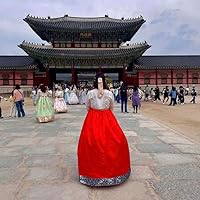
Ha una democrazia solida e vivace, dati economici strabilianti e uno sviluppo tecnologico senza rivali. Miete successi in campo musicale con BTS e Blackpink, e fa man bassa di premi Oscar con i suoi registi e attori migliori. Presenta i problemi tipici delle società tardo capitaliste – la popolazione che invecchia, il conflitto strisciante tra generazioni e classi sociali – ma conserva con orgoglio le sue radici e la sua unicità. È la Corea del Sud, l'ex gambero schiacciato tra la balena cinese e quella giapponese, pedina della Guerra fredda tra due grandi superpotenze, finalmente libera dal giogo coloniale e sopravvissuta anche al conflitto con il Nord. Da gambero a balena offre una panoramica dell'inarrestabile ascesa di una nazione che ora siede al tavolo con le grandi potenze, con un tasso di imprenditorialità fra i più alti a livello globale e un assetto democratico che è andato maturando dopo periodi di repressione e dittatura. Oggi Seoul è senza dubbio la città più in fermento dell'Asia (e forse del mondo), un luogo dove il futuro si scrive attraverso l' la hallyu, l'onda coreana, sta conquistando sempre più seguito e ci riserverà grandi sorprese.
A bear gave birth to Korea, or so the legend goes.
Welcome to non-fiction November, I’ve had this book for a while and whilst I did finish it back in August I never got around to compiling my thoughts and they sat in my notes for too long.
The book covers a range of South Korea’s history with sections dedicated to key times of the countries life from its independence to the rise of K-pop groups in the international market.
I’ve always been intrigued by SK ever since a guy on MySpace introduced me to KPOP sensation Hyuna, bubblepop has lived rent free ever since. So when the opportunity arose to learn more about the birth and rise of the country I couldn’t say no.
There are a lot of topics to cover in the countries short independent history, the war, the armistice followed by the coups right through the rags to riches until we hit BTS and the present day. The history of South Korea reads almost like a fairytale that what once started as a struggling nation with the odds heavily stacked against them (mainly from the North) they have ended up on top after seeing off almost all of the challenges history has thrown at them and what is continuing presently.
Of course there are some truly horrific parts of the countries history especially where the war with the north is concerned with a staggering loss of life. But Pardo still manages to make the country shine.
For anyone interested on life after colonialism and how a country can rise from the ashes I can’t recommend this enough.
There’s a really indepth guide at the back for important references should there be any areas you want to read more on as obviously some aspects are condensed or missed completely but you still get a well rounded history of the South.
The book walked you through how South Korea achieved what they have today. The history of the country is just simply amazing and gave me a good insight/history lesson. Good read.
Siete incuriositi da tutti i nuovi prodotti coreani che arrivano soprattutto nel mondo dell' intrattenimento? Fan della tecnologia coreana? O semplicemente volete conoscere qualcosa del pease del calmo mattino? Questo libro fa per voi. Un saggio politico economico che ripercorre la storia coreana, in particolare del Novecento ma con accenni al passato in modo da orientarsi nei cambiamenti: adatto a un primo approccio, a chi vuole iniziare ad avere coordinare e capire lo sviluppo del paese, se invece si è particolarmente interessati alle questioni di queste sono più in secondo piano proprio per il taglio che l'autore ha deciso di dare ma forma la base per poi approfondirle. Il tipico libro di storia da leggere e consultare e da cui partire per andare a scoprire i dettagli che più ci intrigano, scritto in modo scorrevole, preciso e puntuale
"Da gambero a balena. Corea del Sud, dalla guerra dimenticata al K-pop" di Ramon Pacheco Pardo è un saggio che, per chi ama la Corea, credo sia imprescindibile, nonostante qualche aspetto venga "trascurato" nella narrazione che Pardo fa del "Paese del calmo mattino". Diciamo che il saggio è dedicato agli aspetti socio-culturali ed economico-politici con un focus sulla storia della Corea del Novecento e degli anni Duemila. L'intreccio che Pardo ci regala in queste quasi trecento pagine ci consente di farci un'idea chiara di come la Corea (del Sud) da gambero, sempre a rischio di essere schiacciata tra le balene Cina e Giappone, sia riuscita, sopravvivendo all'occupazione del Giappone, alle dittature che si sono succedute per buona parte del Novecento, alle crisi e alle rivolte/rivoluzioni, a raggiungere lo status di balena, collocandosi ai primi posti in vari indici economico-sociali (per non parlare del punto di vista culturale, con il potentissimo soft power che rappresenta l'hallyu coreana!). Ci sono almeno due temi che avrei preferito Pardo trattasse di più (ma mi rendo pure conto che il "taglio" che l'autore ha dato al saggio è soprattutto di natura socio-economico-politica) o di cui avrei preferito si dedicasse in più ampie digressioni:
1. Un tema attiene alla questione a me cara del mondo LGBTQI+: in un Paese che abbiamo iniziato a conoscere solo recentemente (a confronto di altre nazioni asiatiche a noi note da ben più lungo tempo), un approfondimento sulla comunità LGBTQI+ sarebbe stato bello, tanto più se, come afferma lo stesso Pardo in un passaggio, per suffragare l'idea che i coreani hanno cambiato - o stanno cambiando - mentalità sulla questione, «le opinioni sulla comunità LGBTQ+ si sono a loro volta addolcite, anche se permane una misura di pregiudizio. Nell'ottobre 2014 Park Won-soon divenne il primo politico di un certo livello a sostenere apertamente il matrimonio fra coppie dello stesso sesso. L'anno successivo, con un gesto di capitale importanza, permise al corteo del Festival queer di partire da piazza Seoul, di fronte al municipio», aggiungendo poco dopo: «Nel 2020 oltre la metà dei sudcoreani di età compresa fra i 30 e i 49 anni e quasi l'80% di quelli sotto i 30 concordavano sul fatto che la società dovesse accettare l'omosessualità». 2. La questione, a cui l'autore dedica mezza pagina, della generazione sampo (삼포세대) che designa «i giovani che avevano rinunciato a uscire, a sposarsi e ad avere figli per via della precarietà della propria posizione socio-economica», tanto che, proprio i giovani coreani, sono arrivati a coniare il termine di «Hell Joseon», che ben esprime la sensazione da loro vissuta di non essere adeguatamente considerati dallo Stato.
Al netto delle due considerazioni di cui sopra (che sono squisitamente soggettive), il saggio di Pardo, che è assolutamente godibile, contribuisce a mettere in luce la storia di un Paese che merita di essere conosciuto e che, a ben guardare (e a detta dello stesso autore quando andai a sentirne la presentazione), ha molto da insegnare ad altri Paesi che vorrebbero, come la Corea, divenire balene partendo da una condizione di gambero...
Ottimo saggio che racchiude in poco più di 200 pagine quasi un secolo di storia coreana (si focalizza sul secondo dopoguerra, sì, ma la prima parte passa in rassegna anche i fatti più salienti del primo Novecento). Scritto bene, molto scorrevole e piacevole da leggere, lo consiglio soprattutto a chi non conosce granché della Corea del Sud e vuole un'infarinatura e una panoramica temporale generale sulla sua storia contemporanea.
Good quick intro/overview of south korean history. Was hoping for more thoughtful research or analysis, though; the author never went much beyond “South Korea is cool” (actual quote, repeated many times). Found the political and social analysis in particular to be weak. The author’s painting of a liberalizing country on an inevitable path to gender equality, multiculturalism, lgbtq rights, etc. seemed more like projections of liberal Western values than a shrewd reading of the future for a divided, conflicted Korean society. Would have also liked to see more on the historical development of political institutions, like the chief prosecutor’s office, that continue to exert significant political influence. And on economic points, I wish the author had grappled with the questions surrounding the future of korea’s trade-led growth in an emerging global environment of protectionism, Korean demographic challenges, and great power conflict.
Riguardo la Sud Corea conosco principalmente il K-pop e i drama in tv. Per il resto sapevo molto poco del paese. Questo libro fa un excursus dal 1948 fino al 2023 (con due appendici sul prima) del paese asiatico, parlando delle guerre, delle dittature, delle manifestazioni, dei rapporti con la Nord Corea, della politica e dell'economia che si sono succedute negli anni. Ovviamente è più che altro un'infarinatura ma è un buon testo da cui iniziare! ❤️ In fondo c'è una linea temporale, figure importanti e anche le fonti magari per approfondire l'argomento se interessa. Semplice ma ben fatto ✨
Un ottimo compendio di storia contemporanea della Corea (del Sud), scritta da un accademico sinceramente appassionato del paese.
Essendo pensata come un'introduzione, a tratti si percepisce un affastellamento di eventi, date e nomi su eventi, date e nomi, in particolare dei vari politici che si sono avvicendati al governo, il che potrebbe risultare un po' faticoso da seguire (e ricordare una cinquantina di pagine più in là). Ciononostante le informazioni sono delineate in generale con chiarezza e precisione.
Il punto focale è la comprensione di come sia esploso il fenomeno Corea del Sud, un paese uscito dilaniato e nella più nera miseria dopo l'occupazione giapponese, una guerra mondiale e una guerra civile, e che in poco più di cinquant'anni si è affermato come una potenza economica e ancor più culturale.
A volte l'autore pecca un po' troppo di soggettività - dovuta senz'altro all'ammirazione e al fascino che prova per la Corea - e alcuni degli aspetti più contenziosi sono sì trattati, ma forse avrebbero meritato uno sviluppo ancora maggiore (uno su tutti, la disastrosa misoginia tra i giovani uomini coreani), però è anche comprensibile che altrimenti sarebbe uscito un mattone da 1000 pagine, non 200.
Di certo è un ottimo saggio sia per chi voglia avvicinarsi per la prima volta al tema, sia per chi è già vittima dell'hallyu da un bel po'.
Best juga buku ni. Cuma aku rasa lagi menarik kalau author ni letak sekali glossary terms Korean yang digunakan di akhir buku bagi memudahkan pembacaan dan pemahaman pembaca.
* needed a (better) editor * veel te veel spreektaal en poging om “er iets mooi van te maken”, maar kijk, sommige academici kunnen nu eenmaal enkel academisch schrijven en dat is ok. Embrace it. * er staat soms eens een foutje in, sommige politieke analyses zijn nogal kort door de bocht, soms zijn er wat dingen niet (genoeg) besproken die toch wel misschien best besproken worden * duidelijk een boek gericht naar het bredere publiek, hoewel ik zou het niet aanraden als je 80% van wat er is staat al niet kent want het is nogal chaotisch.
Shrimp to Whale: South Korea from the Forgotten War to K Pop:
The title drew me in on this one. I am always trying to expand my knowledge of people and places and so when The Economist recommended this a few weeks back, I had to read it.
I knew a bit about South Korea going in as I took an East Asian history class in college. I was also lucky enough to visit there in 2019. I knew that South Korea had rapidly developed and modernized, I knew K Pop was big, I like kimchi and Korean BBQ, and I think Parasite is a good film. But that was about it. Admittedly, I probably knew more about North Korea because I, like many, have an odd fascination with that strange and reclusive country.
This book was just published in 2022, so it’s about as up to date as possible. The author is Spaniard who lives in the U.K. and has spent much time, including college, in South Korea. Due to English not being his native language, the book reads a bit like AI wrote it, but I give props to the author nonetheless. This is a solid and well-researched book.
A few things:
-Korean history is long and complex. It dates back thousands of years. I plan on reading more about this.
-The Korean War is forgotten as it happened shortly after WW2 and before the Vietnam War. It was a tragedy of epic magnitude and should be better remembered. I’m glad the free world saved at least half of Korea. I wish we could’ve saved more of Vietnam.
-South Korea was not free until 1988, yet still began rapidly advancing and developing.
-Initially after its founding in 1948, South Korea was poorer than subsaharan Africa. This is astounding and how rapidly and effectively South Korea developed is remarkable. It should not be understated.
-Korean culture. It’s huge. From food, to K Pop, to film, it’s amazing how it came out of no where and is now premier amongst other Asian countries.
In summary, a decent read that was informative and short. It could have had better execution and writing. I learned from this book, and that’s the most important thing to me.
Un libro che contiene un grande universo, quello di uno Stato che è diventato una balena e non si è rassegnato a rimanere gambero. Ho imparato tante cose sulla Corea del Sud, sulla sua storia e sulla sua cultura. Edizione pazzesca, non solo curata esteticamente ma anche all’interno e, essendo un saggio, nella bibliografia.
A Cliff Notes guide to South Korea. A highly enjoyable, readable mix of history, politics, culture, economics, gender studies, and sociology. A true love letter to South Korea. Perhaps not as formal or academic as some might need or want, Shrimp to Whale is an excellent starting point for a novice.
Good overview of South Korean history. Would like a bit more analysis/depth as parts were very simplified but helpful in getting a bit of background knowledge
Solid history of South Korea about as succinct as you could make it. Wish the book had a bit more personality through it but generally sticking to the facts made for an easier read.
I bought this book because I found it cheap, liked the cover, and hoped it would expand my knowledge of a country I know very little about. I'm very glad I picked it up. Not only has it achieved what I hoped (I now have a decent foundation of knowledge about Korean politics and history, rather than just knowing it as the source of Kpop and popular dramas), but it also touched on economics applicable on a wider scale.
I did have one issue with the writing style. It employed a technique I often like in books like this, of switching to the present tense to give the reader a sense of what it was like 'on the ground' at the time of a particular event. Generally this was effective, but it got a little overused and sometimes switched too rapidly between tenses which got confusing.
While the book has a clear bias in favour of modern South Korea, it isn't just a puff piece. The author offers good reasons for their respect and admiration. One thing I found especially notable was the portrayal of the countries more recent politicians. None sound perfect - there still seems to be a degree of corruption and inequality in the ruling class and the ideologies that inform them - but they at least sound competent, and as though they're responding to their public. It seems (from this book at least) that South Korean politicians see themselves as answerable to the public, and keep their dishonesty to a minimum. I don't know if that's accurate, but I hope it is, and I hope Western politicians learn to be the same way. I'm so used to politicians that lie outrageously knowing their media will support them and their voters are too staunch and unshakable to punish them for anything, that reading about politicians who seem to suffer consequences for misjudgement, dishonesty and crime felt like reading a fiction book.
The modern history of Korea is often portrayed in the west as being about the split between (communist) North and (capitalist) South, and since the 1990s attention has been dominated by North Korea’s nuclear programme. This does little justice to the South, the Republic of Korea, which has developed a dynamic wealthy economy and become a cultural powerhouse. So Ramon Pacheco Pardo’s Shrimp to Whale South Korea from the Forgotten War to K-Pop instead focuses just on the south since 1945. The North only rarely intrudes, no doubt how most South Koreans think of the north; a rare unwelcome intrusion into life. Instead we are introduced to the bright lights of a country that is now both economically developed and very cool.
Pros Good introduction to South Korea (ignoring the North) An enthusiastic positive look at the country’s history Short and easy to read while travelling.
Cons Often does not seek to explain or go too in depth, just to describe.
The writing is serviceable, perfectly comprehensible, perhaps a little simple which is good for accessibility. Perhaps the main oddity is that Pardo likes. to. use. very. short. sentences. Ok, ok not that short. But still where many people would put a comma Pardo will use a full stop. Which also contributes to keeping it simple.
Korea may have an immensely long history, but South Korea as a separate entity has a short one. Shrimp to Whale begins in 1945 at the end of the second world war with the defeat of Japan and division between the US, sponsoring the South, and North, sponsored by the USSR. This is the point at which Pardo begins his history, and it goes right through to the modern day (early 2020s).
Being caught in the front lines of the cold war clearly the political developments and international relations play a big part. They are however certainly not all encompassing. Rather Pardo sets out to consider South Korea’s economic rise and also chart cultural developments alongside this economic shift. In terms of the economy as one of the Asian tigers Pardo mostly describes that rise rather than really seeking explanations beyond pointing to the focus on education and the amount of state led development there was. So Shrimp to Whale does not have any kind of thesis - beyond that of charting the transformation from shrimp caught between whales to being a whale with much more room for independent action - it is not that kind of book. This means it feels quite an unbiased retelling of South Korea’s development and entry to the world stage.
Pardo says he has lived in South Korea several times and he clearly has an enthusiasm for the country which shines through in the book. This is a very positive telling, though with such a rise how could it not be? That is not to say that the more grisly side is veiled, not at all. South Korea has had a turbulent history with the Korean war, a significant period of dictatorship, and an economic crisis just as it was coming out into the world in the 1990s. But you always feel with this book like those are simply speedbumps in the road and there is even right from the beginning, when the South is one of the poorest countries on earth, the drive to get to a place in the sun.
If you get lost with Korean names, Pardo includes a list of ‘selected key people’ at the end. There is also a chronology. I guess this would be useful if an event from earlier is mentioned in the text and you can't quite remember what it is.
I read this while in Seoul (the capital) on business. And for that this is very good. It is short and light for carrying. It has lots of short sub chapters making it easy to dip into if only snatching brief periods to read, and it is so up to date it feels very relevant.
I enjoyed this primer on the history of modern South Korea, even if at times it read a little too much like the work of a fan. But then again, I increasingly understand why one might be one. It’s a rather incredible, compressed 50-year story from poverty to prosperity through a hand-in-hand style of economic development between governments and chaebols (plus, from the 1990s onward, startups), from Authoritarianism and Anti-Communism to Democracy and Innovative Capitalism marked by fast iterations and accountability that cuts deep and is served cold (and incredibly often). There are some intriguing parallels with Mainland China, yet an Open Door including also the form of government. I definitely want to read more about this country, which was the first to graduate from aid recipient to donor.
Keywording 1964 - Diplomatic Speed in Normalising Relations with the former Colonial Master, Japan. 1992 when OKRs were phased out. 386 Generation. 3D jobs - Dirty, Difficult, Dangerous. Accountability Express. BTS - 4.65 USD Billions To South korea. Christianity as (US) opposition to Japan (reminds me of Iran adopting Shiism). Change everything but your wife and your children - Samsung style to innovation. Clothes and Toys out, Electronics, Machinery, petrochemicals and shipping in. Convict, then pardon (for "national unity") - Truth and Reconciliation South Korean style? Country loves numbers. Education & Export Led Development stewarded by Park + Clans. From Authoritarianism and Anti-Communism to Democracy and Innovative Capitalism. Gwangju Uprising, the South Korean Tiananmen? Hallyu - the Korean Wave spreading internationally. Hand in Hand Style Economic Development - State & Chaebols. Hard Sciences. Instant Democracy. Italians of East Asia. Jo Jo Joseon Dynasty record. K-CIA to K-Pop. K-CIA director, the presidential assassin out of conviction. Kim-Three. Land of the morning calm. Lipstick Line to Protests, the way to deescalate and show the police works for the people. Marvel-lous Taegukgi. Minjok (ethically defined nationhood) to civic nationalism. Nongshim is noodles. Olympic Coming Out And Torch Carrying Emancipation of Japan vs North Korea's Persepolis sized, 25% of annual country budget devouring Thirteenth Festival of Youth and Students. Red Devil Football Fairytale. Rhee-alpolitician. Rich with Park (until 1979), Yet Hungry For a Voice. Samsung, from grocery trading and textiles to juggernaut (largest inheritance tax bill in history). Sandwiched between lower-cost China and higher-tech Japan - Competitive urge. Symbiosis between government and business vs Ayn Randism.
Forgot how I came across this book, but as someone who doesn't know much about South Korea, does not know a thing about K-Pop, etc. it seemed like a good way to understand the culture/history a little better. I had assumed this would be about certain things South Korea is known for/bits of its history, etc.
It's not. It's really a historical overview from how South Korea came into existence and how it has become the country it is today. From the war to becoming an exporter of things like cheap toys to a technological powerhouse. I suppose my interest had been piqued by the adaptation of 'Pachinko', which follows a 20th century Korean family to Japan, although this book doesn't really cover that aspect.
This was incredibly dull. From the cover I had assumed the book would be a more light-hearted look at major events/things South Korea is known for, rather than a history book. I'm also hesitant on how "good" or "accurate" the book is, given some of the negative reviews that highlight that the author appears to be positively biased, that there is not enough discussion about certain aspects of South Korea's society, etc.
I'm sure there are people would find this informative and maybe it is a better book if you already have some knowledge of South Korea's history? But I do hesitate since the reviews do point to a need for better editing and/or better discussion of culture/sociology/history than what is here.
Personally I would not recommend it based on how there seems to be a general consensus that there needs to be more detail on the history and less about the author's personal feelings about South Korea/pop culture, etc. It was also genuinely difficult to read for a layperson and needed better editing. If you already have some knowledge, though, this might be a good pickup.
Borrowed from the library and that was best for me.
Una magica congiunzione di eventi mi ha permesso di visitare la Corea del Sud l'anno scorso, un paese che sto conoscendo grazie (come sempre) ai libri. Questo paese ha avuto una storia davvero particolare: glorioso regno un tempo, sotto il costante giogo prima della Cina e poi del Giappone, colonia e una successione di dittature.
Ramon Pacheco Pardo condensa in meno di trecento pagine la storia di un paese che da gambero (è diventato la balena che conosciamo: patria del kpop, uno dei grandi dei prodotti di bellezza e skincare, lanciata dal successo di artisti che hanno reso la Corea del Sud uno degli luoghi più "in" da visitare.
Il saggio è scorrevole, si concentra sugli anni dal '900 in poi, lasciando poche pagine alla storia precedente, quindi è da prendere come un saggio su come il soft power coreano è riuscito a sollevare un paese
Sebbene accenni ai problemi che la Corea deve affrontare oggi ho trovato che mancasse di alcuni degli argomenti più hot del periodo come l'insostenibilità di vivere in città, il crollo demografico, i diritti delle persone con disabilità. Quest'ultimo punto in particolare mi riguarda molto e ricordo che quando ero a Seoul era impossibile trovare trovare posti completamente accessibili, mezzi di trasporto inclusi!
Inoltre il gender gap e il riconoscimento dei diritti LGBTQ+ sono appunto solo accennati, eppure la Corea del Sud è in 105sima posizione su 146 del Gender Gap Index nel 2023 e l'omosessualità è ancora tabù, e mi sarei aspettata che questi aspetti fossero più presenti per dare una spinta critica in più e non rimanere sulla superficie.
Tutto sommato è un ottimo saggio con cui conoscere la Corea del Sud, soprattutto i moti di protesta studenteschi e comprendere meglio la situazione attuale.
“Sembra proprio che al mondo la Corea del Sud non basti mai.”
Da gambero a balena è un saggio che racconta quasi un secolo di storia coreana in poco meno di 300 pagine, concentrandosi sugli eventi principali che hanno trasformato la Corea del Sud da gambero, impotente e schiacciato tra le altre superpotenze asiatiche, a balena, una superpotenza in ascesa che sta conquistando mezzo mondo. Quello che mi ha sempre affascinata della storia coreana è proprio il modo in cui in poco tempo la Corea del Sud ha saputo rinnovarsi completamente e arrivare a competere con le superpotenze mondiali. L'autore ha saputo racchiudere molto bene tanti eventi, ovviamente non approfondendoli tutti, ma dando un'infarinatura generale di questo paese che continua a sorprendere. E leggendo questo saggio quello che sorprende forse di più è il modo in cui il popolo coreano ha espresso e continua a esprimere la sua volontà, cambiando la storia del paese. La resilienza, il coraggio e la forza del popolo coreano mi ha sempre sorpresa, ed è incredibile pensare a dove sono arrivati oggi e in un tempo relativamente breve. Ad oggi la Corea del Sud è una superpotenza asiatica, ha un'economia forte, è la patria del K-pop, dalla Corea arriva la Hallyu, l'onda coreana che in pochi anni ha travolto e conquistato mezzo mondo. Resta però ancora un paese unico con una forte identità, fatto di enormi contrasti, problematico per certi versi ma ammantato di un fascino immenso. Lettura preparatoria per me, (ci vediamo molto presto Seoul!) consigliatissimo per chi vuole sapere qualcosa in più sul Paese del calmo mattino.
The Korean translation of this book came out a few weeks ago. It has received very good reviews in the Korean media and social media. So I decided to read it, since I like to see how foreign authors see South Korea.
As it turns out, all the hype is warranted. This is the first time that I've read a book by a foreign author that describes and analyses South Korean history in a way that is both balanced and entertaining. The author avoids the cliches that you can find in other books that spend too much time on secondary issues, and focuses on what is important. Reviews of the book in South Korea have made the point that this is an objective view of the country, without taking sides or being condescending. And that is true. At the same time, the book is clearly geared to the general reader and uses vignettes to make it more lively. This avoids the descriptive tone and complicated jargon that academic books on South Korean history usually take.
I also like that the book gives similar space to different periods in South Korean history. Plus, it covers politics, society, economics and culture very effectively, showing how they influence each other and come together.
I now find myself recommending this book to both South Korean and foreign friends, regardless of whether they already know the history of the country or want to learn about it. This book is for both types of readers.
As of 2020s Korea is a big nation almost in every sector for Asian standard. But I dont have any idea how they developed it (in comparison with China or Japan). Seems that they dont have any history.
But the perspective totally change after reading this book. A history of Korea, the politics, the culture and the wars are beautifully curated by Spaniard and written in English. A complete statement that Korea is globally renowned country.
The book described how the country divided post world war, and become stage for pre-cold war, and how they picking up from there. It also told complete story how a nation can reform from dictatorship to democratic (through series of major uprising and coup). And how a nation solidified themselves via corporation - like Hyundai acquired Kia, development of SM entertainment.
Looking back and seeing them now, now I understand why we might still have hope if we are willing to change as a nation
Un buon libro, un excursus lungo gli anni della formazione di quella che ad oggi é la Corea del Sud, interessante se vuoi approfondire un paese e sopratutto collocarlo negli eventi della storia, dove troppo spesso ci si concentra su pochi attori, marginalizzando il resto del mondo. A tratti un filo prolisso, in altri punti fin troppo superficiale, si sente che é un libro scritto a più riprese e poi assemblato, alcune frasi sono quasi identiche a distanza di 4/5 capitoli. Alla fine ti soddisfa ma lasciandoti dei buchi parecchio importanti, che ti costringono ad attingere dalla bibliografia finale che é enorme, che si ci sta se stai studiando quella materia, ma per puro approfondimento personale non arriva fino in fondo a mio avviso. Ecco tutto Ciao✌🏼🌳
2026 open books challenge: In honor of Rochester’s Sister City partnership with Siheung City, South Korea, read a book set in South Korea or by a South Korean author (nonfiction).
I wanted a nice book about South Korean history, and this was indeed that: a high-level overview of South Korean history from 1948-2023 with an emphasis on politics and economics. It was rather academic and dry, but I did learn something and it wasn't a particularly difficult read. I appreciated the pictures and timeline at the end. Would have liked a glossary for the Korean terms, as I did skim through some parts. Overall, I actually enjoyed the prologue, which covered the history from the earliest recorded to 1948, more than the meat of the book.
Ho letto questo libro praticamente in pochissimi giorni prima del mio viaggio in Corea ed è stato sicuramente molto importante per poter comprendere qualcosa della complessa storia coreana. Pardo compie sicuramente un grande lavoro di sintesi e tocca certamente tutti i punti chiave del novecento. Eppure, qualcosa mi è mancato nella lettura. Forse troppo asettico e didascalico, nomi su nomi, date su date, evento dopo evento, e dopo un po' si aveva la necessità di staccare un po'. Ecco forse è semplicemente un problema di forma, ma nulla toglie che come punto di partenza per interessarsi alla Corea è sicuramente meritevole.
This is the best book I’ve read in recent times, I really love South Korea so I’m a bit biased towards this book. I was really satisfied with the details that the author has brought to the book and those key moments in the recent history of South Korea, a country which is always improving and looking for better ways to position itself within the strange tides of this world. They key for this success are its people, the South Koreans.
A long read (not the most engaging either)... but I expected it. It gives a pretty basic breakdown of South Korea. Not going to lie, it probably could have been shorter with better editing. but 4* are given because it gave me what i was looking for. Which was a general understanding of how the country became what it is today.