

What do you think?

Orthodox Chinese Buddhism: A Contemporary Chan Master's Answers to Common Questions
As a well-known scholar and meditation master—His Holiness the 14th Dalai Lama called him “extremely modest, a true spiritual practitioner of deep and broad learning”—Sheng Yen is uniquely qualified to guide Western seekers into the world of contemporary Chinese Buddhism. Written while the author was secluded in solitary retreat in southern Taiwan, Orthodox Chinese Buddhism provides a wealth of theory and simple, clear guidelines for practicing this increasingly popular form of spirituality. One of the most influential Buddhist books in the Chinese language, the book explores a wide range of subjects, from distinguishing core teachings from outdated cultural norms to bridging the gap between Western and Chinese traditions. In the process, it addresses such questions as “To what extent should Buddhism be Westernized to fit new cultural conditions?” and “Does Westernization necessarily lead to ‘a dumbing down’ of Buddhism?” In addition to the translation of the complete original text, this edition includes new annotations, appendixes, and a glossary designed for the Western reader.
280 pages, Paperback
First published August 7, 2007
About the author
聖嚴法師
158 books11 followers聖嚴法師於1930年出生於江蘇南通,1943年在狼山廣教禪寺出家,1949年從軍跟隨國民政府到了台灣,服役十年後,於東初老人座下再度披剃出家。
◎閉關與留學
小沙彌時期的聖嚴法師,已深深體會到:「佛法是這麼好,可是誤解它的人是那麼多,而真正了解和接受的人是那麼少。」其中的根本原因,在於弘揚佛法的人才太少,因此前往高雄美濃山區閉關六年,之後更遠赴日本東京立正大學深造,於1975年獲得了文學博士學位。
◎從東方到西方
隨後,聖嚴法師應邀赴美弘化,先後擔任美國佛教會董事、副會長,紐約大覺寺住持及駐台譯經院院長。東初老人於1978年圓寂後,聖嚴法師自美返台承繼法務,隔年並應聘為中國文化學院佛學研究所所長及哲學研究所教授,此外也在東吳大學及輔仁大學任教,至此展開了推動佛教高等教育的理想。
因為有感於美國弟子們的求法熱誠,所以於1979年在美國紐約創立「禪中心」,後來擴大遷址更名為「東初禪寺」。此後,聖嚴法師便固定往返美國與台灣兩地弘化,經常在亞洲、美洲、歐洲等地著名學府及佛教社團宣揚佛法,不遺餘力。
籌建法鼓山
1989年,由於中華佛學研究所及農禪寺的各項教育事業、弘法事業以及文化事業推展迅速,場地已經不敷使用,聖嚴法師於是在台北縣金山鄉興建了一座世界性的教育園區——「法鼓山世界佛教教育園區」,具體實踐大學院、大普化、大關懷三大教育,以作為實現「提昇人的品質,建設人間淨土」理念的基地。2005年,園區第一期建設工程完工,並舉辦落成開山大典。
◎普濟的宗教本懷
聖嚴法師以其深厚的禪修經驗、正確的禪修觀念和方法指導東、西方人士修行,每年在亞、美、歐洲等地主持禪七、佛七,為國際知名禪師,尤其著重以現代人的語言和觀點普傳佛法,陸續提出「心靈環保」、「四種環保」、「心五四運動」、「心六倫」等社會運動,提供現代人具體可行的人生觀念與方法。
法師是一位卓越的教育家,除了於1989年創建法鼓山文教禪修體系之外,又相繼創辦「中華佛學研究所」、「僧伽大學」、「法鼓佛教學院」,更積極籌建「法鼓大學」,為佛教教育開闢歷史新頁。
此外,聖嚴法師也是國際佛教學術界知名學者,經常應邀出席各項有關的國際學術會議。自1990年起,每二至三年召開一次中華國際佛學會議,以「佛教傳統與現代社會」為永久主題,集合世界各國傑出的佛學學者集思廣義,務求將佛法應用在現代的社會中。
聖嚴法師更是一位思想家、作家暨宗教家,曾獲台灣《天下》雜誌遴選為「四百年來台灣最具影響力的五十位人士」之一。著作豐富,至今已有中、英、日文著作百餘種,其中有些禪修著作還被翻譯成數十種語文,此外,更先後獲頒中山文藝獎、中山學術獎、總統文化獎及社會各界的諸多獎項。
◎展望與承繼
聖嚴法師為了更進一步推廣文化、教育、弘法及修行等悲願,多次與科技、藝術、文化等各個領域的菁英人士進行對話,乃至與不同的宗教進行合作,其寬闊的胸襟與國際化的視野,深獲海內外各界的肯定。近年來,法師更致力於國際弘化工作,參與國際性會談,促進宗教交流,提倡建立全球性倫理,致力於世界的和平。
2009年2月3日,法師因病圓寂,於2月15日植存於生前所致力推行的「台北縣金山環保生命園區」中,其未完的遺願,將由法鼓山團體持續推動下去。
◎閉關與留學
小沙彌時期的聖嚴法師,已深深體會到:「佛法是這麼好,可是誤解它的人是那麼多,而真正了解和接受的人是那麼少。」其中的根本原因,在於弘揚佛法的人才太少,因此前往高雄美濃山區閉關六年,之後更遠赴日本東京立正大學深造,於1975年獲得了文學博士學位。
◎從東方到西方
隨後,聖嚴法師應邀赴美弘化,先後擔任美國佛教會董事、副會長,紐約大覺寺住持及駐台譯經院院長。東初老人於1978年圓寂後,聖嚴法師自美返台承繼法務,隔年並應聘為中國文化學院佛學研究所所長及哲學研究所教授,此外也在東吳大學及輔仁大學任教,至此展開了推動佛教高等教育的理想。
因為有感於美國弟子們的求法熱誠,所以於1979年在美國紐約創立「禪中心」,後來擴大遷址更名為「東初禪寺」。此後,聖嚴法師便固定往返美國與台灣兩地弘化,經常在亞洲、美洲、歐洲等地著名學府及佛教社團宣揚佛法,不遺餘力。
籌建法鼓山
1989年,由於中華佛學研究所及農禪寺的各項教育事業、弘法事業以及文化事業推展迅速,場地已經不敷使用,聖嚴法師於是在台北縣金山鄉興建了一座世界性的教育園區——「法鼓山世界佛教教育園區」,具體實踐大學院、大普化、大關懷三大教育,以作為實現「提昇人的品質,建設人間淨土」理念的基地。2005年,園區第一期建設工程完工,並舉辦落成開山大典。
◎普濟的宗教本懷
聖嚴法師以其深厚的禪修經驗、正確的禪修觀念和方法指導東、西方人士修行,每年在亞、美、歐洲等地主持禪七、佛七,為國際知名禪師,尤其著重以現代人的語言和觀點普傳佛法,陸續提出「心靈環保」、「四種環保」、「心五四運動」、「心六倫」等社會運動,提供現代人具體可行的人生觀念與方法。
法師是一位卓越的教育家,除了於1989年創建法鼓山文教禪修體系之外,又相繼創辦「中華佛學研究所」、「僧伽大學」、「法鼓佛教學院」,更積極籌建「法鼓大學」,為佛教教育開闢歷史新頁。
此外,聖嚴法師也是國際佛教學術界知名學者,經常應邀出席各項有關的國際學術會議。自1990年起,每二至三年召開一次中華國際佛學會議,以「佛教傳統與現代社會」為永久主題,集合世界各國傑出的佛學學者集思廣義,務求將佛法應用在現代的社會中。
聖嚴法師更是一位思想家、作家暨宗教家,曾獲台灣《天下》雜誌遴選為「四百年來台灣最具影響力的五十位人士」之一。著作豐富,至今已有中、英、日文著作百餘種,其中有些禪修著作還被翻譯成數十種語文,此外,更先後獲頒中山文藝獎、中山學術獎、總統文化獎及社會各界的諸多獎項。
◎展望與承繼
聖嚴法師為了更進一步推廣文化、教育、弘法及修行等悲願,多次與科技、藝術、文化等各個領域的菁英人士進行對話,乃至與不同的宗教進行合作,其寬闊的胸襟與國際化的視野,深獲海內外各界的肯定。近年來,法師更致力於國際弘化工作,參與國際性會談,促進宗教交流,提倡建立全球性倫理,致力於世界的和平。
2009年2月3日,法師因病圓寂,於2月15日植存於生前所致力推行的「台北縣金山環保生命園區」中,其未完的遺願,將由法鼓山團體持續推動下去。
Ratings & Reviews
Friends & Following
Create a free account to discover what your friends think of this book!
Community Reviews
Displaying 1 - 7 of 7 reviews

June 7, 2015
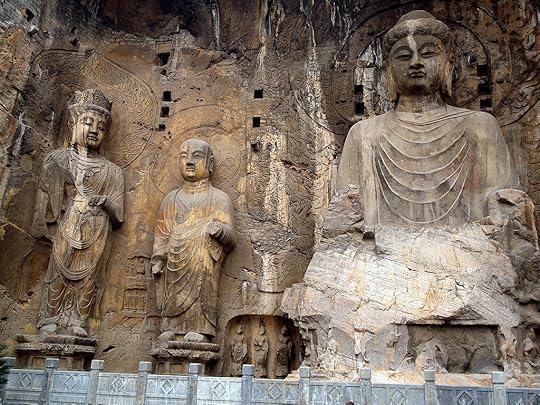
(Tang Dynasty statues of a bodhisattva, an arhat, and Vairocana Buddha. Longmen Grottoes, Henan province, China)
Born in Shanghai (22nd of January 1931) Sheng Yan was ordained a monk at the young age of 12. He enlisted, later on, the Nationalist Army, but found himself being transferred to Taiwan.
He spent most of his time in the Chao Yuan monastery, under Ven Dongshu. He quit the Army in 1960. From 1969 till 1975 he studied in Japan and got a doctoral degree; by 1976 he was in New York.
This book was first published in 1965, but it was written in the retreat of Meinong, south Taiwan, in 1960.
This is a fine way to present Buddhism: in the format of question-answer. It will answer many of your questions; maybe will add some more because, paraphrasing Dzogchen Ponlop Rinpoche, wisdom is to be found in questions, not in answers.
The “skeleton” of the book would be summed up in a few words: concepts, beliefs,practices, philosophy and terminology of Buddhism, and finally, Buddhism and the modern world.
I’ve made a sort of sampling of some of the questions approached.
-Is the Buddha the creator?-no. Buddha is only an instructor.
“If you plant squash you will harvest squash, if you plant beans, you will harvest beans”. [Conduct has consequences]. This is a good phrase to express the concept of Karma.
-Where the world came from? The world is the result of karma (intentional actions) of sentient beings.
-How to explain certain incarnations? Rebirth depends on 3 factors: (1) strong good or evil (performed); (2) habitual tendencies and (3) state of mind at the moment of death. Therefore there are 6 possible “destinies”: (1) deity (2) human (3) asura; these are the 3 higher ones; then there are the low destinies: (4) animal (5) ghost (6) hell-dweller. You can only get to the higher ones if the good karma outweighs the bad karma. It all depends on what’s your performance/observance on the “5 precepts and the 10 good deeds”.
-Does the eternal soul exist? no. [Of course, other religions may contradict this answer; my comment].
-How about worshiping Gods? Buddhists only worship the 3 jewels: (1) the Buddha, (2) Dharma and (3) the Sangha; not spiritual beings.
-What about original sin? Buddhists don’t accept the Christian notion of original sin; infants are not sinful.
-Sakyamuni is the only Buddha? No, there’s an infinite number, in the past, present and the future.
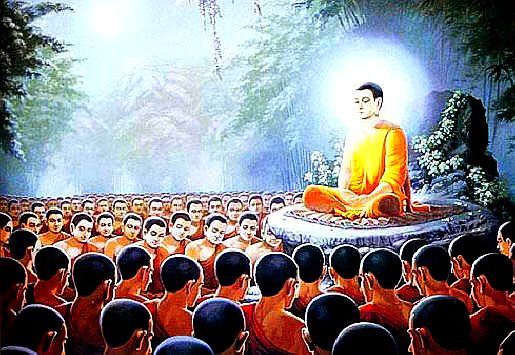
…you may keep on asking.

January 30, 2011
A simple beginner's explanation of traditional Buddhism answering a series of questions, like, "Can a Buddhist divorce?"
October 24, 2023
This book does not necessarily deserve my 2 star rating. I gave it an extra star though because it neatly illustrates the narrow-mindedness, ignorance, and misogyny of Buddhist clergy. The author's arrogance and incapability of logic reasoning however make it hard to read.
May 7, 2020
A collection of responses to answer questions about Buddhism in view of common people and people from other religions, thus sometimes obvious answers got long answers

January 17, 2021
Great book for beginners. Some of my questions were answered by this book, especially on the distinction between different types of Buddhism, and how they differ to Daoism as well as confuciunism. I also enjoyed reading some of the Sakyamuni's stories and quotes, and how Buddhism entered different countries.
It led me to new questions, and motivates me to read more about Buddhism, and also other religious texts for comparison.
The book deepens my respect to Buddhism.
It led me to new questions, and motivates me to read more about Buddhism, and also other religious texts for comparison.
The book deepens my respect to Buddhism.
February 24, 2011
difficult terms of buddhism make it a very dense read...
May 17, 2021
初學佛必看,佛學入門必看
Displaying 1 - 7 of 7 reviews