In recent months, I've had what I can only describe as an existential crisis related to overwhelming and historical forces that seemed to be conspiring against the future of humanity. Luckily, a small portion of that anxiety has abated with the arrival of a new administration, however, if the last four years have taught me nothing else, they've served as a potent reminder of how hate and violence have been slowly simmering in a certain portion of the population until it could no longer be contained, and exploded in a geyser of chaos on our Capital building. A violence that was pure and ferocious and terrifying, more so because it suggested a certain kind of chaos and anarchy previously reserved for zombie and other dystopia-themed novels about the breakdown of society. Anyway, this ramble is totally unrelated unless you consider it as a reminder of how historically fucked-up people have acted to one another in the name of political superiority, and how it can leave a lasting legacy of trauma (Ex: Native Americans and slavery to name a few).
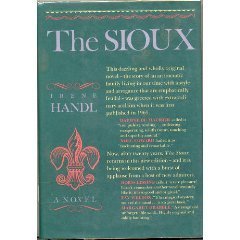
So, building on that theme, this book presents a dysfunctional French family who embody all the terrible qualities we attribute to people whose own wealth has corrupted their morals. Lovely people, they've also shamelessly cribbed the Native American tribal name Sioux as a reference to their familial “tribe.” Charming. Having earned their millions via the slave trade, the Benoirs are living a decadent, wacky, rich-person lifestyle complete with pet monkeys, servants galore, and daily 7-course meals, spread out among Paris and New Orleans. This fun is all tempered by one of the the most intensely disturbing characters I believe I've ever come across in my reading, Marguerite Benoir, the thrice-married matriarch whose previous marriage, to her cousin, produced a child, Georges, who is dying of the leukemia that runs rampant through their bloodline. VC Andrews anyone? Marguerite is so unabashedly repulsive, cruel, and sadistic it's probably generous to call her human at all, a possible vestige of the family's enthusiastic embrace of the casual cruelties of buying and selling human beings for a living. In between smothering her child with the kind of overbearing attention she believes his invalid status requires, she devotes nearly every second of her dying child's waking hours to criticizing everything he says and does while simultaneously restricting his every movement, all while being completely oblivious to the effect on him. Eventually, there is a violent standoff between Marguerite and Georges involving a soupir d'amour—a whip previously used for slaves that makes a sound eerily reminiscent of someone sighing over their love interest, a horrible detail I wish I could forget—that I wondered if this woman was literally possessed by a demon.
This book is so over-the-top and ridiculous in its depiction of pomposity and arrogance it's hard to say whether the author—a well-known English actress—was merely skewering the rich to make a work of satire or was simply creating an entertaining, albeit horrific, work of fiction. Which brings me to why I actually liked this book; it's possibly one of the most outrageous and original stories I've read in awhile. Despite the fact that it's told almost entirely in an English-French hybrid dialogue for which I was Googling furiously, I felt completely absorbed in this suffocatingly small Southern Gothic, humid, insular household hermitically sealed off from the world like a bad cult. Escapism, particularly during a pandemic, can be a powerful diversion, and I succumbed to it, hook, line, and sinker.