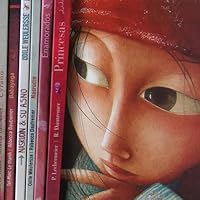
Paradies verloren ist die Geschichte vom biblischen Sündenfall. Ab dem ersten Vers strebt dieses spiegelbildlich zweigeteilte Epos in zwölf Büchern dem Akt des ersten Ungehorsams zu. Wird im ersten Teil vom Zustand vor der Erschaffung der Welt erzählt und in einer Rückschau vom Geschehen, das zu Satans Sturz führte, so wird im zweiten Teil von den Ereignissen berichtet, die zum Fall der Menschen führen, und in einer Vorschau von der Geschichte nach dem Sündenfall. In heiterer Aufbruchstimmung werden Adam und Eva in eine Welt losziehen, die vom freien Willen bestimmt ist.
John Milton, der seine Dichtung nicht nur neben die Schöpfungsgeschichte stellte, sondern diese auch zu korrigieren wagte, will göttliche Vorsehung begrü Aus Bösem entsteht Gutes. Er bricht in seinem großen Gesang mit allen Regeln seiner Zeit, lässt vertrauten Satzbau und alle »Fron des Reimens« hinter sich. Der Held mit perfidem Plan heißt zunä Satan, der Widersacher mit inzestuöser Familiengeschichte, personifiziert in Sünde und Tod und in seinem Gefolge Moloch, Belial, Mammon, Beelzebub. Miltons Satan ist ein tragischer und deshalb sympathischer Held voller Selbstzweifel, der mit seinem Engelsheer heroisch gegen die göttliche Tyrannei rebelliert und durchs Chaos reist, um sein schlangenlistiges Verführungswerk zu vollführen. Paradies verloren.
People best know John Milton, English scholar, for Paradise Lost, the epic poem of 1667 and an account of fall of humanity from grace.
Beelzebub, one fallen angel in Paradise Lost, of John Milton, lay in power next to Satan.
Belial, one fallen angel, rebelled against God in Paradise Lost of John Milton.
John Milton, polemicist, man of letters, served the civil Commonwealth under Oliver Cromwell. He wrote in blank verse at a time of religious flux and political upheaval.
Prose of John Milton reflects deep personal convictions, a passion for freedom and self-determination, and the urgent issues and political turbulence of his day. He wrote in Latin, Greek, and Italian and achieved international renown within his lifetime, and his celebrated Areopagitica (1644) in condemnation of censorship before publication among most influential and impassioned defenses of free speech and the press of history.
William Hayley in biography of 1796 called and generally regarded John Milton, the "greatest ... author," "as one of the preeminent writers in the ... language," though since his death, critical reception oscillated often on his republicanism in the centuries. Samuel Johnson praised, "with respect to design may claim the first place, and with respect to performance, the second, among the productions of the ... mind," though he, a Tory and recipient of royal patronage, described politics of Milton, an "acrimonious and surly republican."
Because of his republicanism, centuries of British partisanship subjected John Milton.
Ein Klassiker mit sprachlich herrlichen Stellen, wunderbar schlüssig kommentiert. Mir gefallen die Bücher 1-6 besser als die zweite Hälfte, denn die erzählen Satans Aufstand und seine Vertreibung aus dem Himmel. Die zweite Hälfte behandelt dann der Sündenfall Adams und Evas und seine Folgen für die Menschheit.