

What do you think?

The One Who Did Not Ask: (Dastak Naa Do
For rash, awkward Gaythi, there is always something amiss. Daughter of an extensive, wealthy, Muslim upper-class family in pre-partition India, she is expected to be demure, to have poise and to grow willingly into the roles of mother and wife. Gaythi does not know what she wants, but she is not keen to settle. A series of tragic and unexpected events suddenly threaten to split her home as well as her country. Exile follows, and Gaythi is forced to assume responsibility for her arrogant and powerful mother. Touchingly and with carefully observed detail, Altaf Fatima describes the impact of change on the lives of an entire people.
334 pages, Paperback
First published January 1, 1964
About the author
Altaf Fatima
19 books23 followersAltaf Fatima (born 1927 in Lucknow, British India) was an Urdu novelist, short-story writer, and teacher (specializing in Muhammad Iqbal). Her novel Dastak Na Do ("Do not knock") is regarded as one of the defining works in the Urdu language. An adaptation was presented on Pakistan television and an abridged translation was serialised by the Karachi monthly, Herald.
Altaf Fatima was the second of four children born in a Muslim household in Lucknow, India, to Mohammad Fazle Amin and his wife Mumtaz Jahan.
She was living in Lahore, Pakistan at the end of her life, to where she had retired as a professor of Urdu, but continued her literary work.
Altaf Fatima's novel Dastak Na Do has been translated into English by Rukhsana Ahmed.
Altaf Fatima was the second of four children born in a Muslim household in Lucknow, India, to Mohammad Fazle Amin and his wife Mumtaz Jahan.
She was living in Lahore, Pakistan at the end of her life, to where she had retired as a professor of Urdu, but continued her literary work.
Altaf Fatima's novel Dastak Na Do has been translated into English by Rukhsana Ahmed.
Ratings & Reviews
Friends & Following
Create a free account to discover what your friends think of this book!
Community Reviews
Displaying 1 - 30 of 42 reviews

February 19, 2017
دوسروں کو جان لينا دانائ ہے
ليکن اپنی حقيقت سے باخبر ہونا روشن ضميری کی دليل ہے
انسانوں کو زير کرنے والے کو غالب کہا جاتا ہے
مگر نفس امّارہ کو مغلوب کرنے والا
درحقيقت قوی و قادر کہلانے کا مستحق ہے
Dastak Na Do (Don’t Knock) is a sweet and poignant family saga that spans approximately a decade, mostly in the years before the division of the sub-continent and a few years after. The family in question is Jahangir Mirza’s, a landlord, and his five children; Shehryaar, Saulat, Bakhtyaar, Arjumand and Geeti, the main character.
It’s just one of those tales you could read forever, simple, delightful, lyrical and hypnotic. The old Urdu dialect is refreshing and amusing to read. I feel like comparing this to The Bear and the Nightingale. The two books are similar in more than one way. They’re both slow-moving; time passes gradually and gracefully. Both focus on family relationships and family life with little emphasis on romance. The heads of family in both books are adorable and caring landlords who are also wonderful fathers, the protagonist has loving and understanding brothers and most important of all, they both are the coming of age story of a headstrong girl, Bear and the Nightingale’s Vasya to Dastak Na Do’s Geeti Aara.
Like Vasya, Geeti is one of a kind, a girl different in her way of thinking and behavior from the people around her. She’s confident, honest, speaks her mind, is under constant scrutiny because of her otherness. Not necessarily having a beautiful face but a beautiful and kind heart. Geeti, like Vasya, was immensely likeable and worth rooting for. Safdar Yaseen, also known as Liu Cho, a Chinese native who comes to Pakistan to earn and provide for his family, is another pivotal character in the story. He was the only one who ever truly understood Geeti besides, perhaps, her father. Theirs was the most interesting dynamic in the book.
My OTP didn’t happen and that is the only thing that upset me. Geeti’s unexpected choice of a partner was…sad, not unlike her but sad all the same. The epilogue was bittersweet as epilogues usually are.
Dastak Na Do was a lovely and impactful book, one that I solemnly vow I’ll never forget.
ايک غمزدہ انسان جب اور بھی غمزدہ ہو جاتا ہے تو دلوں سے اس کے غم کا احترام بھی اٹھ جاتا ہے۔ وہ اس کے غم کے احساس کو بھی کھو ديتے ہيں۔
October 10, 2013
I could go on and onnn in this review keeping in view the fact that much of my 9th grade was spent discussing this novel in First Language Urdu, but I won't. This was the second Urdu novel that I read and after this very few have followed thus I'm in no position to discuss the intricacies of Urdu Literature but I will praise this book and author where it is deserved, and deserve it does.
Altaf Fatima has pulled off a glaringly realistic look at the norms prevailing in our part of the world and in human nature in general. Seeing that this book is set around the time of partition, it also gives glimpses into those times and also of foreign land, China. Ironically, China seems to have come out of its many problems that plagued it at that time while we are still languishing in ours.
I read this book three times, at first it came off as excessively long, at the second time things kept peeking out of the story urging me to look deeper and third time I literally drowned. At last I could see the many things Altaf Fatima had made painfully true and endearing to the reader. And that's when I truly realized the meaning of the title, and boy was I blown? Chinaman is the best, and most real character and... and.. my vocabulary fails me. You just have to read and understand it to know.
The book looks at things through Gaiti's character, who makes the first impression as an unfearing and complicated girl but by the end the realities of life leave her just as vulnerable as anyone else. There are a number of characters who's rise and downfalls in life are shown mostly concerning Gaiti's family and people she meets as her life story proceeds. And Chinaman the other central character is our window to the foreign land and the voice of sense in Gaiti's life and the one who has to sacrifice because of the burden of life on his young shoulders. And his hesitance.
Is it possible to go to the depths of most of the characters in one book and still be able to express it truly and beautifully? Altaf Fatima does just that and this is one of the things makes Dastak na do so real. I might not have read much Urdu literature but plenty of poetry I have, both ghazal and nazm and have come to the conclusion that the range of expression in Urdu is simple extraordinary. Sadly today, we are butchering this beautiful language.
The story is quite overwhelming at the beginning (and this is not the first fifty pages. This is the first two hundred pages) and I found myself wondering what does the author intend to do with all these stray strands? Altaf Fatima weaves everything into a single rosary of pearls. Literally. You might think as I did, that how will the author be able to pull off an ending as good as the story the whole book was, but she does and it is the smoothest, simplest and most profound I have ever read!
There is no other way to put it, it's just beautiful. Everyone should read this story, it's not just a literary masterpiece, it's a compilation of life.
Altaf Fatima has pulled off a glaringly realistic look at the norms prevailing in our part of the world and in human nature in general. Seeing that this book is set around the time of partition, it also gives glimpses into those times and also of foreign land, China. Ironically, China seems to have come out of its many problems that plagued it at that time while we are still languishing in ours.
I read this book three times, at first it came off as excessively long, at the second time things kept peeking out of the story urging me to look deeper and third time I literally drowned. At last I could see the many things Altaf Fatima had made painfully true and endearing to the reader. And that's when I truly realized the meaning of the title, and boy was I blown? Chinaman is the best, and most real character and... and.. my vocabulary fails me. You just have to read and understand it to know.
The book looks at things through Gaiti's character, who makes the first impression as an unfearing and complicated girl but by the end the realities of life leave her just as vulnerable as anyone else. There are a number of characters who's rise and downfalls in life are shown mostly concerning Gaiti's family and people she meets as her life story proceeds. And Chinaman the other central character is our window to the foreign land and the voice of sense in Gaiti's life and the one who has to sacrifice because of the burden of life on his young shoulders. And his hesitance.
Is it possible to go to the depths of most of the characters in one book and still be able to express it truly and beautifully? Altaf Fatima does just that and this is one of the things makes Dastak na do so real. I might not have read much Urdu literature but plenty of poetry I have, both ghazal and nazm and have come to the conclusion that the range of expression in Urdu is simple extraordinary. Sadly today, we are butchering this beautiful language.
The story is quite overwhelming at the beginning (and this is not the first fifty pages. This is the first two hundred pages) and I found myself wondering what does the author intend to do with all these stray strands? Altaf Fatima weaves everything into a single rosary of pearls. Literally. You might think as I did, that how will the author be able to pull off an ending as good as the story the whole book was, but she does and it is the smoothest, simplest and most profound I have ever read!
There is no other way to put it, it's just beautiful. Everyone should read this story, it's not just a literary masterpiece, it's a compilation of life.

May 4, 2017
اچھی کتاب بھی کیا بُری شے ہے۔
یہ ادھار لیا ہوا جملہ ہے کیونکہ فی الحال میں اس کتاب کے ٹرانس میں ہوں اور کچھ موزوں سوجھ نہیں رہا۔ ایک شناسا نے صحیح کہا کہ الطاف فاطمہ کا نام اتنے مجرمانہ حد تک کیوں گمنام ہے۔ اس کی وجہ شاید یہ ہو کہ مذکورا ناول اپنے وقت سے بہت پہلے لکھ دیا گیا ہے۔ کہا جاتا ہے اردو میں اچھے ناولز کی کمی ہے۔ ۔ ۔ ہوگی، مگر کہنے والے نے 'دستک نہ دو' پڑھا ہوگا یا نہیں، یہ کہنا مشکل ہے۔
ایک بھرا پُرا خاندان، خاندان میں ایک امیر کبیر گھرانہ اور اس گھرانے کے گرد بُنا یہ جال۔ ۔ ۔ جس میں قاری پھنسے تو دل کرتا ہے رہائی نہ ہو۔
تمام کردار ہماری اپنی کمزوریوں کے عکاس۔ ۔ ۔ مرکزی کردار گیتی اور اماں بیگم تو یوں سمجھیں کہ ہر گھر میں پائے جاتے ہیں۔ اور جس فطری انداز سے کرداروں کی اٹھان کرکے انجام تک لایا گیا ہے وہ پڑھنے والے کا درِ دل وا نہ بھی کرے تو اس پر دستک ضرور دے گا۔
اور کہانی کی زبان۔ ۔ ۔ دلّی کی زبان کہتے ہیں سات نسلوں بعد جاکر نصیب ہوتی ہے۔ ۔ ۔ اس زبان کا پرتو ہلکا ہلکا اس کتاب میں ملتا ہے۔ اور اردو سے تو ہمیں ویسے بھی محبت ہے چہ جائیکہ اہل زبان کی اردو۔
قیام پاکستان سے پہلے کی اور خالصتاً دیسی منظر نگاری ۔ ۔ ۔ پہاڑ کا دامن۔ بڑی حویلی۔ اس کے گرد کنواں، اس میں چھپ چھپ چلتی مشین، ایک چھپر اور باغ۔ مولسری، ہار سنگھار، چمپا اور کمرخ کے پیڑ۔ بیلا، گلاب، چنبیلی کی بیلیں اور برکھا رُت۔ ایسے دل کش مناظر کہ چشمِ خیال مبہوت رہ جائے۔
آغاز میں مجھے لگا تھا کہ یہ ناول بہت طویل ہے۔ جب اختتام پر پہنچا تو ملال ہوا کہ ختم کیوں ہورہا ہے۔ اور طویل کیوں نہیں ہو سکتا تھا۔ ۔ ۔ ادب کے شوقین ہر قاری کو اسے خود پر لازم کرنا چاہیئے۔
یہ ادھار لیا ہوا جملہ ہے کیونکہ فی الحال میں اس کتاب کے ٹرانس میں ہوں اور کچھ موزوں سوجھ نہیں رہا۔ ایک شناسا نے صحیح کہا کہ الطاف فاطمہ کا نام اتنے مجرمانہ حد تک کیوں گمنام ہے۔ اس کی وجہ شاید یہ ہو کہ مذکورا ناول اپنے وقت سے بہت پہلے لکھ دیا گیا ہے۔ کہا جاتا ہے اردو میں اچھے ناولز کی کمی ہے۔ ۔ ۔ ہوگی، مگر کہنے والے نے 'دستک نہ دو' پڑھا ہوگا یا نہیں، یہ کہنا مشکل ہے۔
ایک بھرا پُرا خاندان، خاندان میں ایک امیر کبیر گھرانہ اور اس گھرانے کے گرد بُنا یہ جال۔ ۔ ۔ جس میں قاری پھنسے تو دل کرتا ہے رہائی نہ ہو۔
تمام کردار ہماری اپنی کمزوریوں کے عکاس۔ ۔ ۔ مرکزی کردار گیتی اور اماں بیگم تو یوں سمجھیں کہ ہر گھر میں پائے جاتے ہیں۔ اور جس فطری انداز سے کرداروں کی اٹھان کرکے انجام تک لایا گیا ہے وہ پڑھنے والے کا درِ دل وا نہ بھی کرے تو اس پر دستک ضرور دے گا۔
اور کہانی کی زبان۔ ۔ ۔ دلّی کی زبان کہتے ہیں سات نسلوں بعد جاکر نصیب ہوتی ہے۔ ۔ ۔ اس زبان کا پرتو ہلکا ہلکا اس کتاب میں ملتا ہے۔ اور اردو سے تو ہمیں ویسے بھی محبت ہے چہ جائیکہ اہل زبان کی اردو۔
قیام پاکستان سے پہلے کی اور خالصتاً دیسی منظر نگاری ۔ ۔ ۔ پہاڑ کا دامن۔ بڑی حویلی۔ اس کے گرد کنواں، اس میں چھپ چھپ چلتی مشین، ایک چھپر اور باغ۔ مولسری، ہار سنگھار، چمپا اور کمرخ کے پیڑ۔ بیلا، گلاب، چنبیلی کی بیلیں اور برکھا رُت۔ ایسے دل کش مناظر کہ چشمِ خیال مبہوت رہ جائے۔
آغاز میں مجھے لگا تھا کہ یہ ناول بہت طویل ہے۔ جب اختتام پر پہنچا تو ملال ہوا کہ ختم کیوں ہورہا ہے۔ اور طویل کیوں نہیں ہو سکتا تھا۔ ۔ ۔ ادب کے شوقین ہر قاری کو اسے خود پر لازم کرنا چاہیئے۔

September 14, 2022
At the outset and in early parts of this deeply poignant and moving novel there is certain magical wistfulness and nostalgia of childhood that reminded me immediately of To Kill a Mocking Bird. It is a fleeting impression but a heartwarming one. Later I learnt of Altaf Fatima's translation of Harper Lee's classic and could therefore imagine it having an impact on her - such complex and multifarious influences and inspirations eventually formulate any author's work. Whatever her other impressions and inspirations, her 1965 classic and bestseller Dastak Na Do is a distinctive and original work in Urdu at multiple levels.
The novel's foremost achievement to my mind is how it brilliantly explores alienation at multiple levels - not just race, religion, class and social position but also alienation because of being different from the mainstream and due to not abiding by societal modes of defining and controlling individuals. The most charming and memorable theme of the book is embedded in the characters of and relationship between Safdar Yasin Lao Cho - a young Chinese Muslim migrant worker settled in Hindustan - and Gaiti Ara Begum - a lively, effervescent and determined child of a privileged and refined Indian Muslim family.
Safdar works in leather and also peddles Chinese handicrafts from house to house on his bicycle, shouting Chinaman Chinaman (and hailed by young Gaiti as Chin Chin Chinaman). At the same time, he is a deeply sensitive, reflective and artistic young man with a philosophical bent. He finds in the child Gaiti's Chinese features nostalgia for home and in her open, friendly and mischievous manner an invitation for an innocent, playful relationship that transcends their many differences and divides. She, suffering from the exactitude of an over-disciplining and aloof mother, finds in him an indulgent, witty and interestingly different individual who provides entertainment and solace. As they grow older this unique human bond between two people of different age, ethnicity, class and nationality outlasts the turbulent years and consequent changes in their lives. Time and again she finds him to be a non judgmental listener, sympathetic supporter, and someone in whose presence she can unburden herself with her usual candor and irreverence. Safdar finds inspiration and comfort in Chinese art and philosophy, in particular the works of Lao Tzu - a significant underlying message of which is how the bond of humanity unites us all despite and beyond all divides.
At the same time, Dastak Na Do is a richly imagined and deeply sensitive study of close-knit and extended families of the first half of the 20th century, steeped in traditional UP culture and revolves around the themes of pressures of marriage, parental control of children's lives, the paucity of choices for young women of the time even in educated households, and cataclysmic larger events upending the lives and fortunes of people. Altaf Fatima wrote a fluid, idiomatic, aesthetic prose that is strong on dialogues carrying the flavor of the colloquial. Her characters are brilliantly drawn, especially the personality differences of Gaiti, her twin sister Arjumand, her older sister Saulat, her disciplinarian and worldly ambitious mother Amman Begum, and her handsome, refined, genial and kind father Abba Mian, as well as multiple other important characters. She strikes a great balance between the authorial narrative voice and those of her characters, to provide multiple vantage points to examine them. She deftly traces also how time and pressures change people, how relationships weaken, strengthen or take on new forms, and how events lie both within our control and far beyond - though it is hard to escape from the trajectories that we are launched on in crucial stages of our lives.
Young romance, unrequited love, compromise marriages, marriages thwarted by families, marriages to rise in the world, marriages of convenience, jealousies and resentments triggered by those spurned in love and marriage, appearances versus actual personalities, differing notions of beauty - these form the focal points of the novel, against the backdrop of an entire culture and civilization and its normative framework endeavoring to survive, even as the world surrounding it is changing. At times there is resonance also with Junichiro Tanizaki's similarly adroit tackling of such themes in his brilliant novel The Makioka Sisters.
Large and complex joint family systems and the largesse, support and hospitality they provided to the more destitute and vulnerable in the family and those associated with it in any way, even if the connection was remote, as well as a gallant and chivalrous old world etiquette of caring for others (Rakh Rakhao) is beautifully depicted. It epitomizes in particular in Gaiti's father's and grandmother's approach to the world. The novel also highlights a syncretic socio-cultural milieu where religion doesn't divide as much as it does later, but one that faces great tensions as the rupture of the country approaches. A significant additional theme of Dastak Na Do is the psychological and emotional strain faced by women when forced and pressured to make choices against their wills - it manifests very differently in the three sisters Gaiti, Arjumand and Saulat and ends up changing all of them as well their mother, who in her dotage regrets her single-minded endeavors to chart out and control their lives.
Gaiti feels progressively alienated from her family, even as she belatedly learns to forgive, sacrifice and come to the aid of those who alienated her. Safdar Yaseen misses home, toils to make a living and send money to his poor family, and feels alienated at multiple levels in his new abode. Art, literature and poetry are frequently their escapes in such low moments. I liked the fact that Gaiti's personality progression and journey through life was never seen or shown to be determined by a certain moral lesson or principle that the author wanted to assert. It appears realistic, natural and unpredictable - both triumphant and defeated, both wiser and unsure - as life itself usually is.
"Do not Knock. And access itself will come to you," is Lao Tzu's lesson that Safdar Yasin Lao Cho believes in and follows all his life. There is a deep sadness that permeates the books in the closing chapters. A sadness that stay with you as one can imagine multiple lives that were unfulfilled and unhappy because they were thwarted in various ways - by accidents of birth, social norms, hierarchies and suppression of individual will. But then as Lao Tzu also says and Safdar pays heed to: "The ascetic lives in the world in peace and happiness. To the ascetic all those who dwell in the world are inhabitants of the same habitation. The city of the heart. They are all his children."
The edition I have is a 1976 edition with a very bold script that makes reading even more pleasurable. Subsequent editions have been far from aesthetic. I am privileged also to have met Altaf Fatima a few times and my volume carries her signature and a word of prayer. The gentleness, dignity and sensitivity that characterized her as a person, permeates also her prose. This is one of the finest novels in the language. In Gaiti Ara & Safdar Yaseen Lao Cho we have two timeless characters in literature and Dastak Na Do remains a wonderful testament to the universal bond between all humans, no matter how outwardly different.
The novel's foremost achievement to my mind is how it brilliantly explores alienation at multiple levels - not just race, religion, class and social position but also alienation because of being different from the mainstream and due to not abiding by societal modes of defining and controlling individuals. The most charming and memorable theme of the book is embedded in the characters of and relationship between Safdar Yasin Lao Cho - a young Chinese Muslim migrant worker settled in Hindustan - and Gaiti Ara Begum - a lively, effervescent and determined child of a privileged and refined Indian Muslim family.
Safdar works in leather and also peddles Chinese handicrafts from house to house on his bicycle, shouting Chinaman Chinaman (and hailed by young Gaiti as Chin Chin Chinaman). At the same time, he is a deeply sensitive, reflective and artistic young man with a philosophical bent. He finds in the child Gaiti's Chinese features nostalgia for home and in her open, friendly and mischievous manner an invitation for an innocent, playful relationship that transcends their many differences and divides. She, suffering from the exactitude of an over-disciplining and aloof mother, finds in him an indulgent, witty and interestingly different individual who provides entertainment and solace. As they grow older this unique human bond between two people of different age, ethnicity, class and nationality outlasts the turbulent years and consequent changes in their lives. Time and again she finds him to be a non judgmental listener, sympathetic supporter, and someone in whose presence she can unburden herself with her usual candor and irreverence. Safdar finds inspiration and comfort in Chinese art and philosophy, in particular the works of Lao Tzu - a significant underlying message of which is how the bond of humanity unites us all despite and beyond all divides.
At the same time, Dastak Na Do is a richly imagined and deeply sensitive study of close-knit and extended families of the first half of the 20th century, steeped in traditional UP culture and revolves around the themes of pressures of marriage, parental control of children's lives, the paucity of choices for young women of the time even in educated households, and cataclysmic larger events upending the lives and fortunes of people. Altaf Fatima wrote a fluid, idiomatic, aesthetic prose that is strong on dialogues carrying the flavor of the colloquial. Her characters are brilliantly drawn, especially the personality differences of Gaiti, her twin sister Arjumand, her older sister Saulat, her disciplinarian and worldly ambitious mother Amman Begum, and her handsome, refined, genial and kind father Abba Mian, as well as multiple other important characters. She strikes a great balance between the authorial narrative voice and those of her characters, to provide multiple vantage points to examine them. She deftly traces also how time and pressures change people, how relationships weaken, strengthen or take on new forms, and how events lie both within our control and far beyond - though it is hard to escape from the trajectories that we are launched on in crucial stages of our lives.
Young romance, unrequited love, compromise marriages, marriages thwarted by families, marriages to rise in the world, marriages of convenience, jealousies and resentments triggered by those spurned in love and marriage, appearances versus actual personalities, differing notions of beauty - these form the focal points of the novel, against the backdrop of an entire culture and civilization and its normative framework endeavoring to survive, even as the world surrounding it is changing. At times there is resonance also with Junichiro Tanizaki's similarly adroit tackling of such themes in his brilliant novel The Makioka Sisters.
Large and complex joint family systems and the largesse, support and hospitality they provided to the more destitute and vulnerable in the family and those associated with it in any way, even if the connection was remote, as well as a gallant and chivalrous old world etiquette of caring for others (Rakh Rakhao) is beautifully depicted. It epitomizes in particular in Gaiti's father's and grandmother's approach to the world. The novel also highlights a syncretic socio-cultural milieu where religion doesn't divide as much as it does later, but one that faces great tensions as the rupture of the country approaches. A significant additional theme of Dastak Na Do is the psychological and emotional strain faced by women when forced and pressured to make choices against their wills - it manifests very differently in the three sisters Gaiti, Arjumand and Saulat and ends up changing all of them as well their mother, who in her dotage regrets her single-minded endeavors to chart out and control their lives.
Gaiti feels progressively alienated from her family, even as she belatedly learns to forgive, sacrifice and come to the aid of those who alienated her. Safdar Yaseen misses home, toils to make a living and send money to his poor family, and feels alienated at multiple levels in his new abode. Art, literature and poetry are frequently their escapes in such low moments. I liked the fact that Gaiti's personality progression and journey through life was never seen or shown to be determined by a certain moral lesson or principle that the author wanted to assert. It appears realistic, natural and unpredictable - both triumphant and defeated, both wiser and unsure - as life itself usually is.
"Do not Knock. And access itself will come to you," is Lao Tzu's lesson that Safdar Yasin Lao Cho believes in and follows all his life. There is a deep sadness that permeates the books in the closing chapters. A sadness that stay with you as one can imagine multiple lives that were unfulfilled and unhappy because they were thwarted in various ways - by accidents of birth, social norms, hierarchies and suppression of individual will. But then as Lao Tzu also says and Safdar pays heed to: "The ascetic lives in the world in peace and happiness. To the ascetic all those who dwell in the world are inhabitants of the same habitation. The city of the heart. They are all his children."
The edition I have is a 1976 edition with a very bold script that makes reading even more pleasurable. Subsequent editions have been far from aesthetic. I am privileged also to have met Altaf Fatima a few times and my volume carries her signature and a word of prayer. The gentleness, dignity and sensitivity that characterized her as a person, permeates also her prose. This is one of the finest novels in the language. In Gaiti Ara & Safdar Yaseen Lao Cho we have two timeless characters in literature and Dastak Na Do remains a wonderful testament to the universal bond between all humans, no matter how outwardly different.
May 26, 2018
"انسان کسی پتھر کا جامد ٹکڑا تو نہیں کہ بدلے ہی نہیں۔"
Dastak Na Dou was my first ever Urdu novel and I'm so deeply moved by it.
The story centres around Geeti, a Muslim girl belonging to an upper class family in the Indian Sub-Continent. The best part about this book, however, is that Geeti, despite being the main character, is not the only significant one. Each and every character in this book is unique and important. It was fascinating to read about so many different people.
I will call this book a journey, considering that I took 4 months to finish it (I had a huge break in between due to exams) but when I was finally nearing the end, I realized I didn't want to finish it. There were instances throughout the book that made me laugh, and instances that made me cry. It's a wonderful outlook on life before and after the Independence (1947) and on family, love and relationships.
My favourite aspect is Geeti's and Safdar's (China Man) friendship; it was beautiful!
Moving on to the ending, I am not sure how I feel about it. It made me cry, that's definite. It was also totally unexpected (expectations lead to disappointments, never expect too much!) I am not saying that it was a bad ending,I just didn't like it.
This is why:
I was never one for Urdu books, but after reading Dastak Na Dou, I realized how beautiful Urdu actually is.
Dastak Na Dou was my first ever Urdu novel and I'm so deeply moved by it.
The story centres around Geeti, a Muslim girl belonging to an upper class family in the Indian Sub-Continent. The best part about this book, however, is that Geeti, despite being the main character, is not the only significant one. Each and every character in this book is unique and important. It was fascinating to read about so many different people.
I will call this book a journey, considering that I took 4 months to finish it (I had a huge break in between due to exams) but when I was finally nearing the end, I realized I didn't want to finish it. There were instances throughout the book that made me laugh, and instances that made me cry. It's a wonderful outlook on life before and after the Independence (1947) and on family, love and relationships.
My favourite aspect is Geeti's and Safdar's (China Man) friendship; it was beautiful!
Moving on to the ending, I am not sure how I feel about it. It made me cry, that's definite. It was also totally unexpected (expectations lead to disappointments, never expect too much!) I am not saying that it was a bad ending,I just didn't like it.
This is why:
I was never one for Urdu books, but after reading Dastak Na Dou, I realized how beautiful Urdu actually is.

January 31, 2017
پتہ نہیں الطاف فاطمہ کا نام اردو ادب میں اتنے مجرمانہ حد تک گمنام کیوں ہے ..
پہاڑ کے دامن میں واقع سرکاری بنگلے میں رہنے والے خاندان کی کہانی . خاندان کا ہر فرد منفرد عادات کا حامل .ہر کردار کی خوبصورت کردار نگاری جو رفتہ رفتہ نئے رموز آشکار کرتی ہے .
چائنا مین صفدر یاسین جیسا معصوم اور حوادث کی بھٹی میں کندن بنا کردار ، جو روزمرہ کی استمعال کی اشیاء کی قیمت پر بحث کرتے کرتے لاؤتزے کا فلسفہ سمجھانے لگتاہے . مزاحیہ شکلیں بنا کر محظوظ کرنے والا صفدر یٰسین وقت آنے پر زندگی گزرنے کے طور طریقے بتایا کرتا ہے ... گیتی آرا جیسا باغی اور مہم جو کردار. دل میں کچھ نہ رکھنے والی . اسی وجہ سے اماں بیگم کے عتاب کا شکار جو بجاۓ سدھرنے مزید بگڑ جاتی ہے اپنی جڑواں بہن سے عادات میں بلکل الٹ . زندگی کو بغیر کسی روک ٹوک اور معاشرے کے لگاۓ قیود سے ماورا جینا چاہتیہے . اماں بیگم جیسی ضدی اور مال و دولت کو ہر چیز کی کسوٹی قرار دینے والی عورت .انکے رشتہ دار جو ان کی طرح امیر نہیں .
تقسیم ہند اور دوسری جنگ عظیم کے زمانے کی لکھنو میں پروان چڑھتی کہانی جس پر ان حالات کا گہرا اثر ہوتا ہے . کہانی عشق و محبت کے راستے میں رکاوٹ بننے والے زات پات اور مال و دولت کی کشمکش کے گرد گھومتی ہے . عورتوں کا کردار کافی مضبوط دکھایا گیا ہے اور ناول کے زیادہ تر حصّے پر حاوی ہیں . .
چینی ادب کی چھاپ اور صفدر کی صورت میں چینی کردار ہندوستان کے ساتھ ساتھ چین میں اس وقت کے نیچلے اور درمیانے طبقے کے حالات زندگی پر بھی رشنی ڈالتی تحریر . سرحدوں سے ماورا منحت کش طبقے کے مسائل اور کیسے وہ مسائل بچوں سے ان کا بچپن چھین لیتا ہے ..
اردو ادب کے کسی بھی قاری کو یہ کتاب پسند آ جائے گی
پہاڑ کے دامن میں واقع سرکاری بنگلے میں رہنے والے خاندان کی کہانی . خاندان کا ہر فرد منفرد عادات کا حامل .ہر کردار کی خوبصورت کردار نگاری جو رفتہ رفتہ نئے رموز آشکار کرتی ہے .
چائنا مین صفدر یاسین جیسا معصوم اور حوادث کی بھٹی میں کندن بنا کردار ، جو روزمرہ کی استمعال کی اشیاء کی قیمت پر بحث کرتے کرتے لاؤتزے کا فلسفہ سمجھانے لگتاہے . مزاحیہ شکلیں بنا کر محظوظ کرنے والا صفدر یٰسین وقت آنے پر زندگی گزرنے کے طور طریقے بتایا کرتا ہے ... گیتی آرا جیسا باغی اور مہم جو کردار. دل میں کچھ نہ رکھنے والی . اسی وجہ سے اماں بیگم کے عتاب کا شکار جو بجاۓ سدھرنے مزید بگڑ جاتی ہے اپنی جڑواں بہن سے عادات میں بلکل الٹ . زندگی کو بغیر کسی روک ٹوک اور معاشرے کے لگاۓ قیود سے ماورا جینا چاہتیہے . اماں بیگم جیسی ضدی اور مال و دولت کو ہر چیز کی کسوٹی قرار دینے والی عورت .انکے رشتہ دار جو ان کی طرح امیر نہیں .
تقسیم ہند اور دوسری جنگ عظیم کے زمانے کی لکھنو میں پروان چڑھتی کہانی جس پر ان حالات کا گہرا اثر ہوتا ہے . کہانی عشق و محبت کے راستے میں رکاوٹ بننے والے زات پات اور مال و دولت کی کشمکش کے گرد گھومتی ہے . عورتوں کا کردار کافی مضبوط دکھایا گیا ہے اور ناول کے زیادہ تر حصّے پر حاوی ہیں . .
چینی ادب کی چھاپ اور صفدر کی صورت میں چینی کردار ہندوستان کے ساتھ ساتھ چین میں اس وقت کے نیچلے اور درمیانے طبقے کے حالات زندگی پر بھی رشنی ڈالتی تحریر . سرحدوں سے ماورا منحت کش طبقے کے مسائل اور کیسے وہ مسائل بچوں سے ان کا بچپن چھین لیتا ہے ..
اردو ادب کے کسی بھی قاری کو یہ کتاب پسند آ جائے گی

July 12, 2013
This is definitely my favourite Urdu book.
It transports you to an absolutely different time and walks you through it, step by step. Gaiti Araa is an inspiration.
Brilliantly written. Excellent story-telling.
I recommend it to anyone who knows Urdu language. This one is a must-read for sure.
It transports you to an absolutely different time and walks you through it, step by step. Gaiti Araa is an inspiration.
Brilliantly written. Excellent story-telling.
I recommend it to anyone who knows Urdu language. This one is a must-read for sure.

May 20, 2026
کچھ دنوں پہلے مکمل کی ہے لیکن اپڈیٹ نہیں کیا کے اچھا سا تبصرہ لکھنے کی کوشش کروں گی۔ پر لگتا یہ تو ہم سے نہ ہو پائے گا۔
یہ کتاب میں نے کافی عرصہ پہلے پڑھنا شروع کی تھی لیکن کچھ مصروفیات اور کچھ اتنی کلاسک کتابوں کو پڑھنے کی عادت نہ ہونے کی وجہ سے بیچ میں چھوڑ دی کہ جب اس کتاب کو پڑھنے کا سہی وقت ہوگا کتاب خود ہی پڑھوالے گی اپنے آپ کو۔
میں نے اسے شروع کیا تو کچھ خاص سمجھ نہیں آتی تھی کہ ٹائم لائن کونسی چل رہی ہے اور کردار بھی تھوڑے مشکل تھے سمجھنا
Geeti had so many different kinds of characters some of them i relate and some of them were just gone above my head. it was such an wholesome experience to read this book
Also the ending was good, that's what I really want not because I don't really connect with their couple but this what complete their own character.
یہ کتاب میں نے کافی عرصہ پہلے پڑھنا شروع کی تھی لیکن کچھ مصروفیات اور کچھ اتنی کلاسک کتابوں کو پڑھنے کی عادت نہ ہونے کی وجہ سے بیچ میں چھوڑ دی کہ جب اس کتاب کو پڑھنے کا سہی وقت ہوگا کتاب خود ہی پڑھوالے گی اپنے آپ کو۔
میں نے اسے شروع کیا تو کچھ خاص سمجھ نہیں آتی تھی کہ ٹائم لائن کونسی چل رہی ہے اور کردار بھی تھوڑے مشکل تھے سمجھنا
Geeti had so many different kinds of characters some of them i relate and some of them were just gone above my head. it was such an wholesome experience to read this book
Also the ending was good, that's what I really want not because I don't really connect with their couple but this what complete their own character.
January 15, 2015
My first book of Altaf Fatima ...
When I started it I get bored even only at the first 2,3 pages but I continue hoping it might turn out interesting. And in the middle of the book, I realized that I wasn't reading but I was actually sitting at the end of the corridor of the Mughal family in 1940s India while the family was walking through their lives infront of my eyes. I caught myself smiling at naughty brat Giti as she was fighting with the other kids.
I wonder what magic altaf Fatima's pen holds! the words took me with itself and I wanted to read again and again. The beauty of the words and I read this book for atleast 3, 4 times.
It felt like as if every character is whispering me their story.
The concern about social staus and wealth of the ignorant mother and elegant eldest daughter and the rebel nature of giti always takes it to the peak. The silent china-man, ofcourse this, is the type character that simply touches the reader.
We all are humans, no matter what but at the end, we all want to dance with love. Human nature and social behavior so sublimely discussed. Indeed, this is the charm of Altaf Fatima to bring everything and yet make it striking Every word, every chapter will make you captive, such a profound novel it is!
. "You know what this hand says", he asked that little girl "Do not knock and the door shall be opened for you." Taking the odd answer in her wondering head she ran toward her mother.
May 20, 2016
I read Dastak na do for O-Levels Urdu (well for the first time. :P). It is a great story. The character of Safdar Yaseen is very interesting. It is a deep, pre-partition novel which depicts our society and culture very well. It takes you back in time and makes you journey with the characters to see how their lives change. Its a must read. I loved it. Beautiful work by Altaf Fatima.
December 3, 2025
اردو ادب کا دامن بہت سی نادر و نایاب کتب سے مالامال ہے مگر وقت کی ستم ظریفی دیکھیے کہ یہ نادر و نایاب اور آفاقیت کی حامل کتب اب کس قدر کمیاب ہیں۔ ناقدری کی اس سے بڑی مثال کیا ہوگی کہ وہ کتب جنہیں ہر کتب خانے اور بک شیلف کی زینت ہونا چاہیے وہ آؤٹ آف پرنٹ ہیں اور جنہیں آؤٹ آف پرنٹ ہونا چاہیے وہ ہر کتب خانے کی زینت بنی ہوئی ہیں۔ خیر قصہ مختصر، انہی ستم رسیدہ کتب میں سے ایک "دستک نہ دو" کو میں نے حال ہی میں پڑھا ہے اور بہت عرصے بعد اس قدر بہترین کتاب پڑھ کر طبیعت خوش ہو گئی ہے۔
الطاف فاطمہ کا ناول "دستک نہ دو" اردو ادب کے ان بہترین ناولوں میں شمار ہوتا ہے جو انسانی جذبات، سماجی اقدار اور بدلتے ہوئے معاشرتی رویّوں کو نہایت باریک بینی اور فطری انداز میں پیش کرتے ہیں۔ اس ناول کی سب سے بڑی خوبی یہ ہے کہ اس میں زندگی کو اُس کی اصل شدت اور سادگی کے ساتھ بالکل فطری انداز میں دکھایا گیا ہے، نہ جذباتی انتہا پسندی، نہ تصنّع، بلکہ خالص انسانی احساسات کو بہت فطری پیرائے میں بیان کیا گیا ہے۔ ناول کا مرکزی موضوع محبت، تنہائی اور بچھڑنے کے کرب کو بیان کرتا ہے مگر اس میں سماجی دباؤ، خاندانی ذمہ داریاں اور خود شناسی کی پرتیں بھی اہم ہیں۔ الطاف فاطمہ صرف ایک رومانوی داستان بیان نہیں کرتیں بلکہ وہ سماجی روایات، طبقاتی فرق، اور عورت کی داخلی دنیا کا بھی گہرا مشاہدہ پیش کرتی ہیں۔ یہ ناول احساس دلاتا ہے کہ انسان کی زندگی میں آنے والی محبت اور تعلق کی "دستک" کو پہچاننا اور قبول کرنا بھی ایک فن ہے اور اکثر انسان یہ فیصلہ وقت پر نہیں کر پاتا اور پھر باقی زندگی ملال اور پچھتاوے کا شکار رہتا ہے۔
الطاف فاطمہ کا اسلوب انتہائی شستہ، شگفتہ اور ادبی جمالیات سے بھرپور ہے۔ ان کی نثر سوز اور لطافت کا حسین امتزاج ہے۔ روزمرہ اور محاورات کی ادبی چاشنی سے بھرپور، سلاست و روانی کا امتزاج لیے خوبصورت نثر کہانی کا مزہ دوبالا کر دیتی ہے۔ ناول کی نثر نہ صرف خوبصورت ہے بلکہ فکر انگیز بھی ہے۔ منظر نگاری ایسی ہے کہ قاری خود کو کرداروں کے قریب محسوس کرنے لگتا ہے اور کسی کسی کردار میں تو اپنی جھلک بھی نظر آتی ہے۔ یہ وہ کہانی ہے جسے پڑھ کر قاری خود اپنے احساسات اور محرومیوں کا سامنا کرنے لگتا ہے۔ یہ ناول دراصل انسان کی اندرونی خود کلامی کا سفر ہے۔ مصنفہ نے عورت کی داخلی دنیا کو جس نفسیاتی گہرائی سے بیان کیا ہے، وہ اردو فکشن میں کم نظر آتی ہے۔ یہ ناول پڑھنے کے بعد انسان دیر تک اس کی اداسی اور گہرائی میں ڈوبا رہتا ہے۔ یہ دل کو چھوتا ہے، تکلیف دیتا ہے، مگر آخر میں قاری کے لیے سوچوں کے کئی در وا کر دیتا ہے۔
یہ فکری طور پر گہرا اور پختہ ناول ہے جو رومان، انسانی نفسیات، معاشرت اور انسانی رشتوں کی پیچیدگیوں کو نہایت خوبصورتی سے بیان کرتا ہے۔اس ناول کی سب سے بڑی خوبی اس کا اسلوب اور کرداروں کی نفسیاتی گہرائی ہے۔ یوں تو مجھے اس ناول کے سبھی کردار پسند ہیں کیونکہ سب اپنی جگہ بہترین ہیں بالکل انگوٹھی میں نگینے کی طرح فٹ، مگر مرکزی کردار "گیتی آرا اور صفدر " میرے پسندیدہ ترین ہیں۔ مصنفہ نے گیتی کا کردار بہت خوبصورتی سے لکھا ہے۔ اس کردار کی کیریکٹر ڈویلپمنٹ بہت زبردست ہے۔ ایک من موجی، غیر سنجیدہ، منہ پھٹ اور غیر ذمہ دار لڑکی سے حوادثِ زمانہ نے اسے ایک سنجیدہ, متین، ذمہ دار اور بردبار لڑکی کے روپ میں ایسا ڈھالا کہ تقسیم کے بعد گھر بدر ہو کر گیتی نے جس طرح خود کو اور اپنی بوڑھی ماں کو سنبھالا، پڑھنے والا متاثر ہوئے بغیر نہیں رہ سکتا۔
یہ ناول قاری کے سامنے یہ سوال چھوڑتا ہے کہ کیا معاشرتی اقدار اور روایات ہمیں اپنی خواہشات سے نفرت یا فاصلہ پیدا کرنے پر مجبور کرتے ہیں؟ یہ ناول قارئین کو سوچنے، محسوس کرنے اور ایک گہرائی سے زندگی کے مختلف مرحلوں پر بطور انسان اور بطور معاشرہ اپنا جائزہ لینے پر مجبور کرتا ہے ۔
الطاف فاطمہ کا ناول "دستک نہ دو" اردو ادب کے ان بہترین ناولوں میں شمار ہوتا ہے جو انسانی جذبات، سماجی اقدار اور بدلتے ہوئے معاشرتی رویّوں کو نہایت باریک بینی اور فطری انداز میں پیش کرتے ہیں۔ اس ناول کی سب سے بڑی خوبی یہ ہے کہ اس میں زندگی کو اُس کی اصل شدت اور سادگی کے ساتھ بالکل فطری انداز میں دکھایا گیا ہے، نہ جذباتی انتہا پسندی، نہ تصنّع، بلکہ خالص انسانی احساسات کو بہت فطری پیرائے میں بیان کیا گیا ہے۔ ناول کا مرکزی موضوع محبت، تنہائی اور بچھڑنے کے کرب کو بیان کرتا ہے مگر اس میں سماجی دباؤ، خاندانی ذمہ داریاں اور خود شناسی کی پرتیں بھی اہم ہیں۔ الطاف فاطمہ صرف ایک رومانوی داستان بیان نہیں کرتیں بلکہ وہ سماجی روایات، طبقاتی فرق، اور عورت کی داخلی دنیا کا بھی گہرا مشاہدہ پیش کرتی ہیں۔ یہ ناول احساس دلاتا ہے کہ انسان کی زندگی میں آنے والی محبت اور تعلق کی "دستک" کو پہچاننا اور قبول کرنا بھی ایک فن ہے اور اکثر انسان یہ فیصلہ وقت پر نہیں کر پاتا اور پھر باقی زندگی ملال اور پچھتاوے کا شکار رہتا ہے۔
الطاف فاطمہ کا اسلوب انتہائی شستہ، شگفتہ اور ادبی جمالیات سے بھرپور ہے۔ ان کی نثر سوز اور لطافت کا حسین امتزاج ہے۔ روزمرہ اور محاورات کی ادبی چاشنی سے بھرپور، سلاست و روانی کا امتزاج لیے خوبصورت نثر کہانی کا مزہ دوبالا کر دیتی ہے۔ ناول کی نثر نہ صرف خوبصورت ہے بلکہ فکر انگیز بھی ہے۔ منظر نگاری ایسی ہے کہ قاری خود کو کرداروں کے قریب محسوس کرنے لگتا ہے اور کسی کسی کردار میں تو اپنی جھلک بھی نظر آتی ہے۔ یہ وہ کہانی ہے جسے پڑھ کر قاری خود اپنے احساسات اور محرومیوں کا سامنا کرنے لگتا ہے۔ یہ ناول دراصل انسان کی اندرونی خود کلامی کا سفر ہے۔ مصنفہ نے عورت کی داخلی دنیا کو جس نفسیاتی گہرائی سے بیان کیا ہے، وہ اردو فکشن میں کم نظر آتی ہے۔ یہ ناول پڑھنے کے بعد انسان دیر تک اس کی اداسی اور گہرائی میں ڈوبا رہتا ہے۔ یہ دل کو چھوتا ہے، تکلیف دیتا ہے، مگر آخر میں قاری کے لیے سوچوں کے کئی در وا کر دیتا ہے۔
یہ فکری طور پر گہرا اور پختہ ناول ہے جو رومان، انسانی نفسیات، معاشرت اور انسانی رشتوں کی پیچیدگیوں کو نہایت خوبصورتی سے بیان کرتا ہے۔اس ناول کی سب سے بڑی خوبی اس کا اسلوب اور کرداروں کی نفسیاتی گہرائی ہے۔ یوں تو مجھے اس ناول کے سبھی کردار پسند ہیں کیونکہ سب اپنی جگہ بہترین ہیں بالکل انگوٹھی میں نگینے کی طرح فٹ، مگر مرکزی کردار "گیتی آرا اور صفدر " میرے پسندیدہ ترین ہیں۔ مصنفہ نے گیتی کا کردار بہت خوبصورتی سے لکھا ہے۔ اس کردار کی کیریکٹر ڈویلپمنٹ بہت زبردست ہے۔ ایک من موجی، غیر سنجیدہ، منہ پھٹ اور غیر ذمہ دار لڑکی سے حوادثِ زمانہ نے اسے ایک سنجیدہ, متین، ذمہ دار اور بردبار لڑکی کے روپ میں ایسا ڈھالا کہ تقسیم کے بعد گھر بدر ہو کر گیتی نے جس طرح خود کو اور اپنی بوڑھی ماں کو سنبھالا، پڑھنے والا متاثر ہوئے بغیر نہیں رہ سکتا۔
یہ ناول قاری کے سامنے یہ سوال چھوڑتا ہے کہ کیا معاشرتی اقدار اور روایات ہمیں اپنی خواہشات سے نفرت یا فاصلہ پیدا کرنے پر مجبور کرتے ہیں؟ یہ ناول قارئین کو سوچنے، محسوس کرنے اور ایک گہرائی سے زندگی کے مختلف مرحلوں پر بطور انسان اور بطور معاشرہ اپنا جائزہ لینے پر مجبور کرتا ہے ۔

February 13, 2026
دستک نہ دو کہ رسائی خود تم تک پہنچے گی
۔
۔
دستک نہ دو۔۔ انسانوں کی داستان۔۔میرے تیرے جیسوں کی کہانی۔ جو اسی دنیا میں اسی زمیں کے باسی ، زمینی جزبات احساسات اور صفات کے مالک ہیں۔۔۔کوئی اپنے خاندان کی امارت پہ نازاں کہ اپنے ہی خاندان کے دوسرے سے تعلق رکھنا ان کے نزدیک تضحیک کے زمرے میں آتا ہے ۔ کسی کا عام صورت ہونا، نین نقشوں کا خاندان سے ہٹ کے ہونا، منفرد سوچ کا حامل ہونا باعث عار اور ناپسندیدگی ٹھہرا ۔مزاج اور شکل کے اعتبار سے مختلف ہونا کتنی بڑی آزمائش ہوتا ہے۔۔ خاص کر جب آپ شکل وصورت ، عادات و اطوار ،سوچ اور برتاؤکے لحاظ سے اپنے سارے خاندان سے مختلف ہوں اور اسی وجہ سے اکثر خاندان والوں کے غصے اور ناراضگی کا باعث ہوں تو دل دماغ اور انسانی شخصیت کس کر۔ تکلیف اور اداسی سے گزرتی ہو گی ۔ایک کو اپنے سے بڑے خاندان سے پیار کی پینگیں بڑھانے کی سزا گالی اور طعن تشنیع کی صورت ملی تو کوئی محبت کا ڈسا یوں گھر سے نکلا کہ پھر پلٹنے کا راستہ پی بھول بیٹھا۔۔۔۔۔۔۔۔ہاں۔۔۔۔ کوئی اپنا ملک۔۔۔چھوڑ کہ ہندوستان آ بسا کہ ذمہ داریاں پوری کرنا اپنے ملک میں تو ممکن نہ ہوا۔۔۔محبت نے جب ڈس لیا۔۔۔تو بنا دستک دیئے ہاتھ واپس ہٹا لیا کہ بانورا دل اپنی حدود قیود سے واقف تھا۔
۔
۔
پڑھئیے۔۔۔۔ پڑھیئے یہ ناول کہ احساس ہو محبت یوں بھی ہوتی ہے؟ مجھے تو لگتا ہے کہ انسان ازل سے یوں ہی محبت کرتا آیا ہے۔۔۔کہ جب محبوب سامنے ہو آنکھیں کلام کریں۔۔پوترتا دیکھ کر فرشتے نظر جھکا لیں نہ کہ محبت میں محبوب کہ کپڑے اتارنا ہی محبت کی معراج سجھائی دے
۔
پڑھیں کہ احساس ہو کہ وقت بدلتے دیر نہیں لگتی کہ تو جو آج دولت اور حسن پہ نازاں ہے کل کلاں وقت کے ایک تھپیڑے کی دیر ہے شاہ گدا ٹھہریں اور گدا راج کرنے نکل پڑیں۔پڑھئیے کے سبق ملے کہ جنہیں عام سی صورت کی وجہ سے پیار نہیں دیتے، دھتکار تے ہیں کل کلاں وہی تو جیون کا واحد سہارا ٹھہرے۔۔۔پڑھئے
.
ہر انسان کوئی نہ کوئی ایسی کہانی ضرور سنتا یا پڑھتا ہے کہ جو دل کو نرم کر دیتی۔ انسان انتہائی حساس ہو کر سنتا اور پڑھتا چلا جاتا ہے۔ دل پہ ایک عجب سی اداسی اور بوجھل پن طاری رہتا ہے۔ کتاب پڑھتے وقت لگتا ہے کہ ایسی نتھری نثر اور ایسی سادہ، عام فہم کہانی کم ہی لکھی جاتی۔۔۔ یوں لگتا کہ آپ ایک الگ ہی تہذیب میں رہ کر ایک خوبصورت زمانے کو جی رہے
.
یہ ناول کمال ہے اور اگر آپ نے مہیں پڑھا تو پہلی فرصت میں پڑھ ڈالیں
۔
۔
دستک نہ دو۔۔ انسانوں کی داستان۔۔میرے تیرے جیسوں کی کہانی۔ جو اسی دنیا میں اسی زمیں کے باسی ، زمینی جزبات احساسات اور صفات کے مالک ہیں۔۔۔کوئی اپنے خاندان کی امارت پہ نازاں کہ اپنے ہی خاندان کے دوسرے سے تعلق رکھنا ان کے نزدیک تضحیک کے زمرے میں آتا ہے ۔ کسی کا عام صورت ہونا، نین نقشوں کا خاندان سے ہٹ کے ہونا، منفرد سوچ کا حامل ہونا باعث عار اور ناپسندیدگی ٹھہرا ۔مزاج اور شکل کے اعتبار سے مختلف ہونا کتنی بڑی آزمائش ہوتا ہے۔۔ خاص کر جب آپ شکل وصورت ، عادات و اطوار ،سوچ اور برتاؤکے لحاظ سے اپنے سارے خاندان سے مختلف ہوں اور اسی وجہ سے اکثر خاندان والوں کے غصے اور ناراضگی کا باعث ہوں تو دل دماغ اور انسانی شخصیت کس کر۔ تکلیف اور اداسی سے گزرتی ہو گی ۔ایک کو اپنے سے بڑے خاندان سے پیار کی پینگیں بڑھانے کی سزا گالی اور طعن تشنیع کی صورت ملی تو کوئی محبت کا ڈسا یوں گھر سے نکلا کہ پھر پلٹنے کا راستہ پی بھول بیٹھا۔۔۔۔۔۔۔۔ہاں۔۔۔۔ کوئی اپنا ملک۔۔۔چھوڑ کہ ہندوستان آ بسا کہ ذمہ داریاں پوری کرنا اپنے ملک میں تو ممکن نہ ہوا۔۔۔محبت نے جب ڈس لیا۔۔۔تو بنا دستک دیئے ہاتھ واپس ہٹا لیا کہ بانورا دل اپنی حدود قیود سے واقف تھا۔
۔
۔
پڑھئیے۔۔۔۔ پڑھیئے یہ ناول کہ احساس ہو محبت یوں بھی ہوتی ہے؟ مجھے تو لگتا ہے کہ انسان ازل سے یوں ہی محبت کرتا آیا ہے۔۔۔کہ جب محبوب سامنے ہو آنکھیں کلام کریں۔۔پوترتا دیکھ کر فرشتے نظر جھکا لیں نہ کہ محبت میں محبوب کہ کپڑے اتارنا ہی محبت کی معراج سجھائی دے
۔
پڑھیں کہ احساس ہو کہ وقت بدلتے دیر نہیں لگتی کہ تو جو آج دولت اور حسن پہ نازاں ہے کل کلاں وقت کے ایک تھپیڑے کی دیر ہے شاہ گدا ٹھہریں اور گدا راج کرنے نکل پڑیں۔پڑھئیے کے سبق ملے کہ جنہیں عام سی صورت کی وجہ سے پیار نہیں دیتے، دھتکار تے ہیں کل کلاں وہی تو جیون کا واحد سہارا ٹھہرے۔۔۔پڑھئے
.
ہر انسان کوئی نہ کوئی ایسی کہانی ضرور سنتا یا پڑھتا ہے کہ جو دل کو نرم کر دیتی۔ انسان انتہائی حساس ہو کر سنتا اور پڑھتا چلا جاتا ہے۔ دل پہ ایک عجب سی اداسی اور بوجھل پن طاری رہتا ہے۔ کتاب پڑھتے وقت لگتا ہے کہ ایسی نتھری نثر اور ایسی سادہ، عام فہم کہانی کم ہی لکھی جاتی۔۔۔ یوں لگتا کہ آپ ایک الگ ہی تہذیب میں رہ کر ایک خوبصورت زمانے کو جی رہے
.
یہ ناول کمال ہے اور اگر آپ نے مہیں پڑھا تو پہلی فرصت میں پڑھ ڈالیں

July 2, 2020
This book is an interesting read. It was nice to read about female characters in the setting of a pre-partition India. Perhaps something got lost in translation though. I could sense that some of the prose would have been more poetic in the native language, having read something similar in Tamil. The translator seems to have done a good job, but there is always something lost in translation.
One of the main problems I had with the book was that we are given very obvious cues about how to feel about the characters and this is often repeated multiple times. The characters were generally very organic and real and these cues felt misplaced. How the attitudes of characters towards each other changes was also spelled out. I wanted the book to show and not tell these things. This may have to do with when the book was written. Based on few other Indian books I've read that were written at this time, this type of writing seems to have been the norm. Altaf Fatima does manage to imbue some complexity to the characters, even though most of it felt unexplored.
The pacing of the book is also a little inconsistent. We often switch through 3-4 narrative perspectives in as many pages. This does manage to make every character important, even though there is a clear protagonist through the book. The plot is also fairly engaging. When I was halfway through the book I happened to read the back of the book and I noticed that there was something about the struggles of partition. I expected this to take up more space than it did. It was disappointing that this took up so little space and that the transformations that accompany this were given a short shrift. Once again, we are just told what had happened and there is no exploration.
Overall this book was an enjoyable read that may have been more engaging when read in the language it was written in.
One of the main problems I had with the book was that we are given very obvious cues about how to feel about the characters and this is often repeated multiple times. The characters were generally very organic and real and these cues felt misplaced. How the attitudes of characters towards each other changes was also spelled out. I wanted the book to show and not tell these things. This may have to do with when the book was written. Based on few other Indian books I've read that were written at this time, this type of writing seems to have been the norm. Altaf Fatima does manage to imbue some complexity to the characters, even though most of it felt unexplored.
The pacing of the book is also a little inconsistent. We often switch through 3-4 narrative perspectives in as many pages. This does manage to make every character important, even though there is a clear protagonist through the book. The plot is also fairly engaging. When I was halfway through the book I happened to read the back of the book and I noticed that there was something about the struggles of partition. I expected this to take up more space than it did. It was disappointing that this took up so little space and that the transformations that accompany this were given a short shrift. Once again, we are just told what had happened and there is no exploration.
Overall this book was an enjoyable read that may have been more engaging when read in the language it was written in.

August 12, 2022
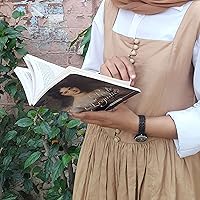
میری ماں کتنی خُوش ہو گی‘ جب وُہ دیکھے گی کہ اُس کا بیٹا صحیح سالم گھر واپس آ گیا یے۔ لیکن کیا یہ حقیقت ہے کہ مَیں صحیح سالم واپس جا رہا ہُوں“
دستک نہ دو، الطاف فاطمہ
دستک نہ دو، الطاف فاطمہ
May 5, 2026
اس کتاب کے بارے میں کہنے کو اتنا کچھ ہے کہ مجھے سمجھ نہیں آ رہا کہ کہاں سے شروع کروں اور کس کس چیز کے متعلق بات کروں۔ یہ کتاب اتنی خوبصورتی سے لکھی گئی ہے کہ مجھے پڑھتے وقت ایسا ہی محسوس ہوتا رہا کہ میں حال میں نہیں بلکہ ماضی کے ان کرداروں کے بیچ ان کی زندگیوں اور ان کے حالات کو اپنی آنکھوں سے دیکھ اور محسوس کر رہی ہوں۔ الطاف فاطمہ نے کہانی کو بہت حقیقت پسندی سے لکھا ہے۔ دستک نہ دو فقط نامکمل محبت کی داستان ہی نہیں سناتا بلکہ یہ سماجی اور نفسیاتی پہلوؤں کو بھی زیر بحث لاتا ہے، جس میں انسانی نفسیات، سماجی اقدار، معاشرے میں موجود طبقاتی تفریق، انسانی جذبات و احساسات اور خاندانی تعلقات اور ذمہ داریوں کی تصویر کشی نہایت مہارت کے ساتھ کی گئی ہے۔ مصنفہ نے خاص طور پر عورت کی زندگی کی پیچیدگیوں کی عکاسی مختلف کرداروں کے ذریعے کی ہے۔ کرداروں کی قیام پاکستان سے پہلے اور بعد کی زندگی پر بھی روشنی ڈالی ہے جس میں گیتی کا کردار بہت نمایاں ہے۔ کیونکہ اس جیسی غیر سنجیدہ لڑکی سے اس قدر بہادری اور ہمت کی توقع اس کی اماں بیگم نے تو بالکل نہ کی ہوگی جو ہر وقت اس کے متعلق منفی خیالات کا شکار رہتی تھیں۔ خیر انہوں نے اپنی کسی اولاد کو سمجھنے کی کوشش نہ کی اور نتیجتاً ان کے اور بچوں کے بیچ فاصلے آ گئے۔ اور انہی فاصلوں کی وجہ سے انکی اولاد کو مشکلات کا سامنا بھی کرنا پڑا۔
یوں تو اس ناول میں بہت سے کردار ہیں اور ہر کردار کی مختلف پرتیں ہیں، مگر مرکزی کردار گیتی، چائنا مین اور اماں بیگم ہیں جن کے گرد کہانی کا بیشتر حصہ گھومتا ہے۔ گیتی اور چائنا مین آغاز سے اختتام تک میرے پسندیدہ کردار رہے ہیں۔ ویسے تو ہر کردار ہی نہایت حقیقت پسندی سے لکھا گیا ہے لیکن گیتی اور چائنا مین کی بات ہی الگ ہے، یہ دونوں کردار اس قدر خوبصورت اور خالص ہیں کہ دل چاہتا ہے بس ان کے بارے میں ہی بات کرتی رہوں۔ چاہے گیتی کی غیر سنجیدہ حرکتیں ہوں یا چائنا مین کی سنجیدہ باتیں دونوں کو ہی پڑھ کر دل خوش ہو جاتا ہے۔ گیتی کا غیر ذمہ دار لڑکی سے ایک سمجھدار لڑکی تک کا سفر اور چائنا مین کا اپنے دل پر ہونے والی دستک کو نہ پہچاننا اور پھر طویل سفر پر کبھی نہ واپس آنے کے لیے چلے جانا، دونوں کو ہی بہت خوبصورتی اور فطری انداز میں بیان کیا گیا ہے۔ کہانی کا ہر کردار ہی اپنے اندر ایک الگ جہان بسائے ہوئے ہے، ہر ایک کو بہت گہرائی سے لکھا گیا ہے اور اگر سب کے بارے میں لکھنے بیٹھوں تو یہ تبصرہ طویل ہوتا چلا جائے۔
انداز بیان کی بات کروں تو یہ ناول نہ صرف بہترین کہانی اور کردار پیش کرتا ہے بلکہ اس کی نثر بھی انتہائی خوبصورت، ادبی لیکن سادہ ہے۔ یوں محسوس ہوتا ہے کہ سب کچھ ہم اپنی آنکھوں سے دیکھ اور دل سے محسوس کر رہے ہیں۔ اس کتاب کی سادگی سے کی گئی منظر کشی اور گہرائی نے جس طرح سے مجھے متاثر کیا ہے شاید ہی کبھی کسی کتاب نے کیا ہو۔ ایک الگ ہی ناسٹلجیا محسوس ہوتا رہا مجھے۔ اور اس کتاب کو پڑھنے کے بعد سے الطاف فاطمہ کی کتابوں کو پڑھنے کی اتنی شدید خواہش جاگ اٹھی ہے کہ بس۔۔۔۔ لیکن وقت کی کمی کے باعث ایسا ہوتا ممکن نظر نہیں آ رہا لیکن یہ ناممکن بھی نہیں ہے، پڑھ تو ہم لیں گے چاہے کچھ بھی ہو۔ ↔️🙂
یوں تو اس ناول میں بہت سے کردار ہیں اور ہر کردار کی مختلف پرتیں ہیں، مگر مرکزی کردار گیتی، چائنا مین اور اماں بیگم ہیں جن کے گرد کہانی کا بیشتر حصہ گھومتا ہے۔ گیتی اور چائنا مین آغاز سے اختتام تک میرے پسندیدہ کردار رہے ہیں۔ ویسے تو ہر کردار ہی نہایت حقیقت پسندی سے لکھا گیا ہے لیکن گیتی اور چائنا مین کی بات ہی الگ ہے، یہ دونوں کردار اس قدر خوبصورت اور خالص ہیں کہ دل چاہتا ہے بس ان کے بارے میں ہی بات کرتی رہوں۔ چاہے گیتی کی غیر سنجیدہ حرکتیں ہوں یا چائنا مین کی سنجیدہ باتیں دونوں کو ہی پڑھ کر دل خوش ہو جاتا ہے۔ گیتی کا غیر ذمہ دار لڑکی سے ایک سمجھدار لڑکی تک کا سفر اور چائنا مین کا اپنے دل پر ہونے والی دستک کو نہ پہچاننا اور پھر طویل سفر پر کبھی نہ واپس آنے کے لیے چلے جانا، دونوں کو ہی بہت خوبصورتی اور فطری انداز میں بیان کیا گیا ہے۔ کہانی کا ہر کردار ہی اپنے اندر ایک الگ جہان بسائے ہوئے ہے، ہر ایک کو بہت گہرائی سے لکھا گیا ہے اور اگر سب کے بارے میں لکھنے بیٹھوں تو یہ تبصرہ طویل ہوتا چلا جائے۔
انداز بیان کی بات کروں تو یہ ناول نہ صرف بہترین کہانی اور کردار پیش کرتا ہے بلکہ اس کی نثر بھی انتہائی خوبصورت، ادبی لیکن سادہ ہے۔ یوں محسوس ہوتا ہے کہ سب کچھ ہم اپنی آنکھوں سے دیکھ اور دل سے محسوس کر رہے ہیں۔ اس کتاب کی سادگی سے کی گئی منظر کشی اور گہرائی نے جس طرح سے مجھے متاثر کیا ہے شاید ہی کبھی کسی کتاب نے کیا ہو۔ ایک الگ ہی ناسٹلجیا محسوس ہوتا رہا مجھے۔ اور اس کتاب کو پڑھنے کے بعد سے الطاف فاطمہ کی کتابوں کو پڑھنے کی اتنی شدید خواہش جاگ اٹھی ہے کہ بس۔۔۔۔ لیکن وقت کی کمی کے باعث ایسا ہوتا ممکن نظر نہیں آ رہا لیکن یہ ناممکن بھی نہیں ہے، پڑھ تو ہم لیں گے چاہے کچھ بھی ہو۔ ↔️🙂

July 10, 2026
the best read of the year, and I really want to hug Geeti and Safdar :)
July 31, 2026
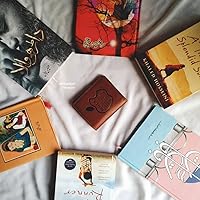
یہ کتاب ان لوگوں کے نام جو زمین جیسی وسعت ار طرف لیے جیتے ہیں۔
April 9, 2026
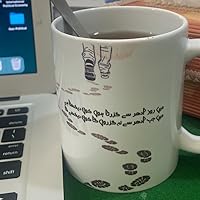
دستک نہ دو — الطاف فاطمہ
“کچھ دروازے ایسے ہوتے ہیں…
جن پر دستک دینے سے پہلے انسان کو خود سے سوال کرنا پڑتا ہے” ❤️
یہ ناول صرف ایک کہانی نہیں بلکہ ایک خاموش سفر ہے—اندر کی دنیا کا، اُن جذبات کا جنہیں ہم اکثر لفظ نہیں دے پاتے۔ “دستک نہ دو” ہمیں ایک ایسی فضا میں لے جاتا ہے جہاں رشتے، تنہائی، اور خودی کی تلاش ایک دوسرے میں گھل جاتے ہیں۔
گیتی آرا کا کردار نہایت مضبوط، حساس اور پرت در پرت (یعنی کئی جہتوں والا) ہے۔ اس کی زندگی کے فیصلے، اس کی خاموشیاں، اور اس کی اندرونی کشمکش قاری کو اپنے ساتھ باندھ لیتی ہے۔ کہیں وہ معاشرتی دباؤ کے خلاف کھڑی نظر آتی ہے، تو کہیں وہ خود اپنی ذات کے سوالوں میں الجھ جاتی ہے۔
ناول کا ایک اہم پہلو ہجرت اور اس کے نتیجے میں پیدا ہونے والا کرب ہے۔ تقسیمِ ہند کے بعد لوگوں کی بے بسی، اپنے گھروں سے بچھڑنے کا درد، اور نئی جگہ پر اپنی شناخت بنانے کی جدوجہد کو نہایت گہرائی سے پیش کیا گیا ہے۔ یہ صرف جسمانی نقل مکانی نہیں بلکہ ایک جذباتی اور روحانی ہجرت بھی ہے۔
اسی طرح فسادات کا پس منظر کہانی میں ایک تلخ حقیقت کے طور پر موجود ہے۔ یہ فسادات صرف تشدد کی عکاسی نہیں کرتے بلکہ انسان کے اندر چھپے خوف، عدم تحفظ اور ٹوٹتے ہوئے رشتوں کو بھی نمایاں کرتے ہیں۔ مصنفہ نے اس دکھ کو بہت خاموش مگر طاقتور انداز میں بیان کیا ہے، جو قاری کو اندر تک ہلا دیتا ہے۔
الطاف فاطمہ کا اندازِ تحریر بے حد نفیس اور دل کو چھو لینے والا ہے۔ وہ چیخ کر نہیں بلکہ آہستہ آہستہ بات کرتی ہیں—اور یہی ان کی تحریر کی خوبصورتی ہے۔ کہانی کی رفتار سست ضرور ہے، مگر یہی سستی اس کے اثر کو گہرا بنا دیتی ہے۔ ہر صفحہ ایک احساس ہے، ہر جملہ ایک عکس ہے، اور ہر منظر ایک خاموش مکالمہ۔
یہ ناول ہمیں سکھاتا ہے کہ ہر دروازہ کھولنا ضروری نہیں ہوتا… کچھ دروازے بند رہ کر ہی ہمیں خود سے ملاتے ہیں۔
اگر آپ ایسی کتابیں پسند کرتے ہیں جو صرف پڑھنے کے لیے نہیں بلکہ محسوس کرنے کے لیے ہوں، تو “دستک نہ دو” آپ کے لیے ایک خوبصورت انتخاب ہے.
“کچھ دروازے ایسے ہوتے ہیں…
جن پر دستک دینے سے پہلے انسان کو خود سے سوال کرنا پڑتا ہے” ❤️
یہ ناول صرف ایک کہانی نہیں بلکہ ایک خاموش سفر ہے—اندر کی دنیا کا، اُن جذبات کا جنہیں ہم اکثر لفظ نہیں دے پاتے۔ “دستک نہ دو” ہمیں ایک ایسی فضا میں لے جاتا ہے جہاں رشتے، تنہائی، اور خودی کی تلاش ایک دوسرے میں گھل جاتے ہیں۔
گیتی آرا کا کردار نہایت مضبوط، حساس اور پرت در پرت (یعنی کئی جہتوں والا) ہے۔ اس کی زندگی کے فیصلے، اس کی خاموشیاں، اور اس کی اندرونی کشمکش قاری کو اپنے ساتھ باندھ لیتی ہے۔ کہیں وہ معاشرتی دباؤ کے خلاف کھڑی نظر آتی ہے، تو کہیں وہ خود اپنی ذات کے سوالوں میں الجھ جاتی ہے۔
ناول کا ایک اہم پہلو ہجرت اور اس کے نتیجے میں پیدا ہونے والا کرب ہے۔ تقسیمِ ہند کے بعد لوگوں کی بے بسی، اپنے گھروں سے بچھڑنے کا درد، اور نئی جگہ پر اپنی شناخت بنانے کی جدوجہد کو نہایت گہرائی سے پیش کیا گیا ہے۔ یہ صرف جسمانی نقل مکانی نہیں بلکہ ایک جذباتی اور روحانی ہجرت بھی ہے۔
اسی طرح فسادات کا پس منظر کہانی میں ایک تلخ حقیقت کے طور پر موجود ہے۔ یہ فسادات صرف تشدد کی عکاسی نہیں کرتے بلکہ انسان کے اندر چھپے خوف، عدم تحفظ اور ٹوٹتے ہوئے رشتوں کو بھی نمایاں کرتے ہیں۔ مصنفہ نے اس دکھ کو بہت خاموش مگر طاقتور انداز میں بیان کیا ہے، جو قاری کو اندر تک ہلا دیتا ہے۔
الطاف فاطمہ کا اندازِ تحریر بے حد نفیس اور دل کو چھو لینے والا ہے۔ وہ چیخ کر نہیں بلکہ آہستہ آہستہ بات کرتی ہیں—اور یہی ان کی تحریر کی خوبصورتی ہے۔ کہانی کی رفتار سست ضرور ہے، مگر یہی سستی اس کے اثر کو گہرا بنا دیتی ہے۔ ہر صفحہ ایک احساس ہے، ہر جملہ ایک عکس ہے، اور ہر منظر ایک خاموش مکالمہ۔
یہ ناول ہمیں سکھاتا ہے کہ ہر دروازہ کھولنا ضروری نہیں ہوتا… کچھ دروازے بند رہ کر ہی ہمیں خود سے ملاتے ہیں۔
اگر آپ ایسی کتابیں پسند کرتے ہیں جو صرف پڑھنے کے لیے نہیں بلکہ محسوس کرنے کے لیے ہوں، تو “دستک نہ دو” آپ کے لیے ایک خوبصورت انتخاب ہے.
October 31, 2022
مجھے اپنے نوشتۂ تقدیر کو
بہر نوع برداشت کرنا چاہیے۔
بُغض و عناد سے شکستہ دلِ بیمار کی ساری رنجُوریاں
بالآخر سکون پذیر ہو ہی جاتی ہیں۔
موت، کلفتیں اور اُن کا مداوا بھی
اپنے اپنے وقت ہی سے آتے ہیں۔
"تمہیں معلوم ہے جس چیز میں ہماری رائے اور مرضی کو دخل نہ ہو وہ نوشتۂ تقدیر کہلاتی ہے۔"
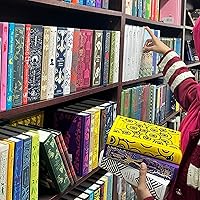
میرے خیال میں اگر آپ نے الطاف فاطمہ کو نہیں پڑھا تو آپ کا اردو ادب کا مطالعہ ادھورا ہے۔ "دستک نہ دو" یہ میرے پسندیدہ ترین ناولوں میں سے ایک ہے❤️ اسے پڑھنا ایک عہد، ایک مکمل کیفیت سے گزرنے جیسا تجربہ ہے۔ اس ناول کا سادہ اسلوب قاری کو آہستہ آہستہ اپنی گرفت میں لیتا ہے۔ نثر اتنی سادہ، خوبصورت اور پرلطف ہے کہ پڑھنے والا بھی ناسٹلجیا اور اداسی کا شکار ہو جاتا ہے۔ اختتام تو ویسے ہی دکھی کر دیتا ہے۔ اگر ابھی تک یہ نہیں پڑھا تو ضرور پڑھیں۔ مجھے یہ اس قدر پسند ہے کہ میں بیان نہیں کر سکتی۔
"چن چن چائنا مین!"🥹❤️🩹❤️🩹
بہر نوع برداشت کرنا چاہیے۔
بُغض و عناد سے شکستہ دلِ بیمار کی ساری رنجُوریاں
بالآخر سکون پذیر ہو ہی جاتی ہیں۔
موت، کلفتیں اور اُن کا مداوا بھی
اپنے اپنے وقت ہی سے آتے ہیں۔
"تمہیں معلوم ہے جس چیز میں ہماری رائے اور مرضی کو دخل نہ ہو وہ نوشتۂ تقدیر کہلاتی ہے۔"
میرے خیال میں اگر آپ نے الطاف فاطمہ کو نہیں پڑھا تو آپ کا اردو ادب کا مطالعہ ادھورا ہے۔ "دستک نہ دو" یہ میرے پسندیدہ ترین ناولوں میں سے ایک ہے❤️ اسے پڑھنا ایک عہد، ایک مکمل کیفیت سے گزرنے جیسا تجربہ ہے۔ اس ناول کا سادہ اسلوب قاری کو آہستہ آہستہ اپنی گرفت میں لیتا ہے۔ نثر اتنی سادہ، خوبصورت اور پرلطف ہے کہ پڑھنے والا بھی ناسٹلجیا اور اداسی کا شکار ہو جاتا ہے۔ اختتام تو ویسے ہی دکھی کر دیتا ہے۔ اگر ابھی تک یہ نہیں پڑھا تو ضرور پڑھیں۔ مجھے یہ اس قدر پسند ہے کہ میں بیان نہیں کر سکتی۔
"چن چن چائنا مین!"🥹❤️🩹❤️🩹
January 3, 2016
Dastak Na Do, a wonderful novel which portrayed women as strong characters. It shows that women has great ability to not only make right decisions for themselves but can also deal in difficult circumstances with great courage and strength.
Also, it's shows that true love is not about achieving someone, it's just about loving n caring someone without any demands n conditions. That's how Safdar, who belong to China, loves a Pakistani girl, Gheeti.
In short, I really enjoyed while reading it.
Also, it's shows that true love is not about achieving someone, it's just about loving n caring someone without any demands n conditions. That's how Safdar, who belong to China, loves a Pakistani girl, Gheeti.
In short, I really enjoyed while reading it.

March 5, 2013
Dastak Na Do's original charm in Urdu cannot be translated and that is why English translation may not be able to impress the reader who cannot read Urdu.
But Rukhsana Ahmad has done a great effort that manages to retain some of the magic in English.
I think this is the closest one can get for a novel like Dastak Na Do.
But Rukhsana Ahmad has done a great effort that manages to retain some of the magic in English.
I think this is the closest one can get for a novel like Dastak Na Do.
April 26, 2021
HIGHLY RECOMMEND. The story is about girl named Gaity, who bold, rebellious and different from her family. Her life changes with every bold decision she takes however, the unfortunate incident of 1947 partition completely changes her attitude towards life. The story is wholesome and rich in culture, humor and sadness.
May 16, 2017
This is one of the few Urdu books that has a female protagonist and what sets this apart from others is that Gethy is 100% relatable! A person reading it in 2017 would still relate to her & she sets one bloody good example for us girls. Definitely recommend this to all girls, Urdu-speaking or not.

August 8, 2017
apart from a Chinese character (china man) this is quiet a simple family saga based in Muslim India with a strong imprints of Quratul Ain Haider all over it

July 13, 2020
This was a TRULY great read!!
Loved it and enjoyed it beyond describing😍😍
I was really missing this kind of pure Urdu without English words in between!
Loved it and enjoyed it beyond describing😍😍
I was really missing this kind of pure Urdu without English words in between!
October 21, 2022
Very good book. I read it in late 80s but missed the end.
January 23, 2023
Absolutely loved this book. Still cannot believe that it was written in the pre-partition era. Geeti is one of the few protagonists with whom I feel related to a lot

June 23, 2026
دستک نہ دو از الطاف فاطمہ
مہینوں بعد ایک کتاب پوری پڑھنے کی خوشی بیان کرنا ناممکن ہے۔ شاید کوئی اور کتاب اتنی دل چسپ بھی نہ تھی جو میں تھوڑا سا پڑھ کر چھوڑ دیتی تھی۔ یہ ناول بھی شروع کیا تو پہلے دن کے بعد اگلے تین دن تو میں بھول گئی کہ کچھ شروع کیا تھا۔ پھر دوبارہ اٹھایا تو ختم کیے بغیر رکھا نہ گیا۔
دستک نہ دو ایک پورا پیکج ہے، مزاح، جذبات اور موت کی تلخیوں کی عکسبندی جتنی لاجواب اس ناول میں ہوئی کسی اور میں ایسے نہیں ہوئی۔ اس کا مرکزی کردار تو گیتی کا رہا لیکن لکھنے والی نے ہر کردار اس باریک بینی اور نزاکت سے لکھا ہے کہ ہر ایک اپنی کہانی میں مرکزی تھا۔ گیتی کی خاص بات یہ تھی کہ وہ "مختلف" تھی اور بالکل بھی اننوئنگ نہیں تھی کیونکہ اکثر اوقات کتابوں میں جس لڑکی کو "مختلف" دکھانا ہو وہ مختلف سے زیادہ کسی دوسری دنیا کی مخلوق معلوم ہوتی ہے۔ صولت تک سے نفرت نہیں ہوئی۔
پرانے ناولوں میں بے ہودہ مواد ضرور آنا ہوتا۔ دستک نہ دو میں ایسا کچھ نہ تھا۔ دس نمبر تو اسی بات کے۔ آخر میں تقسیم ہند کا تھوڑا حصہ ہے۔ باقی کا ناول تقسیم سے پہلے والے وقت ہر مبنی تھا۔ سفید پوش اور ایلیٹ کے فرق کو بڑے اعلی(کھڑی زبر*) انداز میں پیش کیا گیا اور اب یہ ناول میرا فیورٹ ہوچکا ہے۔ کہانی کی بنت اتنی زبردست تھی۔ منظر کشی اور لفظوں کا چنائو اور گیتی اور چائینا مین کی باتوں کے کیا کہنے۔
اگر آپ کو تیز پیسنگ والا، پرانے زمانے کی سیٹنگ والا اور جس کی مرکزی کردار ایک لڑکی ہو جو بالکل اننوئنگ نہ ہو اور اس کا احتتام بڑا پریکٹل ہو تو دستک نہ دو آپ کے لیے۔ "دستک نہ دو" کا مطلب بھی آخری صفحے ہر جاکر آئے گا۔
مہینوں بعد ایک کتاب پوری پڑھنے کی خوشی بیان کرنا ناممکن ہے۔ شاید کوئی اور کتاب اتنی دل چسپ بھی نہ تھی جو میں تھوڑا سا پڑھ کر چھوڑ دیتی تھی۔ یہ ناول بھی شروع کیا تو پہلے دن کے بعد اگلے تین دن تو میں بھول گئی کہ کچھ شروع کیا تھا۔ پھر دوبارہ اٹھایا تو ختم کیے بغیر رکھا نہ گیا۔
دستک نہ دو ایک پورا پیکج ہے، مزاح، جذبات اور موت کی تلخیوں کی عکسبندی جتنی لاجواب اس ناول میں ہوئی کسی اور میں ایسے نہیں ہوئی۔ اس کا مرکزی کردار تو گیتی کا رہا لیکن لکھنے والی نے ہر کردار اس باریک بینی اور نزاکت سے لکھا ہے کہ ہر ایک اپنی کہانی میں مرکزی تھا۔ گیتی کی خاص بات یہ تھی کہ وہ "مختلف" تھی اور بالکل بھی اننوئنگ نہیں تھی کیونکہ اکثر اوقات کتابوں میں جس لڑکی کو "مختلف" دکھانا ہو وہ مختلف سے زیادہ کسی دوسری دنیا کی مخلوق معلوم ہوتی ہے۔ صولت تک سے نفرت نہیں ہوئی۔
پرانے ناولوں میں بے ہودہ مواد ضرور آنا ہوتا۔ دستک نہ دو میں ایسا کچھ نہ تھا۔ دس نمبر تو اسی بات کے۔ آخر میں تقسیم ہند کا تھوڑا حصہ ہے۔ باقی کا ناول تقسیم سے پہلے والے وقت ہر مبنی تھا۔ سفید پوش اور ایلیٹ کے فرق کو بڑے اعلی(کھڑی زبر*) انداز میں پیش کیا گیا اور اب یہ ناول میرا فیورٹ ہوچکا ہے۔ کہانی کی بنت اتنی زبردست تھی۔ منظر کشی اور لفظوں کا چنائو اور گیتی اور چائینا مین کی باتوں کے کیا کہنے۔
اگر آپ کو تیز پیسنگ والا، پرانے زمانے کی سیٹنگ والا اور جس کی مرکزی کردار ایک لڑکی ہو جو بالکل اننوئنگ نہ ہو اور اس کا احتتام بڑا پریکٹل ہو تو دستک نہ دو آپ کے لیے۔ "دستک نہ دو" کا مطلب بھی آخری صفحے ہر جاکر آئے گا۔
September 29, 2024
This is the first book by Altaf Fatima that I read, and I regret that I bought this excellent book from a scrap dealer for just 50 rupees.
Writers like Altaf Fatima are unable to catch the attention of new readers today because they haven't received sufficient recognition in the literary world.
Regarding the book review, its only drawback is its difficulty in relating to the current time period. However, one aspect that remains relevant even after 100 years is the struggle for women's empowerment and autonomy, which is the central theme of this story. It revolves around how every character fights internal and external battles for freedom. While the country achieves independence, which is a significant change, the question remains whether every woman has gained complete control over her life.
Writers like Altaf Fatima are unable to catch the attention of new readers today because they haven't received sufficient recognition in the literary world.
Regarding the book review, its only drawback is its difficulty in relating to the current time period. However, one aspect that remains relevant even after 100 years is the struggle for women's empowerment and autonomy, which is the central theme of this story. It revolves around how every character fights internal and external battles for freedom. While the country achieves independence, which is a significant change, the question remains whether every woman has gained complete control over her life.

February 8, 2023
started off very slow and to be honest I was thinking of not finishing it at all. But someone had kindof challenged me to finish it and I am so glad I did. Looking back at it now, the reason this novel was harder to read is because we have become adapted to the fast paced modern Urdu literature. But the absolutely beautiful language and setting of the pre partition India was like a breath of fresh air. Although the plot is simple and predictable at times, the characters and their apt descriptions has made this book so dear to me. I loved that this book was not centered around one or two protaganists rather, it depicted the lives of the side character and how the actions of the main characters affect them.
With a sigh, I bid farewell to the world of Geeti Ara and her family.
With a sigh, I bid farewell to the world of Geeti Ara and her family.
Displaying 1 - 30 of 42 reviews