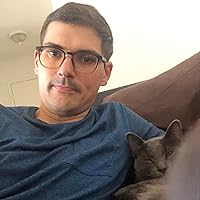
It all started when Jón Gnarr founded the Best Party in 2009 to satirize his country’s political system. The financial collapse in Iceland had, after all, precipitated the world-wide meltdown, and fomented widespread protest over the country’s leadership.
Entering the race for mayor of Reykjavík, Iceland’s capital, Gnarr promised to get the dinosaurs from Jurassic Park into downtown parks, free towels at public swimming pools, a “drug-free Parliament by 2020” . . . and he swore he’d break all his campaign promises.
But then something strange started happening: his campaign began to succeed. And in the party’s electoral debut, the Best Party emerged as the biggest winner. Gnarr promptly proposed a coalition government, although he ruled out partners who had not seen all five seasons of The Wire.
And just like that, a man whose previous foreign-relations experience consisted of a radio show (in which he regularly crank-called the White House and police stations in the Bronx to see if they had found his lost wallet) was soon meeting international leaders and being taken seriously as the mayor of a European capital.
Here, Gnarr recounts how it all happened and, with admirable candor, describes his vision of a more enlightened politics for the future. The point, he writes, is not to be afraid to get involved—or to take on the system.
Jón Gnarr Kristinsson is an Icelandic actor, comedian, and politician who became the Mayor of Iceland's capital city Reykjavík on 15 June 2010, and stepped down on 16 June 2014. Born Jón Gunnar Kristinsson, Jón legally changed his middle name in 2005 to the way his mother pronounced it when he was a boy. He is married to Jóhanna Jóhannsdóttir with whom he has five children. His daughter, Margret, is a fitness model and IFBB competitor.
Jón Gnarr suffered from dyslexia and had learning difficulties as a child. Jón Gnarr recounts these experiences in his book The Indian, an autobiographical account of his childhood. Jón Gnarr has been diagnosed with ADHD and has actively discussed his life with ADHD publicly.
Jón was known as Jónsi Punk as a teenager and played bass in a punk band called Nefrennsli ("Runny Nose"). He attended a number of high schools,but didn't complete the university entrance exam. During the 1980s Jón and his future wife, Jóhanna Jóhannsdóttir, became acquainted with the members of the band the Sugarcubes, including Björk and Einar Örn Benediktsson. Björk remained a close friend to Jóhanna, while Einar would become an important political ally to Jón.
In 1994, Jón teamed up with Sigurjón Kjartansson to form the radio duo Tvíhöfði. In 1997, he joined TV station Stöð 2 where he wrote and starred in several seasons of the Icelandic comedy show Fóstbræður. His best known movies are The Icelandic Dream and A Man like Me. His stand-up comedy show Ég var einu sinni nörd (I Used To Be a Nerd) is autobiographical.
In late 2009 Jón formed the Best Party with a number of others with no background in politics, including Einar. The Best Party, a satirical political party that parodies Icelandic politics and aims to make the life of the citizens more fun, managed a plurality in the 2010 municipal elections in Reykjavík, with the party gaining six out of 15 seats on the City Council. Einar, second on the party's list behind Jón, won a seat on the council.
Jón ended up defeating the Independence Party-led municipal government of Hanna Birna Kristjánsdóttir. His victory is widely seen as a backlash against establishment politicians in the wake of Iceland's 2008-2011 financial crisis.
Jón's political platform included promises of "free towels in all swimming pools, a polar bear for the Reykjavík zoo, all kinds of things for weaklings, Disneyland in the Vatnsmýri area," etc.
Upon being elected, Jón announced that he would not enter a coalition government with anyone that had not watched "The Wire", eventually entering a coalition with the Social Democratic Alliance (Samfylkingin) as its junior partner to govern Reykjavík.
As mayor, Jón has been a source of amusement and shock. He also protested the Chinese government's treatment of human rights activist Liu Xiaobo. He has stated that the importance of the EU is highly over-rated. On October 30, 2013, Jón Gnarr announced that he would not seek a second term in office when his first term expired in June 2014.
Jon Gnarr ran for mayor of the largest city in Iceland not because he had experience as a politician, but because he was a comic and was, at first, poking fun at the system. But then, he realized that politics as usual was getting his country no where. So, he took the election seriously. Imagine his surprise when he won.
"Leo Tolstoy once said, 'Everyone wants to change the world, but no one wants to change himself.' But I feel that I have changed myself. I've done my homework. And next I want to try- just try, mind you!- to change the world. pg 6-7, ebook.
Iceland is unique in that it has a very small population of around 330,000 people. That's about the equivalent of Santa Ana, California, or Corpus Christi, Texas. In other words, it's not that big of a place.
"The most famous Icelander is Bjork. ... Abroad, she constantly has to flee from fans and journalists who pursue her into every little corner, while in Iceland you run into her in the pool, on the bus, or in the shops. In general, she's left alone. In Iceland I was famous by the time I was fourteen. I was a fourteen-year-old with a Mohawk and a ring through his nose, and this too was news." pg 13-14, ebook.
Here's the scene: Iceland is quite small, the entire country was in an uproar because of the banking collapse, and the people were more than ready for change. But, Jon Gnarr was not ready for politics.
"Thanks to Dad, the newspapers, and the constant discussions broadcast on radio and television, I developed an aversion to politics. Politics was dumb, irritating, and boring. pg 23, ebook.
A self-described 'peaceful anarchist', Gnarr was a comic and showman. He created The Best Party as a joke. But, somewhere along the line, the joke became a reality.
"Do you have to understand something down to the last detail before you can contribute to it? Do you have to be a scientist to become interested in science? ... No. And it's no different with politics. You don't need to be a politician to have the right to participate in political life." pg 41, ebook.
Even though he started to take the race seriously, Gnarr never took himself too seriously. And it worked.
"Every time another party made any election promises, we sat down together and discussed how we could top them. The Left-Green Alliance promised children and teens free access to swimming pools- our response was to offer free admission for all- with free towels included." pg 54, ebook.
By not playing politics as usual, Gnarr and The Best Party won. I think he shows what's possible when people bring a sense of humor and a desire to do good to the table. I think we can accomplish great things.
It just takes someone with a smidgen of imagination and a willingness to try.
Recommended for anyone who's tired with politics as usual and for all the peaceful anarchists of the world.
Iceland experiences the largest systemic banking collapse in economic history; enter Jón Gnarr, anarchist and comic - aaaand he becomes the mayor of Reykjavík and saves the day. You can't make this stuff up.
If you'd like to learn more about Gnarr's memoir, you can listen to the the podcast episode (in German).
In 2009, Icelandic comedian Jón Gnarr created a fake politician (“an odd mixture of Groucho Marx, Tony Blair, and an American used car salesman”) for a TV sketch show. In the wake of the financial crisis that effectively bankrupted the entire country, however, he decided the character would be in rather poor taste. But rather than shelving him entirely he chose, instead, to make him real — and run for Mayor of Reykjavík through the newly created “Best Party”, to which he recruited a wide selection of Icelandic comedians, musicians etc (and whose election video, to the theme of “Simply The Best” you can still watch on YouTube.)
At first they were seen as little more than a comedic stunt, but slowly they started to gather momentum, and by the time the established parties got around to treating them seriously it was too late, and the Best Party won more seats than anyone else. Refusing to form a coalition with anyone who hadn't watched every episode of The Wire, Gnarr found himself as mayor, and suddenly needed to work out what to actually do.
But if you read this book expecting to find out what the Best Party actually did with their unexpected power, or how successful they were, you'll likely be disappointed. There are lots of tantalising moments, where Gnarr seems about to get into detail, but then abruptly backs away again, leaving us with little more than dim glimpses. We're introduced, for example, to his Wu Wei approach, developed through years of judo training, of refusing to play the game by the existing rules (where he'd surely lose), but the key examples given are simply of him not getting drawn into shouting matches with opposing politicians, rather than any deeper, more important, City Hall machinations, and the whole chapter is over in a couple of pages.
It's unclear whether he's uncomfortable blowing his own trumpet too much, whether he's simply a poor story-teller, or whether there actually is no depth to the story, but either way the book simply doesn't work. It's a jumbled mess of general autobiography (including falling into the classic trap of starting with childhood stories before establishing why we'd be interested in the back-story) and political memoir, all oddly interleaved with manifestos, letters, interviews, and random musings that seem to have been transplanted from his blog or facebook page as filler.
The main message that rings clearly throughout the book is Gnarr's insistence that politics is much too important to be left to politicians. In many ways the Best Party were a meta-Party. They didn't really stand for anything other than the importance of getting involved. By showing that a new party can indeed come from nowhere, refuse to play by the existing rules, offer a new choice to a population looking for change, and actually win — even if largely as a protest vote — hopefully their long term effect will indeed be to encourage more people work towards creating something better, rather than sitting around bemoaning that no-one else is. But largely this whole adventure comes across like a giant missed opportunity, particularly in contrast to the similar story of someone like Antanas Mockas in Bogotá. ★★☆
Miestami vtipné, miestami úsmevné, miestami hlboké, miestami svojím spôsobom naivné, ale najmä skrz-naskrz úprimné, priame a ľudské - hoci ide vlastne o pohľad na politiku. A to nie je vôbec vec samozrejmá, skôr naopak. Viac ľudskosti v politike by nám všetkým len prospelo.
Remember when Iceland went bankrupt and then turned itself around by throwing out the corrupt politicians and jailing the criminal bankers? Jon Gnarr was at the forefront of that bloodless revolution and this book is his story of how that happened. It should be required reading for the 99% of Americans who got screwed by the economic crisis of 2008 and is still trying to recover.
Gnarr was a semi-employed comedian/taxi driver when the crisis hit. In writing some reactionary comic sketches he and some friends decided to put the satire into action by forming a political party very reminiscent of Monty Python's Silly Party. Only they called theirs the Best Party and actually won enough votes in the next election to make Gnarr the mayor of Reykjavik, a position of great power in Iceland. From then on it was a matter of sticking to his convictions, avoiding any hint of corruption and building a movement that changed the political landscape of the country. No guns or violence necessary.
For a small, quick-read book there are a lot of good lessons we can learn from it. One star off just because Bjork.
I love him to bits! The world needs many more Jón Gnarrs, that's for sure. I hope the English translation of this little book does him justice; I read it in German and the translator did a good job. So he comes across as very funny (of course he is, he's a comedian!), deeply humane, decent and unpretentious. It would be a pity if the anarchic bits opening an closing the book would put any less comedy-inclined readers off. His ideas and thoughts in the rest of the book, which he combines with a short biography and a retelling of how the Best Party won the elections and how he became major of Reykjavik, are well worth considering and would have made me follow him on Facebook if I hadn't already done so for years... "Der wahre Sieger ist für mich der, der am meisten Spaß dabei hat und das gilt nicht nur für den Sport, sondern auch für das Leben als solches."
Rozhodně zajímavá kniha k přečtení. O Nejlepší straně a Jónu Gnarrovi jsem slyšel hodně, doplnění informací z jeho pohledu je tak vítané. Bohužel sám Jón Gnarr je možná dobrým komediantem (i když ani to nemohu posoudit, protože jsem ho nikdy neviděl) a byl dobrým starostou (v knížce se to nedozvíme, ale dle různých ohlasů tomu tak skutečně bylo), ale vypravěčem je děsivým. Nedrží se tématu, odbíhá, nevysvětluje, mate. To vše jde sice dohromady s cílem Nejlepší strany co nejvíce přehánět, blbnout, mást a mystifikovat, na čtenáře to ale nedělá zrovna ten nejlepší dojem. V jistých chvílích mě také překvapilo, že zdůrazňovaný distanc Jóna Gnarra od politiky byl někdy až takový, že se sám jako kritizovaný politik (či spíše jeho karikatura) choval. Např. se rozhodl, že od určité chvíle nebude mluvit s médii, impulzivně se rozhodoval, přebíral mediální pozornost...
V knížce jsou momenty, kvůli kterým ji ale stojí za to číst. Jde o pozitivní přístup (ať mi nadávají, já se budu smát a ke svým protivníkům budu přistupovat s úctou a otevřenou náručí), poznámky o školství (kreativita vs. biflování) nebo sociální politice. Na druhou stranu je však od člověka, který mnohokrát v knize bojuje za nepředpojatost, podivné číst zmínky o zahraniční politice, NATO, Německu atd., které jsou plné předsudků a někdy ani nezaložené na realitě (ale, že jich je v textu dost málo).
Tedy takto: Na jednu stranu se z knihy dozvíte, kdo tedy Jón Gnarr je, jak se chová a co je jeho cílem, doplníte si neúplné znalosti ze zahraničního zpravodajství, které mluvilo jen o ledních medvědech, osuškách a Disneylandu, a připojíte si reálný program, který se za tím vším schovával. Nedozvíte se však, co Nejlepší strana udělala, jak dopadla po 4 letech*, co se podařilo reálně změnit a jak to reálně ovlivnilo celé město - co se povedlo nebo naopak nepodařilo...
* Jónova strana se spojila s nezávislým poslancem (býv. progresivistou), už ve volbách do Altingu (parlamentu) ale nedopadla nejlépe - jejich nová strana získala 6 křesel z 68 (později 4 a v roce 2017 už nebyla úspěšná). Ve volbách do zastupitelstva Reykjavíku byla Nejlepší strana druhá, kdy vyhrál Jónův kolega od socialistů s dvojnásobným počtem hlasů. Samotný Jón z politiky odešel.
This is a difficult book to rate. He started the Best Party and was elected mayor if Reykjavik Iceland after the economy there tanked. He was a comedian, actor, radio broadcaster prior. He is a pacifist and thinks Iceland should leave NATO and that any military flights should be banned from their airports Much of what he was able to do was because everyone almost knows everyone in Iceland He is a strong family man with great ethics but quirky An interesting quick read
Este es el libro del humorista, punk, anarquista y político islandés Jón Gnarr Kristinsson a quien desconocía totalmente y del cual he quedado enganchado desde la primera página, su estilo de hacer política y su tan particular personalidad que para muchos puede parecer una verdadera locura y una falta de respeto dentro de esa palabra ya tan devaluada que conocemos como política lo ha llevado a escribir este trabajo donde cuenta sus vivencias en ese mundo tan devaluado y que pareciera que ya no tiene nada que ofrecer. Islandia es un país pequeño con una población que no llega a 500 mil personas, con un clima variante y bastante complejo para los que estamos acostumbrados a la estabilidad de la naturaleza, un país del que no se conoce mucho mas que de sus representaciones artísticas, por ejemplo en la literatura las Sagas de Njál, de los Groenlandeses y de Erik el Rojo o por “Viaje al Centro de la Tierra” de Julio Verne libro en el que se mencionan esas tierras, musicalmente resaltarían la banda Sigur Rós y por supuesto la cantante Bjork quien es conocida en el mundo entero.
En el año 2009 la economía de Islandia se tambaleó y se vino abajo por completo a consecuencia de la crisis económica sucedida entre los años 2008 y 2010, la banca colapsó en su totalidad y la moneda nacional conocida como la Corona islandesa perdió su valor viniéndose todo a pique, ni los prestamos realizados por el Fondo Monetario Internacional pudieron ayudar a levantar cabeza al país entero llevando finalmente a que el gobierno de coalición que se había formado presionado por un fuerte y creciente descontento cada día dentro de la población se desintegró para que poco tiempo después un nuevo gobierno de izquierda tomara el poder, las protestas continuaban creciendo mas y mas y ahí es donde aparece un nuevo y muy particular político del que hablaré ahora.
Jón Gnarr nació dentro en una familia clase media trabajadora, su padre un policía comunista radical y una madre que trabajaba en la cafetería de un hospital quien toda su vida votó por la derecha y que se negaba a conversar con su esposo o con cualquiera sobre el tema político. Cuando Ganar nació ya sus padres no eran precisamente jóvenes y para colmo de males inexplicablemente nació pelirrojo ya esto lo hacía resaltar y ser centro de todo tipo de comentarios malsanos dentro de la familia y los vecinos, durante su niñez siempre fue rebelde y contestatario tanto así que recomendaron a sus padres que estudiara en el jardín de infancia de un centro psiquiátrico cosa que no dudaron en hacer, lector infatigable, todo lo que caía en sus manos era leído independientemente del tema que fuese. Su primer amor musical fue la alemana y polémica Nina Hagen que poco tiempo después lo llevaría a descubrir a los Sex Pistols y finalmente quienes terminarían iluminándolo y marcándolo para siempre “Crass” la banda inglesa de anarcopunk, estos terminarían de despertar y alborotar esa vena anarquista que ya se encontraba latiendo dentro de él, doctrina política de la cual se encargaría de indagar todo lo que pudiese un país donde era casi imposible obtener algo de información política.
Gnarr adoraba el Punk y el Anarquismo pero con lo que nunca había ni ha podido comulgar hasta el día de hoy es con el empleo de la violencia para lograr cambios dentro de una sociedad, jamás se pudo graduar en la secundaria algo que le complicaría el futuro para poder encontrar un trabajo serio, descubre su vena artística y su vocación de actor o de payaso, trabajó como taxista y posteriormente haciendo stand up comedy tanto dio hasta lograr aparecer en la TV haciendo algunos sketches inspirados en el humor de los Monthy Pyton y burlándose fuertemente de políticos y de algunos personajes respetables de la sociedad, todo esto lograría que se hiciera un artista conocido y respetado en el boca a boca, en el año 2009 llega el colapso económico en el país y viendo la reacción violenta del pueblo sumado al descaro de los políticos que gobernaban donde ninguno se hacía responsable del desastre que se vivía económicamente y en las calles Gnarr entre una cosa u otra decide querer cambiar o al menos intentar cambiar la historia de su país aplicando algo que a lo que los políticos temen y jamás se atreverán a utilizar, el humor.
La democracia es la base de todo, la democracia es necesaria y la gente tiene el deber ser parte de ella en su construcción y su defensa ante los mentirosos y los que abusan del poder que se les otorga, palabras mas o palabras menos esta es la base del pensamiento que maneja Jón Gnarr quien a pesar de ser un anarquista cree al mismo tiempo en la necesaria democracia para que esta doctrina pueda tener un sentido y éxito. “¿Qué haces cuando tienes que elegir entre dos opciones y las dos son igual de malas?” pues la respuesta que dio Gnarr a toda Islandia fue simple “Te inventas una tercera” y así decide legalizar y fundar en el año 2009 “El Partido Mejor - ¡Somos mejores que todos los demás!” para poder cambiar o al menos intentar arreglar todo lo que se encuentre mal y que los políticos de siempre de seguro lo harán peor, la idea principal de este nuevo partido es el humor y la felicidad. Uniéndose con amigos humoristas y todo aquel que quisiera acompañarlos decidieron hacer una página web lo mas fea posible, todos los colores que usaron eran los mas chocantes y desagradables, copiaron los planes de gobierno de los otros candidatos mezclándolos todos de manera surrealista y haciéndolos como si fuesen propios y crearon un logo con un “Thumbs Up!”, por supuesto el partido huyó a la publicidad a gran escala y la única vez que publicaron algo fue en el periódico mas humilde y pobre de la ciudad. Su lema de presentación fue “Creo que cumplo todos los requisitos: trabajé en un manicomio muchos años, casi completo un certificado para ser capitán de veleros pequeños y según mi licencia puedo manejar un camión” con estas palabras Jón Gnarr presentaba su candidatura.
Lo que comenzaba como una burla al sistema colgando videos en youtube y que jamás ninguno de ellos pensó que el pueblo se lo tomaría en serio ya que la mayoría de las propuestas que habían hecho prometían incumplirlas por supuesto como “traer un oso polar al zoológico” o “construir un Disneyworld en el aeropuerto” con otras también consideradas como verdaderas locuras llevarían al Partido Mejor representado por Gnarr a ser el vencedor con una abrumadora mayoría de votos luego de una campaña en la que el resto de los políticos hicieron lo imposible por destruir esta nueva opción antes de las votaciones en las urnas comparándolo con Adolf Hitler o Silvio Berlusconi burlándose de sus pobres chistes y su poca seriedad, la prensa también jugaba en contra luchando para bajarlo en las encuestas y poder evitar como fuese que llegara al poder. Todo resultó imposible y Jón Gnarr se convirtió en el nuevo Alcalde de Reikiavik. Su llegada al gobierno fue inesperada por completo, algunos pensaron que al obtener tan prestigioso cargo cambiaría su manera de comportarse algo que como era de esperarse no sucedió, la primera decisión que tomó fue decirles a su grupo de trabajo que vieran por completo la serie de The Wire, en el año 2010 y 2011 participó en la Fiesta del Orgullo Gay vestido de drag queen y en el año 2012 decidió disfrazarse con una de las clásicas capuchas de las Pussy Riot demostrando así su rechazo a las políticas de Vladimir Putin. Sus decisiones para el bien de la comunidad eran todas votadas vía facebook por el mismo pueblo con “Me Gusta” a sus y las mejores propuestas de la misma gente, la economía comenzaba a repuntar y se observaba cierta estabilidad por la seguridad que estos nuevos políticos mostraban.
Al terminar su mandato y aún contando con un apoyo casi total de sus votantes decide no lanzarse nuevamente para continuar en el poder ya que su verdadera vocación es la comedia y considera que su trabajo está ahí, lo puede ver la gente que confió en él dándole su voto y que “El Partido Mejor” es un pequeño inicio para que los políticos tomen el ejemplo y que los jóvenes se interesen verdaderamente en la democracia y sean participes de ella siempre.
This was a fun, comedic political read. Gnarr is a liberal punk who has grown up and learned how to communicate his beliefs in relatable language. It's a quick read - there are a lot of blank pages in the book. I would recommend it to anyone who is really into peace, turnaround stories, democracy and Iceland. His discussion of democracy is pretty helpful for me in light of the current situation in the U.S.A. - democracy needs more than a leader to work, it needs the participation of all constituents.
Útlý text, ve kterém Gnarr představuje svou cestu do vysoké islandské politiky. Představuje se jako anarchista od malička, beznadějný mírumilovný člověk a komik tělem i duší. V knize jsou i oficiální texty Nejlepší strany, za kterou kandidoval, či rozhovor s jeho ženou. Příjemné, místy lehce utopické čtení.
Тази книга е разочарование за мен. Първо, естествено е да очакваш нещо, написано от човек, който е комик по професия и който е говорил умишлено небивалици по време на избори, да е написанo със страхотно чувство за хумор. За съжаление това не е така. Очакваш също човек, който смело е написал в заглавието, че е променил света, да ти обясни какво е променил в света или поне да ти каже какво е променил в своя град, на който е кмет. За съжаление и това не се разбира, освен че в града има "Кула на мира" от Йоко Оно. Убеден е колко е важна пряката демокрация по интернет, но в същото време сам доказва нейните слабости споделяйки, че има 5 фалшиви профила във Фейсбук, с които обича активно да защитава позициите, изложени в официалния му профил... Аз лично от тази книга най-вече разбрах колко този човек е уморен от кметската дейност и колко е подценяван и обиждан от другите. Намирам за положителни и цивилизовани разсъжденията му по ред въпроси, но няма нищо новаторско в тези разсъждения, така мислят много съвременни европейци, особено от Северна Европа.
An interesting look into how one man became mayor of Reykjavik. This was quite a quick read and I got a lot of information on what type of person Jon Gnarr is and how he views politics and his climb up to being Mayor of Reykjavik. What was missing from the book for me was information on what he did as mayor of Reykjavik. In the beginning he talks a little bit about the changes he made to Reykjavik but it would have been interesting to hear how an average person would fair as the mayor of large city, but I don't feel that we got that. The book does mainly focus on how he got to be mayor, not so much what he did in the position of mayor.
It was a beautiful book. Translation I guess is good because it was done in plain English, & as the author says, his main ability is to entertain and not to write complicated stuff. Overall he gives a good insight of what meant becoming a Major without the corruption of all politicians and without all the ideological brainwash, usual as well in all politicians. I just wish my country would be as small as Iceland, so all politicians and corrupted bankers would go away and all problems would be solved easily.
J. Gnarr is one of my favorite living people from now on and there are not many! He gives us a hope that world could change for better, even political world. I would like to recommend this book to each person, even the ones who aren't interested in Iceland or their little political affairs. It is a story you could get inspired to do brave things even if you were at the bottom of society's hierarchy. Oh, and to learn some peaceful positive attitude!
This is the first-person account of how Jón Gnarr, stand-up comedian, crossdresser, and high-school dropout, started a political party as a joke and ended up mayor of the capital city of Iceland.
This is a very dangerous book. It has almost convinced me that participatory democracy can be functional under late-stage capitalism, at least on a small local scale.
Who wants to help me start an American Best Party? We can call it the American Best Coalition, or ABCs for short.
Despite being quite short, I stopped reading about half way through when it became clear that the book didn't offer much to take away. I enjoyed the occasional glimpses into Icelandic life, but the story of the Best Party was far from interesting. This was either due to Gnarr's erratic retelling of the events or perhaps because there wasn't much to tell in the first place.
I finished this book in a coupe of hours, slammed it shut and declared, "Awesome." Finally an advocate for fun in politics. Finally, a voice of both reason and unreasonableness at the very same time. I knew a little about Jon Gnarr already, but this book is an insight that I thoroughly enjoyed. He's an inspiration.
An interesting read but I kind of wanted a little more meat on it. Maybe there isn't that much meat to the Best Party-- which is kind of the point-- but I'd like to know a little bit more about the man and what motivates him. Still a worthwhile read.
This started out an interesting story about growing up in Iceland, being disenfranchised with politics and then accidentally becoming mayor of Reykjavík. But as soon as that happened, it got a bit dull! Needs more jokes.
I loved the Snap Judgement segment on Gnarr--a comedian who founded a political party as a joke and then went on to be elected mayor of Rejkjavik-- but found his book to be disjointed and a bit dry. I wondered if something was lost in translation.
Libro de fácil lectura, donde se pasa muy de puntillas por la política. Son todo ideas muy generales y con ciertas curiosidades del país. A pesar de todo se pueden sacar dos o tres apuntes muy interesantes.
Definitely a different and interesting perspective. I think Jón Gnarr is a great and interesting person but I didn’t super connect with this book. However if you consider yourself worldly, political, and into comedy, you’ll definitely get something out of this!