

What do you think?

The Suggestible Brain: The Science and Magic of How We Make Up Our Minds
Neuroscientist Amir Raz shares decades of research and case studies to show how suggestion changes the brain and shapes our behavior—and how we can protect ourselves from and harness suggestibility in our own lives. Suggestions can make cheap wine taste like Château Margaux, warp our perception of time, and alter our memories—and in an age where disinformation has impacted our personal lives and our politics, the power of suggestion is worth even more attention. In The Suggestible Brain, world-renowned expert on the science of suggestion Amir Raz, PhD, brings together cognitive aspects of psychology, sociology, and anthropology with issues in our contemporary culture, media, alongside a series of case studies of patients with disorders ranging from Tourette’s Syndrome to false pregnancies, lactose intolerance, and asthma to show exactly how suggestions can cut deep into our brains, shake our fundamental knowledge, and override our core human values. Some questions Why do placebos work even when people know they are inactive pills—and why do red pills cause stress whereas blue pills feel calm? Can suggestions effectively treat depression and anxiety? How do people weaponize suggestion in the form of gaslighting and mental abuse? Why are we more likely to believe fake news that already aligns with our political beliefs? How can suggestions help fight racism, hatred, and bigotry? Conversely, how can suggestions backfire and create the opposite effect? Merging Dr. Raz’s experiences as a magician and hypnotist with decades’ worth of his own neuropsychological research, The Suggestible Brain maps the twilight zone where magic and science coalesce, and shows how easily suggestible and manipulable we all are. Readers will walk away with actionable advice on how to harness the science of suggestion to propel change, protect against manipulative misinformation, and better regulate our internal, mental universe.“Professor Amir Raz is a consummate scientist and former professional magician. His scientific research and writing have made substantial contributions to our understanding of hypnosis, placebo effects, and suggestion. His book will amaze and entertain you, while at the same time being firmly rooted in the scientific data. It is a magical book.”--Irving Kirsch, PhD, author of The Emperor’s New Exploding the Antidepressant Myth"[This book] could have been titled This is Your Brain on Magic. Told from the twin perspectives of a world-renowned cognitive neuroscientist who happens to be a professional magician, you’ll never again think about what you see, hear, and experience the same way.”—Daniel Levitan, author of This is Your Brain on Music
272 pages, Hardcover
Published October 1, 2024
Ratings & Reviews
Friends & Following
Create a free account to discover what your friends think of this book!
Community Reviews
Displaying 1 - 30 of 32 reviews

November 6, 2024
"The bottom line is simple: everyone is suggestible. Whether we realize it or not, suggestions hack our minds and shape our realities every day. By standing on the bridge between illusion and science, we can learn how to transition away from the realm of manipulation into taking better charge of our own subjectivity..."
The Suggestible Brain was a fairly decent read, for the most part. Unfortunately, the author had to cram politics into the book for some reason. I really hate it when they do this, and my ratings always reflect this. More below.
Author Amir Raz is a world-renowned expert on the science of suggestion with recent positions as Canada Research Chair, Professor of Psychiatry, Neurology and Neurosurgery, and Psychology at McGill University, and as Founding Director of The Institute for Interdisciplinary Brain and Behavioral Sciences at Chapman University.
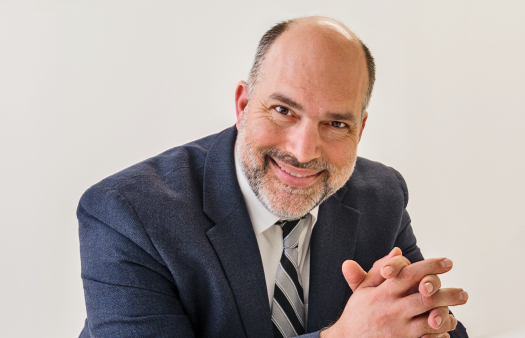
Amir Raz:
The book opens with a good intro; where Raz talks about performing as a magician. It's got a lively and engaging style that shouldn't struggle to hold the reader's attention. The author drops the quote at the start of this review early on, and it continues:
In this quote he outlines the aim of the book:
Some more of what is covered here includes:
• Susceptibility tests
• Placebo and nocebo
• Wine tasting
• Stanley Milgram's compliance experiments
• Philip Zimbardo's prison experiments
• The ethics of theatrical medicine
• Lactose intolerance
• False pregnancies, complete with swollen breasts and enlarged stomachs
• The Reliable Science of Unreliable, Suggestible Memories
• The malleability of memory; post-incident manipulation
• The efficacy of antidepressants
• Number needed to treat (NNT)
• The Dark Side of Antidepressants
• Psychedelics for Depression
• Mass Suggestion and Social Contagion
Unfortunately, he's got a bunch of mindless nonsense near the end of the book talking about supposed "implicit racial bias." Right off the bat, these "implicit bias" tests do not pass scientific rigour. Secondly, the author seems to think that in-group preferences are only problematic and applicable to white people. The human animal is a deeply tribal creature, and every ethnic group displays an in-group preference; to one degree or another. Finally, tribalism is not just constrained to ethnic groups. You can make people display tribal preferences with just one (or multiple) small identity markers. Some as simple as wearing a hat for a particular sports team, or a T shirt with a band name on it.
Also, the author's proposed "solution" to this supposed "implicit bias" is to make sure black people are shown through a favourable lens, and white people through a non-favourable lens. Yes, really. He says:
~So, your supposed plan to help reduce racial animosity is to switch the groups that the animosity is directed at around? What a brilliant idea, professor. And "diversity education" is supposed to be a good thing?? Forcing people into political re-education camps is a hallmark of Communist authoritarians. And we all know how well that worked out. Karl Marx, is that you??
The author then goes on to congratulate himself for this virtue-signalling SJW nonsense by saying that he developed a VR program that essentially body-swaps white people's appearance to that of black people. He pats himself on the back with this experiment and doesn't seem to find any problems with solely blaming white people for the problems in society. In fact, more of this type of stuff should be encouraged, according to him:
~How great. Sounds like a utopia. And as history has shown us over and over, nothing ever goes wrong in the societal quest for utopia... Surely, nothing bad could come in trying to demoralize and demonize one group of people in favour of another in a multi-ethnic society. What a well-thought-out plan, with no possible downsides. That this person is teaching impressionable young minds scares the shit out of me.
********************
The book was going along fairly well, right up until the author pulled the curtain back on his tankie sympathies. I don't know why authors can't seem to put a leash on this kind of crap, other than that they are ideologically captured. And much like an Evangelical Christian who never shuts up about Jesus, these people just can't help themselves...
So, 3.5 stars for most of the book, and 0 stars for the insertion of the author's shit-tier political evangelizing, for a total of 2 stars.
The Suggestible Brain was a fairly decent read, for the most part. Unfortunately, the author had to cram politics into the book for some reason. I really hate it when they do this, and my ratings always reflect this. More below.
Author Amir Raz is a world-renowned expert on the science of suggestion with recent positions as Canada Research Chair, Professor of Psychiatry, Neurology and Neurosurgery, and Psychology at McGill University, and as Founding Director of The Institute for Interdisciplinary Brain and Behavioral Sciences at Chapman University.
Amir Raz:
The book opens with a good intro; where Raz talks about performing as a magician. It's got a lively and engaging style that shouldn't struggle to hold the reader's attention. The author drops the quote at the start of this review early on, and it continues:
"...Suggestion can make cheap wine taste like Château Margaux, warp our perception of time, and alter our memories. We know that psychedelic substances, illusions, and other dramatic effects can also alter our levels of suggestibility. But, paradoxically, being susceptible to suggestions hardly means we’re feeble-minded or gullible."
In this quote he outlines the aim of the book:
"Here, I share some of my best stories about the science of suggestion, the bread and butter of my professional life. Throughout my academic career, I have focused specifically on the role that suggestion plays in the effectiveness of psychiatric medications, alongside how attention, selfregulation, placebo phenomena, and expectations affect human consciousness. For example, sometimes placebos work even when people know that they are taking them. The fields of developmental psychopathology and transcultural psychiatry teach us how much our communities and social standards can shape our thoughts, emotions, and cognitive processing. And using imaging of the living human brain and other state-of-the-art techniques, my research has helped unravel the mental experiences of hypnosis and meditation."
Some more of what is covered here includes:
• Susceptibility tests
• Placebo and nocebo
• Wine tasting
• Stanley Milgram's compliance experiments
• Philip Zimbardo's prison experiments
• The ethics of theatrical medicine
• Lactose intolerance
• False pregnancies, complete with swollen breasts and enlarged stomachs
• The Reliable Science of Unreliable, Suggestible Memories
• The malleability of memory; post-incident manipulation
• The efficacy of antidepressants
• Number needed to treat (NNT)
• The Dark Side of Antidepressants
• Psychedelics for Depression
• Mass Suggestion and Social Contagion
Unfortunately, he's got a bunch of mindless nonsense near the end of the book talking about supposed "implicit racial bias." Right off the bat, these "implicit bias" tests do not pass scientific rigour. Secondly, the author seems to think that in-group preferences are only problematic and applicable to white people. The human animal is a deeply tribal creature, and every ethnic group displays an in-group preference; to one degree or another. Finally, tribalism is not just constrained to ethnic groups. You can make people display tribal preferences with just one (or multiple) small identity markers. Some as simple as wearing a hat for a particular sports team, or a T shirt with a band name on it.
Also, the author's proposed "solution" to this supposed "implicit bias" is to make sure black people are shown through a favourable lens, and white people through a non-favourable lens. Yes, really. He says:
"...by repeatedly showing participants photographs of famous and respected Black people, such as Martin Luther King Jr., and photographs of infamous and disapproved white people, such as criminal and cult leader Charles Manson, negative attitudes waned by more than 50 percent.57 Similarly, videos of Black people during positive activities such as going to church or enjoying a family barbecue also reduced implicit bias.58 These early efforts to change the social context and, through it, reduce automatic prejudice and preference have paved the road to diversity education."
~So, your supposed plan to help reduce racial animosity is to switch the groups that the animosity is directed at around? What a brilliant idea, professor. And "diversity education" is supposed to be a good thing?? Forcing people into political re-education camps is a hallmark of Communist authoritarians. And we all know how well that worked out. Karl Marx, is that you??
The author then goes on to congratulate himself for this virtue-signalling SJW nonsense by saying that he developed a VR program that essentially body-swaps white people's appearance to that of black people. He pats himself on the back with this experiment and doesn't seem to find any problems with solely blaming white people for the problems in society. In fact, more of this type of stuff should be encouraged, according to him:
"...In this way, and others, we can apply the science of suggestion—in a way that transcends lip service and performative activism—to result in real social impact, health outcomes, and political change."
~How great. Sounds like a utopia. And as history has shown us over and over, nothing ever goes wrong in the societal quest for utopia... Surely, nothing bad could come in trying to demoralize and demonize one group of people in favour of another in a multi-ethnic society. What a well-thought-out plan, with no possible downsides. That this person is teaching impressionable young minds scares the shit out of me.
********************
The book was going along fairly well, right up until the author pulled the curtain back on his tankie sympathies. I don't know why authors can't seem to put a leash on this kind of crap, other than that they are ideologically captured. And much like an Evangelical Christian who never shuts up about Jesus, these people just can't help themselves...
So, 3.5 stars for most of the book, and 0 stars for the insertion of the author's shit-tier political evangelizing, for a total of 2 stars.

December 16, 2024
Interesting read on the power of suggestion
TBA BT content
Notes:
- By understanding the science behind suggestion, we gain two vital advantages: we can protect ourselves from manipulation and, more importantly, learn how to use the power of suggestion to positively impact our own lives.
- A suggestion is a type of communication designed to influence, to call up ideas or images in another’s mind, or imply that something is true.
- Suggestibility, on the other hand, is the degree to which someone is predisposed to accept and act on the suggestions of others. It’s important to clarify: having high suggestibility doesn’t equate to gullibility or an increased risk of being manipulated.
- Even conflicting advice, while frustrating, can serve as a catalyst for refining your own judgments and choices with greater discernment.
- suggested that vastly complex songlines were created and passed down so effectively through suggestibility. The songlines are embedded in shared mythology. Being suggestible to this mythology enabled listeners to absorb and vividly imagine the ancestral journeys and landmarks described in the songs, reinforcing memory through emotional and sensory engagement.
- As the songlines illustrate, suggestibility carries a distinct evolutionary advantage. Humans are inherently social creatures, and our ability to form and sustain communities has been key to our survival.Communities rely on the efficient transmission of information, ideas, and meanings, both within groups and across generations. Suggestibility is one of the tools that has enabled humans to learn, cooperate, and adapt efficiently.
- Suggestibility also facilitates the creation and transmission of cultural practices and rituals. In shamanic rituals, suggestibility fosters belief in the shaman’s healing powers and visions, creating a powerful placebo effect that can support physical and psychological well-being. In contemplative practices, like meditation and ritual chants, suggestibility helps practitioners achieve altered states of consciousness, often leading to spiritual insights and a stronger sense of community.
- study blah blah blah - The labels were fake. Both shakes were exactly the same, right down to ingredients and calorie count. The suggestion that one shake was more decadent was enough to make the participants feel fuller quicker than when they drank the “healthy” alternative.
- The participants didn’t just perceive the two shakes differently. Their physiological responses to the shakes were different, too. Ever heard of ghrelin? It’s known as the “hunger hormone”. When it's present at high levels, it increases appetite; with low levels of ghrelin, appetite decreases. When drinking the decadent milkshake, participants' levels of ghrelin actually dropped. They didn’t just think the decadent milkshake made them feel fuller – the shake really did make them fuller, quicker.
- Our capacity for suggestibility shares direct links with our physical well being. It’s frequently been shown that our minds, mediated particularly through our powers of belief and the strength of our expectations, can exert significant influence over our bodily processes. Perhaps the best known example of this phenomenon is the placebo effect.
- In a similar way, a person’s mindset and psychological outlook can influence their cardiovascular health. For instance, people who are suggestible to optimistic beliefs about their health often exhibit lower blood pressure and improved heart rate variability.
- By framing questions in a way that suggests certain "facts", these polls create associations in the respondent’s mind that can directly influence their beliefs and memories.
- Asch studies found that individuals can often alter their beliefs, actions, and reasoning in order to conform to the expectations of a group.
- Public health campaigns have successfully used mass suggestion to encourage beneficial behaviors such as vaccination, mask-wearing, and handwashing during outbreaks. By reinforcing these actions as societal norms, they’ve managed to shift behaviors on a large scale.
TBA BT content
Notes:
- By understanding the science behind suggestion, we gain two vital advantages: we can protect ourselves from manipulation and, more importantly, learn how to use the power of suggestion to positively impact our own lives.
- A suggestion is a type of communication designed to influence, to call up ideas or images in another’s mind, or imply that something is true.
- Suggestibility, on the other hand, is the degree to which someone is predisposed to accept and act on the suggestions of others. It’s important to clarify: having high suggestibility doesn’t equate to gullibility or an increased risk of being manipulated.
- Even conflicting advice, while frustrating, can serve as a catalyst for refining your own judgments and choices with greater discernment.
- suggested that vastly complex songlines were created and passed down so effectively through suggestibility. The songlines are embedded in shared mythology. Being suggestible to this mythology enabled listeners to absorb and vividly imagine the ancestral journeys and landmarks described in the songs, reinforcing memory through emotional and sensory engagement.
- As the songlines illustrate, suggestibility carries a distinct evolutionary advantage. Humans are inherently social creatures, and our ability to form and sustain communities has been key to our survival.Communities rely on the efficient transmission of information, ideas, and meanings, both within groups and across generations. Suggestibility is one of the tools that has enabled humans to learn, cooperate, and adapt efficiently.
- Suggestibility also facilitates the creation and transmission of cultural practices and rituals. In shamanic rituals, suggestibility fosters belief in the shaman’s healing powers and visions, creating a powerful placebo effect that can support physical and psychological well-being. In contemplative practices, like meditation and ritual chants, suggestibility helps practitioners achieve altered states of consciousness, often leading to spiritual insights and a stronger sense of community.
- study blah blah blah - The labels were fake. Both shakes were exactly the same, right down to ingredients and calorie count. The suggestion that one shake was more decadent was enough to make the participants feel fuller quicker than when they drank the “healthy” alternative.
- The participants didn’t just perceive the two shakes differently. Their physiological responses to the shakes were different, too. Ever heard of ghrelin? It’s known as the “hunger hormone”. When it's present at high levels, it increases appetite; with low levels of ghrelin, appetite decreases. When drinking the decadent milkshake, participants' levels of ghrelin actually dropped. They didn’t just think the decadent milkshake made them feel fuller – the shake really did make them fuller, quicker.
- Our capacity for suggestibility shares direct links with our physical well being. It’s frequently been shown that our minds, mediated particularly through our powers of belief and the strength of our expectations, can exert significant influence over our bodily processes. Perhaps the best known example of this phenomenon is the placebo effect.
- In a similar way, a person’s mindset and psychological outlook can influence their cardiovascular health. For instance, people who are suggestible to optimistic beliefs about their health often exhibit lower blood pressure and improved heart rate variability.
- By framing questions in a way that suggests certain "facts", these polls create associations in the respondent’s mind that can directly influence their beliefs and memories.
- Asch studies found that individuals can often alter their beliefs, actions, and reasoning in order to conform to the expectations of a group.
- Public health campaigns have successfully used mass suggestion to encourage beneficial behaviors such as vaccination, mask-wearing, and handwashing during outbreaks. By reinforcing these actions as societal norms, they’ve managed to shift behaviors on a large scale.

September 12, 2025
This book focuses on how human perception is influenced by suggestion. Amir Raz is a scientist and a former professional magician, so he starts with the ways magicians use suggestion in their magic tricks. He presents results of scientific experiments to support his assertions (some of which I had heard before). He presents case studies such as patients with Tourette's syndrome. He looks at historical cases of mass delusion, such as the Salem Witch Trials. He touches on political disinformation, gaslighting, and manipulation (and I would have preferred even more about those topics).
The book addresses questions about why placebos work even when people know they are inert. It covers why people believe fake news. I particularly enjoyed the anecdotes about hypnosis and the ways suggestions can help with mental health treatments. The author addresses the medical ethics of using placebos. If I were to suggest an improvement to the writing, I would advise the author to reduce his use of the word “moreover.” This is a short book that covers a lot of ground in an entertaining manner. It helps explain why our world has become a hornet’s nest of conspiracy theories and false beliefs, which is the reason I picked it up.
The book addresses questions about why placebos work even when people know they are inert. It covers why people believe fake news. I particularly enjoyed the anecdotes about hypnosis and the ways suggestions can help with mental health treatments. The author addresses the medical ethics of using placebos. If I were to suggest an improvement to the writing, I would advise the author to reduce his use of the word “moreover.” This is a short book that covers a lot of ground in an entertaining manner. It helps explain why our world has become a hornet’s nest of conspiracy theories and false beliefs, which is the reason I picked it up.

May 19, 2026
Dr. Amir Raz’s The Suggestible Brain attempts a vital critique of modern psychiatry, but his defense of empirical rigor is undermined by lazy scholarship.
As an expose of the replication crisis, the book’s takedown of the SSRI epidemic is razor-sharp. Raz correctly highlights massive meta-analyses proving that placebos achieve 80% of the efficacy of antidepressants in mild-to-moderate depression. His exploration of predictive processing and the neurobiology of expectation—like using hypnosis to erase the automatic Stroop effect—offers a brilliant framework for understanding the brain as a top-down prediction engine.
Unfortunately, Raz completely tanks his own scientific credibility by uncritically citing the Stanford Prison Experiment as a foundational truth of human nature. Anyone paying attention to cognitive science knows Zimbardo’s 1971 study was scripted trash, characterized by active coaching, faked breakdowns, and theatrical roleplay.
For an author claiming to champion true skepticism, relying on a notoriously staged, unscientific stunt to prove human suggestibility is an unforgivable blind spot. By choosing sensationalism over strict methodological discipline, Raz severely damages an otherwise formidable thesis. It is a frustrating, deeply flawed read.
As an expose of the replication crisis, the book’s takedown of the SSRI epidemic is razor-sharp. Raz correctly highlights massive meta-analyses proving that placebos achieve 80% of the efficacy of antidepressants in mild-to-moderate depression. His exploration of predictive processing and the neurobiology of expectation—like using hypnosis to erase the automatic Stroop effect—offers a brilliant framework for understanding the brain as a top-down prediction engine.
Unfortunately, Raz completely tanks his own scientific credibility by uncritically citing the Stanford Prison Experiment as a foundational truth of human nature. Anyone paying attention to cognitive science knows Zimbardo’s 1971 study was scripted trash, characterized by active coaching, faked breakdowns, and theatrical roleplay.
For an author claiming to champion true skepticism, relying on a notoriously staged, unscientific stunt to prove human suggestibility is an unforgivable blind spot. By choosing sensationalism over strict methodological discipline, Raz severely damages an otherwise formidable thesis. It is a frustrating, deeply flawed read.

February 2, 2025
Was enjoying the first part of the book with Raz's anecdotes and raz-mah-taz on the magic tricks. Then in the last third or so with him crapping all over SSRI's it became too much to take - he provided very little basis for this just as the flurry of papers and Substack articles 2 years or so ago also were quite weak on the opprobrium.

December 16, 2024
The human mind is extraordinarily malleable, capable of being shaped by the power of suggestion in ways both subtle and profound. Amir Raz’s "The Suggestible Brain" explores how suggestibility—our innate openness to influence—shapes our perceptions, beliefs, and even physical responses. Far from being a weakness, suggestibility is an evolutionary trait that has enhanced human survival, cultural development, and our capacity for cooperation. However, as Raz reveals, understanding suggestion isn’t just about self-defense against manipulation; it’s about learning to wield this powerful tool to positively impact our own lives and the lives of others.
Suggestion operates in two interconnected domains: the act of influencing (suggestion) and the openness to being influenced (suggestibility). While being suggestible doesn’t mean being gullible, it means being open to accepting or acting on outside input. This openness can promote personal growth by encouraging the re-evaluation of one’s beliefs or behaviors. However, an overly skeptical mind—one resistant to suggestion—can miss opportunities to benefit from others’ knowledge or wisdom. Striking a balance between independent thought and openness to outside influence enhances decision-making and adaptability. Suggestibility also fluctuates throughout life, peaking during periods of change or uncertainty, such as adolescence, new parenthood, or personal crises. In these moments, the input of others often becomes crucial for navigating uncharted terrain.
This human trait, Raz argues, is deeply rooted in evolution. Suggestibility was critical for early humans living in tightly knit groups where survival depended on communication and cooperation. The ability to learn from others without direct experience—such as avoiding dangerous plants or adopting group norms—offered clear survival advantages. Suggestibility also allowed for the transmission of cultural knowledge, as seen in Aboriginal Australian songlines. These oral maps, steeped in mythology, enabled communities to navigate vast landscapes while preserving critical survival information. The emotional and sensory engagement of these shared stories ensured they were memorized and passed down through generations, demonstrating how suggestibility fosters both learning and social cohesion.
Cultural rituals and practices further illustrate how suggestion enhances group dynamics. For example, shamanic ceremonies often rely on the suggestibility of participants to invoke healing or spiritual transformation. The placebo effect is one such mechanism, wherein belief in a healer’s powers or a ritual’s efficacy produces tangible psychological or physical benefits. Similarly, contemplative practices like meditation leverage suggestion to help practitioners enter altered states of consciousness, promoting emotional well-being and a sense of community. Suggestibility, therefore, serves not only survival but also the enrichment of human experience.
Raz delves into the fascinating connection between suggestion and health, where belief and expectation can significantly influence physical outcomes. A Stanford study on milkshakes demonstrates this concept vividly: participants believed one milkshake was indulgent and caloric, while the other was a low-calorie alternative. Despite being identical, participants felt fuller after consuming the “indulgent” shake, and their physiological responses—such as levels of the hunger-regulating hormone ghrelin—mirrored this belief. This study underscores how perception, shaped by suggestion, can alter bodily processes. The placebo effect operates on a similar principle, with inert treatments producing measurable improvements in conditions like pain, depression, and even Parkinson’s disease. Suggestibility can also enhance cardiovascular health; optimistic beliefs have been linked to lower blood pressure and reduced stress hormone levels, illustrating the profound connection between mindset and physical well-being.
Beyond influencing health, suggestion has the power to shape memory—a phenomenon that can be both fascinating and troubling. The work of psychologist Elizabeth Loftus demonstrates how suggestion can create false memories. Loftus’s own experience of being incorrectly told she discovered her mother’s body after a drowning accident illustrates how suggestion can implant vivid, yet fabricated, recollections. Her research shows how subtle cues, such as the wording of questions, can alter memory. For example, participants in a study who were asked whether cars “smashed” into each other recalled the collision as more severe than those asked whether the cars “hit” each other. This malleability of memory has far-reaching implications, particularly in legal settings where eyewitness testimony can be influenced by leading questions or repeated exposure to false narratives.
False memories are not confined to individual experiences; they can be deliberately shaped on a larger scale. Political campaigns, for instance, exploit suggestibility through techniques like push polls, which present biased or misleading questions to shape public perception. These tactics rely on repetition and implication to plant seeds of doubt or reinforce negative associations, often influencing voters’ memories and opinions without factual basis. This underscores the ethical challenges of wielding suggestion as a tool for influence, especially when it intersects with public trust and decision-making.
The contagious nature of suggestion extends beyond individuals to groups, where it can trigger collective behaviors or beliefs. Solomon Asch’s conformity experiments demonstrate how people are often willing to align with group opinions, even when those opinions are objectively incorrect, to avoid standing out. In extreme cases, this group suggestibility can lead to mass psychogenic illness, where collective stress or fear manifests as shared physical symptoms. Historical examples like the Salem witch trials and more recent cases, such as outbreaks of tics among teenagers influenced by TikTok videos, highlight how suggestion can spread rapidly within close-knit communities. Social media amplifies this effect, creating echo chambers where sensational or emotionally charged content reinforces shared beliefs and behaviors. While this phenomenon has its risks, it also holds potential for positive impact, such as encouraging public health behaviors during crises.
Raz ultimately emphasizes that the power of suggestion is not inherently good or bad—it depends on how it is understood and applied. By recognizing its influence on our thoughts, perceptions, and actions, we can guard against manipulation while using suggestion to improve our lives. Whether fostering well-being, strengthening social bonds, or driving positive change on a larger scale, suggestion is a tool that, when wielded responsibly, can unlock extraordinary potential.
Suggestion operates in two interconnected domains: the act of influencing (suggestion) and the openness to being influenced (suggestibility). While being suggestible doesn’t mean being gullible, it means being open to accepting or acting on outside input. This openness can promote personal growth by encouraging the re-evaluation of one’s beliefs or behaviors. However, an overly skeptical mind—one resistant to suggestion—can miss opportunities to benefit from others’ knowledge or wisdom. Striking a balance between independent thought and openness to outside influence enhances decision-making and adaptability. Suggestibility also fluctuates throughout life, peaking during periods of change or uncertainty, such as adolescence, new parenthood, or personal crises. In these moments, the input of others often becomes crucial for navigating uncharted terrain.
This human trait, Raz argues, is deeply rooted in evolution. Suggestibility was critical for early humans living in tightly knit groups where survival depended on communication and cooperation. The ability to learn from others without direct experience—such as avoiding dangerous plants or adopting group norms—offered clear survival advantages. Suggestibility also allowed for the transmission of cultural knowledge, as seen in Aboriginal Australian songlines. These oral maps, steeped in mythology, enabled communities to navigate vast landscapes while preserving critical survival information. The emotional and sensory engagement of these shared stories ensured they were memorized and passed down through generations, demonstrating how suggestibility fosters both learning and social cohesion.
Cultural rituals and practices further illustrate how suggestion enhances group dynamics. For example, shamanic ceremonies often rely on the suggestibility of participants to invoke healing or spiritual transformation. The placebo effect is one such mechanism, wherein belief in a healer’s powers or a ritual’s efficacy produces tangible psychological or physical benefits. Similarly, contemplative practices like meditation leverage suggestion to help practitioners enter altered states of consciousness, promoting emotional well-being and a sense of community. Suggestibility, therefore, serves not only survival but also the enrichment of human experience.
Raz delves into the fascinating connection between suggestion and health, where belief and expectation can significantly influence physical outcomes. A Stanford study on milkshakes demonstrates this concept vividly: participants believed one milkshake was indulgent and caloric, while the other was a low-calorie alternative. Despite being identical, participants felt fuller after consuming the “indulgent” shake, and their physiological responses—such as levels of the hunger-regulating hormone ghrelin—mirrored this belief. This study underscores how perception, shaped by suggestion, can alter bodily processes. The placebo effect operates on a similar principle, with inert treatments producing measurable improvements in conditions like pain, depression, and even Parkinson’s disease. Suggestibility can also enhance cardiovascular health; optimistic beliefs have been linked to lower blood pressure and reduced stress hormone levels, illustrating the profound connection between mindset and physical well-being.
Beyond influencing health, suggestion has the power to shape memory—a phenomenon that can be both fascinating and troubling. The work of psychologist Elizabeth Loftus demonstrates how suggestion can create false memories. Loftus’s own experience of being incorrectly told she discovered her mother’s body after a drowning accident illustrates how suggestion can implant vivid, yet fabricated, recollections. Her research shows how subtle cues, such as the wording of questions, can alter memory. For example, participants in a study who were asked whether cars “smashed” into each other recalled the collision as more severe than those asked whether the cars “hit” each other. This malleability of memory has far-reaching implications, particularly in legal settings where eyewitness testimony can be influenced by leading questions or repeated exposure to false narratives.
False memories are not confined to individual experiences; they can be deliberately shaped on a larger scale. Political campaigns, for instance, exploit suggestibility through techniques like push polls, which present biased or misleading questions to shape public perception. These tactics rely on repetition and implication to plant seeds of doubt or reinforce negative associations, often influencing voters’ memories and opinions without factual basis. This underscores the ethical challenges of wielding suggestion as a tool for influence, especially when it intersects with public trust and decision-making.
The contagious nature of suggestion extends beyond individuals to groups, where it can trigger collective behaviors or beliefs. Solomon Asch’s conformity experiments demonstrate how people are often willing to align with group opinions, even when those opinions are objectively incorrect, to avoid standing out. In extreme cases, this group suggestibility can lead to mass psychogenic illness, where collective stress or fear manifests as shared physical symptoms. Historical examples like the Salem witch trials and more recent cases, such as outbreaks of tics among teenagers influenced by TikTok videos, highlight how suggestion can spread rapidly within close-knit communities. Social media amplifies this effect, creating echo chambers where sensational or emotionally charged content reinforces shared beliefs and behaviors. While this phenomenon has its risks, it also holds potential for positive impact, such as encouraging public health behaviors during crises.
Raz ultimately emphasizes that the power of suggestion is not inherently good or bad—it depends on how it is understood and applied. By recognizing its influence on our thoughts, perceptions, and actions, we can guard against manipulation while using suggestion to improve our lives. Whether fostering well-being, strengthening social bonds, or driving positive change on a larger scale, suggestion is a tool that, when wielded responsibly, can unlock extraordinary potential.

April 15, 2025
They seem to be stating the obvious that you first need to come to grips with two separate but very much linked concepts: that of suggestion and suggestibility......A suggestion is a type of communication designed to influence, to call up ideas or images in another’s mind, or imply that something is true. compels us to measure our own beliefs and inclinations against those of others. Suggestibility, on the other hand, is the degree to which someone is predisposed to accept and act on the suggestions of others. OK, I have no problems with that and probably I’ve never thought about things in that way But is that sufficient to form the foundation for a whole book? I’m still not sure. Though I should provide the caveat that this review is based only on the Blinkist summary of the book ....with all the limitations that that entails. They say that a low level of suggestibility can present its own challenges. For example, someone who rigidly anchors themselves to their own viewpoint–like a skeptic unwilling to trust expert medical advice.
Striking a balance can improve decision-making and lead to better outcomes.
Throughout life, levels of suggestibility naturally fluctuate. During times of change or transition, we tend to be more open to suggestions:...Suggestibility, when harnessed thoughtfully, is a powerful asset.
The Aboriginal peoples, indigenous to Australia, developed an intricate and ingenious navigation system rooted in their deep connection to the land: songlines......These paths, sung in sequences, contain vital information on landmarks, water sources, flora, fauna, and survival practices.......How were these vastly complex songlines created and passed down so effectively? Well, partly through suggestibility.....As the songlines illustrate, suggestibility carries a distinct evolutionary advantage......In early human societies, suggestible individuals could quickly adapt their behaviours based on the wisdom and experiences of others. [It seems to me that there is a large element her of wishful thinking or of assuming things without any proof. The fact is that nobody was around with the tools to measure how these songlines were passed on. Nor is it really possible to say that the songlines did not change over time. The claim is that they have not changed for thousands of years but there is no proof of that].
Suggestibility also facilitates the creation and transmission of cultural practices and rituals.
In shamanic rituals, suggestibility fosters belief in the shaman’s healing powers and visions,
creating a powerful placebo effect. Examples have been demonstrated many times. For example two protein shakes: The labels were fake. Both shakes were exactly the same, right down to ingredients and calorie count. But the suggestion that one shake was more decadent was enough to make the participants feel fuller quicker than when they drank the "healthy" alternative.....Their physiological responses to the shakes were different, too. Ever heard of ghrelin? It's known as the "hunger hormone". When it's present at high levels, it increases appetite; with low levels of grelin, appetite decreases. When drinking the decadent milkshake, participants' levels of ghrelin actually dropped.
It's frequently been shown that our minds, mediated particularly through our powers of belief and the strength of our expectations, can exert significant influence over our bodily processes.......Perhaps the best known example of this phenomenon is the placebo effect.
Research has shown that placebo treatments can mimic the effects of actual drugs in conditions like pain management, depression, and even Parkinson's disease......In a similar way, a person's mindset and psychological outlook can influence their cardiovascular health.
This may occur through the reduction of stress hormones such as cortisol, which, when chronically elevated, can contribute to hypertension and inflammation. In studies, people trained to adopt a positive mindset, whether through therapy or suggestion, show better cardiovascular outcomes than their more pessimistic counterparts. [This is quite a good description of the placebo effect and its mode of operation. But a bit of a problem if one is really skeptical.....].
[The issue of false memories is brought into focus in the following story but what is not covered here is ther terrible consequences of the legal cases that were brought to bear in the USA on parents, falsely, accused of sexual interference with children. The false memories had actually been implanted and encourages by well-meaning but positively dangerous psychologists......My impression is that psychologists have a very poor track record for many things ...and this is one of them]. When an older relative reminded Elizabeth that she had been the one to find her mother's body, she started to remember it more clearly, right up to the firemen on the scene who gave Elizabeth oxygen.......Years later, though, the relative called Elizabeth to apologize. They had been mistaken and Elizabeth had actually not found her mother's body. Through her relatives suggestion, Elizabeth's mind was implanted with, and went on to develop in great detail, what is known as a 'false memory'......Research has shown that memory is highly malleable, and leading questions can shape an individual's recollection.
Those asked if cars "smashed" into each other reported higher speeds and more severe damage than those asked if cars simply "hit" each other......The subtle difference in wording was enough to alter their memories of the event.....Subtle cues from investigators or repeated questioning can cause witnesses to "remember" details that align with the investigator's narrative, rather than the truth.
Understanding the susceptibility of memory to suggestion emphasizes the need for careful, unbiased approaches in fields that rely on accurate recollection.
Push polls are designed to introduce negative or misleading information under the guise of asking questions. By framing questions in a way that suggests certain "facts"....For example, a push poll might ask, "Would you be more or less likely to vote for this candidate if you knew they were under investigation for corruption?"....Over time, the individual might remember hearing about the candidate's supposed involvement in corruption....This can have a significant impact on electoral outcomes....It highlights the immense power-and potential dangers-of suggestion in shaping memory and, ultimately, reality....{I guess I was aware of this but now understand the mechanism much better}.
Suggestion is contagious!....The Asch studies......found that individuals can often alter their beliefs, actions, and reasoning in order to conform to the expectations of a group.....The Asch studies found that around 75% of participants conformed to a blatantly wrong answer, simply to avoid standing out or risking ridicule.......A classic example of mass suggestion is the Salem witch trials of 1692. A group of young girls claimed to experience mysterious fits and strange behaviours, which were attributed to witchcraft.....These symptoms, likely triggered by stress, and social tensions within their Puritan community,...Ultimately, over two hundred people were accused of witchcraft, and twenty executed.
Uncontrollable tics and verbal outbursts are another example. These symptoms resembled Tourette's syndrome but had no medical cause. The behaviour spread to other students, sparking a storm of media attention. [I remember when I lived in Malaysia that there were a number of reports in newspapers of various “outbreaks of contagious hysteria in girls schools. It was just treated as almost “normal”....in the newspapers but I had never come across this anywhere else in the world. I did a bit of research and came across this explanation...which seems to explain the phenomenon fairly well: In South East Asia, during the 1970s there were several reported cases of mass hysteria outbreaks factories in Singapore and Malaysia......Mr Bartholomew, who once lived and did research in Malaysia, said the phenomenon is quite common in rural areas of the country. ...In 1987 there was an outbreak involving 36 Muslim girls in a Malay hostel in Alor Star, Kedah which Mr Bartholomew said had lasted five years. ..."The outbreak involved shouting, running and mental confusion, crying, bizarre movements, trances and spirit possession. The girls, ages 13-17, complained of too much religion and study, and too little recreation," Mr Bartholomew said. ..."Malays are susceptible because of their belief in an array of spirits," said Mr Bartholomew, adding that outbreaks tend to occur in all-female boarding schools as they are the strictest”.....all makes sense to me. Especially when they bring in “Bomoh’s (witch doctors) and religious teachers to rid the place of evil spirits]. And we have similar versions of this sort of thing in France and Spain where young girls have had visions of the virgin Mary ....and pretty soon have a vast cult following.]
The amplified reach of social media's suggestion has seen misinformation, trends, and emotional contagion influencing vast groups almost instantly.....This can lead to panic, as seen with health scares or viral rumours,.....But it can also be harnessed for good. Public health campaigns have successfully used mass suggestion to encourage beneficial behaviours such as vaccination, mask-wearing, and handwashing during outbreaks.
The power of mass suggestion continues to evolve alongside our understanding of group psychology and digital influence. While it poses significant risks, it also holds immense potential to shape the world positively.
So what’s my overall take on the book? Good but not great. Not sure that I learned a great deal. A good explanation of the placebo effect. One thing was missing that I think is important and that is some actual discussion of what is a “belief”. I recall doing a thesis on desires and values and, in the process, I needed to define “beliefs” and found it almost impossible to find a decent definition and understanding of a “belief”. The assumption is that we all know what we are talking about with beliefs ....but I don’t think that is correct. Anyway, this Book has no discussion of this issue. Overall, I liked it. Four stars from me.
Striking a balance can improve decision-making and lead to better outcomes.
Throughout life, levels of suggestibility naturally fluctuate. During times of change or transition, we tend to be more open to suggestions:...Suggestibility, when harnessed thoughtfully, is a powerful asset.
The Aboriginal peoples, indigenous to Australia, developed an intricate and ingenious navigation system rooted in their deep connection to the land: songlines......These paths, sung in sequences, contain vital information on landmarks, water sources, flora, fauna, and survival practices.......How were these vastly complex songlines created and passed down so effectively? Well, partly through suggestibility.....As the songlines illustrate, suggestibility carries a distinct evolutionary advantage......In early human societies, suggestible individuals could quickly adapt their behaviours based on the wisdom and experiences of others. [It seems to me that there is a large element her of wishful thinking or of assuming things without any proof. The fact is that nobody was around with the tools to measure how these songlines were passed on. Nor is it really possible to say that the songlines did not change over time. The claim is that they have not changed for thousands of years but there is no proof of that].
Suggestibility also facilitates the creation and transmission of cultural practices and rituals.
In shamanic rituals, suggestibility fosters belief in the shaman’s healing powers and visions,
creating a powerful placebo effect. Examples have been demonstrated many times. For example two protein shakes: The labels were fake. Both shakes were exactly the same, right down to ingredients and calorie count. But the suggestion that one shake was more decadent was enough to make the participants feel fuller quicker than when they drank the "healthy" alternative.....Their physiological responses to the shakes were different, too. Ever heard of ghrelin? It's known as the "hunger hormone". When it's present at high levels, it increases appetite; with low levels of grelin, appetite decreases. When drinking the decadent milkshake, participants' levels of ghrelin actually dropped.
It's frequently been shown that our minds, mediated particularly through our powers of belief and the strength of our expectations, can exert significant influence over our bodily processes.......Perhaps the best known example of this phenomenon is the placebo effect.
Research has shown that placebo treatments can mimic the effects of actual drugs in conditions like pain management, depression, and even Parkinson's disease......In a similar way, a person's mindset and psychological outlook can influence their cardiovascular health.
This may occur through the reduction of stress hormones such as cortisol, which, when chronically elevated, can contribute to hypertension and inflammation. In studies, people trained to adopt a positive mindset, whether through therapy or suggestion, show better cardiovascular outcomes than their more pessimistic counterparts. [This is quite a good description of the placebo effect and its mode of operation. But a bit of a problem if one is really skeptical.....].
[The issue of false memories is brought into focus in the following story but what is not covered here is ther terrible consequences of the legal cases that were brought to bear in the USA on parents, falsely, accused of sexual interference with children. The false memories had actually been implanted and encourages by well-meaning but positively dangerous psychologists......My impression is that psychologists have a very poor track record for many things ...and this is one of them]. When an older relative reminded Elizabeth that she had been the one to find her mother's body, she started to remember it more clearly, right up to the firemen on the scene who gave Elizabeth oxygen.......Years later, though, the relative called Elizabeth to apologize. They had been mistaken and Elizabeth had actually not found her mother's body. Through her relatives suggestion, Elizabeth's mind was implanted with, and went on to develop in great detail, what is known as a 'false memory'......Research has shown that memory is highly malleable, and leading questions can shape an individual's recollection.
Those asked if cars "smashed" into each other reported higher speeds and more severe damage than those asked if cars simply "hit" each other......The subtle difference in wording was enough to alter their memories of the event.....Subtle cues from investigators or repeated questioning can cause witnesses to "remember" details that align with the investigator's narrative, rather than the truth.
Understanding the susceptibility of memory to suggestion emphasizes the need for careful, unbiased approaches in fields that rely on accurate recollection.
Push polls are designed to introduce negative or misleading information under the guise of asking questions. By framing questions in a way that suggests certain "facts"....For example, a push poll might ask, "Would you be more or less likely to vote for this candidate if you knew they were under investigation for corruption?"....Over time, the individual might remember hearing about the candidate's supposed involvement in corruption....This can have a significant impact on electoral outcomes....It highlights the immense power-and potential dangers-of suggestion in shaping memory and, ultimately, reality....{I guess I was aware of this but now understand the mechanism much better}.
Suggestion is contagious!....The Asch studies......found that individuals can often alter their beliefs, actions, and reasoning in order to conform to the expectations of a group.....The Asch studies found that around 75% of participants conformed to a blatantly wrong answer, simply to avoid standing out or risking ridicule.......A classic example of mass suggestion is the Salem witch trials of 1692. A group of young girls claimed to experience mysterious fits and strange behaviours, which were attributed to witchcraft.....These symptoms, likely triggered by stress, and social tensions within their Puritan community,...Ultimately, over two hundred people were accused of witchcraft, and twenty executed.
Uncontrollable tics and verbal outbursts are another example. These symptoms resembled Tourette's syndrome but had no medical cause. The behaviour spread to other students, sparking a storm of media attention. [I remember when I lived in Malaysia that there were a number of reports in newspapers of various “outbreaks of contagious hysteria in girls schools. It was just treated as almost “normal”....in the newspapers but I had never come across this anywhere else in the world. I did a bit of research and came across this explanation...which seems to explain the phenomenon fairly well: In South East Asia, during the 1970s there were several reported cases of mass hysteria outbreaks factories in Singapore and Malaysia......Mr Bartholomew, who once lived and did research in Malaysia, said the phenomenon is quite common in rural areas of the country. ...In 1987 there was an outbreak involving 36 Muslim girls in a Malay hostel in Alor Star, Kedah which Mr Bartholomew said had lasted five years. ..."The outbreak involved shouting, running and mental confusion, crying, bizarre movements, trances and spirit possession. The girls, ages 13-17, complained of too much religion and study, and too little recreation," Mr Bartholomew said. ..."Malays are susceptible because of their belief in an array of spirits," said Mr Bartholomew, adding that outbreaks tend to occur in all-female boarding schools as they are the strictest”.....all makes sense to me. Especially when they bring in “Bomoh’s (witch doctors) and religious teachers to rid the place of evil spirits]. And we have similar versions of this sort of thing in France and Spain where young girls have had visions of the virgin Mary ....and pretty soon have a vast cult following.]
The amplified reach of social media's suggestion has seen misinformation, trends, and emotional contagion influencing vast groups almost instantly.....This can lead to panic, as seen with health scares or viral rumours,.....But it can also be harnessed for good. Public health campaigns have successfully used mass suggestion to encourage beneficial behaviours such as vaccination, mask-wearing, and handwashing during outbreaks.
The power of mass suggestion continues to evolve alongside our understanding of group psychology and digital influence. While it poses significant risks, it also holds immense potential to shape the world positively.
So what’s my overall take on the book? Good but not great. Not sure that I learned a great deal. A good explanation of the placebo effect. One thing was missing that I think is important and that is some actual discussion of what is a “belief”. I recall doing a thesis on desires and values and, in the process, I needed to define “beliefs” and found it almost impossible to find a decent definition and understanding of a “belief”. The assumption is that we all know what we are talking about with beliefs ....but I don’t think that is correct. Anyway, this Book has no discussion of this issue. Overall, I liked it. Four stars from me.
September 13, 2024
In 'The Suggestible Brain', neuroscientist Amir Raz offers a fascinating and thought-provoking exploration of the ways in which suggestion can shape our behavior, perceptions, and even our memories. Drawing on decades of research and case studies, Raz takes readers on a journey through the science of suggestibility, showing how it can be used both for good and for ill.
Raz's writing is engaging and accessible, making complex concepts easy to understand. He also offers practical advice on how to protect ourselves from the potentially harmful effects of suggestion, as well as how to harness its power for our own benefit.
Overall, 'The Suggestible Brain' is an important and timely book that offers a fresh perspective on a topic that is more relevant than ever in our increasingly interconnected world. I highly recommend it to anyone who is interested in the science of the mind and the ways in which we are influenced by the world around us.
** Thank you to NetGalley and the publisher for providing a digital copy of this book in exchange for my honest review. **
Raz's writing is engaging and accessible, making complex concepts easy to understand. He also offers practical advice on how to protect ourselves from the potentially harmful effects of suggestion, as well as how to harness its power for our own benefit.
Overall, 'The Suggestible Brain' is an important and timely book that offers a fresh perspective on a topic that is more relevant than ever in our increasingly interconnected world. I highly recommend it to anyone who is interested in the science of the mind and the ways in which we are influenced by the world around us.
** Thank you to NetGalley and the publisher for providing a digital copy of this book in exchange for my honest review. **

September 29, 2024
This book explores the powerful influence of suggestion on our minds and behaviors, drawing on cognitive psychology, sociology, and the author’s experience as a magician and hypnotist. It examines how suggestion impacts perception, memory, and belief, influencing everything from placebo effects to political polarization and mental abuse. The book offers insights into how to harness and defend against the power of suggestion, empowering readers to navigate the increasingly manipulative information landscape.
The author uses a storytelling style that makes this book entertaining and easy to read. The book is fascinating and told from a unique perspective (a neuroscientist with a background as a magician) that offers unexpected insights. The book is a good companion to Yuval Noah Harari’s book NEXUS.
Thanks, NetGalley, for the ARC I received. This is my honest and voluntary review.
The author uses a storytelling style that makes this book entertaining and easy to read. The book is fascinating and told from a unique perspective (a neuroscientist with a background as a magician) that offers unexpected insights. The book is a good companion to Yuval Noah Harari’s book NEXUS.
Thanks, NetGalley, for the ARC I received. This is my honest and voluntary review.
Read
April 15, 2025I was hoping to learn more about research into hypnotism, as well as the "placebo effect." I love popular science books in which a scientist breaks down their research for the layperson. The Suggestible Brain does not take this route, instead speculating on what human suggestibility might mean for medicine and society. As these speculations involve complicated medical and social systems outside the scope of the book, they are very general and not especially interesting. I hope Dr. Amir Raz writes another book focused on his research, because I am still very curious to learn more. For example, what do brain scans show happening in the brain during hypnosis? How long do placebo effect benefits last? Americans can't tell the difference between red wine and white wine dyed red, but can Italians? ;-) The specifics of this subject are so interesting, please tell us more!
October 27, 2025
Many examples, but not applications
I read a lot of business books as well as personal development and health and wellness. For some reason I expected this book to have practical advice, like how to influence people and how to protect ourselves from being manipulated. While there are some aspects of this, it is not an explicit topic. In general, the multitude of examples of how what we believe drives physical outcomes is very interesting. Placebos are often just as effective as medications, and so much safer. In fact, it makes you question whether medications and some surgeries are effective at all, or are the healing benefits due to our belief that we will get better?
If you want to hear/read about umpteen cases of how beliefs became reality, then this is a great book. If you actually want something with actionable advice/instruction you will be disappointed.
I read a lot of business books as well as personal development and health and wellness. For some reason I expected this book to have practical advice, like how to influence people and how to protect ourselves from being manipulated. While there are some aspects of this, it is not an explicit topic. In general, the multitude of examples of how what we believe drives physical outcomes is very interesting. Placebos are often just as effective as medications, and so much safer. In fact, it makes you question whether medications and some surgeries are effective at all, or are the healing benefits due to our belief that we will get better?
If you want to hear/read about umpteen cases of how beliefs became reality, then this is a great book. If you actually want something with actionable advice/instruction you will be disappointed.

November 13, 2025
I loved how Mr. Raz combined his expertise in magic and neuroscience in Suggestible Brain to explain how the people and suggestions that surround us influence not just our beliefs, but our physiology. From placebos to hypnosis, from implanted suggestion to false memories, this book places suggestibility near the core of our cognition.
His serious treatment of the neuroscience of therapeutic and medical hypnosis is complemented by personal accounts of having it dismissed by journalists and TV hosts as quirky entertainment. He delves into the placebo effect and why it often works even when people know they are receiving a placebo. It's a fun read, but one with a serious message: suggestibility is important.
His serious treatment of the neuroscience of therapeutic and medical hypnosis is complemented by personal accounts of having it dismissed by journalists and TV hosts as quirky entertainment. He delves into the placebo effect and why it often works even when people know they are receiving a placebo. It's a fun read, but one with a serious message: suggestibility is important.

June 16, 2024
A fascinating look at the power of suggestion and how it influences our outlooks and even our health and wellbeing.
This is full of impressive research and revelations. The author’s background as both a scientist and magician results in interesting storytelling and an air of curiosity and wonder throughout the chapters.
I learned a lot and enjoyed reading this and think some reformatting and reiteration of key points/takeaways at the end of each chapter would make it more accessible and enhance reader-friendliness.
Thank you very much to Hachette and NetGalley for the opportunity to read a copy.
This is full of impressive research and revelations. The author’s background as both a scientist and magician results in interesting storytelling and an air of curiosity and wonder throughout the chapters.
I learned a lot and enjoyed reading this and think some reformatting and reiteration of key points/takeaways at the end of each chapter would make it more accessible and enhance reader-friendliness.
Thank you very much to Hachette and NetGalley for the opportunity to read a copy.
August 29, 2024
A tremendously interesting, engaging, and important book. Amir Raz provides a thorough, multi-faceted look at human suggestibility and its societal ripples, from hypnosis, faith healing, and the placebo effect to social media, advertising, politics, psychedelics and more. And he's uniquely qualified to do so, being not only a neurologist but also a professional magician and hypnotist. Never in history have human beings been so bombarded with suggestion in all of its forms, and Raz has written an eye-opening, informative, downright entertaining book full of examples and personal anecdotes. Fantastic read.

January 1, 2025
Great Ideas, just very short book. I wanted more examples of how to use the work. 6 Hour Audio book and 50% of the ideas are covered in a free Google Talk. If new to this research it is a great basic intro. The book does ramble off topic about big pharma and ore problems with treating depression with drugs. Although I agree with the authors points it felt more like a series of blog post than a well written book.
I would recommend it for a book club as there is a lot to talk about.
I would recommend it for a book club as there is a lot to talk about.

July 18, 2025
I'm a psychologist and find this book to be an excellent perspective shift from the standard operating procedures. I vaguely know how powerful suggestion is, but Raz's thoughtful descriptions and review of the literature and research are powerful and engaging. I wish this was taught more in our graduate programs and that the stigma around it wasn't what it is. The power of suggestion is a vastly underused treatment, and society suffers as a result.

October 16, 2024
Interesting book and certainly narrated in a captivating way, perhaps the author also used with his words the power of suggestion that he talks about so much.
Libro interessante e sicuramente narrato in modo accattivante, magari anche l'autore ha usato con le sue parole il potere della suggestione di cui tanto parla.
Libro interessante e sicuramente narrato in modo accattivante, magari anche l'autore ha usato con le sue parole il potere della suggestione di cui tanto parla.

December 16, 2024
Summary:
Suggestibility is a powerful evolutionary trait which influences our perceptions, behaviors, and even our physiological responses. By understanding the science behind suggestion, we can better protect ourselves from misinformation, use suggestion to improve health outcomes, and create positive social change through evidence-based influence.
Suggestibility is a powerful evolutionary trait which influences our perceptions, behaviors, and even our physiological responses. By understanding the science behind suggestion, we can better protect ourselves from misinformation, use suggestion to improve health outcomes, and create positive social change through evidence-based influence.

July 6, 2025
Slight-of-Hand meets Mentalism meets Psychology meets Psychoanalysis. Different ways people can have suggestions forced on them, and how we can be duped when we think are we are making free choices.
Worth considering if any of the above topics interest you, even if you know some of the behind the scenes stuff, there are things you might not know about.
Worth considering if any of the above topics interest you, even if you know some of the behind the scenes stuff, there are things you might not know about.

July 24, 2025
This book was everything it promised to be and nothing more. Admittedly, I thought I was going to learn something, but perhaps I've watched too many YouTube videos and had one too many psych classes back in college. Or I misjudged the audience for this book as people with some basic knowledge, and not someone who knows next to nothing about the human mind.

November 21, 2025
Amir Raz’s ability to convey depth and make it easy to understand is excellent. His explanations including the ease with which our brains will believe and thereby transform our mental and other health into a wellness state is not a new idea. But his case examples and his focus on showmanship make it an interesting perspective.

December 16, 2024
Well written and a conversational style rather than a textbook.Contains interesting and useful info and examples from studies relating to suggestion and memory shaping for both sociology and psychology subjects, useful examples for criminology and lack of validity in witness statements.
January 6, 2025
I found the sections on antidepressants very intriguing. Big Pharma earns billions on these products but is it more of a smoke screen (magic slight of hand) or are there better ways to treat this illness.
July 14, 2025
A lot more minor suggestible instances and hypnosis and the power of suggestion in relation to magic tricks than I'm interested, and less but not no evidence on things like efficacy of SSRI as compared to placebo (minimal), which I am very interested in.

January 11, 2025
(Read via Blinkist)

Read
January 23, 2025DNF, was bored, but could be good for folks with no background in psych

July 10, 2025
Curiouser and curiouser. Fascinating.

August 22, 2025
considering the author's background, rings true to form.

August 29, 2025
It got a little slow in the middle but had a strong finish.
Currently Reading
April 18, 2026left off p 79
Displaying 1 - 30 of 32 reviews