Jump to ratings and reviews
Rate this book

The Siege

Rate this book
Cádiz, 1811: The Spanish port city has been surrounded by Napoleon’s army for a year. Their backs to the sea, its residents endure routine bombardments and live in constant fear of a French invasion. And now the bodies of random women have begun to turn up throughout the city—victims of a shadowy killer.

Police Comisario Rogelio Tizón has been assigned the case. Known for his razor-sharp investigation skills—as well as his brutal interrogation methods—Tizón has seen everything. Or so he thought. His inquiry into the murders reveals a surprising pattern: Each victim has been found where a French bomb exploded. Logic tells him to pass it off as coincidence; his instinct tells him otherwise, and he begins to view Cádiz as a living chessboard, with himself and the killer the main players.

In a city pushed to the brink, violence and desperation weave together the lives of a group of unlikely people: the Spanish taxidermist who doubles as a French spy; the young woman who uses her father’s mercantile business to run the enemy blockade; the rough-edged corsair who tries to resist her charms; and the brilliant academic furiously trying to perfect the French army’s artillery and bring Cádiz to its knees once and for all. And as Napoleon presses closer, Tizón must make his next move on the bomb-scarred chessboard before the killer claims another pawn.

Combining fast-paced narrative with scrupulous historical accuracy, this smart, suspenseful tale of human resilience is Arturo Pérez-Reverte at the height of his talents.

624 pages, Hardcover

First published January 1, 2010

331 people are currently reading
2264 people want to read

About the author

Arturo Pérez-Reverte

191 books6,252 followers
Arturo Pérez-Reverte Gutiérrez, is a Spanish novelist and ex-journalist. He worked as a war reporter for twenty-one years (1973 - 1994). He started his journalistic career writing for the now-defunct newspaper Pueblo. Then, he jumped to news reporter for TVE, Spanish national channel. As a war journalist he traveled to several countries, covering many conflicts. He put this experience into his book 'Territorio Comanche', focusing on the years of Bosnian massacres. That was in 1994, but his debut as a fiction writer started in 1983, with 'El húsar', a historical novella inspired in the Napoleonic era.

Although his debut was not quite successful, in 1988, with 'The Fencing Master', he put his name as a serious writer of historic novels. That was confirmed in 1996, when was published the first book of his Captain Alatriste saga, which has been his trademark. After this book, he could leave definitely journalism for focusing on his career as a fiction writer. This saga, that happens in the years of the Spanish golden age, has seen, for now, seven volumes, where Pérez-Reverte shows, from his particular point of view, historical events from Spanish history in the 16th century.

Apart from these, he also penned another successful works like Dumas Club and Flanders Panel, titles that, among others, made Pérez-Reverte one of the most famous and bestseller authors of Spanish fiction of our era.

Ratings & Reviews

What do you think?
Rate this book

Friends & Following

Create a free account to discover what your friends think of this book!

Community Reviews

5 stars
749 (20%)
4 stars
1,283 (35%)
3 stars
1,131 (31%)
2 stars
367 (10%)
1 star
113 (3%)
Displaying 1 - 30 of 287 reviews
Profile Image for Xabi1990.
2,126 reviews1,386 followers
October 27, 2021
“Cariño, no soy yo, ERES TÚ, COÑO, ERES TÚ”
Pues esa es mi frase del abandono a la novela.

Hemos intentado llevar adelante nuestra relación. Amor había al comienzo, yo iba más que predispuesto a quererla. Era bonita, bien vestida y, a tenor de su padre, la inteligencia se le suponía.

Los primeros momentos fueron bonitos. El ir descubriéndola, desvelando sus interiores y viendo sus matices. Prometía cómo me hablaba y lo desarrollado de su bagaje. Mil, qué digo mil, cien mil matices sobre sus calles, comercios, política, personajes, ropas, costumbres religiosas, batallas, militares y palabros náuticos y de época a saco.

En nada me tiene rendido a sus pies, pensaba.

Pero no.

De eso nada.

El romance acabó sepultado por esos cien mil matices que se convirtieron en millones de matices y yo, ante ellos, más frio que un cubito de hielo en el polo. Me cansa, me aburre, no la quiero. No espero nada de ella y ella me requiere una atención que no le quiero dar. No hay atracción, ni suspiro por sus hojas ni tan siquiera me apetece quitarle las prendas para ver qué hay debajo.

Se acabó la atracción (tras 320 pags) y esa historia de amor que yo daba por segura cuando la conocí.

Cariño, no soy yo, eres tú, coño, eres tú.

P.D. Labi, no me retes a duelo que bastante sufro por la separación.
Profile Image for Justo Martiañez.
568 reviews241 followers
October 25, 2020
Leído en 2019.

Contextualización de la guerra de Independencia en 1811 en Cádiz y Andalucía: 5 estrellas

Relación de España con sus colonias a principios de XIX, especialmente en Cádiz, como sede de la Casa de Contratación y de las deliberaciones sobre la nueva Constitución Liberal: 5 estrellas

Documentación sobre navegación, navíos y patentes de corso en el Siglo XIX: 5 estrellas

Documentación sobre artillería y su importancia en asedios y en la táctica militar: 5 estrellas

Tratamiento de los personajes: 5 estrellas.

Con todos estos mimbres tan bien establecidos podíamos estar ante un 5 estrellas, a poco que la historia desarrollada estuviera medianamente conseguida. Sin embargo aunque el planteamiento es original y novedoso: asesinatos misteriosamente relacionados con caídas de obuses en la ciudad, creo que al final es al propio Reverte al que le ha explotado la historia en las manos y, desde mi punto de vista, no ha sabido como salir airoso de su propia trama.
Al final 4 estrellas. Recomendable. aunque sólo sea por todo lo que se aprende...
Profile Image for Димитър Цолов.
Author 35 books423 followers
January 21, 2020
Самият автор нарича тази книга най-сложният ми роман и, доколкото вече съм запознат с творчеството му, бих се съгласил - криминална загадка, шпионски игри, морски приключения... дон Артуро се е постарал да задоволи абсолютно всеки читателски вкус.

Полуостровната война е във вихъра си, войските на Наполеон са нападнали доскорошния съюзник Испания, при което Кадис, един от най-богатите градове в Европа и главна пристанищна свръзка с Карибския регион е подложен на обсада, продължила тридесет месеца и двадесет дни. Такава е сюжетната рамка, подплатена с почти енциклопедична историческа фактология и детайлност, дала възможност на героите да се разгърнат в цялото си пълнокръвие, макар че според мен те можеха да бъдат поставени в която и да било епоха със същия успех. Защото образите им се оказаха почти архетипни.

Полицейският комисар - корумпиран, безкомпромисен, склонен към насилие, обсебен от задачата да улови зловещия убиец с цената на позволени и непозволени средства, дори смъртта на случайни невинни жертви. Богатата наследница, принудена от обстоятелствата да поеме делата на семейната търговска къща, загърбвайки всякакъв личен живот. Корсарят, който всъщност ненавижда морето и жадува за спокоен дом на сушата. Артилерийският капитан, гениален физик в цивилния живот, интересуващ се само от траекториите на снарядите. Бохемът - циник - душа на всяка компания, но тъжен и празен отвътре...

и т.н., и т.н.

Е, не харесах някои неща. Смятам, че романът можеше да е с по-редуциран обем, без да загуби от качествена гледна точка - всички тия артилерийски пинизи ми дойдоха в повече. Не ми допадна развръзката с убиеца - мотивацията му и способностите му, вкл. гениалната прозорливост - въобще не ми прозвучаха достоверно, сякаш бяха изсмукани от пръстите. И за финал - клетото сегашно време, което трябва да се забрани с декрет в романите и да остане само в кратките форми :)
Profile Image for Kate Vane.
Author 6 books98 followers
July 2, 2014
I couldn’t wait to read this book. I’ve read and enjoyed a number of Pérez-Reverte’s novels. I love history and I love Spain. Cádiz is one of my favourite cities. Yet, even though it’s won the CWA International Dagger, it didn’t really work for me.

The book follows a number of characters caught up in the siege of Cádiz. They are all somehow affected by the conflict, from a French officer tasked with bombing the city into submission, to a wealthy woman shipowner who is trying to maintain her family’s business. One of the main characters is a detective, Tizón, who is confronted by a horrific series of crimes – young women who are found horribly murdered, always apparently at the site of a recent bombing.

It is the crime element of the story which I found most problematic. This book feels like an intriguing piece of social history with a rather silly murder plot tacked on. Tizón agonises about the murders. There are no clues but that is probably because he doesn’t actually investigate the crimes. His superiors have decided to keep the crimes secret for fear they will inflame the besieged city. Presumably a city at war would be shocked by the idea of people getting killed.

The murderer has a strange fascination for Tizón. Inevitably there is a young girl in his past. He wonders if there is some affinity between him and the murderer. He is so obsessed that he muses repeatedly about the crimes in a coffee house with his intellectual companion, and resorts to extended metaphors about chess. Then it gets a bit sillier.

The other difficulty I had is the extensive technical detail which is included. If you are intrigued by the differences between mortars and howitzers, nineteenth-century continental measuring systems and calculating trajectories during windy conditions, this is the book for you. If that’s not technical enough, try the nautical sections of the book. Even the translator acknowledges he had to turn to a maritime historian for assistance. Of course these details give authenticity, but they trip up the general reader and make it hard to feel involved in the story.

The book is at its best when it focuses on the everyday. Cádiz is a magical city, and Cádiz under siege is portrayed as a fascinating mix, earthy and ethereal, principled and pragmatic. Each of the main characters has different means and motivation for making it through the siege, from simple survival to conviction to intellectual curiosity. The book offers great insights into the social and political culture of the time, and the roles of the various governments and factions. Just a shame about the crime.
Profile Image for Oscar.
2,236 reviews580 followers
May 4, 2014
Con 'El asedio', Arturo Pérez-Reverte vuelve a las novelas con enigma que tan famoso le hicieron en el principio de su carrera como escritor. Esta novela contiene ingredientes de otros libros suyos: 'El maestro de esgrima', 'La piel del tambor' y 'La carta esférica', aunque no llega a su altura.

'El asedio', como remarca el autor en la nota final, es una novela, no un libro de Historia. Se trata de una ficción ambientada en Cádiz a principios del siglo XIX, cuando España estaba acosada por los franceses. En ella nos encontramos con aventuras marítimas, crímenes, guerrilleros, corsarios...

Cádiz es una ciudad sitiada por los franceses, sometida a constantes cañonazos. Aun así, el tráfico de mercancías por mar con América es continuo. Al mismo tiempo, en la ciudad hay un asesino de muchachas que utiliza un látigo de alambre para desollarlas. Y cosa curiosa, donde se comete un crimen, cae una bomba francesa. Esta es la parte más interesante de la novela, la investigación de estos hechos por parte del comisario Tizón, corrupto y brutal. Para él, los dos hechos están relacionados y está empeñado en demostrarlo. Las otras líneas argumentales tienen como protagonistas a Pepe Lobo, un corsario; Lolita Palma, heredera de la fortuna de los Palma y encargada del negocio familiar; Simón Desfosseux, artillero francés; Gregorio Fumagal, taxidermista y espía, y Felipe Mojarra, guerrillero español.

El libro se lee de manera fluida, pero la parte final se me ha hecho un poco cuesta arriba. He encontrado ciertas partes bastante repetitivas, sobre todo la parte de las bombas. Resumiendo, un libro entretenido y poco más.
Profile Image for Javi Fornell.
23 reviews3 followers
Read
July 31, 2011
El Asedio de Pérez-Reverte es un pestiño de 700 páginas. Infumable. Y que me perdonen sus incondicionales, pero a este libro le sobran páginas por doquier. O personajes. Quizá sea eso, que haya querido tejer una red de personajes que atrapen al lector hasta el final y, al final, solo ha conseguido liar la madeja sin saber dónde cortar. Yo he cortado en la página 245. Aquí digo basta. La historia no avanza. Se detiene lentamente en miles de palabras para definir una sola idea. Vueltas y revueltas como si la novela se vendiera al peso de las páginas. Personajes usados como piezas de un ajedrez eterno que no avanza.

245 páginas llevaba cuando me he dado por vencido y en esas páginas tan solo se han presentado los personajes, y ni siquiera con profundidad. Sobran personas, sobras líneas argumentales. Al final no sabes si estás ante un corsario, un salinero o un policía corrupto. Personalmente hubiera cortado alguna de esas líneas, me hubiera centrado en el policía para avanzar en el desarrollo de la historia policiaca que se esconde en el Cádiz sitiado. Pero Reverte ha querido mostrar todo el Cádiz de la época. Cada uno de los extractos sociales, cada rincón de la ciudad, cada sentimiento enemigo. Tantos datos, vinculados a un lenguaje extremadamente culto (léase pedante) que no es acorde ni al XIX ni al XXI, convierte la partida en una eterna siesta ante sus páginas.

Y, realmente, lo siento, pues la historia prometía ser buena, el autor había demostrado en otras obras de tinte histórico que no lo hace del todo mal. Pero aquí nada es lo que parece y El Asedio se convierte en tedio.
Profile Image for Ends of the Word.
543 reviews145 followers
March 24, 2018
Perez-Reverte is well known as a writer of swashbuckling adventures and crime stories, but his novels are rarely mere plot-driven yarns. "The Siege" or, in its Italian translation, "Il Giocatore Occulto" is a case in point. It is ostensibly a historical crime novel about a serial killer on the loose in the Spanish port of Cadiz, during the French siege of 1810-12. The mysterious murderer tortures young women near sites where the French bombs fall, and at times seems to have the uncanny ability to actually predict which part of the city will be attacked.

To tell his story, Perez-Reverte assembles a cast worthy of grand opera. We get to meet a wealthy heiress of an importation firm and her circle of friends, servants and relatives; a corsair captain and his more aristocratic rival; a pro-French embalmer and spy; an inspector of dubious morals who is confronting his demons; a French army captain and his artillerymen ... and these are just the more important characters.

Similarly, the "crime story" is just one of the many narrative strands. Along the way we witness sea battles and skirmishes, we learn about the contemporary political situation in Europe and America and about military tactics, we get atmospheric evocations of Cadiz and its surroundings and spy on an unlikely romance between two of the protagonists. Perez-Reverte takes a 19th-century novelist's pleasure in leisurely descriptions of characters and settings.

This therefore, is a novel in which there is much to enjoy and which I was determined to like. The problem is that it becomes too much of a good thing. As the murders (and chapters) pile up, one starts to wish Perez-Reverte would wrap up the novel and reveal the identity of the murderer. When he does, the resolution seems unconvincing and contrived. Ultimately this is a cruel novel - cruel in the events it depicts, cruel with its protagonists, cruel with its readers' expectations. It is a pity as, despite my reservations, I feel that many of the characters and scenes will remain with me for a long time.
Profile Image for icaro.
502 reviews46 followers
August 19, 2017
lo amo, lo amo, ma alla mia età anche l'amore ha un limite. Quando un libro di APR supera le 400 pagine c'è da dubitare ancora prima di iniziare. Ma se l'amore cieco spinge a iniziare la lettura gli occhi cecatini esortano a smettere. Storia delle sue più noiose. Per dire, la parte 'gialla' (?) si regge su una ipotesi proposta verso p. 100 e ancora del tutto inverificata a p. 400 (Ho sbirciato avanti) . Nulla si è mosso per 300 pagine. Certo scorre via facile (buona e leggera scrittura), ma scorre via sul nulla.
Dal quel ruffianone che è si autoincensa in quarta di copertina ('è la mia opera più completa'), ma molto meglio le prime cose che scriveva, la serie di Alatriste, i suoi reportage. Questo qua è tempo perso...
Profile Image for Mariya Mincheva.
378 reviews29 followers
September 16, 2020
Безспорно любимият ми роман на Реверте- толкова многопластов, наситен с детайли, с прекрасна динамика и характерното за автора чувство за ирония. Най-ценни за мен бяха усещането за Кадис, горчивият вкус на войната и интригуващите развръзки. Ценя високо смелостта на писателя да развива събитията в много насоки и положения труд да звучат достоверно в исторически план.
Както винаги не бях в състояние да оставя книгата нито денем, нито нощем - четенето беше несравнимо удоволствие.
Profile Image for Emiliya Bozhilova.
1,912 reviews381 followers
January 2, 2023
Далеч не мога да се разбера с всяка книга на Реверте. Тази е една от тях, беше ми безумно скучна и отвеяна. Но пък човекът си пише каквото и както реши, а за това се иска смелост, така че - уважения.
Profile Image for Jim.
3,095 reviews155 followers
May 15, 2015
maybe i'm losing interest in long, rambling novels that meander through various sub-plots, content to bathe in wordy explanations of various non-essential details... i love Reverte's books, OK not this one, but his other ones... this book is too comfortable with itself and it's florid descriptions of, well, everything... ahhh, the days of Samuel Beckett and the terse, concise prose, devoid of spurious mentionings of the color of someone's clothes or the scent of whatever in the air or the details of some quasi-technical science/skill/pasttime... this could have been a fabulous crime novel at about 200-250 pages... yes, the history/time/place is, while not important, at least sets the story somewhere, but too much history and politics and not enough of the crime, criminal, etc... i look forward to another Captain Alatriste story, or something along the lines of 'Seville Communion' or 'The Flanders Panel'...
Profile Image for Ritz.
124 reviews120 followers
March 27, 2011
Las máquinas del tiempo sí existen. Se construyen con palabras y se viaja leyendo. Y uno de mis artífices favoritos es Arturo Pérez Reverte.

Pérez Reverte tiene el don de transportarte con el magistral uso que da al castellano. Leerlo es una cátedra y un goce al mismo tiempo.

Es imposible no sentirse fascinado, y bastante sobrepasado en esta novela, cuando te aborda con la jerga naviera o con la respectiva de artillería o con la descripción de una ciudad o de una situación histórica. Una relativa dificultad a la que nos somete que hace de su novela más tangible para la imaginación, porque te obliga a aprender.

Es eso lo que hace amar el género de la aventura, te aborda con lo desconocido y te da hambre de saber.

Si con Pérez Reverte hasta ahora yo me había ido de aventuras junto a mi amado Alatriste, ahora me ha sitiado entre tramas de novela negra, historia ibérica, guerra, espionaje, folletín romántico y marina.

Me atrapó en una isla universal, cómopolita, culta y vanguardista de España, entre los significativamente históricos años 1811-12. Me obligó a jugar una partida sobre un tablero de ajedrez hecho de mar, artillería, taxidermia, negocios, guerra y vidas entrelazadas por misteriosos y atroces asesinatos.

La novela se narra a través de seis personajes que cruzan destinos en las circunstancias mencionadas haciéndose protagonistas de distintas formas de asalto.

Un policía nada simpático, corrupto y brutal, que guarda sus propios secretos sin revelar, quien se obsesiona e identifica con una serie de espantosos asesinatos convirtiendo la caza del asesino en su particular asedio a modo de juego de ajedrez sobre el tablero de la ciudad de Cádiz.

Un excéntrico artillero francés, que no lleva de militar más que el uniforme, en realidad un físico matemático a quien la guerra le importa menos que nada, sitiado por problemas teóricos y técnicos de alcance e impacto.

Una excepcional mujer asediada por el drama el destino le deparó en su tiempo: joven, soltera, culta y cabeza de una importante casa de comercio marítimo.

Un curtido guerrillero de las salinas que busca el sustento de una familia sitiada por la pobreza que les ocasiona la guerra.

Mis preferidos:

Un desarraigado capitán corsario, de pocos escrúpulos, pero mucha determinación, cuya única patria es su conveniencia pero quien se ve atrapado por los espejismos que le inducen su corazón.

Un taxidermista misántropo y espía, cuyo modo de vivir y de pensar no puede sino indicarnos que es un hombre capaz de lo impensable.

La mejor reseña que leí, porque además te vincula a más conocimiento es la de
http://www.fantasymundo.com/articulos...
Profile Image for Malcolm.
69 reviews26 followers
February 5, 2016
Not Perez-Reverte's best, but still an entertaining read.
Set during the early 19th century, the story centers on the two-year long French siege of the Spanish port city of Cadiz during the Nepoleonic Wars. The descriptions of the politics of the time and of artillery tactics and technology should satisfy the history buff.
Coincident with the historical account is a separate story-line involving a series of gruesome murders within the city and the police detective charged with catching the killer. Here, the book tended to bog down and the ending was not as satisfying as one would hope.
Not as good as I expected, but entertaining enough to keep me reading and to eke out three stars.
Profile Image for Francisco.
1,104 reviews148 followers
October 13, 2010
Vuelve Arturo Pérez-Reverte a una novela de marco histórico, con temáticas clásicas, bien trabada y entrelazada, con un sólido dibujo de personajes, una trama bien desarrollada y una ambientación histórica más que correcta.
Algunos aspectos, sin embargo, resultan difíciles... la terminología marinera, las distintas subtramas que parecen no hilvanar en un principio.
Como siempre, una lectura fácil y agradable, que nos guía con mano firme y léxico rico hacia un desenlace que deja, más o menos resueltas, toda la historia.
Profile Image for Calzean.
2,770 reviews1 follower
June 28, 2018
There's a lot of detail describing various parts of living in Cadiz during the French siege of 1811. A series of brutal murders, some fighting scenes between the forces, descriptions of shipping and trading, taxidermy, torture, the science of artillery, biology and piracy are all covered. Principally it is a murder mystery but this seems to be an aside to the almost history book of the rest of the story.
Profile Image for Sdrucciola.
35 reviews8 followers
December 30, 2010
Per la gioia degli amanti dell’avventura a sfondo storico e dei suoi fan, Pérez Reverte è tornato da un po’ sugli scaffali con una bella avventura ambientata tra il 1811 e il 1812. Gli elementi essenziali ci sono tutti: un’ambientazione suggestiva (siamo nella Cadice assediata dalle truppe napoleoniche), un insieme ben nutrito di personaggi interessanti, un mistero da risolvere e un’appassionante e non troppo invasiva sottotrama romantica.

Tutti ingredienti di prima scelta, sapientemente miscelati per trascinare il lettore tanto nella soluzione del mistero quanto nell’atmosfera di una città e di un momento. Scritto da qualcuno meno abile e con meno rigore filologico, poteva finire in una brownata delle peggiori. Pérez Reverte riesce invece sempre a creare personaggi sfaccettati e si occupanda con attenzione non solo dei suoi protagonisti ma di tutte le voci che compongono il coro.

Sarebbe potuto essere davvero il suo migliore romanzo, non fosse per il ritmo. Forse per non rischiare la meccanicità tipica dei romanzi usa e getta Pérez Reverte se la prende un po’ troppo comoda nei punti sbagliati, lasciando scemare la tensione proprio quando dovrebbe gestirla al meglio.

Il risultato è che ogni tanto ci si annoia, ed è un vero peccato perché le scene dove manca l’azione non sono meno interessanti, ma alcune pagine sembrano seguire una musica tutta loro che non giova all’armonia del tutto.

Detto questo, è impossibile rimanere indifferenti al fascino del capitano Pepe Lobo e del meno scontato commissario Tizòn, così come alla magia di una città unica e di un momento irripetibile nella sua storia.

Se volete continuare a giocare, potete accedere ai dossier occulti, dove potreste vincere una copia autografata del libro
Profile Image for Chris.
547 reviews95 followers
November 11, 2014
I received an ARC e-book copy from the publisher through NetGalley in exchange for an honest review.

Arturo Perez Reverte is one of my favorite historical novelists. I enjoyed The Club Dumas, The Fencing Master, The Flanders Panel, the Captain Alatriste series, The Seville Communion and his non-historical novel The Painter of Battles. The Seige, however, was not a favorite.
The history and narration are sound. We get a strong sense of the city of Cadiz, the tense atmosphere of the siege, the politics of the time, day to day life, the operation of pirates, and the limitations and proper usage of artillery. The story has battles, raids, romance, a murder mystery, and well drawn characters. What it doesn’t have, in my opinion, is pacing. The novel moves along at a leisurely pace, gradually advancing the various story lines in small increments, and overwhelms the reader with data. I was frustrated when at over 300 pages into the novel, nothing much had happened.

I found the extended sections on politics and culture to eventually be tedious. I remember a college professor that said when you are reading Don Quixote and he meets a peasant, merchant, or traveler and they start talking politics, then skip to the end of that chapter. I felt like that.

Also, in a book this length, I think that a writer should stage exciting events (mini-climaxes) along the way to keep the reader moving along.

One the other hand, if you are a history buff and know this period or want to learn about it, then you will most likely enjoy the novel. Mr. Reverte certainly knows what he is writing about and he is a very skilled writer. For me, I liked his other novels better.
Profile Image for Rebecca.
787 reviews
November 17, 2016
Nowadays, we think of solving a crime as fairly simple thanks to forensic science and other modern methods. Comisario Tizon, in 1811 Cadiz, has none of those tools and is faced with trying to track down a murderer who gruesomely mutilates his victims. And he has to do so in a city that is being regularly shelled by Napoleonic French forces. A city in which people are trying to continue their daily life as if nothing is going on, as if there is no danger of a bomb hitting their house and bringing it down on their heads.

Perez-Reverte (and translator Frank Wynne) do an excellent job in bringing to life the reality of life in Napoleonic-era Spain. You can visualise locations, the characters and ships. You glimpse the psychology of an officer obsessed with solving this case, worrying that the public will turn on him if he cannot stop more girls being killed. it takes real talent to make a reader sympathise with a policeman as brutal as Tizon, but by the end of the novel, it is difficult not to share his worry that the killer will go unpunished. There are a number of characters in this novel who you come to care for even as you wonder whether some of them could be the murderer. And many of those characters have their own obsessions - Tizon with this case, Lolita Palma with her shipping business and Desfosseux who treats his artillery guns as if they were his own children as he works to improve their capabilities. In that respect, the novel can also be seen as a study of the nature and effects of obsession on people, both for good and for bad.

It's a very engrossing book, difficult to put down once you pick it up. I recommend it to anyone who likes either crime novels or historical fiction.
Profile Image for Raúl Ruiz.
Author 1 book3 followers
August 8, 2025
Como sabrá quien me siga, no soy un gran fan de Reverte.
Este libro ha sido un reto personal para mí. Lo he intentado leer 3 veces antes y todas ellas tuve que desistir. Pero, tras nueve años viviendo en Cádiz, quería leer este libro.
El resultado ha sido decepcionante.
Me enfada la manera de escribir para sí mismo que tiene este hombre. El maltrato sistemático al lector, llenando cada párrafo con palabras que se han de sacar por el contexto.
Por otra parte, es tan forzado el uso de la palabra Cádiz, tan a menudo y tan exagerado, que hace aún más penosa la lectura. Entiendo que para un "extranjero" se pueda tener la impresión de que los gaditanos son así. Yo también la tuve al principio. Pero... es tan exagerado, que desagrada.
Finalmente, me decepciona la forma de dejar a ciertos personajes sin desarrollar, o sin concluir realmente sus historias.
En resumen, no recomiendo para nada este libro. Veo que Reverte hace buen periodismo de guerra, y estoy seguro de que es un tío genial, pero me sorprende la calidad que he visto en sus novelas.
O quizás he tenido mala suerte y he escogido con especial atino. O quizás, como ya dije: No soy lo bastante inteligente como para disfrutar un libro de Pérez Reverte.
Profile Image for Margaret.
778 reviews15 followers
December 14, 2021
Não há dúvidas que Arturo Pérez-Reverte escreve muito bem e é dedicado à sua escrita. É evidente a pesquisa do tema, o cuidado na criação do enredo. Mas, já não é a primeira vez que noto uma tendência que me deixa um pouco exasperada – o autor exagera nos pormenores insignificantes até à exaustão!

“O Assédio” é um romance histórico que retrata o cerco de Cádis pelos franceses durante as Guerras Peninsulares, com um toque de mistério a rondar as mortes de várias jovens, espancadas até à exaustão. Gosto da forma como Pérez-Reverte cria as personagens, estes pormenores não desgosto, pois permitem-me criar uma imagem bastante “realista” da pessoa e do seu caráter na minha cabeça. Mas qual o interesse de descrever, páginas a fio, o percurso milimétrico de um projétil a cair sobre a cidade? É desgastante se não formos peritos em estratégia militar!

Por esta exagerada “dedicação” a pormenores irrelevantes para a narrativa, não posso valorizar mais este livro. Mas não quero desistir do autor. Se calhar, tenho de procurar livros mais finos (este tem perto de 700 páginas!)
Profile Image for Sergei.
151 reviews11 followers
January 13, 2014
В принципе, почти к каждой выходящей книге АПР можно подписывать «лучшая книга писателя». Но в «Осаде» — многослойность (кажется это принято называть полифоничностью?) сюжетных линий, связанных единством времени и места превосходит даже его же «День гнева». Страсть и дотошность, с которой написана эта книжка впечатляют, поражают, радуют, обескураживают, ошеломляют (и т.д.). И да, хорошо, что в книге есть карта, поскольку у АПР не только История в главных персонажах, но ещё и География.
Profile Image for Silvana Feijóo.
150 reviews13 followers
June 27, 2015
Arturo Pérez-Reverte me atrapa. Me encanta su modo de escribir, sus párrafos trabajados, su estilo impecable... Aunque debo reconocer que esta historia me costó. Muchas precisiones en datos de navegación o de armamento que no hacían a la historia. Los personajes, muy "revertianos", complejos, retorcidos, leales, reales. La historia en sí, compleja, me dolió en el alma. Terrible la sensación de desasosiego me quedó.
Profile Image for Ti.
79 reviews35 followers
February 9, 2011
Mmm no lo sé siempre he sido fan de Pérez Reverte y sus personajes cínicos con honor a toda prueba... el asunto es que en esta ocasión no me atraparon, ni me sentí parte de la historia... es algo tan extraño y tan personal lograr eso y normalmente me sucedía con sus libros pero no en esta ocasión.
63 reviews1 follower
February 22, 2014
I liked the way this book transported me to a place and time I had known nothing about - Cadiz under siege by the French imperial army. The different characters brought lots of detail of trade, seafaring and long-distance cannon-fire.
Profile Image for Rafa Sánchez.
462 reviews108 followers
August 3, 2011
Muy lograda reconstrucción de ambientes. La intriga es muy buena. Gran narrador.
Profile Image for Miguel.
597 reviews
libros-abandonados
December 12, 2011
El hecho de que este haya sido un libro por encargo ya dice mucho del mismo. Es lento, muyyyy descriptivo y en definitiva un tocho impresionante imposible de leer
Profile Image for Remo.
2,553 reviews181 followers
November 25, 2022
Tenía esta de Reverte aparcada desde algunos años, igual que la de Hombres buenos, y finalmente ha caído. 700 páginas de vellón. Y de nuevo no me gustan los finales de Reverte, que son no solo pesimistas sino bajoneros. Porque puede acabar mal pero sin el morro torcido. Y aquí se tuerce mucho el morro al final. O soy yo, que prefiero un poco más de azúcar. Yo qué sé.

Reverte se esfuerza por ponerse lírico, quiere hacerle un homenaje a Cádiz en cada página:

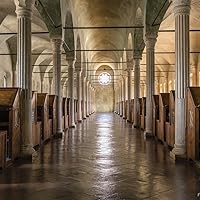
Se esponja la última luz de la tarde, dilatándose muy despacio ante la noche de tonos morados que se desliza bajo las terrazas, torres y espadañas.


Empieza la hora, tan gaditana y amada por ella, de la débil claridad marinera: cuando las voces y los sonidos se oyen amortiguados y lejanos como el martilleo de un calafate en una barca del puerto, los pescadores que vuelven de la muralla pasan bajo las farolas todavía apagadas con sus cañas al hombro, los ociosos regresan de ver ponerse el sol más allá del faro de San Sebastián, y en el interior de las tiendas y portales empiezan a encenderse candelillas, quinqués y candiles que intensifican el efecto de entreluces, salpicando la penumbra indecisa y serena donde la ciudad se recuesta cada día.

La novela cuenta muchas historias, que se entrelazan (algunas solo levemente) unas con otras. Un asesino en serie suelto por las calles de Cádiz, un capitán de artillería francés que quiere resolver el problema del tiro sobre la ciudad, un inspector de policía que tiene dentro más demonio que ángel, una empresaria que comercia con América, un capitán corsario que es contratado por dicha empresaria, un salinero que se gana la vida por el mecanismo de jugársela... Vamos saltando de historia en historia y puntada a puntada Reverte va tejiendo la novela.

A veces parece que llevamos cien páginas sin que pase nada, pero recopilando al acabar sí que pasan cosas. El tono menos épico, más despegado, que usa Reverte en este libro hace que aunque haya acción no la registremos.

En resumen, otro monumento del maestro que sin embargo me dejó esperando más. No le veo fallos obviamente pero mi estado de ánimo no se pudo comparar al de Cabo Trafalgar, por ejemplo. Tres y media.
Profile Image for Sakura87.
417 reviews102 followers
July 9, 2012
"Fateci entrare a Rota, capitano. Dopo di che, sia fatta la volontà del diavolo."

1811. Siamo a Cadice, città portuale dell'odierna Andalusia, uno degli ultimi baluardi della resistenza spagnola contro le truppe francesi che sperano di insediare sul trono spagnolo Giuseppe Bonaparte. Mentre sui tetti della città sotto assedio -che si tiene in piedi grazie all'alleanza con gli inglesi- fischiano le bombe nemiche, l'Assemblea Costituente si accinge a proclamare la prima Costituzione Spagnola, che vedrà la luce nel 1812. Contemporaneamente le colonie spagnole d'oltreoceano, partecipando dell'ondata liberale seguita alla Rivoluzione Francese, cercano di rendersi indipendenti, danneggiando irrimediabilmente l'economia spagnola che in buona parte si basa sui proventi delle Americhe.
Cadice, oltre alle bombe che aggiustano sempre più il tiro, al sovraffollamento dovuto all'immigrazione di chi si rifugia in città per non morire di fame, ai corsari francesi che attaccano le navi commerciali che giungono da oltremare, alle spie e alle diserzioni, deve anche fare i conti con un assassino seriale di giovani donne, che vengono rinvenute con la schiena squarciata fino alle ossa da impietose frustate.
In questo scenario prendono vita sei storie parallele: Tizón, ispettore spagnolo dai modi piuttosto sbrigativi, è sulle tracce del giocatore occulto, colui che, come in una partita di scacchi, sta giocando tra le caselle della città di Cadice eliminando vittime precisamente dove le bombe francesi hanno impattato -o impatteranno; Desfosseux, capitano dell'artiglieria francese, è occupato in complicati studi per migliorare la gittata e la qualità delle bombe, che non riescono a raggiungere tutte le zone di Cadice; Mojarra è un arruolato per necessità tra i fucilieri delle fila spagnole, e tenta di sopravvivere per poter provvedere al sostentamento della famiglia; Fumagal, inquietante imbalsamatore spagnolo, vende ai francesi informazioni sulle zone d'impatto delle loro bombe; Lolita Palma, ricca e giovane armatrice, porta avanti l'azienda di famiglia; e infine Pepe Lobo comanda la Culebra, brigantino corsaro al servizio dell'impresa Palma.

Un romanzo ben scritto che, di tanto in tanto, si sbilancia sfiorando l'illeggibilità. Mi spiego: qualcuno lamenta che Tolkien si soffermi a descrivere persino la caduta della foglia, ma almeno lui lo fa con una terminologia che chiunque può capire. Il giocatore occulto, invece, pur non utilizzando periodi troppo lunghi e complessi, risulta talvolta indigeribile per il massiccio utilizzo di termini tecnici, appartenenti all'ambito nautico, commerciale, bellico, balistico, … Come se non fosse abbastanza, in alcuni capitoli ai tecnicismi si accompagna uno dei più incredibili infodump (inforigurgito) in cui mi sia mai imbattuta, non esagero se affermo che probabilmente -per quanto riesca a ricordarmi- è riuscito battere in corsa I Pilastri della Terra di Ken Follett: d'una donna che passeggia per la propria casa diretta al giardino, Pérez-Reverte scrive quattro -quattro- pagine, premurandosi che il lettore conosca la squisita fattura delle sue ciabatte, la provenienza dei quadri alle pareti, la qualità del legno di cui i suoi mobili sono fatti e la precisa descrizione dei soprammobili, nonché il timbro di voce della cameriera che lavora cantando nella stanza affianco, le varietà dei fiori piantati in giardino, il fruscio della sua vestaglia di seta e, naturalmente, dove tale tessuto è stato acquistato. Questa tendenza, che rallenta enormemente la lettura della prima metà del romanzo, sembra assottigliarsi con il procedere dei capitoli -senza mai sparire del tutto, però. In ogni caso, è evidentissima nello scrittore la cura certosina con cui ha ricostruito la Spagna dell'Ottocento, e mette in luce un lavoro di ricerca a dir poco titanico.
La cornice del romanzo, dunque, è ottima: la stessa cura nel dettaglio la ritroviamo nei personaggi, per nulla prevedibili nei loro comportamenti. Salta all'occhio Tizón, personaggio certamente negativo per i suoi modi brutali e per la sua mancanza di compassione, che tuttavia si finisce per considerare con occhio indulgente. Lolita Palma resta impenetrabilmente rigida fino alla fine, sebbene di tanto intanto sia illuminata da un raggio di umana fragilità. Pepe Lobo, affascinante corsaro e, tutto sommato, personaggio positivo, dà talvolta prova di cruda durezza, così come anche Desfosseux, fanatico artigliere francese apparentemente interessato solo alle sue bombe, sa mostrarsi dotato di umanità. Non c'è un odiato manicheismo, in questo romanzo estremamente realistico anche in certe scelte strutturali che lo allontanano dai normali canoni della finzione che impongono che tutto venga a coincidere: è una poetica già sfruttata da Pérez-Reverte anche nell'altro romanzo che ho letto dell'autore, Il Club Dumas. Non ci sono tipi, a muoversi sulla scacchiera di Pérez-Reverte, ma uomini senza dubbio perfettibili e inclini all'errore e alla morte.
Il limite più evidente di questo romanzo è l'affastellamento di storie flebilmente collegate tra loro: la parentesi tra Lolita Palma e Pepe Lobo avrebbe potuto trovar posto in un altro romanzo, alleggerendo la lettura ed eliminando parte della troppa carne al fuoco. E' senza dubbio una lettura gradevole e interessante, in ogni caso, a patto che si abbia la pazienza di predisporsi a imparare, perché molti dei termini e dei concetti chiave non sono nel bagaglio culturale di tutti.
Tre stelle e mezzo, dunque.
Profile Image for Diego Artazcoz.
43 reviews1 follower
October 10, 2025
Por momentos el libro me encantó y por otros me desentendí de la historia.
Para mí gusto, demasiado largo y demasiado lento en algunos puntos.
No es un mal libro, pero Arturo me tiene acostumbrado a otra cosa.
Además, yo pensaba que era un libro histórico y resultó ser una novela policíaca - lo cual no es un problema, pero me rayó un poco al principio.
En fin, 7/10.
Displaying 1 - 30 of 287 reviews

Can't find what you're looking for?

Get help and learn more about the design.