What do you think?
Rate this book


Hardcover
First published January 1, 2010
Once we were idiots
Sinning day by day
Sand fleas on our feet
Heads full of mould
Thank you, reverend fathers!
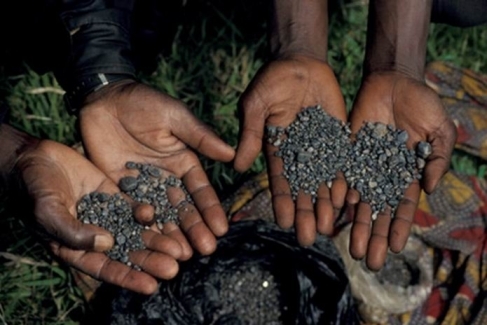
Congo became a ‘self-service country’. The scramble for Africa was now being organised by the Africans themselves.
no atavism, no primitive reflex, but the logical result of the scarcity of land in a wartime economy in the service of globalization – and, in that sense, a foreshadowing of what is in store for an overpopulated planet. Congo does not lag behind the course of history, but runs out in front.


 Patrice Émery Lumumba, 2 luglio 1925 – 17 gennaio 1961. Fu giustiziato e smembrato, i suoi resti fatti sparire nell’acido.