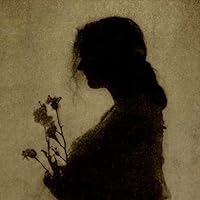
20. Yüzyıl tarihinin derin acıları ve hesaplaşmaları Gibrat'ın keskin mizah anlayışıyla Le Sursis'te yoğruluyor. Erteleyiş'in baş karakteri Julien ile birlikte okur insanlığa ve hayata "ölü" olduğu, artık var olmadığı yerden, mesafe alarak bakma şansı yakalıyor ve savaşa karar verenlerin hırsları yüzünden yitirdiklerini geri almaya çalışıyor.
Efsanevi çizer Jean Pierre Gibrat, işgal altındaki Fransa'nın küçük bir kasabasında, terk edilmiş bir evin çatı katından evrene bakan Julien özelinde grafik roman tabirindeki "grafik" ve "roman" sözcüklerinin hakkını veriyor. Sulu boya üzerine kuru pastel dokunuşlarla zamanı mühürleyerek "dönem hikâyesi" etkisini güçlendiren ve sulu boya dokusunun güzelliğiyle renklenen sayfalar boyunca savaşın acılarına içindeki ironiyi ve direnme cesaretini canlı tutarak karşı duran insanların hikâyeleri işbirlikçi ya da direnişçi olmanın ve kalan tüm ara durumların içindeki kayıp, özgürlük, aşk ve yitirişle ilgili değerleri tartışmaya açıyor. Doğup büyüdüğü kasabada bir kaçak, bir "hayalet" olarak saklanmak zorunda kalan Julien'in çocukluk aşkı Cecile'e ulaşma çabasından Alman güçleriyle onlara hizmet eden milislere kadar iç içe geçen hikâyeler ve elbette asker kıyafeti giydirilmiş bir terzi mankeni olan Maginot'nun sordurduğu sorular...
I read Gibrat’s lush Flight of the Raven last year, and liked it very much. It’s a gorgeously painted two-volume romantic adventure set in WWII, originally published in 2002/2005, And The Reprieve is a two volume prequel set published in 1998/1999, now translated in English as a one-volume tale, and it’s just as good. The initial attraction, again, is a gorgeous couple, gorgeously painted, in forties Hollywood fashion, while raising some serious issues about one’s commitments during war.
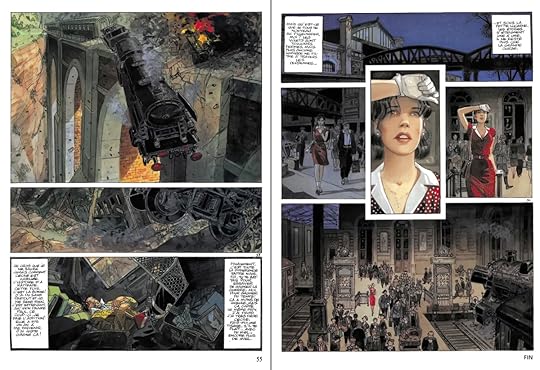
In this one, Julian escapes a train headed to a POW camp, the train is bombed and they think he is dead, so for a time there is a reprieve from the war for him. He goes back to mom in Cambeyrac, can’t stay there, so hides out in his friend Cecile’s isolated house. But the resistance beckons; can he avoid the war to just live in love with Cecile? Paul and Basil are brave, they must act: Can Julien? He must become an actor himself and meet his destiny. Beautiful book.
This is a fantastic French comic by Jean-Pierre Gibrat. My first time reading one of his books although his other book 'Flight of the Raven' has long been on my "to-find" list.
This story takes place in 1943 during the German occupation of France. Julien was supposed to be on a train headed for German. He's a prisoner-of-war. But he decides to flee instead. When the train he ought to be on is bombed, he's presumed dead. To take advantage of the situation he stays with his Aunt in a small village and spends most of his time spying on the window on a small busy courtyard... especially spying on a beautiful woman named Cecile.
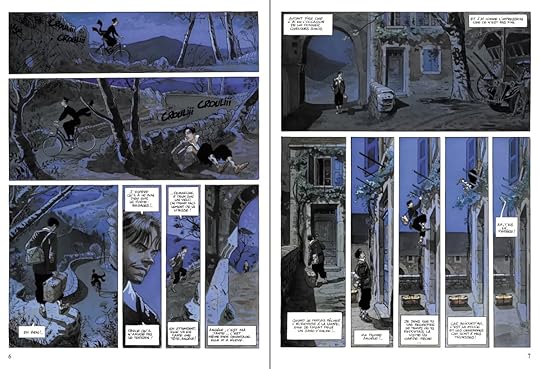
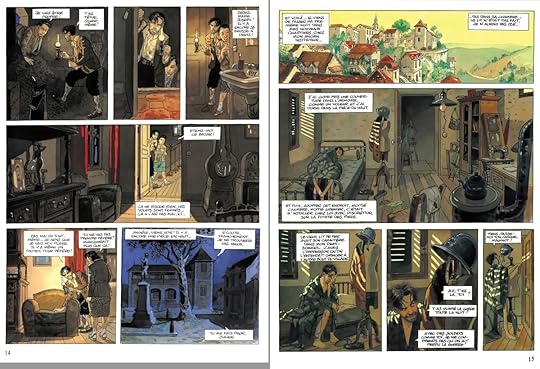
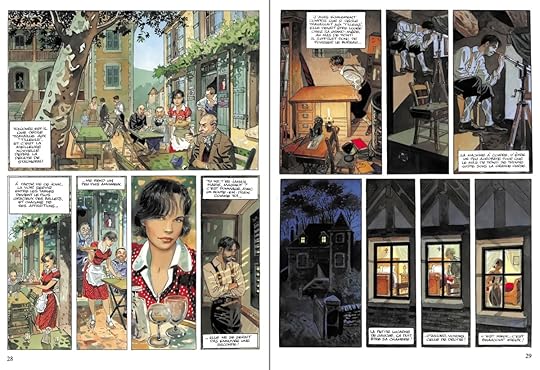
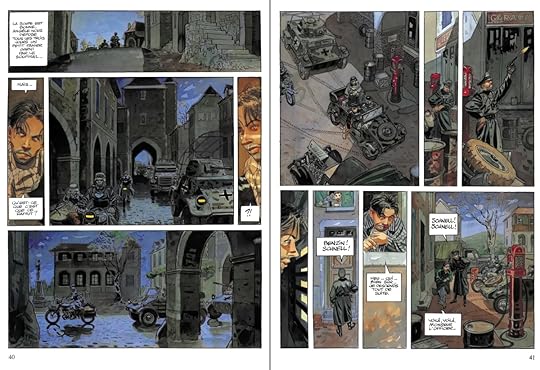
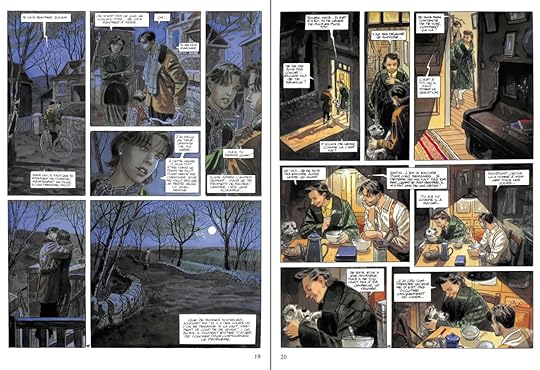
The artwork is fantastic. The panelling is very much in the vein of European comic albums. So you get about 10 panels of varying sizes. I preferred pages with large panels that let Gibrat render some very detailed environments. The amount of detail in Julien's bedroom, the way the courtyard cafe is rendered, it all adds up to a very authentic feeling document. It's a pitch-perfect period piece.
Üç buçuk yıldız. Aslında üçe yuvarlamaya daha meyilliydim fakat çalışkan sanatçıya kanaat notu kullanmak zorunda kaldım:)
İlk çıktığında da ses getirmiş fakat almamıştım. Bu defa diğer kitaplarla beraber Gibrat’ları sipariş ettim. İlk okuduğum oldu.
Açıkçası hikaye, karakterler, metin ve edebiyat açısından çarpıldığımı söyleyemiyorum. Bu kötü demek değil fakat çokça ortalama bazı bazı ortalamayı aşan kıvamda. Fakat tüm bunlardan sıyrılıp üç yıldızdan dörde seyri sağlayan önemli şeyler var. Bir tanesi Flaneur’un güzel ciltli baskısı (kılçık bir okur olarak sadece bir karede, sayfa 64 en alt sıra soldan 2, bir bulanıklık sezdim. Bende normal baskı var. Özel baskı olanlar veya diğer okurlar aynı şeyi görüyor mu paylaşırlarsa güzel olur. Başka yayıncılarda sayfa sayfa oluyor. Keyfe keder denebilir). Diğeri ve en önemlisi Gibrat’ın usta işi çizgileri. Çizgiler, sulu boya renklendirmeler, gölgeler nefis! Seyir keyifli. Bunun yanında detaylardaki özen ayrı bir güzellik. Dönem kostümlerinden, evlerin içerisindeki eşyalara, evlere, arabalara kadar ilmek ilmek örülmüş. Muzip yani eksik kalmamış, kararında tutulmuş bir Fransız sanat filmi havası da var işleyişinde.
Frankofon sevdalısı, çizim seyrine düşkün biriyseniz bu albüm size göre. Ana akımcılar iki kere düşünebilirler.
Cécile, io … Zitto! Francia, altopiano di Gréalou. Giugno 1943. La Francia è sotto il tallone dell’occupazione nazista. Julien si sottrae alla partenza forzata verso la Germania e ritorna nel piccolo villaggio di Cambeyrac, nella regione dell’Alvernia. Lo crederanno morto. Troverà rifugio nella casa disabitata del maestro Thomassin, arrestato e spedito nei campi di concentramento perché ebreo e comunista. Dalla finestra della soffitta, che affaccia sulla piazza del paesino, osserverà lo svolgersi della vita dei tanti personaggi di questo microcosmo che ben rappresenta gli effetti del lungo sonno della ragione che ha investito l’Europa per venti lunghissimi anni. Gli farà compagnia il manichino Maginot. Storie comuni, quasi banali della vita di un villaggio della placida campagna del sud della Francia, sconvolta dalla follia nazista. Ma raccontate con un garbo, una forza narrativa e una qualità grafica, che le trasforma in quadri che mettono in scena con rara efficacia i sentimenti più profondi. Qui alcune immagini http://aproposdelivres.canalblog.com/... Rebecca Manzoni, nella sua breve postfazione, scrive: «Io so che Il Rinvio ha cambiato la vita di Jean-Pierre, sia come uomo che come disegnatore. E mi permetto di scrivere, per finire, che la cambierà anche a voi». Concordo ... et donc … vive la France, vive la Revolution! [Mar, 2017]
Натрапив на роботи Жан-Поля Жібра ще дуже давно, випадково переглядаючи французькі видання, і відразу закохався у його неповторний стиль. Легкі, але водночас надзвичайно деталізовані лінії, акварельні відтінки, атмосфера часу — усе це в його малюнках створює дивовижний ефект. Відтоді кілька англомовних видань Жібри знайшли своє місце у моїй бібліотеці. Та вперше мені випала нагода прочитати його роботу рідною українською мовою, а саме бандесіне «Відстрочка».
Події переносять нас у червень 1943 року, в містечко Камберак на півдні Франції, що живе під тінню окупації. Головний герой, Жюльєн, вважається мертвим після бомбардування поїзда, яким його мали відправити до Німеччини. Насправді він дивом урятувався й тепер ховається на горищі покинутого будинку вчителя. Звідти він спостерігає за життям містечка, немов за театральною сценою. Перед його очима постають історії мешканців: кохання, зради, дрібні радощі, прояви боягузтва і відваги. І, звісно, особливе місце у цих спостереженнях займає Сесіль — юна дівчина, в яку Жюльєн безнадійно закоханий. Її постать у червоній сукні стає для нього світлом серед темряви війни, сенсом його щоденного чекання. Але війна нагадує про себе: загін німців у будь-яку мить може змінити хід подій, а доля виявляється безжальною, залишаючи героя лише у стані «відстрочки».
Враження від цього твору двоїсті й водночас неймовірно сильні. З одного боку, історія захоплює красою малюнку, витонченістю діалогів і загальною атмосферою, де буденність переплітається з історичною драмою. З іншого боку, темп оповіді повільний, майже споглядальний, і це може здатися дивним. Як і сам сюжет також. Читаючи, іноді ловиш себе на тому, що сюжет ніби зависає у часі, як сам Жюльєн у своєму сховку на горищі. Автор не женеться за динамікою, а дозволяє відчути ритм життя маленького міста під час війни, з його тривожним очікуванням і тихими митями радості.
Жюльєн — юнак, який опинився між життям і смертю, між минулим і майбутнім. У ньому є певна пасивність: він не герой у класичному розумінні, а радше спостерігач, що вдивляється в інших, намагаючись зрозуміти їхні мотиви та власне місце у світі. Сесіль — втілення краси, символ надії серед сірості війни. Саме її образ формує емоційну вісь оповіді, роблячи «Відстрочку» історією не лише про війну, а й про любов, яка завжди залишається поруч із нами навіть у найтемніші часи.
Акварель Жібри є неймовірної краси, де кожен штрих продуманий: від осіннього листя до відблиску лампи у вікні. Атмосфера Камберака передана з такою точністю, що сторінки можна розглядати довго, як картини. Мабуть, у цьому й полягає особлива сила Жібри — він створює світ, де зображення і слова перебувають у гармонії, а час наче сповільнюється. Художник уважно попрацював із костюмами й предметами побуту епохи. Завдяки цьому кожна деталь у кадрі, від віконниць до суконь, має історичну достовірність і художню довершеність.
«Відстрочка» — це не лише історія про війну та кохання. Це медитативна подорож у час, де життя маленького міста стає відображенням великої історії. Бандесіне вражає візуальною красою, тонким психологізмом і незвичним балансом між інтимною історією двох людей та ширшим контекстом Другої світової війни. Мабуть, цей твір не кожному підійде. Він потребує уважного й неквапливого читання. Але якщо дати йому шанс, то «Відстрочка» відкриється як справжній шедевр, де кожен кадр і кожне слово працюють на створення особливої атмосфери.
«Відстрочка» прекрасна у візуальному плані й залишає після себе дивне, але хороше відчуття. Ніби сам пережив маленьку частину чужого життя.
No conocía absolutamente nada de esta obra, y si la he leído ha sido por recomendación de un amigo y porque me lo ha prestado él. Y ha sido una grata sorpresa.
Este relato costumbrista nos sitúa en la Francia ocupada a finales de la 2a guerra mundial, en la que el joven Julien ha sido dado por muerto. Cosa que por avatares del destino no es cierta, y el propio Julien vuelve a su pueblo a esconderse hasta que todo acabe. Allí conoceremos a algunos de los habitantes, en especial a su amada Cecile y su tía Angele junto a otros.
La historia no es en sí muy compleja, puesto que la primera mitad de la obra transcurre en su mayoría en un espacio cerrado y la segunda mitad tiene cosas pero no sin muy elaboradas. Pero te engancha y quieres saber más de los personajes.
Mención especial al arte de la obra, que es de estilo realista, en algunos momentos casi parecen fotos. Tiene escenarios que son una delicia de contemplar y que bien darían para poner en algún cuadro. Los personajes están muy bien definidos también, y aquí destaca por encima de todos Cecile, en mi opinión.
Una obra que se lee muy bien y que es una obra de arte en sus imágenes.
------------
I did not know absolutely anything about this work, and if I have read it, it has been on the recommendation of a friend and because he has lent it to me. And it has been a pleasant surprise.
This slice of life story places us in occupied France at the end of the Second World War, in which young Julien has been presumed dead. Which, due to the vicissitudes of fate, is not true, and Julien himself returns to his town to hide until everything is over. There we will meet some of the inhabitants, especially his beloved Cecile and his aunt Angele along with others.
The story itself is not very complex, since the first half of the work takes place mostly in a closed space and the second half has things but not very elaborate. But it hooks you and you want to know more about the characters.
Special mention to the art, which is realistic in style, in some moments they almost seem like photos. It has scenarios that are a delight to contemplate and that would do well to put in a painting. The characters are very well defined too, and here Cecile stands out above all else, in my opinion.
A work that reads very well and that is a piece of art.
La historia transcurre entre 1943 y 1944 en un pueblo francés de la República de Vichy. El joven Julian ha saltado del tren que le llevaba al frente alemán y ha vuelto al pueblo a esconderse mientras le buscan. Resulta que no le busca nadie porque el tren fue bombardeado y los gendarmes, al encontrar su documentación entre los restos del tren, creen que ha muerto. Julian se esconde y durante un año completo asiste desde el ventanuco de su escondrijo a la vida del pueblo. Los dibujos de Gibrat son preciosos, los personajes, los colores, los detalles son tan vívidos que dan ganas de vivir en ellos, de meterse en la viñeta y sentarse en esa plaza francesa a tomar un vino con los parroquianos o caminar por la nieve en los caminos que unen las granjas. Lo único que no me gusta de Gibrat es que siempre dibuja a la misma mujer y que mientras en el resto de los personajes es capaz de captar un millón de expresiones y gestos, con la mujer que siempre dibuja como protagonista siempre tiene la misma cara: boquita roja con los labios entreabiertos y carita de que mona soy.
Gibrat svakim svojim stripom pokazuje da je jedan od najboljih suvremenih francuskih crtača, no mišljenja sam da isto ne vrijedi i za njegove scenarije. Odgoda je jedna solidna (anti)ratna priča koja nažalost pati od presporog tempa i ne previše zanimljivih likova. Pomalo neuvjerljiva ljubavna drama s iznenađujućim završetkom, ali i manjkom emocija. Ipak, i kao takva je zanimljiva za pročitati, ako ništa onda zbog jako lijepog crteža kojim ju autor oslikava. Gibratove pejzaže, arhitekturu i prije svega ljude (iako više žene nego muškarce), užitak je promatrati i oni su najveća vrijednost ovog stripa.
Wie schon in "Von Dieben und Denunzianten" dreht sich auch "Der Aufschub" um den französischen Widerstand. Nur ist die Handlung hier wesentlich stimmiger. Eine leise Geschichte um einen verliebten Deserteur, der sich mit der Zeit entscheiden muss ob er auch aktiv am Widerstand teilnehmen möchte. Gibrat lässt sich angenehm viel Zeit beim Erzählen und zeichnet so ein authentisches Bild des Alltags während der Besatzungszeit. Mal humorvoll, mal bedrückend aber stets in seinem unverwechselbaren warmen und verspielten Zeichenstil.
This was very good, don't get me wrong. But... it just didn't have as much punch as Flight of the Raven. I don't think I connected to the characters as much as I did in FOTR. And, when I heard there was another graphic novel releasing by this author, I was kind of hoping it would be a sequel, not a prequel.
All the same, it was a good read. And also... man, what is up with this author and his endings? It's like he wants to be cruel.
I really really love the artwork. It's amazing how many beautiful details there are. The story is pleasant and smooth. But it's like a musical. Nothing actually happened the whole time. Until the end when you are hit with some real drama. By reading the last pages I understood the name of the comics. Not expected on my end at all. Anyway, I'm tempted to read the following Flight of the Raven as well.
Uma história bem bacana mostrando a progressão da vida em uma vilazinha na França ocupada pelos nazistas durante a Segunda Guerra. A arte é incrivel e o quadrinho é repleto de sutilezas.
Što je najgore, nije ovo ni tako loše zamišljen zaplet. Dobra je ideja.
Storija o sudbinskoj kupovini vremena u ratnim okolnostima - skrivanjem, šarmantno prošaranim prizorima okupacione svakodnevice i ispunjenom francuskim poljupcima u zaleđu nezaboravnog krajolika.
Samo što Gibrat veze nema s pisanjem, najblaže rečeno. A nije mu ni prioritet da scenario tu sad nešto “grmi”, ‘nedajbože’ dominira ili šljaka pod konac. Glavno da je on sebi udesio narativne okolnosti za raskošne panele. Ionako crta/slika, STVARNO ‘za medalju’ 😊… koja ga, konačno, a i bukvalno, nije mimiošla.
The art in this deserves at least two more stars...but my ambivalence about the protagonist, especially in light of the awesome characters surrounding him, left me feeling less impressed with the book than I wanted to be.
I obviously didn't read the entire description. I wasn't looking for a sad ending. Worth it for the Beautiful beautiful art. However, storytelling isn't exactly what I was hoping for. Still some of the best art I've seen in a graphic novel.
Kad, skriven iza žaluzina stana u potkrovlju, Julien promatra vlastiti pogreb on se prepušta humoru, prepušta se karikaturalnom prikazu događaja. Njegov pogled na besmisao rata sažet je u toj sceni, u pogrebu koji istodobno i jest i nije njegov. 1943. u francuskom selu pretvorila ga je u voajera. Izbjegao je odlazak u rat i nes(p)retnim spletom okolnosti postao svjedok vlastitog pokopa. Koliko god mu seoska idila sugerirala mir, on je samo privid, farsa poput tog pogreba. Tu je, doduše, i Cecile. Djevojka koja nam je simpatična gotovo kao i glavni junak. Prema njoj s njim dijelimo povezanost i strast čitavo vrijeme bolno svjesni, kao i u "Dnevniku Ane Frank", da ta mala oaza "mira" ne može i neće izdržati. Svaka sredina ima fanatike i razumne ljude. Sukob između te dvije krajnosti je neminovan, a u ratno vrijeme baš fanatici dolaze na svoje. Razum nije potreban gdje vlada isključivost. Promišljanje je glavni oponent tiranije. Gibrat se sjajnim crtežom referira upravo na dvostrukost rata, na taj prostor između ekstrema. Najlakše se pretvarati da se oko nas rat ne događa, najlakše ja zatvoriti oči. No, rat neće dopustiti da to pretvaranje potraje dugo. Maske padaju. Skrovišta mijenjaju svrhu. Ono što ostaje ogoljeno nastoji sačuvati ponos. "Odgoda" je idealan naslov ovog sjajnog romana. U tom "odgođenom" vremenu ostaje prostora za nadu. Možemo se nadati da će antagonisti nastradati, a da će pravda biti zadovoljena. Možemo iščekivati neki možebitni "happy-end". Gibrat nam, međutim, priča životnu priču. U životu, ipak, nikad ne znamo što smo točno odgodili.
Birkaç yıl önce Karganın Uçuşu’nu okumuştum. Bakısı yoktu o zamanlar Erteleyiş’in. Ama aslında Erteleyiş daha önce çıkmıştı. Şimdi Erteleyiş’i bitirdim ve çizimlere tekrar hayran kaldım. Karganın Uçuşu’nu tekrar okurum ama yorum yazmam sanırım. Karşılaştırmak adına Karganın Uçuşu’nu daha çok sevdiğimi söyleyebilirim. Çünkü o Erteleyiş’in aksine Paris’te geçiyor ve çizerin müthiş Paris çizimlerini görebiliyoruz. Ayrıca hikayesi de daha dinamikti bana göre. Gibrat okurken 2.DS’na olan merakım daha da perçinleniyor. Savaşı küçük bir Fransız kasabasında yaşananlar üzerinden anlatmaya başlaması ise Fransa tarihine olan merakımı arttırıyor. 4 yıl boyunca siyaset bilimi okudum ama ülkelerin kendi özellerinde tarihlerine hiç inmediğimi fark ediyorum. Edebi eserler üzerinden buna başlamanın zevki çok ayrı. Son olarak yayınevinin titiz işçiliğini kutlarım. Şu baskılar kaç ülkede bu kadar iyi yapılıyor bilmiyorum. Son baskılarla birlikte ince kapağı(soft cover) bırakıp tamamen sert kapağa(hard cover) geçmeleri daha iyi oldu. En azından eseri daha rahat açıp inceleyebiliyoruz. Çizimlere, renklere zaten diyecek yok. Gibrat’yı çizerken ve boyarken izlemeyi çok isterdim.
Here is the thing. Do you remember Caledon Hockley, the bastard from Titanic, who played by Billy Zane? The protagonist Julien Sarlat looks like Billy Zane.
Dunno why I couldn’t shake this thought. Whatever.
Occupation of France. There is a couple during this time, Julien and Cecile. Also Locals, good guys n’ bad guys. Right or wrong. Virtuous or dishonorable. Brave or coward.
As if the plot is not enough to be a Hollywood movie, the ending is definitely in Hollywood fashion, by this means it receives Oscars...
Ugh.
Art is beautiful though. Watercolor touch with realistic lines; beautiful landscapes, city spaces; tones of colors, angles and perspectives… Lovely.
So I don’t know why I bored to death. Despite it’s a WWII story- that can not give me any new interest cuz’ I’m done with WWII since I was fifteen thanks to Hollywood- it could be cliché yet more. I got the notion, but it’s boring.
Jean-Pierre Gibrat har skapat en vacker, tankvärd, långsam berättelse om Andra Världskriget, men i någon mening förlagd till krigets utkant. Fransmannen Julien lyckas undvika att bli inkallad att kämpa på tyskarnas sida genom att hoppa av tåget, som sedermera kraschar och lämnar myndigheterna i tron att han är död. Så påbörjar Julien en ny, hemlig existens. Gömd i sin barndomsby med hjälp av sin moster, bidar han sin tid, samtidigt som han ser hur kriget påverkar vardagen i den lilla byn och människorna han växt upp ibland.
Serien gavs ursprungligen ut på franska i två album som här samlas i en volym, vilket är ett bra format för den. Berättelsen är tänkvärd och berörande.
No me gustó Pinocha y no me ha gustado esta prórroga pese a tener más sustancia. El autor dibuja bien, en la línea de Giardino, pero las historias que escribe no me acaban de convencer.
Visually exquisite but narratively tedious, THE REPRIEVE plucks from the wiles of history a few seasons of intrepid monotony of German occupied France (circa 1943). As such, a military deserter who finds comfort in the attic of a jailed schoolteacher is not much cause for intrigue.
The Second World War ferried conflict for myriad peoples in villages small and smaller, and for the folks of Cambeyrac, in southwestern France, the pressures and annoyances of military occupation broker no uncommon sympathies: annoying collaborators, bitter and chatty old-timers, petulant resistance fighters, scratchy radio transmissions, and more. And so, when Julien Sarlat returns to the village, under the cover of darkness, it's as much to keep the militiamen from spotting him as it is to prevent the locals from setting him to task, what for the troubling times they now face.
Julien keeps to his hidey hole in the attic near the center of town, peeping through a telescope the minor happenings of the summer of 1943: yard games; drinks at the café; a few attempted murders; a few funerals; and the long-delayed return of his recent fling, Cécile. THE REPRIEVE may draw hard and obvious thematic parallels of conflict avoidance (i.e., war desertion and withdrawal from interpersonal relationships), but the comic book pivots most centrally around Julien and Cécile's flourishing romance (the couple was once separated, but now find reason to return to one another's embrace). Stolen glimpses from afar. Jealous harrumphs through a foggy window. Wistful sighs as the morning sun casts kind shadows by way of a café awning. And later, lingering hugs, feverish kisses, and childish whimpers of loneliness when life continues to turn out invariably different than one hopes or supposes.
THE REPRIEVE is a beautiful book. Every panel is scenic; watercolor designs with tight lines and hard edges, consistent and lively coloring, and a remarkable control of mood and tempo through smart lighting and perspective. Viewing the town square from the attic, for example, affords readers unique angles with which to view interpersonal conflict (e.g., drive-by shootings carry a different tenor when the people involved are known, but as small as figurines). Elsewhere, scenes that occur in the evening or at night are easy to see, the moon's reflection never feels artificial, and the artist's insistence on moving readers through the space without manipulating the space itself is a notable feat.
Julien is a forgettable character and spends much of his time blathering nonsense to the dress form in the corner. Readers can be forgiven for ignoring Julien's adolescent and simple-minded view of the war conflict when observing the smattering of color and detail of Julien's hideaway attic in the daytime: lamps, books, teapots, maps, desks, chairs, and of course, Cécile's red dress, which always steals the eye. Cécile is less of a character than a prop, considering how the author poses, styles, and dresses the young woman as an object of desire. Nevertheless, as the most beautiful character in a beautifully illustrated book, such complaints may be for naught.
A beautifully illustrated graphic novel. That tells a powerful story. The Reprieve is the prequel to the also excellent Flight of the Raven, if anything I liked it even more because it was a deeper and more complex portrait of what it was like in France under the occupation and a bit less of a thriller.
The story takes place entirely in a French town in 1943 and 1944. It is mostly seen from the perspective of Lucien, a young man who escaped from work duty in Germany and is hiding out, observing the town—including the tensions between the collaborators and the resistance, lusting after one particular woman (the sister of the protagonist of the Flight of the Raven), and not really doing much to help the resistance. The way the war does and doesn’t affect the day-to-day life of the town is depicted, including the cafe, the church, the school and more. The radio reports on the advances of the allies in Italy and the Russians starting from the turnaround at Stalingrad, set against the more limited but symbolically important actions of the resistance. Oh, and it’s an excellent love story as well. And everyone looks very stylish.
This graphic novel takes place during the German occupation of France in World War II. Julien, the protagonist, observes life in Cambeyrac from behind the half-closed blinds of his hiding place, without imagining that he might never be able to escape his fate.
At the end of June 1943, Julien enters through the window of Aunt Angèle's house, while the train he should have been on, heading for Germany, is bombed by the Allies. His wallet is found in the pocket of one of the victims. Julien will then have to attend his funeral from behind the half-closed shutters of the house of Mr Thomassin, his primary school teacher, deported for being a Communist and a Jew. It is there, in his new hiding place, in a privileged location, that he will spend his days observing life outside, but above all Cécile.
In the dramatic context of World War II, Gibrat offers us unforgettable characters, breath-taking landscapes, and a realistic chronicle of the daily lives of the inhabitants of a small French village, faced with the fear, anxiety and tragedy generated by the German occupation. Julien witnesses everything from afar, including the conflict between local resisters and the militia, and invites the reader to accompany him on his voyeuristic adventures and daring nocturnal forays through fields and empty streets. Can he come back to life, in the truest sense of the word, or will he be forever a ghost, slowly fading from the memory of his friends and acquaintances?
Another French graphic novel about WW2. This is a totally fictional (and not very realistic, I would say) story about life in a little town in Nazi-occupied France. (It is actually translated into Ukrainian and published as “Відстрочка” (Жан-П’єр Жібра), but I was interested in the original text in French, of course.) I picked it up because I was smitten by its visual beauty, plus for practice in French, but this is not something that I would recommend for reading. The story was OK, but there is nothing especially interesting, and you cannot learn much from it about history.
The story is about a young man who was hiding in an abandoned house in the middle of his town, while everybody believed that he had died in a train crash. This allows him to avoid being sent for forced work by the Nazi occupiers and wait for the end of the war in safety. As the house is located in the middle of the town, he can “observe” (seeing and hearing everything) what is going on there every day (not very realistic, as I said). Well, he was also somewhat involved in the resistance activities of local guerrilla fighters, but not very much. Most of his thoughts and “observations” were about his friend, a local girl, who would become his girlfriend later, as you can understand (and this is actually the main storyline there).
The illustrations are very cool, and I liked the style of the artist very much. He uses juicy, vibrant colors and skillfully balances between photorealistic and somewhat caricature representations of people (something very similar to Norman Rockwell, only more “artistic” and narrative). There is a lot of internal humor and personal character in his portraits of people. However, it should be said that the author is thinking about sex all the time fixated on representing the main heroine (the girlfriend of our hero) in a hypereroticized manner, even when it is not very appropriate in the course of the story (for example, during some very tragic events). It was so stupid that even felt funny and sweet in its naive stupidity, so I just laughed about it, having no heart to criticize the author about this rampant sexism and sexualization of the story overall (after all, the story itself is just an entertainment, so why not about sex and hormones as well?).
Unfortunately, as I said, there is not much “story” there, so I cannot honestly recommend it, unless you need something beautiful, light, and senseless (or just love “romantic adventures” regardless of anything else).
The novel was originally published in two volumes, but you can find it in one “integral” edition as well. There is also a sequel graphic novel (“Le Vol du corbeau”) that tells about similar events, using some of the characters from “Le sursis” but with other main heroes, but I do not feel interested in reading it. As I can see from the available images, it is made in the same style, beautifully drawn and with a very “hot” main heroine (who looks exactly like Cecile from “Le sursis,” but should be a totally different person )).
Jean-Pierre Gibrat disegna molto bene ed alcune tavole sono un vero piacere per gli occhi. Nel complesso però questa storia ambientata durante l’occupazione nazista in Francia non mi ha convinto. Ho trovato la scrittura un po’ troppo commediola francese e ho faticato ad associare questo tono di commedia ad un periodo così drammatico della storia francese. Anche il disegno risente di questo tono leggero, con i personaggi tutti lievemente caricaturali e lo stesso protagonista maschile, Julien, è un perdigiorno innamorato della sua Cécile, che non ha il minimo interesse ad occuparsi di cose più serie. Julien ne esce un po’ come uno stupidotto, un ragazzetto capriccioso, mentre intorno a lui la gente rischia la vita e muore anche. Insomma, il mood della storia e la sua realizzazione grafica non mi hanno convinto, il finale invece è notevole.










![Profile Image for Amanda [Novel Addiction].](https://i.gr-assets.com/images/S/compressed.photo.goodreads.com/users/1415744673i/4886503._UX200_CR0,36,200,200_.jpg)