

What do you think?

El proceso
Podany w nowej, niezwykle efektownej graficznej postaci Proces jest ponurą opowieścią o zatrzymanym pewnego poranka z niewyjaśnionych powodów Josefie K. i jego zmaganiach z miażdżącą machiną prawną. K. miota się od jednego konsternującego spotkania do drugiego, coraz bardziej rozpaczliwie usiłując dowieść niewinności w obliczu niejasnych zarzutów. Jako wymowny obraz autorytarnej biurokracji niszczącej życia pozostawionych samym sobie obywateli Proces nie stracił nic ze swojej aktualności.
- GenresClassicsGraphic Novels
320 pages, Paperback
First published January 1, 1925
About the author
Franz Kafka
3,608 books41.5k followersFranz Kafka was a German-speaking writer from Prague whose work became one of the foundations of modern literature, even though he published only a small part of his writing during his lifetime. Born into a middle-class Jewish family in Prague, then part of the Austro-Hungarian Empire, Kafka grew up amid German, Czech, and Jewish cultural influences that shaped his sense of displacement and linguistic precision. His difficult relationship with his authoritarian father left a lasting mark, fostering feelings of guilt, anxiety, and inadequacy that became central themes in his fiction and personal writings.
Kafka studied law at the German University in Prague, earning a doctorate in 1906. He chose law for practical reasons rather than personal inclination, a compromise that troubled him throughout his life. After university, he worked for several insurance institutions, most notably the Workers Accident Insurance Institute for the Kingdom of Bohemia. His duties included assessing industrial accidents and drafting legal reports, work he carried out competently and responsibly. Nevertheless, Kafka regarded his professional life as an obstacle to his true vocation, and most of his writing was done at night or during periods of illness and leave. Kafka began publishing short prose pieces in his early adulthood, later collected in volumes such as Contemplation and A Country Doctor. These works attracted little attention at the time but already displayed the hallmarks of his mature style, including precise language, emotional restraint, and the application of calm logic to deeply unsettling situations. His major novels The Trial, The Castle, and Amerika were left unfinished and unpublished during his lifetime. They depict protagonists trapped within opaque systems of authority, facing accusations, rules, or hierarchies that remain unexplained and unreachable. Themes of alienation, guilt, bureaucracy, law, and punishment run throughout Kafka’s work. His characters often respond to absurd or terrifying circumstances with obedience or resignation, reflecting his own conflicted relationship with authority and obligation. Kafka’s prose avoids overt symbolism, yet his narratives function as powerful metaphors through structure, repetition, and tone. Ordinary environments gradually become nightmarish without losing their internal coherence. Kafka’s personal life was marked by emotional conflict, chronic self-doubt, and recurring illness. He formed intense but troubled romantic relationships, including engagements that he repeatedly broke off, fearing that marriage would interfere with his writing. His extensive correspondence and diaries reveal a relentless self-critic, deeply concerned with morality, spirituality, and the demands of artistic integrity. In his later years, Kafka’s health deteriorated due to tuberculosis, forcing him to withdraw from work and spend long periods in sanatoriums. Despite his illness, he continued writing when possible. He died young, leaving behind a large body of unpublished manuscripts. Before his death, he instructed his close friend Max Brod to destroy all of his remaining work. Brod ignored this request and instead edited and published Kafka’s novels, stories, and diaries, ensuring his posthumous reputation.
The publication of Kafka’s work after his death established him as one of the most influential writers of the twentieth century. The term Kafkaesque entered common usage to describe situations marked by oppressive bureaucracy, absurd logic, and existential anxiety. His writing has been interpreted through existential, religious, psychological, and political perspectives, though Kafka himself resisted definitive meanings. His enduring power lies in his ability to articulate modern anxiety with clarity and restraint.
Kafka studied law at the German University in Prague, earning a doctorate in 1906. He chose law for practical reasons rather than personal inclination, a compromise that troubled him throughout his life. After university, he worked for several insurance institutions, most notably the Workers Accident Insurance Institute for the Kingdom of Bohemia. His duties included assessing industrial accidents and drafting legal reports, work he carried out competently and responsibly. Nevertheless, Kafka regarded his professional life as an obstacle to his true vocation, and most of his writing was done at night or during periods of illness and leave. Kafka began publishing short prose pieces in his early adulthood, later collected in volumes such as Contemplation and A Country Doctor. These works attracted little attention at the time but already displayed the hallmarks of his mature style, including precise language, emotional restraint, and the application of calm logic to deeply unsettling situations. His major novels The Trial, The Castle, and Amerika were left unfinished and unpublished during his lifetime. They depict protagonists trapped within opaque systems of authority, facing accusations, rules, or hierarchies that remain unexplained and unreachable. Themes of alienation, guilt, bureaucracy, law, and punishment run throughout Kafka’s work. His characters often respond to absurd or terrifying circumstances with obedience or resignation, reflecting his own conflicted relationship with authority and obligation. Kafka’s prose avoids overt symbolism, yet his narratives function as powerful metaphors through structure, repetition, and tone. Ordinary environments gradually become nightmarish without losing their internal coherence. Kafka’s personal life was marked by emotional conflict, chronic self-doubt, and recurring illness. He formed intense but troubled romantic relationships, including engagements that he repeatedly broke off, fearing that marriage would interfere with his writing. His extensive correspondence and diaries reveal a relentless self-critic, deeply concerned with morality, spirituality, and the demands of artistic integrity. In his later years, Kafka’s health deteriorated due to tuberculosis, forcing him to withdraw from work and spend long periods in sanatoriums. Despite his illness, he continued writing when possible. He died young, leaving behind a large body of unpublished manuscripts. Before his death, he instructed his close friend Max Brod to destroy all of his remaining work. Brod ignored this request and instead edited and published Kafka’s novels, stories, and diaries, ensuring his posthumous reputation.
The publication of Kafka’s work after his death established him as one of the most influential writers of the twentieth century. The term Kafkaesque entered common usage to describe situations marked by oppressive bureaucracy, absurd logic, and existential anxiety. His writing has been interpreted through existential, religious, psychological, and political perspectives, though Kafka himself resisted definitive meanings. His enduring power lies in his ability to articulate modern anxiety with clarity and restraint.
Ratings & Reviews
Friends & Following
Create a free account to discover what your friends think of this book!
Community Reviews
Displaying 1 - 30 of 35 reviews

July 15, 2025
Das Buch hinterlässt bei uns ein Gefühl der Verstörung, weil Kafka eine Welt zeigt, in der die Grenzen verschwimmen.
Josef K. wird ohne erkennbare Ursache angeklagt, durchläuft einen undurchsichtigen Prozess.
Der Mensch steht im Zentrum einer Welt, die ihn richtet, ohne ihm Erklärung oder Halt zu geben.
Kafkas Text ist aber mehr als Gesellschaftskritik.
Der wahre Kampf findet im Inneren von Josef K. statt.
Mit jedem Kapitel gerät er mehr ins Wanken, verliert Sicherheit, verliert Sprache, verliert sich selbst.
Der Prozess löst bei ihm seelischen und äußerlichen Zerfall aus.
Kafkas Text richtet sich nicht gegen ein bestimmtes System, sondern gegen das Gefühl, in keiner Welt wirklich verstanden zu werden.
Es geht um innere Not, nicht um äußere Parolen.
Das berühmte Gleichnis vom Türhüter macht auf schmerzhafte Weise deutlich, dass der Mensch auf eine Antwort wartet, die nie kommt und dann erst im Sterben erfährt, dass die Tür nur für ihn bestimmt war.
Kafkas Stil ist sachlich, protokollarisch und erzeugt eine Atmosphäre der Beklemmung. Nichts ist verständlich.
Die fragmentarische Struktur und das abrupte Ende "Wie ein Hund!" machen unmissverständlich klar: Es gibt keine Erlösung, keine Auflösung, vor allem keine Gerechtigkeit.
Ein zeitloses Werk.
Vielen Dank für den dritten Kafka - Buddyread @kingofmusic.
Es war wie immer ein Vergnügen.
Im Herbst/Winter geht es dann weiter.
Vielleicht gibt es dann bei mir Neuigkeiten bezüglich meiner Buchleidenschaft ⏳
Josef K. wird ohne erkennbare Ursache angeklagt, durchläuft einen undurchsichtigen Prozess.
Der Mensch steht im Zentrum einer Welt, die ihn richtet, ohne ihm Erklärung oder Halt zu geben.
Kafkas Text ist aber mehr als Gesellschaftskritik.
Der wahre Kampf findet im Inneren von Josef K. statt.
Mit jedem Kapitel gerät er mehr ins Wanken, verliert Sicherheit, verliert Sprache, verliert sich selbst.
Der Prozess löst bei ihm seelischen und äußerlichen Zerfall aus.
Kafkas Text richtet sich nicht gegen ein bestimmtes System, sondern gegen das Gefühl, in keiner Welt wirklich verstanden zu werden.
Es geht um innere Not, nicht um äußere Parolen.
Das berühmte Gleichnis vom Türhüter macht auf schmerzhafte Weise deutlich, dass der Mensch auf eine Antwort wartet, die nie kommt und dann erst im Sterben erfährt, dass die Tür nur für ihn bestimmt war.
Kafkas Stil ist sachlich, protokollarisch und erzeugt eine Atmosphäre der Beklemmung. Nichts ist verständlich.
Die fragmentarische Struktur und das abrupte Ende "Wie ein Hund!" machen unmissverständlich klar: Es gibt keine Erlösung, keine Auflösung, vor allem keine Gerechtigkeit.
Ein zeitloses Werk.
Vielen Dank für den dritten Kafka - Buddyread @kingofmusic.
Es war wie immer ein Vergnügen.
Im Herbst/Winter geht es dann weiter.
Vielleicht gibt es dann bei mir Neuigkeiten bezüglich meiner Buchleidenschaft ⏳

July 12, 2024
„Jemand musste Josef K. verläumdet haben, denn ohne dass er etwas Böses getan hätte, wurde er eines Morgens verhaftet.“
Dieser ersten Satz, wirft uns direkt in die Tiefen des Process von Franz Kafka. Josef K. (im Buch dann kurz K. genannt) arbeitet als Prokurist in einer Bank und wird ganz überraschend festgenommen und hat absolut keine Ahnung was zu dieser Verhaftung geführt haben könnte. Am Morgen seines 30. Geburtstages muss K. sich fragen - warum wurde ich angeklagt? Und der Leser stellt sich die gleiche Frage. K. sucht Hilfe, um herauszufinden, weswegen er angeklagt wurde und gerät in die Fänge der Bürokratie. Es kommt zu abstrusen Geschehnissen, die sich nur schwer erklären lassen und der Rechtsprozess geht seine eigenen Wege, ohne von K. beeinflusst werden zu können. Dies führt zu einer Kündigung seines Rechtsbeistandes, da K. annimmt, dass selbiger dem Gericht wohlgesonnener zu sein scheint als ihm selbst. Er gerät in die Mühlen der Juristerei - welche ihm kein holdes Ende bescheren und ihm einiges an Durchhaltevermögen abverlangen - doch zu viel möchte ich gar nicht über den Inhalt verraten; man muss den Process selbst gelesen haben, um in sein faszinierendes Kuriosum eintauchen zu können.
Reiner Stach offeriert seinen Lesern eine neue Konzeption des Process‘ inklusive hilfreicher Kommentare und einem nicht außer acht zu lassendem Nachwort. Die Aufteilung des Process folgt einer präzisen Ordnung: er ist in elf Kapitel aufgeteilt, von denen einige vollständig sind und auch nicht fertiggestellte Textfragmente, es folgen fünf kurzgehaltene, nicht abgeschlossene Kapitel.
Diese wundervolle, kommentierte Edition lässt uns Kafkas Werk besser verstehen - mithilfe von Erklärungen und Anmerkungen zu Kafkas Schreibwerkstatt, Überlieferung und Wahrnehmung und das vom bedeutendsten Kafka-Forscher: Reiner Stach! Eine intensive Auseinandersetzung mit dem Text wird hierdurch ermöglicht. Diese Ausgabe gewährleistet eine tiefgründige Beschäftigung mit einem Klassiker, der wohl immer aktuell bleiben wird - grandios!
Dieser ersten Satz, wirft uns direkt in die Tiefen des Process von Franz Kafka. Josef K. (im Buch dann kurz K. genannt) arbeitet als Prokurist in einer Bank und wird ganz überraschend festgenommen und hat absolut keine Ahnung was zu dieser Verhaftung geführt haben könnte. Am Morgen seines 30. Geburtstages muss K. sich fragen - warum wurde ich angeklagt? Und der Leser stellt sich die gleiche Frage. K. sucht Hilfe, um herauszufinden, weswegen er angeklagt wurde und gerät in die Fänge der Bürokratie. Es kommt zu abstrusen Geschehnissen, die sich nur schwer erklären lassen und der Rechtsprozess geht seine eigenen Wege, ohne von K. beeinflusst werden zu können. Dies führt zu einer Kündigung seines Rechtsbeistandes, da K. annimmt, dass selbiger dem Gericht wohlgesonnener zu sein scheint als ihm selbst. Er gerät in die Mühlen der Juristerei - welche ihm kein holdes Ende bescheren und ihm einiges an Durchhaltevermögen abverlangen - doch zu viel möchte ich gar nicht über den Inhalt verraten; man muss den Process selbst gelesen haben, um in sein faszinierendes Kuriosum eintauchen zu können.
Reiner Stach offeriert seinen Lesern eine neue Konzeption des Process‘ inklusive hilfreicher Kommentare und einem nicht außer acht zu lassendem Nachwort. Die Aufteilung des Process folgt einer präzisen Ordnung: er ist in elf Kapitel aufgeteilt, von denen einige vollständig sind und auch nicht fertiggestellte Textfragmente, es folgen fünf kurzgehaltene, nicht abgeschlossene Kapitel.
Diese wundervolle, kommentierte Edition lässt uns Kafkas Werk besser verstehen - mithilfe von Erklärungen und Anmerkungen zu Kafkas Schreibwerkstatt, Überlieferung und Wahrnehmung und das vom bedeutendsten Kafka-Forscher: Reiner Stach! Eine intensive Auseinandersetzung mit dem Text wird hierdurch ermöglicht. Diese Ausgabe gewährleistet eine tiefgründige Beschäftigung mit einem Klassiker, der wohl immer aktuell bleiben wird - grandios!

January 28, 2024
2.5
zdecydowanie za krotkie i zbyt chaotyczne to bylo, jestem pewny, ze oryginal jest lepszy :/
kreska ladna ale caly komiks ma w sobie taka nienaturalna sztywnosc, doslownie przez cala ksiazke joseph ma taka sama mine xd
nic nie zrozumialem i zawiodlo mnie to .
zdecydowanie za krotkie i zbyt chaotyczne to bylo, jestem pewny, ze oryginal jest lepszy :/
kreska ladna ale caly komiks ma w sobie taka nienaturalna sztywnosc, doslownie przez cala ksiazke joseph ma taka sama mine xd
nic nie zrozumialem i zawiodlo mnie to .
April 11, 2024
Es war ein Erlebnis, diesen Roman nach Jahrzehnten erneut zu lesen.
Ich werde mir die in den nächsten Jahren erscheinenden weiteren drei Bände der kommentierten Ausgabe sicher auch zulegen.
Ich werde mir die in den nächsten Jahren erscheinenden weiteren drei Bände der kommentierten Ausgabe sicher auch zulegen.

January 31, 2025
ślicznie zrobiona ale wydaje mi się, że nie poznałam tej historii tak dobrze jak mogłabym w oryginale.

August 12, 2026
Qué bueno y pertinente es Kafka.
¿Cómo se logra entrar verdaderamente a una casa que tiene infinitas puertas? La desazón de Kafka y su frustración son visibles hoy en día. La manera en la que los procesos son cada vez más largos, tediosos y confusos hace que su obra tenga vigencia. Los personajes son caricaturescos y, algunos, hasta queridos. La manera en la que Kafka describe los paisajes enrarecidos, sofocantes y absorbentes hace que el texto cobre mucha profundidad en lo grotesco y monstruoso. Las deformidades, las enfermedades, la vergüenza y el desgaste que sufren los protagonistas frente al aparato judicial son cosas que vemos a diario.
Ante la ley hay un guardián es un relato que hay que grabar en mármol, por favor.
¿Cómo se logra entrar verdaderamente a una casa que tiene infinitas puertas? La desazón de Kafka y su frustración son visibles hoy en día. La manera en la que los procesos son cada vez más largos, tediosos y confusos hace que su obra tenga vigencia. Los personajes son caricaturescos y, algunos, hasta queridos. La manera en la que Kafka describe los paisajes enrarecidos, sofocantes y absorbentes hace que el texto cobre mucha profundidad en lo grotesco y monstruoso. Las deformidades, las enfermedades, la vergüenza y el desgaste que sufren los protagonistas frente al aparato judicial son cosas que vemos a diario.
Ante la ley hay un guardián es un relato que hay que grabar en mármol, por favor.

May 21, 2024
"Grunt to przyjmować rzeczy takimi, jakie są, przede wszystkim nie zwracać na siebie uwagi! Milczeć, choćby wszystko szło nie po naszej myśli! Zrozumieć, że porządek sądu trwa w delikatnym zawieszeniu."
"Proces" Kafki w wersji powieści graficznej? Brzmi świetnie i właśnie takie było. Zawiłości świata i samego procesu, jak i wiele niewyjaśnionych aspektów sytuacji, w której znalazł się Josef K. są przedstawione za pomocą naprawdę pięknych ilustracji. Do tego na końcu znajduje się krótkie omówienie historyczne, z którego można się dużo dowiedzieć o genezie tego utworu jak i samym życiu autora.
Bardzo mi się podobało, polecam jako szybkie zapoznanie się z tym utworem.
"Proces" Kafki w wersji powieści graficznej? Brzmi świetnie i właśnie takie było. Zawiłości świata i samego procesu, jak i wiele niewyjaśnionych aspektów sytuacji, w której znalazł się Josef K. są przedstawione za pomocą naprawdę pięknych ilustracji. Do tego na końcu znajduje się krótkie omówienie historyczne, z którego można się dużo dowiedzieć o genezie tego utworu jak i samym życiu autora.
Bardzo mi się podobało, polecam jako szybkie zapoznanie się z tym utworem.

April 15, 2025
En meget speciel bog. Jeg synes den var lidt svær at forstå da den dels er skrevet i et ældre sprog men samtidig også fordi hele bogen foregår i distance til handlingen, hvis det er den rigtige måde at forklare det på? Man får aldrig helt forklaring på handlingerne i bogen eller for den sags skyld bare nogle forklarende detaljer. Efter at have læst lidt analyser af bogen forstår jeg den dog bedre og kan bedre se hvor forfatteren muligvis ville hen med den. Men alt i alt en underholdende bog der flere gange fik mig til at grine, men som også gjorde mig til et stort spørgsmålstegn flere gange hvor jeg måtte læse udsnit igennem et par gange.

April 25, 2024
Was für eine puristische Sprache. Dieser Text kann keine Patina ansetzen, es gibt (fast gar) keine zeitbezogenen Verweise, es sei denn hinsichtlich der Wortwahl. Diese Sprache lässt den Beruf Kafkas -des Juristen - durchscheinen. Alles ist quasi beamtenmäßig, äußerst gewissenhaft formuliert. Konjunktiv allüberall.
Die Räume werden in die Vertikale oder Horizontale ausgereizt oder verengt. Die Lichtquellen schaffen eine gespenstische Licht- und Schattenwelt. Immer sind wir in Innenräumen.
Spannend sind die Frauenfiguren, die mal einfach (ungewollt und gar vergewaltigt?) zum Liegen kommen, (vom Studenten) fortgetragen werden (beide Male die Frau im Sitzungssaal) oder Josef K. auf den Schoß klettern und auf den Hals küssen (Lene).
Nervig für mich aber immer wieder die juristische Rhetorik.
Die Räume werden in die Vertikale oder Horizontale ausgereizt oder verengt. Die Lichtquellen schaffen eine gespenstische Licht- und Schattenwelt. Immer sind wir in Innenräumen.
Spannend sind die Frauenfiguren, die mal einfach (ungewollt und gar vergewaltigt?) zum Liegen kommen, (vom Studenten) fortgetragen werden (beide Male die Frau im Sitzungssaal) oder Josef K. auf den Schoß klettern und auf den Hals küssen (Lene).
Nervig für mich aber immer wieder die juristische Rhetorik.

December 25, 2023
Śmieszna XD Ilustracje bardzo ładne, szczególnie te z motywem zegara (może dlatego, że lubię ten motyw w sztuce!), ale myślę, że jak ktoś nie czytał oryginału, to ta powieść graficzna niewiele mu da - dla mnie było to super przypomnienie, ale też uświadomienie sobie, że jednak komiksy nie są chyba dla mnie… Chociaż się całkiem dobrze bawiłam, to jednak jakiś niedosyt jest, bo sam „Proces” uwielbiam!
November 10, 2025
primer libro de mlps
no se me hizo tan dramáticamente denso ni pesado como a otras personas quizás comparto neurodivergencia con kafka así que fui capaz de seguirle el hilo en su narración porque mi cabeza de normal ya da más o menos los mismos saltos que el libro ...
los capítulos no llevan a ninguna parte pero esa es la whole premisa de la trilogía de josef k, historias que den una cantidad innecesaria de vueltas y desvíos antes de llegar al final, en este caso en concreto también para emular el horror de la burocracia ... aún así están bien escritos y aunque saca personajes raros de cojones (sobre todo los femeninos) a mí me pareció entretenido
tampoco sería justo pasarse con él porque el pobre hombre escribía para sí mismo y él nunca quería que se publicara su obra así que esto no fue concebido como un libro para el público
no se me hizo tan dramáticamente denso ni pesado como a otras personas quizás comparto neurodivergencia con kafka así que fui capaz de seguirle el hilo en su narración porque mi cabeza de normal ya da más o menos los mismos saltos que el libro ...
los capítulos no llevan a ninguna parte pero esa es la whole premisa de la trilogía de josef k, historias que den una cantidad innecesaria de vueltas y desvíos antes de llegar al final, en este caso en concreto también para emular el horror de la burocracia ... aún así están bien escritos y aunque saca personajes raros de cojones (sobre todo los femeninos) a mí me pareció entretenido
tampoco sería justo pasarse con él porque el pobre hombre escribía para sí mismo y él nunca quería que se publicara su obra así que esto no fue concebido como un libro para el público
June 24, 2025
Inacabada. Ni siquiera se sabe si el orden de los capítulos de la novela habría sido el que Kafka tenía pensado. Logra su prometido: causar angustia. Pensé que no terminaría de leerlo, pero reconozco que se hace entretenido aunque sea un tostón (esa es la intención, que sea un tostón).

April 4, 2025
4,5 ⭐️
Jednak radzę się najpierw zapoznać z oryginałem!!
Jednak radzę się najpierw zapoznać z oryginałem!!
May 23, 2025
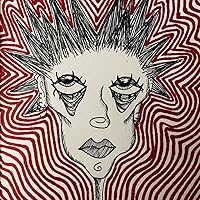
wydaje mi sie po prostu, ze nie kazda ksiazka powinna byc przedstawiana w takiej formie. bardzo duzo tej konkretnej to odjelo. 2 gwiazdki za ladna kreske, ciekawy styl i koty. xd
May 25, 2024
3 i trochę ale zaokrąglone do 4 bo fajne rysunki

December 28, 2023
ogólnie bardzo mi się podobał, ale dostawałam oczopląsu czasem od rysunków i tekstu, specyficzne

Read
November 21, 2024me gusta el dibujito de la portada :)
January 24, 2026
Każdy jest K. w Wilde`owskiej dekadenckiej grze.
Przyszli po K. W końcu przyjdą po każdą jednostkę. W świecie Kafki reguły obowiązują tylko po to, by dowieść ich własnej bezcelowości. Niewinność nie istnieje. Każdy zostaje wezwany, często bez powodu i bez ostrzeżenia. Procedura objawia się nagle, bez dramatycznego antraktu, bo strukturą jest tu absurd, a nie logika. Tu nie liczy się tożsamość, lecz sposób, w jaki zostajesz odczytany przez cudze spojrzenie.
Społeczny wzrok stanowi narzędzie egzekucji, tym skuteczniejszej, że bezkrwawej. Społeczny wzrok stanowi narzędzie egzekucji – wystarczy spojrzenie innych. Wyrok staje się zbędnym kuriozum w przypadku samego oskarżenia. Sąd u Kafki nie jest instytucją, lecz metafizycznym mechanizmem, którego działanie wymyka się rozumowi. W świecie Kafki walka z niesprawiedliwością kończy się nie klęską, lecz trwaniem w stanie nieustannego oskarżenia. Przegrana i jej świadomość są tu jedyną dopuszczalną formą istnienia. Wyrok zawsze pozostanie dla skazanego arbitralny, bezsensowny i niesprawiedliwy, ale akceptowalny. To chyba najbardziej istotna lekcja Kafki: walka z niesprawiedliwością nie kończy się klęską, lecz trwałą niepewnością. Przegrana jest stanem ciągłym, nie jednorazowym wydarzeniem. Czas nie przynosi ulgi. Ostatecznie ściera nawet poczucie własnej niewinności. Jedno potknięcie wystarczy, by system uznał winę za oczywistą.
Skaza wyradza się nie tyle z czynu, co z samego uczestnictwa w życiu. A kiedy przychodzi moment oskarżenia, pozostaje tylko trwanie. Człowiek zaczyna uczestniczyć w rytuale własnego potępienia – analizuje każdy gest, każde słowo, jakby próbował znaleźć w nich ukryty klucz do winy.
Kiedy to nadejdzie, pozostaje tylko otoczyć się tym. Unurzać i podtopić w iście Wilde`owskiej dekadenckiej grze. Przyjąć bezkres cierpienia i niezrealizowanych możliwości. Kafka pokazuje, że czekanie może być formą tortury, a świadomość winy istnieje, zanim jeszcze padnie oskarżenie. Oczekiwać nieuchronnego dźwięku dzwonka, który przekreśli istnienie. Przesiąkać samą strukturą domniemanego grzechu.
Przyszli po K. W końcu przyjdą po każdą jednostkę. W świecie Kafki reguły obowiązują tylko po to, by dowieść ich własnej bezcelowości. Niewinność nie istnieje. Każdy zostaje wezwany, często bez powodu i bez ostrzeżenia. Procedura objawia się nagle, bez dramatycznego antraktu, bo strukturą jest tu absurd, a nie logika. Tu nie liczy się tożsamość, lecz sposób, w jaki zostajesz odczytany przez cudze spojrzenie.
Społeczny wzrok stanowi narzędzie egzekucji, tym skuteczniejszej, że bezkrwawej. Społeczny wzrok stanowi narzędzie egzekucji – wystarczy spojrzenie innych. Wyrok staje się zbędnym kuriozum w przypadku samego oskarżenia. Sąd u Kafki nie jest instytucją, lecz metafizycznym mechanizmem, którego działanie wymyka się rozumowi. W świecie Kafki walka z niesprawiedliwością kończy się nie klęską, lecz trwaniem w stanie nieustannego oskarżenia. Przegrana i jej świadomość są tu jedyną dopuszczalną formą istnienia. Wyrok zawsze pozostanie dla skazanego arbitralny, bezsensowny i niesprawiedliwy, ale akceptowalny. To chyba najbardziej istotna lekcja Kafki: walka z niesprawiedliwością nie kończy się klęską, lecz trwałą niepewnością. Przegrana jest stanem ciągłym, nie jednorazowym wydarzeniem. Czas nie przynosi ulgi. Ostatecznie ściera nawet poczucie własnej niewinności. Jedno potknięcie wystarczy, by system uznał winę za oczywistą.
Skaza wyradza się nie tyle z czynu, co z samego uczestnictwa w życiu. A kiedy przychodzi moment oskarżenia, pozostaje tylko trwanie. Człowiek zaczyna uczestniczyć w rytuale własnego potępienia – analizuje każdy gest, każde słowo, jakby próbował znaleźć w nich ukryty klucz do winy.
Kiedy to nadejdzie, pozostaje tylko otoczyć się tym. Unurzać i podtopić w iście Wilde`owskiej dekadenckiej grze. Przyjąć bezkres cierpienia i niezrealizowanych możliwości. Kafka pokazuje, że czekanie może być formą tortury, a świadomość winy istnieje, zanim jeszcze padnie oskarżenie. Oczekiwać nieuchronnego dźwięku dzwonka, który przekreśli istnienie. Przesiąkać samą strukturą domniemanego grzechu.

June 28, 2026
Me ha encantado la verdad. Me ha parecido un libro muy bien escrito, muy sencillo de leer y que te engancha desde el mismo principio.
Todo sea dicho, creo que para las novelas de Kafka hay que ir predispuesto. Predispuesto en el sentido de saber con previo aviso qué te vas a encontrar en la novela. Cuando leí La Metamorfosis no sabía muy bien qué me iba a encontrar y su lectura me dejó sin ninguna sorpresa, no me supo a nada. Pero no fue hasta que comencé a investigar y a leer análisis de la obra que descubrí dónde residía el interés en la novela. Pues con El Proceso creo que es igual. Yo ya sabía qué me iba a encontrar representado en la novela, y con ese sesgo previo he disfrutado un montón de su lectura, de no haber sido así creo que incluso podría haber llegado a no gustarme.
No suelo tener pesadillas, pero las que tengo, son siempre las mismas. Tengo que llegar a algún sitio o tengo que hacer cierta actividad, y por más que lo intento nunca lo logro. Pues esto es El Proceso. Una fuerza superior invisible domina y distorsiona el rumbo de Joseph K. y por más que lo intente, por más esfuerzo que le dedique, por más lucha que ofrezca, no hay forma ni de detener el proceso, ni de saber su progreso, ni de saber la razón de dicho proceso. Es la imposición absoluta sobre un protagonista ignorante, de una fuerza mayor incognoscible.
Es que me ha encantado. Me ha encantado cómo por más que nos adentrásemos en ese proceso, todo resultase finalmente humo, que por más que creyésemos, junto a K., que estábamos descubriendo nuevas piezas de información y estuviésemos obteniendo nuevas herramientas clave para lograr el desenlace del proceso, al final nada resultase ni útil ni acertado. El capítulo nueve, junto al sacerdote, ha sido esclarecedor en tanto que se muestra la naturaleza del propio proceso y el absurdo del que se caracteriza, y la forma en el que Kafka logra mostrarlo, me ha encantado.
Es que simplemente me ha gustado muchísimo.
Todo sea dicho, creo que para las novelas de Kafka hay que ir predispuesto. Predispuesto en el sentido de saber con previo aviso qué te vas a encontrar en la novela. Cuando leí La Metamorfosis no sabía muy bien qué me iba a encontrar y su lectura me dejó sin ninguna sorpresa, no me supo a nada. Pero no fue hasta que comencé a investigar y a leer análisis de la obra que descubrí dónde residía el interés en la novela. Pues con El Proceso creo que es igual. Yo ya sabía qué me iba a encontrar representado en la novela, y con ese sesgo previo he disfrutado un montón de su lectura, de no haber sido así creo que incluso podría haber llegado a no gustarme.
No suelo tener pesadillas, pero las que tengo, son siempre las mismas. Tengo que llegar a algún sitio o tengo que hacer cierta actividad, y por más que lo intento nunca lo logro. Pues esto es El Proceso. Una fuerza superior invisible domina y distorsiona el rumbo de Joseph K. y por más que lo intente, por más esfuerzo que le dedique, por más lucha que ofrezca, no hay forma ni de detener el proceso, ni de saber su progreso, ni de saber la razón de dicho proceso. Es la imposición absoluta sobre un protagonista ignorante, de una fuerza mayor incognoscible.
Es que me ha encantado. Me ha encantado cómo por más que nos adentrásemos en ese proceso, todo resultase finalmente humo, que por más que creyésemos, junto a K., que estábamos descubriendo nuevas piezas de información y estuviésemos obteniendo nuevas herramientas clave para lograr el desenlace del proceso, al final nada resultase ni útil ni acertado. El capítulo nueve, junto al sacerdote, ha sido esclarecedor en tanto que se muestra la naturaleza del propio proceso y el absurdo del que se caracteriza, y la forma en el que Kafka logra mostrarlo, me ha encantado.
Es que simplemente me ha gustado muchísimo.

November 10, 2025
3,5 I don’t think I fully got it but it was a fun read. I liked the absurdity of the system, and it sometimes reminded me of certain real processes. As someone else mentioned I really enjoyed the conversation with Pintorelli. I read this in my third language (Spanish) so I think some of the nuance was lost as there are a lot of big words used -though thankfully used in the right way- that I just “guessed” based on the context. Wish I’d read it in English, but still enjoyed. Either way it’s a short read so worth a read:)

April 3, 2026
Czuję niedosyt. To moje pierwsze zetknięcie z Kafką, dlatego sięgnęłam po - wydawałoby się - łatwiejszą w odbiorze formę, czyli komiks. Niestety okazało się wręcz przeciwnie. Owszem, rysunki są bardzo ładne, jednak z samej treści nie zrozumiałam zbyt wiele. Mam poczucie, że z Procesu można wyciągnąć znacznie więcej, dlatego zamierzam sięgnąć po oryginał.

May 14, 2026
No więc tak, naprawdę bardzo się starałam, wiem, że to dzieło, że ma wiele znaczeń, ja te znaczenia naprawdę rozumiem i szanuje, ale kurwa jakie to było męczące i żmudne. Zasnęłam chyba 4 razy i dawno tak długo nie czytałam 180 stron

June 3, 2025
kreska ładna, ale książka chaotyczna

October 30, 2025
Bardzo ładna kreska, ale wydaje mi się, że za bardzo skrócono oryginał

Read
November 5, 2025Le livre de mon été 2025 cependant je ne l’ai pas tout à fais encore fini

Want to Read
March 25, 2026Kafka's nightmarish tale of a man arrested and prosecuted by an unknowable authority.

May 8, 2026
"¿Por qué tendría que querer algo de ti? El tribunal no quiere nada de ti. Te acoge cuando vienes y te despide cuando te vas"
May 10, 2026
Kocham Kafkę

August 16, 2026
Al principio parece una historia simple: un tema plano… ambiguo incluso. Podría decirse que al terminar, es un tremendo “huh..”.
Pero Kafka hace lo que sabe, y pudo plantarse con sutileza en mi mente. Logró habitar los pensamientos y hacer que cuestionara cosas del relato, dejando que ciertos detalles que en su momento parecían inconsecuentes, labraran una nueva línea de pensamiento. Es casi como dejar que la historia se insertara con cuidado en lo profundo.
Pero Kafka hace lo que sabe, y pudo plantarse con sutileza en mi mente. Logró habitar los pensamientos y hacer que cuestionara cosas del relato, dejando que ciertos detalles que en su momento parecían inconsecuentes, labraran una nueva línea de pensamiento. Es casi como dejar que la historia se insertara con cuidado en lo profundo.
Displaying 1 - 30 of 35 reviews