

What do you think?

The Anthropologists
"Like Walter Benjamin, Aysegül Savas uncovers trapdoors to bewilderment everywhere in everyday life; like Henry James, she sees marriage as a mystery, unsoundably deep. The Anthropologists is mesmerizing; I felt I read it in a single breath." -Garth Greenwell
“Savas is an author who simply, and astoundingly, knows.” -Bryan Washington
Asya and Manu are looking at apartments, envisioning their future in a foreign city. What should their life here look like? What rituals will structure their days? Whom can they consider family?
As the young couple dreams about the possibilities of each new listing, Asya, a documentarian, gathers footage from the neighborhood like an anthropologist observing local customs. “Forget about daily life,” chides her grandmother on the phone. “We named you for a whole continent and you're filming a park.”
Back in their home countries parents age, grandparents get sick, nieces and nephews grow up-all just slightly out of reach. But Asya and Manu's new world is growing, too, they hope. As they open the horizons of their lives, what and whom will they hold onto, and what will they need to release?
Unfolding over a series of apartment viewings, late-night conversations, last rounds of drinks and lazy breakfasts, The Anthropologists is a soulful examination of homebuilding and modern love, written with Aysegül Savas' distinctive elegance, warmth, and humor
“Savas is an author who simply, and astoundingly, knows.” -Bryan Washington
Asya and Manu are looking at apartments, envisioning their future in a foreign city. What should their life here look like? What rituals will structure their days? Whom can they consider family?
As the young couple dreams about the possibilities of each new listing, Asya, a documentarian, gathers footage from the neighborhood like an anthropologist observing local customs. “Forget about daily life,” chides her grandmother on the phone. “We named you for a whole continent and you're filming a park.”
Back in their home countries parents age, grandparents get sick, nieces and nephews grow up-all just slightly out of reach. But Asya and Manu's new world is growing, too, they hope. As they open the horizons of their lives, what and whom will they hold onto, and what will they need to release?
Unfolding over a series of apartment viewings, late-night conversations, last rounds of drinks and lazy breakfasts, The Anthropologists is a soulful examination of homebuilding and modern love, written with Aysegül Savas' distinctive elegance, warmth, and humor
190 pages, Kindle Edition
First published July 9, 2024
About the author
Aysegül Savas
9 books835 followersAyşegül Savaş grew up in London, Copenhagen, and Istanbul. Her work has appeared in The New Yorker, The Paris Review, and Granta, among others. She lives in Paris.
Ratings & Reviews
Friends & Following
Create a free account to discover what your friends think of this book!
Community Reviews
Displaying 1 - 30 of 2,919 reviews
August 22, 2024
This book is for people who love to watch strangers “morning routine” videos in the hopes that they will rub off by exposure and suddenly you’ll wake up one day a motivated, well adjusted member of society who doesn’t spend the first two hours of their day rotting in bed with their phone clutched between their hands letting the sweet wave of serotonin scrolling wash away their sins (me)

February 28, 2025
"envisioning a future in a foreign city" is one of my favorite things to do.
fittingly, i really enjoyed this.
https://emmareadstoomuch.substack.com...
it follows a couple in the phase of life i'm in now, with some major life decisions (partner, career) complete and some (home, family) daunting on the horizon. it was nice to see the parts i related to, like having a language of your own with a significant other and managing to try none of your neighborhood restaurants, and the parts i didn't were still interesting to me.
i do felt this ended somewhat abruptly, but maybe that's because i would have just kept reading it.
bottom line: i'm not a reading-to-see-myself bookworm, but it was a nice surprise.
4.5
fittingly, i really enjoyed this.
https://emmareadstoomuch.substack.com...
it follows a couple in the phase of life i'm in now, with some major life decisions (partner, career) complete and some (home, family) daunting on the horizon. it was nice to see the parts i related to, like having a language of your own with a significant other and managing to try none of your neighborhood restaurants, and the parts i didn't were still interesting to me.
i do felt this ended somewhat abruptly, but maybe that's because i would have just kept reading it.
bottom line: i'm not a reading-to-see-myself bookworm, but it was a nice surprise.
4.5

July 30, 2024
Ayşegül Savaş builds on her background in sociology and anthropology for her novel. A piece which grew out of her New Yorker story “Future Selves.” It centres on Asya and her partner Manu both relocated from their homelands to study in a European city not unlike Paris, there they met and became a couple. Now they’re ready to put down deeper roots, hunting for an apartment to buy, the perfect space in which to carve out their future life – an idea that grew out of Savaş’s own experiences of searching for a new home in a time of wider, post-pandemic restlessness.
Savaş sets out to chart the ways in which people might decide how to be in the world, particularly when uprooted or “estranged,” inhabiting spaces which operate according to a different set of rules and rituals, far removed from the ones they grew up with, and far away from their families. For Asya and Manu their everyday’s shaped by their relationships with each other, the shows they watch, the friends they chose to spend time with – particularly their close friend Ravi, and their neighbour the older Tereza who welcomes them into her home so that it becomes a familiar spot in their landscape.
Asya trained in anthropology but is also a filmmaker, working on documentaries similar to the kind associated with directors like Agnès Varda. Her latest project revolves around a neighbourhood park and its regulars, interviews with these are scattered throughout the novel. Asya uses anthropological frameworks around culture, about kinship, to analyse her own behaviour, to ponder the unspoken rules of the society around her. She’s fascinated by how others attempt to define her through what she does, where she comes from, how she speaks…
Savaş’s narrative’s deliberately episodic, broken down into short, captioned scenes that have a slightly cinematic quality, a reflection of the scenes that might stand out in daily life: a sighting of a local celebrity at a café; breakfast with a friend; a day trip. Here, these events unfold against the backdrop of a troubled world, marked by climate change, ageing and illness, all of which Asya and Manu must grapple with yet somehow strive to make individual choices.
Savaş was influenced here by writers like Tove Jansson and by New Wave cinema. But I felt her narrative lacked Jansson’s charm or the quirkier, more memorable aspects of New Wave. I could see there was a conscious overlap with Rohmer, films like Godard’s Une Femme Est Une Femme, but I found Savaş’s characters far less engaging, verging on one-dimensional - they never fully came to life for me. There were very few memorable scenes or lines; Savaş’s exploration of banality was often just too banal to stir my interest.
The concept itself has potential but the use of anthropological and sociological frameworks - drawn from theorists like Bourdieu – seemed rather unsophisticated, although the writing on a sentence level is more than decent. I was puzzled too by the lack of any real political analysis, there are obvious issues here around taste groups, around class, that are underexplored, taken as given. Nor is there any recognition of the impact of globalisation, the products, the customs that have been widely exported from Christmas to McDonald’s, so that much of contemporary society is both varied and curiously uniform. So, while I found this perfectly readable, the narrative never quite took off for me, perhaps I just wasn’t the right fit?
Thanks to Netgalley and to publisher Scribner for an ARC
Rating: 2/2.5 rounded up
Savaş sets out to chart the ways in which people might decide how to be in the world, particularly when uprooted or “estranged,” inhabiting spaces which operate according to a different set of rules and rituals, far removed from the ones they grew up with, and far away from their families. For Asya and Manu their everyday’s shaped by their relationships with each other, the shows they watch, the friends they chose to spend time with – particularly their close friend Ravi, and their neighbour the older Tereza who welcomes them into her home so that it becomes a familiar spot in their landscape.
Asya trained in anthropology but is also a filmmaker, working on documentaries similar to the kind associated with directors like Agnès Varda. Her latest project revolves around a neighbourhood park and its regulars, interviews with these are scattered throughout the novel. Asya uses anthropological frameworks around culture, about kinship, to analyse her own behaviour, to ponder the unspoken rules of the society around her. She’s fascinated by how others attempt to define her through what she does, where she comes from, how she speaks…
Savaş’s narrative’s deliberately episodic, broken down into short, captioned scenes that have a slightly cinematic quality, a reflection of the scenes that might stand out in daily life: a sighting of a local celebrity at a café; breakfast with a friend; a day trip. Here, these events unfold against the backdrop of a troubled world, marked by climate change, ageing and illness, all of which Asya and Manu must grapple with yet somehow strive to make individual choices.
Savaş was influenced here by writers like Tove Jansson and by New Wave cinema. But I felt her narrative lacked Jansson’s charm or the quirkier, more memorable aspects of New Wave. I could see there was a conscious overlap with Rohmer, films like Godard’s Une Femme Est Une Femme, but I found Savaş’s characters far less engaging, verging on one-dimensional - they never fully came to life for me. There were very few memorable scenes or lines; Savaş’s exploration of banality was often just too banal to stir my interest.
The concept itself has potential but the use of anthropological and sociological frameworks - drawn from theorists like Bourdieu – seemed rather unsophisticated, although the writing on a sentence level is more than decent. I was puzzled too by the lack of any real political analysis, there are obvious issues here around taste groups, around class, that are underexplored, taken as given. Nor is there any recognition of the impact of globalisation, the products, the customs that have been widely exported from Christmas to McDonald’s, so that much of contemporary society is both varied and curiously uniform. So, while I found this perfectly readable, the narrative never quite took off for me, perhaps I just wasn’t the right fit?
Thanks to Netgalley and to publisher Scribner for an ARC
Rating: 2/2.5 rounded up

June 27, 2025
I LOVE BORING BOOKS. SUE ME !!!

July 22, 2026
IDENTITÀ FUTURE
Allora, in quel nostro piccolo mondo che era anche un universo, pensavamo che non avremmo mai avuto bisogno di nessun altro.
Leggere e pensare, e respirare la Nouvelle Vague è tutt’uno: leggevo e continuavo a pensare ad Antoine Doinel. Evviva!
Un mix perfetto e fantastico di vivacità e malinconia, spleen e umorismo, gioia e sguardo assorto.
La Savaş racconta una coppia di trentenni expat - ai margini ma anche integrati - in una grande città europea, forse Parigi, forse altra.
La stessa Savaş è nata a Istanbul, ora vive a Parigi, ma prima ha vissuto in Inghilterra, Danimarca, Stati Uniti. Suo marito invece è lettone. O lituano, non so.
Esclusi e inclusi al contempo: perché per quanto Asya e Manu possano contare sulle dita di una sola mano le persone che si sentono di considerare amiche - e quello che frequentano di più è un expat proprio come loro - sono comunque sereni, leggeri, innamorati del posto, hanno imparato a conoscerlo, ne fanno ormai parte.
Nel romanzo, la coppia formata da Asya e Manu incarna una generazione di trentenni, o poco più o poco meno, in genere borghesi, che da altre parti del mondo si è trasferita nelle metropoli europee, o statunitensi, per studiare, lavorare o, come nel loro caso, anche per mettere su casa. In modo sottile, ironico, lieto, Savas mette in scena le loro giornate, le scoperte e i dubbi che li accompagnano, le tensioni e l’incertezza che li lega o li separa dai luoghi d’origine. Per molti versi si tratta di uno dei primi romanzi che raccontano con empatia il quotidiano della generazione cosmopolita figlia della globalizzazione.
Hanno trent’anni e stanno per mettere radici importanti: il breve romanzo è percorso dall’inizio alla fine dalla ricerca di una casa. Alla fine, ad acquisto e trasloco eseguiti, si capisce che quel luogo chiuso, i muri, gli angoli, le porte e finestre, la casa tutta, costituiscono un momento di passaggio, un momento di formazione.
Lo dice molto bene la Savaş in una bella intervista: Il libro è un’ode a quel periodo, alla curiosità e all’ansia di non sapere esattamente dove si sta andando, ma anche alla capacità di godersi la libertà di essere giovani e senza vincoli. Asya e Manu sono diventati adulti.
Per tutto questo tempo abbiamo aspettato. Aspettavamo un cambiamento epocale, la notizia che saremmo stati chiamati a servire nella vita reale, che il tempo dei giochi era finito… Forse, pensavo, sarebbe stato anche un sollievo: ecco, finalmente. Ecco la vita.
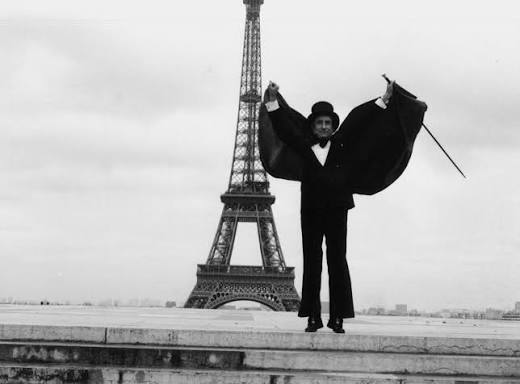
Lei viene non si sa da dove, lui viene da un’altra parte di mondo, e insieme vivono in un luogo terzo, un mondo nuovo, dove sono entrambi stranieri, ma dove entrambi lavorano con passione e interesse, vivono con curiosità e divertimento, sono parte del tutto, assorbiti.
Entrambi parlano la lingua del paese di provenienza: ma lei non conosce quella di lui e viceversa. Quindi, tra loro comunicano con la lingua del posto. Che hanno plasmato e ricreato aggiungendo e introducendo termini delle loro rispettive lingue d’origine (Savaş e suo marito credo che tra loro parlino in inglese).
Nel nostro quartiere c’è una donna che chiamiamo la Gran Dama. Oltre a essere regista, è la patrona di sognatori ed emarginati, e ha molti seguaci tra chi non è molto pratico della vita. Ritrae la vita con umorismo e vivacità, e riesce sempre a meravigliare.
Come nella migliore tradizione, è presente anche un sano e divertente gioco di specchi e incastri: Asya è una documentarista che inizia a girare un documentario sul parco del quartiere. La vita del parco e della gente che lo frequenta. Ci sono anche mini interviste a frequentatori del parco, il genitore che ha scoperto l’angolo giochi per suo figlio piccolo, quell’altro che va a correre, la coppia che si incontra durante la pausa pranzo. La vita che scorre quotidiana di un parco e dei suoi abitatori.
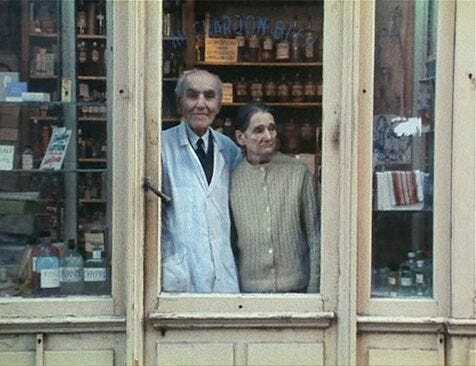
Dedicato ai negozianti e ai residenti del tratto di strada compreso tra il numero 70 e il 90 di rue Daguerre a Parigi, il documentario del 1975 Daguerrotypes di Agnès Varda, che venne girato nei luoghi dove erano l’abitazione e lo studio della regista, resta una delle sue opere più originali, ricordata da lei stessa come un archivio “per archeologi e sociologi dell’anno 2975”. (E perché no per antropologi del terzo millennio?)
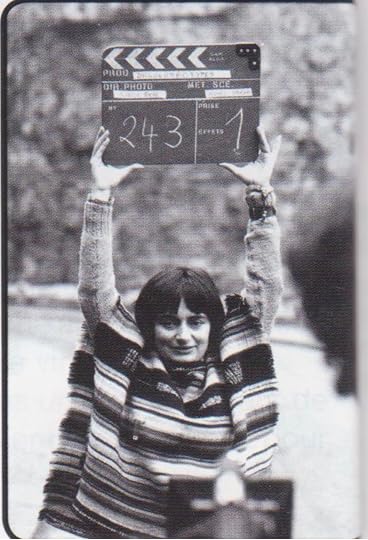
Da brava documentarista, Asya è una fan di Agnes Varda (come potrebbe non esserlo? Ed ecco la nouvella vague che ritorna). E la Varda diventa personaggio del libro con lo pseudonimo di Gran Dama: Asya la incontra seduta al solito tavolino del solito bar. Quando sente che Asya fa documentari, la Varda perde interesse nella ragazza.
Savaş racconta la vita quotidiana, con lingua piana, colloquiale, che sa farsi poetica senza bisogno di assurgere a lirica. Un racconto minuto, attento, che sa dare senso e peso – nel senso di valore – a ogni gesto, emozione, pensiero, momento.
Una lettura che mi ha conquistato.
PS
“Identità future” è un racconto scritto dalla Savaş e pubblicato sul New Yorker di cui questo romanzo consiste per così dire in un ampliamento, uno sviluppo.
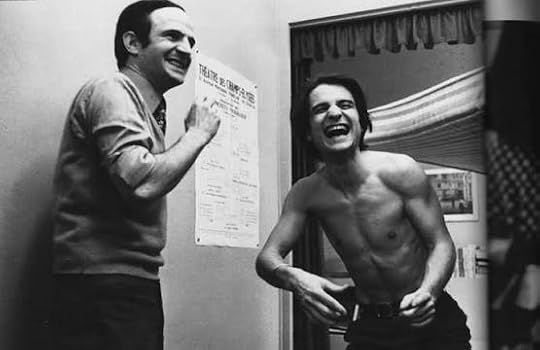
Allora, in quel nostro piccolo mondo che era anche un universo, pensavamo che non avremmo mai avuto bisogno di nessun altro.
Leggere e pensare, e respirare la Nouvelle Vague è tutt’uno: leggevo e continuavo a pensare ad Antoine Doinel. Evviva!
Un mix perfetto e fantastico di vivacità e malinconia, spleen e umorismo, gioia e sguardo assorto.
La Savaş racconta una coppia di trentenni expat - ai margini ma anche integrati - in una grande città europea, forse Parigi, forse altra.
La stessa Savaş è nata a Istanbul, ora vive a Parigi, ma prima ha vissuto in Inghilterra, Danimarca, Stati Uniti. Suo marito invece è lettone. O lituano, non so.
Esclusi e inclusi al contempo: perché per quanto Asya e Manu possano contare sulle dita di una sola mano le persone che si sentono di considerare amiche - e quello che frequentano di più è un expat proprio come loro - sono comunque sereni, leggeri, innamorati del posto, hanno imparato a conoscerlo, ne fanno ormai parte.
Nel romanzo, la coppia formata da Asya e Manu incarna una generazione di trentenni, o poco più o poco meno, in genere borghesi, che da altre parti del mondo si è trasferita nelle metropoli europee, o statunitensi, per studiare, lavorare o, come nel loro caso, anche per mettere su casa. In modo sottile, ironico, lieto, Savas mette in scena le loro giornate, le scoperte e i dubbi che li accompagnano, le tensioni e l’incertezza che li lega o li separa dai luoghi d’origine. Per molti versi si tratta di uno dei primi romanzi che raccontano con empatia il quotidiano della generazione cosmopolita figlia della globalizzazione.
Hanno trent’anni e stanno per mettere radici importanti: il breve romanzo è percorso dall’inizio alla fine dalla ricerca di una casa. Alla fine, ad acquisto e trasloco eseguiti, si capisce che quel luogo chiuso, i muri, gli angoli, le porte e finestre, la casa tutta, costituiscono un momento di passaggio, un momento di formazione.
Lo dice molto bene la Savaş in una bella intervista: Il libro è un’ode a quel periodo, alla curiosità e all’ansia di non sapere esattamente dove si sta andando, ma anche alla capacità di godersi la libertà di essere giovani e senza vincoli. Asya e Manu sono diventati adulti.
Per tutto questo tempo abbiamo aspettato. Aspettavamo un cambiamento epocale, la notizia che saremmo stati chiamati a servire nella vita reale, che il tempo dei giochi era finito… Forse, pensavo, sarebbe stato anche un sollievo: ecco, finalmente. Ecco la vita.
Lei viene non si sa da dove, lui viene da un’altra parte di mondo, e insieme vivono in un luogo terzo, un mondo nuovo, dove sono entrambi stranieri, ma dove entrambi lavorano con passione e interesse, vivono con curiosità e divertimento, sono parte del tutto, assorbiti.
Entrambi parlano la lingua del paese di provenienza: ma lei non conosce quella di lui e viceversa. Quindi, tra loro comunicano con la lingua del posto. Che hanno plasmato e ricreato aggiungendo e introducendo termini delle loro rispettive lingue d’origine (Savaş e suo marito credo che tra loro parlino in inglese).
Nel nostro quartiere c’è una donna che chiamiamo la Gran Dama. Oltre a essere regista, è la patrona di sognatori ed emarginati, e ha molti seguaci tra chi non è molto pratico della vita. Ritrae la vita con umorismo e vivacità, e riesce sempre a meravigliare.
Come nella migliore tradizione, è presente anche un sano e divertente gioco di specchi e incastri: Asya è una documentarista che inizia a girare un documentario sul parco del quartiere. La vita del parco e della gente che lo frequenta. Ci sono anche mini interviste a frequentatori del parco, il genitore che ha scoperto l’angolo giochi per suo figlio piccolo, quell’altro che va a correre, la coppia che si incontra durante la pausa pranzo. La vita che scorre quotidiana di un parco e dei suoi abitatori.
Dedicato ai negozianti e ai residenti del tratto di strada compreso tra il numero 70 e il 90 di rue Daguerre a Parigi, il documentario del 1975 Daguerrotypes di Agnès Varda, che venne girato nei luoghi dove erano l’abitazione e lo studio della regista, resta una delle sue opere più originali, ricordata da lei stessa come un archivio “per archeologi e sociologi dell’anno 2975”. (E perché no per antropologi del terzo millennio?)
Da brava documentarista, Asya è una fan di Agnes Varda (come potrebbe non esserlo? Ed ecco la nouvella vague che ritorna). E la Varda diventa personaggio del libro con lo pseudonimo di Gran Dama: Asya la incontra seduta al solito tavolino del solito bar. Quando sente che Asya fa documentari, la Varda perde interesse nella ragazza.
Savaş racconta la vita quotidiana, con lingua piana, colloquiale, che sa farsi poetica senza bisogno di assurgere a lirica. Un racconto minuto, attento, che sa dare senso e peso – nel senso di valore – a ogni gesto, emozione, pensiero, momento.
Una lettura che mi ha conquistato.
PS
“Identità future” è un racconto scritto dalla Savaş e pubblicato sul New Yorker di cui questo romanzo consiste per così dire in un ampliamento, uno sviluppo.
December 28, 2024
This could've been like a five-line Instagram poetry.
August 20, 2024
told through short vignettes, this is a story of the every day mundanities that make up a life; posing reflection on existence, belonging, community, and emerging adulthood. unexpectedly tender in its prose and delivery, this book made more of an impact on me than i originally thought possible.

October 8, 2025
"For now, I knew little beyond the fact that I wanted to film daily life, and to praise its unremarkable grace."
Narrated by Asya, a documentary filmmaker living in an unnamed city with her husband, Manu, Ayşegül Savaş third novel asks what it means to build a life, a 'sturdy' one as Asya says, as you move out of young adulthood, away from childhood homes, family, and friends. Asya and Manu come from different cultural backgrounds, living in a city with which they also do not share touchpoints beyond the activities of their daily lives.
And yet, as the title suggests, we begin to see the customs and practices of two people in love, as they build this life together from an anthropological lens. But nothing about this book is clinical; there's an incredible warmth and generosity that Savaş lends to the characters who are continually seeking rituals, routines, and relics that combine, like layers of sediment building on one another, to establish a foundation of familiarity and security. They are hunting for a new house, lazing around their friend Ravi, bringing dinner to an elderly upstairs neighbor, reading poetry, ordering pitchers of wine. It's mundane and still luminous. A beautiful depiction of being, becoming.
Narrated by Asya, a documentary filmmaker living in an unnamed city with her husband, Manu, Ayşegül Savaş third novel asks what it means to build a life, a 'sturdy' one as Asya says, as you move out of young adulthood, away from childhood homes, family, and friends. Asya and Manu come from different cultural backgrounds, living in a city with which they also do not share touchpoints beyond the activities of their daily lives.
And yet, as the title suggests, we begin to see the customs and practices of two people in love, as they build this life together from an anthropological lens. But nothing about this book is clinical; there's an incredible warmth and generosity that Savaş lends to the characters who are continually seeking rituals, routines, and relics that combine, like layers of sediment building on one another, to establish a foundation of familiarity and security. They are hunting for a new house, lazing around their friend Ravi, bringing dinner to an elderly upstairs neighbor, reading poetry, ordering pitchers of wine. It's mundane and still luminous. A beautiful depiction of being, becoming.

August 8, 2024
Blander than a piece of unseasoned chicken
October 28, 2025
peggio dell'ultimo album di Taylor Swift, blando come petto di pollo bollito e riassumibile in tre righe di caption del post Instagram con la foto delle chiavi dei due che hanno appena comprato casa
“we have Sally Rooney at home” vibes, terribile
“we have Sally Rooney at home” vibes, terribile

August 12, 2024
…and now for something different. It’s hard to peg what kind of book The Anthropologists is. You might say it’s an immigrant story, but not really – at least, not at the level of, say, Dinaw Mengestu. Or you might think it’s an urban novel, but not like Teju Cole’s. Or a novel of a young 20-something couple’s trajectory, but not like Sally Rooney’s.
In other words, The Anthropologists claims a territory all its own. It’s insightful, engrossing, and unique. Asya, a documentary film=maker and her childhood sweetheart (now her husband) Manu are living in a big city, where they are foreigners.
After graduating from university, they are “playing out our adulthoods rather than committing to them.” Asya spends her day filming a nearby park (her overseas grandmother says, “We named you after a whole continent and you’re filming a park.” ) They live “without a shared native tongue, without religion, without the web of family and no obligations to keep us in place.” The rituals and ties of kinship are absent. They are, you might say, a tribe unto themselves. How, then, do they define themselves and “make a life, as some people called it.”
They begin dipping in their toes by viewing a series of apartments, with the hope of finding one they can purchase. But each seems a little…off. Similarly, they bring various individuals into their “tribe”, but none of them (except, at times, their nomadic friend Ravi) seem like a particularly good fit.
At a time when life feels infinite – and also surprisingly constricted – how does Asya move forward when she “didn’t quite know where my life began and how it is extended. I didn’t want to risk cutting off any real parts.” This Turkish author really nails what it’s like to be at the cusp of a world that is foreign, unknowable, and enticing when you’re feeling estranged from yourself. In doing so, she extends the appeal of the novel to not just immigrants, but to every person who is about to leave their childhood and college years behind.
In other words, The Anthropologists claims a territory all its own. It’s insightful, engrossing, and unique. Asya, a documentary film=maker and her childhood sweetheart (now her husband) Manu are living in a big city, where they are foreigners.
After graduating from university, they are “playing out our adulthoods rather than committing to them.” Asya spends her day filming a nearby park (her overseas grandmother says, “We named you after a whole continent and you’re filming a park.” ) They live “without a shared native tongue, without religion, without the web of family and no obligations to keep us in place.” The rituals and ties of kinship are absent. They are, you might say, a tribe unto themselves. How, then, do they define themselves and “make a life, as some people called it.”
They begin dipping in their toes by viewing a series of apartments, with the hope of finding one they can purchase. But each seems a little…off. Similarly, they bring various individuals into their “tribe”, but none of them (except, at times, their nomadic friend Ravi) seem like a particularly good fit.
At a time when life feels infinite – and also surprisingly constricted – how does Asya move forward when she “didn’t quite know where my life began and how it is extended. I didn’t want to risk cutting off any real parts.” This Turkish author really nails what it’s like to be at the cusp of a world that is foreign, unknowable, and enticing when you’re feeling estranged from yourself. In doing so, she extends the appeal of the novel to not just immigrants, but to every person who is about to leave their childhood and college years behind.

May 16, 2026
The Anthropologists aims for the quiet, meditative grace of a plotless slice-of-life novel, but ultimately settles into a pace that feels a bit too stagnant. The story follows a young couple, Asya and Manu, as they view apartments and search for meaning in a foreign city, with Asya filling her days filming local park-goers for a documentary project. Though this narrative device is meant to add an innovative, anthropological charm, it often feels like watching grass grow through a magnifying glass. Savas’s prose is elegant, and I am usually the first to champion unconventional, character-driven storytelling. However, with the current literary market saturated by these hyper-observed, "quiet" novels, the endless house-hunting loses its novelty—leaving the reader with a book that functions well as a cozy literary waiting room, but never quite invites you inside.
September 10, 2024
A coolly written yet intimate story of a young couple who, used to moving around and staying in foreign places, living largely unencumbered lives, make their way to a larger city and decide to stay. They enjoy simple things, they like to spend a day doing nothing much, pleasurably “rotting.” The events, or nonevents, of an ordinary day are enough for them. But they’ve begun to feel uneasy. Away from family, away from their ethnicities with their shared languages and customs, in a foreign city with no deep connections, no serious obligations or traditions to uphold, to Asya the narrator especially their life begins to feel unreal. She wants to feel tethered in some way and “yearns for a specific existence.” She likes her life and doesn’t wish to make any big changes, but she begins an attempt at establishing some little routines and rules for living, and casting a net that goes beyond the world that consists of just the two of them.
I ate this basically conflict-free novel up. Asya and Manu love each other and their relationship is and stays a good one. The novel is perhaps unusual for that, in a good way. Its considerations and insights were illuminating. It was a treat to think about Asya and Manu’s life, and to observe with Asya, with respect and close attention, different people and their ways of being, as well as the little daily patterns that make up ordinary lives.
I get along with Savaş‘s writing, her voice, her delicacy. The prose is elegant in its clarity and stylish simplicity.
The book is a vibe.
I ate this basically conflict-free novel up. Asya and Manu love each other and their relationship is and stays a good one. The novel is perhaps unusual for that, in a good way. Its considerations and insights were illuminating. It was a treat to think about Asya and Manu’s life, and to observe with Asya, with respect and close attention, different people and their ways of being, as well as the little daily patterns that make up ordinary lives.
I get along with Savaş‘s writing, her voice, her delicacy. The prose is elegant in its clarity and stylish simplicity.
The book is a vibe.

September 27, 2025
Urban life and climbing the property ladder while looking cool to your friends is hard. Maybe a bit too quiet for me to fully be engrossed.
Back then we were only playing out our adulthood, rather than committing to them.
This slim novel, split in over a hundred short impressions of city life of a documentary maker and her partner who works at a NGO in a non-English metropolis, feels a lot like Perfection. Parents are far off, aging while still guilt tripping their kids into procreation. Friends are met with, are used as social capital in parties, or need to be impressed. Meanwhile there is an incessant search for a better house and a more adult life. For myself, living in London, I recognise a lot of the observations, especially how hard it is to connect to one’s parents.
Still I would have liked more meat on the bones of the actual story and events, even if smoking joints, drinking, going out are interspersed by interviews the documentary maker does with people in the park. In some way a loving, intimate and real relationship is refreshing, yet as one of the acquaintances of the couple say one could also argue differently: Forget of normal life, no one is interested in that.
Quotes and observations:
Autonomy above all else.
Imaginary anthropologist, observing a couple who are always foreigners
The heartbreak of a parent’s visit
Being native and strange
Identity as performance
Consolidating one’s different selves and friends
Therapy being an education in selfishness
My perfect bourgeois friends
I felt secure with him, like being inside during a downpour
Back then we were only playing out our adulthood, rather than committing to them.
This slim novel, split in over a hundred short impressions of city life of a documentary maker and her partner who works at a NGO in a non-English metropolis, feels a lot like Perfection. Parents are far off, aging while still guilt tripping their kids into procreation. Friends are met with, are used as social capital in parties, or need to be impressed. Meanwhile there is an incessant search for a better house and a more adult life. For myself, living in London, I recognise a lot of the observations, especially how hard it is to connect to one’s parents.
Still I would have liked more meat on the bones of the actual story and events, even if smoking joints, drinking, going out are interspersed by interviews the documentary maker does with people in the park. In some way a loving, intimate and real relationship is refreshing, yet as one of the acquaintances of the couple say one could also argue differently: Forget of normal life, no one is interested in that.
Quotes and observations:
Autonomy above all else.
Imaginary anthropologist, observing a couple who are always foreigners
The heartbreak of a parent’s visit
Being native and strange
Identity as performance
Consolidating one’s different selves and friends
Therapy being an education in selfishness
My perfect bourgeois friends
I felt secure with him, like being inside during a downpour
February 8, 2025
Purchased in hard cover thanks to reviews on here and put it down around page 90, consistently zoning out. Thought it was monotextured more or less (occasionally steps out of first-person POV to present brief monologues from people in the park where the narrator works on her documentary but there's little modulation in voice); nearly humorless (narrator at one point says sense of humor isn't very important to her); its sentence tempo uniformly set to adagio. But then I found the audiobook on Spotify and listened to it while driving from outside Philadelphia to Princeton, NJ, and thereabouts and then back the next morning. It was just perfectly fine to listen to while driving, very clear, easy listening, intentionally about everyday life but just not particularly engaging for me, minimal without seeming exaggeratedly minimal, just sort of rendered in easily accessible text organized into short titled bits perfect for readers accustomed to looking at their phones every two minutes. Just because an author or narrator acknowledges the small everyday graces, naive arts, Agnes Varda, anthropology, doesn't make it Agnes Varda-like, filled with small everyday graces, a sort of anthropological study of the contemporary, urban, Euro, not particularly all that interesting, millennial intellectual longing to own property, establish roots, and belong. Never really believed that the narrator was a documentary film maker -- her "grant" clearly seemed more like an advance to write this book. Generally, not terrible but not my bag, perfectly professional, readable, respectable, lower-geared, typical short-story rhythms, thematic recirculations, and syntax overextended to assume short novel form, not exciting or, more importantly, inciting of emotion for me other than a desire to read or listen to something else. The dictionary definition of "mid" -- maybe in a good way if mid is your preferred aesthetic stance, approach, pace, level, emotion?

August 5, 2024
It was a quick breezy read but beyond that, I'm not sure it's more than just a pallet cleanser. Not that every book has to be consequential. Just sayin'.

July 22, 2025
“Many of my characters are foreigners in the countries where they live, and they’re often trying to figure out how to make a meaningful life away from traditions and family, or how to deal with their feelings of guilt, awkwardness, and nostalgia when they return to their homelands.”
~ Ayşegül Savaş in The New Yorker
This little book - a slender, quiet and insanely elegant take on what it means to build a home in a place where you are a foreigner - was destined to land on my doorstep eventually.
I was born and raised in France (my father is French and my mother is Canadian), but first experienced foreignness when my family moved to India when I was seven. My parents decided to put me in the American school there so that I could learn a second language. I was the French kid lost in an American school, lost in an Asian country. It was both thrilling and terrifying.
Back in France, I felt foreign because of having lived abroad and I took great comfort in my posse of uprooted friends at the international high school where I studied. My heart felt at home, split into two languages.
When I moved to Canada in my early twenties to study Creative Writing, I felt decidedly French. When I returned home to visit, I felt strangely Canadian.
Rootlessness and dislocation are forever a part of my psyche. I owe the gift of being bilingual to the grit and resilience of 9-year old little me, as well as the thrill and terror of feeling foreign wherever I live.
Ayşegül Savaş captures all of it here, the nuances of building a life away from home, of youth teetering on the edge of adulthood, reveling in rituals and self-invention, a whole lot of joy and a little bit of guilt. Culture as something you shape as opposed to something you inherit.
So of course, “The Anthropologists” felt like home. It feels like all dislocated hearts, the most fragile of origamis, built with feather-thin paper and a child’s tenacity.
~ Ayşegül Savaş in The New Yorker
This little book - a slender, quiet and insanely elegant take on what it means to build a home in a place where you are a foreigner - was destined to land on my doorstep eventually.
I was born and raised in France (my father is French and my mother is Canadian), but first experienced foreignness when my family moved to India when I was seven. My parents decided to put me in the American school there so that I could learn a second language. I was the French kid lost in an American school, lost in an Asian country. It was both thrilling and terrifying.
Back in France, I felt foreign because of having lived abroad and I took great comfort in my posse of uprooted friends at the international high school where I studied. My heart felt at home, split into two languages.
When I moved to Canada in my early twenties to study Creative Writing, I felt decidedly French. When I returned home to visit, I felt strangely Canadian.
Rootlessness and dislocation are forever a part of my psyche. I owe the gift of being bilingual to the grit and resilience of 9-year old little me, as well as the thrill and terror of feeling foreign wherever I live.
Ayşegül Savaş captures all of it here, the nuances of building a life away from home, of youth teetering on the edge of adulthood, reveling in rituals and self-invention, a whole lot of joy and a little bit of guilt. Culture as something you shape as opposed to something you inherit.
So of course, “The Anthropologists” felt like home. It feels like all dislocated hearts, the most fragile of origamis, built with feather-thin paper and a child’s tenacity.

June 23, 2024
Major thanks to NetGalley and Bloomsbury Publishing for offering me an ARC of this book in exchange for my honest thoughts:
"𝘐 𝘧𝘦𝘭𝘵 𝘴𝘵𝘪𝘧𝘭𝘦𝘥 𝘣𝘺 𝘵𝘩𝘦 𝘤𝘭𝘢𝘳𝘪𝘵𝘺 𝘰𝘧 𝘮𝘺 𝘬𝘯𝘰𝘸𝘭𝘦𝘥𝘨𝘦, 𝘸𝘩𝘪𝘤𝘩 𝘴𝘦𝘦𝘮𝘦𝘥 𝘶𝘯𝘳𝘦𝘢𝘭, 𝘰𝘳 𝘵𝘰𝘰 𝘳𝘦𝘢𝘭. 𝘈𝘴 𝘪𝘧 𝘦𝘷𝘦𝘳𝘺𝘰𝘯𝘦 𝘦𝘯𝘥𝘦𝘥 𝘶𝘱 𝘭𝘪𝘷𝘪𝘯𝘨 𝘵𝘩𝘦 𝘴𝘢𝘮𝘦 𝘴𝘰𝘳𝘵 𝘰𝘧 𝘭𝘪𝘧𝘦, 𝘥𝘦𝘴𝘤𝘳𝘪𝘣𝘪𝘯𝘨 𝘪𝘵 𝘸𝘪𝘵𝘩 𝘵𝘩𝘦 𝘴𝘢𝘮𝘦 𝘸𝘰𝘳𝘥𝘴. 𝘞𝘪𝘵𝘩 𝘦𝘯𝘰𝘶𝘨𝘩 𝘧𝘰𝘤𝘶𝘴, 𝘐 𝘤𝘰𝘶𝘭𝘥 𝘱𝘳𝘰𝘣𝘢𝘣𝘭𝘺 𝘱𝘳𝘦𝘥𝘪𝘤𝘵 𝘰𝘶𝘳 𝘭𝘪𝘷𝘦𝘴 𝘢𝘴 𝘸𝘦𝘭𝘭, 𝘵𝘩𝘦 𝘵𝘺𝘱𝘦𝘴 𝘰𝘧 𝘱𝘦𝘰𝘱𝘭𝘦 𝘸𝘦 𝘸𝘰𝘶𝘭𝘥 𝘳𝘦𝘴𝘦𝘮𝘣𝘭𝘦. 𝘛𝘩𝘦𝘳𝘦 𝘸𝘢𝘴 𝘴𝘰𝘮𝘦𝘵𝘩𝘪𝘯𝘨 𝘪𝘯𝘦𝘷𝘪𝘵𝘢𝘣𝘭𝘦 𝘪𝘯 𝘤𝘩𝘰𝘰𝘴𝘪𝘯𝘨, 𝘪𝘯 𝘭𝘰𝘰𝘬𝘪𝘯𝘨 𝘢𝘩𝘦𝘢𝘥: 𝘵𝘩𝘦𝘳𝘦 𝘸𝘦𝘳𝘦 𝘰𝘯𝘭𝘺 𝘴𝘰 𝘮𝘢𝘯𝘺 𝘰𝘱𝘵𝘪𝘰𝘯𝘴."
The very experience of this book is sitting on a park bench with a lover at the height of the afternoon to people watch. And as you watch, you make funny refrains of others, imagining their lives, how they look like people you know. The kind moments. Sweet ones too. And then you realize your afternoon is Seurat's 𝘈 𝘚𝘶𝘯𝘥𝘢𝘺 𝘈𝘧𝘵𝘦𝘳𝘯𝘰𝘰𝘯 𝘰𝘯 𝘵𝘩𝘦 𝘐𝘴𝘭𝘢𝘯𝘥 𝘰𝘧 𝘓𝘢 𝘎𝘳𝘢𝘯𝘥𝘦 𝘑𝘢𝘵𝘵𝘦. Here it is, life in plain sight, all for you.
Adulthood in all its vagaries and wonders, sweet and sad, saccharine all the way down. Full of life. And I want it to happen all over again.
Reminds me so beautifully of the park scene in Annie Hall with the Truman Capote look-alike-contest where Truman Capote is actually walking through Central Park.
"𝘐 𝘧𝘦𝘭𝘵 𝘴𝘵𝘪𝘧𝘭𝘦𝘥 𝘣𝘺 𝘵𝘩𝘦 𝘤𝘭𝘢𝘳𝘪𝘵𝘺 𝘰𝘧 𝘮𝘺 𝘬𝘯𝘰𝘸𝘭𝘦𝘥𝘨𝘦, 𝘸𝘩𝘪𝘤𝘩 𝘴𝘦𝘦𝘮𝘦𝘥 𝘶𝘯𝘳𝘦𝘢𝘭, 𝘰𝘳 𝘵𝘰𝘰 𝘳𝘦𝘢𝘭. 𝘈𝘴 𝘪𝘧 𝘦𝘷𝘦𝘳𝘺𝘰𝘯𝘦 𝘦𝘯𝘥𝘦𝘥 𝘶𝘱 𝘭𝘪𝘷𝘪𝘯𝘨 𝘵𝘩𝘦 𝘴𝘢𝘮𝘦 𝘴𝘰𝘳𝘵 𝘰𝘧 𝘭𝘪𝘧𝘦, 𝘥𝘦𝘴𝘤𝘳𝘪𝘣𝘪𝘯𝘨 𝘪𝘵 𝘸𝘪𝘵𝘩 𝘵𝘩𝘦 𝘴𝘢𝘮𝘦 𝘸𝘰𝘳𝘥𝘴. 𝘞𝘪𝘵𝘩 𝘦𝘯𝘰𝘶𝘨𝘩 𝘧𝘰𝘤𝘶𝘴, 𝘐 𝘤𝘰𝘶𝘭𝘥 𝘱𝘳𝘰𝘣𝘢𝘣𝘭𝘺 𝘱𝘳𝘦𝘥𝘪𝘤𝘵 𝘰𝘶𝘳 𝘭𝘪𝘷𝘦𝘴 𝘢𝘴 𝘸𝘦𝘭𝘭, 𝘵𝘩𝘦 𝘵𝘺𝘱𝘦𝘴 𝘰𝘧 𝘱𝘦𝘰𝘱𝘭𝘦 𝘸𝘦 𝘸𝘰𝘶𝘭𝘥 𝘳𝘦𝘴𝘦𝘮𝘣𝘭𝘦. 𝘛𝘩𝘦𝘳𝘦 𝘸𝘢𝘴 𝘴𝘰𝘮𝘦𝘵𝘩𝘪𝘯𝘨 𝘪𝘯𝘦𝘷𝘪𝘵𝘢𝘣𝘭𝘦 𝘪𝘯 𝘤𝘩𝘰𝘰𝘴𝘪𝘯𝘨, 𝘪𝘯 𝘭𝘰𝘰𝘬𝘪𝘯𝘨 𝘢𝘩𝘦𝘢𝘥: 𝘵𝘩𝘦𝘳𝘦 𝘸𝘦𝘳𝘦 𝘰𝘯𝘭𝘺 𝘴𝘰 𝘮𝘢𝘯𝘺 𝘰𝘱𝘵𝘪𝘰𝘯𝘴."
The very experience of this book is sitting on a park bench with a lover at the height of the afternoon to people watch. And as you watch, you make funny refrains of others, imagining their lives, how they look like people you know. The kind moments. Sweet ones too. And then you realize your afternoon is Seurat's 𝘈 𝘚𝘶𝘯𝘥𝘢𝘺 𝘈𝘧𝘵𝘦𝘳𝘯𝘰𝘰𝘯 𝘰𝘯 𝘵𝘩𝘦 𝘐𝘴𝘭𝘢𝘯𝘥 𝘰𝘧 𝘓𝘢 𝘎𝘳𝘢𝘯𝘥𝘦 𝘑𝘢𝘵𝘵𝘦. Here it is, life in plain sight, all for you.
Adulthood in all its vagaries and wonders, sweet and sad, saccharine all the way down. Full of life. And I want it to happen all over again.
Reminds me so beautifully of the park scene in Annie Hall with the Truman Capote look-alike-contest where Truman Capote is actually walking through Central Park.
September 7, 2024
“You have to start romanticising your life” and its consequences.
Parts I liked but as the culture I’m apart of chooses to turn inwards on itself more and more, I find I have a rather hard time tolerating unashamed solipsism. A book seemingly obsessed with provoking the “wow, they’re just like me and my humble little life” reaction.
When I saw Fran Lebowitz live, she lamented the fact that so much of the way people choose to engage with art these days is by trying to relate it to themselves. They finished by stressing that “books are not a mirror, they are a door.” This is not to say that Savaş has no interesting perspective to provide, but whatever allusions to the ideas of alienation in a foreign country are so parenthetical to their trite observations that they’re barely worth including.
Parts I liked but as the culture I’m apart of chooses to turn inwards on itself more and more, I find I have a rather hard time tolerating unashamed solipsism. A book seemingly obsessed with provoking the “wow, they’re just like me and my humble little life” reaction.
When I saw Fran Lebowitz live, she lamented the fact that so much of the way people choose to engage with art these days is by trying to relate it to themselves. They finished by stressing that “books are not a mirror, they are a door.” This is not to say that Savaş has no interesting perspective to provide, but whatever allusions to the ideas of alienation in a foreign country are so parenthetical to their trite observations that they’re barely worth including.

July 29, 2025
It’s so lovely to read a book by an author you haven’t read before and everything about the reading experience resonates perfectly with your sensibilities! I couldn’t put this down and really loved the writing style (quiet, crystal clear, pared down, direct). Chapters are often quite short and titled after an anthropological theme or lens. Lots of contemplations on life and relationships as an expat, which just really hit home for me. The book is not plot-heavy and is more focused on observations of day-to-day life, paying particular attention to the small rituals we do to ground us and make a place a home. I think I’ve found another tried and true author (we’ll see as I read more of her books). I’d definitely put Savaş in the Katie Kitamura and Rachel Cusk camp (a camp I’ve been spending a lot of time in as of late).
September 28, 2024
Such a gorgeous book. The Anthropologists takes place in an unnamed city during an unidentified time, yet still feels so precise in its execution. The story is mundane and simplistic but perfectly captures the constellation of mundane moments that make up a life. Despite the short page count, every character and relationship feels so rich.
The plot loosely follows Asya and Manu, a couple searching for a new apartment to call home. They've established a life in a new city far away from their families and find their traditions amalgamating various cultures and identities. While they enjoy the life they've created, they increasingly feel like outsiders as they're removed from family dynamics and miss out on moments around them. It's an interesting perspective on our definition of home and belonging that I really appreciated.
Every sentence is wonderfully crafted and feels deliberate. The book offers nothing flashy but makes up for it by beautifully describing the collection of people and places that make up a community. You leave the book wanting more from these characters; you're only given a fleeting snapshot of their lives together, but nonetheless, you feel like you understand them in their entirety. I absolutely adored every second of this, and if I wasn't reading a library copy, I would have annotated the hell out of it.
I will most certainly read Savas' other publications ASAP.
The plot loosely follows Asya and Manu, a couple searching for a new apartment to call home. They've established a life in a new city far away from their families and find their traditions amalgamating various cultures and identities. While they enjoy the life they've created, they increasingly feel like outsiders as they're removed from family dynamics and miss out on moments around them. It's an interesting perspective on our definition of home and belonging that I really appreciated.
Every sentence is wonderfully crafted and feels deliberate. The book offers nothing flashy but makes up for it by beautifully describing the collection of people and places that make up a community. You leave the book wanting more from these characters; you're only given a fleeting snapshot of their lives together, but nonetheless, you feel like you understand them in their entirety. I absolutely adored every second of this, and if I wasn't reading a library copy, I would have annotated the hell out of it.
I will most certainly read Savas' other publications ASAP.
August 12, 2024
If you live in a foreign city and find solace in the quiet rhythms of everyday life, RUN don’t walk to the bookstore!!
The story centers on Asya and Manu, a couple from different, unspecified, countries adrift in a foreign city. Without the web of language, history, or religion to anchor them in tradition, they craft their own rituals—intimate, and fragile.
As we follow them in their search for a new apartment, we question the nature of belonging, the ties we choose to forge, and those we gently let go 🩵
I think writing an introspective, character-driven story this concise is very challenging, but Savaş pulls it off effortlessly by immediately connecting us to Asya. She does this through the use of first-person narration and by weaving in continual chapters about Asya’s conversations with her grandmother back home, her interviews in the park, the couple’s interactions with their newfound friends, and their recurring dinners with their elderly neighbor.
Oh how I loved the phone calls with her grandma 🩷 What a spot on observation that in these conversations the small and the big, the faraway and the close by, intermingle. “My grandmother might not know the new developments in our lives—that I had received a grant, that we were looking for an apartment to buy—but she would ask what we’d made for dinner the previous day or whether I had taken down my winter clothes already, with the cooling weather.”
Reading this book was like tracing the contours of my own thoughts. The pages are now full of underlined passages. I can’t wait to see what she writes next!
The story centers on Asya and Manu, a couple from different, unspecified, countries adrift in a foreign city. Without the web of language, history, or religion to anchor them in tradition, they craft their own rituals—intimate, and fragile.
As we follow them in their search for a new apartment, we question the nature of belonging, the ties we choose to forge, and those we gently let go 🩵
I think writing an introspective, character-driven story this concise is very challenging, but Savaş pulls it off effortlessly by immediately connecting us to Asya. She does this through the use of first-person narration and by weaving in continual chapters about Asya’s conversations with her grandmother back home, her interviews in the park, the couple’s interactions with their newfound friends, and their recurring dinners with their elderly neighbor.
Oh how I loved the phone calls with her grandma 🩷 What a spot on observation that in these conversations the small and the big, the faraway and the close by, intermingle. “My grandmother might not know the new developments in our lives—that I had received a grant, that we were looking for an apartment to buy—but she would ask what we’d made for dinner the previous day or whether I had taken down my winter clothes already, with the cooling weather.”
Reading this book was like tracing the contours of my own thoughts. The pages are now full of underlined passages. I can’t wait to see what she writes next!

July 23, 2024
I...loved this? Kind of unexpectedly? The concept was what drew me in, and it was executed beautifully. So many lovely sentences to quote, and such a perfect way of describing all the ways we build our little human lives.

September 20, 2025
La vita quotidiana di una coppia sempre in bilico in una costante esistenza precaria. In una città che non li accoglie ma dove ognuno può disegnare i propri angoli di familiarità, si barcamenano tra ricerca di una nuova casa, amicizie fragili, traslochi. Una antropologia del vivere contemporaneo, lucida senza fronzoli con una scrittura che può apparire semplice ma che nasconde intelligenza nella scelta di poche selezionate parole. Promosso.
June 20, 2026
Pojavio se taj novi talas romana koje ja nazivam "ikea katalog" romani, i tu ubrajam "Savršenstva" Vinčenza Latronika, "Skele" Loren Elkin, a sada i "Antropologe" Ajšegul Savaš.
Sve su to lepi opisi (uglavnom stanova i nameštaja), ali nekako ne vidim suštinu, niti svrhu. Kapiram ja da su hteli da uhvate tu neku tananost milenijalskog iskustva, ali mi je sve to previše pretenciozno, nedovršeno i površno. Nije nužno LOŠE, nego eto, "nothing to write home about" (obožavam ovaj izraz koji sam skoro otkrila).
Sve je to slatko, rečenice klize, brzo se čita, ali se na kraju osećam kao da sam pojela onaj vazdušasti flips koji mi se iste nanosekunde istopio u ustima. 🤷🏻♀️
Sve su to lepi opisi (uglavnom stanova i nameštaja), ali nekako ne vidim suštinu, niti svrhu. Kapiram ja da su hteli da uhvate tu neku tananost milenijalskog iskustva, ali mi je sve to previše pretenciozno, nedovršeno i površno. Nije nužno LOŠE, nego eto, "nothing to write home about" (obožavam ovaj izraz koji sam skoro otkrila).
Sve je to slatko, rečenice klize, brzo se čita, ali se na kraju osećam kao da sam pojela onaj vazdušasti flips koji mi se iste nanosekunde istopio u ustima. 🤷🏻♀️

March 30, 2026
Vita da expat
Entrare in sintonia con questo romanzo mi ha richiesto una dose supplementare di pazienza per superare un iniziale disagio o addirittura fastidio e la sensazione di vagare in un contesto minimale e generazionale simil-Rooney, avvolto in una struttura frammentaria e un linguaggio “scorrevole” (questo aggettivo mi perseguita) di modesto livello, con una coppia di protagonisti millennial alle prese con frustrazioni quotidiane e incertezze post adolescenziali.
Tuttavia, procedendo un po’ per inerzia, ho cominciato a cogliere significati sottesi alla leggerezza del testo che per mio pregiudizio avevo recepito come superficialità. In tal senso, un elemento che tende a disorientare e fuorviare il giudizio è la scelta dell’autrice di omettere qualsiasi riferimento utile a localizzare sia la città dove si svolge il racconto, sia le provenienze e le culture d’origine dei protagonisti, espatriati per studio e poi per scelta, luoghi separati da un gap che possiamo ipotizzare dai rapporti con le rispettive famiglie, ma non localizzare con precisione geografica.
La ricerca di un appartamento da acquistare, abbandonando così la condizione post-studentesca, è il motivo ricorrente della narrazione e, attraverso la descrizione delle case visitate a tal scopo da Asya e Manu, si può intuire come in gioco vi sia una scelta ben più decisiva per la loro esistenza futura, il bisogno di radicarsi in modo definitivo rispetto alla vita precaria e spensierata di chi ha finora rifiutato radici e regole ereditate dalla cultura di provenienza, i modelli con cui i familiari ancora li incalzano con telefonate o visite garbate ma pressanti.
E’ una condizione di bilico sul senso di appartenenza che genera inquietudini, ripensamenti e velati sensi di colpa accentuata dal fatto che una realtà presente, con i suoi rituali e i suoi rapporti, i due protagonisti già la vivono con soddisfacente appagamento, soprattutto nelle intense relazioni con alcuni amici e vicini di casa, apparenti figure di contorno i cui caratteri stabiliscono coordinate di riferimento per Asya e Manu e costituiscono l’elemento forse più riuscito del racconto. Ma alcuni motivi di disturbo (la malattia dell’anziana vicina di casa, l’annunciato trasferimento dell’amico più assiduo) sembrano corrodere anche questi legami con la condizione liminale finora perseguita.
Lo stile adottato da Aysegul Savas per definire la voce narrante di Asya è lineare, essenziale, rarefatto, molto dettagliato, carico di una malinconica ironia; inizialmente respingente, si rivela infine perfettamente funzionale al carico emozionale della narrazione, costituita da tanti brevi capitoli ad accentuare la frammentarietà del racconto ma anche delle vite che vi si svolgono.
“Gli antropologi” si configura quindi come un’efficace riflessione sull’esistenza contemporanea, condizionata dalla precarietà, dalla globalizzazione, dal rinvio delle responsabilità intese come lavoro stabile e genitorialità, dalle incomprensioni con la famiglia d’origine, sempre più lontana in senso fisico e culturale, dall’appartenenza a una comunità a tratti accogliente e consolante ma a costante rischio di fluidità. E’ in definitiva un romanzo che, ben nascosta dietro alla leggerezza e all’ironia della struttura e del tono, cela un’insospettata profondità.
Entrare in sintonia con questo romanzo mi ha richiesto una dose supplementare di pazienza per superare un iniziale disagio o addirittura fastidio e la sensazione di vagare in un contesto minimale e generazionale simil-Rooney, avvolto in una struttura frammentaria e un linguaggio “scorrevole” (questo aggettivo mi perseguita) di modesto livello, con una coppia di protagonisti millennial alle prese con frustrazioni quotidiane e incertezze post adolescenziali.
Tuttavia, procedendo un po’ per inerzia, ho cominciato a cogliere significati sottesi alla leggerezza del testo che per mio pregiudizio avevo recepito come superficialità. In tal senso, un elemento che tende a disorientare e fuorviare il giudizio è la scelta dell’autrice di omettere qualsiasi riferimento utile a localizzare sia la città dove si svolge il racconto, sia le provenienze e le culture d’origine dei protagonisti, espatriati per studio e poi per scelta, luoghi separati da un gap che possiamo ipotizzare dai rapporti con le rispettive famiglie, ma non localizzare con precisione geografica.
La ricerca di un appartamento da acquistare, abbandonando così la condizione post-studentesca, è il motivo ricorrente della narrazione e, attraverso la descrizione delle case visitate a tal scopo da Asya e Manu, si può intuire come in gioco vi sia una scelta ben più decisiva per la loro esistenza futura, il bisogno di radicarsi in modo definitivo rispetto alla vita precaria e spensierata di chi ha finora rifiutato radici e regole ereditate dalla cultura di provenienza, i modelli con cui i familiari ancora li incalzano con telefonate o visite garbate ma pressanti.
E’ una condizione di bilico sul senso di appartenenza che genera inquietudini, ripensamenti e velati sensi di colpa accentuata dal fatto che una realtà presente, con i suoi rituali e i suoi rapporti, i due protagonisti già la vivono con soddisfacente appagamento, soprattutto nelle intense relazioni con alcuni amici e vicini di casa, apparenti figure di contorno i cui caratteri stabiliscono coordinate di riferimento per Asya e Manu e costituiscono l’elemento forse più riuscito del racconto. Ma alcuni motivi di disturbo (la malattia dell’anziana vicina di casa, l’annunciato trasferimento dell’amico più assiduo) sembrano corrodere anche questi legami con la condizione liminale finora perseguita.
Lo stile adottato da Aysegul Savas per definire la voce narrante di Asya è lineare, essenziale, rarefatto, molto dettagliato, carico di una malinconica ironia; inizialmente respingente, si rivela infine perfettamente funzionale al carico emozionale della narrazione, costituita da tanti brevi capitoli ad accentuare la frammentarietà del racconto ma anche delle vite che vi si svolgono.
“Gli antropologi” si configura quindi come un’efficace riflessione sull’esistenza contemporanea, condizionata dalla precarietà, dalla globalizzazione, dal rinvio delle responsabilità intese come lavoro stabile e genitorialità, dalle incomprensioni con la famiglia d’origine, sempre più lontana in senso fisico e culturale, dall’appartenenza a una comunità a tratti accogliente e consolante ma a costante rischio di fluidità. E’ in definitiva un romanzo che, ben nascosta dietro alla leggerezza e all’ironia della struttura e del tono, cela un’insospettata profondità.

June 16, 2024
Asya and Manu are looking at apartments in a new, foreign city. They are thinking about how to live, how to become adults, meanwhile trying to form connections with others. This is a quiet, thoughtful story about loneliness and belonging. It draws you in and doesn't let go, and Savas's writing is fabulous!
Thank you Bloomsbury Publishing and Edelweiss for the ARC.
Thank you Bloomsbury Publishing and Edelweiss for the ARC.
August 27, 2025
A damn keen take on imposter syndrome (seemingly a Savaşian motif), belonging, identification-via-etic perspective, value assignation, and other fun shit we talk to our grandma’s about on the reg. Savaş has fully come into her own here, and the exploration of what I’ll neologize as ‘autoethnocentrism’ is addressed in the only adequate adopted perspective: first-person oblivious. It’s fantastic through these smarmy doe eyes. We all make concessions, however micro or macro, to gain the approval of those peers we want to want us, whether consciously or unawares. Shit, hey—me too, despite whatever straight up musk my gruff, louche, and, let’s face it, unpardonably sensual exterior is funking up your senses with (which, of course, is a form of concessions-making through performative ‘character’- building). That Savaş has her reader mulling this shit over in sizable numbers is a great thing.
Not a great thing? The American edition of the novel. Were it not for my friend Rachel, the same who will count my liking any book she recommends as a victory for women and people 5’3” the world over (go fuck yourself, cubby), I would have outright rejected this blazing shithouse-cum-simulacrum of a book cover that’s…posing as a book cover. Were one to judge the book by it (as we do), expecting some mid-point between Didion’s detached and débauché dilettantism and Babitz’s fondness for chintzy animal prints and grocery store brand scotch would be a more than fair expectation. Thank God it is also wrong. Check out the UK version to get a better snapshot of Savaş at work herein; she seems to be entering an imperial phase, always something fun to unfold with in real-time. I’m waiting for my copy as I type. Like the Founding Fathers were so fond of saying: Buy British.
Not a great thing? The American edition of the novel. Were it not for my friend Rachel, the same who will count my liking any book she recommends as a victory for women and people 5’3” the world over (go fuck yourself, cubby), I would have outright rejected this blazing shithouse-cum-simulacrum of a book cover that’s…posing as a book cover. Were one to judge the book by it (as we do), expecting some mid-point between Didion’s detached and débauché dilettantism and Babitz’s fondness for chintzy animal prints and grocery store brand scotch would be a more than fair expectation. Thank God it is also wrong. Check out the UK version to get a better snapshot of Savaş at work herein; she seems to be entering an imperial phase, always something fun to unfold with in real-time. I’m waiting for my copy as I type. Like the Founding Fathers were so fond of saying: Buy British.
January 27, 2025
3.5/5
İlk yarısını biraz tereddütle geçsem de sonrasını hiç sıkılmadan hatta severek okudum. Sıradan olanı anlatmasını, ufak anlardan derin şeyler çıkarmasını ve gündelik hayatı ele alışını çok sevdim. Öyle büyük olaylar, acayip çatışmalar beklemiyorsanız kesin seversiniz. Normalde bu tarz metinlere (tekrara dayanan, sade bir dille, basit bir olay örgüsü/karakter gelişimine sahip) bayılmıyorum ama bu tarzın hiç de fena olmayan örneklerinden.
İlk yarısını biraz tereddütle geçsem de sonrasını hiç sıkılmadan hatta severek okudum. Sıradan olanı anlatmasını, ufak anlardan derin şeyler çıkarmasını ve gündelik hayatı ele alışını çok sevdim. Öyle büyük olaylar, acayip çatışmalar beklemiyorsanız kesin seversiniz. Normalde bu tarz metinlere (tekrara dayanan, sade bir dille, basit bir olay örgüsü/karakter gelişimine sahip) bayılmıyorum ama bu tarzın hiç de fena olmayan örneklerinden.
March 10, 2024
It's crazy how Savas pulled this book directly out of my brain. Simply yet immensely wise, about the challenges and rewards of building an independent and sturdy life in your 30s. Topics discussed: curiosity, connection, real estate listings, the drinking spirit, city parks, and that nagging concern that everything is passing you by.
Displaying 1 - 30 of 2,919 reviews