

What do you think?

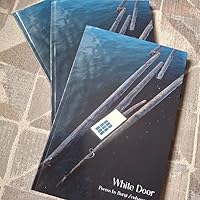
Still City: Poems
Named as One of Financial Times's Best Summer Poetry Books of 2024
Featured as Best Recent Poetry by The Guardian
The poems in Oksana Maksymchuk’s debut English-language collection meditate on the changing sense of reality, temporality, mortality, and intimacy in the face of a catastrophic event. While some of the poems were composed in the months preceding the full-scale invasion of the poet’s homeland, others emerged in its wake. Navigating between a chronicle, a chorus, and a collage, Still City reflects the lived experiences of liminality, offering different perspectives on the war and its aftermath. The collection engages a wide range of sources, including social media posts, the news reports, witness accounts, recorded oral histories, photographs, drone video footage, intercepted communication, and official documents, making sense of the transformations that war effects in individuals, families, and communities. Now ecstatic, now cathartic, these poems shine a light on survival, mourning, and hope through moments of terror and awe.
Poems from the collection appeared in AGNI, The Arkansas International, Chicago Quarterly Review, The Cincinnati Review, The Common, Conduit, The Continental Literary Magazine, Copper Nickel, Grain Magazine, The Guardian, The Indianapolis Review, The Manhattan Review, Ninth Letter, The Paris Review, Pleiades, Plume, PN Review, Poetry Ireland Review, Poetry London, Poetry Northwest, The Poetry Review, PRISM International, Salamander, Smartish Pace, Southern Indiana Review, and The Irish Times.
Featured as Best Recent Poetry by The Guardian
The poems in Oksana Maksymchuk’s debut English-language collection meditate on the changing sense of reality, temporality, mortality, and intimacy in the face of a catastrophic event. While some of the poems were composed in the months preceding the full-scale invasion of the poet’s homeland, others emerged in its wake. Navigating between a chronicle, a chorus, and a collage, Still City reflects the lived experiences of liminality, offering different perspectives on the war and its aftermath. The collection engages a wide range of sources, including social media posts, the news reports, witness accounts, recorded oral histories, photographs, drone video footage, intercepted communication, and official documents, making sense of the transformations that war effects in individuals, families, and communities. Now ecstatic, now cathartic, these poems shine a light on survival, mourning, and hope through moments of terror and awe.
Poems from the collection appeared in AGNI, The Arkansas International, Chicago Quarterly Review, The Cincinnati Review, The Common, Conduit, The Continental Literary Magazine, Copper Nickel, Grain Magazine, The Guardian, The Indianapolis Review, The Manhattan Review, Ninth Letter, The Paris Review, Pleiades, Plume, PN Review, Poetry Ireland Review, Poetry London, Poetry Northwest, The Poetry Review, PRISM International, Salamander, Smartish Pace, Southern Indiana Review, and The Irish Times.
136 pages, Paperback
First published May 30, 2024
About the author
Oksana Maksymchuk
10 books16 followersOksana Maksymchuk is a Ukrainian-American poet, scholar, & literary translator. Her debut English-language poetry collection Still City is the 2024 Pitt Poetry Series selection, published by University of Pittsburgh Press (US) and Carcanet Press (UK).
Oksana is a co-recipient of a National Endowments for the Arts Translation Fellowship, Scaglione Prize for Literary Translation from the Modern Language Association of America, Peterson Translated Book Award, and American Association for Ukrainian Studies Translation Prize. Her work has been featured on BBC Radio 3, CBC Radio, The Times, The Guardian, The New York Times, The Washington Post, and TEDx.
Connect with her on X and Instagram @ok_maksymchuk or on her website www.oksanamaksymchuk.com
Oksana holds a PhD in philosophy from Northwestern University. Born and raised in Lviv, Ukraine, she has also lived in Chicago, Philadelphia, Budapest, Berlin, Warsaw, and Fayetteville, Arkansas.
Oksana is a co-recipient of a National Endowments for the Arts Translation Fellowship, Scaglione Prize for Literary Translation from the Modern Language Association of America, Peterson Translated Book Award, and American Association for Ukrainian Studies Translation Prize. Her work has been featured on BBC Radio 3, CBC Radio, The Times, The Guardian, The New York Times, The Washington Post, and TEDx.
Connect with her on X and Instagram @ok_maksymchuk or on her website www.oksanamaksymchuk.com
Oksana holds a PhD in philosophy from Northwestern University. Born and raised in Lviv, Ukraine, she has also lived in Chicago, Philadelphia, Budapest, Berlin, Warsaw, and Fayetteville, Arkansas.
Ratings & Reviews
Friends & Following
Create a free account to discover what your friends think of this book!
Community Reviews
Displaying 1 - 14 of 14 reviews
![Profile Image for s.penkevich [hiatus-will return-miss you all].](https://i.gr-assets.com/images/S/compressed.photo.goodreads.com/users/1735525095i/6431467._UX200_CR0,11,200,200_.jpg)
November 25, 2024
‘What do I hope // to unsee,’ asks poet and translator Oksana Maksymchuk. First-hand witness to the ‘’ that has befallen Ukraine under the assaults and bombardments from Russia over the past two years, her poetry collection Still City becomes a poetic space to capture such brutality as testament not only to the horrors of war but also the spirit of survival and solidarity. With a directness to the harshness and visceral horrors which ‘demands an expression suitable to its violence,’ Maksymchuk chronicles the daily traumas of those in Ukraine while also hoping ‘that through love / the world is restored.’ An important collection of stark realism that feels like a surreal nightmare, Still City shows poetry as a necessary act of witness and protest in a world that turns its head from suffering with Maksymchuk’s poetic voice grabbing our attention and ensuring such horrors are not forgotten.
Dark are the days ahead of us
and even darker--the nights
Hear it said: there'll never
be light again
Sun will blacken and fall
like a corpse of a god
distant, long dead
tossed by the tide of the sky
No more radiance--only
blank and inverted light
Ever darker--the night
every night, darker and darker…
—from Genesis
While this is a debut collection from Oksana Maksymchuk, I was familiar with her as the editor of the wonderful and harrowing anthology Words for War: New Poems from Ukraine, which I would highly recommend reading. The language in Still City is so vibrant in Still City, affecting a sense of horror in its imagery such as ‘darkness that falls / billowing out / like an inkblot.’ Each page is strewn with imagery of death and destruction. As fellow Ukrainian poet Lyuba Yakimchuk wrote in an article about language in wartime, ‘ Language is as beautiful as this world. So when someone destroys your world, language reflects that.’ Here we can see language not only as witness but also as a resistance to war, standing strong even in ‘lines / blurred by terror’ as war destroys everything around. In the poem Kingdom of Ends she describes the Ukrainian desire to uphold their own language:
to weave a language
out of the things we felt
mattered
for our future
as an impermanent species
Still, we can feel the war creeping in from all directions, feel the panic, feel the unease the lingers in the silences. It is so powerful yet, as Ukrainian poet Ilya Kaminsky says of Maksymchuk’s works, ‘there is terrifying restraint in these poems of war wherein realism becomes a song, realism becomes hallucination, realism is a naked nerve set to a tune.’ This makes me think about the Bertolt Brecht poem, Motto which reads ‘ In the dark times / Will there also be singing? / Yes, there will also be singing. / About the dark times. One can find a sense of musicality in Maksymchuk’s poems ‘like a tragic chorus’ singing about the darkness and hard times. In her poem Tempo she writes:
What I didn't suspect about
war is that there'd be
music
Not the kind that compels you to move
in harmonious discord…
But the kind that irradiates
every surviving nucleus
rendering you a creature
absolutely new
facing the passage of time
naked and unashamed
In the intervals between
war and worse, we discern the score
These are poems that demand attention and are unapologetic for the terrors within them as they are lived horrors we must not turn away from. Far too easy is it to just push the thoughts of war aside for those far away from the blasts and Maksymchuk’s poems are pleas to stop looking away. ‘I don't know if the / images of bombings are what you yearn for / in your feed,’ she writes in Algorithmic Meltdown, admitting she too would ‘prefer funny puppy videos,’ but the sights and sounds and fears chronicled here are not ones she or other Ukrainians can just close out of like a phone app and these poems serve an important reminder of this.
Lingering Likeness
If you make an effigy
of cloth, paper, and sticks
and give it a name
and make it feel loved
I wonder
whether the girl who survived
the same immense blast
in a parallel universe
would feel anything?
There is a sense of unreality afoot from the way the unbearable reality becomes sinister and surreal. It is one thing to call the acts of violence monstrous but these aren’t mythical beasts raining down from the sky but the work of other people. ‘How do I take / the measure of business / so unmistakably human?’ she writes. Maksymchuk has explained her work as using language to combat the ‘blur’ and defamiliarization of reality under war:
These poems are a reminder of the power of poetry. ‘Even inside a war / I'm still at work / making life delicious,’ she writes on the act of poetry and crafting her vibrant verse even amidst the violence of war. ‘There's hardly time for the business of poetry,’ she admits in Puppets of God’ yet reminds us that it can be ‘vital / for survival of / what is human inside us.’ And whike it can capture the darkness and violence of humanity, it can also capture the joys that are often left out of the history books, much as philosopher G.W.F. Hegel wrote saying ‘history is not the soil in which happiness grows, the periods of happiness in it are the blank pages of history.’ Here we find that ‘happiness / is a kind of silence,’ the quiet between wars and bombs, the quiet of calm and peace. We must all hope that peace returns and we must ask ‘ how to begin / again.’
A powerful collection full of passion and intensity, Still City is an important work of poetry and poetic witness from an increíble voice. These are poems that look at the destruction of land and language but keep language ringing out with ‘the force of a scream suppressed,’ and it is a voice we should certainly listen to.
4.5/5
Stolen Time
Trapped in a plan
of another's making
we're squandering time
awaiting the war
Perfectly formed evenings
of navigating between the dark silhouettes of trees
against the purple snow
Weekend afternoons of
urgent love-making, voices
seeping through half-drawn curtains
adorned by shadows of
migratory birds-
jubilant and remote
citizens of a world
shared in shards
Dark are the days ahead of us
and even darker--the nights
Hear it said: there'll never
be light again
Sun will blacken and fall
like a corpse of a god
distant, long dead
tossed by the tide of the sky
No more radiance--only
blank and inverted light
Ever darker--the night
every night, darker and darker…
—from Genesis
While this is a debut collection from Oksana Maksymchuk, I was familiar with her as the editor of the wonderful and harrowing anthology Words for War: New Poems from Ukraine, which I would highly recommend reading. The language in Still City is so vibrant in Still City, affecting a sense of horror in its imagery such as ‘darkness that falls / billowing out / like an inkblot.’ Each page is strewn with imagery of death and destruction. As fellow Ukrainian poet Lyuba Yakimchuk wrote in an article about language in wartime, ‘ Language is as beautiful as this world. So when someone destroys your world, language reflects that.’ Here we can see language not only as witness but also as a resistance to war, standing strong even in ‘lines / blurred by terror’ as war destroys everything around. In the poem Kingdom of Ends she describes the Ukrainian desire to uphold their own language:
to weave a language
out of the things we felt
mattered
for our future
as an impermanent species
Still, we can feel the war creeping in from all directions, feel the panic, feel the unease the lingers in the silences. It is so powerful yet, as Ukrainian poet Ilya Kaminsky says of Maksymchuk’s works, ‘there is terrifying restraint in these poems of war wherein realism becomes a song, realism becomes hallucination, realism is a naked nerve set to a tune.’ This makes me think about the Bertolt Brecht poem, Motto which reads ‘ In the dark times / Will there also be singing? / Yes, there will also be singing. / About the dark times. One can find a sense of musicality in Maksymchuk’s poems ‘like a tragic chorus’ singing about the darkness and hard times. In her poem Tempo she writes:
What I didn't suspect about
war is that there'd be
music
Not the kind that compels you to move
in harmonious discord…
But the kind that irradiates
every surviving nucleus
rendering you a creature
absolutely new
facing the passage of time
naked and unashamed
In the intervals between
war and worse, we discern the score
These are poems that demand attention and are unapologetic for the terrors within them as they are lived horrors we must not turn away from. Far too easy is it to just push the thoughts of war aside for those far away from the blasts and Maksymchuk’s poems are pleas to stop looking away. ‘I don't know if the / images of bombings are what you yearn for / in your feed,’ she writes in Algorithmic Meltdown, admitting she too would ‘prefer funny puppy videos,’ but the sights and sounds and fears chronicled here are not ones she or other Ukrainians can just close out of like a phone app and these poems serve an important reminder of this.
Lingering Likeness
If you make an effigy
of cloth, paper, and sticks
and give it a name
and make it feel loved
I wonder
whether the girl who survived
the same immense blast
in a parallel universe
would feel anything?
There is a sense of unreality afoot from the way the unbearable reality becomes sinister and surreal. It is one thing to call the acts of violence monstrous but these aren’t mythical beasts raining down from the sky but the work of other people. ‘How do I take / the measure of business / so unmistakably human?’ she writes. Maksymchuk has explained her work as using language to combat the ‘blur’ and defamiliarization of reality under war:
‘Line by line, stanza by stanza, I was trying to pinch myself, to wake up into a world that would make sense again.’
These poems are a reminder of the power of poetry. ‘Even inside a war / I'm still at work / making life delicious,’ she writes on the act of poetry and crafting her vibrant verse even amidst the violence of war. ‘There's hardly time for the business of poetry,’ she admits in Puppets of God’ yet reminds us that it can be ‘vital / for survival of / what is human inside us.’ And whike it can capture the darkness and violence of humanity, it can also capture the joys that are often left out of the history books, much as philosopher G.W.F. Hegel wrote saying ‘history is not the soil in which happiness grows, the periods of happiness in it are the blank pages of history.’ Here we find that ‘happiness / is a kind of silence,’ the quiet between wars and bombs, the quiet of calm and peace. We must all hope that peace returns and we must ask ‘ how to begin / again.’
A powerful collection full of passion and intensity, Still City is an important work of poetry and poetic witness from an increíble voice. These are poems that look at the destruction of land and language but keep language ringing out with ‘the force of a scream suppressed,’ and it is a voice we should certainly listen to.
4.5/5
Stolen Time
Trapped in a plan
of another's making
we're squandering time
awaiting the war
Perfectly formed evenings
of navigating between the dark silhouettes of trees
against the purple snow
Weekend afternoons of
urgent love-making, voices
seeping through half-drawn curtains
adorned by shadows of
migratory birds-
jubilant and remote
citizens of a world
shared in shards
July 15, 2025
I'm going to be thinking about this one for a while because of how personal the subject matter is. "Still City" has an ebb and flow to it that made me think of how people tend to forget that a conflict is not always about extreme events happening that are highly spectacular and easily broadcast on TV. There are some poems like that in the collection, poems like "Arguments for Peace", which has a stanza recalling the bombing of a building despite the word "children" being written on the ground in front of it, or "Algorithmic Meltdown", which reminded me of the awful descriptions of drone footage captured by Ukrainian soldiers. But many other poems are a reminder of the slow-burning fear and suffering that drags out in conflicts. Poems like "The Cat's Odyssey", "Will to Grow", "A Museum of Rescued Objects", and "Centipede" were beautifully touching as they were upsetting in reminding the reader that life continues amid the horror, that it becomes terrifying in how numbing it is, and the moments that might feel like small hopes or wonders still have a deadly edge to them.

September 30, 2024
Video review to follow

February 22, 2025
Searing. Brilliant.

April 10, 2025
atmospheric

March 6, 2026
In this collection, the poet depicts the horrors of war and the resilience of the lives and landscapes mangled by violence. A tough read, especially the images that cannot be unseen—bloody snow angels, humans minced by missiles—and all the atrocities that generate the “algorithmic meltdown.”
“Some say it didn’t happen
Others say it was staged
Corpses from morgues, laid out
for an exhibition
Look how artful their arrangement
as if curated by someone
with an eye for effects
opaquely gruesome, darkly erotic
You see what you see
—from “Post-Truth,” p. 31
Favorite Poems:
“Emergency Bag”
“Arguments for Peace”
“What Gives”
“Post-Truth”
“Water Under the Bridge”
“Algorithmic Meltdown” !
“Orphic Euphemisms”
“The Prodigality of Suffering”
“Unfinished Missives”
“A Museum of Rescued Objects”
“Soul Is a Sieve”
“Puppets of God”
“A Heart Has a Home, But Not—A Fist”
“The Muse of History”
“Duck—Rabbit”
“Approximations”
“Some say it didn’t happen
Others say it was staged
Corpses from morgues, laid out
for an exhibition
Look how artful their arrangement
as if curated by someone
with an eye for effects
opaquely gruesome, darkly erotic
You see what you see
—from “Post-Truth,” p. 31
Favorite Poems:
“Emergency Bag”
“Arguments for Peace”
“What Gives”
“Post-Truth”
“Water Under the Bridge”
“Algorithmic Meltdown” !
“Orphic Euphemisms”
“The Prodigality of Suffering”
“Unfinished Missives”
“A Museum of Rescued Objects”
“Soul Is a Sieve”
“Puppets of God”
“A Heart Has a Home, But Not—A Fist”
“The Muse of History”
“Duck—Rabbit”
“Approximations”

July 4, 2025
A collection of poems about war (specifically the war in Ukraine), survival, and hope.
from Collective Bargaining: "On New Year's Eve we record wishes / on strips of paper, burn them, then / gulp down the ashes / chasing them with cheap / sweet champagne. // Will those who survive / be us / or our shadows / beings transformed / altered?"
from Post-Truth: "Some say it didn't happen / Others that it was staged // Corpses from morgues, laid out / for an exhibition // Look how artful their arrangement / as if curated by someone // with an eye for effects / opaquely gruesome, darkly erotic"
from Puppets of God: "Do I dare / disturb the music / of the universe, its slow-turning / spheres, threads on spindles / metered out by Fate // So the poet raved, impersonating / another poet"
from Collective Bargaining: "On New Year's Eve we record wishes / on strips of paper, burn them, then / gulp down the ashes / chasing them with cheap / sweet champagne. // Will those who survive / be us / or our shadows / beings transformed / altered?"
from Post-Truth: "Some say it didn't happen / Others that it was staged // Corpses from morgues, laid out / for an exhibition // Look how artful their arrangement / as if curated by someone // with an eye for effects / opaquely gruesome, darkly erotic"
from Puppets of God: "Do I dare / disturb the music / of the universe, its slow-turning / spheres, threads on spindles / metered out by Fate // So the poet raved, impersonating / another poet"

January 3, 2025
A strong and accessible English language poetry collection from an American/Ukrainian author. I first came across the author as an editor of a superb collection written in the aftermath of the 2013 Russian incursion of Ukraine.
Here with just a single voice and perspective for the collection I did not like this nearly as much although I still was impressed and moved by many of the poems.
Here with just a single voice and perspective for the collection I did not like this nearly as much although I still was impressed and moved by many of the poems.
March 13, 2026
The poems in Still City wonder and question, and render, state and remember. They call and respond to assumptions from a world looking on as the war in Ukraine doesn't abate. The speaker moves in the tense field of a brutal in-between. The poems are brief, clipped, and of an astounding clarity. All that needs to be said is said, no more, no less, with rhythmic verve. Still City and still love.
September 6, 2026
The ones earlier in the book were easiest for me to relate to because those are of a lifestyle that feels so similar to our own, but has this awful impending doom over it. Those made me feel more viscerally than the pure-fact news reports of horrors did. Towards the end I found it got too difficult for me to get what she meant.

January 11, 2025
Poetry of witness is so essential, and this collection is a painful beauty. Oksana Maksymchuk's poems in 'Still City' make us feel and help us empathize and call us to action.

September 25, 2025
Artfully presented, tough to read.

January 29, 2026
Wow. Unbelievably good.
June 8, 2026
"If I witness your death
will you witness mine
just one time
my beloved"
will you witness mine
just one time
my beloved"
Displaying 1 - 14 of 14 reviews