

What do you think?

파타
<여신강림>(2020), <사랑의 이해>(2023)로 전 세계 팬들의 이목을 사로잡은 배우 문가영의 첫 번째 산문집이 출간되었다. 18년간 다양한 배역을 소화하면서도 자신만의 무드로 매 작품마다 뚜렷한 인상을 남겼던 그녀가 이제는 ‘작가 문가영’으로서 대중들 앞에 나섰다.
깊이 있는 사유를 켜켜이 쌓아 자신과 자신을 둘러싼 세상을 치열하게 마주하고자 하는 문가영의 내밀한 언어들이 이 책에 담겼다. 인터뷰마다 긴 시간 동안 촘촘히 생각을 다듬어 온 사람 특유의 단단한 내공을 보여주었던 그녀를 이미 알아본 이들이라면 이번 출간 소식이 더없이 반가울 것이다.
독일에서 보낸 유년 시절과 어렸을 때부터 지속된 독서 습관, 고전문학에 대한 남다른 애정을 가진 그녀는 ‘파타’라는 새로운 얼굴을 통해 그녀이면서, 그녀가 아닌 이야기들을 풀어놓는다. 1부 ‘존재의 기록’에서는 지극히 일상적인 사건들을 통해 삶에 끊임없이 질문을 던지고 있는데, 이는 결국 진실된 자신을 마주하기 위한 치열한 자기 탐구의 과정으로 이어진다.
2부 ‘생각의 기록’은 배우 문가영의 보다 솔직한 욕망이 드러나는 부분으로, 질주하는 단상들 사이에서 자신과 바깥을 향한 예리하면서도 깊이 있는 시각이 돋보인다. 부록으로는 1부, 2부의 에피소드와 연결되는 실제 문가영의 아버지가 쓴 육아일기를 발췌해 넣었다. 사사로운 감정에 ‘잡아먹히지’ 않도록, 두 눈을 형형하게 뜬 채 진실을 좇아 세상을 응시하는 문가영, 아니 파타의 시선을 따라가 보자.
깊이 있는 사유를 켜켜이 쌓아 자신과 자신을 둘러싼 세상을 치열하게 마주하고자 하는 문가영의 내밀한 언어들이 이 책에 담겼다. 인터뷰마다 긴 시간 동안 촘촘히 생각을 다듬어 온 사람 특유의 단단한 내공을 보여주었던 그녀를 이미 알아본 이들이라면 이번 출간 소식이 더없이 반가울 것이다.
독일에서 보낸 유년 시절과 어렸을 때부터 지속된 독서 습관, 고전문학에 대한 남다른 애정을 가진 그녀는 ‘파타’라는 새로운 얼굴을 통해 그녀이면서, 그녀가 아닌 이야기들을 풀어놓는다. 1부 ‘존재의 기록’에서는 지극히 일상적인 사건들을 통해 삶에 끊임없이 질문을 던지고 있는데, 이는 결국 진실된 자신을 마주하기 위한 치열한 자기 탐구의 과정으로 이어진다.
2부 ‘생각의 기록’은 배우 문가영의 보다 솔직한 욕망이 드러나는 부분으로, 질주하는 단상들 사이에서 자신과 바깥을 향한 예리하면서도 깊이 있는 시각이 돋보인다. 부록으로는 1부, 2부의 에피소드와 연결되는 실제 문가영의 아버지가 쓴 육아일기를 발췌해 넣었다. 사사로운 감정에 ‘잡아먹히지’ 않도록, 두 눈을 형형하게 뜬 채 진실을 좇아 세상을 응시하는 문가영, 아니 파타의 시선을 따라가 보자.
- GenresSelf Help
308 pages, Hardcover
First published March 6, 2024
Ratings & Reviews
Friends & Following
Create a free account to discover what your friends think of this book!
Community Reviews
Displaying 1 - 17 of 17 reviews

July 15, 2025
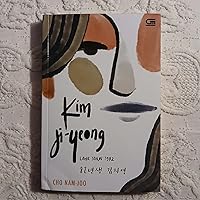
Meski saya bukan pecinta drama Korea, buku PATA berhasil mencuri perhatian sejak pandangan pertama. Pemilihan sampul dengan dominasi warna merah, sentuhan hitam, dan tone natural pada tampilan cermin di bagian tengah memberikan kesan sederhana, elegan, namun tetap kuat.
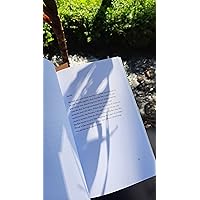
Buku ini terasa seperti karya seni yang dituangkan dalam bentuk tulisan. Hal yang menarik, lembaran halamannya terbagi ke dalam dua nuansa: bagian awal dan beberapa bagian akhir menggunakan kertas putih, sementara bagian tengah menuju akhir dicetak dengan latar hitam.
Pada halaman-halaman putih, terdapat teks highlight di bagian lipatan tengah buku. Uniknya, teks-teks ini tidak berkesinambungan—tidak membimbing pembaca menuju halaman berikutnya. Di bagian halaman hitam, terutama pada sisi kiri, tulisan diekspresikan secara tidak biasa: huruf terbalik, teks buram, kata-kata tumpang tindih dan acak, sehingga membutuhkan usaha lebih untuk membacanya. Beberapa bagian bahkan hanya bisa terbaca dengan bantuan cermin.
Penomoran halamannya pun tidak dimulai dari angka satu, melainkan dari halaman 15. Hal ini juga tercermin dalam daftar isi, khususnya pada bagian I bertajuk Catatan Keberadaan.
Setiap bab dalam bagian pertama ditandai dengan garis panjang dan nomor bab sebelum masuk ke bagian isi. Tanda ini mungkin tampak estetis, tetapi bisa jadi menyimpan makna simbolik yang tidak langsung dapat diterjemahkan oleh pembaca awam—dan justru itu yang membuatnya menarik.
Secara struktur, esai-esai dalam buku ini ditulis secara lepas, tidak saling terhubung, dan terkesan acak. Misalnya, satu halaman bisa menceritakan masa kecil, namun bagian berikutnya mengekspresikan perasaan saat berinteraksi dengan orang lain. Perpindahan ini memang bisa membingungkan, namun menciptakan kesan misterius—seolah mengajak kita menebak: “Apa sebenarnya yang ingin penulis ekspresikan di bagian ini?”
Buku ini memberikan nuansa yang kompleks, penuh emosi, cenderung introvert, dan tidak serta-merta membuka dirinya kepada pembaca. Bagi sebagian orang, ini bisa menjadi pengalaman membaca yang penuh tantangan, namun bagi yang merasa relate, justru bisa menemukan sisi-sisi tersembunyi seperti dark jokes yang muncul di sela-sela narasi.
“Berbuat baik itu adalah niat yang bagus, tapi ada satu arti tersembunyi lainnya yang orang-orang tidak ketahui. Kita tidak mengalami kerugian apapun meski kita berbuat baik kepada semua orang. Jangan meragukan ketulusanku. Hanya saja kesialan akan mengikutinya”
Gadis itu tampak ceria. (hal.56)
Ada beberapa lapisan makna yang ingin disampaikan Pata;
1. bentuk self-defense dari sang penulis dimana temannya mengingatkan bahwa Pata sedang dimanfaatkan dan hanya dijadikan “kacung”. Namun alih-alih marah atau membela diri secara langsung, Pata justru menyampaikan sudut pandang yang lebih dalam: bahwa kebaikan sejatinya bukan tentang bagaimana orang lain memperlakukan kita, tapi tentang siapa kita dan nilai yang kita pilih untuk pegang.
2. ada pesan tersirat bahwa berbuat baik tidak selalu menghasilkan hal baik. Terkadang, kebaikan dibalas dengan ketidakpedulian, disalahartikan, bahkan dianggap kelemahan. Tapi justru di situlah kekuatan sebenarnya—melakukan kebaikan tanpa bergantung pada balasan.
3. pesan ini disampaikan dengan cara yang tenang namun tajam, menjadikan buku PATA bukan hanya sebagai karya personal, tapi juga ruang refleksi bagi siapa pun yang pernah merasa lelah karena terus berbuat baik.
Meski karya ini diterbitkan untuk umum, ada kesan bahwa isi dan pendekatannya lebih ditujukan untuk kalangan tertentu.
Secara keseluruhan, PATA adalah karya seni yang tidak biasa. Ia unik secara teknis, penuh eksperimen visual dan tipografi, namun tetap terasa pribadi dalam isi. Bukan sekadar buku untuk dibaca, tapi pengalaman yang perlu dirasakan absurditas-nya
Buku ini terasa seperti karya seni yang dituangkan dalam bentuk tulisan. Hal yang menarik, lembaran halamannya terbagi ke dalam dua nuansa: bagian awal dan beberapa bagian akhir menggunakan kertas putih, sementara bagian tengah menuju akhir dicetak dengan latar hitam.
Pada halaman-halaman putih, terdapat teks highlight di bagian lipatan tengah buku. Uniknya, teks-teks ini tidak berkesinambungan—tidak membimbing pembaca menuju halaman berikutnya. Di bagian halaman hitam, terutama pada sisi kiri, tulisan diekspresikan secara tidak biasa: huruf terbalik, teks buram, kata-kata tumpang tindih dan acak, sehingga membutuhkan usaha lebih untuk membacanya. Beberapa bagian bahkan hanya bisa terbaca dengan bantuan cermin.
Penomoran halamannya pun tidak dimulai dari angka satu, melainkan dari halaman 15. Hal ini juga tercermin dalam daftar isi, khususnya pada bagian I bertajuk Catatan Keberadaan.
Setiap bab dalam bagian pertama ditandai dengan garis panjang dan nomor bab sebelum masuk ke bagian isi. Tanda ini mungkin tampak estetis, tetapi bisa jadi menyimpan makna simbolik yang tidak langsung dapat diterjemahkan oleh pembaca awam—dan justru itu yang membuatnya menarik.
Secara struktur, esai-esai dalam buku ini ditulis secara lepas, tidak saling terhubung, dan terkesan acak. Misalnya, satu halaman bisa menceritakan masa kecil, namun bagian berikutnya mengekspresikan perasaan saat berinteraksi dengan orang lain. Perpindahan ini memang bisa membingungkan, namun menciptakan kesan misterius—seolah mengajak kita menebak: “Apa sebenarnya yang ingin penulis ekspresikan di bagian ini?”
Buku ini memberikan nuansa yang kompleks, penuh emosi, cenderung introvert, dan tidak serta-merta membuka dirinya kepada pembaca. Bagi sebagian orang, ini bisa menjadi pengalaman membaca yang penuh tantangan, namun bagi yang merasa relate, justru bisa menemukan sisi-sisi tersembunyi seperti dark jokes yang muncul di sela-sela narasi.
“Berbuat baik itu adalah niat yang bagus, tapi ada satu arti tersembunyi lainnya yang orang-orang tidak ketahui. Kita tidak mengalami kerugian apapun meski kita berbuat baik kepada semua orang. Jangan meragukan ketulusanku. Hanya saja kesialan akan mengikutinya”
Gadis itu tampak ceria. (hal.56)
Ada beberapa lapisan makna yang ingin disampaikan Pata;
1. bentuk self-defense dari sang penulis dimana temannya mengingatkan bahwa Pata sedang dimanfaatkan dan hanya dijadikan “kacung”. Namun alih-alih marah atau membela diri secara langsung, Pata justru menyampaikan sudut pandang yang lebih dalam: bahwa kebaikan sejatinya bukan tentang bagaimana orang lain memperlakukan kita, tapi tentang siapa kita dan nilai yang kita pilih untuk pegang.
2. ada pesan tersirat bahwa berbuat baik tidak selalu menghasilkan hal baik. Terkadang, kebaikan dibalas dengan ketidakpedulian, disalahartikan, bahkan dianggap kelemahan. Tapi justru di situlah kekuatan sebenarnya—melakukan kebaikan tanpa bergantung pada balasan.
3. pesan ini disampaikan dengan cara yang tenang namun tajam, menjadikan buku PATA bukan hanya sebagai karya personal, tapi juga ruang refleksi bagi siapa pun yang pernah merasa lelah karena terus berbuat baik.
Meski karya ini diterbitkan untuk umum, ada kesan bahwa isi dan pendekatannya lebih ditujukan untuk kalangan tertentu.
Secara keseluruhan, PATA adalah karya seni yang tidak biasa. Ia unik secara teknis, penuh eksperimen visual dan tipografi, namun tetap terasa pribadi dalam isi. Bukan sekadar buku untuk dibaca, tapi pengalaman yang perlu dirasakan absurditas-nya
May 5, 2025
This book has a lot of potential. The first few poems are genuinely lovely—there’s a part in the insert where the author writes about her yellow sofa and the changing seasons, and it really caught my attention. It felt grounded and emotionally rich, and I was excited to keep going. But after that strong start, it unfortunately starts to unravel.
The main premise is that there’s a character named Pata who’s kind of the author but also not—like, it’s autobiographical but fictional at the same time. Which could have been really cool, except it ends up being more confusing than anything. The book keeps repeating that it’s “full of secrets,” and it seems like we’re supposed to be constantly guessing what’s real and what’s not. But rather than being mysterious or thought-provoking, it just feels vague and frustrating. Then, out of nowhere, the author includes childhood photos labeled as Pata’s, which makes it even more unclear—are we still pretending Pata is a character? Or is she just the author at this point?
A big part of why the book didn’t work for me is that it honestly doesn’t feel like it was written for readers. It reads like the author had something personal to get off her chest, and just decided to call it poetry or prose. It feels like a diary. And that’s fine, but when you're asking other people to read it and call it literature, there needs to be some structure or consideration for the audience. Most of the book is about her childhood and her feelings, but for some reason, the parts about the breakup—clearly a major emotional moment (and maybe the catalyst for the book?)—feel dramatically worse in quality than the rest. It’s like the whole book exists to prove something to the guy she broke up with, like she’s trying to say, “This was real, this happened, and here’s what it meant to me.” It stops being about storytelling or connection and turns into a symbol of their relationship and breakup, almost as if this book was written for him to read only.
She leans really heavily on certain imagery on these significantly worse written break up poems—mint, rainy days, blue and green, perfume—but not in a way that feels universal or poetic. It’s clearly code for things that happened in this relationship that the audience doesn't know about. So, instead of it drawing the audience into the book, it just leaves us annoyed and confused.
And to be completely honest, the writing feels really juvenile. Not in a stylistic or experimental way—it literally feels like it was written by a teenager. The tone, the phrasing, the emotional expression… it all reads like a high school diary. Which would be more understandable if the author were a teen, but she’s a grown woman. It’s hard to overlook how underdeveloped the writing is, especially considering how personal and intense the subject matter is trying to be.
I know I'm being harsh here since it’s her first book. There *are* a few moments of beauty here, and clearly she has something to say. I just hope that in future works, she focuses more on shaping that emotion into something readers can really connect with—rather than just working through it on the page.
The main premise is that there’s a character named Pata who’s kind of the author but also not—like, it’s autobiographical but fictional at the same time. Which could have been really cool, except it ends up being more confusing than anything. The book keeps repeating that it’s “full of secrets,” and it seems like we’re supposed to be constantly guessing what’s real and what’s not. But rather than being mysterious or thought-provoking, it just feels vague and frustrating. Then, out of nowhere, the author includes childhood photos labeled as Pata’s, which makes it even more unclear—are we still pretending Pata is a character? Or is she just the author at this point?
A big part of why the book didn’t work for me is that it honestly doesn’t feel like it was written for readers. It reads like the author had something personal to get off her chest, and just decided to call it poetry or prose. It feels like a diary. And that’s fine, but when you're asking other people to read it and call it literature, there needs to be some structure or consideration for the audience. Most of the book is about her childhood and her feelings, but for some reason, the parts about the breakup—clearly a major emotional moment (and maybe the catalyst for the book?)—feel dramatically worse in quality than the rest. It’s like the whole book exists to prove something to the guy she broke up with, like she’s trying to say, “This was real, this happened, and here’s what it meant to me.” It stops being about storytelling or connection and turns into a symbol of their relationship and breakup, almost as if this book was written for him to read only.
She leans really heavily on certain imagery on these significantly worse written break up poems—mint, rainy days, blue and green, perfume—but not in a way that feels universal or poetic. It’s clearly code for things that happened in this relationship that the audience doesn't know about. So, instead of it drawing the audience into the book, it just leaves us annoyed and confused.
And to be completely honest, the writing feels really juvenile. Not in a stylistic or experimental way—it literally feels like it was written by a teenager. The tone, the phrasing, the emotional expression… it all reads like a high school diary. Which would be more understandable if the author were a teen, but she’s a grown woman. It’s hard to overlook how underdeveloped the writing is, especially considering how personal and intense the subject matter is trying to be.
I know I'm being harsh here since it’s her first book. There *are* a few moments of beauty here, and clearly she has something to say. I just hope that in future works, she focuses more on shaping that emotion into something readers can really connect with—rather than just working through it on the page.

April 7, 2024
이틀만에 속독한 책.
책이라기 보다는 앨범처럼 그림적 구성이라 재미있게 읽었다.
자기연민과 자기애가 많이 드러나 불편할 법도 했지만 자기를 살갑게 여기는 그 마음에 나도 동화되어 이 화자를 살갑게 생각하게 되었다.
후루룩 읽기 좋았다
책이라기 보다는 앨범처럼 그림적 구성이라 재미있게 읽었다.
자기연민과 자기애가 많이 드러나 불편할 법도 했지만 자기를 살갑게 여기는 그 마음에 나도 동화되어 이 화자를 살갑게 생각하게 되었다.
후루룩 읽기 좋았다

August 3, 2026
Kalau ternyata Pata ini adalah Moon Ka Young (si penulis), aku mau minta maaf karena aku pun bingung dengan bagaimana caraku mengulas buku ini. I don’t like Pata but Moon Ka Young is an excellent artist. Ini bukan ngomongin bukunya (belum), but the Pata as the character.
Rasanya pengen aku teriakin “pick me dan sok misterius. Hidup lu gak sebeda itu sama orang lain”. Soalnya dari narasinya sebetulnya kejadian-kejadian dialami Pata tuh ya manusiawi aja. Tapi penulisannya seakan-akan ini tuh beda sama pengalaman orang-orang di dunia ini, cuman pakai cara puitis. Rasanya kayak baca Rupi Kaur tapi bukan per kata, tapi per frasa. Kadang per kalimat.
Jujur ngebosenin dan aku sering ketiduran baca ini. I don’t hate this book, but this book not that good. Cover doang cakep, isinya engga 😭🙏
Rasanya pengen aku teriakin “pick me dan sok misterius. Hidup lu gak sebeda itu sama orang lain”. Soalnya dari narasinya sebetulnya kejadian-kejadian dialami Pata tuh ya manusiawi aja. Tapi penulisannya seakan-akan ini tuh beda sama pengalaman orang-orang di dunia ini, cuman pakai cara puitis. Rasanya kayak baca Rupi Kaur tapi bukan per kata, tapi per frasa. Kadang per kalimat.
Jujur ngebosenin dan aku sering ketiduran baca ini. I don’t hate this book, but this book not that good. Cover doang cakep, isinya engga 😭🙏

May 30, 2025
4 stars.
personally i really love how this book was written. it contains several parts from Mun Kayoung’s personal essay.
it explores different perspectives of life that i found super interesting. the layout is unique which you won’t find it in other book.
this book made me dive new perspective of life with those mysterious feeling.
it’s a debut book by Mun Kayoung and it’s not perfect but really has potential to grow more. i can see that this book isn’t for everyone, but if you love it, you will feel this book like a hug. (especially for someone who thinks differently)
it’s more than a book, it’s more like an artwork.
personally i really love how this book was written. it contains several parts from Mun Kayoung’s personal essay.
it explores different perspectives of life that i found super interesting. the layout is unique which you won’t find it in other book.
this book made me dive new perspective of life with those mysterious feeling.
it’s a debut book by Mun Kayoung and it’s not perfect but really has potential to grow more. i can see that this book isn’t for everyone, but if you love it, you will feel this book like a hug. (especially for someone who thinks differently)
it’s more than a book, it’s more like an artwork.
August 2, 2025
《PATA》书评:温柔的止损,也是自爱的勇气
初读《PATA》,我有些难受。Ka Young 在书中坦率写下“对别人好,其实也是在让对方尝到苦头”,也描绘了“把爱情分给很多个房间”的复杂心绪。她理性拆解情感,用平静、近乎冷静的语气讲述告别、犹疑、反复——我一开始,无法接受这种“太清醒的温柔”。
也许那时的我,期待她更“美好”一点:温暖、坚定、不动摇。可读到第二遍,我明白了:她真正动人的地方,不在于完美,而在于面对复杂时不逃避、不伪装。她并不拿聪明与分析去控制他人,而是用坦率、甚至近乎残忍的方式,对自己也对他人诚实。她的情感,如我们每一个人一般:复杂、摇摆,有时自我,有时过于善良。
但也正是这种真实,让我慢慢读懂了她。她像一位不讲情绪牌的朋友,只是把经历摊开来,让你自己去感受。这种诚实与克制,比浪漫更令人动容。
“为什么你会面带笑容地讲伤心的故事?” 读到这句时,我的心被某种熟悉的东西触动了。
这本书让我意识到:
情感不必完美,也不该被定义为唯一的模样。
成熟的标志,不是从不动摇,而是即便动摇,也能温柔收场。
谢谢你,Moon。
你用一本文字让我理解了:
不是每一句“我不再喜欢你了”都充满怨恨;
不是每一个“走出门的人”都心怀不舍。
有些再见,是温柔的止损,是成年人的优雅,
是最深的自爱。
《PATA》: Gentle Closure Is Also an Act of Self-Love
At first, reading 《PATA》 made me uneasy. Ka Young frankly writes that “being kind to others can also make them suffer,” and reveals the complex feelings she calls “dividing love into many rooms.” She dissects emotions with rationality, narrating farewells, hesitation, and repetition in a calm, almost detached tone—I initially couldn’t accept this “too clear-headed gentleness.”
Perhaps I expected her to be more “beautiful” at first: warm, resolute, unwavering. But upon a second reading, I understood that her true charm lies not in perfection but in facing complexity without avoidance or pretense. She doesn’t use intelligence or analysis to control others but employs honesty—sometimes almost brutally so—with both herself and others. Her emotions are as complicated and wavering as anyone’s, sometimes self-centered, sometimes overly kind.
It is this very authenticity that helped me slowly understand her. She is like a friend who doesn’t play emotional cards but lays her experiences openly for you to feel. This honesty and restraint are more moving than romance.
“Why do you smile while telling sad stories?” This sentence touched something familiar in me.
This book made me realize:
Emotions need not be perfect, nor should they be defined by a single form.
Maturity isn’t about never wavering, but about ending things gently even when you do.
Thank you, Moon.
With your words, I understand:
Not every “I don’t love you anymore” is full of resentment;
Not every person who walks away does so with regret.
Some goodbyes are gentle closures, adult grace,
and the deepest form of self-love.
《PATA》 서평: 부드러운 마무리, 그것 또한 자기애의 용기입니다
처음 《PATA 》를 읽었을 때 나는 조금 불편했다. 가영은 책에서 “남에게 잘하는 것도 사실은 그 사람이 고통을 겪게 하는 것”이라고 솔직히 적었고, ‘사랑을 여러 방에 나누어 담는’ 복잡한 심정을 드러냈다. 그녀는 이성을 가지고 감정을 해체하며 차분하고 거의 냉정한 어조로 이별, 망설임, 반복을 이야기하는데 나는 처음에 이 ‘너무 명료한 온유함’을 받아들이기 어려웠다.
아마 나는 처음에 그녀가 좀 더 ‘아름다운’ 모습이길 바랐던 것 같다: 따뜻하고, 확고하며, 흔들리지 않는. 하지만 두 번째 읽었을 때 알았다. 그녀가 진정으로 매력적인 것은 완벽함이 아니라 복잡함 앞에서 도피하거나 가식하지 않는다는 점이다. 그녀는 똑똑함과 분석력으로 타인을 통제하지 않고, 오히려 솔직함—때로는 거의 잔인할 정도의 솔직함—으로 자신과 타인에게 대한다. 그녀의 감정은 우리 모두처럼 복잡하고 흔들리며, 때로는 자기중심적이고 때로는 지나치게 선량하다.
하지만 바로 그 진솔함 덕분에 나는 그녀를 천천히 이해할 수 있었다. 그녀는 감정이라는 카드를 내세우지 않는 친구처럼, 자신의 경험을 그대로 펼쳐 보여줄 뿐이다. 이런 정직함과 절제는 낭만보다 더 감동적이다.
“왜 슬픈 이야기를 하면서 웃음을 짓나요?” 이 문장을 읽었을 때 내 마음 깊은 곳에 익숙한 무언가가 울렸다.
이 책은 나에게 깨닫게 했다:
감정은 완벽할 필요도 없고, 하나의 형태로만 정의되어서도 안 된다.
성숙함은 흔들리지 않는 것이 아니라, 흔들려도 부드럽게 마무리할 줄 아는 것이다.
고마워요, 문.
당신의 글을 통해 나는 알게 되었다:
“더 이상 사랑하지 않는다”는 말이 모두 원망으로 가득한 것이 아니며,
문을 나서는 모든 사람이 아쉬움만 품고 있는 것도 아니다.
어떤 이별은 부드러운 마무리이며, 어른의 우아함이고,
가장 깊은 자기애다.
初读《PATA》,我有些难受。Ka Young 在书中坦率写下“对别人好,其实也是在让对方尝到苦头”,也描绘了“把爱情分给很多个房间”的复杂心绪。她理性拆解情感,用平静、近乎冷静的语气讲述告别、犹疑、反复——我一开始,无法接受这种“太清醒的温柔”。
也许那时的我,期待她更“美好”一点:温暖、坚定、不动摇。可读到第二遍,我明白了:她真正动人的地方,不在于完美,而在于面对复杂时不逃避、不伪装。她并不拿聪明与分析去控制他人,而是用坦率、甚至近乎残忍的方式,对自己也对他人诚实。她的情感,如我们每一个人一般:复杂、摇摆,有时自我,有时过于善良。
但也正是这种真实,让我慢慢读懂了她。她像一位不讲情绪牌的朋友,只是把经历摊开来,让你自己去感受。这种诚实与克制,比浪漫更令人动容。
“为什么你会面带笑容地讲伤心的故事?” 读到这句时,我的心被某种熟悉的东西触动了。
这本书让我意识到:
情感不必完美,也不该被定义为唯一的模样。
成熟的标志,不是从不动摇,而是即便动摇,也能温柔收场。
谢谢你,Moon。
你用一本文字让我理解了:
不是每一句“我不再喜欢你了”都充满怨恨;
不是每一个“走出门的人”都心怀不舍。
有些再见,是温柔的止损,是成年人的优雅,
是最深的自爱。
《PATA》: Gentle Closure Is Also an Act of Self-Love
At first, reading 《PATA》 made me uneasy. Ka Young frankly writes that “being kind to others can also make them suffer,” and reveals the complex feelings she calls “dividing love into many rooms.” She dissects emotions with rationality, narrating farewells, hesitation, and repetition in a calm, almost detached tone—I initially couldn’t accept this “too clear-headed gentleness.”
Perhaps I expected her to be more “beautiful” at first: warm, resolute, unwavering. But upon a second reading, I understood that her true charm lies not in perfection but in facing complexity without avoidance or pretense. She doesn’t use intelligence or analysis to control others but employs honesty—sometimes almost brutally so—with both herself and others. Her emotions are as complicated and wavering as anyone’s, sometimes self-centered, sometimes overly kind.
It is this very authenticity that helped me slowly understand her. She is like a friend who doesn’t play emotional cards but lays her experiences openly for you to feel. This honesty and restraint are more moving than romance.
“Why do you smile while telling sad stories?” This sentence touched something familiar in me.
This book made me realize:
Emotions need not be perfect, nor should they be defined by a single form.
Maturity isn’t about never wavering, but about ending things gently even when you do.
Thank you, Moon.
With your words, I understand:
Not every “I don’t love you anymore” is full of resentment;
Not every person who walks away does so with regret.
Some goodbyes are gentle closures, adult grace,
and the deepest form of self-love.
《PATA》 서평: 부드러운 마무리, 그것 또한 자기애의 용기입니다
처음 《PATA 》를 읽었을 때 나는 조금 불편했다. 가영은 책에서 “남에게 잘하는 것도 사실은 그 사람이 고통을 겪게 하는 것”이라고 솔직히 적었고, ‘사랑을 여러 방에 나누어 담는’ 복잡한 심정을 드러냈다. 그녀는 이성을 가지고 감정을 해체하며 차분하고 거의 냉정한 어조로 이별, 망설임, 반복을 이야기하는데 나는 처음에 이 ‘너무 명료한 온유함’을 받아들이기 어려웠다.
아마 나는 처음에 그녀가 좀 더 ‘아름다운’ 모습이길 바랐던 것 같다: 따뜻하고, 확고하며, 흔들리지 않는. 하지만 두 번째 읽었을 때 알았다. 그녀가 진정으로 매력적인 것은 완벽함이 아니라 복잡함 앞에서 도피하거나 가식하지 않는다는 점이다. 그녀는 똑똑함과 분석력으로 타인을 통제하지 않고, 오히려 솔직함—때로는 거의 잔인할 정도의 솔직함—으로 자신과 타인에게 대한다. 그녀의 감정은 우리 모두처럼 복잡하고 흔들리며, 때로는 자기중심적이고 때로는 지나치게 선량하다.
하지만 바로 그 진솔함 덕분에 나는 그녀를 천천히 이해할 수 있었다. 그녀는 감정이라는 카드를 내세우지 않는 친구처럼, 자신의 경험을 그대로 펼쳐 보여줄 뿐이다. 이런 정직함과 절제는 낭만보다 더 감동적이다.
“왜 슬픈 이야기를 하면서 웃음을 짓나요?” 이 문장을 읽었을 때 내 마음 깊은 곳에 익숙한 무언가가 울렸다.
이 책은 나에게 깨닫게 했다:
감정은 완벽할 필요도 없고, 하나의 형태로만 정의되어서도 안 된다.
성숙함은 흔들리지 않는 것이 아니라, 흔들려도 부드럽게 마무리할 줄 아는 것이다.
고마워요, 문.
당신의 글을 통해 나는 알게 되었다:
“더 이상 사랑하지 않는다”는 말이 모두 원망으로 가득한 것이 아니며,
문을 나서는 모든 사람이 아쉬움만 품고 있는 것도 아니다.
어떤 이별은 부드러운 마무리이며, 어른의 우아함이고,
가장 깊은 자기애다.
Read
October 25, 2025To be honest, I didn’t really enjoy Pata by Moon Ga-Young, and I decided not to continue reading it. The book feels like it’s mostly talking about the life of Moon Ga-Young herself or maybe her alter ego, Pata. I get that Pata is supposed to represent a part of her, maybe the side of her that she discovered while living in Germany.
But when I tried to read it, everything just felt kind of random. It doesn’t seem to have a clear topic or direction. Even the Table of Contents confused me, I couldn’t figure out what the main point of the book was supposed to be.
I read Part 1 and Part 2, and from what I’ve seen so far, it feels more like a collection of her personal reflections rather than a story or essay with structure. Maybe that’s what she intended to show pieces of her thoughts and emotions but for me, it was hard to connect with or understand.
So, honestly, I decided to stop reading it 😔
But when I tried to read it, everything just felt kind of random. It doesn’t seem to have a clear topic or direction. Even the Table of Contents confused me, I couldn’t figure out what the main point of the book was supposed to be.
I read Part 1 and Part 2, and from what I’ve seen so far, it feels more like a collection of her personal reflections rather than a story or essay with structure. Maybe that’s what she intended to show pieces of her thoughts and emotions but for me, it was hard to connect with or understand.
So, honestly, I decided to stop reading it 😔

October 5, 2025
Meski alurnya tidak berurut, kisahnyapun berhamburan. Namun membaca ini memberikan kesan emosi yang solid. Penulis mampu menyuguhkan versi PATA tanpa harus menempelkan Nama besarnya sebagai sang Bintang.
beberapa kali, membaca ini membuatku terdiam berjeda. Ntah karena menafsirkan makna dari trasnlatenya atau sekedar menarik nafas pengrefleksian diri sendiri.
Menariknya. membaca ini memberikan kesan sunyi, ,sepih, kehati²an tapi juga tenang.
beberapa kali, membaca ini membuatku terdiam berjeda. Ntah karena menafsirkan makna dari trasnlatenya atau sekedar menarik nafas pengrefleksian diri sendiri.
Menariknya. membaca ini memberikan kesan sunyi, ,sepih, kehati²an tapi juga tenang.

September 20, 2026
Mulai dari cover sampai penulisan dan diksinya, semuanya indah. Tapi nggak tau kenapa ya, aku gak terlalu suka dengan buku yang terlalu boros. Kalimatnya sedikit tapi makan kertasnya banyak banget. Sebenarnya apa yang dituliskan juga cukup mainstream, tapi aku enjoy aja bacanya karena penulisan dan diksinya bagus.

July 4, 2025
Memeluk emosiku saat berduka. Ada part-part tertentu yang aku kurang paham karena bahasa translate, tp secara konteks juga aku ga ngerti “kenapa itu dibahas”. Overall bagus, lebih ke cerita tentang dirinya sendiri yang bisa kita rasakan juga

July 17, 2025
essay tentang penerimaan diri.

September 5, 2025
第四顆星給裝幀和排版。
PATA在封面放得大大的,PATA也秘密地收在書腰折口裡小小的。
PATA在封面放得大大的,PATA也秘密地收在書腰折口裡小小的。
July 9, 2026
This essay written in a good way, but what the author wrote is not so.
The story ideas or topics is too many, and sometimes its written so short, that one thing ends before I really can understand.
The story ideas or topics is too many, and sometimes its written so short, that one thing ends before I really can understand.

July 24, 2026
What a literatur and nice story!
July 28, 2025
1부와 부록은 마음에 들었다. 사실 왜 그렇게 마음에 들었는지는 잘 모르겠지만 읽고 나면 묘하게 좋다. 2부는 단상에 가까운 글들이라 중구난방 이라는 느낌이었다. (그래도 한 장에서 각 쪽의 그래픽과 글 형식은 마음에 들었다.) Fast and easy read.
배우 문가영의 산문집이라고 알자마자 바로 교보에서 사왔다. 문가영의 결을 느낄 수 있었던 책.
배우 문가영의 산문집이라고 알자마자 바로 교보에서 사왔다. 문가영의 결을 느낄 수 있었던 책.
Want to Read
March 20, 2024waiting for a translated version of this 🙏🏾 (gayoung if u see this i love u sm mwahhh)

May 6, 2024
파타의 일기장을, 마음속 심연을 들여다 볼 수 있었던 책.
Displaying 1 - 17 of 17 reviews