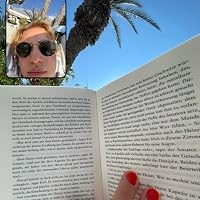
Germany, 1929. The unnamed narrator and her lover are driving to France for a long, free, summer together. Up until now they have had only stolen moments – he’s married – and our narrator is bursting with excitement and apprehension. She’s racing ahead of the car, living the joy of their holiday before it’s started, giddy with the promise of it all.
Soon it becomes clear they have different expectations. She wants the intimacy of a remote, sunlit cottage, a space where they can truly know each other. He, older, worldly, wants casinos, plush hotel rooms, music, and late nights with noisy friends.
Heartbroken, she leaves a note and heads home.
The wandering journey back to Germany brings her to St. Tropez, a shining bay appearing as if from a dream. Captivated, she explores the town and decides to summer here alone.
As she takes charge of her life – finding accommodation, buying furniture, cleaning, cooking, filling her own space in her own way – she discovers strength, resilience, and capability, and begins to hang her life from her own shoulders, not her lover’s.
Written by Wolff in the early 30s, this autobiographical novella (112pp) was found in her effects after her death in 1994. That the language and tone feel so modern may, in part, be due to the recent translation, but that doesn’t detract from the beauty of it. Wolff captures the dizzy rushes and resonant glows of love, whether for friends, lovers, places, or oneself, like no-one else. It’s so quotable that I struggled not to just cut and paste, wipe my hands, and walk away.
This glorious book made me beam with recognition on almost every page, whether for the throb of my own heart, or the pulse of my wife’s. The landscape radiates from the page; the verdant riot of summer days, the velvety twinkling of the bay at night, the chilly closure of autumn. St Tropez and its people become not just background, but the frame for love – they set it off to its best advantage, cast it in perfect light.
Background for Love itself takes up only half the book; the rest is a fascinating essay about Wolff and her work. I was delighted to find two photos of the actual St Tropez cottage in this section.