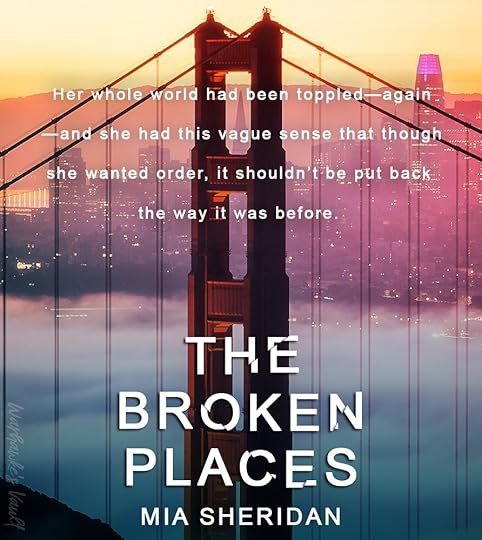
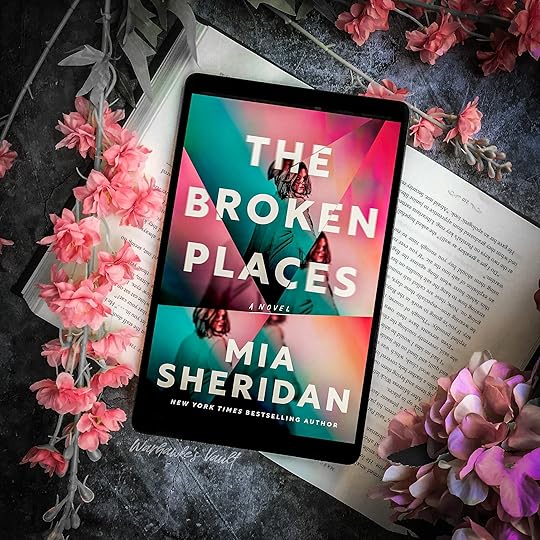
The Broken Places by Mia Sheridan is a book that really pulls you in, but in a way that can be difficult at times. It’s one of those stories that stays with you long after you’ve turned the last page. The book focuses on two characters—Lennon and Ambrose—who both have some tragedy in the their pasts.
The story dives deep into themes of trauma, addiction, and healing, which makes it both hard to read and deeply thought-provoking. It’s one of those novels that paints a raw, honest picture of the struggles people face, especially those who’ve experienced abuse in childhood and later turn to drugs to numb the pain.
I’ll be honest, it’s tough to read about characters who are so lost or hurting. There’s something about how Sheridan writes about the brokenness of people that just hits hard. But at the same time, that’s what makes her a great storyteller. She doesn’t shy away from showing the messiness of life, and it’s that realism that keeps you turning the pages, even when you want to look away. The way addiction and trauma are explored in this book feels raw and real, especially the way the characters’ lives unfold because of what they’ve been through. It’s heartbreaking to realize that so much of this comes back to childhood, and the impact of abuse on these characters is devastating to read about.
One aspect of the book that I found optimistic was its exploration of alternative therapies. Traditional addiction treatment methods often fall short, especially when dealing with individuals grappling with deep-seated trauma. The Broken Places doesn’t shy away from the grim realities of addiction, but it also offers a glimmer of hope by incorporating approaches like EMDR and experiential therapy. These methods, which address the root causes of trauma rather than simply treating the symptoms, feel particularly relevant in a story like this. The book approaches healing from the perspective that true healing requires more than just abstinence; it demands confronting and processing the pain that drives the addiction. And while that confrontation can be truly hellish for some, it is through that very confrontation that freedom, and ultimately healing, can potentially be found.
The mystery aspect of the book was another part that kept me hooked. There’s a slow reveal of the person behind the killings and, of course, the “why” behind everything. I won’t spoil it, but I will say that while some of the others in my buddy read had guessed the identity of the killer early on, I had a different suspect in mind. What kept me really invested was the way the “why” played out—it was a surprise, and one that made everything come together in a way I didn’t expect. It kept me guessing the whole way through, which is always a sign of a good thriller.
By the end of the book, I was on the edge of my seat, torn between wanting to look away and being too riveted to stop. That last portion really amps up the tension, and even though part of me wanted to take a break from the heaviness, the story pulled me in.
The epilogue, which fast-forwards nearly 30 years into the future, provided a hopeful glimpse of what can happen when people receive the right support. It was a nice, hopeful ending to a book that, at times, felt quite dark.
Overall, I think Mia Sheridan does a wonderful job of balancing the heavy, hard-hitting realities of addiction and trauma with the potential for healing and redemption. It’s not an easy book to read, but it’s a powerful one that shows just how complicated and difficult life can be, especially when you’re dealing with past wounds.
If you’re looking for something that will make you think long after you’ve finished, this one definitely does the trick.





 💜
 💜