

What do you think?

The Family Reunion
A modern verse play dealing with the problem of man’s guilt and his need for expiation through his acceptance of responsibility for the sin of humanity. “What poets and playwrights have been fumbling at in their desire to put poetry into drama and drama into poetry has here been realized.... This is the finest verse play since the Elizabethans” (New York Times).
131 pages, Hardcover
First published January 1, 1939
About the author
T.S. Eliot
1,075 books5,912 followersThomas Stearns Eliot was a poet, dramatist and literary critic. He received the Nobel Prize in Literature in 1948 "for his outstanding, pioneer contribution to present-day poetry." He wrote the poems The Love Song of J. Alfred Prufrock, The Waste Land, The Hollow Men, Ash Wednesday, and Four Quartets; the plays Murder in the Cathedral and The Cocktail Party; and the essay Tradition and the Individual Talent. Eliot was born an American, moved to the United Kingdom in 1914 (at the age of 25), and became a British subject in 1927 at the age of 39.
See also http://en.wikipedia.org/wiki/T.S._Eliot
See also http://en.wikipedia.org/wiki/T.S._Eliot
Ratings & Reviews
Friends & Following
Create a free account to discover what your friends think of this book!
Community Reviews
Displaying 1 - 30 of 92 reviews

August 7, 2019
Verse - superb!
Handling of a day in play - amazing!
T. S. Eliot's Christian faith has come in plenty in this play. However, even if you ignore the superb handling of the play, you will be amazed just by the sonorous sounds... just read it!
Handling of a day in play - amazing!
T. S. Eliot's Christian faith has come in plenty in this play. However, even if you ignore the superb handling of the play, you will be amazed just by the sonorous sounds... just read it!

April 23, 2022
مسرحية مكتوبة بلغة شعرية جميلة يُدين فيها إليوت العلاقات الزائفة
ويربط التعاسة والغضب والاضطراب الفكري والروحي
بالتنازل عن الحب والسعادة الشخصية في مقابل صورة العائلة وتقاليدها
ويُصور حالة الانسان المسكون بوهم الشعور بالذنب ورغبته في الراحة والخلاص
ويربط التعاسة والغضب والاضطراب الفكري والروحي
بالتنازل عن الحب والسعادة الشخصية في مقابل صورة العائلة وتقاليدها
ويُصور حالة الانسان المسكون بوهم الشعور بالذنب ورغبته في الراحة والخلاص

February 6, 2009
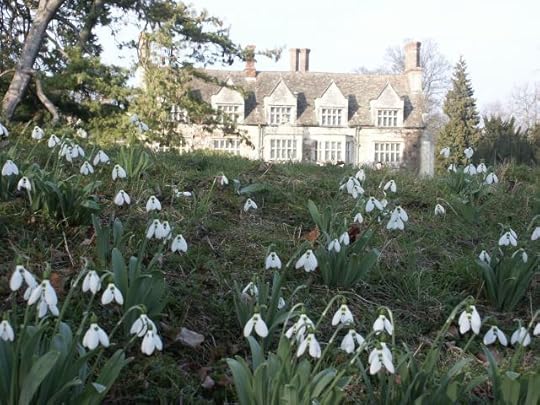
We were having a walk at Anglesey Abbey earlier this year, and a couple of lines from this play popped into my head:
The aconite under the snowMaybe they'll encourage you to read it.
And the snowdrop crying for a moment in the wood

January 6, 2019
Oh, Eliot! Why does your brilliance continue to allude me?
Whilst I can appreciate the philosophical nature of the piece the 'enjoyment' factor was unfortunately missing for me. All that was revealed, between the precise wording, indicted truth as it imprisoned understanding. This play delivered an intriguing body of paradoxes and I was a body of inconsistent feelings, whilst reading it. However, none were enough to ensure long-lasting remembrance and this failed to deliver a closure that would commit this to any sort of precise feeling, as can be communicated by my middling rating.
Whilst I can appreciate the philosophical nature of the piece the 'enjoyment' factor was unfortunately missing for me. All that was revealed, between the precise wording, indicted truth as it imprisoned understanding. This play delivered an intriguing body of paradoxes and I was a body of inconsistent feelings, whilst reading it. However, none were enough to ensure long-lasting remembrance and this failed to deliver a closure that would commit this to any sort of precise feeling, as can be communicated by my middling rating.

May 4, 2020
We do not like to look out of the same window, and see quite a different landscape.
We do not like to climb a stair, and find that it takes us down.
We do not like to walk out of a door, and find ourselves back in the same room.
We do not like the maze in the garden, because it too closely resembles the maze in the brain.
We do not like what happens when we are awake, because it too closely resembles what happens when we are asleep.
...
And what is being done to us?
And what are we, and what are we doing?
To each and all of these questions
There is no conceivable answer.
We have suffered far more than a personal loss-
We have lost our way in the dark.
We do not like to climb a stair, and find that it takes us down.
We do not like to walk out of a door, and find ourselves back in the same room.
We do not like the maze in the garden, because it too closely resembles the maze in the brain.
We do not like what happens when we are awake, because it too closely resembles what happens when we are asleep.
...
And what is being done to us?
And what are we, and what are we doing?
To each and all of these questions
There is no conceivable answer.
We have suffered far more than a personal loss-
We have lost our way in the dark.

January 12, 2019
“What is still more important [than cultural homogeneity] is unity of religious background, and reasons of race and religion combine to make any large number of free-thinking Jews undesirable.” --T.S. Eliot
But this could have been written by; Roald Dahl, Celine, Thomas Mann, Edith Wharton, Ezra Pound, John Milton, Agatha Christie, Tacitus,…
It never ceases to fascinate that intelligent and educated folk can also be prejudicial.
I know. You are angry with me for bringing it up. So be it. I am always a friend to the underdog.
Onwards and…
To the play.
Absolutely engaging. Profound. Amazing. Philosophical.
This writer deserves credit for uncommon insight.
This one time, I looked briefly at reviews of this book by Goodreads members and by several sites that feature professional criticism, before engaging in this review.
To me, Harry was an “identified patient.” And, to me, this is what the story is about. Period.
A scapegoated son amidst a brutal mother and other cleverly manipulated predetermined relations(unaware of their own individuated truth) at a family reunion.
I do not agree with the LA Times or NY Times, Wiki or any other paid columnist point of view that I skimmed.
Just as I would not readily accept the opinions of a ‘white farmer or an Asian dentist from Atlanta’ on the condition of the Afro-American people in the United States.
“Reality is when it happens to you.”
Jung, I believe, would be alert to this by page five.
Now, back to the Gemara.
But this could have been written by; Roald Dahl, Celine, Thomas Mann, Edith Wharton, Ezra Pound, John Milton, Agatha Christie, Tacitus,…
It never ceases to fascinate that intelligent and educated folk can also be prejudicial.
I know. You are angry with me for bringing it up. So be it. I am always a friend to the underdog.
Onwards and…
To the play.
Absolutely engaging. Profound. Amazing. Philosophical.
This writer deserves credit for uncommon insight.
This one time, I looked briefly at reviews of this book by Goodreads members and by several sites that feature professional criticism, before engaging in this review.
To me, Harry was an “identified patient.” And, to me, this is what the story is about. Period.
A scapegoated son amidst a brutal mother and other cleverly manipulated predetermined relations(unaware of their own individuated truth) at a family reunion.
I do not agree with the LA Times or NY Times, Wiki or any other paid columnist point of view that I skimmed.
Just as I would not readily accept the opinions of a ‘white farmer or an Asian dentist from Atlanta’ on the condition of the Afro-American people in the United States.
“Reality is when it happens to you.”
Jung, I believe, would be alert to this by page five.
Now, back to the Gemara.
October 17, 2025
نشر هرمس به تازگی کتاب را تجدید چاپ کرده. اغلاط مطبعیش کم نیست متأسفانه.
April 29, 2023
«و آنچه رخ نداد همان اندازه حقیقیست که آنچه رخ داد»
«تصادف تدبیرست
و تدبیر تصادفست
در حجاب ابر نادانی»
«تصادف تدبیرست
و تدبیر تصادفست
در حجاب ابر نادانی»
July 2, 2012
النفس الشعري الذي كتب به أليوت المسرحية كان فاتنا جدا
ممتلئة بالحكمة والفلسفة والشعور بالذنب
المسرحية تحوي دراسة رائعة في المقدمة وكذلك تعريفا مطولا للشخصيات في نهايتها
قضيت وقتا ممتعا جدا مع أليوت

May 1, 2023
Weird little book. The beginning was reminiscent of August Osage County, but there wasn’t much time to expand of any of the relationship threads. The only other play in verse I’ve read was The Cure at Troy which was fantastic, also by poet Seamus Heaney. It seemed to be circling around something but I never really got what it was. Very nice to read. I’m in my play era.

September 15, 2017
Eliot is a master of prose and poetry. In this play, he writes in blank verse the story of a detective, and his journey from guilt to redemption. Near the beginning, Harry says to Charles,
You are all people
You whom nothing has happened, at most a continual impact
Of external events. You have gone through life in sleep,
Never woken to the nightmare. I tell you, life would be unendurable
If you were wide awake. You do not know
The noxious smell untraceable in the drains,
Inaccessible to the plumbers, that has its hour of the night; you do not know
The unspoken voice of sorrow in the ancient bedroom
At three o’clock in the morning. I am not speaking
Of my own experience, but trying to give you
Comparisons in a more familiar medium. I am the old house
With the noxious smell and the sorrow before morning,
In which all past is present, all degradation
Is unredeemable. As for what happens—
Of the past you can only see what is past,
Not what is always present. That is what matters.”
Other family members detach themselves from the unfolding action, and the play takes on elements of the Oresteia. The Chorus at the end says, “We understand the ordinary business of living, / We know how to work the machine,”
Eventually, his guilt allows him to see his redemption.
See my other reviews here!
You are all people
You whom nothing has happened, at most a continual impact
Of external events. You have gone through life in sleep,
Never woken to the nightmare. I tell you, life would be unendurable
If you were wide awake. You do not know
The noxious smell untraceable in the drains,
Inaccessible to the plumbers, that has its hour of the night; you do not know
The unspoken voice of sorrow in the ancient bedroom
At three o’clock in the morning. I am not speaking
Of my own experience, but trying to give you
Comparisons in a more familiar medium. I am the old house
With the noxious smell and the sorrow before morning,
In which all past is present, all degradation
Is unredeemable. As for what happens—
Of the past you can only see what is past,
Not what is always present. That is what matters.”
Other family members detach themselves from the unfolding action, and the play takes on elements of the Oresteia. The Chorus at the end says, “We understand the ordinary business of living, / We know how to work the machine,”
Eventually, his guilt allows him to see his redemption.
See my other reviews here!

August 4, 2014
I read this play for the first time on 2014 which was a very long time ago to remember anything from it. I was about to unhaul it because I thought it was nothing extraordinary, yet I decided to check it again on Goodreads to discover that I actually gave it 4 stars which means that I pretty much enjoyed it, but it never crossed my mind that my second read for this play would be even better !!
I didn't even highlight one single line on my first read, but on my second one; I found myself highlighting and underlining and writing on the margins which says a lot. I don't mean that I could decipher everything written in this play, but the parts I got which were many really hit me strong.
This play has many quotes that ones you read them, you shall never stop thinking about how true they are.
I didn't even highlight one single line on my first read, but on my second one; I found myself highlighting and underlining and writing on the margins which says a lot. I don't mean that I could decipher everything written in this play, but the parts I got which were many really hit me strong.
This play has many quotes that ones you read them, you shall never stop thinking about how true they are.

January 16, 2019
Pilgrim (Harry) grapples with guilt, resists temptation of comfort (Wishwood), follows angels (Eumenides), expiates sins, and redeems community (his family).

January 14, 2024
I'm in awe of T.S. Eliot's otherworldly wordiness and the depth of his thematic material, the lack of plot or dramaturgy don't bother me.

August 16, 2025
A curse is written
On the under side of things
Behind the smiling mirror
And behind the smiling moon
Follow Follow
No dramatic tension at all (this is the ur-plot to end all ur-plots, at once the barebones of greek tragedy and christian pageant) but it's full to bursting with Eliot's insane poetry, and perhaps the missing link between The Waste Land—
...Is the spring not an evil time, that excites us with lying voices?
MARY
The cold sping now is the time
For the ache in the moving root
The agony in the dark
The slow flow throbbing the trunk
The pain of the breaking bud.
These are the ones that suffer least:
The aconite under the snow
And the snowdrop crying for a moment in the wood.
HARRY
Spring is an issue of blood
A season of sacrifice
And the wail of the new full tide
Returning the ghosts of the dead
Those whom the winter drowned
Do not the ghosts of the drowned
Return to land in the spring?
Do the dead want to return?
and Four Quartets—
HARRY
To and fro, dragging my feet
Among inner shadows in the smoky wilderness,
Trying to avoid the clasping branches
And the giant lizard. To and fro.
Until the chain breaks.
The chain breaks,
The wheel stops, and the noise of machinery,
And the desert is cleared, under the judicial sun
Of the final eye, and the awful evacuation
Cleanses.
I was not there, you were not there, only our
phantasms
And what did not happen is as true as what did happen
O my dear, and you walked through the little door
And I ran to meet you in the rose-garden.
AGATHA
This is the next moment. This is the beginning.
We do not pass twice through the same door
Or return to the door through which we did not pass.
Eliot, in the crudest, most perverse and Freudian reading of this play (which is therefore my fav) here admits to murdering his wife, realises that instead of fleeing the Furies (Prufrock-Waste Land) he must follow them (Ash Wednesday-Four Quartets), and leaves home (a second beginning in his return) to seek a new agony, in so doing leaving his mother to die (with one of the best last sentences in drama: "THE CLOCK HAS STOPPED IN THE DARK!"):
When the loop in time comes — and it does not come for everybody —
The hidden is revealed, and the spectres show themselves...
The sudden solitude in a crowded desert
In a thick smoke, many creatures moving
Without direction, for no direction
Leads anywhere but round and round in that vapour —
Without purpose, and without principle of conduct
In flickering intervals of light and darkness;
The partial anaesthesia of suffering without feeling
And partial observation of one's own automatism
While the slow stain sinks deeper through the skin
Tainting the flesh and discolouring the bone — ...
What have we been saying? I think I was saying
That it seemed as if I had been always here
And you were someone who had come from a long distance.
Whether I know what I am saying, or why I say it,
That does not matter. You bring me news
Of a door that opens at the end of a corridor,
Sunlight and singing; when I had felt sure
That every corridor only led to another,
Or to a blank wall; that I kept moving
Only so as not to stay still. Singing and light.
Stop!
What is that? do you feel it?
Sorry for quoting the whole play, but also I'm not because no one's going to read this anyway despite it being full of sick lines

May 3, 2025
Finally knocked another off the infamous Auden course. This was a solid 3.5 stars to me. Eliot’s attempt at a play is interesting. Not my favorite play I’ve read, but an interesting reflection of Greek style and more modern mystery. Overall it was fine, nice and short and snappy, with some beautiful writing, so worth a read if you like plays!
December 21, 2024
Just heartache, no plot.
Deeply introspective writing expanding on the depths of guilt and family relations. It was a rather short play, but it really dwells on you for quite a while. T.S. Eliot was one of the rare spirits who was able to capture the beauty of culture and literature. Reading it just feels like staring at a painting and noticing lost details in a seemingly unimportant corner.
“A curse is like a child, formed
To grow to maturity:
Accident is design
And design is accident
In a cloud of unknowing.
O my child, my curse,
You shall be fulfilled:
The knot shall be unknotted
And the crooked made straight.”
Deeply introspective writing expanding on the depths of guilt and family relations. It was a rather short play, but it really dwells on you for quite a while. T.S. Eliot was one of the rare spirits who was able to capture the beauty of culture and literature. Reading it just feels like staring at a painting and noticing lost details in a seemingly unimportant corner.
“A curse is like a child, formed
To grow to maturity:
Accident is design
And design is accident
In a cloud of unknowing.
O my child, my curse,
You shall be fulfilled:
The knot shall be unknotted
And the crooked made straight.”

June 6, 2025
This is a difficult one to rate, or even talk about. Keep in mind that my thoughts are those of an average reader who never studied literature (just one dull and uninspiring semester) and whose mindset is more attuned to the world of science, or even philosophy, than to the hidden emotional nuances of a work like The Family Reunion.
In the end I’ve given Family Reunion the same rating I did for Murder in The Cathedral, but I found the reading experience very different between them. For me, my engagement with Murder in the Cathedral held at a consistent four-star valuation, and the meta story itself (about the martyred Archbishop of Canterbury) was interesting. The Family Reunion varied more, ranging from two stars to five stars, and for the most part was doggedly plodding on about the mundanity of a socially privileged family complaining about their “First World Problems.” The meta story of their purposeless ennui not exactly a riveting tale. Additionally, Eliot borrows ideas from both Greek plays (where the actors themselves form the ensemble of the chorus) and surrealism, such that a quick and inattentive reading will yield but head-scratching confusion. Eliot himself later had second doubts about the integration of these diverse elements and considered doing a revision, but these very juxtapositions are what literary critics now praise as a touch of pure genius.
I’ve only seen a ten-minute excerpt of a 1956 production of the play, and when you see the action, as when the actors inexplicably huddle together and speak in unison, the weirdness on the page becomes something other than just words. In Act Two, Scene Two, between Harry and Agatha, the reader knows this could not possibly be a normal conversation between two people, as they speak like automatons inexplicably possessed by the spirit of sage poets and philosophers. This is what I mean about surrealism. The clue to this is that Eliot gives the stage direction “Agatha goes to the window, in a somnambular fashion” as if the entire scene were between two people sleepwalking through life.
While I found most of Act I rather mundane, I found Act II quite thought-provoking. I’ve put sticky flags by all the passages that I found particularly powerful, and when they appear in the midst of the conversation I had to pause and savor the depth of insight. I’d give some examples of these pithy insights except that they don’t seem to have as much power when taken out of context.
Is this a work that can generally be recommended? On the surface, it seems stuck in the world of 1930s British society, about well-off folks who return to their country estate of childhood and moan and bitch about all their problems. Is that going to be interesting to a reader in 2025 living in Singapore or Buenos Aires? In other words, does it have a broad appeal to humanity as a whole, or just a specialized niche of Anglophiles and literary geeks? Centuries hence will it continue to resonate with readers the same way that Shakespeare has, or the plays of the ancient Greeks, or the music of Bach? I wonder if the plays of Eliot are perhaps too narrowly fixed to the context of a time and a place? I only pose the question without a ready answer.
In the end I’ve given Family Reunion the same rating I did for Murder in The Cathedral, but I found the reading experience very different between them. For me, my engagement with Murder in the Cathedral held at a consistent four-star valuation, and the meta story itself (about the martyred Archbishop of Canterbury) was interesting. The Family Reunion varied more, ranging from two stars to five stars, and for the most part was doggedly plodding on about the mundanity of a socially privileged family complaining about their “First World Problems.” The meta story of their purposeless ennui not exactly a riveting tale. Additionally, Eliot borrows ideas from both Greek plays (where the actors themselves form the ensemble of the chorus) and surrealism, such that a quick and inattentive reading will yield but head-scratching confusion. Eliot himself later had second doubts about the integration of these diverse elements and considered doing a revision, but these very juxtapositions are what literary critics now praise as a touch of pure genius.
I’ve only seen a ten-minute excerpt of a 1956 production of the play, and when you see the action, as when the actors inexplicably huddle together and speak in unison, the weirdness on the page becomes something other than just words. In Act Two, Scene Two, between Harry and Agatha, the reader knows this could not possibly be a normal conversation between two people, as they speak like automatons inexplicably possessed by the spirit of sage poets and philosophers. This is what I mean about surrealism. The clue to this is that Eliot gives the stage direction “Agatha goes to the window, in a somnambular fashion” as if the entire scene were between two people sleepwalking through life.
While I found most of Act I rather mundane, I found Act II quite thought-provoking. I’ve put sticky flags by all the passages that I found particularly powerful, and when they appear in the midst of the conversation I had to pause and savor the depth of insight. I’d give some examples of these pithy insights except that they don’t seem to have as much power when taken out of context.
Is this a work that can generally be recommended? On the surface, it seems stuck in the world of 1930s British society, about well-off folks who return to their country estate of childhood and moan and bitch about all their problems. Is that going to be interesting to a reader in 2025 living in Singapore or Buenos Aires? In other words, does it have a broad appeal to humanity as a whole, or just a specialized niche of Anglophiles and literary geeks? Centuries hence will it continue to resonate with readers the same way that Shakespeare has, or the plays of the ancient Greeks, or the music of Bach? I wonder if the plays of Eliot are perhaps too narrowly fixed to the context of a time and a place? I only pose the question without a ready answer.

November 3, 2016
since it was not a popular eliot play, i thought before reading that it would be an underwhelming experience. but, believe in mr. t.s. eliot! what a genius he was! and, this play is one of those marks of his genius penmanship! this play is deeply philosophical, and also existentialist in a very unique nature. i am so glad that i have this text in my university syllabus.
there is this quote made by rust cohle in "true detective" - "oh, then, everybody's guilty." each and every characters in this play are guilty and flawed in their own unique nature. mind-blowing dramatic content culminates my reading into the philosophical enlightenment. recently, i am trying to read more and more philosophical texts but exam month is near. so, i have to wrap it up real soon. so, i couldn't delve deeper in the realms of philosophy. reading this play quenched my philosophical thirst a little bit. thanks to mr. eliot. global literature should be thankful to him. one of the greatest plays i have read after a long time. the experience is unforgettable.
and, to you, who haven't read it yet, two words - READ IT!!!
there is this quote made by rust cohle in "true detective" - "oh, then, everybody's guilty." each and every characters in this play are guilty and flawed in their own unique nature. mind-blowing dramatic content culminates my reading into the philosophical enlightenment. recently, i am trying to read more and more philosophical texts but exam month is near. so, i have to wrap it up real soon. so, i couldn't delve deeper in the realms of philosophy. reading this play quenched my philosophical thirst a little bit. thanks to mr. eliot. global literature should be thankful to him. one of the greatest plays i have read after a long time. the experience is unforgettable.
and, to you, who haven't read it yet, two words - READ IT!!!

January 11, 2020
There are some very clever lines in this play, especially a few comic ones, but a reader has to bring a lot to it. I was a tad mystified at the end. A summary on Wikipedia helped me after I read the play. In any case, I think Part 1 is a fine study of the upper middle class, while Part 2 is murky. In any case, the language flows. That is Eliot's strong suit.
May 27, 2026
Somehow quintessentially "late-middle" Eliot.
Positively gravid with his own particular symbols (rose garden, phantasmagoric desert, frigid fire, &c.), ever-evolving philosophy of time ("the past is about to happen, and the future was long since settled. / And the wings of the future darken the past, the beak and claws have desecrated / History," "hours when there seems to be no past or future, / Only a present moment of light"), and characteristic idiom. MacNeice apparently preferred the piece to Murder in the Cathedral, but I think my own judgement has been clouded by the later Quartets. The Family Reunion rings remarkably transitional—capturing so many of Eliot's key features in metamorphosis. Even the form of the thing is lanky and adolescent, with limbs a little too long, and impulsive.
Of course, it has its practically Sophoclean moments: "O God, man, the things that are going to happen / Have already happened"—its pithy cynicisms: "For what you call restoration to health / Is only incubation of another malady"—and abstruse indulgences: "the eye adjusts itself to a twilight / Where the dead stone is seen to be batrachian / The aphyllous branch ophidian."
Good stuff, but the Family Reunion only whets my appetite for the Four Quartets.
~
"Spring is an issue of blood
A season of sacrifice
And the wail of the new full tide
Returning the ghosts of the dead
Those whom the winter drowned
Do not the ghosts of the drowned
Return to land in the spring?
Do the dead want to return?"
"Pain is the opposite of joy
But joy is a kind of pain
I believe the moment of birth
Is when we have knowledge of death
I believe the season of birth
Is the season of sacrifice
For the tree and the beast, and the fish
Thrashing itself upstream:
And what of the terrified spirit
Compelled to be reborn
To rise toward the violent sun
Wet wings into the rain cloud
Harefoot over the moon?"
Positively gravid with his own particular symbols (rose garden, phantasmagoric desert, frigid fire, &c.), ever-evolving philosophy of time ("the past is about to happen, and the future was long since settled. / And the wings of the future darken the past, the beak and claws have desecrated / History," "hours when there seems to be no past or future, / Only a present moment of light"), and characteristic idiom. MacNeice apparently preferred the piece to Murder in the Cathedral, but I think my own judgement has been clouded by the later Quartets. The Family Reunion rings remarkably transitional—capturing so many of Eliot's key features in metamorphosis. Even the form of the thing is lanky and adolescent, with limbs a little too long, and impulsive.
Of course, it has its practically Sophoclean moments: "O God, man, the things that are going to happen / Have already happened"—its pithy cynicisms: "For what you call restoration to health / Is only incubation of another malady"—and abstruse indulgences: "the eye adjusts itself to a twilight / Where the dead stone is seen to be batrachian / The aphyllous branch ophidian."
Good stuff, but the Family Reunion only whets my appetite for the Four Quartets.
~
"Spring is an issue of blood
A season of sacrifice
And the wail of the new full tide
Returning the ghosts of the dead
Those whom the winter drowned
Do not the ghosts of the drowned
Return to land in the spring?
Do the dead want to return?"
"Pain is the opposite of joy
But joy is a kind of pain
I believe the moment of birth
Is when we have knowledge of death
I believe the season of birth
Is the season of sacrifice
For the tree and the beast, and the fish
Thrashing itself upstream:
And what of the terrified spirit
Compelled to be reborn
To rise toward the violent sun
Wet wings into the rain cloud
Harefoot over the moon?"

April 16, 2017
مقدمة المترجم كانت بمثابة تشريح للمسرحية فقد قام بعمل مذهل في تفسير و فهم المسرحية بشكل عام و بشكل خاص، لذلك قبل قراءة المسرحية لا انصح بقراءة المقدمه و بعد قراءتك العمل لن تجد أفضل منها كمراجعة... لم يترك لنا محمد حبيب غير إعطاء الرأي
ان اردت معرفة سبب بقائي في ويش وود
فهو ببساطة، لابقيها حية،
لأحمي العائلة من الاندثار، لابقيهما معا
و ليبقياني حيه، وأحيا لاحتفظ بهما
انتم لا تدركون كم انتم عجائز
و سيأتيكم الموت مثل مفاجأة لطيفة
مثل رجفة سريعة في غرفة خاوية
دعت إيمي في يوم ميلادها أخواتها و اخوة زوجها و أبناءها، ليلتم شمل العائلة في هذا الاجتماع
ولكن شاءت الأقدار أن لا يصل من أبنائها سوى هاري الذي عاد في حالة روحية تخنقه اشباح ضميره و يطارد الإثم، يتدرج الموضوع من حالة هاري إلى باقي الشخصيات وحوارهم الداخلي الذي يعكس افكارهم و ملاحظاتهم
في المسرحية عمق فلسفي هذا اكيد إلا أني شعرت بأن هاري مجنون من شدة المبالغه في رأيي و الحقيقة ليس رأيي وحدي بل هو رأي باقي الشخصيات وارجع المترجم سبب هذه النظره الواصفه لهاري بالجنون لإنعدام فهمنا لحالته... :)
وفي النهاية اضم صوتي لصوت تشارلز - أحد اخوة الزوج - حين قال في النهاية :
إنه غريب جدا، لكنني بدأت اشعر،
الآن بدأت اشعر ان هناك شيئا ما كان بوسعي فهمه
لو قيل لي، لكني لست متأكداً أنني اريد ان اعرف
مسرحية لا بأس بها...مسليه ممتعه كئيبة موحشه لا تخلو من الطرافه
ان اردت معرفة سبب بقائي في ويش وود
فهو ببساطة، لابقيها حية،
لأحمي العائلة من الاندثار، لابقيهما معا
و ليبقياني حيه، وأحيا لاحتفظ بهما
انتم لا تدركون كم انتم عجائز
و سيأتيكم الموت مثل مفاجأة لطيفة
مثل رجفة سريعة في غرفة خاوية
دعت إيمي في يوم ميلادها أخواتها و اخوة زوجها و أبناءها، ليلتم شمل العائلة في هذا الاجتماع
ولكن شاءت الأقدار أن لا يصل من أبنائها سوى هاري الذي عاد في حالة روحية تخنقه اشباح ضميره و يطارد الإثم، يتدرج الموضوع من حالة هاري إلى باقي الشخصيات وحوارهم الداخلي الذي يعكس افكارهم و ملاحظاتهم
في المسرحية عمق فلسفي هذا اكيد إلا أني شعرت بأن هاري مجنون من شدة المبالغه في رأيي و الحقيقة ليس رأيي وحدي بل هو رأي باقي الشخصيات وارجع المترجم سبب هذه النظره الواصفه لهاري بالجنون لإنعدام فهمنا لحالته... :)
وفي النهاية اضم صوتي لصوت تشارلز - أحد اخوة الزوج - حين قال في النهاية :
إنه غريب جدا، لكنني بدأت اشعر،
الآن بدأت اشعر ان هناك شيئا ما كان بوسعي فهمه
لو قيل لي، لكني لست متأكداً أنني اريد ان اعرف
مسرحية لا بأس بها...مسليه ممتعه كئيبة موحشه لا تخلو من الطرافه
June 26, 2022
"And what is being done to us?
And what are we, and what are we doing?
To each and all of these questions
There is no conceivable answer.
We have suffered far more than a personal loss —
We have lost our way in the dark."
And what are we, and what are we doing?
To each and all of these questions
There is no conceivable answer.
We have suffered far more than a personal loss —
We have lost our way in the dark."

February 4, 2021
2.5 stars
May 16, 2021
كتاب لا بأس به، مسرحية غامضة الأسلوب نوعاً ما.

October 26, 2022
es nezinu gan kāda te tā luga sanāktu, bet dzeja kā silts piens

June 26, 2023
si en la facultad me dieran libros más entretenidos, quizás y solo quizás, odiaría menos las obras de teatro
July 13, 2024
قصد دارم طلسم طولانی منفعلانه و بدون ریت و ریویو ثبت کردن کتابهارو بشکنم، چون بیشتر از همیشه حس میکنم که با این کار دارم پروسه خوانش کتابهارو ناقص رها میکنم. حتی اگر نرسم برای همهی کتابها این کار رو انجام بدم، سعی میکنم حداقل شروع کنم و درباره هر کتابی که تونستم بنویسم. الان هم با این نمایشنامهی کوتاه از الیوت شروع میکنم، که اولین نمایشنامهایه که ازش خوندهام.
"It's absurd that one's only memory of freedom
Should be a hollow tree in a wood by the river."
دو پرده و شش صحنه، یک عصر طولانی با گریزی به خاطرات و اتفاقات گذشته رو در بر میگیره. خانوادهای در شمال انگلستان به مناسبت تولد امی که بزرگترین عضو خانوادهست، در خانهی اجدادیشون جمع میشن و به انتظار بازگشت پسر بزرگ امی، که هشت سال از خونه دور بوده، میشینن. نمایشنامه به شکل blank verse نوشته شده و خوندنش گاهی بهم حس خوندن یک تئاتر موزیکال رو میداد. رگههایی از حس گناه، حسرت، سرگشتگی، جنون و خشم به شکل پراکنده وجود داره که بهش شکل یک خواب رو میده. خوابی که بعد از دیدن یک فیلم عجیب و گوتیک میبینی و انگار همون فیلم توی ذهنت با منطق کمرنگتری بازسازی میشه و فقط با دوباره فکر کردن بهش در زمان هوشیاریه که متوجه درونمایه واقعیش میشی.
همزمان با خوندن این نمایشنامه، زندگینامه خود الیوت رو هم میخوندم و حس کردم اتفاقات زندگیش شباهت زیادی با شخصیت هری و زندگیش داره. تکههای مختلفی از زندگیش در انگلستان، بازگشتش به آمریکا و احساسات متناقض و پیچیدهای که نسبت به خانواده و زادگاهش داشته، مشکلات ازدواج اولش و در نهایت خود را به آغوش مذهب سپردن و "رستگاری"، همه به شکل متفاوتی تاثیرشون رو روی این نمایشنامه گذاشتهان.
در کل، خوندنش برام تا حدی لذتبخش بود چون زبان و کلماتی که الیوت به کار میبره رو دوست دارم. اما با شخصیتها و محتوای داستان نتونستم ارتباط زیادی برقرار کنم و حسم بهش زیادی خنثیست. تقریبا مثل همون حسی که به بیشتر شعرهاش دارم.
"It's absurd that one's only memory of freedom
Should be a hollow tree in a wood by the river."
دو پرده و شش صحنه، یک عصر طولانی با گریزی به خاطرات و اتفاقات گذشته رو در بر میگیره. خانوادهای در شمال انگلستان به مناسبت تولد امی که بزرگترین عضو خانوادهست، در خانهی اجدادیشون جمع میشن و به انتظار بازگشت پسر بزرگ امی، که هشت سال از خونه دور بوده، میشینن. نمایشنامه به شکل blank verse نوشته شده و خوندنش گاهی بهم حس خوندن یک تئاتر موزیکال رو میداد. رگههایی از حس گناه، حسرت، سرگشتگی، جنون و خشم به شکل پراکنده وجود داره که بهش شکل یک خواب رو میده. خوابی که بعد از دیدن یک فیلم عجیب و گوتیک میبینی و انگار همون فیلم توی ذهنت با منطق کمرنگتری بازسازی میشه و فقط با دوباره فکر کردن بهش در زمان هوشیاریه که متوجه درونمایه واقعیش میشی.
همزمان با خوندن این نمایشنامه، زندگینامه خود الیوت رو هم میخوندم و حس کردم اتفاقات زندگیش شباهت زیادی با شخصیت هری و زندگیش داره. تکههای مختلفی از زندگیش در انگلستان، بازگشتش به آمریکا و احساسات متناقض و پیچیدهای که نسبت به خانواده و زادگاهش داشته، مشکلات ازدواج اولش و در نهایت خود را به آغوش مذهب سپردن و "رستگاری"، همه به شکل متفاوتی تاثیرشون رو روی این نمایشنامه گذاشتهان.
در کل، خوندنش برام تا حدی لذتبخش بود چون زبان و کلماتی که الیوت به کار میبره رو دوست دارم. اما با شخصیتها و محتوای داستان نتونستم ارتباط زیادی برقرار کنم و حسم بهش زیادی خنثیست. تقریبا مثل همون حسی که به بیشتر شعرهاش دارم.

January 24, 2020
كم هو مستحيل الوصول إلي أقصي معني يُراد به في مسرحيات إليوت. ببساطة هي رحلة، ما بين الخطيئة والخلاص. كعادة إليوت في كتاباته التي تتسم بالطابع الديني. عند ظهور تلكم المسرحية في لندن عام ١٩٣٩ كان العالم علي شفير حرب عالمية وجاءت تلك القصة لشاب يعاني من الإضطراب ويبحث في ذاته ومن حوله علي الخلاص لتوقظ أهل لندن وتنبئهم بالكساد القادم وظلال الحرب.
الحبكة كأبسط ما يكون وهي عيد ميلاد أحد الشخصيات وفيه تتم جمع شمل عائلة أرستقراطية في منطقة نائية. تبدأ بوصول هاري البطل الرئيسي وهو شخص مضطرب لأنه فقد زوجته علي سطح سفينة ويطارده شبح وفاتها والشعور بالذنب لأنه لم يحبها كفاية فيشعر أحياناً بأنه قد دفعها من علي متن السفينة بواسطة ذلك الشعور.
اللغة في النص تكاد تصبح محفوفة بالألغاز والطابع الأسطوري "الماضي علي وشك الحدوث، والمستقبل إستقر منذ زمن بعيد، المنقار والمخالب دنست التاريخ، وشوهت ألبوم العائلة، مزقت أشلاء البيت أم أنه لم يوجد سقف قط"
إليوت هو لسان حال من أرهقتهم الحرب.
الحبكة كأبسط ما يكون وهي عيد ميلاد أحد الشخصيات وفيه تتم جمع شمل عائلة أرستقراطية في منطقة نائية. تبدأ بوصول هاري البطل الرئيسي وهو شخص مضطرب لأنه فقد زوجته علي سطح سفينة ويطارده شبح وفاتها والشعور بالذنب لأنه لم يحبها كفاية فيشعر أحياناً بأنه قد دفعها من علي متن السفينة بواسطة ذلك الشعور.
اللغة في النص تكاد تصبح محفوفة بالألغاز والطابع الأسطوري "الماضي علي وشك الحدوث، والمستقبل إستقر منذ زمن بعيد، المنقار والمخالب دنست التاريخ، وشوهت ألبوم العائلة، مزقت أشلاء البيت أم أنه لم يوجد سقف قط"
إليوت هو لسان حال من أرهقتهم الحرب.
March 7, 2013
The purpose of a"play" is to entertain, whether read or performed. "The Family Reunion" did NOT entertain me at all, nor did it instruct. I literally struggled thought the cryptic blank verse, wondering what it means or what the characters' intentions are. There is barely a story, let alone a message, and the end is abrupt and strange. I was glad when it was over, to be honest. How this is considered a classic is beyond me.
Displaying 1 - 30 of 92 reviews