

What do you think?
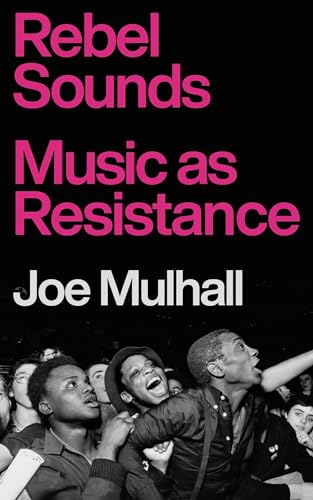
Rebel Sounds: Music as Resistance
While the global history of the dictatorships, oppression, racism and state violence over the last century is well known - the role that music played in people's lives during these times is less understood.
This book is a collection of stories and hidden histories about how music provided light in the darkest of times over the past century. How it steeled souls and inspired resistance to oppression. Rebel Sounds will explore the horror of the Nazi regime, the Soviet Union's oppression behind the Berlin Wall, authoritarian dictatorships in Brazil and Nigeria, institutionalised racism and police violence in America and South Africa, street violence in Britain, ethnic cleansing in the Balkans and musical resistance in war-torn Ukraine.
This is a social history of the twentieth century but one that takes in the human impulse to create, share and enjoy the one thing that connects cultures and spans music.
This book is a collection of stories and hidden histories about how music provided light in the darkest of times over the past century. How it steeled souls and inspired resistance to oppression. Rebel Sounds will explore the horror of the Nazi regime, the Soviet Union's oppression behind the Berlin Wall, authoritarian dictatorships in Brazil and Nigeria, institutionalised racism and police violence in America and South Africa, street violence in Britain, ethnic cleansing in the Balkans and musical resistance in war-torn Ukraine.
This is a social history of the twentieth century but one that takes in the human impulse to create, share and enjoy the one thing that connects cultures and spans music.
- GenresMusicNonfictionHistory
352 pages, Hardcover
Published November 19, 2024
Ratings & Reviews
Friends & Following
Create a free account to discover what your friends think of this book!
Community Reviews
Displaying 1 - 14 of 14 reviews

January 13, 2025
Can music really change the world? As I have reached the end, I've decided that it can't. Not on its own, anyway. Music doesn't change the world; it's people that do that. But what I've realised is that for many millions of people, living at different times and places, it was music that made them feel that change was possible. When various regimes and systems of oppression sought to dehumanise, de-individualise, break and oppress them, it was music that gave them the strength to go on.
This is a book which is part travelogue as Mulhall visits each of the places he is writing about; part exploration of the role music has played in resistance against social and political injustice; and part brief history of those particular crisis moments when music has served as voice, unifying force and rallying cry.
Ranging from protest and freedom songs in Ireland, Africa, the Soviet Union and South America; the politicisation of Black music during the Civil Rights era; the Rock Against Racism movement in the 1980s UK, the role of music in the anti-apartheid movement and a moving tribute to musicians in present-day Ukraine, this can feel a little disjointed at times but Joe Mulhall's authenticity and open-heartedness succeeded in winning me over.
I like the way Mulhall captures his own open-mouthed amazement at some of the events he's tracing: Eric Clapton's horrific and vile diatribe in support of Enoch Powell, for example. But he's also savvy enough not to eschew realpolitik: he may have been disturbed that Georgia Meloni, leader of the Italian far-right, was visiting Kyiv at the same time that Mulhall himself was there but he has the grace to accept that he cannot even begin to cast judgement on Zelensky leading his country against aggressive invasion - choosing your allies is a luxury not everyone can afford. In similar fashion, after tracing the role of music in bringing about the collapse of apartheid, Mulhall reflects that however much international support was garnered and political pressure applied through concerts and fundraising, apartheid was brought down by the struggle of Black South Africans, and their allies, who were imprisoned, tortured and killed for their resistance.
The final chapter set in Ukraine in 2022 is especially impassioned as Mulhall meets defiant club owners in Kyiv, a classical violinist in Kharkiv playing in bomb shelters and hospitals, and a member of a punk band who is serving as a front-line surgeon while still making music:
'Here on the battlefield, I absolutely understand that wounds, blood, mud and so on is everywhere. And if we can somehow, for a little moment, clear it with our music, with our lyrics, I suppose it is a very powerful armour for somebody. Like a shield for somebody. And maybe it's also powerful. It's not a gun, but is something like a flag for someone going into battle.'
January 15, 2025
I can't say it better than RC did in our book discussion thread:
I do feel that the book is almost made up of three separate strands: Mulhall 's journalistic travelogue of trips to places of musical and political significance; the politics of music at a particular time and place; and a brief potted history of what leads to political crisis points that contextualize the music. It feels a little disjointed to me.
I had hoped for more analysis of what makes a song a song of resistance, but it turns out that for Mulfall, it's more a matter of how the song is used by someone than anything inherent in the song. He notes that resistance music can be "love songs written by the Beatles," "instrumental music to assert their identity and difference," music that "demonstrate[s] our commonalities", music played on "fleeting days of rest," songs that "assert their humanness", "songs that remind them of their history," and songs that "make people dance away their fears and feel alive". "Resistance music itself doesn't have to make any mention of politics at all. Sometimes just listening to something you are told you aren't allowed to is enough."
So, this was an enjoyable tour through the intersection of music and political opposition in various parts of the world, but was neither a detailed examination of the music, a particularly trenchant review of resistance movements, nor a theoretical review of what makes music serve the cause of resistance. For me, a disappointment.
I do feel that the book is almost made up of three separate strands: Mulhall 's journalistic travelogue of trips to places of musical and political significance; the politics of music at a particular time and place; and a brief potted history of what leads to political crisis points that contextualize the music. It feels a little disjointed to me.
I had hoped for more analysis of what makes a song a song of resistance, but it turns out that for Mulfall, it's more a matter of how the song is used by someone than anything inherent in the song. He notes that resistance music can be "love songs written by the Beatles," "instrumental music to assert their identity and difference," music that "demonstrate[s] our commonalities", music played on "fleeting days of rest," songs that "assert their humanness", "songs that remind them of their history," and songs that "make people dance away their fears and feel alive". "Resistance music itself doesn't have to make any mention of politics at all. Sometimes just listening to something you are told you aren't allowed to is enough."
So, this was an enjoyable tour through the intersection of music and political opposition in various parts of the world, but was neither a detailed examination of the music, a particularly trenchant review of resistance movements, nor a theoretical review of what makes music serve the cause of resistance. For me, a disappointment.

February 2, 2025
A fantastic book opening a window to protest songs both overt and covert across the world and in various times. I love the recommended listening for each chapter and have found a great selection of new artists and sounds from this book. Haven’t read much musical history but this book has opened me up to wanting to explore this genre more!

July 14, 2025
Brilliantly written and very much in my venn diagram. Surprised how much I enjoyed the music and history that I wasn't already familiar with compared to US Civil Rights, etc.

December 7, 2025
Musik ist unser täglicher Begleiter. Oft nur im Hintergrund, wie zum Beispiel bei der Arbeit oder beim Autofahren. Oft nehmen wir sie nur dann bewusst wahr, wenn gerade ein Lieblingslied gespielt wird. Aber Musik hat auch eine andere Seite: in hat in schweren Zeiten sie den Menschen schon immer eine Stimme, aber auch eine Flucht vor der grauen Realität des Alltags gegeben. Joe Mulhal erzählt in seinem Buch genau davon: wie Musik den Menschen eine Stimme gab in einer Zeit, in der ihre Stimme das Einzige war, die sie hatten.
Gleich zu Anfang erzählt der Autor von einem ukrainischen Orchester, das seine Auftritte nur noch vor einem virtuellen Publikum spielen kann. Das Streamen der Konzerte hilft den Künstlern und dem Publikum. Für sie sind es nicht nur die Momente einer scheinbaren Normalität. Es ist auch ihre Art zu zeigen, dass sie noch da sind und dass sie sich trotz allem nicht unterkriegen lassen. Es ist ihre Art zu kämpfen.
Ich habe mich mit dem Buch überraschend schwergetan. Von dem, was ich darüber gelesen habe, wäre es absolut etwas für mich gewesen. Aber was ich gelesen habe, hat mir nicht gefallen. Für mein Empfinden hat der Autor zu weit ausgeholt. Er hat dem jeweiligen Konflikt zu viel Platz gegeben und die Musik, um die es für mich hauptsächlich ging, an den Rand des Geschehens geschoben. Da hat es mir auch nicht geholfen, eine Liste mit den wichtigen Liedern zum aktuellen Thema am Ende des Kapitels zu finden, weil ich dazu nicht genug Kontext hatte und bei den meisten weder Künstler noch Lied kannte. Hier hat es der Autor nicht geschafft, mich dafür zu interessieren.
Es gab nur wenige Ausnahmen, bei denen ich nicht quergelesen habe. Künstler, die Aussagen getroffen haben, die ich so von ihnen nicht erwartet habe. Das eine oder andere Lied, das ich schon gehört, aber noch nicht in diesem bestimmten Zusammenhange gesehen habe. Für mich war es zu wenig, als dass das Buch einen bleibenden Eindruck hinterlassen wird. Mein Fazit: das Buch hat das Thema sicherlich nicht verfehlt, aber meine Erwartungen trotzdem nicht erfüllen können.
Gleich zu Anfang erzählt der Autor von einem ukrainischen Orchester, das seine Auftritte nur noch vor einem virtuellen Publikum spielen kann. Das Streamen der Konzerte hilft den Künstlern und dem Publikum. Für sie sind es nicht nur die Momente einer scheinbaren Normalität. Es ist auch ihre Art zu zeigen, dass sie noch da sind und dass sie sich trotz allem nicht unterkriegen lassen. Es ist ihre Art zu kämpfen.
Ich habe mich mit dem Buch überraschend schwergetan. Von dem, was ich darüber gelesen habe, wäre es absolut etwas für mich gewesen. Aber was ich gelesen habe, hat mir nicht gefallen. Für mein Empfinden hat der Autor zu weit ausgeholt. Er hat dem jeweiligen Konflikt zu viel Platz gegeben und die Musik, um die es für mich hauptsächlich ging, an den Rand des Geschehens geschoben. Da hat es mir auch nicht geholfen, eine Liste mit den wichtigen Liedern zum aktuellen Thema am Ende des Kapitels zu finden, weil ich dazu nicht genug Kontext hatte und bei den meisten weder Künstler noch Lied kannte. Hier hat es der Autor nicht geschafft, mich dafür zu interessieren.
Es gab nur wenige Ausnahmen, bei denen ich nicht quergelesen habe. Künstler, die Aussagen getroffen haben, die ich so von ihnen nicht erwartet habe. Das eine oder andere Lied, das ich schon gehört, aber noch nicht in diesem bestimmten Zusammenhange gesehen habe. Für mich war es zu wenig, als dass das Buch einen bleibenden Eindruck hinterlassen wird. Mein Fazit: das Buch hat das Thema sicherlich nicht verfehlt, aber meine Erwartungen trotzdem nicht erfüllen können.

November 24, 2025
Great topic. Each chapter could have been its own book. I think this is good and bad. First the good: many of the chapters are about cultural/political moments I don't have any background in, so I appreciated the broad overviews. I also liked having the song lists. Mulhall does a good job making the political moments--and the role of the songwriters--clear to the reader, without overstating the role of music.
On the bad side, I felt the chapters followed a standard travelogue formula: setting the place with a personal anecdote, a cultural expectation broken or a surprise encounter, a retelling of other peoples' histories, and finally the connections with the music. He does it pretty well, but the sameness of approach and his occasional "gee whiz" prose style had me gritting my teeth by the end.
One of the most delightful pieces for me was about the Soviet Bone Records/Bone Music, bootlegs made on discarded X-Rays.
By some combination of chance and taste, this is the third book in a season of reading that is memoir labeled as cultural history. When it works it can be great, since all we really have is our personal lens and I don't mind reading authors who own this. [The other two I'm thinking of are "Monsters: A Fan's Dilemma" and "Bibliophobia" but the intent of each book is so different it maybe isn't fair to take the comparison any further.] Rebel Sounds should be more than it is, more than a travelogue and memoir, because the subject is so rich; and this is ultimately why I gave an average review.
On the bad side, I felt the chapters followed a standard travelogue formula: setting the place with a personal anecdote, a cultural expectation broken or a surprise encounter, a retelling of other peoples' histories, and finally the connections with the music. He does it pretty well, but the sameness of approach and his occasional "gee whiz" prose style had me gritting my teeth by the end.
One of the most delightful pieces for me was about the Soviet Bone Records/Bone Music, bootlegs made on discarded X-Rays.
By some combination of chance and taste, this is the third book in a season of reading that is memoir labeled as cultural history. When it works it can be great, since all we really have is our personal lens and I don't mind reading authors who own this. [The other two I'm thinking of are "Monsters: A Fan's Dilemma" and "Bibliophobia" but the intent of each book is so different it maybe isn't fair to take the comparison any further.] Rebel Sounds should be more than it is, more than a travelogue and memoir, because the subject is so rich; and this is ultimately why I gave an average review.

January 31, 2025
Part political history, part travelogue, part muso's muse on music, Rebel Sounds is 100% good read and 1000% anti-fascist.
We move from Ireland, through communist Poland to explore the birth of punk and its metamorphosis in Thatcher's UK into the Rock against Racism movement and it's subsequent stage sharing with iconic reggae acts that would change the face of British music and politics forever. Joe is honest and self deprecating and has some laugh out loud moments of weirdness Brazil and South Africa before he spends time in Ukraine reflecting on the accident of birth that sends him back to the UK while Ukrainian friends head in the opposite direction to the Russian front.
Every chapter has musical and political commentary that draws you in and sparks a crazy playlist in your head. Listen to all the recommended tracks. There's are classics, familiar anthems alongside some crazy niche stuff from behind the iron curtain that you'll never hear any other way.
I'm hoping Joe comes up with another volume from different locations. The sad truth is there's no shortage of oppressors and bad actors to rebel against.
We move from Ireland, through communist Poland to explore the birth of punk and its metamorphosis in Thatcher's UK into the Rock against Racism movement and it's subsequent stage sharing with iconic reggae acts that would change the face of British music and politics forever. Joe is honest and self deprecating and has some laugh out loud moments of weirdness Brazil and South Africa before he spends time in Ukraine reflecting on the accident of birth that sends him back to the UK while Ukrainian friends head in the opposite direction to the Russian front.
Every chapter has musical and political commentary that draws you in and sparks a crazy playlist in your head. Listen to all the recommended tracks. There's are classics, familiar anthems alongside some crazy niche stuff from behind the iron curtain that you'll never hear any other way.
I'm hoping Joe comes up with another volume from different locations. The sad truth is there's no shortage of oppressors and bad actors to rebel against.
June 29, 2025
I was at the Rock Against racism gig in Chapel Allerton Park, Leeds in 1981 where the cover image was taken. Marching against the NF and seeing The Specials were formative experiences. Published in 2024 by Footnote Press, a mission-oriented publisher committed to driving social and narrative change, 'Rebel Sounds' is very pertinent as we witness the backlash against recent festival performances where artists are speaking out against genocide.
Author, Joe Mulhall, a director at HOPE not hate, treats the subject with sensitivity and awareness in asking if music can change anything. He travels and uncovers music and song from the struggle for freedom and civil and human rights in Ireland, South Africa, the US, Brazil, Nigeria, UK and Eastern Europe. with such a wide scope he cannot give a detailed history to fully explain the context of each struggle but there are comprehensive references for further reading.
"We want rebel music, street music. Music that breaks down people’s fear of one another. Crisis music. Now music. Music that knows who the real enemy is. Rock Against Racism. LOVE MUSIC HATE RACISM.”
Author, Joe Mulhall, a director at HOPE not hate, treats the subject with sensitivity and awareness in asking if music can change anything. He travels and uncovers music and song from the struggle for freedom and civil and human rights in Ireland, South Africa, the US, Brazil, Nigeria, UK and Eastern Europe. with such a wide scope he cannot give a detailed history to fully explain the context of each struggle but there are comprehensive references for further reading.
"We want rebel music, street music. Music that breaks down people’s fear of one another. Crisis music. Now music. Music that knows who the real enemy is. Rock Against Racism. LOVE MUSIC HATE RACISM.”
February 26, 2026
Really enjoyed most parts of this. The combination of well presented historical context and accompanying music to listen along with makes for a compelling experience. Some sections definitely more captivating then others I especially enjoyed the US civil rights chapters, South African apartheid and the story of Fela Kuti and his Kalkuta republic is crazy.
Only slight critique is it slight fails to present a cognisant and rounded message about the power of music in politics.
But has great value in the individual story’s of its power and significance in history.
Only slight critique is it slight fails to present a cognisant and rounded message about the power of music in politics.
But has great value in the individual story’s of its power and significance in history.

August 23, 2026
Interesting. At times, so much information about historical contexts that made me just want to put the book down and look other things up…. but maybe that was the point of the book? To foster new interests.
Read
December 28, 2024Clear, passionate, perhaps more of a signpost to deeper explorations but definitely worth the (fairly quick) read. Has introduced me to some great music I'd never heard of before

February 3, 2026
Fascinating, I wish each chapter was double the length

May 11, 2026
Way too much use of the word ‘dank’

August 8, 2026
good. and i loved everything the artists said in response to the author asking whether music can change the world. i only wish it had been more in-depth, thought i understand why it wasn’t
Displaying 1 - 14 of 14 reviews