“Çaresizlik içinde her aklıma gelene dört elle sarılıyorum. Kendi kendime dedim ki, Bu illete ‘edebiyat’ yüzünden tutuldum. Ders olarak okuttuğum kitaplar beni bu duruma getirdi – bu saplantıya o yüzden düştüm. Avrupa edebiyatı derslerimden söz ediyorum. Yani, diyorum ki, her yıl üst üste Gogol’ü ve Kafka’yı anlatmak – yani her yıl Burun’u, Dönüşüm’ü okutmak.”
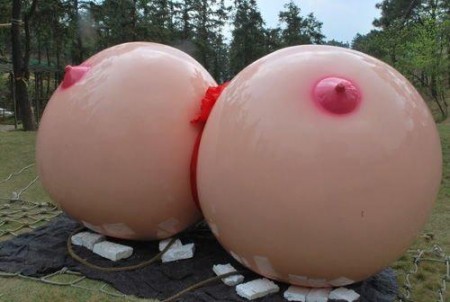
Üniversitede edebiyat dersleri veren David Kepesh, bedeninde bazı fiziksel değişimler fark edince kendini gözlemlemeye başlar. Kasığında bir ağrıyla başlayıp hislerine ve hazlarına etki eden bu sürecin sonunda da, Gregor Samsa misali, kocaman bir memeye dönüşür. Olan biteni anlamakta zorlanan yalnızca kendisi değildir. Bir meme olarak günlerini hastane odasında doktorların ve hemşirelerin bakımı, terapisti Dr. Klinger’ın kontrolü altında geçirir. Bedensel arzularla kıvranıp zihinsel kuruntuların içinde kaybolurken çıldırdığını kabullenmeye hazırdır. Ancak çevresindekiler ondan makul olmasını ve yeni doğasını kabul etmesini ister. Fakat hayatına yetmiş kiloluk bir meme olarak devam edeceğini nasıl kabul edebilir ki?
Meme sıklıkla Kafka’nın Dönüşüm’üyle anılan Roth’un erken dönem eserlerinden biri.
“Kültürel açıdan kalıcı olacak bir şey okuduğunda insan bunu anlıyor.”
Philip Milton Roth was an American novelist and short-story writer. Roth's fiction—often set in his birthplace of Newark, New Jersey—is known for its intensely autobiographical character, for philosophically and formally blurring the distinction between reality and fiction, for its "sensual, ingenious style" and for its provocative explorations of American identity. He first gained attention with the 1959 short story collection Goodbye, Columbus, which won the U.S. National Book Award for Fiction. Ten years later, he published the bestseller Portnoy's Complaint. Nathan Zuckerman, Roth's literary alter ego, narrates several of his books. A fictionalized Philip Roth narrates some of his others, such as the alternate history The Plot Against America. Roth was one of the most honored American writers of his generation. He received the National Book Critics Circle award for The Counterlife, the PEN/Faulkner Award for Operation Shylock, The Human Stain, and Everyman, a second National Book Award for Sabbath's Theater, and the Pulitzer Prize for American Pastoral. In 2005, the Library of America began publishing his complete works, making him the second author so anthologized while still living, after Eudora Welty. Harold Bloom named him one of the four greatest American novelists of his day, along with Cormac McCarthy, Thomas Pynchon, and Don DeLillo. In 2001, Roth received the inaugural Franz Kafka Prize in Prague.
I just...did not get this. I didn't dislike it, I wasn't offended by it, I was just...baffled. I don't get what he's trying to do or say or what the deeper hidden meaning might be. If there was one, it flew right over my head.
Note: The rest of this review has been withdrawn due to the changes in Goodreads policy and enforcement. You can read why I came to this decision here.
In the meantime, you can read the entire review at Smorgasbook
Ξεκινώ αυτή την κριτική λέγοντας ότι: Ναι το έπιασα για τον τίτλο. Ναι το έπιασα για το εξώφυλλο. (αλλά κυρίως) Ναι το έπιασα για τον λόγο ότι η μεταμόρφωση του Κάφκα είναι από τις πιο αγαπημένες μου νουβέλες.
Η πρώτη μου επαφή με Ροθ ήταν μέσω ενός βυζιού, χωρίς σιλικόνη αλλά γεμάτο σκέψεις.
(*φωνή Αντώνη Κανάκη* Τι λέειιι;!)
Ο Γκρέκορ Σάμσα του Κάφκα, ξυπνά ένα πρωί για να πάει δουλειά και βρίσκει τον εαυτό του μεταμορφωμένο σε ένα έντομο σε μέγεθος Λαμπραντόρ. Ο Κάφκα δεν διευκρινίζει τι έντομο, αλλά από την αηδία που προκαλεί στους οικείους του μάλλον σε κατσαρίδα μεταμορφώθηκε.
Ο Δρ. Ντέηβιντ Κεπες, ξυπνά ένα πρωί για να πάει (μάλλον κι αυτός) δουλειά στο πανεπιστήμιο ως καθηγητής συγκριτικής λογοτεχνίας και βρίσκει τον εαυτό του μεταμορφωμένο σε ένα βυζί βάρους εβδομήντα κιλών και με με μια δωδεκάποντη θηλη.
A plot worthy of Woody Allen initially turned me off, but I'm reevaluating my impression toward Roth, and this was short enough to read in one sitting.
Pristine prose stylings are why I read this author. Not always polished to a high gleam, not Nabokov, but well-rhythmed, easy to read, often intelligent in scope and content. That's Roth in a nutshell. When he is in good form.
I can say I was surprised by this one. It ponders tried and true questions: Hypochondria, old age, shame, fear, the neuroses of modern men - all trademark Roth. He makes use of extreme intimacy, as usual, to gain the reader’s trust. A skillful manipulator of language, his stock libidinous narrator is back, giving us a skewed look at the trials of marriage, attraction, and deception, the cruelty of fate, the slippery slope of self-medication, the persistence of psychological wounds, all familiar territory, but displaying much compassion for the human condition. The introduction of the absurdist concept is the primary thrust into a debate of these topics in the form of a relentless interior monologue. He never slides into pure surrealism, but the book calls for strong powers of suspension of disbelief. You will be glad to know the author retains his formal approach to storytelling, and rewards the attentive reader.
Bitterness, dry wit, and morbid humor pervade the whole, and sophisticated, clinical descriptions create vivid, nauseating mental images throughout, while the sheer ridiculousness, and the Freudian fixations can be wearying, it’s nonetheless brutally compact, verging on inane only to blossom into a meaningful meditation on the fear of mortality - “The will to live.” A vivid evocation of desperation, helplessness, being trapped in a physical body which eternally fails to live up to expectations, and becomes, over time, a prison - such are the trappings of this brief, and seemingly out-of-place publication.
Contemplating the triviality of life, the narrator confronts the meaninglessness during the ad hoc recovery process resultant from his dreamlike predicament. Learning to live with oneself, one’s shape or condition, and facing hideous reality becomes the central proponent and ultimately won my esteem.
It asks, how much can one man take? Roth has mastered a well-constructed sentence and a balanced prose voice. This is no exception. His novels are examinations of the human emotion, strained and entering trial, but taking small comfort in daily interactions, and usually, bodily functions.
With The Breast, he manages to convey an engrossing inner conflict, shows that, as in Gogol’s and Kafka’s stories of metamorphoses, human nature is not altered by bodily transformation. Objectification, taboos, self-loathing, and some apt observations and well-pulled-off sentences round out the reading experience. No matter how off the rails Roth gets, he always has something striking to say about our plight as human beings.
As the narrator says:
‘This is not tragedy any more than it is farce. It is only life, and I am only human.”
قصة تحول دمج فيها فيليب روث بين أسلوب كافكا في الانمساخ و اسلوب نيكولاي غوغول في الأنف. بس هنا يتحول رجل لثدي. ماذا ستفعل لو استقيظت و تحولت لثدي عملاق ! مش فاكر كثير عن القصة عشان أحكي عنها و عن حيثياتها بس كانت أقوي من إنمساخ كافكا و بنفس متعة أنف نيكولاي غوغول و خلتني من معجبين فيليب روث مع اني حتي اليوم لم أعود للقراءة له.
Diciamolo: è uno di quei due o tre libri di Philip Roth che si può benissimo non leggere. Però, visto insieme agli altri, è interessante. Nel 1972, infatti, Roth invece di rilanciare il suo primo alter ego di successo, Alexander Portnoy, ne proponeva qui un secondo, destinato a ben maggiore importanza (ma mai quanto quella di Nathan Zuckerman): David Kepesh, professore di letteratura, che si ritrova trasformato in un enorme mammella.
Non c'è neanche bisogno di sottolineare il gioco di rimandi con la Metamorfosi di Kafka -uno dei principalissimi tra gli autori principali di Roth -, ma anche con Il naso di Gogol’. Si può ricordare, invece, che è citato anche Swift; mentre il finale è demandato a una poesia di Rilke.
Insomma siamo di fronte allo scatenarsi di una malattia letteraria, adeguata al protagonista professore, che qualche anno dopo Roth riproporrà più ampiamente, sempre voce narrante in prima persona, in The Professor of Desire (1977).
A quel punto si scoprirà però che il racconto della metamorfosi, uscito prima, nella cronologia del personaggio è successivo.
Evidentemente Roth aveva già in mente The Professor, perché le vicende e i personaggi (Claire, il padre vedovo, la moglie Helen) che lì racconterà dettagliatamente sono già velocemente riassunte qui come antefatti.
E c’è anche il dottor Klinger, che quando David pensa di essere semplicemente pazzo, troppo influenzato dalla letteratura che insegna, e non davvero trasformato in una tetta, pronuncia la frase più bella: «Gogol’, Kafka e compagnia bella – va incontro a grossi guai se continua per questa strada.»
"Don’t you see, I have out-Kafkaed Kafka.” - Philip Roth, The Breast
[As Philip Roth awoke one morning from uneasy dreams he found himself reading Kafka in his bed and decided to turn Professor David Kepesh into a mammary gland.]
So, yeah, that is basically it. Think of this as Roth being fixated with Kafka (see Metamorphosis) and Gogol (see the Nose). Roth was in the middle of his Kafka/Czechoslovakia preoccupation. After Portnoy's Complaint and its huge success, Roth moved to "the woods" in Connecticut; he started teaching courses on Kafka at University of Pennsylvania. He was experimenting. He was playing around. He was being indulgent.
Late 60s/early 70s Roth novels have never been my favorite, but understanding he was going to spend his next four years (1972-76) chasing Kafka and interacting with/helping/promoting Czecholslovakian writers* puts the Breast in context for me. I think of it as the birthing of the NEW Roth. The one who would go on to write the great Zuckerman novels. So, the novel? Not the best. The period? Transformative.
The plot is similar to Kafka's Metamorphosis, but he turns into a giant breast rather than a giant cockroach. I just couldn't get with this book. Maybe I'm not interested enough in breasts? But I'm male, so that seems unlikely. I give up.
In many ways, THE BREAST is a wonderfully original novel. The idea of metamorphosis is by no means new, but that doesn’t mean that Roth doesn’t give it its own signature touch. The protagonist of this story is a literature professor Kepesh who, quite literally, gets turned into a giant breast.
While The Breast obviously takes inspiration from Gogol’s THE NOSE and Kafka’s METAMORPHOSIS (a fact often mentioned in the book itself), it is very much written in Roth’s style. In other words, it is fabulously absurd and more than a little grotesque. It is written very cleverly- it had to be for it to be readable, for let’s face it- it is bizarre in a whole new way. It walks a fine line, mixing banal and vulgar topics with more substantial ones.
There is a fair share of intertextuality in this text. Our narrator/protagonist, trying to explain his unexplainable transformation, makes many references to works of classic literature. These kind of bookish meditations give an interesting balance to more ‘fleshy’ observations of the protagonist prof. Kepesh, who often ponders the means of having sex in his condition (Does the fact he is turned into a giant female breast make him a lesbian?). The author also doesn’t miss the chance to make fun of the academia (the protagonist is one of those professors who take themselves very- perhaps a bit too much- seriously).
I did enjoy reading this one. Professor Kepesh’s predicament gives us an opportunity for a philological exploration of who we are and to what extent we are limited by our body. In particular, the protagonist’s constant questioning of his own sanity was well written and seemed to invite further questioning. I felt that this novel raised a lot of interesting questions about who we are and how we interact with others as well as managed to comment on the fragility of human identity. However, I also felt that the book was too brief (and sometimes also too banal) to really explore these issues in depth. It is certainly unique, fresh and edgy, but that’s about it.
When I compare this novel to other Roth’s works, I do feel it's somewhat lacking. In my view, this is NOT one of Roth’s best work. Still, The Breast is fabulous in its grotesqueness and it even manages to be easily readable. It is also a short read, so if you’re not totally grossed out by imagining a grown man in a form of an enormous breast interacting with others, do give it a read. It might not be his best work, but it is distinctly his in terms of writing style and topics it explores.
Poignant- and gloriously written meditation in which Roth turns the mirror upon himself; satirizing the claims made upon him as a fledgling mishandler of women in his fiction, and coping with the experience of Fame, the ways in which a person becomes a persona, unable to truly clear one's name for all evidence people have against who one truly is. Of Roth's early works, this is the most beautifully written so far; every page consistently brims with little gems of excellence.
Σε ένα από τα λιγότερο αντιπροσωπευτικά έργα του, ο Φίλιπ Ροθ “συνομιλεί” τρόπον τινά με τον Κάφκα και τον Γκόγκολ, προσφέροντας τη δική του εκδοχή μεταμόρφωσης, τον δικό του Γκρέγκορ Σάμσα. Μόνο που η μη ανθρώπινη μορφή που εντελώς αναίτια και αιφνίδια θα λάβει εν μία νυκτί ο ήρωάς του δεν είναι καθόλου αυτή του σκαθαριού (ή της κατσαρίδας) αλλά ενός γυναικείου στήθους, ενός βυζιού («Είμαι βυζί… Κάτι τέτοιο έγινε μέσα στο σώμα μου από τα μεσάνυχτα έως τις τέσσερις π.μ. της 18ης Φεβρουαρίου 1971, και μεταμορφώθηκα σε θηλαστικό αδένα, χωρίς καμιά σχέση με την ανθρώπινη μορφή»)! Σκαμπρόζικη και μέχρι ενός σημείου ενδιαφέρουσα, στην αναπόφευκτη σύγκριση με τη “Μεταμόρφωση” και τη “Μύτη” η ολιγοσέλιδη αυτή νουβέλα του Ροθ έρχεται τρίτη και καταϊδρωμένη.
Laddove il professor David Alan Kepesh si trasforma suo malgrado in un enorme tetta di una settantina di chili. Rilettura di Kafka e Gogol, come suggerisce la tetta stessa, ehm... il professore stesso? Puo' darsi. Lo spunto ironico e irriverente e' senza dubbio il misurarsi di Roth con quei giganti. Resta il fatto che questo libricino di poche pagine, scritto alla grande, racchiude in se' una brillantissima quanto crudele analisi di un' ossessione. Dell'ossessione! Della compulsione sessuale frustrata, della sessualita' mai in realta' gustata ma sempre e ossessivamente ricercata. Ma e' anche un tentativo di comprensione dell'universo sessuale femminile, svolto ovviamente alla maniera grottesca di Roth.
Πέμπτο βιβλίο του Φίλιπ Ροθ και μπορώ να πω ότι μου φάνηκε πιο αδύναμο ακόμα και από το "Η ταπείνωση" που διάβασα πέρυσι. Όχι ότι δεν ήταν κάτι που δεν περίμενα με βάση τις κριτικές αριστερά και δεξιά αλλά και με βάση την ίδια την ιστορία, αλλά κουβέντα να γίνεται. Τουλάχιστον ήμουν σχετικά προετοιμασμένος. Πάντως κακό βιβλίο δεν είναι. Απλά είναι αρκετά παράξενο και ιδιόμορφο (αλίμονο, ο πρωταγωνιστής μεταμορφώνεται σε βυζί, τι περίμενες;), το όλο στιλ και ύφος σίγουρα δεν είναι για όλα τα γούστα, τα όποια αλληγορικά στοιχεία που σίγουρα υπάρχουν, είναι μάλλον δύσκολο να τα χωνέψουν όλοι έτσι απλά. Η γραφή είναι σίγουρα καλή, αν και σε μερικά σημεία κάπως παραληρηματική. Προφανώς έκανε και την πλάκα του ο Ροθ όταν έγραφε το βιβλίο αυτό, πάντως κατάφερε να θίξει και κάποια ζητήματα. Απλά δεν μπορούσα να βγάλω από το μυαλό μου ένα τεράστιο βυζί να σκέφτεται και να επικοινωνεί με άλλους ανθρώπους, μιας και λίγους μήνες πριν ήταν κανονικός άνθρωπος και όχι βυζί! Χα, δεν μπορώ να πω, πέρασα καλά, αλλά πάμε παρακάτω...
This has to be something from Roth's early days, thrust later on his publisher who, given Roth's previous track record, must have said, "Sure, why not?"
The stunning characters, the sense of place, the underlying history, and the story itself all combined to make "Conversion of the Jews" one of the best short stories I've ever read.
But this. This is bullshit.
It had potential. A guy awakes one morning to find himself changed into a female breast. Paging Dr. Freud, Herr Kafka. By the time Roth wrote "Conversion" he was more than capable of pulling off an absurdist story with a ripe underlying meaning. But this had nothing. No underlying meaning. Just a hundred fifty-five pound breast with an ego the size of Manhattan who lounges in a hammock berating those around him for the care they give.
At one point near the end the breast laments: "My life's drama has all the appeal of some tenth-grade reader..." And in that, he said a teat full.
In Kafkaesque form, a man turns into a giant breast and somehow still continues to be a horny dick. This seems more like a story you write for yourself and never, ever, let it see the light of day. We all have those, Mr. Roth, but most of us have the good sense to, uh, keep it to ourselves.
Amerikalı yazar Philip Roth ile tanışma kitabım oldu Meme, vallahi pek sevdim. Kafka'nın Dönüşüm'ü ve Gogol'ün Burun'uyla anılıyor bu kitap ama ben biraz Saramagovari bir absürtlük de sezdim içinde ki malum, çok severim.
Üniversitede edebiyat dersleri veren David Kepesh bir gün kendini yetmiş kiloluk dev bir memeye dönüşmüş buluyor - bir kadın memesi, evet. Başıma neden geldi bu diye düşünüyor, düşünüyor ve edebiyatı suçlamakta buluyor çareyi: "Çaresizlik içinde her aklıma gelene dört elle sarılıyorum. Kendi kendime dedim ki, Bu illete ‘edebiyat’ yüzünden tutuldum. Ders olarak okuttuğum kitaplar beni bu duruma getirdi – bu saplantıya o yüzden düştüm. Avrupa edebiyatı derslerimden söz ediyorum. Yani, diyorum ki, her yıl üst üste Gogol’ü ve Kafka’yı anlatmak – yani her yıl Burun’u, Dönüşüm’ü okutmak."
Bence çok komik ve çok eğlenceli metnin buraları. Karakterimiz içinde bulunduğu somut gerçekliği o kadar kabul edilemez buluyor ki, sonunda "ben bir meme değilim - ben bir deliyim" noktasına varıyor. Doktorlar, psikanalisti, babası, sevgilisi - herkes aksini söylemesine, "hayır, sen bir memesin, görüyoruz" demesine rağmen kabul etmiyor. Bu kısımlar bence şahaneydi, gerçeklik nedir, başta haz olmak üzere "bedensel" ihtiyaçların ne kadarı bedensel ne kadarı zihinseldir, delilik nasıl tanımlanır ve hatta nasıl başlar, nasıl yeğ olur gibi sorulara dair yormadan düşündürüyor yazar. En sonunda dönüşümünün gerçek olduğunu kabul edince de yine meseleyi edebiyatla açıklıyor: "Kim daha büyük sanatçı, o dönüşümleri hayal eden mi, yoksa harika bir biçimde o dönüşümü gerçekleştiren mi? Koca dünyada bunu yapma gücü neden bana verildi? Çok basit? O zaman neden Kafka? Neden Gogol? Neden Swift? Neden herhangi biri? Diğer her şey gibi yüce sanat da insanlar için söz konusu olabilir... Bu da benim büyük sanatım!"
Benim gibi absürt metinler seven biriyseniz bence seversiniz bu minik kitabı. Anlatıcımız birinin davranışından yakındığında doktorunun ona verdiği şahane cevapla bitireyim: "İnsan yapısını daha iyi bilmen gerek, bunu bilecek kadar Dostoyevski okudun."
Philip Roth’s 1972 story can be seen as a homage of sorts to Kafka’s Metamorphosis, as well as Gogol’s The Nose. It’s practically a novella as it’s less than a hundred pages. You can easily finish it in one sitting.
It’s the first story to feature the character, David Kepesh. The novel is very explicit. It’s not exactly erotic but it’s very..descriptive. The other Kepesh novels are The Professor of Desire and The Dying Animal, which will probably be my next Roth books to read.
Kepesh is a teacher who one day turns into a giant breast. He is placed in a medical facility. The unfortunate patient is visited by family, colleagues and medical professionals.
I can imagine many people being frustrated with the book’s absurdist nature, and indeed, it is rated one of Roth’s lowest on Goodreads, but I enjoyed every moment of it. Funny, insightful, and entertaining throughout, The Breast might not be the most straightforward story but it’s not challenging or annoying in any way. If anything, I was once again fascinated by author’s dialogue and sublime prose. Philip Roth is soon becoming one of my absolute favourite writers.
The Breast is one of my favourite Roth fictions. It has the sort of funny, madcap, energetic exuberance of Portnoy’s Complaint, while being much more absurdly surreal in its premise. There is simply nothing else quite like it in Roth’s oeuvre.
From the opening line ‘It began oddly.’, you're entranced by a first-person story told by David Kepesh, a literary professor (and the principal character of two later and better known fictions by Roth, Professor of Desire, and The Dying Animal). It's wonderfully comic, yet addresses both serious and fantastical issues, and all the while is utterly intriguing and intelligently done.
David Kepesh, as the title of the novella makes clear, finds himself turning into a human breast, ‘[…] an organism with the general shape of a football, or a dirigible; […] weighing one hundred and fifty-five pounds […] and measuring, still, six feet in length.’
The story deliberately and knowingly plays on two classic stories of the absurd: Kafka’s most famous and brilliant, The Metamorphosis, in which Gregor Samsa struggles, denies, and agonises over coming to terms with his turning into a cockroach-like insect, and Nikolai Gogol’s The Nose, an equally absurd tale, where the character, Major Kovalyov, finds his nose abandons his face one day, and begins to assume a life of its own, much to the owner’s chagrin.
Roth could have made this story simply absurd and comical - and it does succeed on those levels, especially the relentless, obsessive sexual fantasies and agonies Kepesh experiences, wanting to have intercourse and oral sex using his nipple. In fact, what's more impressive is Roth's serious, angst-ridden, matter-of-fact way in which Kepesh for most of the time tries - without success, and painfully so - to rationalise his situation, believing at one point that he's simply dreaming, then another that he's suffering some terrible mental breakdown - and that, because he believes he taught Gogol and Kafka’s work with such conviction, it turned him into a giant breast (a lovely satiric dig at Kepesh’s/certain academics’ belief in their own brilliance and their ability to make an impact on their world through teaching).
Highly recommended for fans of the absurd, fantastical, and joyfully original fiction.
Il seno, opera breve di Philip Roth, vede come protagonista David Kepesch, che comparirà in molti altri romanzi dello stesso autore. Proprio come accade ne Le metamorfosi di Kafka, dove il protagonista dell'opera kafkiana si tramuta in scarafaggio, anche qui si assiste a una metamorfosi, a una trasformazione di se stessi. La metamorfosi che Kepesch vive è quella di tramutarsi in seno,in un seno femminile del peso di settanta chili. Pian piano, il nostro personaggio dovrà affrontare e comprendere la sua difficile situazione. Una situazione non semplice, complicata, dove sente e parla, ma non può vedere e riesce a percepire quanto succede solo attraverso il tatto e le percezioni tattili. Proprio attraverso il tatto, percepisce tutte le sensazioni ed emozioni, compreso il piacere sessuale. Il protagonista prova ad accettare questa situazione con la quale convive, ma fa fatica e non sempre gli risulta facile. Con una scrittura grottesca che mescola l'ironia e la drammaticità, Il seno si rivela essere un racconto visionario, surreale, a tratti inquietante, che mette in luce i molti aspetti di Roth, dei suoi personaggi e di David Kepesch, in particolare.
Portnoy'un Feryadı'ndan sonra okuduğum ikinci Philip Roth eseri Meme oldu. Gerçekten ben Roth'un yazım şeklinden, farklı çalışan kafasından ve sansürsüz anlatım tarzından büyük keyif alıyorum.
Meme eserinde Roth, edebiyat profesörü David Kepesh'in bir gün tıpkı Gregor Samsa gibi dev bir memeye dönüşmesini anlatıyor. Gerçekten absürd ve eğlenceli bir eser. Özellikle Kepesh'in Kafka ve Gogol okuttuğum için bunlar benim başıma geldi diye düşünmesi, bir meme gibi hassaslaşması, meme olsaydım sütüm de olurdu ben meme değilim isyanı beni çok eğlendirdi. Roth, Portnoy'un Feryadı'nda da güldürürken düşündüren bir tavır sergiliyordu. Bu eserinde de 70 kiloluk dev bir memeye sakin olmasını öğütleyen Dr.Klinger karakteriyle Kepesh'in tartışmalarından "gerçek dediğimiz nedir?" gibi felsefi bir soruyu ve sorgulamayı çıkartmak mümkün. Sizi okumaya ve sizinle gülmeye devam edeceğim Bay Roth, teşekkürler.
Philip Roth biraz deli bulduğum, o deliliğinden de çok hoşlandığım bir yazar. Mizah anlayışını bilhassa, kendime çok yakın buluyorum. Epeyce eseri de olduğundan sebep, ara ara okuyorum.
"Meme" en sevdiğim Philip Roth romanı olan "Portnoy'un Feryadı"ndan hemen sonra yazıldığı için epey merak ettiğim bir eserdi.
Kısaca konusundan bahsedecek olursam, üniversitede edebiyat dersleri veren David Kepesh bir sabah vücudundan bir kızarıklık olduğunu fark eder. Bu garip kızarıklık gün geçtikçe büyür ve Kepesh'i insan boyutunda kocaman bir kadın memesine dönüştürür. Kepesh bir hastaneye yatırılır ve inceleme altına alınır. Fakat, Kepesh'in yaşadığını anormal durumundan daha da anormal kılan yeni hissettiği duygulardır. Önüne geçemediği bir cinsel uyarılma halindedir. Meme olarak, meme üzerinden bir doyum yaşama arzusu zihnini ele geçirir. Elbette sağlıklı düşünebildiği zamanlarda ise bu felakete sebep olan şeylerin ne olabileceğine kafa yorar. Bulabildiği tek cevap üniversitede ders verdiği yazarların, anormal değişimleri ele aldıkları romanlarıdır. Kafka'nın "Dönüşüm"ü, Gogol'un "Burun"u ya da Swift'in "Güliver'in Gezileri" kitapları... Bu noktadan sonra Kepesh'in içinde bulunduğu durumun gerçekliği ile girdiği garip mücadeleyi okuruz.
Hayli eğlenceli bir metin "Meme". Altında büyük anlamlar aramaya da gerek yok bana kalırsa. Birçok açıdan eleştirel yaklaştığımızda eksik kalan tarafları var. Buna istinaden Roth'un röportajlarına baktım ve cidden de bu metni sadece dümdüz bir şey vaat etmeyen, eğlenceli bir okuma sunan bir uzun öykü olarak yazdığının altını çizdiğini gördüm. Psikanaltik bir metin yazmak istese pekala yazabilirdi zira Portnoy'un Feryadı'nda tillahını yapmıştı. O yüzden bunu tamamen yazarın munzır öykücülüğünün bir sonucu olarak okumak mümkün.
E' il mio primo scritto di Philip Roth che leggo, e non potevo iniziare con qualcosa di più assurdo e grottesco di questo racconto! Dimenticate il naso di Gogol e lo scarafaggio di Kafka, questo Seno è la metamorfosi del nuovo millennio, della società attuale, è una riflessione sul potere del desiderio sessuale e quello altrettanto potente della letteratura. Il racconto è fluido e si legge tutto d'un fiato, tra ossessioni di carattere sessuale e citazioni letterarie, veniamo catapultati nel caos interiore del nostro eroe-mammella dove sembra di partecipare ad un "gioco” a momenti drammatico (ma sempre grottesco) ad altri a un divertissement; infatti è la parte psicologica a farla da padrona per tutto il racconto, dove l'autore tramite questa metafora/seno ci fa entrare nella psiche del protagonista dove avviene tutto il dramma. Geniale la parte dove il protagonista vive la trasformazione come un'allucinazione di un folle: “Perchè questo grosso sacco di tessuto senza cervello, desiderabile, muto, che è manipolato e non manipola, indifeso, immobile, pendulo, lì, come è lì e pende un seno? Perchè questa identificazione primitiva con l'oggetto principe della venerazione infantile? Quali appetiti insoddisfatti e turbamenti in culla, quali frammenti del mio più lontano passato si erano scontrati per far scoccare una fissazione di tanto classica semplicità?”
I wonder if Philip Roth sat down and said "I want to write Metamorphosis again, but instead of the story being fascinating I'm going to make it mildly amusing. Oh, also, instead of a giant bug, my character is going to turn into a giant boob. Yeah. Good times". I don't know how much of my moderate disliking of this had to do with the actual story, and how much had to do with the fact that I found the image of a giant consious boob repulsive. That being said, I liked that the character figured, eventually, that he was not in fact a giant boob but was just insane and thought he was a giant boob. And everyone is like "no, really, you're a boob" And he's like "See, you just told me that I'm NOT a boob, I'm sure, but I heard that you said I am. I've clearly gone crazy". And I also liked when someone came to visit him and just laughed hysterically and left. Hah. Otherwise.. eh.
ძუძუდ გადაქცეული პროფესორის ამბავი სექსუალური სურვილებისა და საკუთარი განუმეორებლობით შეპყრობილი კაცის მშვენიერი კვლევაა.
ინგლისურენოვანი ვერსიისთვის 4 ვარსკვლავსაც გავიმეტებდი, მაგრამ ეს თარგმანი მაგის შესაძლებლობას არ იძლევა.
ყველაფერს თავი რომ დავანებოთ, არ ვიცი, რატომ გადაწყვიტა მთარგმნელმა, რომ ტექსტმა შედარება - "ყველის ვაჭარივით იკრიჭებოდა" მოითხოვა, თანაც, იმ მონაკვეთში, რომლის ორიგინალ ვერსიაში არათუ ეს უბედური ფრაზა, საერთოდ შედარებაც კი არაა გამოყენებული.
ტექსტში The breast-ის "ძუძუკად" თარგმნა ცალკე გაუგებრობაა.
Indecisa su cosa leggere ho afferrato questo piccolo volume dalla mia libreria e ho letto le prime righe per farmi un'idea dello stile di questo autore. Premetto che non ho mai letto nulla di Roth ma che ero estremamente curiosa di approcciarmi a qualcuna delle sue opere. Devo ammettere che, inaspettatamente, ho trovato questo racconto molto interessante. Breve ma intenso, paradossale e grottesco, a tratti inquietante ed ironico. David Kepesh, docente di letteratura, si sveglia una mattina e scopre di non essere più se stesso ma di avere le sembianze di una mammella gigante. Non può vedere ma può sentire, comunicare e godere di un'estasi puramente tattile - sesso, non nella testa, non nel cuore, ma nell'epidermide. Le due più grandi ossessioni di David sono il desiderio sessuale, che prevale soprattutto all'inizio della trasformazione - questa pulsione sembra, infatti, ostacolare la presa di coscienza del protagonista - e la letteratura - per mezzo della quale tenterà di spiegare l'origine della sua nuova e mostruosa condizione. Le reazioni che caratterizzano l'atteggiamento di Mr Kepesh di fronte all'avvenuta trasformazione sono dapprima incredulità, successivamente sostituita da disperazione, rabbia, vergogna e paranoia. Egli non riesce ad accettare la nuova realtà a cui è destinato e la rifiuta rifugiandosi nell'ipotesi del sogno fino ad approdare nel porto sicuro della pazzia. Tenta in ogni modo di convincersi e di convincere gli altri di aver perso il senno per rendere più tollerabile una situazione così assurda. La cosa più difficile per David è continuare a comportarsi da uomo, quando uomo più non è. Perché dovrebbe essere ragionevole quando tutto intorno a lui sembra non avere più alcun senso?
"Vedete, non è questione di fare quello che è giusto o appropriato; non è il galateo della perfetta mammella a preoccuparmi, ve lo posso assicurare. È piuttosto fare ciò che devo per continuare a essere io. Perché se non io, chi? O che cosa? O continuo a essere me stesso, o impazzisco – e poi muoio. E sembra proprio che non abbia voglia di morire; sorprende anche me, però continua a essere così."
Kepesh non riesce a giustificare in alcun modo questo evento impossibile. Che si tratti di un'allucinazione scaturita dal potere esercitato da Kafka, Gogol e Swift? Potrebbe essere stata la narrativa a cui si è dedicato con tanta passione a fargli questo brutto scherzo? Egli arriva addirittura a considerare la propria condizione fisica la sua grande opera d'arte. Se la grandezza degli autori sopra citati aveva permesso loro di immaginare l'incredibile, lui l'aveva realizzato.
"Dopotutto quale artista è più grande, quello che immagina la trasformazione meravigliosa o quello che meravigliosamente trasforma se stesso?"
L'accettazione della sua nuova condizione è un processo lento e che si protrae nel tempo. Probabilmente, la causa di quanto è accaduto risiede nel non essere stato in grado di godere della propria felicità e del proprio successo perché ritenuti immeritati e ingiusti, o nel non essere mai stato realmente soddisfatto della propria vita. Il racconto si conclude con un riferimento alla poesia di Rilke "Torso arcaico di Apollo" che racchiude il significato più profondo dell'opera di Roth. La statua non è completa (non ha capo, non ha gambe, non ha braccia) eppure riesce ad abbagliare chi la guarda. Per vedere la reale bellezza è necessario soffermasi non su ciò che manca ma su ciò che è effettivamente presente. Cogliere l'essenza di ciò che si ha davanti. Questo ragionamento, a mio avviso, può essere applicato non soltanto ad una condizione fisica ma anche mentale e morale.
Ritengo che questo sia uno di quei libri da dover rileggere più volte per arrivare ad un'adeguata comprensione. In poche pagine c'è davvero tanto materiale su cui riflettere!
So. A college literature professor, David Kepesh, turns into a female breast that is 6 feet long and weighs 155 pounds. He is placed in a hospital room on the 7th floor while doctors puzzle over his transformation. His girlfriend of three years, Claire loyally visits him everyday as does his father. He is blind, but he can hear and speak through his navel. Since he cannot see, he tries to rationalize his condition in all kinds of ways that anyone would, including guessing he may be insane and studying Shakespeare. As it turns out, he actually is a large breast that has been put into a hammock for the duration. He also is horny as hell, and demands his girlfriend wash his huge 5-inch nipple every visit, which stimulates him. He keeps trying to convince Claire to have vaginal sex with his nipple, which she won't do. He has a psychoanalyst, Dr. Klinger. He is upset because his father stops kissing him goodbye. He is suspicious and paranoid about the possibility that he is on a TV display for the amusement of everyone.
This is a short novella, thankfully. It reads as stupid as my summary may have seemed. Obviously, it is Roth's continuation of the conversation that The Metamorphosis started.
What is Roth trying to say? Your guess is as good as mine.
: p
p.s. Yeah, I thought of dozens of mammalian jokes. I decided to not go there.
Surreal. Cerebral. Freakishly funny and filthy. Bizarre. Bold. Brazen. Weird, the good kind or at least, the fun kind. These adjectives are how I would describe the 74-page novella, The Breast by Philip Roth.
Two reasons why I picked it up - I wanted something short and snappy after spending a fortnight with Middlemarch, and I was desperate to read Roth, it’s been a little over a year since I last read him.
The long and short of it is that one day, out of the blue, Professor David Kepesh finds himself turned into a huge breast. He doesn’t have a face, arms or legs anymore, although he can talk and breathe and have (weird) sex. Somehow, and maybe only Roth can, this doesn’t go into tacky territory, oh well maybe some bits, but mostly, it’s just outrageous and dare I say, even absurdly plausible.
Maybe Roth is, basically, talking about how literature can set us on a path of wild imaginations. Sometimes, it can even lead to delusions. I mean, I know literature to have done that to me, in no grave measure, but I have been deluded by little things. Too much intellectual-ism can give way to all kinds of extremes; social/personal factors can also play a part to add to the deceptions. And I see the point, but Roth also smartly kept me on my toes by veering away from the idea of delusions and metaphors. It’s clever, wholly wacky, and completely credible, not crass or caricaturish. Mr. Roth is just that good. Oh, I had missed him. 3 stars!
This entire review has been hidden because of spoilers.
Con una rivisitazione grottesca de “Le metamorfosi” di Kafka, Philip Roth ci trascina nella dimensione degli impulsi umani più reconditi, tra sesso, frustrazione e disperazione. Il professore universitario di letteratura David Kepesh subisce una lenta metamorfosi molto particolare: si trasformerà in un enorme seno di 70 kg, senziente e semi parlante, ma impossibilitato a vedere. Ne scaturiranno 60 pagine di improperi, arrabbiature e capricci di questa enorme tetta, verso il mondo e verso le persone, piuttosto desiderando essere malato di mente, anziché accettare la propria trasformazione. Ho riso, leggendo alcuni passaggi; ho desiderato smettesse di “urlare”, leggendone altri. Ma tra la versione di Woody Allen e quella di Roth non saprei comunque dire quale preferirei.
An imaginative take on Kafka's Metamorphosis. Roth not only pays homage to Kafka, but in some ways offers a possible explanation to how Gregor Samsa found himself changed into a beetle. In The Breast, Kepesh eventually imagines that he has not morphed at all, but has suffered some sort of deep psychological breakdown, and only imagines he's a breast. A similar idea is often suggested by readers when trying to understand Kafka.