The Great Questions of Life:
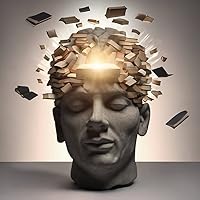
Where do I come from?
Where am I going?
Why am I here?
Who am I?
“We know, making this better will not happen overnight, it will take generations.”
Wow! Books like this are important. They help us grow and become more than what we were.
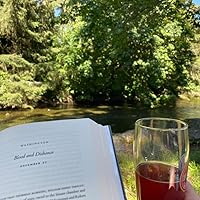
The first half of this book is the story of Murray Sinclair, from childhood experience to adult life, career, love and education. The second half of the book is all about the Truth and Reconciliation Commission, or the TRC.
“By establishing a new, and respectful relationship between aboriginal and non-aboriginal Canadians, we will restore what must be restored, repair what must be repaired, and return what must be returned.”
There is so much Canadian history that isn’t taught in schools represented in this book. Personally, growing up I was not taught much of First Nations or Indigenous people, a lot of the learning I have had to do on my own time and desire to learn. This book was wonderful. The life story of the Honourable Murray Sinclair is so impressive, he has had such an impactful life on so many, and well as individually changing the life of specific people that came before him in the Canadian courts.
“Truth and Reconciliation Commission of Canada was mandated to tell Canadians about the histories of residential schools and the impact those schools had on aboriginal peoples, and to guide a process of reconciliation.”
Some of the facts that are brought up are things that you may have heard in passing but when you actually get to expiernce the stories that go along with the facts, it really changes perceptions. The last residential school in Canada closed in the late 1990’s, while I myself would have been in school. The schools had limited staff, who were poorly trained, and yet were tasked with horrible and impossible tasks. Descriptions of the Train of Tears, were just heartbreaking to hear. Both the experience of both the children and the parents. The book takes you through the experience of the residential schools and what that looked like from being taken from home, to the day to day of the school life.
There is a descriptive and in-depth history on what it looked like during the colonization of Canada. The actions of those in the church, and their mentality that they know best, is always astonishing to me, and honestly makes me content to be not part of the popular church systems. The book explains parts of the Indian Act in ways that make sense, with modern language, and at the same time being able explain what that meant for the people at the time, and the people today. We don’t know what we don’t know, and unless we actively search out these learnings we will continue to not understand Canada’s history and how we can grown from where we came from.
“Reconciliation between aboriginal and non aboriginal Canadians, from an aboriginal perspective, also requires reconciliation with the natural world. If human beings resolve problems between themselves, but continue to destroy the natural, world then reconciliation remains incomplete.”