Anita Frances Mason is an English novelist. Her work includes science fiction, speculative fiction and historical fiction and explores questions of alternative communities, the tension between the individual and the collective, religion as a force of meaning and oppression, the politics of sexuality, and the relevance of history to the present.
Set in the Holy Land and the Mediterranean a few years after the resurrection of Jesus. I couldn’t avoid reading this very much in the context of my own faith, and I think that shaped how I responded to it. What I found most interesting was that Mason presents early Christianity as anything but neat or certain. The first Christians come across as a rather uncertain, fractious motley crew,, still trying to understand what this new belief means to them . Even so, the novel presents Christianity in a positive light. Jesus, called Joshua here, is never fully central in the story, but he is presented positively, and his presence feels different from the ambition, intellectual argument and confusion around him. The book becomes quite philosophical towards the end, and I did not always find that easy to grasp, which was frustrating because I was hooked and I really wanted to, but what did stay with me was the sense that Christianity is shown not as an intellectual certainty, but something that survives (in fact necessarily ) outside of human knowledge . Apart from that it’s actually a very entertaining story, with some colourful and very human characters ranging from slaves, magicians and prostitutes to Saint Peter and Saint Paul and other apostles, and even a cameo appearance of the truly dreadful emperor Nero. It succeeds in giving an impression of the political and social environment and the unique worldview of that time and place. Some of the dialogue is also genuinely funny. I’d recommend this, especially if you ever grapple with the tension between the desire for knowledge and faith.
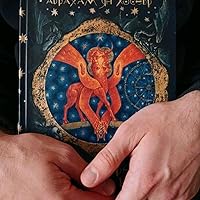
Основний ключ до розуміння роману закладено в епіграфі взятому з апокрифу “Діянь Петра”. Бо справді, весь сюжет, всі дійові особи, ба навіть дорогоцінна статуетка, яка фігурує в книзі – все вище зазначене згадується в апокрифі і перенесено в романне тло.
"Поки ти не станеш ставитися до того, що праворуч, як до того, що ліворуч, і до того, що нагорі, як до того, що внизу, а до того, що було до нас, як до того, що буде після нас, ти не пізнаєш Царства."
"Діяння Петра"
Сюжет можна розділити на три основні напрямки: Діяння Симона, Діяння Деметрія (його хлопчика раба, якого він покинув) та Діяння апостолів, кожен з цих сюжетних пагонів цікавий та унікальний. Є також і четвертий план: своєрідні історичні екскурси від авторки.
Книга читається легко, хоча свою суть вілкриє тільки підгоотованому читачеві – базою тут стануть книги Йонаса чи Геллера.
В інтерпретації Аніти Мейсона Симон це не просто маг, він – месія самаритян, Таеб. Відкинутий месія відкинутого народу.
Книга надзвичнайно тілесна, фізіологічна. Тут багато описів сексу, чого тільки вартує деталізована сцена сексуального обряду, яку практикували послідовнити Симона, подібний же звичай можна знайти в ебіонтів (його опис я вже раніше знайшов у Еліаде).
В описах Мейсон Симон постає водночас і звичайною людиною і носієм сили, яку не завжди розуміє та контролює:
Чоловік, який міг так керувати своїм тілом, що був здатний літати, не міг впоратися з нагальними життєвими проблемами. Він вражав тисячі людей, матеріалізуючи речі з нічого — лева, лісову хащу, стіл із стравами, — але вони знову перетворювалися на ніщо, і він не міг змусити з’явитися буханець хліба, щоб вгамувати голод. Замість цього йому доводилося продавати свій талант за гроші, зароблені руками невігласів. Це його картало.
Його контроль над власним тілом був воістину вражаючим. Він не тільки міг підніматися в повітря і літати, спростовуючи весь досвід людства, але міг, мабуть, зусиллям волі змінювати саму природу своєї плоті. Одного разу в борделі моряк різонув його ножем. Коли ніж натрапив на щось тверде, як кедр, нападник був приголомшений. Багато хто бачив, як Волхв занурював руки в жаровню з палаючим вугіллям і не отримував жодних опіків. Його вороги казали, що це ілюзія, але це було не так. Його тіло розуміло вогонь.
Усе це він робив саме за допомогою вогню. Принаймні так він вважав сам. Усередині у нього чаївся сплячий вогонь. За допомогою певних вправ — посту, заклинань, керування диханням — він міг оживити цей вогонь і змусити його виконувати волю мага. У міру того як вогонь запалювався в ньому, перетворюючи його плоть на тоншу субстанцію, а кістки на пергамент, його тіло ставало палаючим смолоскипом, світло якого прагнуло до сонця, на чиєму золотому промені він злітав. Це був витончений вогонь.
Ще більш витончений вогонь трансформував його тіло. Він міг ставати дуже старим або дуже молодим, карликом або велетнем, він міг в мить ока переходити з однієї форми в іншу. Міг набувати рис іншої людини. Ці зміни мали тимчасовий характер, і його вороги казали, що це теж ілюзія.
Холодний вогонь робив його тіло щільним і важким, і тоді йому не можна було завдати шкоди.
Він міг керувати різними формами вогню, як конями. Він підкоряв їх своїй волі. Його воля була його зброєю, його бронею. Вона захищала його від руйнівного вогню.
За допомогою волі він впливав на уми інших людей, і звинувачення в тому, що він ілюзіоніст, певною мірою відповідало істині. Йому було цікаво, чи здогадувалися його звинувачувачі, що це означає — створити ілюзію. Тому що це означає взяти штурмом уми глядачів і підкорити їх своїй волі. А для цього потрібно розбити кожен атом повітря і зібрати їх знову на свій розсуд.
Він опанував це мистецтво в Єгипті, де навчалися великі майстри. В Єгипті він запам’ятав імена богів і сузір’я, властивості трав і трансформацій, навчився розуміти рухи звірів і політ птахів, звуки, що видаються каменями. Але найголовніше, чого він навчився і без чого накопичені знання втрачали сенс, — це знаки симпатії.
Навіть через багато років, протягом яких його мистецтво деградувало до рівня розваги, краса системи полонила його душу. Невидимі нитки симпатії зв’язували все в земному світі і простягалися до зірок. Всесвіт являв собою мерехтливу павутину, де рослина розмовляла з планетою, корінь розмовляв з мінералом, а тварина — з часом. Тонка, міцна і до неможливості складна система зв’язків була нескінченною, і він, вивчивши її символи, міг грати на ній, як на музичному інструменті. Звук був найміцнішою ниткою, а з усіх звуків людський голос — наймогутнішим. Голос був засобом вираження волі, а слова — формою. Ім’я наказувало. Слово створювало. Господь створив землю, промовивши своє Ім’я.
Після повернення з Єгипту Симон володів окультною наукою краще, ніж будь-хто з живих. Однак існували речі, яких він не знав. Він об’їздив Юдею та Самарію аж до Сирійського узбережжя в пошуках людей, які знали б про чудесний еліксир більше за нього. Він не знайшов таких людей. Він розмовляв з філософами, які не могли впоратися з власним гнівом, з астрологами, які не могли передбачити, що потраплять до в’язниці. Він демонстрував своє мистецтво, і в деяких місцях у нього з’явилися шанувальники.
Він ніколи не затримувався ненадовго в жодному місті. Люди втомлювалися від чудес, або він втомився від їхніх вимог. Також він добре усвідомлював одну річ, у якій навряд чи був готовий зізнатися: він не повністю розумів своє мистецтво. Існував якийсь секрет, який був йому невідомий. Лише до розгадки цього секрету він і прагнув, а іноді думав, що за п’ятнадцять років не наблизився до нього ні на крок. Щоб міркувати і вчитися, йому була необхідна самотність. Але він не міг жити без глядачів, і у нього ніколи не було достатньо грошей.
Також вартує уваги епізод в якому Симон бачить обличчя Деміурга і чи не вперше починає усвідомлювати гностичну природу буття:
Для ворожіння потрібні були хлопчик, лампа і чаша. Він позичив лампу, купив чашу в коваля в селі. Бракувало хлопчика.
Симон часто згадував про Деметрія, але цього разу його бракувало як ніколи раніше. Хлопчик ідеально підходив для ворожінь. Він легко входив у транс і виглядав таким наляканим, що було неможливо не повірити, ніби з ним говорили духи. Симон часто запитував себе, що Деметрій бачив на дні чаші. Сам він часто нічого не бачив. Іноді він бачив таке, чого вважав би за краще зовсім не бачити. У цьому крилася одна з причин, чому він сам рідко займався ворожіннями.
Але тепер він не мав вибору. Він покинув узбережжя після поспішної втечі з постоялого двору в Іоппії та прямував на північ гірською частиною країни, видаючи себе за бродячого віщуна, коли в його сіті спіймалася риба більша, ніж він розраховував. Сирійський купець, який відвідував Самарію у сімейних справах, дізнався про віщуна й вирішив проконсультуватися у нього щодо вчасно не доставленої партії шовку. На карту була поставлена купа грошей: купець обіцяв щедру нагороду за справжнє ворожіння.
З огляду на обставини, було не схоже, що взагалі хоч щось проявиться, але Симон готувався до сеансу з усією ретельністю. Місце, яке він обрав для ритуалу, було сухою печерою в горах за селом. Біля входу в печеру він запалив невелике вогнище, тепер на ньому курився й потріскував фіміам. Вогонь відкидав дивні тіні на стіни печери, здавалося, вони танцюють. Купець сидів біля вогню, загорнувшись у плащ і спостерігаючи за тінями. Він здавався нудьгуючим, але його пальці стискали краї плаща надто сильно.
Симон поставив лампу так, щоб вона відкидала світло на блискучу поверхню олії в мідній чаші. Тихим голосом він почав взивати.
— Шляхетне дитя, що з’явилося з квітки лотоса, Горе, володарю часу…
Він мелодійно говорив і відчував, як його захоплює заклинання.
— Чиє ім’я невідоме, як невідомі його природа і обличчя. Я знаю твоє ім’я, твою природу, твоє обличчя.
Плями світла тремтіли на блискучому дзеркалі рідини.
— Великий боже, вічний, що сидить у полум’ї, яви себе мені. Дай відповідь на моє запитання.
Грудочка фіміаму яскраво спалахнула й звилася блакитним вогнем. Купець затремтів.
— Бо я є той, що з’явився на сході: розсій темряву. Ім’я моє велике.
Сяючі плями на поверхні олії зійшлися рівним світлом.
— Я є Гор, син Озіріса, який запитує батька.
Світло тріснуло. З тонких, як волоски, тріщин росла темрява, поглинаючи світло, як тріснутий лід. Нарешті залишився лише нерівний обідок світла. Симон дивився у темряву. У її глибинах темрява була ще густішою, лілова чорнота, яка була тінню яскравого світла. Чорнота набула форми й засяяла. Вона підіймалася йому назустріч з жахливою виразністю. Очі холодні, як камінь, над кутастим носом. Обличчя з нічних кошмарів, обличчя старше, ніж світ.
Симон зрозумів, що не може ані рухатися, ані говорити. Обличчя все підіймалося йому назустріч. Зусиллям волі він стримував його. Він шукав слова для запитання, але його розум був порожній. Він не знав, задля чого викликав цей жахливий привид. У нападі жаху він усвідомив свою самотність; потім раптом побачив тремтячого Деметрія, схиленого над іншою чашею з демонами в іншому місці, в інший час. Проти його волі губи вимовили ім’я хлопчика.
Він згадав запитання: вантаж шовку. Він заговорив.
На мить здалося, що обличчя втягне його в себе. Потім воно зморщилося й стислося, як пергамент, і розтануло. Він побачив зморшкувату поверхню гори. Зсохлі кущі, поодинокі дерева, а вдалині вгадувалася зелень лісу, що відкидав довгі тіні у вечірньому сонці. Він побачив яскраво одягнених людей, які танцювали під музику. Танцюристи кружляли навколо сосни. Під деревом маячіла самотня фігурка, теж в танці, але якомусь конвульсивному; руки в неї були зайняті. Хлопчик. У правій руці — щось блискуче, у лівій…
Знизу вгору по картині почала розповзатися червона пляма. Вона швидко росла. Пляма наближалася до фігури хлопчика, коли Симон побачив його обличчя. Потім червоний потік залив усю картину. Симон стояв навколішках над чашею з кров’ю.
Червоне стало чорним, і знову виник блідий сріблястий відблиск. Поступово плями світла відновлювали свій рух.
Симон відпустив духа.
Якийсь час він стояв навколішках, обхопивши голову руками. Потім піднявся і, обернувшись, згадав про купця. Той теж встав і дивився на нього з нетерпінням.
— Ну, що ж ви побачили?
— Ваш корабель… — промовив Симон і заплющився. З темряви, з миготіння яскравих плям під повіками виникло те саме хижий обличчя.
— Так?
— Ваш корабель у безпеці, — сказав Симон. Його злегка хитало. — Він буде в порту за три дні.
Купець дивився на нього з недовірою, у ньому боролися почуття полегшення, підозри та мимовільної поваги.
— Звідки мені знати, що ви говорите правду? — запитав він. — Я нічого не бачив.
— Так, ви не бачили, — відповів Симон. — Дякуйте вашим богам за те, що вони вам не показуються.
Купець дивився на нього ще якийсь час, кинув кілька монет і вийшов із печери.
Симон перерахував гроші та сховав їх. Він стояв біля входу в печеру і дивився, як світлішає небо. Потім втоптав вогонь, зібрав свої речі в невеликий вузол і вирушив у бік гір на південний захід.”
ПОВНУ РЕЦЕНЗІЮ ЧИТАЙТЕ НА ВОРДПРЕСІ "Ex libris Abraham Hosebr"
Rien dans ma vie ne m'aurait destiné à lire ce roman/réécriture du mythe de Simon le Magicien (ou Simon le Mage, Simon de Samarie ou Simon de Gitton). Je ne suis pas fan de roman historique, je ne connais pas Anita Mason, la période d’expansion du christianisme ne m'intéresse vraiment pas plus que ça (bien que les réécritures chrétiennes m'intéressent un peu), et donc une personne considérée comme hérétique à l'Église catholique n'est probablement pas une figure que j'aurais avidement cherché. La seule raison pour laquelle j'ai lu ce livre est que je l'ai reçu suite à une campagne de sociofinancement d'une librairie de livres de femmes rares et première édition en Angleterre.
Je dois avouer que malgré certaine incompréhension face à la langue anglaise dont les équivalents français sont très loin d'être les mêmes: Joshua pour Jésus, Simon Magnus pour Simon le Mage, etc. et donc qui m'a pris du temps avant de comprendre qui était qui dans l'histoire de l'Église catholique, une fois ça passé, c'est intéressant d'en connaître un peu plus sur les mythes et religions/sectes des années après la mort de Jésus. Une bonne partie de l'histoire est certainement fictive, je suis loin d'être assez connaissant pour savoir faire la part des choses, donc à part certaines figures historiques (dont Néron), j'ai lu le tout comme fictif d'un bout à l'autre juste au cas où.
Les chapitres sont vraiment divisés avec des actions très différentes les unes des autres: alors que le premier chapitre se concentre sur Simon, sa vie avant la découverte du christianisme, son apprenti, etc. ; un autre chapitre peut se concentre uniquement sur la réflexion autour des arguments du christianisme, la description d'une secte ou encore (dans le dernier chapitre) un duel épique de magie et miracles! (Probablement mon chapitre préféré)
Je suis dans l'ensemble content· d'avoir lu ce livre même si c'est loin d'être ma tasse de thé, je me suis certainement amusé· et je serais sorti un peu de ma bulle même si j'y trouvais parfois quelque longueur (mais le dernier chapitre est passé trop vite!).
A fascinating book which left me wondering how much was true and how much was invented by teh author. The story concerns Simon Magus, a real person, and his travels around the middle east in the first centry AD. He was an illusionist or magician and made his name and money using these skills. Some thought too highly of his triocks and he was considered by some as the deliverer. However, this was a time of religious ferment and not everyone agreed.
This story follows Simon on his travels and his changes through hislife as well as other groups and sects appealing to overthrow the religion of Rome.
Fascinating, inciteful and beautifully written, this was a real treat. Especially as I picked it up on spec with no idea of what to expect.
The miraculous and the magical hover in suspended disbelief, as we encounter the levitating illusionist of the title (Simon), and the even more incredible claims of those making sense of Christ's (/Joshua's) life. Mason's book is set in a primordial sense of flux, with beliefs, sects and ritual practices all contested, and vying to hegemony as the one true religion. We encounter the uncertainties of those who profess in a God, and those like the proto-Faustian, Simon, who logically conclude that God must be evil. If there is only one God, then surely he must be the root cause of evil and suffering? And all suffering be a game of His making?
The book avoids becoming an undergraduate debating exercise mainly due to its subtlety in approaching the emotions that prefigure our view of the universe. Simon Magus's desertion of his young slave and orphan (Demetrius) causes the latter to see abandonment as normal. We suspect that Demetrius would probably have taken to Chaos Theory. Others like Simon or Saul (St Paul) become more radical as a result of separate life experiences, and in reaction to groups around them (say, the persecutions of the authorities, or exclusion from the inner circle of a rival sect). The focus is thereby not on the plausibility of religious ideas, so much as on the way worldviews (not just about the infinite, but more prosaically about our relationships with other humans) are tied to how we are treated by others.
Nevertheless, I especially liked the imagined historical reasons that the early Christians used when debating whether to retain or discard shibboleths of the Jewish faith, such as circumcision. Jesus practiced the Jewish faith but also (as Saul argues) told his followers not to set store by ritual - so should they keep circumcision or, cut it? The historical lag between observation and the writing of the gospels is a strong secondary theme, and the refashioning of memories (e.g. when and by whom Jesus was seen after resurrection) undermines not only religious factuality, but also the historical record. A decade after the Second Coming had been predicted, we find the disciples having to fill the void with reinterpretation of Jesus's often paradoxical sayings.
It reminded me of Jim Crace's 'Quarantine' (1990s) on Jesus's time in the wilderness, and of the two Mason's book is probably my favourite.
Historical fiction is a fraught exercise at the best of times, and doubly so when it conjures with faith. Those closer to the facts or feelings may react more positively or negatively, but I engaged with 'The Illusionist' mainly as a thought exercise and as an observation on the formation of new religions.
Simony, the sin of buying ecclesiastical powers, was named after Simon Magus, the dictionary tells me, the Samarian magician who offered money to the apostles Peter and John to confer the Holy Ghost on whomever he pleased. He is referred to in Acts, but Mason invents an entire history for this intriguing figure set in a post-Crucifixion Holy Land swarming with mystics, fanatics, miracle-workers and charlatans. Simon performs astonishing tricks – levitating and making animals, people, palaces appear and disappear, illusions for which no explanation is offered, although the author offers a hint as if from the far future that distance grows between events and the disciples’ versions of them. That qualification may however apply more directly to their Christian faith, whose tenets Simon demolishes in debates with Kepha (St. Peter), just as he scorns the idea of a God of love who burns unbelievers. That is the main interest of the book, in which the philosophical debate is sharp throughout, as Simon moves from the idea that his power comes from an inner fire, to the power of belief, to an assertion that each man is a god, if only he knows it. This eventually leads him to a dualism in which good equals evil, in which every law must be broken and which climaxes in a blasphemous eucharist with the exchange of semen and menstrual blood. Apart from this, the death of Simon’s servant and a contest of equivocal result in Rome between the magus and the disciple there’s not much of a plot, and relatively little descriptive detail. Yet the characters, including a truculent and independent-minded apostle Paul, strongly personify their competing schools of thought, and there’s a pleasing tension between the miraculous and the mundane, between erudite debate and everyday conversation that sustains an ironic undertone, and makes it seem these fantastical events are happening in a modern world in which the impossible happens all the time.
Книженция довольно скучная и рассчитана на особую публику. На ту, которая любит заниматься религиозной и философской болтологией. Действия в книге почти нет, зато имеются многостраничные философские и религиозные споры в рамках почему-то средневековой схоластики. Очередная ловушка для ума, чтобы ищущий истину завяз в этом болоте надуманных терминов, символов и теорий. Книга с явным антихристианским душком. Поэтому не советую исто верующему читать сие произведение, дабы не оскорбиться нападками даже не на учение, а на самого Христа. Поставил доп. звёздочку за удачный ход писательницы. Она проводит параллель между иллюзионистом Шимоном, главным героем романа и Христом, профанируя тем самым самого Христа и его учение. Шимон - антипод Христа, триксер, пародирующий его самого и его учение Евангелисты доказывают божественность Христа чудесами. Так вот же, имеются иллюзионисты типа Шимона из соседнего Аскелона, которые и по воде, яко по суху ходят, и летают, и воскрешают из мёртвых, и вино из воды гонят и т.д. Замечателен момент, когда Шимон вызвал демона, которого с трудом удалось изгнать из своего тела, но который, тем не менее теперь ходит по пятам Шимона. Именно в тот момент Шимон и создаёт своё учение и секту, чьё "богослужение" состоит из ритуальных оргий. Тут же вспоминаются искушения дьяволом Христа в пустыне, после чего тот пошёл в народ и сотворил своё учение, давшее начало новой религии. И всё тот же проклятый вопрос: "Поклонился ли Христос дьяволу в обмен за владение всем миром, или нет?!" Евангелисты утверждают, что нет. Но факты говорят об обратном. Ведь Христу поклоняются во всём мире как Богу. В книге показана уже начавшаяся в зарождающейся религии "борьба за паству" между апостолами. Кроме того, в многочисленных спорах Шимона с христианином Кефой писательница приводит ряд, хотя поднадоевших уже и банальных, разоблачающих христианство утверждений.
An intriguing fictional novel about a dark fringe figure of Simon Magus from the Acts of the Apostles and other early Christian source documents. Like most characters from that era, it is difficult to separate fact from fiction in the extant writings anyway. While sticking with the reported details, which I verified from additional research, but avoiding the orthodox view that demonizes Magus for trying to buy Peter the Apostle’s power to bring down the Holy Spirit with the laying on of hands, Ms. Mason produced a intriguing novel that thrusts the reader directly into the Roman-Jewish world in the years immediately after the death of Jesus. She does not hawk a specific gospel or interpretation of events, a relief for a time and tale usually left to either devotees or debunkers of the Christian viewpoint. A must-read for those interested in the character of Simon Magus, or early Christian history and the role that magic/sorcery might have played in it.
3.5 stars. A historical fiction novel about Simon Magus, who in the Acts of the Apostles, was renowned in Samaria as a great sorcerer. Simon Magus is an idolater, seducer, necromancer, outcast and illusionist. The master of magic. In this novel Simon dislikes Jehovah and preaches revolt against him. The story follows Simons wanderings from town to town. It also follows Kepha who preaches the Christian religion. Simon meets Helen, an ex prostitute, who he gains strength and confidence from. Simon argues against the Christian dogma. In the end he has a miracle working duel with Kepha, before the Emperor Nero.
An interesting novel about the spiritual thoughts and reasonings occurring in the era after Jesus is crucified.
This book was shortlisted for the 1983 Booker Prize.
A book about Simon Magnus, but also the apostles, and Gnosticism, and the paradox of Christ. Relies a lot on a reader's background knowledge of the gospels and Acts, but was rewarding regardless. Does contain period-typical attitudes towards pedastry, sexual violence against women, etc.
The elements are all there: Expansive, rich and imaginative setting, complex flawed exciting characters with kinky sex and murder, magic and ritual, religious rapture, paradigm shifts, superstition and double cross. And to top it all, its crux is the origin of a world religion in its nascent rebellious marginalised form... Somehow with all this, the novel falls flat, and is ultimately a massive chore.
The capricious emperor gladiatorial slave torture party scene is quite fun and the polysexual orgy / circle jerk in a curtained room a nice diversion but the paedophile sex addict old wizard central character is ultimately just creepy, the religious philosophy turgid and the action few and far between.
Intriguing, provocative, and bizarre. I should point out that this isn't in any way related to the movie that came out a few years ago. It took a while to really get into it, most of it dragged with no apparent purpose, and then the ending was abrupt. I can't say or explain much about it. You'd just have to read it.
начебто спроба передати історичну атмосферу. начебто реконструкція релігійних суперечок. начебто ще одне переосмислення історії, яку тільки й роблять, що переосмислюють. але щоб позбутися отого "начебто", чогось йому таки бракує.
I read this years ago, then re-read it later. I think it's one of the best books I've ever read, with the insight it shows into complicated times (probably all times are complicated) and how people and movements develop. If you like it, check out also "Bethany" by the same author, which is very different but also very good IMHO.