We take summer holidays for granted but, back in the 1940s, the picture was very different. War had gripped Britain. Wave after wave of bombs fell, beaches were closed off, and petrol was rationed by the forbidding question, 'Is your journey really necessary?'
But the summer days (with double summer time) seemed to go on forever, war or no war - and British families were determined to make the best of their paralyzed country.
For evacuated children, this meant freedom that is unimaginable wandering at will, discovering wildlife in fields and ponds, foraging from orchards and hedgerows and swimming in the streams. Elsewhere, country estates were requisitioned for the war efforts, the tennis courts given over for training and the Lord and Lady of the manor sent packing! Dances attracted people from all walks of life - from ballroom dances to the thrill of the arrival of the GIs and the jitterbug.
But the shadow of war was never far away; the evacuation of Dunkirk in 1940, and the D-Day Landings in 1944 took place in June - with unreliable summer weather playing a part in both.
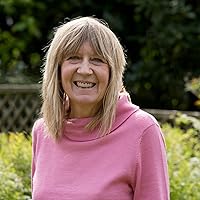
In this book, Caroline Taggart shows us how Britons succeeded in keeping up spirits in spite of the constant devastation of battle. It is a revealing and entertaining collection of first-hand reminiscences from people who lived through those six long years. Touching, tragic, occasionally hilarious, it shows the British soldiering on as best they could.
I was an editor for 30 years before Michael O’Mara Books asked me to write what became I Used to Know That. I think its success took everyone by surprise – it certainly did me – but it led to my writing a lot of other books and finally, after about three years, feeling able to tell people I was an author. It's a nice feeling.
Until recently the book I was most proud of was The Book of London Place Names (Ebury), partly because I am passionate about London and partly because, having written ten or so books before that, I finally felt I was getting the hang of it.
Now I have to confess I’m really excited by my first venture into continuous narrative. For A Slice of Britain: around the country by cake (AA) I travelled the country investigating, writing about and eating cake. From Cornish Saffron Cake to Aberdeen Butteries, I interviewed about 25 people who are baking cakes, biscuits and buns that are unique to their region, part of their heritage – and pretty darned delicious. The Sunday Times reviewed it and described me as ‘engaging, greedy and droll’, which pleased me enormously.
Like a lot of social history books, this one meandered about a bit, but the reminiscences were still enjoyable and interesting even if they didn't have anything to do with summertime or holidays during WW2.