

What do you think?

Kokoro: Japanese Wisdom for a Life Well Lived
Kokoro is an invitation to cultivate stillness and contentment in an ever-changing, uncertain world, inspired by ancient and contemporary Japanese wisdom. Drawing on a thousand years of Japanese literature, culture, and philosophical ideas to explore the true nature of time and what it means to be human, Kokoro--which mysteriously translates as "heart-mind"--is a meditation on living well.
Join Japanologist Beth Kempton on this life-changing pilgrimage far beyond the tourist trail, to uncover the soul of the country, its people, and its deeply buried wisdom. Along the way you'll discover a revolutionary way of looking at life and the world that will transform your approach to living. You will learn how to cultivate presence, awareness, calm, and joy so that you can move beyond regret and fear to make the most of every day.
Distilling insight from a rich variety of sources, from centuries-old poetry and ancient Zen texts to martial arts teaching and contemporary philosophy, alongside the real-life stories of modern day pioneers, Kokoro offers a gentle and inspiring take on what it truly means to be happy and leads you to the heart of what really matters, so you can live each day with wonder and ease. And then, when the time comes to look back on it all, you will know that yours was a life well-lived.
Join Japanologist Beth Kempton on this life-changing pilgrimage far beyond the tourist trail, to uncover the soul of the country, its people, and its deeply buried wisdom. Along the way you'll discover a revolutionary way of looking at life and the world that will transform your approach to living. You will learn how to cultivate presence, awareness, calm, and joy so that you can move beyond regret and fear to make the most of every day.
Distilling insight from a rich variety of sources, from centuries-old poetry and ancient Zen texts to martial arts teaching and contemporary philosophy, alongside the real-life stories of modern day pioneers, Kokoro offers a gentle and inspiring take on what it truly means to be happy and leads you to the heart of what really matters, so you can live each day with wonder and ease. And then, when the time comes to look back on it all, you will know that yours was a life well-lived.
272 pages, Hardcover
First published January 1, 2022
About the author
Beth Kempton
16 books387 followers日々是好日 - Every day is a good day (Zen proverb)
Beth Kempton is a Japanologist and a bestselling self-help author and writer mentor, whose books have been translated into 24 languages, who loves uncovering life lessons and philosophical ideas buried in Japanese culture, words and ritual.
Beth has two degrees in Japanese and has spent many years living and working in Japan, which she considers her second home. Over the years she has studied Japanese papermaking, flower arranging, pottery, noren-making, calligraphy, the tea ceremony, and weaving. Collectively these experiences have led to a deep love of the country and a rare understanding of Japanese cultural and linguistic nuances. She has been inhaling the magic and mystery of Japan - and been influenced by its philosophy and aesthetics - for over two decades.
A qualified yoga teacher and Reiki Master trained in Tokyo, she also has an incurable addiction to chocolate and Japanese stationery. Beth lives a slow-ish life near the sea in Devon, England, and is currently working on her fifth book, ‘Kokoro: Japanese wisdom for a life well-lived’, a follow up her earlier bestseller ‘Wabi Sabi’
Beth is the mother of two small girls who fill her with joy every single day.
https://bethkempton.com
https://dowhatyouloveforlife.com
IG @bethkempton
Facebook/Twitter @dowhatyoulovexx
Beth Kempton is a Japanologist and a bestselling self-help author and writer mentor, whose books have been translated into 24 languages, who loves uncovering life lessons and philosophical ideas buried in Japanese culture, words and ritual.
Beth has two degrees in Japanese and has spent many years living and working in Japan, which she considers her second home. Over the years she has studied Japanese papermaking, flower arranging, pottery, noren-making, calligraphy, the tea ceremony, and weaving. Collectively these experiences have led to a deep love of the country and a rare understanding of Japanese cultural and linguistic nuances. She has been inhaling the magic and mystery of Japan - and been influenced by its philosophy and aesthetics - for over two decades.
A qualified yoga teacher and Reiki Master trained in Tokyo, she also has an incurable addiction to chocolate and Japanese stationery. Beth lives a slow-ish life near the sea in Devon, England, and is currently working on her fifth book, ‘Kokoro: Japanese wisdom for a life well-lived’, a follow up her earlier bestseller ‘Wabi Sabi’
Beth is the mother of two small girls who fill her with joy every single day.
https://bethkempton.com
https://dowhatyouloveforlife.com
IG @bethkempton
Facebook/Twitter @dowhatyoulovexx
Ratings & Reviews
Friends & Following
Create a free account to discover what your friends think of this book!
Community Reviews
Displaying 1 - 30 of 147 reviews

Currently Reading
May 31, 2021KOKORO: JAPANESE WISDOM FOR A LIFE WELL-LIVED
I am currently working on this book, and am completely obsessed with it. Kokoro is a mind-bending, heart-expanding meditation on life and time, inspired by old ways, old roads, and old words from centuries-ago Japan. It is all about distilling life lessons hidden in literature and philosophy from the past millennium, infused with stories from my own journeys through Japan over the past quarter century. At its heart it is a quest to discover what it truly means to get to the end of your life and look back on ‘a life well-lived’ , and I hope you will join me as a travelling companion on this fascinating road. I am waiting for the Japanese borders to re-open for visitors in order to complete my research for the book, and travel permitting it will be published on August 31, 2022.

Kokoro is available for pre-order here
I am currently working on this book, and am completely obsessed with it. Kokoro is a mind-bending, heart-expanding meditation on life and time, inspired by old ways, old roads, and old words from centuries-ago Japan. It is all about distilling life lessons hidden in literature and philosophy from the past millennium, infused with stories from my own journeys through Japan over the past quarter century. At its heart it is a quest to discover what it truly means to get to the end of your life and look back on ‘a life well-lived’ , and I hope you will join me as a travelling companion on this fascinating road. I am waiting for the Japanese borders to re-open for visitors in order to complete my research for the book, and travel permitting it will be published on August 31, 2022.
Kokoro is available for pre-order here

October 19, 2024
What a lovely view to take of life. This book explores Japanese culture through meditation, relaxation and immersing yourself in nature. The Author takes us on a journey of self discovery and discipline by talking with different people from all walks of life. They all have the same thing in common and that is to honor the Kokoro. This includes the author's own personal journey regarding the death of her mother and how she struggled to cope but found solace in Japanese culture and wisdom.
A beautiful book with helpful advice and questions to prompt our own views and strategies.
A beautiful book with helpful advice and questions to prompt our own views and strategies.

October 1, 2024
The author, Beth Kempton, has a great love and understanding of Japanese culture and philosophies.
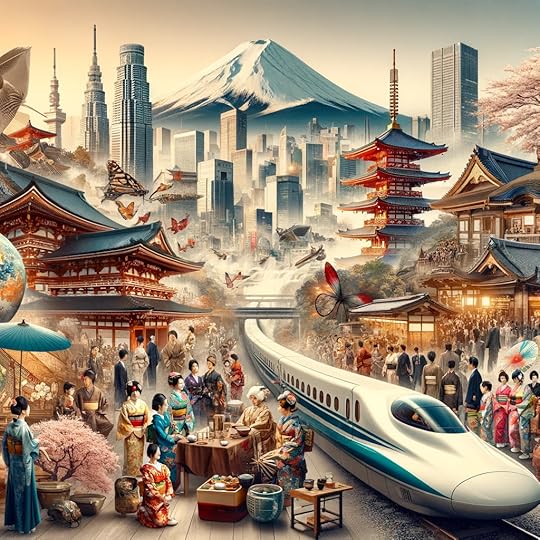
Beth Kempton's attempts to define and refine the meaning of the of the state of being that is "Kokoro" reveal that it can mean many different things in different circumstances and contexts.
Essentially, Kokoro, as I see it, is an invitation to enrich your life by tapping in to your reactions and emotions and thus shining a positive, life affirming viewpoint on all that you decide to do and say. (A departure from allowing the rational brain to manipulate automatic responses to any given situation or idea.)
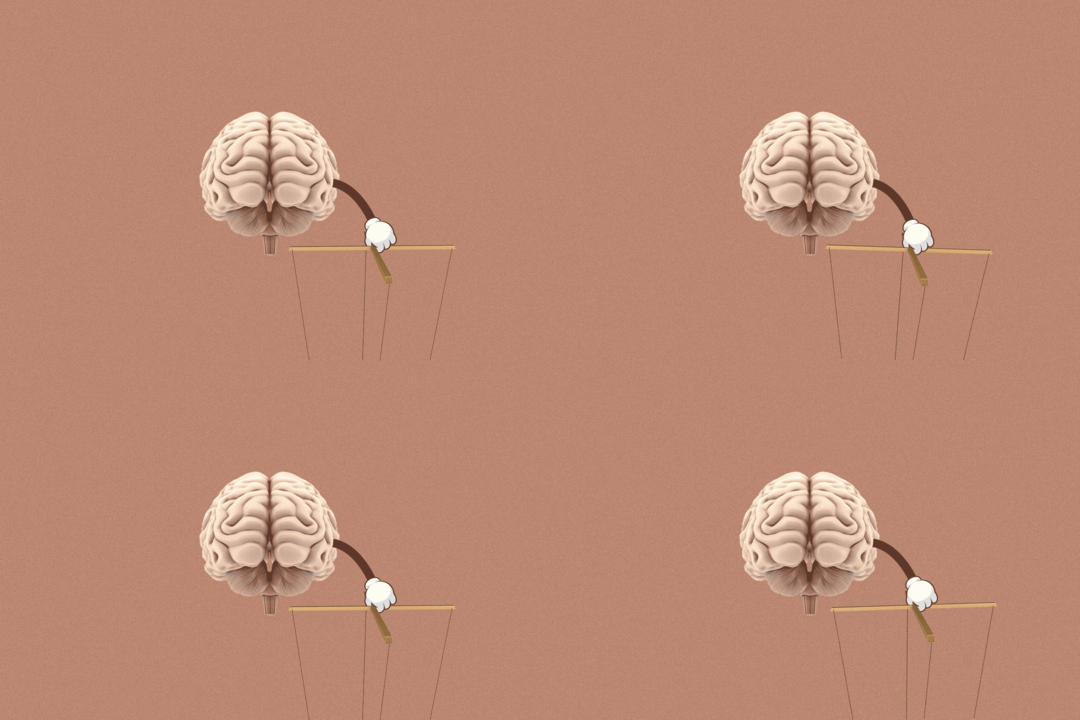
"Kokoro" opens a window to the soul when you project your feelings and reactions to everyday life and situations and examine the feelings they produce: a sort of spiritual/emotional state of being. Instead of rationally analyzing and judging everything, we are encouraged to tune in to our senses and emotions and react "heart-mindfully" - which in turn tunes you into the beauty and joy right in front of you and helps you navigate through life based on those feelings.

"Kokoro" would encourage you to make conscious decisions to direct your life "heart-mindfully" so that you experience nature and human relationships in a way that adds to your happiness and comfort. It is indeed a "state of mind" as well as a personal philosophy.

Beth Kempton's Kokoro will expose you to many forms of Japanese culture: poetry, drama, philosophy and meditation. I found this was a very "restful" book to read. I'm rating this inspirational guidebook a 4 out of 5 stars. My thanks to the author, Publisher and NetGalley for a PDF arc of this novel in exchange for an honest review.
Beth Kempton's attempts to define and refine the meaning of the of the state of being that is "Kokoro" reveal that it can mean many different things in different circumstances and contexts.
Essentially, Kokoro, as I see it, is an invitation to enrich your life by tapping in to your reactions and emotions and thus shining a positive, life affirming viewpoint on all that you decide to do and say. (A departure from allowing the rational brain to manipulate automatic responses to any given situation or idea.)
"Kokoro" opens a window to the soul when you project your feelings and reactions to everyday life and situations and examine the feelings they produce: a sort of spiritual/emotional state of being. Instead of rationally analyzing and judging everything, we are encouraged to tune in to our senses and emotions and react "heart-mindfully" - which in turn tunes you into the beauty and joy right in front of you and helps you navigate through life based on those feelings.
"Kokoro" would encourage you to make conscious decisions to direct your life "heart-mindfully" so that you experience nature and human relationships in a way that adds to your happiness and comfort. It is indeed a "state of mind" as well as a personal philosophy.
Beth Kempton's Kokoro will expose you to many forms of Japanese culture: poetry, drama, philosophy and meditation. I found this was a very "restful" book to read. I'm rating this inspirational guidebook a 4 out of 5 stars. My thanks to the author, Publisher and NetGalley for a PDF arc of this novel in exchange for an honest review.

August 6, 2025
Enkele conclusies om mee te nemen:
‘Doe langzamer aan zodat je meer kunt ervaren van alles wat ertoe doet’ (189)
‘We zijn hier. We leven. We zijn de gelukkigen.’ (223)
‘Doe langzamer aan zodat je meer kunt ervaren van alles wat ertoe doet’ (189)
‘We zijn hier. We leven. We zijn de gelukkigen.’ (223)

July 26, 2024
Hmmmm
Mixed feelings. Could not get over the fact this is literally repackaged “slow down and feel the breeze” type of self help that is so common, in the form of ✨Japanese wisdom✨ which kinda comes across as gimmicky. Things are name dropped with little explanation which adds to the vibe that the author wants to maintain that she is an authority on the culture (I get that she is a japanologist but honestly most of this seems like good old fashioned western orientalism, where Japanese culture is used as a vessel for her own “breakthrough”). Some very good parts and will definitely be keeping in case I ever do travel to Japan, which Im slightly tempted to do. Also very insightful thoughts on the losses in her life. The prompts for self reflection were very very very good as well, and probably the redeeming factor.
Mixed feelings. Could not get over the fact this is literally repackaged “slow down and feel the breeze” type of self help that is so common, in the form of ✨Japanese wisdom✨ which kinda comes across as gimmicky. Things are name dropped with little explanation which adds to the vibe that the author wants to maintain that she is an authority on the culture (I get that she is a japanologist but honestly most of this seems like good old fashioned western orientalism, where Japanese culture is used as a vessel for her own “breakthrough”). Some very good parts and will definitely be keeping in case I ever do travel to Japan, which Im slightly tempted to do. Also very insightful thoughts on the losses in her life. The prompts for self reflection were very very very good as well, and probably the redeeming factor.

April 30, 2024
I’ve taken a long time trying to write a review for this book that accurately captures how my reading heart and actual soul felt while devouring the pages. All I came up with is this: Kokoro by Beth Kempton was not just a book, it was an experience. It held my hand and said: I see you. It held my heart and said: I understand. It gave me a pen and said: Tell me your story. It sparked my soul and said: You know what’s next. It gave me a hug and said: You are enough. It reminded me of the gift of life and said: Enjoy and embrace every moment. This book was everything.
November 20, 2025
Ik moet stoppen met 'zelf hulp' boeken te lezen. Ook als ze een mooie Japanse kaft hebben.
Dit boek is ook erg zweverig en ik ben daar te nuchter voor.
Ik heb dat ook met Yoga. Dan wordt er gezegd: "voel de kracht van de Aarde je lichaam instromen".
En ik denk dan.. tja ik zit eerst op een kussen, daaronder ligt de vloer, dan hebben we nog een kruipruimte en een fundering, dan waarschijnlijk zand en daaronder ligt misschien die Aarde/aarde.
En als ik daar mentaal ben aanbeland en probeer om die energie helemaal naar boven te volgen, dan zijn we alweer bij de volgende 'mindful' oefening aanbeland.
Wat ik ook niet zo'n goed teken vind is dat ik nog steeds niet zeker weet wat kokoro is, terwijl het om de pagina wordt genoemd. Gelukkig wordt aan het eind duidelijk dat niemand echt weet wat de term betekent en iedereen een eigen interpretatie heeft.
Dus bedenk zelf wat en laat dit boek lekker liggen.
Dit boek is ook erg zweverig en ik ben daar te nuchter voor.
Ik heb dat ook met Yoga. Dan wordt er gezegd: "voel de kracht van de Aarde je lichaam instromen".
En ik denk dan.. tja ik zit eerst op een kussen, daaronder ligt de vloer, dan hebben we nog een kruipruimte en een fundering, dan waarschijnlijk zand en daaronder ligt misschien die Aarde/aarde.
En als ik daar mentaal ben aanbeland en probeer om die energie helemaal naar boven te volgen, dan zijn we alweer bij de volgende 'mindful' oefening aanbeland.
Wat ik ook niet zo'n goed teken vind is dat ik nog steeds niet zeker weet wat kokoro is, terwijl het om de pagina wordt genoemd. Gelukkig wordt aan het eind duidelijk dat niemand echt weet wat de term betekent en iedereen een eigen interpretatie heeft.
Dus bedenk zelf wat en laat dit boek lekker liggen.

July 19, 2025
I’m not sure this book gave me what I expected. A lot of the content felt like the same ideas expressed in different ways, which made it feel repetitive at times.
I can appreciate that this was clearly an emotional and healing journey for the author, it just wasn’t quite my cup of tea and I struggled to finish it.
I can appreciate that this was clearly an emotional and healing journey for the author, it just wasn’t quite my cup of tea and I struggled to finish it.
December 23, 2025
Detached from reality, I mean you can leave 2 small children in your partner's care to go climb sacred mountains in Japan to deal with grief. Or cos you need to write another book to sell? I mean can't we all just remove all commitments from our agendas till spring? At any crisis there is a writers' retreat you can take among beautiful hills and meadows where you sit and read poetry. Sadly the kokoro part of the book would fit in a blog post.

August 9, 2024
As with everything Beth writes, this was lovely and thought provoking. It is a beautiful journey through grief in midlife, part memoir, part invitation. Good for anyone navigating grief and/or transition or for those looking to connect more deeply to their heart’s desire.

August 5, 2025
If you need a little push of motivation or some optimism to grab onto after a rough patch in life, I think this is a lovely book to get you out of a slump.
“But what if time and existence are the same thing? What if we are not separate from time? ‘Wasting time’ becomes wasting our own existence. ‘Making time’ becomes creating our own life out of what really matters. ‘Killing time’ is unspeakable. And ‘Time is money’, laughable.”
Unlike Ikigai and other books that generalise and almost fetishise Japanese philosophy and way of life, Beth Kempton is actually educated in Japanese language and philosophy, adding relevant and insightful lived experiences and anecdotes that I would normally skim over but really enjoyed in Kokoro.
“In the Japanese language, the most common word for regret is kōkai (後悔), which literally translates as “after-poison.” We suffer enough already. Let’s not poison ourselves, too.”
“But what if time and existence are the same thing? What if we are not separate from time? ‘Wasting time’ becomes wasting our own existence. ‘Making time’ becomes creating our own life out of what really matters. ‘Killing time’ is unspeakable. And ‘Time is money’, laughable.”
Unlike Ikigai and other books that generalise and almost fetishise Japanese philosophy and way of life, Beth Kempton is actually educated in Japanese language and philosophy, adding relevant and insightful lived experiences and anecdotes that I would normally skim over but really enjoyed in Kokoro.
“In the Japanese language, the most common word for regret is kōkai (後悔), which literally translates as “after-poison.” We suffer enough already. Let’s not poison ourselves, too.”

August 17, 2025
Grounding, profound and deeply meaningful... Authentic. Full of simple, but essential truths.

Read
August 27, 2025Astoundingly generic self help book that uses Japanese culture and language as a backdrop for reinventing the wheel.


December 30, 2025
Worth the time. Do the work.
August 14, 2025
un viaje por Japón donde se descubre la esencia de la vida.
es muy sencillo:
Corazón, Mente y Alma, eso es Kokoro.
Estamos aquí, estamos vivos, somos afortunados.
es muy sencillo:
Corazón, Mente y Alma, eso es Kokoro.
Estamos aquí, estamos vivos, somos afortunados.

December 2, 2024
Meer een autobiografie dan een zelfhulpboek. Had er meer van verwacht.

June 19, 2024
As we embark on a transformative era, it is crucial that we shift our focus from material growth to spiritual growth, as our very existence hinges on this paradigm shift. The choices we make individually and collectively have far-reaching implications for the future of human society. It is essential that we contemplate how to live in harmony with nature and humanity, making choices that transcend our own existence.
The kokoro, or intelligent heart, is the source of our innate wisdom, untainted by societal pressures and expectations. It is the gateway to our inner wisdom, which guides us in the present moment through felt impulses. By recognizing the wisdom of the kokoro, we can navigate relationships and make life choices that foster ease and freedom. This book is a guide to cultivating a life well lived, informed by the kokoro, and is an invitation to join the author on a journey of self-discovery and spiritual growth.
Throughout this book, we explore twelve principles for a life well lived, which have been informed by the author's own midlife journey. We take stock of our current situation, confront our mortality, and contemplate how we want to live the remainder of our time on earth. We also learn how to tune into and care for our kokoro, allowing it to guide us daily.
This book is not a collection of quick fixes or life hacks, but rather a thoughtful exploration of the human experience. It is an invitation to step away from the hustle and bustle of daily life and seek a new perspective, allowing clarity to arise naturally. At the end of each chapter, you will find journaling questions to prompt your own inquiry and reflection.
As we journey together, we receive gentle teachings that can guide us back to our inner wisdom. The realization that we must rely on our own kokoro for guidance and stability in an unpredictable world can be a source of strength. This principle is exemplified by the author's own experiences of emotional intensity at times of birth and death.
The kokoro is a sensitivity chamber that can feel everything when our barriers are stripped away. By midlife, the kokoro refuses to be silenced, and this is often reflected in a desire to engage in creative pursuits. This is the kokoro's way of seeking new means to express our deepest longings and wisdom, and to respond to the beauty in the world.
From now on, we dedicate ourselves to honoring longing, presence, and connection, living a creative, slow, and simple life in harmony with the rhythms of the world.
The kokoro, or intelligent heart, is the source of our innate wisdom, untainted by societal pressures and expectations. It is the gateway to our inner wisdom, which guides us in the present moment through felt impulses. By recognizing the wisdom of the kokoro, we can navigate relationships and make life choices that foster ease and freedom. This book is a guide to cultivating a life well lived, informed by the kokoro, and is an invitation to join the author on a journey of self-discovery and spiritual growth.
Throughout this book, we explore twelve principles for a life well lived, which have been informed by the author's own midlife journey. We take stock of our current situation, confront our mortality, and contemplate how we want to live the remainder of our time on earth. We also learn how to tune into and care for our kokoro, allowing it to guide us daily.
This book is not a collection of quick fixes or life hacks, but rather a thoughtful exploration of the human experience. It is an invitation to step away from the hustle and bustle of daily life and seek a new perspective, allowing clarity to arise naturally. At the end of each chapter, you will find journaling questions to prompt your own inquiry and reflection.
As we journey together, we receive gentle teachings that can guide us back to our inner wisdom. The realization that we must rely on our own kokoro for guidance and stability in an unpredictable world can be a source of strength. This principle is exemplified by the author's own experiences of emotional intensity at times of birth and death.
The kokoro is a sensitivity chamber that can feel everything when our barriers are stripped away. By midlife, the kokoro refuses to be silenced, and this is often reflected in a desire to engage in creative pursuits. This is the kokoro's way of seeking new means to express our deepest longings and wisdom, and to respond to the beauty in the world.
From now on, we dedicate ourselves to honoring longing, presence, and connection, living a creative, slow, and simple life in harmony with the rhythms of the world.

May 20, 2024
I loved taking my time on this journey with Beth. Accompanying her journey of grief and understanding felt so personal and beautiful, and I am deeply grateful for her courage in sharing so much. She created the opportunity for reflective practices with each chapter that felt sometimes holy to me, and encouraged me to open, letting light into the dark and hurting places.
I'll be back when I'm ready for another heart journey ❤️
I'll be back when I'm ready for another heart journey ❤️

September 6, 2025
Maybe this wasn't the right time for me to read this book, or maybe I've read so many like it that it didn't land the way I expected. It felt a little superficial and sort of repetitive. This feeling might be influenced by the fact that I read Crying in H-Mart earlier this year, which presented a lot of the same ideas and feelings, but had more impact on me. I struggled to finish this book and basically made myself finish it just to be done with it.

October 3, 2024
Een tweede kans gegeven en opnieuw gelezen.
Ofwel wist ik alles al wat er in het boek stond, ofwel snap ik er helemaal niks van. Wie zal het zeggen.
Op zich wel fan van de wijsheden in het boek, maar ik heb het niet zo voor de verhalende schrijfstijl om de concepten te ontdekken.
Ofwel wist ik alles al wat er in het boek stond, ofwel snap ik er helemaal niks van. Wie zal het zeggen.
Op zich wel fan van de wijsheden in het boek, maar ik heb het niet zo voor de verhalende schrijfstijl om de concepten te ontdekken.
July 22, 2025
I guess many people would enjoy this sort of "travelogue with a little bit of philosophy" type book. I am not one of the many. It was heavily autobiographical with a little Japanese culture and wisdom thrown in here and there. Neither a fluid nor compelling read. Did not finish.

May 30, 2025
Eine sehr berührende Reise zu sich selbst
In "Kokoro -Japanische Weisheiten für ein gelungenes Leben" begibt sich die britische Japanologin Beth Kempton auf Grund einer persönlichen Sinnkrise und privaten Schicksalschlägen auf eine Pilgerreise nach Japan, mit dem Ziel, das Geheimnis des "Kokoro" zu ergründen und wieder zu sich selbst zu finden. Sie besteigt die drei heiligen Berge von Dewa im Norden Japans und trifft auf ihren ausgedehnten Wanderungen die unterschiedlichsten Menschen, mit denen sie über die Bedeutung von "Kokoro" diskutiert. Dabei wird klar, dass es für "Kokoro" (das intelligente, achtsame Herz, das Körper und Geist verbindet) viele unterschiedliche Auslegungen gibt. So bedeutet "Kokoro" für einige "die Quelle unserer angeborenen Weisheit", für andere wiederum "das Medium für die Projektion der Seele nach außen". Trotz der häufigen Benutzung des Wortes ist es eigentlich unmöglich, den Begriff genau zu erklären.
Um sein eigenes "Kokoro" zu entdecken, ist es jedoch notwendig, in die Stille zu gehen. Für Beth Kempton, deren Leben perfekt durchgetaktet ist und ihr kaum Zeit lässt, zur Ruhe zu kommen, ist die Reise eine Offenbarung. Ihr wird bewusst, dass die einzig richtige Art zu leben jene von Moment zu Moment ist, fernab von beruflichen und privaten Verpflichtungen, ständigem Termindruck, materiellem Besitz und dem Zwang nach Sichtbarkeit. Wie die meisten Menschen ist auch Beth mit ihrem Kopf entweder in der Vergangenheit oder in der Zukunft, aber nur selten in der Gegenwart. In der Stille der Wälder und auf den hohen Gipfeln der Berge wird ihr bewusst, wie wichtig Entschleunigung in einer immer schneller werdenden Welt ist. Man kann die Schönheit und Einzigartigkeit unseres Lebens erst dann erfassen, wenn wir im Jetzt sind. Auch den Tod ihrer Mutter und ihrer besten Freundin versucht Beth Kompton auf ihrer Pilgerreise zu verarbeiten. Erst wenn man mit der Vergänglichkeit des Lebens konfrontiert wird, weiß man es zu schätzen, und so lernt Beth, dankbar für jeden Moment zu sein, den sie erleben darf.
Das Buch ist in insgesamt zwölf Kapitel unterteilt, die wiederum in drei Teile (entsprechend der drei heiligen Berge von Dewa: Selbstreflexion - Vergänglichkeit und Tod - Bewusstes Leben) aufgegliedert sind. Jedes dieser Kapitel beschäftigt sich mit einem der zwölf Prinzipien für ein gelungenes Leben. Am Ende jeden Kapitels gibt es eine Kokoro-Übung (bestehend aus Fragen, die man sich selber stellt) und einer Kokoro-Weisheit. Die Fragen dienen der Selbstreflexion und helfen herauszufinden, ob wir im Einklang mit unserem Herzen, unserem wahren Selbst leben oder durch Konditionierungen geprägt sind und die Erwartungen anderer erfüllen.
Mich hat das Buch von Beth Kempton sehr berührt. Die Autorin versteht es durch die Schilderung sehr persönlicher Erfahrungen, wie etwa den Tod ihrer geliebten Mutter und ihrer besten Freundin, Nähe zu den Leser:innen aufzubauen. Wir erfahren sehr viel Interessantes und Faszinierendes über die Lebensweise und die Lebensphilosophien Japans. Einige Erkenntnisse der Autorin waren so schön, dass ich sie in ein Notizbuch geschrieben habe, wie folgende Zeilen: "Ich überlege, wie das Leben wohl wäre, wenn wir allem, was uns wirklich am Herzen liegt, Beachtung schenken würden, in dem Bewusstsein, dass dies unsere einzige oder letzte Gelegenheit sein könnte und wir das Glück haben, es erleben zu dürfen."
Auch der Erzählstil der Autorin hat mir sehr gut gefallen. Der Ton ist ruhig, beinahe poetisch, manchmal auch etwas melancholisch, besonders bei den Themen Tod und Sterben. Der Autorin gelingt es sehr gut, das sehr komplexe Konzept des Kokoro den Leser:innen verständlich näher zu bringen. Von mir gibt es daher eine ganz klare Leseempfehlung für dieses Buch, nicht nur für Japan-Fans, sondern auch für all jene, die gerne über ihr Leben reflektieren und neue Sichtweisen darauf erlangen möchten.
In "Kokoro -Japanische Weisheiten für ein gelungenes Leben" begibt sich die britische Japanologin Beth Kempton auf Grund einer persönlichen Sinnkrise und privaten Schicksalschlägen auf eine Pilgerreise nach Japan, mit dem Ziel, das Geheimnis des "Kokoro" zu ergründen und wieder zu sich selbst zu finden. Sie besteigt die drei heiligen Berge von Dewa im Norden Japans und trifft auf ihren ausgedehnten Wanderungen die unterschiedlichsten Menschen, mit denen sie über die Bedeutung von "Kokoro" diskutiert. Dabei wird klar, dass es für "Kokoro" (das intelligente, achtsame Herz, das Körper und Geist verbindet) viele unterschiedliche Auslegungen gibt. So bedeutet "Kokoro" für einige "die Quelle unserer angeborenen Weisheit", für andere wiederum "das Medium für die Projektion der Seele nach außen". Trotz der häufigen Benutzung des Wortes ist es eigentlich unmöglich, den Begriff genau zu erklären.
Um sein eigenes "Kokoro" zu entdecken, ist es jedoch notwendig, in die Stille zu gehen. Für Beth Kempton, deren Leben perfekt durchgetaktet ist und ihr kaum Zeit lässt, zur Ruhe zu kommen, ist die Reise eine Offenbarung. Ihr wird bewusst, dass die einzig richtige Art zu leben jene von Moment zu Moment ist, fernab von beruflichen und privaten Verpflichtungen, ständigem Termindruck, materiellem Besitz und dem Zwang nach Sichtbarkeit. Wie die meisten Menschen ist auch Beth mit ihrem Kopf entweder in der Vergangenheit oder in der Zukunft, aber nur selten in der Gegenwart. In der Stille der Wälder und auf den hohen Gipfeln der Berge wird ihr bewusst, wie wichtig Entschleunigung in einer immer schneller werdenden Welt ist. Man kann die Schönheit und Einzigartigkeit unseres Lebens erst dann erfassen, wenn wir im Jetzt sind. Auch den Tod ihrer Mutter und ihrer besten Freundin versucht Beth Kompton auf ihrer Pilgerreise zu verarbeiten. Erst wenn man mit der Vergänglichkeit des Lebens konfrontiert wird, weiß man es zu schätzen, und so lernt Beth, dankbar für jeden Moment zu sein, den sie erleben darf.
Das Buch ist in insgesamt zwölf Kapitel unterteilt, die wiederum in drei Teile (entsprechend der drei heiligen Berge von Dewa: Selbstreflexion - Vergänglichkeit und Tod - Bewusstes Leben) aufgegliedert sind. Jedes dieser Kapitel beschäftigt sich mit einem der zwölf Prinzipien für ein gelungenes Leben. Am Ende jeden Kapitels gibt es eine Kokoro-Übung (bestehend aus Fragen, die man sich selber stellt) und einer Kokoro-Weisheit. Die Fragen dienen der Selbstreflexion und helfen herauszufinden, ob wir im Einklang mit unserem Herzen, unserem wahren Selbst leben oder durch Konditionierungen geprägt sind und die Erwartungen anderer erfüllen.
Mich hat das Buch von Beth Kempton sehr berührt. Die Autorin versteht es durch die Schilderung sehr persönlicher Erfahrungen, wie etwa den Tod ihrer geliebten Mutter und ihrer besten Freundin, Nähe zu den Leser:innen aufzubauen. Wir erfahren sehr viel Interessantes und Faszinierendes über die Lebensweise und die Lebensphilosophien Japans. Einige Erkenntnisse der Autorin waren so schön, dass ich sie in ein Notizbuch geschrieben habe, wie folgende Zeilen: "Ich überlege, wie das Leben wohl wäre, wenn wir allem, was uns wirklich am Herzen liegt, Beachtung schenken würden, in dem Bewusstsein, dass dies unsere einzige oder letzte Gelegenheit sein könnte und wir das Glück haben, es erleben zu dürfen."
Auch der Erzählstil der Autorin hat mir sehr gut gefallen. Der Ton ist ruhig, beinahe poetisch, manchmal auch etwas melancholisch, besonders bei den Themen Tod und Sterben. Der Autorin gelingt es sehr gut, das sehr komplexe Konzept des Kokoro den Leser:innen verständlich näher zu bringen. Von mir gibt es daher eine ganz klare Leseempfehlung für dieses Buch, nicht nur für Japan-Fans, sondern auch für all jene, die gerne über ihr Leben reflektieren und neue Sichtweisen darauf erlangen möchten.

July 4, 2026
Review by Irwin Ashish Coelho
5/5 🌟
Beth Kempton wrote this book after Wabi Sabi. Kokoro doesn't have a literal translation, but it means 'heart-mind'. Because this sounds vague, and the meaning of the term is difficult to explain theoretically, I will provide a practical example.
Imagine you have had a busy day at work. Your mind is a mess and you are stressed because of all of those meetings, calls and reports. It's 7 pm, and you need to get back home. Your children are waiting for you. You have reached your parking spot at home, but you are carrying some of that stress from work. To make matters worse, you get another work-related complaint on your phone while you are parking your car. Your stress has ratcheted up. You have two options now.
1. Continue to make your way home immediately after receiving that antagonising call and, potentially, blow up some pent-up steam or anger, directing it all towards your children
2. Take about 15 deep breaths in your car to activate your parasympathetic nervous system, which can, to an extent, help you calm down before you greet your eagerly awaiting children
That thing within you that your children see when you step into the house is kokoro. If you are all antsy after that call and your stress-filled day and you vent it out on your children when they open the door for you with happy faces, they are going to notice the ugliness within you. What is within shines and unspools outside; kokoro is like a mirror that way.
Is there a different way? Yes. Don't get out of that car after that nasty phone call. Take some time out for yourself, play some light instrumental music on your stereo, breathe deeply for a while, keep the phone away and talk to your close friend if possible to unburden yourself and feel lighter. These actions might help you quieten your kokoro, your seat of the soul, so that you can greet your children lovingly after having calmed down sufficiently.
If to live is to love and if to live is to see the beauty in everything and everyone, you would want that inner light, that indefinable kokoro, to radiate kindness, benevolence and grace outwards, so why would you ever not greet your children kindly, lovingly and respectfully?
5/5 🌟
Beth Kempton wrote this book after Wabi Sabi. Kokoro doesn't have a literal translation, but it means 'heart-mind'. Because this sounds vague, and the meaning of the term is difficult to explain theoretically, I will provide a practical example.
Imagine you have had a busy day at work. Your mind is a mess and you are stressed because of all of those meetings, calls and reports. It's 7 pm, and you need to get back home. Your children are waiting for you. You have reached your parking spot at home, but you are carrying some of that stress from work. To make matters worse, you get another work-related complaint on your phone while you are parking your car. Your stress has ratcheted up. You have two options now.
1. Continue to make your way home immediately after receiving that antagonising call and, potentially, blow up some pent-up steam or anger, directing it all towards your children
2. Take about 15 deep breaths in your car to activate your parasympathetic nervous system, which can, to an extent, help you calm down before you greet your eagerly awaiting children
That thing within you that your children see when you step into the house is kokoro. If you are all antsy after that call and your stress-filled day and you vent it out on your children when they open the door for you with happy faces, they are going to notice the ugliness within you. What is within shines and unspools outside; kokoro is like a mirror that way.
Is there a different way? Yes. Don't get out of that car after that nasty phone call. Take some time out for yourself, play some light instrumental music on your stereo, breathe deeply for a while, keep the phone away and talk to your close friend if possible to unburden yourself and feel lighter. These actions might help you quieten your kokoro, your seat of the soul, so that you can greet your children lovingly after having calmed down sufficiently.
If to live is to love and if to live is to see the beauty in everything and everyone, you would want that inner light, that indefinable kokoro, to radiate kindness, benevolence and grace outwards, so why would you ever not greet your children kindly, lovingly and respectfully?

May 20, 2024
Mixed feelings on this one. Clearly it was written during/after a very difficult time for the author and overall I enjoyed it, so I don't want to start being too harsh. But - I didn't really pick up anything new. It wasn't life-changing. Perhaps I was expecting too much? For me there's a danger with this kind of book - it's the type of thing written by somebody successful who then, usually after a difficult life event, realises that there's more to life than success. That what matters is slowing down, smelling the roses, being grateful for the little things, and appreciating loved ones more. Which is all great. However, for those of us who already knew that, but who aren't successful - what now? Yes, that's exactly the kind of life I want, but how do I pay for it?
Further to that theme, Kempton seems to always be off travelling or on some kind of writer's retreat, going somewhere alone to concentrate on writing. Which again, is lovely if you have the resources to do it - the money and childcare etc. Which makes me kinda take it all with a pinch of salt, because most of us can't down tools and escape to Japan when we hit one of life's roadblocks. Kempton is a Japanologist and is writing about Japanese philosophy here, so yes, you'd expect a certain amount of travel and research. However, some of it involves highly secretive training that she can't write about, which maybe defeats the purpose? Again, overall I enjoyed reading it so I don't want to sound snide. Perhaps there's an element of "I went to Japan and did this so you don't have to" but for me, there wasn't really anything I could latch on to in terms of it being a "self-help" book (Kempton describes herself as a self-help author.) Perhaps it would be more successful for me as a memoir? Just that if travel and retreats aren't available to you when you're struggling, it can feel like a slap in the face when the answer that's being presented is... travel and retreats.
Overall, I enjoyed reading it hence the 4 stars. But there's problems if you start to scrape beneath the surface...
Further to that theme, Kempton seems to always be off travelling or on some kind of writer's retreat, going somewhere alone to concentrate on writing. Which again, is lovely if you have the resources to do it - the money and childcare etc. Which makes me kinda take it all with a pinch of salt, because most of us can't down tools and escape to Japan when we hit one of life's roadblocks. Kempton is a Japanologist and is writing about Japanese philosophy here, so yes, you'd expect a certain amount of travel and research. However, some of it involves highly secretive training that she can't write about, which maybe defeats the purpose? Again, overall I enjoyed reading it so I don't want to sound snide. Perhaps there's an element of "I went to Japan and did this so you don't have to" but for me, there wasn't really anything I could latch on to in terms of it being a "self-help" book (Kempton describes herself as a self-help author.) Perhaps it would be more successful for me as a memoir? Just that if travel and retreats aren't available to you when you're struggling, it can feel like a slap in the face when the answer that's being presented is... travel and retreats.
Overall, I enjoyed reading it hence the 4 stars. But there's problems if you start to scrape beneath the surface...

June 7, 2025
Es bereitet mir momentan wirklich Freude, wie viel Unterschiedliches ich lesen darf und wie positiv mich diese Bücher alle auf ihre eigene Weise überraschen und prägen.
In Kokoro geht es um japanische Weisheiten. Autorin Kempton reist in ihrer Midlife-Crisis durch Japan. Eigentlich ist sie ein durchstrukturierter Mensch, doch die Trauer des fortlaufenden Lebens holt auch sie ein. Schon lange begeistert sie sich für dieses Land und die Kultur der Menschen dort. Sie studierte Japanologie und im Buch erscheint es, als würde ihr Freundeskreis diese Leidenschaft widerspiegeln. Insofern brachte Kempton viel Wissen mit und als Leserin durfte ich aus ihrem Wissensschatz profitieren und bekam Einblicke in sehr persönliche Erfahrungen mit diesem Land.
Dabei muss man sagen, dass die Autorin hier und da auch eine spirituelle Seite deutlich macht. Dies mag nicht für jeden was sein, nimmt aber auch nur Platz am Rand ein. Für mich gehört diese Art zu Denken auch etwas zum japanischen Mindset dazu und so konnte ich mich völlig drauf einlassen.
Kokoro hat zwar wenig Seiten, doch ist keinesfalls schnell zu lesen. Wer mag, darf und sollte sich auf die Fragen einlassen, die an einem jeden Kapitelende gestellt werden. Kempton fordert den Leser/die Leserin dazu auf, in sich hinein zu schauen. Und das nicht nur in das Hier und Jetzt und die Zukunft, sondern auch in Vergangenes. Nicht nur in die Anfänge, sondern auch auf die Enden. Gerade die Kapitel über Verlust und Loslassen, haben mich tief berührt und etwas in mir bewegt.
Letzten Endes kann ich noch immer nicht ganz fassen, was Kokoro bedeutet. Es ist ein tief verwurzelter Begriff Japans, der selbst für Einheimische die unterschiedlichsten Bedeutungen hat. Vielleicht ist auch genau das die Definition. Doch ich kann sagen, dass dieses Buch mir viele Weisheiten vermitteln konnte. Mir viele Tipps mit auf den Weg gegeben hat und wenn ich nicht bereits Lust auf das Land hätte, dann spätestens jetzt. Während man diese Buch liest, kann man in sich kehren.
In Kokoro geht es um japanische Weisheiten. Autorin Kempton reist in ihrer Midlife-Crisis durch Japan. Eigentlich ist sie ein durchstrukturierter Mensch, doch die Trauer des fortlaufenden Lebens holt auch sie ein. Schon lange begeistert sie sich für dieses Land und die Kultur der Menschen dort. Sie studierte Japanologie und im Buch erscheint es, als würde ihr Freundeskreis diese Leidenschaft widerspiegeln. Insofern brachte Kempton viel Wissen mit und als Leserin durfte ich aus ihrem Wissensschatz profitieren und bekam Einblicke in sehr persönliche Erfahrungen mit diesem Land.
Dabei muss man sagen, dass die Autorin hier und da auch eine spirituelle Seite deutlich macht. Dies mag nicht für jeden was sein, nimmt aber auch nur Platz am Rand ein. Für mich gehört diese Art zu Denken auch etwas zum japanischen Mindset dazu und so konnte ich mich völlig drauf einlassen.
Kokoro hat zwar wenig Seiten, doch ist keinesfalls schnell zu lesen. Wer mag, darf und sollte sich auf die Fragen einlassen, die an einem jeden Kapitelende gestellt werden. Kempton fordert den Leser/die Leserin dazu auf, in sich hinein zu schauen. Und das nicht nur in das Hier und Jetzt und die Zukunft, sondern auch in Vergangenes. Nicht nur in die Anfänge, sondern auch auf die Enden. Gerade die Kapitel über Verlust und Loslassen, haben mich tief berührt und etwas in mir bewegt.
Letzten Endes kann ich noch immer nicht ganz fassen, was Kokoro bedeutet. Es ist ein tief verwurzelter Begriff Japans, der selbst für Einheimische die unterschiedlichsten Bedeutungen hat. Vielleicht ist auch genau das die Definition. Doch ich kann sagen, dass dieses Buch mir viele Weisheiten vermitteln konnte. Mir viele Tipps mit auf den Weg gegeben hat und wenn ich nicht bereits Lust auf das Land hätte, dann spätestens jetzt. Während man diese Buch liest, kann man in sich kehren.

July 25, 2024
The Wisdom we carry within-
Review of Kokoro-Japanese wisdom for a life well lived
🖋️📖
Beth Kempton, the author of bestselling ‘Wabi Sabi’ is back with another book enriched with timeless Japanese wisdom. In her forties, when half of her life lay in her past and half in her future, spurred by the untimely death of her dear friend Lisa, Kenptom decided to return to Japan once more to find her kokoro.
But what is kokoro? The simplest translation of kokoro is 'heart'. However, distinct from the physical organ of the heart, kokoro represents the spiritual aspect of a human being.
Alternative translations include 'mind', 'spirit' and 'heart-mind'. In fact, kokoro is all of these things.
Some describe it as the thinking aspect of the heart, others as the feeling aspect of the mind, or the embodied spirit. There are those who say it is the seat of the soul. The kokoro is the intelligent heart, which communicates our innate wisdom and responds to the world in the form of felt impulses.
The book is suffused with an aching sadness but at the same time steeped in a desire to not just survive but to thrive. Kokoro is structured in three parts inspired by three sacred mountains known collectively in Japanese as Dewa Sanzan:
In Part One, inspired by Hagurosan, the mountain of the present and earthly desires, we take stock of where we are and consider what really matters at this point in our lives.
In Part Two, as we climb Gassan, the mountain of death and the past, we face up to our own mortality and consider what death can teach us about living.
In Part Three, we encounter Yudonosan, the mountain of rebirth and the future, where we contemplate how we want to live for the rest of our time on earth, however long we may have.
Kokoro is a balancing act, where an individual strives to achieve balance between heart and mind. Do pick it up if you love The ambiguities of Japanese wisdom.
Review of Kokoro-Japanese wisdom for a life well lived
🖋️📖
Beth Kempton, the author of bestselling ‘Wabi Sabi’ is back with another book enriched with timeless Japanese wisdom. In her forties, when half of her life lay in her past and half in her future, spurred by the untimely death of her dear friend Lisa, Kenptom decided to return to Japan once more to find her kokoro.
But what is kokoro? The simplest translation of kokoro is 'heart'. However, distinct from the physical organ of the heart, kokoro represents the spiritual aspect of a human being.
Alternative translations include 'mind', 'spirit' and 'heart-mind'. In fact, kokoro is all of these things.
Some describe it as the thinking aspect of the heart, others as the feeling aspect of the mind, or the embodied spirit. There are those who say it is the seat of the soul. The kokoro is the intelligent heart, which communicates our innate wisdom and responds to the world in the form of felt impulses.
The book is suffused with an aching sadness but at the same time steeped in a desire to not just survive but to thrive. Kokoro is structured in three parts inspired by three sacred mountains known collectively in Japanese as Dewa Sanzan:
In Part One, inspired by Hagurosan, the mountain of the present and earthly desires, we take stock of where we are and consider what really matters at this point in our lives.
In Part Two, as we climb Gassan, the mountain of death and the past, we face up to our own mortality and consider what death can teach us about living.
In Part Three, we encounter Yudonosan, the mountain of rebirth and the future, where we contemplate how we want to live for the rest of our time on earth, however long we may have.
Kokoro is a balancing act, where an individual strives to achieve balance between heart and mind. Do pick it up if you love The ambiguities of Japanese wisdom.
May 29, 2025
Lehrreicher Ratgeber
Das Cover strahlt für mich persönlich schon eine gewisse Ruhe und Einigkeit aus. Es wurde in dezenten Tönen gehalten. In der Mitte ist eine kleine weise Abbildung und der Rest ist in einem beruhigenden hellen blau gehalten.
Es ist ein sehr lehrreiches und inspirierendes Buch und meiner Meinung nach ein absolutes Meisterwerk. Ich konnte mit diesem Buch perfekt meinem chaotischen und stressigen Alltag entkommen. Mit Hilfe des Buches konnte ich alltägliche Sachen mal aus einem komplett anderen Blickwinkel betrachten, wofür ich sehr dankbar bin.
Das Buch besteht aus drei Teilen. In einem Teil befinden wir uns in der Gegenwart im nächsten geht es um den Tod und im letzten um die Wiedergeburt. Es befinden sich auch überall KOKORO-Übungen und -Weisheiten, die die Themen perfekt ergänzen.
Den Schreibstil der Autorin finde ich sehr angenehm. Sie hat mich mit auf diese Abenteuerliche Reise genommen und mir gezeigt, dass es niemals zu spät ist, um zu entscheiden, wie ich mein Leben gestalten möchte. Oftmals reicht es schon seinen Blickwinkel mal etwas zu verändern und mit mehr Achtsamkeit durchs Leben zu gehen.
KOKORO war eindeutig kein Buch, das ich an einem Tag verschlugen, habe. Es hat mich oft zum Nachdenken gebracht und ich musste manches einfach erst mal sacken lassen. Selbst nachdem ich das Buch beendet habe, hat es mich noch eine ganze Weile beschäftigt. Ich kann es absolut empfehlen.
Eine Weisheit, die ich ganz besonders aus dem Buch mitnehme, ist „Ein gelungenes Leben ist ein steter Weg gepflastert mit dem, was sich richtig anfühlt“. Diese Weisheit finde ich besonders inspirierend. Ich lege dieses Buch allen ans Herz die etwas mehr über ihr Leben und wie sie es verbringen nachdenken möchten. Für mich macht das Leben vor allem aus, Momente intensiv war zu nehmen und alles zu genießen. Man sollte jeden Moment wertschätzen und seine Zeit gut nutzen.
Das Cover strahlt für mich persönlich schon eine gewisse Ruhe und Einigkeit aus. Es wurde in dezenten Tönen gehalten. In der Mitte ist eine kleine weise Abbildung und der Rest ist in einem beruhigenden hellen blau gehalten.
Es ist ein sehr lehrreiches und inspirierendes Buch und meiner Meinung nach ein absolutes Meisterwerk. Ich konnte mit diesem Buch perfekt meinem chaotischen und stressigen Alltag entkommen. Mit Hilfe des Buches konnte ich alltägliche Sachen mal aus einem komplett anderen Blickwinkel betrachten, wofür ich sehr dankbar bin.
Das Buch besteht aus drei Teilen. In einem Teil befinden wir uns in der Gegenwart im nächsten geht es um den Tod und im letzten um die Wiedergeburt. Es befinden sich auch überall KOKORO-Übungen und -Weisheiten, die die Themen perfekt ergänzen.
Den Schreibstil der Autorin finde ich sehr angenehm. Sie hat mich mit auf diese Abenteuerliche Reise genommen und mir gezeigt, dass es niemals zu spät ist, um zu entscheiden, wie ich mein Leben gestalten möchte. Oftmals reicht es schon seinen Blickwinkel mal etwas zu verändern und mit mehr Achtsamkeit durchs Leben zu gehen.
KOKORO war eindeutig kein Buch, das ich an einem Tag verschlugen, habe. Es hat mich oft zum Nachdenken gebracht und ich musste manches einfach erst mal sacken lassen. Selbst nachdem ich das Buch beendet habe, hat es mich noch eine ganze Weile beschäftigt. Ich kann es absolut empfehlen.
Eine Weisheit, die ich ganz besonders aus dem Buch mitnehme, ist „Ein gelungenes Leben ist ein steter Weg gepflastert mit dem, was sich richtig anfühlt“. Diese Weisheit finde ich besonders inspirierend. Ich lege dieses Buch allen ans Herz die etwas mehr über ihr Leben und wie sie es verbringen nachdenken möchten. Für mich macht das Leben vor allem aus, Momente intensiv war zu nehmen und alles zu genießen. Man sollte jeden Moment wertschätzen und seine Zeit gut nutzen.

April 15, 2026
Very engaging book,detailing the progress Beth had from the moment her mother was diagnosed with cancer,to her passing and the healing stages of grief.
It is worth taking time to absorb each segment,as we see her deconstructing the values modern life has instilled in her and how she discovers the peace tha comeswih accepting her inner heart-soul,her kokoro.
Favorite quotes:
"One of the most difficult yet important things to grasp about Japanese culture is that concepts and answers to questions are often 'aimai',which means vague. This is not because of a lack of knowledge on the part of the speaker,but rather because of a tendency towards harmony. Ambiguity is often seen as a sign of respect."
"Some describe it as the thinking aspect of the heart,others as the feeling aspect of the mind,or the embodied spirit. There are those who say it is the seat of the soul. The origin of our inner knowing. The storehouse of our emotions."
"But a feeling is not something we can teach someone else: it is something that bubbles up from somewhere deeep within. It is response to the world from within the kokoro. And we each have to discover that for ourselves."
"Anytime you feel lost,look up to the night sky,and let the moon and the stars remind you that life is a miracle,and in the grand scheme of things,most of the things that you will worry about do not matter at all. Don't cling to stuff or people or ideas. Take risks. Good unknowns usually lie on the other side,and you'll learn somehing along the way. Stop worrying so much about what other people think. It just gets in the way. If you try to think your way through life,you will be restricted to choices within the limits of what you intellectually know. But if you feel your way through it,and respond to he world from your kokoro,you will have the full expanse of possibility open to you,and you will always know,deep down,what to do."
It is worth taking time to absorb each segment,as we see her deconstructing the values modern life has instilled in her and how she discovers the peace tha comeswih accepting her inner heart-soul,her kokoro.
Favorite quotes:
"One of the most difficult yet important things to grasp about Japanese culture is that concepts and answers to questions are often 'aimai',which means vague. This is not because of a lack of knowledge on the part of the speaker,but rather because of a tendency towards harmony. Ambiguity is often seen as a sign of respect."
"Some describe it as the thinking aspect of the heart,others as the feeling aspect of the mind,or the embodied spirit. There are those who say it is the seat of the soul. The origin of our inner knowing. The storehouse of our emotions."
"But a feeling is not something we can teach someone else: it is something that bubbles up from somewhere deeep within. It is response to the world from within the kokoro. And we each have to discover that for ourselves."
"Anytime you feel lost,look up to the night sky,and let the moon and the stars remind you that life is a miracle,and in the grand scheme of things,most of the things that you will worry about do not matter at all. Don't cling to stuff or people or ideas. Take risks. Good unknowns usually lie on the other side,and you'll learn somehing along the way. Stop worrying so much about what other people think. It just gets in the way. If you try to think your way through life,you will be restricted to choices within the limits of what you intellectually know. But if you feel your way through it,and respond to he world from your kokoro,you will have the full expanse of possibility open to you,and you will always know,deep down,what to do."

May 8, 2024
I just finished reading Kokoro and the first thing I am going to do is go back and read it again.
At the end of each chapter Beth poses some journaling questions to help you dive deeper into the practise of recognising and listening to your kokoro (intelligent heart, feeling mind), but I was so pulled along by the power of her writing and storytelling, that I had no desire to stop and just ploughed through to the end. So now I will go back and read it all again, this time pausing to reflect as I go.
I really enjoyed this book, it's a fairly short read if you go from start to finish as I did, but there is a wealth of learning to be had and new (to me) ideas to be pondered. All written in a straightforward but warm tone, that just invites you to explore things you might already think you know, but from a new perspective, and not the authors perspective, but your own. What I like about this authors books is that she never tells you what to think, but instead invites you into her life experience and shows you how the things she has learned/experienced changed her, and maybe just knowing her story will change something in you to.
Whilst this is not a '12 steps to a better life' kind of book, it is structured in a great format for learning, with the book being divided into 3 parts of 4 chapters each, and each chapter digs deeper into one key principle the author wants to share about understanding what your kokoro is and how to practice listening to it. It's full of inspiring and interesting references with a full bibliography at the back, my reading list grew by about 20 books by the time I'd finished reading this!
I'd recommend this book if you enjoy pondering life's big questions, love to listen to and converse with others about them, but ultimately like to be left/encouraged to come up with your own answers/new questions to explore.
At the end of each chapter Beth poses some journaling questions to help you dive deeper into the practise of recognising and listening to your kokoro (intelligent heart, feeling mind), but I was so pulled along by the power of her writing and storytelling, that I had no desire to stop and just ploughed through to the end. So now I will go back and read it all again, this time pausing to reflect as I go.
I really enjoyed this book, it's a fairly short read if you go from start to finish as I did, but there is a wealth of learning to be had and new (to me) ideas to be pondered. All written in a straightforward but warm tone, that just invites you to explore things you might already think you know, but from a new perspective, and not the authors perspective, but your own. What I like about this authors books is that she never tells you what to think, but instead invites you into her life experience and shows you how the things she has learned/experienced changed her, and maybe just knowing her story will change something in you to.
Whilst this is not a '12 steps to a better life' kind of book, it is structured in a great format for learning, with the book being divided into 3 parts of 4 chapters each, and each chapter digs deeper into one key principle the author wants to share about understanding what your kokoro is and how to practice listening to it. It's full of inspiring and interesting references with a full bibliography at the back, my reading list grew by about 20 books by the time I'd finished reading this!
I'd recommend this book if you enjoy pondering life's big questions, love to listen to and converse with others about them, but ultimately like to be left/encouraged to come up with your own answers/new questions to explore.
Displaying 1 - 30 of 147 reviews