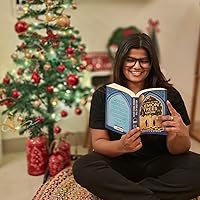
Roman, Kurtuluş Savaşı yıllarında Sakız Adasından gönderilen bir ailenin hayatta kalma mücadelesi gibi görünse de, aslında mübadele yıllarına ve tarihe açılan bir kapı niteliğinde. Konu mübadele yılları olunca, Sarpıncık Feneri ile birlikte ben de köklerime doğru bir yolculuğa çıktım. Birinci Dünya Savaşı’nın ilk yıllarında Yunanistan’ın Serez şehrinden sürgün edilen dedem ve ailesinin hikayesi, bitmeyen özlemleri bu kitabın sayfalarında tekrar can buldu. Onların yaşadığı zorluklar, benim için sadece aile tarihinin bir parçası değil, aynı zamanda birçoğumuzun hafızasında yer alan büyük bir yarayı da temsil ediyor. Sevgili Sunel yıllar önce sürgün edilen insanların acılarını, yeni bir hayata alışmanın zorluklarını ve yeniden kök salmaya çalışmalarını bir aile üzerinden duygusal ve samimi bir dille anlatıyor. Yine bu aile üzerinden dönemin siyasi ve sosyal koşulları hakkında bilgi sahibi oluyor, tarihi olayların gölgesindeki kişisel travmaları ve ailenin yaşadığı trajedileri de okuyoruz. Kısacık ama dolu dolu bir kitap. Her sayfasında geçmişe - anavatana özlemi, belirsizlikleri ve köksüzlüğün ağırlığını hissediyorsunuz. Özellikle tarihi romanları sevenler, mübadele yıllarına ilgi duyanlar ve geçmişin izlerini arayanlar için gönül rahatlığı ile tavsiye ederim.
The Lighthouse Family” is a poignant Literary Fiction that delves in K’s happy childhood transporting readers into the idyllic setting of The Lighthouse of the top of the hills of Sarpıncık village in Turkey where his family lived as light house Keeper. Despite the hardships brought by his father’s strict nature and financial condition, the narrative unfurls the fabric of K’s familial bonds, only to be torn apart by the ravages of the war.
K is bright student who had potential to study in big institute. But weighed by worries about his father’s looming enlistment, his brother Ilyas’s health struggle due to his weak heart, and not having enough time to read because of field work, he had little hope to sit for exam.
But encouraged by his spirited big sister Feriha, support from mother and Ilyas who studied for him during the day so he can recite to K everything at night, triumphs against the odds doing his best in the exams.
The joy of doing best in the exam is soon faded when tragedy strikes followed by black out order, food being rationed, and people from Chios arriving to their shore from where his father was immigrated from. Ominous dark clouds gathers over The Lighthouse Family and when it passed they never were the same.
Though writing is simple it evokes profound emotional resonance. Initial chapters perfectly shows the roots of K’s family, where they came from, and how they suffered due to displacement and loss after the Lausanne treaty.
Even though K’s aunt Hanim Hala and K’s father hated the treatment they received in Chios, a part of their heart and soul still lived in their homeland Chios but they also brought a part of it with them, their mastic tree, that emphasis their ties to Chios and turmoil of migration.
Even though I could understand their lingering resentment for Greeks, I didn’t like what K’s father did because of that old grudge. He was orthodox and stubborn. Even after the guilt he lived with he didn’t exactly let go of his belief. We see complexities of cultural identity and intergenerational grievances through his character.
Little rebellion of K’s mother, prayers of Hanim Hala, and support of Feriha were beacons of life and hope in this poignant story. My heart broke most for Feriha. She deserved better life than how she lived after K went to institute.
The theme of grief, impact of WWII and how it changed the world long after it ended, life and struggle of immigrant, loneliness and homesickness were beautifully portrayed through life journey of K. K’s journey shows indomitable human spirit and resilience of the human heart to navigate through the storms of challenges.
It started at light house took him through corridors of institute igniting his love for books, photography, and political writing that also brought lots of trouble in life taking him away from his home to Germany where his soul finally lifted when he met Delphina but didn’t find solace until he could finally return home n the end. That end not just broke Little’s reserve of emotions but mine too.
Overall, The Lighthouse Family is poignant and beautiful literary fiction, weaving a heartfelt tale of family and siblings bond and forced immigration. This was my first translated fiction and now I want to read more translated books.
At just under 180 pages, “The Lighthouse Family” is a quiet yet powerful novel that truly FEELS. It’s one of those hidden gems that hasn’t yet found its place in the spotlight and maybe that’s what makes it all the more special.
Unlike most war novels that dwell on the immediate destruction of war, the author offers a deeply human and emotionally layered perspective, exploring the quieter, lasting toll of war on displaced families.
Set on the southernmost tip of the Turkish peninsula, in a remote coastal village near the Aegean Sea, the story centers around a family entrusted with the care of a lighthouse, a literal and metaphorical beacon through dark times.
The novel weaves in the historical trauma of two major wars: the Greco-Turkish War (1919–1922) and World War II. The family’s roots trace back to Crete, from where they were forced to flee during the population exchange between Greece and Turkey. That displacement, especially for the older generation is a haunting memory still felt decades later.
World War II casts a darker, more immediate shadow over their lives. As Nazi Germany invades and occupies Greece in 1941, fear spreads across the region. Although the family lives in Turkey, the proximity to the Aegean islands, some of which were strategic German targets, creates constant anxiety. The lighthouse becomes a critical lookout post, charged with alerting Turkish forces of any approaching enemy ships, turning even children into silent sentinels of war. The war never directly hits their doorstep, but its presence is felt in every strained conversation, rationed meal, and sleepless night.
Told through the eyes of “Little K,” the youngest of three siblings, the story beautifully captures the emotional terrain of a family shaped by grief, duty, and quiet resilience. The father is stern and weary, the mother kind and peacekeeping, and the old aunt who lived through the horrors of forced migration serves as a living reminder of everything the family has lost and endured.
But it’s the sibling bond that truly steals the show. Little K’s relationship with his older brother, who has a disability but radiates pure-hearted strength and his loving, protective sister, is heartwarming, relatable, and often heartbreaking. The author paints these relationships with tenderness and honesty, capturing the beauty and pain of growing up in a world that’s both cruel and full of love.
This book will tug at your heart in the gentlest and strongest of ways. If you’ve ever had a sibling or longed for that kind of bond, this story will stay with you long after the last page.
Rating - ⭐️⭐️⭐️⭐️⭐️
A soulful, underrated read I’d gladly revisit.
If you're reading this review, take it as your sign, pick this book up and let it light something within you.
The Lighthouse Family by Firat Sunel emerges as a poignant and profound literary narrative, delving into the intricacies of familial bonds, personal struggles, in the tumultuous backdrop of World War II. Set against the idyllic backdrop of the Sarpıncık village in Turkey, the story follows the journey of K and his family, who find solace and purpose in tending to the lonely lighthouse atop the hills. . Through the lens of K's experiences, we are transported into a world where the innocence of childhood is juxtaposed against the harsh realities of life, including his father's strict demeanor and the family's financial hardships in the beginning. Despite these challenges, the narrative eloquently unfolds the resilience of familial ties, particularly highlighted through K's determination to pursue education amidst adversity.
The character development is striking, with each member of the family grappling with their own internal conflicts and external pressures. From K's internal struggle between duty and personal aspirations to his brother Ilyas's physical frailty and sister Feriha's unwavering support, each character is intricately woven into the fabric of the narrative, adding depth and emotional resonance to the story. Each chapter brought me close to the family and their ways, the skilful writing made me feel like I am shadow in the family itself, present there, feeling it all! . The symbolism of the lighthouse serves as a powerful motif throughout the narrative, representing hope, guidance, and resilience in the face of adversity. As the war ravages the landscape and the family's tranquility is shattered, the lighthouse stands as a beacon of strength, reminding them of the enduring power of the human spirit. The themes of displacement, loss, and the lingering impact of war are poignantly portrayed - profound reflection on the complexities of human experience. . The Lighthouse Family is a beautifully crafted work of historical fiction that resonates with emotion, depth, and insight. It's a testament to the author's skill in storytelling and his ability to capture the essence of human experience.
Two nations—Greece and Turkey—One family, and their countless indescribable moments of horror and grief due to the cold-blooded Second World War.
A poignant and compelling narrative that delves into the human condition through the lens of migration and displacement, The Lighthouse Family by Sunel is a one-of-a-kind experience. Sunel masterfully weaves a story and Howell tactfully translates it. This 17-chapter piece captures the essence of human resilience and the profound impact of historical and socio-political forces on individuals.
Set against the backdrop of the early 20th century, a time of great upheaval and change, the story follows the journey of two families—one Turkish and one Greek—whose lives are intertwined by fate and circumstance. The lighthouse, a central symbol in the novel, serves as a beacon of hope and a silent witness to the unfolding drama. Sunel's use of the lighthouse is both literal and metaphorical, representing guidance, isolation, and the intersection of different worlds.
This work is one of the best translated fiction that I've come across in recent years. With a glossary describing how to pronounce a word that is hard to translate, Howell has done a commendable job. Each chapter in this novel deftly portrays the sense of loss and longing that accompanies migration, as well as the resilience and adaptability of the human spirit.
The Lighthouse Family is also a reflection on the nature of human connections and the ways in which people from different backgrounds can find common ground and build meaningful relationships. Little K's journey from being a kid to being a man was contemplative and heart-rending as well. The ending was devastating, to say the least.
Firat Sunel's storytelling is both engaging and enlightening, making this a highly recommended read for anyone interested in historical fiction and human dramas. A straight 11/10 for the narrative style, which includes playing with words.
Firat Sunel is a Turkish diplomat, lawyer, scriptwriter, and author. He was born in Ödemis in Western Anatolia to a family with immigrant roots and his novel The Lighthouse Family is an excellent rendition of his experiences in life.
The novel starts off with a happy, maybe uptight in financial matters but with a strict father and a kind hearted mother the protagonist has a normal childhood. Being an excellent student he is mostly busy with his studies or creating pranks around the house with his sparky sister and an elder brother who is a little sickly but is an equally fun kid.
There's an elderly woman relative at the house, who has seen the horrors of war and immigration from the native country. She is always praying for the safety of her kin.
With the advancing WW2in Europe the family in Turkey starts facing trouble. Initially it is the recruitment and then the food rationing, and in later part twin tragedies strike them. There's no direct descriptions of war but the effects has been described in a very simple yet effective way.
Written in a simple language, the story of the family who looked after a lighthouse influenced me so much that I couldn't stop myself from creating an art as described by the novel. Although, at the end it broke my heart, it's such a beautiful book.
I loved the brilliant translation by @howellfeyza
Thank you @firatsunel and @penguinind for this book
"The Lighthouse Family" fills your heart and then breaks it into smithereens. The little boy uprooted from his homeland stays with you long after you close the book. The tall white lighthouse by the deep blue sea, a symbol of isolation and hope, stands tall from beginning to end.
Heavy with Anatolian history, the book tells the story of a family of six in the Turkish village of Sarpincik, uptooted from their homelands due to the Turkish-Greek ethno-political tensions and the Second World War. It is an incredibly intimate look into how intergenerational trauma caused by war shapes lives long after the whistles are blown. We follow a happy, carefree boy who ends up a despondent writer thousands of miles away, experiencing a life of death, longing, and nationalism along the way.
Sunel’s writing is deeply personal, almost like a memoir. It’s the kind of writing that pulls you in and makes you feel like you’re living the story alongside the characters. You feel their pain, their hope, and their struggles as if they were your own.
It's a highly recommended read for people who enjoy historical fiction. This book definitely deserves more attention than it gets.
This is a heart-warming and delightful book that explores the complexities of family, sibling love, identity, loss, tragedy, war, hope and displacement.
This is a historical fiction story that revolves around World War II. It’s a story of a small family that owns a lighthouse and their survival journey during the war. The protagonist is at a crossroads where he’s supposed to choose between education or to look after the lighthouse. But little did he know that this decision will alter his life completely in a very disastrous way.
The lighthouse a symbol of hope and guidance, serves as a powerful backdrop for the family’s journey. The author skillfully weaves together the themes of belonging, community and the power of human connection.
The characters are beautifully crafted with each one grappling with their own unique struggles and triumphs. Love how the siblings love is portrayed in the narrative. The author’s writing is a testament to the power of story-telling to connect us and help us understand each other’s experiences.
I would highly recommend this book to anyone looking for a compelling and emotional read.
The Lighthouse Family by Firat Sunel is an evocative piece of literary fiction. The book has the power to transport the reader to a serene life of a lighthouse keeper's family in Sarpıncık village in Turkey. Author is a Turkish diplomat, lawyer , scriptwriter and brings a generous experience both personal and cultural. Born in Ödemis, Western Anatolia, to a family with immigrant roots, Sunel has weaved his understanding of displacement and identity into the narrative. Through K's childhood memories, readers are drawn into a world where simplicity of rural life is witnessed. The story has a rich background and emotional depth.
The characters are crafted with great care, each facing their own battles amidst the harsh realities of the time. K's determination to pursue education despite the hardships, Feriha's unwavering support, and Ilyas's health struggles are depicted with a tender touch that brings their resilience and familial love to the forefront. The story not only explores the impact of war on this family but also delves into the complex emotions tied to migration and displacement, especially as they navigate their ties to Chios and the lingering pain of past grievances.
“That little kid in the front, the one in shorts giving a military salute: that’s me… Blissfully unaware that a military junta would later change my life.” How does a family with little to do beyond the lighthouse, get ripped apart by a war that was not even theirs?
The lighthouse family is a short (180 pages) historical fiction novel situated in Turkiye (turkey) narrating the story of a poor but happy family of ‘K’ ‘K’ had to make a hard decision of whether to continue his studies in the city or become a lighthouse keeper like this father. In which his mother, sister and brother helped him
But how the war happening in some other place changed the life of little ‘K’ and his entire family, is better left to the pages for you to read.
Its such a simple book with no drama, no major descriptions of the war but how a small lighthouse family who suffers the loss.
Recommending it to just historical fiction lovers will be wrong. This one is literally for anyone who loves reading. -its short -Its sad -It has family and siblings bonding Its beautiful!!
Set in the small Turkish Village of Sarpincik, The Lighthouse Family revolves around the lives of the lighthouse keeper and his family.
It emerges as a poignant literary narrative that delves deeper into the ramifications of aloofness, blood bonds and the tragedy of drifting apart from the family for certain forecasted circumstances.
K, the protagonist of our story, takes us into the world where a child is captivated and preoccupied about education, and the challenges that he has to go through against the strict deportment of his father in the backdrop of WWII. Each character in the narrative has some despondency carved deep within them that only becomes perceivable with one page at a time.
As we grow dearer to the characters and the story with each passing page, we are evoked of so many emotions and understandings about human endurance that we as readers, at one point believe the fact that, the book is no longer a work of complete fiction.
How Feriha (the protagonist’s sister) is left all unaided till the end in the solitude she was perhaps in no need of; the way their brother Ilyas is reminded of his eccentric feature; how K decides to leave behind everything to follow his aspirations towards the conclusion, was all so raw and agonising to read.
The Lighthouse Family is a beautifully executed historical fiction in merely 178 pages that has a lot to offer with words wisely chosen.
There were a few times when I definitely felt the narrative to be a little rushed where it could have been a little more detailed and slower. However, after reaching the conclusion, certain things were brushed aside.
I hugged the book so tight at the end believing that I was hugging Feriha.
Sarpıncık Feneri, İzmir Körfezi'ndeki Karaburun Yarımadası'nda, mübadele nedeniyle terk edilmiş köylerin yakınına 1938 yılında inşa edilmiş. Aynı zamanda bir diplomat olan Fırat Sunel Sakız Adası'nın karşı kıyısında bulunan bu fenerin ve Kurtuluş Savaşı yıllarında Sakız Adasından gönderildikten sonra bu fenerde yaşamaya başlayan bir ailenin hikayesini evin küçük oğlunun dilinden anlatıyor bizlere. İkinci Dünya Savaşı' nın yarattığı kıtlık dönemlerinden başlayarak 1980'li yıllara kadar uzanan romanı okurken dönemin sosyal ve siyasi yapısıyla ilgili bilgi edinip, toplumsal değişimin tarihini de okumuş oluyorsunuz bir bakıma. Yalın bir dille yazılmış, insanın içine dokunan bir kitap.
A warm and haunting masterpiece!!!! Portrays just how much war and oppression continue to ruin lives even after they’ve ended. For decades and centuries. So much is lost. People, families, memories, dreams. The characters being stripped of basic human necessities like food. The brutal realities faced by those living under these circumstances. So relevant to the times we live in unfortunately. And we dare to think we are progressing. Nope. We aren’t.
Pulled me out of a slump and how 🤧 Albeit it took me almost a month to finish (a busy month and I fell ill twice, mind you!) A reminiscent story about family, war and grief evolving through time. Also, got to learn quite a bit about Turkish-Greek history and life.
الفنار مثل القلم.. يبث في الأفق نورا لسفن وبحارة، وهكذا يفعل القلم، فلنكن أوفياء لمدن مطلة على بحر الحياة، ونتخذ من كلماتنا وسيلة جمالية لمزيد من الرؤية الداعمة للتآلف بين الأسرة الإنسانية الغارقة في جزر ثقافية محصنة بالصدأ العازل للعقول والمشاعر حينما كنا صغارا لم نتخيل كيف ستسير الحياة حتى تصل إلى لحظة مغايرة ومفارقة لما كنا نتوقعه أو نتمناه تلك قضية يحلها الفن حين يضع أمامنا صورا محتملة لحياة متخيلة أو متوهمة أو مفترضة وربما يكون فيها كثير من شظايا الواقع في فنار صاربنجيك قيمة هي تحقيق الوجود، فالفكرة المحورية هي الإرادة في صناعة الذات - تذكرنا بأيديولوجيا يوسف إدريس - مع كل ما حول صاحب هذه الذات من ظروف اجتماعية وثقافية وحضارية، هناك المساعد السحري الذي يؤدي دوره في الإضافة إلينا، أو يلمسنا بمحبة ويمنحنا ما لا نستطيع فعله، تلك الشخصيات لا تغرق في محيط النسيان بل هي زهور مغروسة في حديقة وجودنا الذي يبدو فرديا لكنه ممتد في بيئة وعالم وذاكرة هذه رواية سيرة فيها تمتزج رحلة التكوين بعصير التاريخ المسكوب في بوتقة سردية منصهرة في جسد شجرة المصكاء الشاهدة على تقلّبات الأحوال وصراع البشر في خريطة توزيع العلامات العرقية والمذهبية والمادية واللسانية ما بين جذور متشابكة مستكينة وفروع متساندة منطلقة في فضاء تحتويه سماء واحدة إنها قصة حياة ترقى بالعلم مع كل ما تعانيه من فقد ومتاعب وحواجز وأشواك تدمي النفوس وتغلقها خلف دموع مكتومة في عيون مسكونة بالشوق لحب مستحيل تتخذ من فنار منسي مسكنا لقصيدة لم تقل لبصيص من أمل يوقف نزيف الرثاء لذاك العالم المتشابك الذي يمنحنا قليلا من الإنارة لمسار مشحون بالعتمات العالم القصصي مترابط، متناسق، ممهد ومضاء وجامع بين الإنسان والطبيعة والتاريخ في خطوط من الشعرية الموزعة بين الدرامية والغنائية والتسجيلية وتوظيف القصص الصغيرة في البنية القصصية الكبرى رواية جميلة وأسلوب الترجمة قطعة متألقة من طراز نادر أنيق يحفظ للعمل مكانا مستحقا في معرض السرد يستمتع به القارئ العربي ويعيش في تلك المنطقة المعلقة بين شرق وغرب
Yarımada'nın çoğu yerini bilmem ve kitapta bahsi geçen yerlerin Alman Harbi yıllarındaki halini zihnimde canlandırmaya çalışmam, memleketim Balıklıova'nın adının zikredilmesi ve mâlum fotoğrafla uzak diyarlardaki tesadüfî karşılaşma sonucunda hüngür hüngür ağladığım kitap. Ömrünün kısa da olsa bir kısmını Karaburun Yarımadası'nda geçirmiş olan herkesin içine işleyecek bir hikaye.