

What do you think?

The Bridegroom Was a Dog
A tale of passion and romance between a Japanese schoolteacher and a doglike man, from the prize-winning author of The Last Children of Tokyo.
Mitsuko, a schoolteacher at the Kitamura school, inspires both rumour and curiosity in the parents of her students because of her unconventional manner - not least when she tells the children the fable of a princess whose hand in marriage is promised to a dog she is intimate with. And when a young man with sharp canine teeth turns up at the schoolteacher's home and declares he's 'here to stay', the romantic - and sexual- relationship that develops intrigues the community, some of whom have suspicions about the man's identity and motives.
Masterfully turning the rules of folklore and fable on their head, The Bridegroom Was a Dog is a disarming and unforgettable modern classic.
Mitsuko, a schoolteacher at the Kitamura school, inspires both rumour and curiosity in the parents of her students because of her unconventional manner - not least when she tells the children the fable of a princess whose hand in marriage is promised to a dog she is intimate with. And when a young man with sharp canine teeth turns up at the schoolteacher's home and declares he's 'here to stay', the romantic - and sexual- relationship that develops intrigues the community, some of whom have suspicions about the man's identity and motives.
Masterfully turning the rules of folklore and fable on their head, The Bridegroom Was a Dog is a disarming and unforgettable modern classic.
96 pages, Hardcover
First published January 1, 1993
About the author
Yōko Tawada
127 books1,118 followersYōko Tawada (多和田葉子 Tawada Yōko, born March 23, 1960) is a Japanese writer currently living in Berlin, Germany. She writes in both Japanese and German.
Tawada was born in Tokyo, received her undergraduate education at Waseda University in 1982 with a major in Russian literature, then studied at Hamburg University where she received a master's degree in contemporary German literature. She received her doctorate in German literature at the University of Zurich. In 1987 she published Nur da wo du bist da ist nichts—Anata no iru tokoro dake nani mo nai (A Void Only Where You Are), a collection of poems in a German and Japanese bilingual edition.
Tawada's Missing Heels received the Gunzo Prize for New Writers in 1991, and The Bridegroom Was a Dog received the Akutagawa Prize in 1993. In 1999 she became writer-in-residence at the Massachusetts Institute of Technology for four months. Her Suspect on the Night Train won the Tanizaki Prize and Ito Sei Literary Prize in 2003.
Tawada received the Adelbert von Chamisso Prize in 1996, a German award to foreign writers in recognition of their contribution to German culture, and the Goethe Medal in 2005.
(from Wikipedia)
Tawada was born in Tokyo, received her undergraduate education at Waseda University in 1982 with a major in Russian literature, then studied at Hamburg University where she received a master's degree in contemporary German literature. She received her doctorate in German literature at the University of Zurich. In 1987 she published Nur da wo du bist da ist nichts—Anata no iru tokoro dake nani mo nai (A Void Only Where You Are), a collection of poems in a German and Japanese bilingual edition.
Tawada's Missing Heels received the Gunzo Prize for New Writers in 1991, and The Bridegroom Was a Dog received the Akutagawa Prize in 1993. In 1999 she became writer-in-residence at the Massachusetts Institute of Technology for four months. Her Suspect on the Night Train won the Tanizaki Prize and Ito Sei Literary Prize in 2003.
Tawada received the Adelbert von Chamisso Prize in 1996, a German award to foreign writers in recognition of their contribution to German culture, and the Goethe Medal in 2005.
(from Wikipedia)
Ratings & Reviews
Friends & Following
Create a free account to discover what your friends think of this book!
Community Reviews
Displaying 1 - 30 of 416 reviews

April 22, 2019
A collection of three stories by Yōko Tawada, all written in a playful style, but discussing serious topics of modern life. The title story won the Akutagawa Prize upon release, making immediate recognition for Tawada's work. So, how does the collection work as a whole?
The first story, The Bridegroom Was a Dog, focuses on a teacher named Mitsuko who tells her students a fairy tale about a woman who marries a dog. A few days later, a man named Taro arrives, and declares he will be living with her from now on.
This one was a rather funny little story, following a complete fairy tale logic to it. Added to the humor/whimsy, with the obvious parallels between her fairy tale and this new man in her life, Taro is an extremely common name for dogs in Japan (much like the generic Rover in English). The story also has many interesting things to say about “proper” relationships. The plot is mostly told through some gossiping mothers who keep observing Mitsuko and Taro’s relationship, and want to influence it into how things are “supposed to be.”
Despite its strange nature, it never comes off as alienating or weird for weirdness sake. There are one or two moments that come off as extremely odd and are unexplained (the repeated use of the line “Did you get my telegram?” is the only one that really bothered me, as it is used by multiple characters, but never explained… and no telegrams are recived), but overall it’s a very easygoing sort of story; bizarre, but following a logic of its own that is both whimsical and entertaining. While it may not be everyone's cup of tea, I think that it winning the Akutagawa Prize is quite understandable. 4/5 stars
The second story is The Missing Heel… which in contrast to the first story, is so bizarre that it honestly was a bit off putting at first. It follows a mail order bride, who arrives at an unnamed country and observes their customs, wondering at how odd they are. These customs are a combination of the “normal” and the downright weird, both of which are seen about equal in terms of strangeness to our narrator.
Oh, she’s also apparently missing the heel on one of her feet… and her husband may not even be human? Yeah, read it for yourself to try to figure this one out. It’s certainly a bit more than “slightly odd.”
Again, the most interesting aspects to the story are the questions it presents about normality. In the first story this was focused on relationships, here it is on the everyday. Our narrator goes to a school to learn how to shop, how to take a bath, how to do any given thing because customs seem so different. The people in this city seem… off the entire time. For example, a child informs our narrator about a fireworks show, but shows no emotion about it. It’s a simple statement of fact, but everyone seems so detached.
The only times people react strongly, seem to be when they viewed they are being personally attacked… and that includes several moments of xenophobia and aporophobia. There’s a rather disturbing scene where her teacher discusses the class system saying “Education or the lack of it is a problem of class, not of the individual. You can tell when people belong to the same class by the way they talk; they make an effort to dress alike and read the same magazines; they keep an eye on each other to make sure everyone can tell who they are at a glance. It’s the same with the way we speak, though I doubt whether you can tell yet.”
It’s a disturbing little line, showing the “sameness” of all the people we’ve been introduced to and the condescending and fear being shown to our narrator. It’s sadly disturbingly realistic.
I can’t say that I enjoyed this story as much as the first… in fact, I can’t say I enjoyed it at all. That said, it is fascinating in what it discusses, and makes many interesting points throughout it’s short (and uncomfortable) page count. Despite the good aspects, this one just seems a touch too bizarre, seemingly adding random bits just for the hell of it. 3/5 stars
Also worth noting: again we have a very fairy tale like feel. There’s an almost “Bluebeard” element to this one, with a locked door with a secret behind it, that the husband keeps from the wife.
The final story is The Gotthard Railway. This one is both the shortest story in the collection and also the hardest for me to finish. It’s very rambling in terms of structure, and mostly plotless (I’ll be honest, I tried writing a short paragraph plot description three times and deleted all of them as all three felt like I wasn’t grasping what the story was really about). It hints at past events and the emotions the character is going through, but also tries to alienate the reader. Unlike the other two stories, there isn’t a fairy tale feel to it. Instead, it has a dream-like quality, where nothing feels quite right. The most interesting aspects for me were when it talked about the mountains, and how one could go about creating a tunnel through them.
Sadly I have nothing else really to say about it. It’s an interesting writing experiment, but one I personally don’t find successful and was a disappointing way to end a rather interesting collection of stories. 2/5 stars.
In closing: this is a truly fascinating little collection of stories. They all have their interesting aspects, though quality does very much vary throughout in my opinion. Readers looking for a touch of the bizarre in their literary pursuits could certainly do worse. Overall 3/5 stars.
The first story, The Bridegroom Was a Dog, focuses on a teacher named Mitsuko who tells her students a fairy tale about a woman who marries a dog. A few days later, a man named Taro arrives, and declares he will be living with her from now on.
This one was a rather funny little story, following a complete fairy tale logic to it. Added to the humor/whimsy, with the obvious parallels between her fairy tale and this new man in her life, Taro is an extremely common name for dogs in Japan (much like the generic Rover in English). The story also has many interesting things to say about “proper” relationships. The plot is mostly told through some gossiping mothers who keep observing Mitsuko and Taro’s relationship, and want to influence it into how things are “supposed to be.”
Despite its strange nature, it never comes off as alienating or weird for weirdness sake. There are one or two moments that come off as extremely odd and are unexplained (the repeated use of the line “Did you get my telegram?” is the only one that really bothered me, as it is used by multiple characters, but never explained… and no telegrams are recived), but overall it’s a very easygoing sort of story; bizarre, but following a logic of its own that is both whimsical and entertaining. While it may not be everyone's cup of tea, I think that it winning the Akutagawa Prize is quite understandable. 4/5 stars
The second story is The Missing Heel… which in contrast to the first story, is so bizarre that it honestly was a bit off putting at first. It follows a mail order bride, who arrives at an unnamed country and observes their customs, wondering at how odd they are. These customs are a combination of the “normal” and the downright weird, both of which are seen about equal in terms of strangeness to our narrator.
Oh, she’s also apparently missing the heel on one of her feet… and her husband may not even be human? Yeah, read it for yourself to try to figure this one out. It’s certainly a bit more than “slightly odd.”
Again, the most interesting aspects to the story are the questions it presents about normality. In the first story this was focused on relationships, here it is on the everyday. Our narrator goes to a school to learn how to shop, how to take a bath, how to do any given thing because customs seem so different. The people in this city seem… off the entire time. For example, a child informs our narrator about a fireworks show, but shows no emotion about it. It’s a simple statement of fact, but everyone seems so detached.
The only times people react strongly, seem to be when they viewed they are being personally attacked… and that includes several moments of xenophobia and aporophobia. There’s a rather disturbing scene where her teacher discusses the class system saying “Education or the lack of it is a problem of class, not of the individual. You can tell when people belong to the same class by the way they talk; they make an effort to dress alike and read the same magazines; they keep an eye on each other to make sure everyone can tell who they are at a glance. It’s the same with the way we speak, though I doubt whether you can tell yet.”
It’s a disturbing little line, showing the “sameness” of all the people we’ve been introduced to and the condescending and fear being shown to our narrator. It’s sadly disturbingly realistic.
I can’t say that I enjoyed this story as much as the first… in fact, I can’t say I enjoyed it at all. That said, it is fascinating in what it discusses, and makes many interesting points throughout it’s short (and uncomfortable) page count. Despite the good aspects, this one just seems a touch too bizarre, seemingly adding random bits just for the hell of it. 3/5 stars
Also worth noting: again we have a very fairy tale like feel. There’s an almost “Bluebeard” element to this one, with a locked door with a secret behind it, that the husband keeps from the wife.
The final story is The Gotthard Railway. This one is both the shortest story in the collection and also the hardest for me to finish. It’s very rambling in terms of structure, and mostly plotless (I’ll be honest, I tried writing a short paragraph plot description three times and deleted all of them as all three felt like I wasn’t grasping what the story was really about). It hints at past events and the emotions the character is going through, but also tries to alienate the reader. Unlike the other two stories, there isn’t a fairy tale feel to it. Instead, it has a dream-like quality, where nothing feels quite right. The most interesting aspects for me were when it talked about the mountains, and how one could go about creating a tunnel through them.
Sadly I have nothing else really to say about it. It’s an interesting writing experiment, but one I personally don’t find successful and was a disappointing way to end a rather interesting collection of stories. 2/5 stars.
In closing: this is a truly fascinating little collection of stories. They all have their interesting aspects, though quality does very much vary throughout in my opinion. Readers looking for a touch of the bizarre in their literary pursuits could certainly do worse. Overall 3/5 stars.

October 8, 2021
Bizarre and random come to mind when trying to summarise the three stories in the bundle.
From (literal) ass licking to missing body parts to a woman impersonating a writer, the world feels decidedly strange and seemingly unformed.
Off course anything that looks too orderly is probably a lie. Still, it’s comforting when things look methodical.
The Bridegroom Was a Dog is a bundle with three stories by Yōko Tawada. Having not really enjoyed The Last Children of Tokyo (review here: https://www.goodreads.com/review/show...) I was curious to pick something else of the author up to see if that was an incidental thing or not.
Unfortunately I didn't connect to any of the stories, briefly summarised below:
The Bridegroom Was a Dog - 2.5 stars
The first story has such a long winding sentence as a start that I almost was immediately turned of.
On the second page there is literally a sentence with 12! commas.
Miss Mitsuko Kimura, who loosely could be called the main character and is a primary school teacher, has stories that are very dark and include bestiality, ass licking (literally) and incest.
Love triangles or even squares, unashamed (natural?) behaviour pitted against the rumours of appartement housewives, the world is quite strange and almost fairytale like, but definitely not for under 18 year olds.
Lost husbands better stay lost seems a theme, and bullying also comes back. There is a lit of potential but the bizarreness is so high the only comparison I can think of is Hard-Boiled Wonderland and the End of the World by Haruki Murakami. Not necessarily bad but still not coming together in a holistic manner.
Missing heels - 1.5 stars
A story of displacement, with a mail order bride arriving in an unnamed town and country.
Feels like Franz Kafka his writing, in the dreamlike/fractured way the story has. Again this is a story that's weird and disjointed, without a real resolution.
The Gotthard Railway - 1.5 stars
We turn to a lightly sketched Switzerland and a woman impersonating a writer commissioned to write something about the Gotthard tunnel. There is movement, but overall not much happens and the reflections on a lover in Kiel feel bolted on, without, again, a meaningful resolution.
From (literal) ass licking to missing body parts to a woman impersonating a writer, the world feels decidedly strange and seemingly unformed.
Off course anything that looks too orderly is probably a lie. Still, it’s comforting when things look methodical.
The Bridegroom Was a Dog is a bundle with three stories by Yōko Tawada. Having not really enjoyed The Last Children of Tokyo (review here: https://www.goodreads.com/review/show...) I was curious to pick something else of the author up to see if that was an incidental thing or not.
Unfortunately I didn't connect to any of the stories, briefly summarised below:
The Bridegroom Was a Dog - 2.5 stars
The first story has such a long winding sentence as a start that I almost was immediately turned of.
On the second page there is literally a sentence with 12! commas.
Miss Mitsuko Kimura, who loosely could be called the main character and is a primary school teacher, has stories that are very dark and include bestiality, ass licking (literally) and incest.
Love triangles or even squares, unashamed (natural?) behaviour pitted against the rumours of appartement housewives, the world is quite strange and almost fairytale like, but definitely not for under 18 year olds.
Lost husbands better stay lost seems a theme, and bullying also comes back. There is a lit of potential but the bizarreness is so high the only comparison I can think of is Hard-Boiled Wonderland and the End of the World by Haruki Murakami. Not necessarily bad but still not coming together in a holistic manner.
Missing heels - 1.5 stars
A story of displacement, with a mail order bride arriving in an unnamed town and country.
Feels like Franz Kafka his writing, in the dreamlike/fractured way the story has. Again this is a story that's weird and disjointed, without a real resolution.
The Gotthard Railway - 1.5 stars
We turn to a lightly sketched Switzerland and a woman impersonating a writer commissioned to write something about the Gotthard tunnel. There is movement, but overall not much happens and the reflections on a lover in Kiel feel bolted on, without, again, a meaningful resolution.

October 18, 2020
Only valuable as a distraction from dry Realism or for those interested in surreal imagery. If you are looking for an easy read, there are worse choices than Tawada. This small edition is curiously random, which is one of the trademarks of her style, but unlike her other books, it does not resolve into much memorable material.

July 22, 2011
I have already served my punishment so so be it. What can goodreads do to me? Flag this review if you feel you have to. What do I have to lose after 166 pages of the most irritating kid kind of logic? I KNOW it is wrong and I am going to do it anyway. Is this what double jeopardy is? I'm committing the crime I was punished for!
I had better use spoiler tags just in case... I mean, I don't fear goodreads... But what if I have to read another short story collection like this one? (Or some thing about punishing the innocent...)
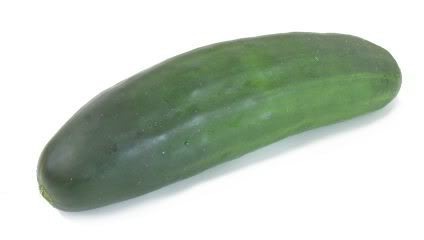

I couldn't help but think of when Stephen Fry said "This cocking cucumber won't behave!" when the man-dog's penis was like a vegetable. Ewwww.
Yoko Tawada cannot really be a Japanese lady living the high cultural life in Germany. She's the annoying kid in the back of the classroom who likes to ask their teacher why their dog likes to lick its butt. "Because it can," says the much harried teacher. She's had things in her hair an under her feet all damned day and she's tired and is it time to go home already. "Because there was a lonely middle aged teacher who was horny! And he licks HER butt!" kid Yoko proclaims with a triumphant look at her teacher. The teacher growls at the back of her throat. "See? You are already turning into a dog! *I* made that happen." Isn't this kid annoying as hell? She goes to her next class and hounds the next teacher about why he takes baths every day. "Because you have a drinking problem! It is to hide the smell!" But she really says some bullshit surrealist type of thing about how his feet don't have any heels and how things OUGHT to be. Can he reach the top of the liquor cabinet without any heels? She talks a lot and everyone wishes she'd shut up already. Her parents never make her shut up. They take her shopping and everyone else has to put up with her when they are trying to enjoy a pleasant meal in a nice restaurant. Then she goes home and refuses to put on clothes and walks in on her parents having sex. Then she walks in on the dogs having sex. *I* didn't have a kid! Why am I suffering like this?
Oh yeah...
Don't read this spoiler tag. I did deserve it.
I made the neighbors dogs stage a wedding when I was a kid. Outfits and all.
I had better use spoiler tags just in case... I mean, I don't fear goodreads... But what if I have to read another short story collection like this one? (Or some thing about punishing the innocent...)
I couldn't help but think of when Stephen Fry said "This cocking cucumber won't behave!" when the man-dog's penis was like a vegetable. Ewwww.
Yoko Tawada cannot really be a Japanese lady living the high cultural life in Germany. She's the annoying kid in the back of the classroom who likes to ask their teacher why their dog likes to lick its butt. "Because it can," says the much harried teacher. She's had things in her hair an under her feet all damned day and she's tired and is it time to go home already. "Because there was a lonely middle aged teacher who was horny! And he licks HER butt!" kid Yoko proclaims with a triumphant look at her teacher. The teacher growls at the back of her throat. "See? You are already turning into a dog! *I* made that happen." Isn't this kid annoying as hell? She goes to her next class and hounds the next teacher about why he takes baths every day. "Because you have a drinking problem! It is to hide the smell!" But she really says some bullshit surrealist type of thing about how his feet don't have any heels and how things OUGHT to be. Can he reach the top of the liquor cabinet without any heels? She talks a lot and everyone wishes she'd shut up already. Her parents never make her shut up. They take her shopping and everyone else has to put up with her when they are trying to enjoy a pleasant meal in a nice restaurant. Then she goes home and refuses to put on clothes and walks in on her parents having sex. Then she walks in on the dogs having sex. *I* didn't have a kid! Why am I suffering like this?
Oh yeah...
Don't read this spoiler tag. I did deserve it.
I made the neighbors dogs stage a wedding when I was a kid. Outfits and all.
March 3, 2025
Four stars + one extra since there’re a lot of sour pusses here who read weird stuff even though they never appreciate or like it but still read and rate it. Go read your dry realism and leave Yoko Tawada alone!

April 3, 2016
NB: this is a review of the New Directions Pearl edition, which contains only the title tale.
I'm not really sure what to make of this; it's been some time since I felt that I didn't have the background or knowledge I needed to get a work of literature at all. What's up with the long, irritating run on sentences? What's up with the puerile (puellile?) butt jokes? Do we really need the long introduction about community gossip before we get to the traditional fairy tale woman-nearly-marries-dog stuff? Is it even a traditional fairy tale? Why does nobody get messages in this book?
Then I realized that I could actually give pretty good explanations for all of this, and I felt very good about myself. The long, irritating run-on sentences sound like children speaking (at least in English), when they're breathless with the effort of trying to tell you everything at once--and this is, in part, a story about school children and how adults can connect with them. Ditto for the puellile butt jokes; that's how children learn about the things we respectable adult types would really rather not talk about (butts, shit, snot, cocks, pussy, etc...) The long introduction lets our author give us the outside view of the protagonist that we expect from a fairy tale (in which there is often no subjectivity), while still using some of the modernist techniques that make literature interesting to us (i.e., psychology). Is this a traditional Japanese fairy tale? I don't know, but it's pretty close to Chinese Fox stories, so that's good enough.
But that just opened up a whole raft of new problems for me. Like what in hell is going on? Why do the things that happen happen? What did Yoko want to do when she wrote this? I'm primed to imagine it's a fairly standard, liberal attack on hetero-normativity, but does that work the same way in Japan? I have no idea. I'll likely keep thinking about it, but I have little desire to re-read the thing, and that might have a lot to do with the style, even though there's no saying whether that because of the translator, because maybe it's the author's intention to write the way it's been translated here, and there's really no way to know unless I email Mitsutani to ask here, but how could I do that without being either stupid or offensive, I don't really know and anyway what's that shiny thing over there???
I'm not really sure what to make of this; it's been some time since I felt that I didn't have the background or knowledge I needed to get a work of literature at all. What's up with the long, irritating run on sentences? What's up with the puerile (puellile?) butt jokes? Do we really need the long introduction about community gossip before we get to the traditional fairy tale woman-nearly-marries-dog stuff? Is it even a traditional fairy tale? Why does nobody get messages in this book?
Then I realized that I could actually give pretty good explanations for all of this, and I felt very good about myself. The long, irritating run-on sentences sound like children speaking (at least in English), when they're breathless with the effort of trying to tell you everything at once--and this is, in part, a story about school children and how adults can connect with them. Ditto for the puellile butt jokes; that's how children learn about the things we respectable adult types would really rather not talk about (butts, shit, snot, cocks, pussy, etc...) The long introduction lets our author give us the outside view of the protagonist that we expect from a fairy tale (in which there is often no subjectivity), while still using some of the modernist techniques that make literature interesting to us (i.e., psychology). Is this a traditional Japanese fairy tale? I don't know, but it's pretty close to Chinese Fox stories, so that's good enough.
But that just opened up a whole raft of new problems for me. Like what in hell is going on? Why do the things that happen happen? What did Yoko want to do when she wrote this? I'm primed to imagine it's a fairly standard, liberal attack on hetero-normativity, but does that work the same way in Japan? I have no idea. I'll likely keep thinking about it, but I have little desire to re-read the thing, and that might have a lot to do with the style, even though there's no saying whether that because of the translator, because maybe it's the author's intention to write the way it's been translated here, and there's really no way to know unless I email Mitsutani to ask here, but how could I do that without being either stupid or offensive, I don't really know and anyway what's that shiny thing over there???

March 29, 2024
Dogman bangs a teacher! Weird!
This was a surreal, disturbing and funny novella. A quick, strange read for fans of Murakami!
This was a surreal, disturbing and funny novella. A quick, strange read for fans of Murakami!

March 4, 2008
The Bridegroom Was a Dog was a daydream. I read it and wanted more afterwards. I didn't think it was as absurd as people made it out to be, if anything it was wildly imaginative. I've read lots of reviews by people who didn't like the book at all, claiming it lacked a 'point.' But I felt, that for such a small book, there is a strong sense of Tawada's conflicts with gender and cultural differences. It turned me on to surrealist writing again. Each story had its own personality and rhythm. While I usually am not a huge fan of short stories, this book simply flowed and I truly enjoyed it.

November 28, 2018
Disturbing with the occasional touch of grotesque, but all delivered in a playful manner. Much of the humor and the appeal of the book derives from having all these disturbing things done by one character or another, but with a very nonchalant behavior, as if they couldn't understand for the life of them why anyone could be bothered by them.
What made me like the story was the subtle way of referencing old Japanese folklore, like the hints about people being possessed by animal spirits (Taro, the bridegroom who behaves like a dog, and his wife with her distinctively fox-life strangeness). All in all, it's an interesting read that you can't put down, and it reads quite fast once you get to it.
What made me like the story was the subtle way of referencing old Japanese folklore, like the hints about people being possessed by animal spirits (Taro, the bridegroom who behaves like a dog, and his wife with her distinctively fox-life strangeness). All in all, it's an interesting read that you can't put down, and it reads quite fast once you get to it.

December 17, 2024
erg vreemd 👍

June 8, 2025
This novella is odd. As bizarre as the title, The Bridegroom was a dog is a disturbingly funny story on folklore retelling told in this sparse, unflinching portrayal of a wild imaginative plot. Its unusual & dry tone made me laugh & cringe at times but the bizarreness in its surrealism is a charm to behold. Told in a direct manner, with no stylistic or superfluous sentences, the way Yoko Tawada crafted a story with no filters on the lewdness & some heavy innuendos are such a wild thing to read.
The Bridegroom was a Dog can be interpreted in many ways. It can mean there are some things just cannot be explained so lets leave it up to our imagination. Started with the gossips and rumors of the Mitsuko's school where children listened to these interestingly weird stories from the young teacher herself. She is a quirky character, the kind that has attractiveness, sensual & unexpected charm. A snot tissue paper to wipes yourself, the story said to be folklore tale in disguise of Princess and the Dog, the stories with double meanings & innuendo only the adults understand made the mothers of the kids blushed while the children laugh ignorantly. The second part of the story when a guy named Taro come to Mitsuko's house suddenly & they had a relationship is offbeat hilarious for how peculiar their intimacy were.
Do I try to find meaning in what I'm reading in this book? I dont because by the time I opened this novella, I just turned off the brain and let it be. But I found this both amusing & off putting, certainly not the kind of story that people would enjoy. You want weird Japanese novel, this can be as weird & freaky you can get. Oh, I also think it kinda exposed the complexity of sexuality in the traditional sense, on how it break the barrier of the expectations but gets progressively creepy by the end 💀
Thank u Definitely Books for the review copy
The Bridegroom was a Dog can be interpreted in many ways. It can mean there are some things just cannot be explained so lets leave it up to our imagination. Started with the gossips and rumors of the Mitsuko's school where children listened to these interestingly weird stories from the young teacher herself. She is a quirky character, the kind that has attractiveness, sensual & unexpected charm. A snot tissue paper to wipes yourself, the story said to be folklore tale in disguise of Princess and the Dog, the stories with double meanings & innuendo only the adults understand made the mothers of the kids blushed while the children laugh ignorantly. The second part of the story when a guy named Taro come to Mitsuko's house suddenly & they had a relationship is offbeat hilarious for how peculiar their intimacy were.
Do I try to find meaning in what I'm reading in this book? I dont because by the time I opened this novella, I just turned off the brain and let it be. But I found this both amusing & off putting, certainly not the kind of story that people would enjoy. You want weird Japanese novel, this can be as weird & freaky you can get. Oh, I also think it kinda exposed the complexity of sexuality in the traditional sense, on how it break the barrier of the expectations but gets progressively creepy by the end 💀
Thank u Definitely Books for the review copy
February 12, 2026
wtf heb ik net gelezen .. cannot get over the butt licking scene

August 28, 2026
Intriguing, if a little weird. A novella I read in an hour. An imaginative storyline that weaves a quilt of whispers and rumours. A lovely writing style.

January 2, 2025
I'm not sure what I just read. I know it is a collection of short stories. But what was that? And why? Is it the translation? Is it me?

March 11, 2023
Compact, bizarre, pro-active, and a little lost.

August 30, 2022
Firstly, the edition I have seems to be different from what others have mentioned. I read a small 60 page book which only contains that title story, not three short stories.
I am still trying to process this strange story. The first thing I’m surprised isn’t mentioned more is the length of the sentences. They are ridiculously long. I did get used to it as a style by the end, but initially I struggled to focus. In hindsight it kind of works with this slightly chaotic story.
Mitsuko is an unusual woman who works as a teacher and runs a small school alone. She tells disturbing stories to the kids who seem to love her. I didn’t make the connection between the unrepeatable dog story and the appearance of Taro, but I probably should have. I get now there was some symbolism happening. At the time I was just disturbed by what he did and continued to do and Mitsuko just passively going along with it.
Yeah, this story was…interesting.
I am still trying to process this strange story. The first thing I’m surprised isn’t mentioned more is the length of the sentences. They are ridiculously long. I did get used to it as a style by the end, but initially I struggled to focus. In hindsight it kind of works with this slightly chaotic story.
Mitsuko is an unusual woman who works as a teacher and runs a small school alone. She tells disturbing stories to the kids who seem to love her. I didn’t make the connection between the unrepeatable dog story and the appearance of Taro, but I probably should have. I get now there was some symbolism happening. At the time I was just disturbed by what he did and continued to do and Mitsuko just passively going along with it.
Yeah, this story was…interesting.

September 17, 2022
At 60 odd pages or so, Tawada Yoko’s Akutagawa Prize winning novella, The Bridegroom Was a Dog, is an enigmatic and dreamlike read that subtly questions the nature of conventional society and probes the liminal boundary between myth and reality. The story revolves around a suburban Tokyo schoolteacher, Kitanura Mitsuko , and her relationship with a mysterious suitor who may or may not be a dog. The journey Mitsuko travels from the start of the novel to its end is one of discovery - of her own sexuality, and her ability to flaunt middle class social conventions. Filled with allusions to Japanese mythology, particularly that of the Kitsune - a shapeshifting woman who can transform into a fox - this book bravely addresses issues such as homophobia and the expectations placed on women to conform to social norms. Five stars.

April 3, 2009
once again: japanese people are weird. i don't really know what this book was on about. it was like an haruki murakami book, only minus the feeling and mystery and tension, while being much weirder on a superficial level, and more sexually open. (well, murakami's pretty sexually open, sometimes.)
also it talked about snot a LOT in the beginning, which is a real turn-off as far as i'm concerned. who wants to read about snot? not me.
had some good moments and lines, though. but yeah... beats me what it was all about.
also it talked about snot a LOT in the beginning, which is a real turn-off as far as i'm concerned. who wants to read about snot? not me.
had some good moments and lines, though. but yeah... beats me what it was all about.

February 17, 2026
Baffling? I don’t think so. Curious, yes. About sexual freedom and also desire, both maternal and sexual. A very interesting treatment of the werewolf, in this case, feminized and queered. And so much for the busy bodies who make others’ private lives their business. No wonder our two protagonists leave town! Wholly original. I loved it.
January 14, 2026
Hai truyện ngắn trong tập đều hay. Bìa đẹp, giấy thơm, dịch ổn. Mỗi tội biên tập sót lỗi (ít nhất 3 lỗi soát chính tả), và Nhật Chiêu viết lời giới thiệu như dở hơi vì căn bản không hiểu tác giả viết gì.

April 7, 2026
Raar 😂

May 1, 2025
(updated review after a reread)
A light, surreal premise that observed and revolved on a theme of identity and social conformity that was told in a dreamlike reality-bending narrative. I followed Mitsuko; a school teacher who became the center of gossips among the folks at the town regarding her ways of teaching after she shared a fable to her students about a princess who married a dog. Later, the fable that Mitsuko told seemed to reflect into her life when a strange man suddenly appeared acting in an animal-like manner and started to live at her house.
Despite my love-hate for its mundane, minimalist tone and sparse-styled prose, the premise was actually an easy to grasp and delve into. The interactions in between Mitsuko and Taro can be intimately uncomfortable at times, bit drama-ish with all the talks around the town and backstory about Taro’s identity that soon surfaced. Whether a love-triangle or something it was bizarre even for how Mitsuko’s relationship with Fukiko go from a teacher-student to that incident revolving Fukiko’s father and the unexpected, perplexed ending of the chaos.
A tale that challenge norms and appreciate ambiguity in its social and gender commentary arc; sharp, subtle and unemotionally intrigued. Still find it fairly gripping in my second time reading it— a freaky, dreamy in a way and totally odd overall.
**thank you Pansing Distribution for the gifted physical copy!
A light, surreal premise that observed and revolved on a theme of identity and social conformity that was told in a dreamlike reality-bending narrative. I followed Mitsuko; a school teacher who became the center of gossips among the folks at the town regarding her ways of teaching after she shared a fable to her students about a princess who married a dog. Later, the fable that Mitsuko told seemed to reflect into her life when a strange man suddenly appeared acting in an animal-like manner and started to live at her house.
Despite my love-hate for its mundane, minimalist tone and sparse-styled prose, the premise was actually an easy to grasp and delve into. The interactions in between Mitsuko and Taro can be intimately uncomfortable at times, bit drama-ish with all the talks around the town and backstory about Taro’s identity that soon surfaced. Whether a love-triangle or something it was bizarre even for how Mitsuko’s relationship with Fukiko go from a teacher-student to that incident revolving Fukiko’s father and the unexpected, perplexed ending of the chaos.
A tale that challenge norms and appreciate ambiguity in its social and gender commentary arc; sharp, subtle and unemotionally intrigued. Still find it fairly gripping in my second time reading it— a freaky, dreamy in a way and totally odd overall.
**thank you Pansing Distribution for the gifted physical copy!
March 21, 2025
this book felt like a dream you have during a restless nap during the day.. you wake up from time to time but when you back to sleep you keep seeing the continuation of the previous dream

November 10, 2008
Yoko Tawada is good. This book of 3 short narratives is the first of her works to be translated in English. These twisted tales are funny and slightly sinister. In the title story, a ‘cram’ school teacher tells her students a story about a little princess whose hand in marriage is promised to a dog as a reward for licking her bottom clean; only to have her own life turned upside down by the sudden appearance of a dog-like man with a predilection for the same part of her anatomy. The second story, Missing Heels, a mail-order bride arrives at her new husband’s home. She attempts to learn the culture of her new homeland and normalcy is questioned. She appears to have missing heels and it appears her husband is of a somewhat different species. The last story, The Gotthard Railway, is about a reporter fixated on entering things.
I’ve never been inside a man. Everyone was once trapped in the belly of a woman we call Mother, and yet we go to our graves without knowing what a father’s body is like inside.
I’ve never been inside a man. Everyone was once trapped in the belly of a woman we call Mother, and yet we go to our graves without knowing what a father’s body is like inside.

March 5, 2025
In andere vertalingen bevat dit boek blijkbaar drie korte verhalen maar de e-book versie van KoboPlus bevatte enkel het titelverhaal.
Dit is het meest vreemde verhaal dat ik ooit las. Ik denk dat je Japans moet zijn om te begrijpen waarom de onconventionele verhaalkeuzes gemaakt zijn. Ik ben er gewoon in meegegaan en kan het wel waarderen.
Dit is het meest vreemde verhaal dat ik ooit las. Ik denk dat je Japans moet zijn om te begrijpen waarom de onconventionele verhaalkeuzes gemaakt zijn. Ik ben er gewoon in meegegaan en kan het wel waarderen.

May 8, 2020
Brudgommen var en hund af japanske Yoko Tawada er en lige så bemærkelsesværdig fortælling, som titlen kunne antyde. Og lige så bemærkelsesværdig god.
Læs hele min anmeldelse på K’s bognoter: https://bognoter.dk/2020/05/06/yoko-t...
Læs hele min anmeldelse på K’s bognoter: https://bognoter.dk/2020/05/06/yoko-t...

April 30, 2026
Yoko Tawada là nhà văn đứng ở đường biên giữa hai ngôn ngữ: bà vừa có khả năng sáng tác văn chương bằng tiếng Nhật, vừa có thể truyền đạt trọn vẹn tất thảy mọi trăn trở bà đeo mang bằng tiếng Đức. Tình thế lưỡng phân giữa hai thứ tiếng như khiến văn chương của bà cũng luôn lập lờ ở thế nước đôi, dễ dàng bị dạt trôi vào một khoảng không bất định nơi mà hai ngôn ngữ, vốn là hiện thân của hai nền văn hóa, luôn ở trạng thái vừa giao thoa, vừa cắt rạch lẫn nhau. Bản nguyên và truyện ngắn cùng tên ở tập Chàng chó chính là đại diện cho tình thế bất khả thỏa hiệp ấy.
Trong Bản nguyên, Yoko Tawada mô tả tình thế ‘bạo lực’ ngôn ngữ xuất hiện táo tợn ngay giữa một cộng đồng đa ngữ. Nhân vật chính của truyện là Michiko, một nữ du học sinh Nhật Bản đang cư trú tại Hamburg, Đức. Trong sinh hoạt thường nhật, Michiko luôn phải sống trong trạng thái bất tn, nhất là khi mà những giá trị gợi nhắc đến căn tính Nhật của cô luôn là đối tượng bị ngoại nhân phán xét. Cô liên tục bị nhận nhầm là cư dân thuộc về một nền văn hóa khác, bị ràng buộc trong những định kiến như ‘người Đông Á không có khả năng biểu lộ cảm xúc’, hay bắt buộc ‘phải trang điểm để có thể giống người Nhật hơn’. Cô không dám bộc lộ cảm xúc bằng ‘thứ tiếng Nhật vụng về’, luôn sợ hãi trước việc bày tỏ sự ‘ưu tiên’ với những món ăn Hàn, và đeo mặt nạ Fukai như một nỗ lực trở về cội nguồn, nhưng cuối cùng cũng mau chóng bị trượt đi vào khoảng trống vô định vốn luôn là nơi tụ họp của những cá thể vô danh tính.
Trong truyện ngắn này, thay vì trở thành phương tiện để giao tiếp và kết nối, ngôn ngữ trở thành hồ trũng nuốt chửng sự hiện hữu của con người giữa một thế giới toàn cầu không ngừng chuyển động. Hồ trũng soi bóng mặt người, nhưng là một diện mục trống vắng ngũ quan, thuộc về một thân thể không có điểm neo và là điểm tụ của một căn tính mà mọi lớp trầm tích văn hóa đã mau chóng bj rửa trôi. Để có thể trốn chạy khỏi tình trạng nguy nan ấy, Michiko chỉ còn biết cách hoặc bấu víu vào những cá thể ‘Nhật’ hơn, hoặc giả trang thành những cá thể ‘phi-Nhật’ nhằm mục đích hòa lẫn vào đám đông cũng đang kẹt lại ở hồ trũng như chính bản thân mình.
Nếu Bản nguyên chỉ rõ những hậu quả của sự ‘bạo lực’ về mặt ngôn ngữ, Chàng chó lại là câu chuyện cổ tích thời hiện đại mô tả trạng thái dị thường của những ‘kẻ lạ’ trong cộng đồng. Xuất phát từ mô típ ‘chàng rể động vật’ trong truyện cổ tích, Yoko Tawada tường thuật câu chuyện của một ‘chàng rể chó’ phá kén chui ra từ một nhân viên văn phòng bình thường, không may bị chó cắn. Chàng rể này cũng biết quét tước, nấu ăn, bài trí nhà cửa, nhưng lại liên tục hành xử như động vật. Theo đó, trong khi Bản nguyên trình bày trạng thái lạc loài về mặt văn hóa, Chàng chó lại thể hiện tình thế lạc lõng trên quy mô giống loài. Ở đó, mọi quy chuẩn thông thường về mặt giao tiếp, ứng xử, kết giao đều bị phá bỏ, ‘con người’ không còn là trung tâm, mà bị gạt về phía ngoại vi của cộng đồng những kẻ không còn là người. Khi liên tục bị đặt trong tình thế ấy, như thế nào mới được xem là ‘người’ đây?
Không gian trống rỗng nhưng đầy đe dọa, cách biểu đạt đầy hình tượng nhưng cũng hết sức dung tục, lối hành văn mơ hồ nhưng đầy ắp ý nghĩa, Yoko Tawada cùng Chàng chó xứng đáng là những hiện tượng đáng để người đọc tiếp tục tìm tới sau khi đã may mắn có cơ hội được tiếp xúc với bà dù chỉ một lần thôi./.
Trong Bản nguyên, Yoko Tawada mô tả tình thế ‘bạo lực’ ngôn ngữ xuất hiện táo tợn ngay giữa một cộng đồng đa ngữ. Nhân vật chính của truyện là Michiko, một nữ du học sinh Nhật Bản đang cư trú tại Hamburg, Đức. Trong sinh hoạt thường nhật, Michiko luôn phải sống trong trạng thái bất tn, nhất là khi mà những giá trị gợi nhắc đến căn tính Nhật của cô luôn là đối tượng bị ngoại nhân phán xét. Cô liên tục bị nhận nhầm là cư dân thuộc về một nền văn hóa khác, bị ràng buộc trong những định kiến như ‘người Đông Á không có khả năng biểu lộ cảm xúc’, hay bắt buộc ‘phải trang điểm để có thể giống người Nhật hơn’. Cô không dám bộc lộ cảm xúc bằng ‘thứ tiếng Nhật vụng về’, luôn sợ hãi trước việc bày tỏ sự ‘ưu tiên’ với những món ăn Hàn, và đeo mặt nạ Fukai như một nỗ lực trở về cội nguồn, nhưng cuối cùng cũng mau chóng bị trượt đi vào khoảng trống vô định vốn luôn là nơi tụ họp của những cá thể vô danh tính.
Trong truyện ngắn này, thay vì trở thành phương tiện để giao tiếp và kết nối, ngôn ngữ trở thành hồ trũng nuốt chửng sự hiện hữu của con người giữa một thế giới toàn cầu không ngừng chuyển động. Hồ trũng soi bóng mặt người, nhưng là một diện mục trống vắng ngũ quan, thuộc về một thân thể không có điểm neo và là điểm tụ của một căn tính mà mọi lớp trầm tích văn hóa đã mau chóng bj rửa trôi. Để có thể trốn chạy khỏi tình trạng nguy nan ấy, Michiko chỉ còn biết cách hoặc bấu víu vào những cá thể ‘Nhật’ hơn, hoặc giả trang thành những cá thể ‘phi-Nhật’ nhằm mục đích hòa lẫn vào đám đông cũng đang kẹt lại ở hồ trũng như chính bản thân mình.
Nếu Bản nguyên chỉ rõ những hậu quả của sự ‘bạo lực’ về mặt ngôn ngữ, Chàng chó lại là câu chuyện cổ tích thời hiện đại mô tả trạng thái dị thường của những ‘kẻ lạ’ trong cộng đồng. Xuất phát từ mô típ ‘chàng rể động vật’ trong truyện cổ tích, Yoko Tawada tường thuật câu chuyện của một ‘chàng rể chó’ phá kén chui ra từ một nhân viên văn phòng bình thường, không may bị chó cắn. Chàng rể này cũng biết quét tước, nấu ăn, bài trí nhà cửa, nhưng lại liên tục hành xử như động vật. Theo đó, trong khi Bản nguyên trình bày trạng thái lạc loài về mặt văn hóa, Chàng chó lại thể hiện tình thế lạc lõng trên quy mô giống loài. Ở đó, mọi quy chuẩn thông thường về mặt giao tiếp, ứng xử, kết giao đều bị phá bỏ, ‘con người’ không còn là trung tâm, mà bị gạt về phía ngoại vi của cộng đồng những kẻ không còn là người. Khi liên tục bị đặt trong tình thế ấy, như thế nào mới được xem là ‘người’ đây?
Không gian trống rỗng nhưng đầy đe dọa, cách biểu đạt đầy hình tượng nhưng cũng hết sức dung tục, lối hành văn mơ hồ nhưng đầy ắp ý nghĩa, Yoko Tawada cùng Chàng chó xứng đáng là những hiện tượng đáng để người đọc tiếp tục tìm tới sau khi đã may mắn có cơ hội được tiếp xúc với bà dù chỉ một lần thôi./.

August 1, 2018
รวมเรื่องสั้นสองเรื่องในหนึ่งเล่มที่เราสารภาพว่าอ่านชื่อหนังสือผิดมาตลอด (เป็น คุณหมาเขย่าขวัญ) เนื่องจากเล่มเล็กเลยตัดสินใจหยิบอ่านได้โดยง่าย คาดว่าจะเจอกับเรื่องราวแปลกๆ ตามสไตล์สำนักพิมพ์ ซึ่งก็ไม่ผิดหวัง
เรื่องแรก ดำเนินในญี่ปุ่น เกี่ยวกับครูสาวนิสัยเพี้ยน พบเจอกับเรื่องไม่ธรรมดา ถึงแม้การเล่าเรื่องจะเป็นไปในจังหวะไม่คุ้นเคย แต่นักเขียนก็ยังทำให้อ่านได้เพลิดเพลิน ด้วยการสร้างตัวละครที่มีเสน่ห์ อาทิเช่น อีนุมะคุงกับคำว่า นั่นสินะครับ ของเค้า
เรื่องสอง หน้ากาก เกิดในเยอรมัน เล่าถึงสองพี่น้องนักศึกษาชาวญี่ปุ่นที่ไปเรียนต่อ อ่านรู้เรื่องแต่ไม่รู้จะสื่ออะไร อยู่ในระดับอ่านก็ได้ไม่อ่านก็ได้ หรืออ่านแล้วเอามาอ่านอีกก็ได้ เพราะอาจต้องใช้เวลาในการปอกเปลือกหาเนื้อที่ซ่อนอยู่ในรูปแบบการเล่าเรื่องแบบ 'สรุป' นี้นิดนึง
ที่จริงก็ยากที่จะบอกว่าชอบไม่ชอบ ขึ้นอยู่กับรสนิยม แต่ส่วนตัวแล้วไม่มีเรื่องไหนที่อินมากๆ เลย คิดว่า คงเป็นหนังสือที่ไม่ได้เหมาะกับทุกคน
เรื่องแรก ดำเนินในญี่ปุ่น เกี่ยวกับครูสาวนิสัยเพี้ยน พบเจอกับเรื่องไม่ธรรมดา ถึงแม้การเล่าเรื่องจะเป็นไปในจังหวะไม่คุ้นเคย แต่นักเขียนก็ยังทำให้อ่านได้เพลิดเพลิน ด้วยการสร้างตัวละครที่มีเสน่ห์ อาทิเช่น อีนุมะคุงกับคำว่า นั่นสินะครับ ของเค้า
เรื่องสอง หน้ากาก เกิดในเยอรมัน เล่าถึงสองพี่น้องนักศึกษาชาวญี่ปุ่นที่ไปเรียนต่อ อ่านรู้เรื่องแต่ไม่รู้จะสื่ออะไร อยู่ในระดับอ่านก็ได้ไม่อ่านก็ได้ หรืออ่านแล้วเอามาอ่านอีกก็ได้ เพราะอาจต้องใช้เวลาในการปอกเปลือกหาเนื้อที่ซ่อนอยู่ในรูปแบบการเล่าเรื่องแบบ 'สรุป' นี้นิดนึง
ที่จริงก็ยากที่จะบอกว่าชอบไม่ชอบ ขึ้นอยู่กับรสนิยม แต่ส่วนตัวแล้วไม่มีเรื่องไหนที่อินมากๆ เลย คิดว่า คงเป็นหนังสือที่ไม่ได้เหมาะกับทุกคน

September 10, 2024
Rather odd and unsettling tale. At times it feels like an old-fashioned fairy tale (though markedly less bloody), but it also has a modern sense of unease with the world. Yoko Tawada is a great storyteller and I love reading her once again.

December 30, 2024
Ontzettend vreemde surrealistische vertelling over een vrouw die een kinderdagverblijf runt en die thuis wordt “overvallen” door een man die zich zeer vreemd gedraagt en bij haar intrekt. Hij vertoont dierlijke kenmerken en verdwijnt, net zoals de vrouw weer net zo plotseling als hij kwam. Heel vreemde, maar intrigerende novelle.
Displaying 1 - 30 of 416 reviews