

What do you think?

ATTIC EBK
The Attic explores the relationship of a young man, known only as Orpheus, to the art of writing; it also tracks his relationship with a colorful cast of characters.
The Attic is Danilo Kiš’s first novel. Written in 1960, published in 1962, and set in contemporary Belgrade, it explores the relationship of a young man, known only as Orpheus, to the art of writing; it also tracks his relationship with a colorful cast of characters with nicknames such as Eurydice, Mary Magdalene, Tam-Tam,and Billy Wise Ass. Rich with references to music, painting, philosophy, and gastronomy, this bohemian Bildungsroman is a laboratory of technique and style for the young Kiš—at once a depiction of life in literary Belgrade, a register of stylistic devices and themes that would recur throughout Kiš’s oeuvre, and an account of one young man’s quest to find a way to balance his life, his loves, and his art.115 pages, Kindle Edition
First published January 1, 1962
About the author
Danilo Kiš
92 books552 followersDanilo Kiš was born in Subotica, Danube Banovina, Kingdom of Yugoslavia, the son of Eduard Kiš (Kis Ede), a Hungarian Jewish railway inspector, and Milica Kiš (born Dragićević) from Cetinje, Montenegro. During the Second World War, he lost his father and several other family members, who died in various Nazi camps. His mother took him and his older sister Danica to Hungary for the duration of the war. After the end of the war, the family moved to Cetinje, Montenegro, Yugoslavia, where Kiš graduated from high school in 1954.
Kiš studied literature at the University of Belgrade, and graduated in 1958 as the first student to complete a course in comparative literature. He was a prominent member of the Vidici magazine, where he worked until 1960. In 1962 he published his first two novels, Mansarda and Psalam 44. Kiš received the prestigious NIN Award for his Peščanik ("Hourglass") in 1973, which he returned a few years later, due to a political dispute.
During the following years, Kiš received a great number of national and international awards for his prose and poetry.
He spent most of his life in Paris and working as a lecturer elsewhere in France.
Kiš was married to Mirjana Miočinović from 1962 to 1981. After their separation, he lived with Pascale Delpech until his early death from lung cancer in Paris.
A film based on Peščanik (Fövenyóra) directed by the Hungarian Szabolcs Tolnai is currently in post-production.
Kiš was nominated for the Nobel Prize in Literature and was due to win it, were it not for his untimely death in 1989.
Kiš studied literature at the University of Belgrade, and graduated in 1958 as the first student to complete a course in comparative literature. He was a prominent member of the Vidici magazine, where he worked until 1960. In 1962 he published his first two novels, Mansarda and Psalam 44. Kiš received the prestigious NIN Award for his Peščanik ("Hourglass") in 1973, which he returned a few years later, due to a political dispute.
During the following years, Kiš received a great number of national and international awards for his prose and poetry.
He spent most of his life in Paris and working as a lecturer elsewhere in France.
Kiš was married to Mirjana Miočinović from 1962 to 1981. After their separation, he lived with Pascale Delpech until his early death from lung cancer in Paris.
A film based on Peščanik (Fövenyóra) directed by the Hungarian Szabolcs Tolnai is currently in post-production.
Kiš was nominated for the Nobel Prize in Literature and was due to win it, were it not for his untimely death in 1989.
Ratings & Reviews
Friends & Following
Create a free account to discover what your friends think of this book!
Community Reviews
Displaying 1 - 30 of 87 reviews

July 11, 2021
In the beginning of the novel, there is an unobvious reference to Crimen amoris, a poem by Paul Verlaine:
“In a palace of silk and gold, in Ecbatana,
Beautiful demons, adolescent Satans brave,
Mid the sound of dulcimers of Arabia,
To the seven sins their fivefold senses gave.”
Somehow these picturesque lines summarize the rebellious spirit of The Attic.
The author identifies himself with Orpheus consequently the first chapter is called Eurydice…
The bohemian attic, in which the raconteur abides, is somewhere in between Olympus and Tartarus: friendship and love, music and lyricism, dreams and fantasies, imaginary journeys and imaginary returns from the imagined voyages…
Youth is a poetic season – all the colours are so bright and fresh.
“In a palace of silk and gold, in Ecbatana,
Beautiful demons, adolescent Satans brave,
Mid the sound of dulcimers of Arabia,
To the seven sins their fivefold senses gave.”
Somehow these picturesque lines summarize the rebellious spirit of The Attic.
The author identifies himself with Orpheus consequently the first chapter is called Eurydice…
I listened to invisible trains weeping in the night and to crackly leaves latching onto the hard, frozen earth with their fingernails.
Everywhere packs of ravenous, scraggly dogs came out to meet us. They appeared out of dark doorways and squeezed through narrow openings in the fences. They would accompany us mutely in large packs. But from time to time they would raise their somber, sad eyes to look at us. They had some sort of strange respect for our noiseless steps, for our embraces.
The bohemian attic, in which the raconteur abides, is somewhere in between Olympus and Tartarus: friendship and love, music and lyricism, dreams and fantasies, imaginary journeys and imaginary returns from the imagined voyages…
In late autumn I returned to the attic. I climbed the stairs excitedly, lugging my heavy backpack loaded with shells and the seeds of exotic plants. I had brought a gift for everyone: for Eurydice a necklace of dolphin teeth and a conch named Mandragora, for Igor a shrunken head from Equatorial Africa, and for the old cleaning lady a seven-colored reed mat.
Youth is a poetic season – all the colours are so bright and fresh.

July 19, 2024
3.5
I am writing in order to emancipate myself from my egoism.
The Attic is where our writer philosopher who calls himself Orpheus and his friend Igor live and dream and sleepwalk.
We live there because of its proximity to the stars.
The story is set in the Yugoslavia of the 1950s and revolves around the two characters, the women they love and the people they encounter.
What would we be like without journeys, without conversations?
It was difficult, reading this plot-less book, to differentiate between what was real and what was a dream. The book is mainly a series of conversation, philosophical discussions about life and diary entries.
Such is life. It grabs people by the soul and doesn’t let them breath.
I am writing in order to emancipate myself from my egoism.
The Attic is where our writer philosopher who calls himself Orpheus and his friend Igor live and dream and sleepwalk.
We live there because of its proximity to the stars.
The story is set in the Yugoslavia of the 1950s and revolves around the two characters, the women they love and the people they encounter.
What would we be like without journeys, without conversations?
It was difficult, reading this plot-less book, to differentiate between what was real and what was a dream. The book is mainly a series of conversation, philosophical discussions about life and diary entries.
Such is life. It grabs people by the soul and doesn’t let them breath.

April 4, 2015
[Revised, pictures and shelves added 10/26/22]
Two young studs get a taste of the freedoms to come in the 1950s in Belgrade, Serbia (then Yugoslavia). They push the envelope, play music, get involved with women, and talk ceaselessly of poetry, writing and philosophy.
Their rented attic hangout is a dump. Later they open a pub. In this youthful male exuberance, I’m reminded of the Black Book by Lawrence Durrell.
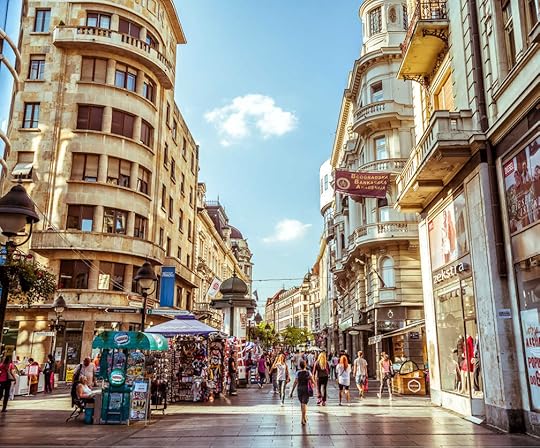
There is no plot and the story doesn’t really go anywhere. It’s a quick read, just about 100 pages, and I assume, since it was originally published in 1962, it was one of the early works of Kis who went on to better writings. The translator gives us an introduction.
Kis (1935-1989) is considered a Serbian writer. (I tread carefully in saying that because I often receive comments and corrections whenever I write about the ethnicity of authors from the former Yugoslavia.) His mother was a Serbian Orthodox Christian. His father was Jewish, born in Hungary and murdered at Auschwitz.

Kis is best known in English translation for his Encyclopedia of the Dead, which I have also reviewed, and for his Family Cycle trilogy: Early Sorrows, Garden, Ashes and Hourglass. He also wrote as much poetry as prose.
Top photo of modern-day Belgrade from traveloffpath.com
The author on a Montenegro stamp from Wikipedia
Two young studs get a taste of the freedoms to come in the 1950s in Belgrade, Serbia (then Yugoslavia). They push the envelope, play music, get involved with women, and talk ceaselessly of poetry, writing and philosophy.
Their rented attic hangout is a dump. Later they open a pub. In this youthful male exuberance, I’m reminded of the Black Book by Lawrence Durrell.
There is no plot and the story doesn’t really go anywhere. It’s a quick read, just about 100 pages, and I assume, since it was originally published in 1962, it was one of the early works of Kis who went on to better writings. The translator gives us an introduction.
Kis (1935-1989) is considered a Serbian writer. (I tread carefully in saying that because I often receive comments and corrections whenever I write about the ethnicity of authors from the former Yugoslavia.) His mother was a Serbian Orthodox Christian. His father was Jewish, born in Hungary and murdered at Auschwitz.
Kis is best known in English translation for his Encyclopedia of the Dead, which I have also reviewed, and for his Family Cycle trilogy: Early Sorrows, Garden, Ashes and Hourglass. He also wrote as much poetry as prose.
Top photo of modern-day Belgrade from traveloffpath.com
The author on a Montenegro stamp from Wikipedia

September 8, 2026
Once upon a time, in a world ancient and dark, there lived a legendary musician named Orpheus whose music was so heartbreakingly beautiful it could make the very stones weep. When his beautiful bride, Eurydice, was cruelly stolen by death and dragged down into the silent, shadow-choked depths of the underworld, Orpheus did the unthinkable: he walked straight into the jaws of hell to get her back. Armed only with the silvery strings of his lute, he charmed the monsters of the deep and begged the king of the dead for her release, winning her freedom on one strict, terrifying condition—he must march back to the land of the living and never look back to check if she was behind him. But near the very exit, consumed by an agony of doubt, he turned his head, only to watch her vanish into the mist forever as a weeping phantom, leaving him to wander the earth in eternal, broken-hearted isolation.
It is a sweeping, grand tragedy of cosmic proportions, an immortal monument to pure romantic suffering—which is precisely why Danilo Kiš takes this pristine classical myth, drags it up six flights of rickety wooden stairs, and violently shoves it face-first into a cramped Belgrade garret teeming with scurrying cockroaches, rat poison, and urine-soaked straw. The legendary underworld is instantly obliterated, replaced by a chaotic, fever-dream landscape where the ceiling molds itself into the thighs of Venus, where a Renaissance lute is casually stuffed with dirty rags to stop its agonizing sighs, and where our self-proclaimed Orpheus breaks down into pathetic sobbing next to a railway embankment because he is secretly terrified of trains and stray dogs eating wild autumn plums.
Welcome to a hallucinated theater of the mind, a reality where the narrative boundaries do not just blur—they actively dissolve into absolute, avant-garde disorder. Kiš constructs a multi-layered hall of mirrors where the narrator is simultaneously living his bohemian crisis, aggressively fictionalizing it in real-time under the same title, and swapping out identities with the erratic, telescope-wielding Igor, alias Billy Wiseass. Nothing in this text is anchored to solid ground; the pristine ideal of Eurydice collapses into a grotesque, shape-shifting degradation, dissolving into the reality of Marija and her literal striptease alter-ego, "Unforgettable Pussy" performing to the Persian March at a local festival. She becomes a phantom born entirely from the narrator's toxic egocentrism, communicating through cryptic notes scrawled in an illegible Sanskrit-like script that might just be a total figment of his feverish imagination. The book functions as a meta-fictional trap where the characters are acutely aware that they are trapped in a text, openly debating how many months along a pregnancy is not out of human concern, but out of absolute panic that an impending birth will accidentally force a "new character" onto the page and ruin the purity of the novel's form.
To navigate this text is to wade through a cluttered, experimental museum of the bizarre, a manic inventory of weird objects and absurd philosophical posturing that deliberately alienates the rational reader. Kiš packs his attic with a hyperdescriptive hoard of intellectual artifacts, locking irreplaceable works by Spinoza, Rimbaud, and Stendhal under a glass bell jar weighted down with a rock to protect them from ravenous rats.
The characters don’t just live; they aggressively perform their intellect, clawing Latin and Greek maxims into the damp walls with their bare fingernails until the blood spurts, using ancient wisdom like a desperate prayer of purification. When the claustrophobia of the garret becomes too heavy, the narrative spills out into a coastal dreamscape where the menu at the "Two Desperados" taverna reads like a surrealist manifesto—offering imported wines labeled "Eyes of Eurydice" and seafood dishes of "Dragonfly in Mayonnaise" right alongside a terrifying, house-specialty weapon called "The Desperados’ Pistol". It is an environment of calculated madness, where characters solemnly debate whether it is better to commit suicide or compromise with a flawed world, all while an eccentric old waiter insists that he can see literal moonshine dripping through a harpist's fingers.
This dizzying explosion of styles highlights the true essence of The Attic (Mansarda) : it is a fearless, highly audacious debut critique of the artistic process itself. Here we see a twenty-something Kiš throwing absolutely every literary technique at the wall to see what sticks, utilizing his "rigorous ethic of detail" to construct a frantic laboratory of form. He boldly borrows substantial chunks of text from Thomas Mann’s The Magic Mountain, blending heavy high-modernist pastiche with dirty Balkan realism, ironic humor, and listing games. It is raw, brash, and deliberately fragmented—the sound of a brilliant young writer weaponizing wordplay and meta-narration to hammer out his own artistic credo. By forcing the narrator to step outside his own head and confront the tragic, real-world misery of his neighbors downstairs—like the silent, slow self-destruction of Uncle Alek or the child suffering from whooping cough—Kiš uses the text to intentionally break his own toys. He forces his young artist to grow up, mapping out a profound transition from self-absorbed intellectual isolation to a deeply felt, universal human connectedness.
Ultimately, this relentless dismantling of the narrator’s egoism culminates in a fierce, satirical execution of the romanticized myth of the "suffering bohemian artist". Kiš takes that exhausting, cliché archetype—the tragic, brooding genius who cradles his instrument in a freezing room, wallowing in the glamorous romance of his own isolation—and completely sets it on fire. There is no nobility to be found in this squalor, only the rancid taste of goat’s blood, the sting of a beer bottle shattered over a head in a quayside bar fight, and a desperate protagonist practicing jujitsu and boxing just to knock some sense into his own skull. The grand quest for the ideal muse ends not with a tragic glance at the gates of hell, but with the sickening realization that the high-art ideal and the low-life street reality are the exact same entity—the idealized Eurydice ultimately unmasked in a trashy fifteen-minute routine called "Unforgettable Pussy" at a local fashion exhibition. By the time our battered hero stumbles out of his alcohol-scalded delirium, he has no choice but to throw his idealistic clamshell of a lute onto the flea market pile and "dismount from this planet". In a final, glorious middle finger to artistic pretension, Kiš drags his sleepwalking aesthetician down from the stars and forces him to look at the peeling paint of real life, abandoning the safe, sterile vacuum of bohemian vanity to face the beautifully messy and unvarnished world as it actually is.
A buddy read with the brilliant Yalla: read neither in a shabby attic nor under the infatuating moonlight, but through lit-up screens and the misshapen, stainless-steel comfort of modern life.
It is a sweeping, grand tragedy of cosmic proportions, an immortal monument to pure romantic suffering—which is precisely why Danilo Kiš takes this pristine classical myth, drags it up six flights of rickety wooden stairs, and violently shoves it face-first into a cramped Belgrade garret teeming with scurrying cockroaches, rat poison, and urine-soaked straw. The legendary underworld is instantly obliterated, replaced by a chaotic, fever-dream landscape where the ceiling molds itself into the thighs of Venus, where a Renaissance lute is casually stuffed with dirty rags to stop its agonizing sighs, and where our self-proclaimed Orpheus breaks down into pathetic sobbing next to a railway embankment because he is secretly terrified of trains and stray dogs eating wild autumn plums.
Welcome to a hallucinated theater of the mind, a reality where the narrative boundaries do not just blur—they actively dissolve into absolute, avant-garde disorder. Kiš constructs a multi-layered hall of mirrors where the narrator is simultaneously living his bohemian crisis, aggressively fictionalizing it in real-time under the same title, and swapping out identities with the erratic, telescope-wielding Igor, alias Billy Wiseass. Nothing in this text is anchored to solid ground; the pristine ideal of Eurydice collapses into a grotesque, shape-shifting degradation, dissolving into the reality of Marija and her literal striptease alter-ego, "Unforgettable Pussy" performing to the Persian March at a local festival. She becomes a phantom born entirely from the narrator's toxic egocentrism, communicating through cryptic notes scrawled in an illegible Sanskrit-like script that might just be a total figment of his feverish imagination. The book functions as a meta-fictional trap where the characters are acutely aware that they are trapped in a text, openly debating how many months along a pregnancy is not out of human concern, but out of absolute panic that an impending birth will accidentally force a "new character" onto the page and ruin the purity of the novel's form.
To navigate this text is to wade through a cluttered, experimental museum of the bizarre, a manic inventory of weird objects and absurd philosophical posturing that deliberately alienates the rational reader. Kiš packs his attic with a hyperdescriptive hoard of intellectual artifacts, locking irreplaceable works by Spinoza, Rimbaud, and Stendhal under a glass bell jar weighted down with a rock to protect them from ravenous rats.
The characters don’t just live; they aggressively perform their intellect, clawing Latin and Greek maxims into the damp walls with their bare fingernails until the blood spurts, using ancient wisdom like a desperate prayer of purification. When the claustrophobia of the garret becomes too heavy, the narrative spills out into a coastal dreamscape where the menu at the "Two Desperados" taverna reads like a surrealist manifesto—offering imported wines labeled "Eyes of Eurydice" and seafood dishes of "Dragonfly in Mayonnaise" right alongside a terrifying, house-specialty weapon called "The Desperados’ Pistol". It is an environment of calculated madness, where characters solemnly debate whether it is better to commit suicide or compromise with a flawed world, all while an eccentric old waiter insists that he can see literal moonshine dripping through a harpist's fingers.
This dizzying explosion of styles highlights the true essence of The Attic (Mansarda) : it is a fearless, highly audacious debut critique of the artistic process itself. Here we see a twenty-something Kiš throwing absolutely every literary technique at the wall to see what sticks, utilizing his "rigorous ethic of detail" to construct a frantic laboratory of form. He boldly borrows substantial chunks of text from Thomas Mann’s The Magic Mountain, blending heavy high-modernist pastiche with dirty Balkan realism, ironic humor, and listing games. It is raw, brash, and deliberately fragmented—the sound of a brilliant young writer weaponizing wordplay and meta-narration to hammer out his own artistic credo. By forcing the narrator to step outside his own head and confront the tragic, real-world misery of his neighbors downstairs—like the silent, slow self-destruction of Uncle Alek or the child suffering from whooping cough—Kiš uses the text to intentionally break his own toys. He forces his young artist to grow up, mapping out a profound transition from self-absorbed intellectual isolation to a deeply felt, universal human connectedness.
Ultimately, this relentless dismantling of the narrator’s egoism culminates in a fierce, satirical execution of the romanticized myth of the "suffering bohemian artist". Kiš takes that exhausting, cliché archetype—the tragic, brooding genius who cradles his instrument in a freezing room, wallowing in the glamorous romance of his own isolation—and completely sets it on fire. There is no nobility to be found in this squalor, only the rancid taste of goat’s blood, the sting of a beer bottle shattered over a head in a quayside bar fight, and a desperate protagonist practicing jujitsu and boxing just to knock some sense into his own skull. The grand quest for the ideal muse ends not with a tragic glance at the gates of hell, but with the sickening realization that the high-art ideal and the low-life street reality are the exact same entity—the idealized Eurydice ultimately unmasked in a trashy fifteen-minute routine called "Unforgettable Pussy" at a local fashion exhibition. By the time our battered hero stumbles out of his alcohol-scalded delirium, he has no choice but to throw his idealistic clamshell of a lute onto the flea market pile and "dismount from this planet". In a final, glorious middle finger to artistic pretension, Kiš drags his sleepwalking aesthetician down from the stars and forces him to look at the peeling paint of real life, abandoning the safe, sterile vacuum of bohemian vanity to face the beautifully messy and unvarnished world as it actually is.
A buddy read with the brilliant Yalla: read neither in a shabby attic nor under the infatuating moonlight, but through lit-up screens and the misshapen, stainless-steel comfort of modern life.

July 12, 2019
Ne mogu da se setim gde sam skoro pročitao nešto oko toga kako nas prava umetnost uči da bolje prepoznajemo sopstvene emocije, da produbljujemo to, da nije sve samo "tužno", "lepo", "srećno"....već da to "tužno" može biti ispod 50 različitih vrsta tuge i da je svaka jedinstvena.
Kiš je nešto tako uspeo u ovoj knjizi, tako živopisno, a lagano je opisao neka osećanja za koja nisam ni znao da ih imam.
Kiš je nešto tako uspeo u ovoj knjizi, tako živopisno, a lagano je opisao neka osećanja za koja nisam ni znao da ih imam.

July 8, 2020
"To je zato što ideš iz krajnosti u krajnost. Nije li život negde između toga?"
Iskrena subjektivna ocena bi bila 3.5/5 i to verovatno zbog sopstvene nemoći i neznanja da skopčam šta je Kiš sve ovde hteo da kaže. A što je najjače, ubeđena sam da bih joj dala najvišu ocenu da sam je čitala sa 17 godina kada sam se ložila na sve što se trudi da bude duboko, ludo, filozofsko, poetično i patetično. Neću reći i zbog latinskog, na latinski se ložim još uvek, a jedan hot take:
Kiš je ovde tako dark academia.
Njegovi likovi su samoprozvani umetnici, pisci, pesnici, intelektualci koji jedva krpe kraj sa krajem i žive u tom raspalom stanu na tavanu gde se opijaju, verovatno i drogiraju, i pokušavaju da skopčaju život, željni autentičnog iskustva ("sećaš li se da smo hteli da postanemo ubice, samo zato da bismo se obogatili i tim iskustvom"; Henry Winter, ti ste?!).
Pa još kad kaže: "Svuda smo po zidu ispisali latinske i grčke sentence kojih smo se pridržavali kao deset božjih zapovesti i izgovarali ih u časovima intelektualnih kriza i očajanja kao molitve očišćenja" ili "Onaj od nas dvojice koji je bio u stanju amoka, ljuljao bi se u škripavoj stolici i izgovarao pitijska proroštva i vizije."
Dakle, da, ovo je roman koji bi definitivno više legao staroj i mlađoj (ha) meni koja je baš volela motiv vozova, sve što vuče na Miljkovića, što spominje Remboa i Van Goga i što "putuje zvezdama bliže".
Iskrena subjektivna ocena bi bila 3.5/5 i to verovatno zbog sopstvene nemoći i neznanja da skopčam šta je Kiš sve ovde hteo da kaže. A što je najjače, ubeđena sam da bih joj dala najvišu ocenu da sam je čitala sa 17 godina kada sam se ložila na sve što se trudi da bude duboko, ludo, filozofsko, poetično i patetično. Neću reći i zbog latinskog, na latinski se ložim još uvek, a jedan hot take:
Kiš je ovde tako dark academia.
Njegovi likovi su samoprozvani umetnici, pisci, pesnici, intelektualci koji jedva krpe kraj sa krajem i žive u tom raspalom stanu na tavanu gde se opijaju, verovatno i drogiraju, i pokušavaju da skopčaju život, željni autentičnog iskustva ("sećaš li se da smo hteli da postanemo ubice, samo zato da bismo se obogatili i tim iskustvom"; Henry Winter, ti ste?!).
Pa još kad kaže: "Svuda smo po zidu ispisali latinske i grčke sentence kojih smo se pridržavali kao deset božjih zapovesti i izgovarali ih u časovima intelektualnih kriza i očajanja kao molitve očišćenja" ili "Onaj od nas dvojice koji je bio u stanju amoka, ljuljao bi se u škripavoj stolici i izgovarao pitijska proroštva i vizije."
Dakle, da, ovo je roman koji bi definitivno više legao staroj i mlađoj (ha) meni koja je baš volela motiv vozova, sve što vuče na Miljkovića, što spominje Remboa i Van Goga i što "putuje zvezdama bliže".

September 22, 2016
''Θέε μου για πόσο καιρό ζούσα στην Σοφίτα λες και ήταν κάποιο μακρινό αστέρι''
And true love waits
In haunted attics
Είναι το πιο ιδιαίτερο βιβλίο που διάβασα επιλέγοντας το λογω εξωφύλλου. Και μετά γύρισα να διαβάσω το οπισθόφυλλο και μου φάνηκε ενδιαφέρον. Τίποτα όμως δεν προοικονομούσε ότι θα διάβαζα κατι τέτοιο. Είναι το πρώτο μυθιστόρημα του Σέρβου συγγραφέα Ντανίλο Κις και ο ίδιος το περιγράφει σαν την δική του διανοουμενίστικη και συναισθηματική βιογραφία, ακτινογραφία των εφηβικών χρόνων της εκμάθησης, των ανησυχιών, και των ανταρσιών του. Eίναι meta, σουρεαλιστικό, αστείο, ειρωνικό, τρυφερό με κυνικούς ενίοτε σπαρταριστούς διαλόγους, συμβολισμούς. Στην ουσία την ώρα που εμεις διαβάζουμε την ιστορία ο συγγραφέας την πλάθει, την αλλάζει, την εμποτίζει με φαντασιώσεις, επιρροές (υπάρχει αυτούσιο απόσπασμα από το μαγικό βουνό του Μαν τοσο φυσικά σπαρμένο στην αφήγηση)! Η σοφίτα δεν είναι το μέρος μονο οπου συναντιέται με την Ευρυδίκη του και εκείνος σαν ένας άλλος Ορφέας παίζει το λαούτο του αλλα και το ίδιο το συναρπαστικό, χαοτικό, πολύχρωμο και σκοτεινό μυαλό του. Με τοίχους γραμμένους με λατινικούς στίχους και αποφθέγματα και σκιές που σχηματίζουν ηπείρους και βουνά και δάση, και αστερισμους και τον καλό του σοφό φίλο Τράγο-Εξυπνάκια(μορφές όπως αυτή ή ο ιθαγενής Ταμ-Ταμ , η Βρόμικη Γάτα δεν είναι παρα εξιδανικεύσεις ή περιπαιχτικά πορτραίτα πραγματικών προσώπων). Προσπαθεί να ανάγει την πραγματικότητα σε τέχνη-φαντασίωση και το αντίστροφο. Αναζητά την αγάπη μέσα από σκόρπιες αναμνήσεις και δυσανάγνωστα ραβασάκια. Μιας αγάπης που δεν έγινε ποτέ αλλα πονά οπου κι αν την αγγίξεις. Και ο δύσμοιρος Ορφέας μας να την κατηγορεί ότι του άρπαξε το αριστούργημα του, τον εγωισμό του. Και να ψάχνει γιατρειά και να μη βρίσκει. Πως να το τελειώσεις αραγε αυτό το μυθιστόρημα χωρίς αυτήν ??
‘’Γιατι δεν αυτοκτονείς λαουτιέρη, ξέρω ότι χωρίς την Ευρυδίκη είσαι μόνο μια σκιά. Αυτοκτόνησε, αποτελείωσε την σκιά σου δεν έχεις γεννηθεί για συμβιβασμούς.’’
Η Ευρυδική είναι ένα ιδανικό και πρέπει να είναι τέλεια αλλιώς μόλις την πλησιάσεις θα χαθεί.
And true love waits
In haunted attics
Είναι το πιο ιδιαίτερο βιβλίο που διάβασα επιλέγοντας το λογω εξωφύλλου. Και μετά γύρισα να διαβάσω το οπισθόφυλλο και μου φάνηκε ενδιαφέρον. Τίποτα όμως δεν προοικονομούσε ότι θα διάβαζα κατι τέτοιο. Είναι το πρώτο μυθιστόρημα του Σέρβου συγγραφέα Ντανίλο Κις και ο ίδιος το περιγράφει σαν την δική του διανοουμενίστικη και συναισθηματική βιογραφία, ακτινογραφία των εφηβικών χρόνων της εκμάθησης, των ανησυχιών, και των ανταρσιών του. Eίναι meta, σουρεαλιστικό, αστείο, ειρωνικό, τρυφερό με κυνικούς ενίοτε σπαρταριστούς διαλόγους, συμβολισμούς. Στην ουσία την ώρα που εμεις διαβάζουμε την ιστορία ο συγγραφέας την πλάθει, την αλλάζει, την εμποτίζει με φαντασιώσεις, επιρροές (υπάρχει αυτούσιο απόσπασμα από το μαγικό βουνό του Μαν τοσο φυσικά σπαρμένο στην αφήγηση)! Η σοφίτα δεν είναι το μέρος μονο οπου συναντιέται με την Ευρυδίκη του και εκείνος σαν ένας άλλος Ορφέας παίζει το λαούτο του αλλα και το ίδιο το συναρπαστικό, χαοτικό, πολύχρωμο και σκοτεινό μυαλό του. Με τοίχους γραμμένους με λατινικούς στίχους και αποφθέγματα και σκιές που σχηματίζουν ηπείρους και βουνά και δάση, και αστερισμους και τον καλό του σοφό φίλο Τράγο-Εξυπνάκια(μορφές όπως αυτή ή ο ιθαγενής Ταμ-Ταμ , η Βρόμικη Γάτα δεν είναι παρα εξιδανικεύσεις ή περιπαιχτικά πορτραίτα πραγματικών προσώπων). Προσπαθεί να ανάγει την πραγματικότητα σε τέχνη-φαντασίωση και το αντίστροφο. Αναζητά την αγάπη μέσα από σκόρπιες αναμνήσεις και δυσανάγνωστα ραβασάκια. Μιας αγάπης που δεν έγινε ποτέ αλλα πονά οπου κι αν την αγγίξεις. Και ο δύσμοιρος Ορφέας μας να την κατηγορεί ότι του άρπαξε το αριστούργημα του, τον εγωισμό του. Και να ψάχνει γιατρειά και να μη βρίσκει. Πως να το τελειώσεις αραγε αυτό το μυθιστόρημα χωρίς αυτήν ??
‘’Γιατι δεν αυτοκτονείς λαουτιέρη, ξέρω ότι χωρίς την Ευρυδίκη είσαι μόνο μια σκιά. Αυτοκτόνησε, αποτελείωσε την σκιά σου δεν έχεις γεννηθεί για συμβιβασμούς.’’
Η Ευρυδική είναι ένα ιδανικό και πρέπει να είναι τέλεια αλλιώς μόλις την πλησιάσεις θα χαθεί.
September 16, 2020
I don't like people who get out of everything like earthworms. No scars, no scratches. Comedians.
لم استصيغ طريقة دانيلو كيس في الكتابة .. طريقة غير متناسقة وقصه غير مترابطه وحتي آخر كلمه لم افهم الهدف منها ولا سبب كتابتها او حتي دور البطل في الرواية
Incoherent completely and hard to understand. I didn't understand this messy way of writing a novel.
The narrator is Orpheus and he lives in a horrible Attic.

He plays his lute and also a stargazer. He falls in love with a woman and he named her Eurydice and thought about her all the time although she didn't do the same.
Orpheus is a weird and unstable character that was hard to get its perspectives.
He got a friend called Billy Wiseass or Igor as Orpheus calls him.
The translation was the worst ever. He didn't even try to translate the french, German, and Serbian languages and I had to skip many pages without knowing anything about what happened in them.
رواية غريبة غير مفهومة وشخصية اورفيوس عجيبه وفوضويه جدا
الترجمة الانجليزية من أسوأ ما يكون ولا يوجد ترجمه عربيه
لم استمتع بالرواية ابدا ولا ارشحها لمن يريد ان يجرب الادب الصربي لأول مرة
لم استصيغ طريقة دانيلو كيس في الكتابة .. طريقة غير متناسقة وقصه غير مترابطه وحتي آخر كلمه لم افهم الهدف منها ولا سبب كتابتها او حتي دور البطل في الرواية
Incoherent completely and hard to understand. I didn't understand this messy way of writing a novel.
The narrator is Orpheus and he lives in a horrible Attic.
He plays his lute and also a stargazer. He falls in love with a woman and he named her Eurydice and thought about her all the time although she didn't do the same.
Orpheus is a weird and unstable character that was hard to get its perspectives.
He got a friend called Billy Wiseass or Igor as Orpheus calls him.
The translation was the worst ever. He didn't even try to translate the french, German, and Serbian languages and I had to skip many pages without knowing anything about what happened in them.
رواية غريبة غير مفهومة وشخصية اورفيوس عجيبه وفوضويه جدا
الترجمة الانجليزية من أسوأ ما يكون ولا يوجد ترجمه عربيه
لم استمتع بالرواية ابدا ولا ارشحها لمن يريد ان يجرب الادب الصربي لأول مرة

March 27, 2018
Mladi Kiš ili bilo koji mladi čovek.
Na pola puta između mladalačke opijenosti i rafaljnih šamarčina realnosti, između potrebe da se menja književnost i čitavi prokleti svet i godina koje kao da tek počinju da prolaze, ali prolaze, o svakako.
Mladi čovek između sebe i niza lica i likova koji prolaze i samo prolaze kroz život ostavljajući poneki ožiljak. Između zvezda koje postaju sve dalje i praznog stomaka koji sve jače reži.
Svi mi kojima se snovi i nadanja ruše, ideali propadaju, teške reči i izjave doživljavaju inflaciju, a ipak se držimo za nešto i ne puštamo... Katkad nešto veliko i čisto... Nekada, možda najčešće ništa više do mansarda puna miševa, pacova i bubašvaba...
Na pola puta između mladalačke opijenosti i rafaljnih šamarčina realnosti, između potrebe da se menja književnost i čitavi prokleti svet i godina koje kao da tek počinju da prolaze, ali prolaze, o svakako.
Mladi čovek između sebe i niza lica i likova koji prolaze i samo prolaze kroz život ostavljajući poneki ožiljak. Između zvezda koje postaju sve dalje i praznog stomaka koji sve jače reži.
Svi mi kojima se snovi i nadanja ruše, ideali propadaju, teške reči i izjave doživljavaju inflaciju, a ipak se držimo za nešto i ne puštamo... Katkad nešto veliko i čisto... Nekada, možda najčešće ništa više do mansarda puna miševa, pacova i bubašvaba...
September 8, 2026
Belgrade is one of my favorite places. It is so gorgeous, tasty, full of history and secrets, mysterious and clandestine. No wonder that this book originated from a loft above it. Orpheus is a broke Belgrade philosophy dropout sharing a leaking attic with his roommate Igor, nicknamed Billy Wiseass, a lute across his knees and the whole cosmos on his to-do list. Between them they have already answered eight of life's big questions and arrived at number nine, the one about love, when a girl walks up and Orpheus rechristens her Eurydice on the spot. A boy fluent in Greek myth is rarely content to date a Magdalena.
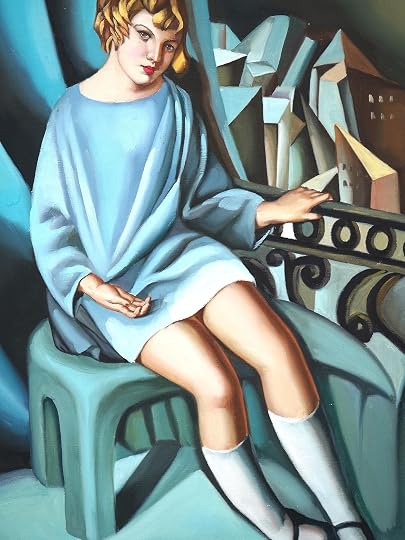
Danilo Kiš published this in 1962 as his debut, here titled The Attic. It comes across as a diary kept by a man that considers his bedroom is Olympus. Orpheus courts Eurydice among the roaches and rat poison, flees her for an imaginary tropical bay where the locals slit their wrists for love, and returns home a self-declared light-year older, only to find his roommate expecting a child with a burlesque dancer and his own romance with Eurydice ending after a vague incident he struggles to piece together.
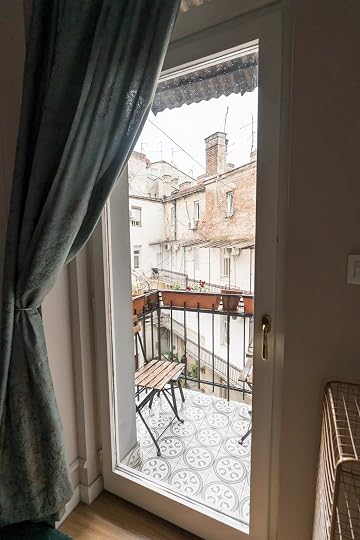
From there the pair sink into a run of drinking games with names like Yellow Fever and Red Fever, sell the lute for cash, and open a harbor bar called Two Desperados, complete with a wine list long enough to double as poetry and a house cocktail served on a tray beside an actual pistol. A stranger orders the pistol instead of the cocktail, and the bar's centerpiece prop turns fatal on opening night.
[image error]
Orpheus then retreats alone to an island to tend someone else's cows and weigh ending everything against compromising with it, before returning to Belgrade lighter and stranger. He meets a friend named Osip, and Osip explains, with total sincerity, a scheme for stealing fur coats using a homemade rubber stamp reading PAID. Then Orpheus finally sits down to read his own manuscript aloud, and he notices interesting things…
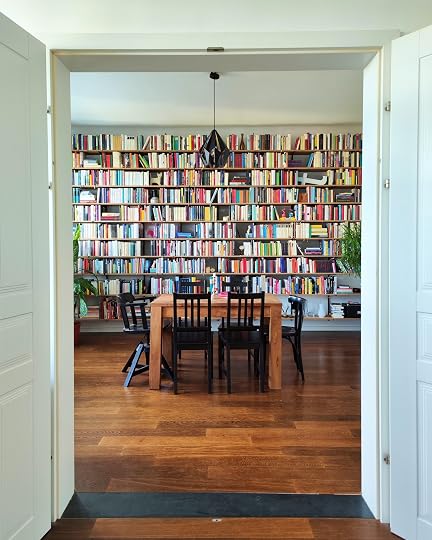
Kiš was in his mid-twenties when he wrote this, and it shows in the best way. The book has the reckless confidence of someone freshly discovering that a single sentence can hold a Latin maxim next to a wisecrack. He is showing off, he is playing around, he is confidently profound, and he is sincerely bothered by youthful mysteries such as whether a man in love with metaphor can love a woman at all, or only the star he named for her.
Getting through this book means stomaching plenty of the era's casual ugliness toward women, since Eurydice, Marija, and a parade of nameless conquests exist mostly to be renamed, undressed, or discarded, and this modern reader winced at that more than once.
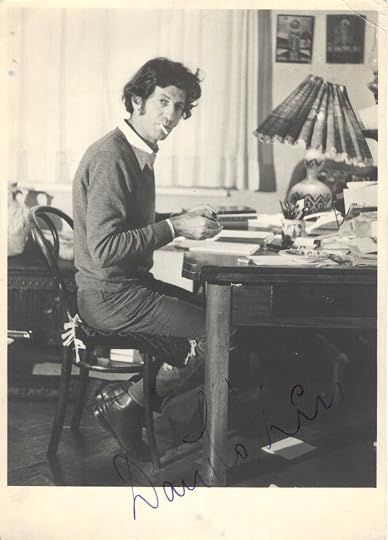
Kiš later wrote about historical catastrophe with far more weight, but this drafty, roach-ridden apartment where the story starts is still worth the climb, lute and all.
Kiš can't resist turning every object into wordplay: a wine list that reads like an atlas of butterflies, Latin maxims scratched into plaster like commandments, a fake gospel attributed to a roommate, a manuscript that turns out to be the very book you're holding. Nothing in the attic stays what it plainly is, everything gets renamed, mythologized, or punned into something grander. A young ambitious writer testing whether style alone can hold a life together.
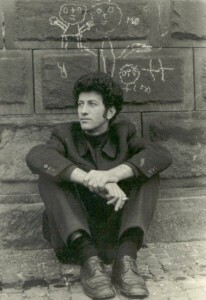
Orpheus never goes underground here, he goes up into his Olympus attic. The myth's descent to retrieve a lost love becomes an ascent into self-invention, where Eurydice turns out to be a creature the narrator builds out of stars and metaphor. The novel's real drama is watching him realize he was never mourning her loss so much as his own authorship, until the final chapters force his eyes back down, off the constellations and onto the actual neighbors living beneath his feet.
Another buddy read with Mahtab! We found a lesser visited Kiš and loved discussing it and reading it together! Her insights are refreshing and always seem to somehow surprise me.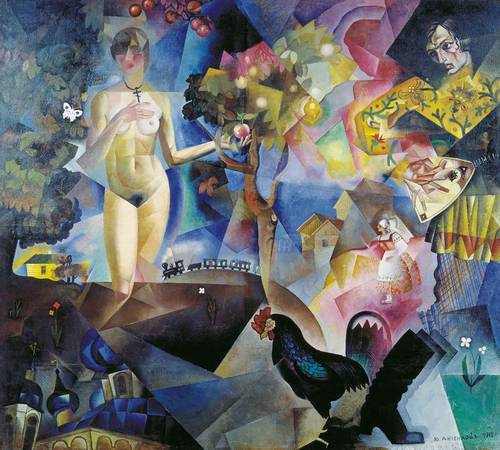
❤️ 🇮🇱
Danilo Kiš published this in 1962 as his debut, here titled The Attic. It comes across as a diary kept by a man that considers his bedroom is Olympus. Orpheus courts Eurydice among the roaches and rat poison, flees her for an imaginary tropical bay where the locals slit their wrists for love, and returns home a self-declared light-year older, only to find his roommate expecting a child with a burlesque dancer and his own romance with Eurydice ending after a vague incident he struggles to piece together.
From there the pair sink into a run of drinking games with names like Yellow Fever and Red Fever, sell the lute for cash, and open a harbor bar called Two Desperados, complete with a wine list long enough to double as poetry and a house cocktail served on a tray beside an actual pistol. A stranger orders the pistol instead of the cocktail, and the bar's centerpiece prop turns fatal on opening night.
[image error]
Orpheus then retreats alone to an island to tend someone else's cows and weigh ending everything against compromising with it, before returning to Belgrade lighter and stranger. He meets a friend named Osip, and Osip explains, with total sincerity, a scheme for stealing fur coats using a homemade rubber stamp reading PAID. Then Orpheus finally sits down to read his own manuscript aloud, and he notices interesting things…
Kiš was in his mid-twenties when he wrote this, and it shows in the best way. The book has the reckless confidence of someone freshly discovering that a single sentence can hold a Latin maxim next to a wisecrack. He is showing off, he is playing around, he is confidently profound, and he is sincerely bothered by youthful mysteries such as whether a man in love with metaphor can love a woman at all, or only the star he named for her.
Getting through this book means stomaching plenty of the era's casual ugliness toward women, since Eurydice, Marija, and a parade of nameless conquests exist mostly to be renamed, undressed, or discarded, and this modern reader winced at that more than once.
Kiš later wrote about historical catastrophe with far more weight, but this drafty, roach-ridden apartment where the story starts is still worth the climb, lute and all.
Kiš can't resist turning every object into wordplay: a wine list that reads like an atlas of butterflies, Latin maxims scratched into plaster like commandments, a fake gospel attributed to a roommate, a manuscript that turns out to be the very book you're holding. Nothing in the attic stays what it plainly is, everything gets renamed, mythologized, or punned into something grander. A young ambitious writer testing whether style alone can hold a life together.
Orpheus never goes underground here, he goes up into his Olympus attic. The myth's descent to retrieve a lost love becomes an ascent into self-invention, where Eurydice turns out to be a creature the narrator builds out of stars and metaphor. The novel's real drama is watching him realize he was never mourning her loss so much as his own authorship, until the final chapters force his eyes back down, off the constellations and onto the actual neighbors living beneath his feet.
Another buddy read with Mahtab! We found a lesser visited Kiš and loved discussing it and reading it together! Her insights are refreshing and always seem to somehow surprise me.
❤️ 🇮🇱

April 22, 2026
Mansarda je maramica namirisana ljubičicama bačena na pločnik ulepljen žvakama pored zida sa kog se ljušti boja koja otkriva grafit na kome je na indonežanskom napisana neka latinska krilatica.
Kiš je nepokretna tačka srpske književnosti i veliko ime evropske književnosti i po mnogo čemu bitan glas, a Mansarda bi mogla da se čita (i čitala se) u svetlu džojsovske tradicije, kao roman o umetniku, kao inspirativni, mladalački gest, pun smelosti, ali i arogantne artificijelnosti, koja je na granici između razgolićenosti i pretencioznosti. Za one koje zanima celina Kišovog opusa, ovo je nezaobilazna stanica, koja tek najavljuje vrhunska dela i iza koje je famozni gorki talog iskustva, a za sve ostale, ona je rizični izazov.
Kiš je nepokretna tačka srpske književnosti i veliko ime evropske književnosti i po mnogo čemu bitan glas, a Mansarda bi mogla da se čita (i čitala se) u svetlu džojsovske tradicije, kao roman o umetniku, kao inspirativni, mladalački gest, pun smelosti, ali i arogantne artificijelnosti, koja je na granici između razgolićenosti i pretencioznosti. Za one koje zanima celina Kišovog opusa, ovo je nezaobilazna stanica, koja tek najavljuje vrhunska dela i iza koje je famozni gorki talog iskustva, a za sve ostale, ona je rizični izazov.

January 5, 2026
zvezdoznanac - kakva magična reč, ili: „činilo mi se da joj kroz prste kaplje mesečina”.
Kiš ovde ne gradi mit, on ga rastavlja: ironija je odbrana, melanholija ishodište.
ljubav je misaona. izgubljena. jedan okret i ostaje magnovenje.
euridika - literarni konstrukt.
na korak od stvarnosti - sena.
nikad orfej nju ne gubi zato što se okreće, već zato što je ona oduvek postojala samo kao priča.
a Kiš - poigrava se formom i to zaista dobro ume.
i na kraju 5/5 - mansarda je prostor u kome se živi od jezika i umire od stvarnosti.
Kiš ovde ne gradi mit, on ga rastavlja: ironija je odbrana, melanholija ishodište.
ljubav je misaona. izgubljena. jedan okret i ostaje magnovenje.
euridika - literarni konstrukt.
na korak od stvarnosti - sena.
nikad orfej nju ne gubi zato što se okreće, već zato što je ona oduvek postojala samo kao priča.
a Kiš - poigrava se formom i to zaista dobro ume.
i na kraju 5/5 - mansarda je prostor u kome se živi od jezika i umire od stvarnosti.

April 11, 2014
Lord, I've been living in that attic as if on a star.
Rather quickly The Attic becomes a wonderful, if inchoate tale. The novel is a Jules et Jim in Belgrade of the 1950s. Well, maybe it is. So much could be poetic fancy. The reader is never quite sure. Anyway it is two men living in a loft. . . well, you know, an attic. Orpheus and Igor are the names of the defendants. The former even has a lute. He meets the love of his life, though neither he nor the reader is fully convinced. Just as surprising is a detour into Thomas Mann's Magic Mountain, replete with the French dialogue. This becomes a hovering metaphor, the attic as sanitarium, being protected from the artless influences outside. It almost works. The pair then open their own bohemian tavern. The wine list is included in text.
The novel is simply too glib. Such is the result of a first novel, one Kiš likely wrote in two weeks on a whim. I think I read somewhere that he penned this as a result of a State contest he heard advertised on the radio.
Rather quickly The Attic becomes a wonderful, if inchoate tale. The novel is a Jules et Jim in Belgrade of the 1950s. Well, maybe it is. So much could be poetic fancy. The reader is never quite sure. Anyway it is two men living in a loft. . . well, you know, an attic. Orpheus and Igor are the names of the defendants. The former even has a lute. He meets the love of his life, though neither he nor the reader is fully convinced. Just as surprising is a detour into Thomas Mann's Magic Mountain, replete with the French dialogue. This becomes a hovering metaphor, the attic as sanitarium, being protected from the artless influences outside. It almost works. The pair then open their own bohemian tavern. The wine list is included in text.
The novel is simply too glib. Such is the result of a first novel, one Kiš likely wrote in two weeks on a whim. I think I read somewhere that he penned this as a result of a State contest he heard advertised on the radio.

September 21, 2020
"Ίγκορ φίλε, δε μας απομένει τίποτα άλλο παρά ένα έρημο νησί. Δεν είχαμε ορκιστεί, εδώ και καιρό, ότι ποτέ δε θα αυτοκτονήσουμε; Για χάρη της επόμενης στιγμής;"
Ειρωνικό, αυτόσαρκαστικό, σίγουρα αντι-λογοτεχνικό και τελείως αυτοαναφορικό ("εγωιστικό" όπως αυτοοικτίρεται συνεχώς ο Ορφέας - Kis) δεν κατάφερε να με αγγίξει. Ίσως αυτός να μην ήταν και πότε ο στόχος του.
Είναι πάντως γεμάτο πανέξυπνα τεχνάσματα και με τη φτωχή μου μάτια νομίζω ότι διαβάζεται καλύτερα ως κωμωδία - παρωδία της σοβαροφανούς λογοτεχνίας. Η συνήθεια του Kis να δανείζεται αυτούσια και να εντάσσει αυτολεξεί τμήματα κειμένων άλλων συγγραφέων (στην προκειμένη περίπτωση από το Μαγικό Βουνό του Τόμας Μανν) με τρόπο εξώφθαλμα αναρχικό θα του κόστιζε προς το τέλος της ζωής του μια μάλλον άδικη σκανδαλολογία περί λογοκλοπής.
Πάντως κλείνοντας την τελευταία σελίδα ένιωσα την επιθυμία να τον ξαναδιαβάσω!
Ειρωνικό, αυτόσαρκαστικό, σίγουρα αντι-λογοτεχνικό και τελείως αυτοαναφορικό ("εγωιστικό" όπως αυτοοικτίρεται συνεχώς ο Ορφέας - Kis) δεν κατάφερε να με αγγίξει. Ίσως αυτός να μην ήταν και πότε ο στόχος του.
Είναι πάντως γεμάτο πανέξυπνα τεχνάσματα και με τη φτωχή μου μάτια νομίζω ότι διαβάζεται καλύτερα ως κωμωδία - παρωδία της σοβαροφανούς λογοτεχνίας. Η συνήθεια του Kis να δανείζεται αυτούσια και να εντάσσει αυτολεξεί τμήματα κειμένων άλλων συγγραφέων (στην προκειμένη περίπτωση από το Μαγικό Βουνό του Τόμας Μανν) με τρόπο εξώφθαλμα αναρχικό θα του κόστιζε προς το τέλος της ζωής του μια μάλλον άδικη σκανδαλολογία περί λογοκλοπής.
Πάντως κλείνοντας την τελευταία σελίδα ένιωσα την επιθυμία να τον ξαναδιαβάσω!

July 13, 2014
My experience with Danilo Kis's "The Attic" (or "The Loft" as it was originally entitled "Mansarda") was an interesting one or 'strange' as everyone at the beginning seems to feel about the things that are happening around them. Self-Described as a Satirical Poem, Kis's wordplay on expressions in French-Serbian, off-and-on vulgarity and the philosophical questions of a youthful, yet imaginative mind stand affront within this first novel that was recently translated by John K. Cox of North Dakota State University.
Orpheus, the main narrator, falls in love with his self-nicknamed Eurydice and then rents the mansarda with his best friend, Igor, who he aptly calls 'Billy Wiseass'. Once Eurydice feels that Orpheus has more ambition for other things than herself, she leaves...forever.
Everything happens in the attic. The art. The writing of antiquated Greek maxims. The questionable ideas. The love-making. The dreams. The lute playing. The arguments. The dialectics of to kill oneself or to keep on living. The alcohol-induced debauchery. The violence. And the eventual revelation that this is a story within a story: written from the Attic itself.
So now that I've finished, I ponder whether Danilo, Orpheus himself, is the narrator in first person? Does any of this exist outside of paper or are these travels (to the Bay of Dolphins) and opening of the restaurant Chez Two Desperados with Billy (on the coast) part of reality or just his imagination? This is left for interpretation.
Edit 07/14/2016: Seeing reviews for 'A Tomb for Boris Davidovich' made me recall this short work I read a couple years back. Kis is such an underrated, underappreciated writer!
Orpheus, the main narrator, falls in love with his self-nicknamed Eurydice and then rents the mansarda with his best friend, Igor, who he aptly calls 'Billy Wiseass'. Once Eurydice feels that Orpheus has more ambition for other things than herself, she leaves...forever.
Everything happens in the attic. The art. The writing of antiquated Greek maxims. The questionable ideas. The love-making. The dreams. The lute playing. The arguments. The dialectics of to kill oneself or to keep on living. The alcohol-induced debauchery. The violence. And the eventual revelation that this is a story within a story: written from the Attic itself.
So now that I've finished, I ponder whether Danilo, Orpheus himself, is the narrator in first person? Does any of this exist outside of paper or are these travels (to the Bay of Dolphins) and opening of the restaurant Chez Two Desperados with Billy (on the coast) part of reality or just his imagination? This is left for interpretation.
Edit 07/14/2016: Seeing reviews for 'A Tomb for Boris Davidovich' made me recall this short work I read a couple years back. Kis is such an underrated, underappreciated writer!

January 1, 2022
Невже Бротіґан читав Мансарду? Невже бітники з'явились у Сербії?

July 10, 2019
U ovom trenutku, potpuno subjektivno kažem, savršeno. Poetika je strava. Knjiga o mladosti i u mladosti. Sjajno.
P.S. Kada je čitam sledećeg puta, siguran sam da mi se neće ovoliko dopasti. Ne zato što nije zanimljiva, nego zato što više neću biti ovoliko mlad, a možda i budem nesrećan pa mi se bude dopala sva ova naivnost i želja Danila Kiša. Želja za Euridikom.
P.S. Kada je čitam sledećeg puta, siguran sam da mi se neće ovoliko dopasti. Ne zato što nije zanimljiva, nego zato što više neću biti ovoliko mlad, a možda i budem nesrećan pa mi se bude dopala sva ova naivnost i želja Danila Kiša. Želja za Euridikom.
March 2, 2025
"Cveće raste na đubrištu"
Podnaslovljena kao "satirična poema" Mansarda je roman istraživanja, poput Židove "Zemaljske hrane" pleše na rubu egzistencijalizma, erotike; utopljena u svakojakim metafizičkim pitanjima.
Pretpostavljam da je djelo semi-autobiografsko, Kiš ga je napisao sa svega 25 godina. Radnja se odvija krajem pedesetih na raznim lokacijama; Orfej tako piše iz Ekvatorijalne Gvineje (Zaliva Dupina) i nekog ostrva imena "Školj" na Jadranu.
Međutim, najbitniji dio radnje odvija se u oronuloj i vlažnoj a ipak poetički uzvišenoj Mansardi...
Visina pak dolazi sa cijenom;
"...što viši spratovi, to se hladnije u njima živi. Neimaština, jadi, nesreće, neznanje i bolest teraju čoveka sprat po sprat uvis. Dok je bio dole, njega je još zanimalo životno šarenilo, nekako je učestvovao u njemu, iako mu je često od rođenja bilo nerazumljivo i nedostižno (sa usponom civilizacije raste broj neprilagođenih za život — to se ne sme izgubiti iz vida). Ukoliko je život terao čoveka na sve veću visinu, njemu je postajalo sve hladnije; utoliko je manje mogao da shvati život i da mu se prilagodi."~ A. A. BLOK
Glavni lik (Orfej) se skrio tako na osamljenom vrhu, u svojoj zvijezdi, noćima je ispijao mjesečinu, trovao se tufinom, živio kao čarobni frulaš (ili možda bolje lautar) sa svojim štakorima u sobi, pisao poeziju, urezivao sopstvenim noktima latinske izraze na vlagom izjedene zidove i vodio dijaloge do ranog jutra sa njegovim najboljim prijateljem Jarcem-Mudrijašem.
Što bi Orfej bio bez svoje Laute i... bez svoje Euridike, svog vječnog ideala i zvijezde koju prati? Naravno i nju je štovao u svojoj dragoj i visokoj Mansardi.
"I već smo se penjali uz klizave stepenice, držeći se za ruke kao ljubavnici davnih vremena. Gore je svetlost uličnih lampi odolevala mraku. Kiša je poput jata sićušnih insekata lepršala oko kandelabra. U lokvama na zacakljenom asfaltu titrale su naše blede senke."
Nakon kratke romanse Orfej gubi svoju Euridiku i ostaje nasukan na hridinama očaja. Vrijedi li dalje živjeti i kako?
Može li srce podariti drugoj, sad kad je lišen svog ideala? Valja li pobjeći? Kada je boraveći u Ekvatorijalnoj Gvineji u simboličnom "Zalivu dupina" govorio sa pripadnikom tamošnjeg plemena otkrio je zašto se zaliv zove baš tako. Naime, kada bi mladić sanjao istu ženu u sedam različitih navrata, u noći pod krvavom mjesečinom, na hridi ponad zaliva položio bi svoje tijelo na nju i zarezao si vene, što bi i izabranica učinila ukoliko ga voli. Ukoliko to nije slučaj bacila bi njegovo srce Dupinima na gozbu, stoga i naziv "Zaliv dupina". A zašto je to bio uopće običaj? Zar ima razloga živjeti čovjek koji ne može biti sa onom koju voli, može li i ima li pravo dati to polovno srce nekoj drugoj u budućnosti, je li bolja opcija umrijeti u zagrljaju svoje muze?
Ovo je Orfej izjavio povodom gubitka ljubljene:
"U svoju sam je sebičnost pretvorio, Igore druže, u uzdah, u disanje... I šta sada mogu, Kozorogi, nego da čupam sebi kosu, da oči sebi vadim. Otela mi je, Igore brate, moju sebičnost, moje remek-delo!"
Orfej se, poslije dekadencije "Valpurgijske noći" kada svoju lautu prodaje za cveće namijenjeno za kurvu, odlučuje na bijeg i traženje distrakcije (klišeizirano - pronalazak sebe) prvo u vidu otvaranja lokala u omanjem mjestu a kasnije i u čuvanju krava na jadranskom škoju (nešto kao moja epizoda pastira u Kuni).
U epilogu sunčanog nedjeljnog dana, Orfej simbolično silazi sa svog voljenog gnijezda Mansarde i počinje živjeti.
"Nikad nećeš moći sa mnom
brati dunje ranke...
Nikad nećeš moći sa mnom
gledati uranke..."
Podnaslovljena kao "satirična poema" Mansarda je roman istraživanja, poput Židove "Zemaljske hrane" pleše na rubu egzistencijalizma, erotike; utopljena u svakojakim metafizičkim pitanjima.
Pretpostavljam da je djelo semi-autobiografsko, Kiš ga je napisao sa svega 25 godina. Radnja se odvija krajem pedesetih na raznim lokacijama; Orfej tako piše iz Ekvatorijalne Gvineje (Zaliva Dupina) i nekog ostrva imena "Školj" na Jadranu.
Međutim, najbitniji dio radnje odvija se u oronuloj i vlažnoj a ipak poetički uzvišenoj Mansardi...
Visina pak dolazi sa cijenom;
"...što viši spratovi, to se hladnije u njima živi. Neimaština, jadi, nesreće, neznanje i bolest teraju čoveka sprat po sprat uvis. Dok je bio dole, njega je još zanimalo životno šarenilo, nekako je učestvovao u njemu, iako mu je često od rođenja bilo nerazumljivo i nedostižno (sa usponom civilizacije raste broj neprilagođenih za život — to se ne sme izgubiti iz vida). Ukoliko je život terao čoveka na sve veću visinu, njemu je postajalo sve hladnije; utoliko je manje mogao da shvati život i da mu se prilagodi."~ A. A. BLOK
Glavni lik (Orfej) se skrio tako na osamljenom vrhu, u svojoj zvijezdi, noćima je ispijao mjesečinu, trovao se tufinom, živio kao čarobni frulaš (ili možda bolje lautar) sa svojim štakorima u sobi, pisao poeziju, urezivao sopstvenim noktima latinske izraze na vlagom izjedene zidove i vodio dijaloge do ranog jutra sa njegovim najboljim prijateljem Jarcem-Mudrijašem.
Što bi Orfej bio bez svoje Laute i... bez svoje Euridike, svog vječnog ideala i zvijezde koju prati? Naravno i nju je štovao u svojoj dragoj i visokoj Mansardi.
"I već smo se penjali uz klizave stepenice, držeći se za ruke kao ljubavnici davnih vremena. Gore je svetlost uličnih lampi odolevala mraku. Kiša je poput jata sićušnih insekata lepršala oko kandelabra. U lokvama na zacakljenom asfaltu titrale su naše blede senke."
Nakon kratke romanse Orfej gubi svoju Euridiku i ostaje nasukan na hridinama očaja. Vrijedi li dalje živjeti i kako?
Može li srce podariti drugoj, sad kad je lišen svog ideala? Valja li pobjeći? Kada je boraveći u Ekvatorijalnoj Gvineji u simboličnom "Zalivu dupina" govorio sa pripadnikom tamošnjeg plemena otkrio je zašto se zaliv zove baš tako. Naime, kada bi mladić sanjao istu ženu u sedam različitih navrata, u noći pod krvavom mjesečinom, na hridi ponad zaliva položio bi svoje tijelo na nju i zarezao si vene, što bi i izabranica učinila ukoliko ga voli. Ukoliko to nije slučaj bacila bi njegovo srce Dupinima na gozbu, stoga i naziv "Zaliv dupina". A zašto je to bio uopće običaj? Zar ima razloga živjeti čovjek koji ne može biti sa onom koju voli, može li i ima li pravo dati to polovno srce nekoj drugoj u budućnosti, je li bolja opcija umrijeti u zagrljaju svoje muze?
Ovo je Orfej izjavio povodom gubitka ljubljene:
"U svoju sam je sebičnost pretvorio, Igore druže, u uzdah, u disanje... I šta sada mogu, Kozorogi, nego da čupam sebi kosu, da oči sebi vadim. Otela mi je, Igore brate, moju sebičnost, moje remek-delo!"
Orfej se, poslije dekadencije "Valpurgijske noći" kada svoju lautu prodaje za cveće namijenjeno za kurvu, odlučuje na bijeg i traženje distrakcije (klišeizirano - pronalazak sebe) prvo u vidu otvaranja lokala u omanjem mjestu a kasnije i u čuvanju krava na jadranskom škoju (nešto kao moja epizoda pastira u Kuni).
U epilogu sunčanog nedjeljnog dana, Orfej simbolično silazi sa svog voljenog gnijezda Mansarde i počinje živjeti.
"Nikad nećeš moći sa mnom
brati dunje ranke...
Nikad nećeš moći sa mnom
gledati uranke..."

February 22, 2022
Pff, dragi Danilo šta napisa.
Uglavnom, ne pamtim kad sam zadnji put pročitala ovako dobru ljubavnu priču. Nimalo oslobođeno erotike (mhm), suptilno, pomalo boemski, ponegdje surovo, protkano humorom.
10/5!
Uglavnom, ne pamtim kad sam zadnji put pročitala ovako dobru ljubavnu priču. Nimalo oslobođeno erotike (mhm), suptilno, pomalo boemski, ponegdje surovo, protkano humorom.
10/5!

June 20, 2016
Though not on par with Garden, Ashes, this first novel still contains flashes of the brilliance found in that later book. While it has the feel of a bildungsroman, it strays outside that tradition, playing with form and eschewing plot. Kiš is one of those rare writers whose proportions of humor, melancholy, and dream logic reach closest to my ideal. Recommended for fans of Bruno Schulz.

September 29, 2024
A strange one! Enjoyable but deeply odd. Serbian literature… those Eastern Europeans do it like nobody else

November 25, 2019
Kišova Mansarda je zapravo jedna priča o odrastanju. Kako to obično biva, sam tok odrastanja mora da podražava to večito traganje za odgovorima na neka pitanja, pitanja koja zaokupljuju svako živo biće, pitanja koja su neprolazna, sveprisutna. Glavni junak ovog dela jeste Orfej koji se zaljubljuje u, ni manje ni više nego, Euridiku (devojku koja sama kaže da nije Magdalena, ali nam ipak ne otkriva svoje ime). Njoj je ime zadenuo Jarac Mudrijaš, još jedan od likova iz ovog romana koji, zajedno sa Orfejem, živi na jednoj mansardi gde Orfej piše književno delo, delo koje se, imenovano istim nazivom Mansarda, bavi potpuno istim pitanjima, situacijama i likovima kao i Kišova Mansarda. Zbunili ste se? Sačekajte koji trenutak još.
Znate, Kiš je maestralan. Ko god da pomisli suprotno, drug mi nije. On tako veličanstveno uspe da zamrsi realnost i fikciju, da će se i sam čitalac pogubiti u tom razdvajanju priča, priče u priči ispričanoj pričom o priči. Eto, koliko ume da zapetlja sve, a da opet uživate dok čitate njegove redove. Ako se malo dublje zagledamo u ovu zapetljanciju, možemo primetiti nemali uticaj Fausta i čika Getea - Valpurgijsku noć i Mefista i to kristalno jasno poigravanje sa čitaocima. On se, ljudina, tako slatko ruga čitaocu, praveću satiričnu situaciju od svega. E sad, da li je išta od svega toga tačno? Ima li Orfeja, Igora, Euridike, ubistva deteta - da li je sve to fikcija, izmišljeni trenutak u trenucima trenutnosti ili fikcije u stvari i nema?
Možemo naširoko diskutovati i o žanrovskom određenju ovog njegovog prvenca, no, čovek nam sam reče: "Mansarda, ta "satirična poema", jeste gorki talog iskustva, no ona je pre jedna mladalačka poema, stilske vežbe na temu sanjarenja, i kao takva, kao ljubavna poema, mogla je biti banalna da nije bilo tog kontrapunkta..."
Mansarda govori o bedi, bolesti, jadu i potpunoj nemaštini. Govori o gubitku Euridike, gubitku onoga što najviše voli, o ženi koja postoji, a možda ipak i ne postoji. Ko će ga znati! Glavni pripovedač jeste Orfej, ali on ima gomilu drugih imena, a da ipak, na kraju, ne znamo ko je zapravo on. Vrlo je moguće da je Kiš sebe projektovao kroz svog junaka i delo, ali ni to ne možemo potvrditi. Možemo samo postavljati pitanje za pitanjem i u tim pitanjima se zapetljati kao što to čini Kiš sa našom svešću jer, mi ne znamo da li uopšte i postoje drugi likovi u romanu ili su oni proizvod piščeve halucinacije, možda nekog sna ili jednostavno, stvaralačke mašte.
Ovde ne postoji baš neko mesto predviđeno za ljubav. Pripovedač piše jer ga Euridika inspiriše, ali tu zapravo nema prave ljubavi. Ona obasjava zaliv Delfina...
Ako ste me išta razumeli, želećete da pročitate ovo delo. Ako, pak, niste, pročitajte - biće vam sve jasnije.
#preporuka

February 22, 2015
The Beatnik response from the Balkans: vagabond humor and despair spoken from the attic. The novel disintegrates nicely at the end, Eurydice nowhere to be found. Or was she there already, found at the very beginning?

May 8, 2026
Malo je smiješno pisati osvrt na nešto što je već opisano na hiljade puta na jeziku kojim govoriš. Ali, ja za te prikaze nisam mario, što ne govori o prikazima već o meni 🥲
Elem, mladi Kiš u Mansardi potpuno kontroliše sopstveni glas. Osjećaj za ritam rečenice, intelektualna razigranost i sposobnost da spoji ironiju, liriku i književnu samosvijest bez napora je fascinantna.
Roman prati mladog pisca i njegov unutrašnji, boemski svijet, ali radnja ovdje nikada nije u prvom planu. Važniji su ton, jezik i način posmatranja stvarnosti.
Ono što posebno impresionira je koliko Mansarda djeluje svježe i danas. Kiš piše slobodno, duhovito i samouvjereno, bez potrebe da se dokazuje velikim temama ili dramatikom.
Njegov stil je nevjerovatno kontrolisan:
rečenice su razigrane, ali precizne
digresije djeluju spontano, ali nikad rasuto
humor je inteligentan i nenametljiv
Posebno je upečatljivo kako roman uspijeva da bude istovremeno eruditski i lagan. Reference, ironija i književne igre nikad ne guše tekst — naprotiv, daju mu energiju.
Kiš ovdje piše kao autor koji uživa u samom činu pisanja, i ta radost prelazi na čitaoca.
Najveća snaga Mansarde je osjećaj potpune književne sigurnosti. Mnogi rani romani velikih pisaca djeluju kao skica onoga što će tek postati. Kod Kiša toga gotovo da nema — već ovdje postoji jasno oblikovan senzibilitet i fascinantna kontrola tona.
Elem, mladi Kiš u Mansardi potpuno kontroliše sopstveni glas. Osjećaj za ritam rečenice, intelektualna razigranost i sposobnost da spoji ironiju, liriku i književnu samosvijest bez napora je fascinantna.
Roman prati mladog pisca i njegov unutrašnji, boemski svijet, ali radnja ovdje nikada nije u prvom planu. Važniji su ton, jezik i način posmatranja stvarnosti.
Ono što posebno impresionira je koliko Mansarda djeluje svježe i danas. Kiš piše slobodno, duhovito i samouvjereno, bez potrebe da se dokazuje velikim temama ili dramatikom.
Njegov stil je nevjerovatno kontrolisan:
rečenice su razigrane, ali precizne
digresije djeluju spontano, ali nikad rasuto
humor je inteligentan i nenametljiv
Posebno je upečatljivo kako roman uspijeva da bude istovremeno eruditski i lagan. Reference, ironija i književne igre nikad ne guše tekst — naprotiv, daju mu energiju.
Kiš ovdje piše kao autor koji uživa u samom činu pisanja, i ta radost prelazi na čitaoca.
Najveća snaga Mansarde je osjećaj potpune književne sigurnosti. Mnogi rani romani velikih pisaca djeluju kao skica onoga što će tek postati. Kod Kiša toga gotovo da nema — već ovdje postoji jasno oblikovan senzibilitet i fascinantna kontrola tona.

September 15, 2017
I tako je procitah jos jednom, dan za danom. Vuklo me opet nesto na tu mansardu da slusam zivotna i stvaralacka previranja mladog Kisa.
Tamo gore, na vrhu kamene zgrade na periferiji grada, blize zjezdama, dok pokusava da nadje odgovore na pitanja besmrtnosti duse, besmrtnosti seksa i niz drugih, otvara se pitanje ljubavi pred njegovim ocima, onog trenutka kad je ona, Euridika, sa dragocjenim baroknim tovarom, zakoračila prema meni hodom pripitomljene zvjeri.
Ali na stranu grljenje i valjanje po jesenjem liscu, najednom ipak bljesne pitanje da li je u stvari Euridika uopste postojala? Da li je ovo prikaz nekog plesa kroz paralelne svjetove ili se Euridika svodi samo na lik ove satiricne poeme? Ali ako ju je on sam opjevao i stvorio, kako da objasni njene cedulje koje je pronalazio? To je bio neki cudan rukopis sacinjen od slova “o” razbacanih po papiru, kao uzdah, kao suza, kao poljubac; sadrzaj koji se mogao tumaciti na toliko puno nacina, da je mozda i pogresno tumacenje jedne takve poruke poljuljalo stvarno postojanje mnogih fragmenata.
One veceri kad je postalo jasno da se Euridika vise nece vratiti, ma kom svijetu da je pripadala, zapisao je:
Agnosceo veteris vestigia flamme.
Oziljkom jednim obogacen.
Tamo gore, na vrhu kamene zgrade na periferiji grada, blize zjezdama, dok pokusava da nadje odgovore na pitanja besmrtnosti duse, besmrtnosti seksa i niz drugih, otvara se pitanje ljubavi pred njegovim ocima, onog trenutka kad je ona, Euridika, sa dragocjenim baroknim tovarom, zakoračila prema meni hodom pripitomljene zvjeri.
Ali na stranu grljenje i valjanje po jesenjem liscu, najednom ipak bljesne pitanje da li je u stvari Euridika uopste postojala? Da li je ovo prikaz nekog plesa kroz paralelne svjetove ili se Euridika svodi samo na lik ove satiricne poeme? Ali ako ju je on sam opjevao i stvorio, kako da objasni njene cedulje koje je pronalazio? To je bio neki cudan rukopis sacinjen od slova “o” razbacanih po papiru, kao uzdah, kao suza, kao poljubac; sadrzaj koji se mogao tumaciti na toliko puno nacina, da je mozda i pogresno tumacenje jedne takve poruke poljuljalo stvarno postojanje mnogih fragmenata.
One veceri kad je postalo jasno da se Euridika vise nece vratiti, ma kom svijetu da je pripadala, zapisao je:
Agnosceo veteris vestigia flamme.
Oziljkom jednim obogacen.

October 14, 2018
Jedino moje pitanje koje se postavilo nakon ovog "romana" je, za koga je on to tocno pisan? I koji je njegov smisao? Ili postupam krivo u startu, trazeci smisao u Kisu? Jel ovo boljka prvog romana ili sto? Ne mogu reci da mi ne sjeda njegov stil i patetika... Dapace, i zeljna sam jako neceg bliskog... Ali s druge strane, je?es stvarno roman uz koji ti treba sva sila knjizevno teorijskih knjiga da bi ti svojim kvazi interpretacijama skrenula paznju na kao neke stvari. Ili pricaj s mojom dusom ili produzi dalje :) Jako zbrkano, kaoticno iskustvo, nepovezano i bez duse. Samo je prosao kroz mene... steta
July 24, 2021
I loved A Tomb For Boris Davidovich, but The Attic felt very, very inaccessible (pun not intended!) - a glossary at the end hinted that there were a whole bunch of inter-textual references (especially to Serbian history and culture) that I was missing, so I think this is more of a me thing than the book thing.

December 31, 2021
Ранній роман Кіша, надто дженджуристий текст, у своїх зрілих творах він буде стриманіший і цікавіший. Треба бути дуже юним, щоб таке писати чи читати.

October 26, 2014
A 20-something would-be intellectual hangs out with his philosophically-minded bro and falls in love with a disappearing girl ("Eurydice" to his code name "Orpheus", in one of many heavy-handed bits of signalling). Sort of a scattered, hipster Bildungsroman, though one replete with pomo flourishes that throw the narrative out of kilter (a dream-like trip to a "Bay of Dolphins", a four-freakin'-page quote from The Magic Mountain in French). It's an engaging, and occasionally beautiful, read, but by trying too hard to be cool, Kiš gives up the possibility of making a real creative breakthrough. He comes glowingly blurbed by William Gass and Susan Sontag, though, so I should probably get around at some point to his more mature work.

August 12, 2013
What was promised in this book sounded great! I read one third of it and I didn't come across any of what was promised: a discussion of art, of writing.
Lots of cryptic stuff, references, Latin.
Felt self-indulgent. Or that I'm supposed to somehow be a member of some club to find the meaning of what was described in the introduction.
Lots of cryptic stuff, references, Latin.
Felt self-indulgent. Or that I'm supposed to somehow be a member of some club to find the meaning of what was described in the introduction.
Displaying 1 - 30 of 87 reviews