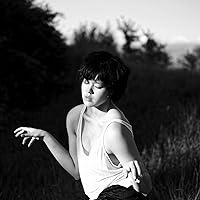
This collection surveys the choreographic turn in the artistic imagination from the 1950s onwards, and in doing so outlines the philosophies of movement instrumental to the development of experimental dance. By introducing and discussing the concepts of embodiment and corporeality, choreopolitics, and the notion of dance in an expanded field, Dance establishes the aesthetics and politics of dance as a major impetus in contemporary culture. It offers testimonies and writings by influential visual artists whose work has taken inspiration from dance and choreography.
Dance--because of its ephemerality, corporeality, precariousness, scoring, and performativity--is arguably the art form that most clearly engages the politics of aesthetics in contemporary culture. Dance’s ephemerality suggests the possibility of an escape from the regimes of commodification and fetishization in the arts. Its corporeality can embody critiques of representation inscribed in bodies and subjects. Its precariousness underlines the fragility of contemporary states of being. Scoring links it with conceptual art, as language becomes the articulator for possible as well as impossible modes of action. Finally, because dance always establishes a contract, or promise, between its choreographic planning and its actualization in movement, it reveals an essential performativity in its aesthetic project--a central concern for both art and critical thought in our time.
About the Editor
André Lepecki is Associate Professor at the Department of Performance Studies at New York University. He is the author of Exhausting Dance: Performance and Politics of Movement (2006) and a regular contributor to Performance Research, Drama Review, Artforum, Nouvelles de Danse, and other publications in Europe, Brazil, and the Middle East
I think is one of the most useful and well curated of this series. The selection of text is quite objective and presents very different viewpoints, from the figurative to the conceptual, from apolitical to revolutionary.
Andre Lepecki’s collection "Dance," the newest volume in a series from MIT Press titled "Documents of Contemporary Art," provides a welcome resource for scholars and practitioners of an art whose history, aesthetics, aims and expression often lacks adequate representation and consideration in public discourse. Lepecki captures international texts from the early 1950s through 2011, written by dancers, choreographers and their collaborators, to explore the evolution and concerns of contemporary dance. Although much thematic overlap exists in the content, the documents are organized into five sections, to focus on choreographic shifts, movement theorizing, practices of embodiment, chorepolitics, and context and score. Conversations with groundbreaking artists, such as Pina Bausch, Bill T. Jones and Eiko & Koma, reveal insights into individual process, and are collected among objects of that process, such as tersely written scores and commentary. Short essays, from choreographers including William Forsythe and Boris Charmatz, question the very semantics referenced throughout the book. This variation within Lepecki’s selections, wherein documents range in approach from humorous and cynical, to conceptual and righteous, to playful and abstract, strengthens the collection. As he states in the introduction, Lepecki is trying to diminish misperceptions of dance and dance-makers “as non-verbal artists creating a supposedly ‘visceral’ art whose sole purpose is to move gracefully, flawlessly, to the sound of music . . . “ [14]. His editorial choices help both to ground and to elevate the dialogue.
This is a really interesting collection of choreographers writing about dance, artists writing about dance, writers writing about other things that can be applied to dance - speculative, experiential and historical. I hope that this revival of interest in the dance world from the art work leads to something substantive rather than just being a passing trend. Definitely worth reading.
great collection of essays/discussions of dance by people in the field from as far back as the 50s. nice information, just wished the text was formatted in a more eye-pleasing/ easy to read way.