"Glas koji dolazi iz Srednje Evrope - iz kontinentalnog sveta, sa širokih hrvatsko-panonskih nizina - napisao je, evo, genijalnu knjigu o Mediteranu, nepredvidivu i blistavu, koja jednako obogaćuje kulturnu istoriografiju kao i književnost o moru s njenim hiljadugodišnjim bogatstvima, koja su ravna blagu potonulom u morske dubine. Predrag Matvejević je u isto vreme čovek s obale. Rođen u Mostaru, u Hercegovini, samo pedesetak kilometara daleko od Jadrana, očaran već u detinjstvu rekom i mediteranskim podnebljem, pitao se zašto je rub uz more ponegde tako uzak a razmak kratkotrajan ili pak zbog čega pojedini stanovnici, odmaknuvši se od morske strane, menjaju odjednom običaje i pevaju drugačije pesme." ---- Klaudio Magris
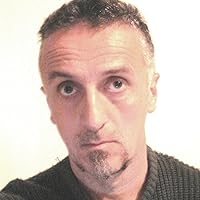
Predrag Matvejević was born in Mostar (Bosnia and Herzegovina, at the time part of The Kingdom of Yugoslavia) to a Croatian mother and a Ukrainian father. He was a writer and scholar who taught at universities in Zagreb, Paris and Rome. He is best known for his 1987 non-fiction book Mediterranean: A Cultural Landscape, a seminal work of cultural history of the Mediterranean region.
Già la prefazione mi ha spaventato: firmata Claudio Magris, mi ha fatto temere che fossimo dalle parti del suo 'Danubio'.
Così è, così è stato purtroppo.
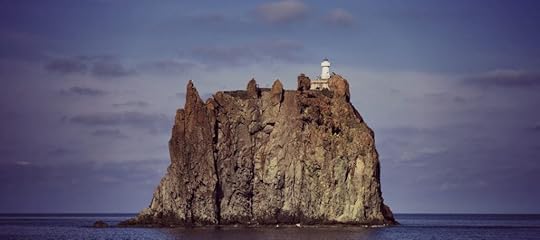
Il faro di Stromboli, a nord dell’isola. Attivo dal 1938.
C'è, ovviamente, cultura dietro, ma c'è anche erudizione, c'è amore, c'è una conoscenza, discreta non smisurata (per sua stessa ammissione, la riva sud è più difficile da percorrere e la conosce meno).
Ci sono analogie, rimandi, incroci, parallelismi e altre belle cose.
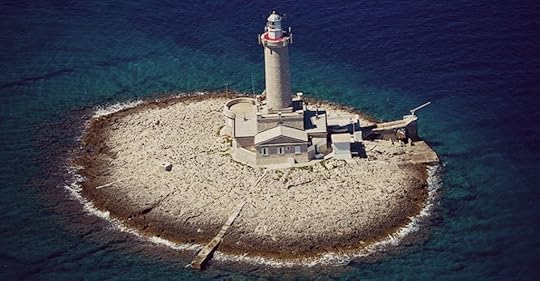
Il faro Porer nell’Adriatico.
Peccato che del Mediterraneo ci sia poco, e io ci sono rimasto male: non c'è la sua specificità - fatte le debite variazioni, avrebbe potuto dire le stesse cose su qualsiasi altro mare o oceano.
Infatti, più che raccontare il Mediterraneo, ha parlato del mare in genere, e della civiltà marinara che è diversa e uguale ovunque. Perché il mare è un mezzo di collegamento e comunicazione.
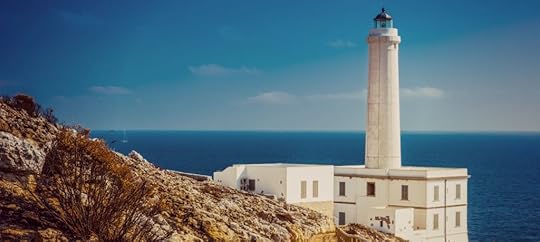
Il faro di Punta Palascia, detto anche Capo d’Otranto, il punto più orientale d’Italia, quello dove sorge la prima alba. Secondo alcune convenzioni nautiche è il punto di separazione tra Jonio e Adriatico.
Matvejevic non lo dice, ma a me è venuto in mente che la cosa che davvero distingue e unifica il Mediterraneo è questa: sulle sue rive, su tutte quante, gli Ebrei sono stati perseguitati, in qualsiasi punto cardinale, come da nessuna altra parte al mondo.
Io che volevo saperne di più sul mare sulla cui riva sono nato ho sbagliato indirizzo. E adesso vado a rileggermi Fabio Montale.
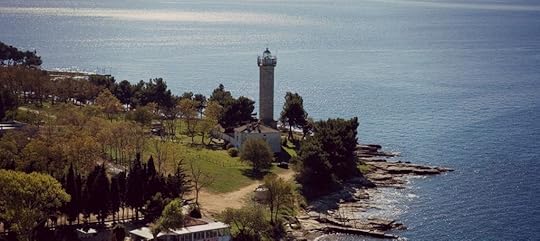
Il faro di Savudria, il più antico dell’Adriatico.
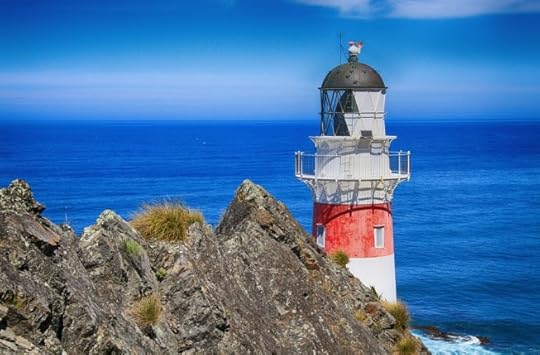
Il faro di Punta Carena sull’isola Capri, attivo dal 1867.
Geopoetički dragulj i bibliofilska poslastica koja budi sva čula.
Putovanje celovitije i istinitije od fizičkog. Esejistička enciklopedija puna poetske elegancije.
Nema izgubljenosti u tekstu jer se u svakom detalju čitalac može udomiti, nelinearno. Može se kroz Brevijar proći linarno, dijagonalno, na mahove, proučavajući mape i ilustracije, od prve do poslednje i od poslednje do prve stranice, kako je kome volja. Plovidba je slobodna. Takođe, iako je ovo učena i prefinjena knjiga, ona nipošto nije ograničena samo na akademsku publiku, već otvorena za sve koji žele srdačan prostorno-vremenski susret sa Mediteranom. A Mediteran je, vele, središte sveta, a pitanje je da li uopšte postoji neko ko ne želi do središta.
U mozaiku zanimljivosti i lirskih proplamsaja, meni je ipak najdraži deo na samom kraju – posvećen posebnom žitelju Mediterana – magarcu:
„ Magarac ima, očito, više imena – tovar, osao, pule, sivac ili sivonja, kenjac te, naprosto, magare. Sva nije zaslužio, neka su pogrdna. Bio je oduvijek koristan uz more i u zagori. Pomagao da se raskrči kamenjar, podigne vinograd, usiječe put, prenese teret, pokrene mlinski kamen, samelje žito. Na Mediteranu se često griješilo, češće nego drugdje, nazivajući njegovim imenom one koji ga nisu dostojni. Magarac nosi svoj samar na leđima i uz oba boka, sprijeda i pozadi. Penje se uzbrdo i silazi padinom, uz obale i diljem zaleđa. Po naravi je strpljiv, rijetko se protivi, još rjeđe buni. Lakše ga je natjerati na poslušnost negoli konja, pogotovo mulu. Nije mu potrebna potkova – kopito mu je otvrdnulo, nabijeno hodom i težinom. Bič nije nužan onome tko ga vodi. Mamuzu ne treba tko ga jaše. Magarcu je svejedno, ide li ispred gospodara ili ga prati. Pamti putove koji su strmi i kliski kao i one što su ravni i blagi. Ako zaboravi kuda je prošao, zastane i pričeka dok ga se pono ne uputi. Više drijema nego što spava. Kao da čeka hoće li ga netko munuti laktom i probuditi pa da se što prije vrati na posao i nastavi. Ponekad provede veći dio noći oslonjen na sve četiri noge ili pak, kad je najumorniji, podvije prednje ili stražnje pod trbuh i slabine te tako otpočine. Nije potrebno vezati ga, dovoljno je prebaciti mu ular preko plota – čekat će uz plot dok netko ne dođe po nj. Izgleda da ne umije plivati i, kad ide gazom preko potoka ili rječice, kloni se vira i zazire od brzaca. Muhe ga često spopadnu i okome se na nj, ponekad i ose, ne uspijeva ih odagnati mašući repom - kićankom navrh repa. Ponekad se baci na slamu u štali ili na tratinu u polju da tako protrlja leđa i iščeše grivu - to mu je, izgleda, jedna od rijetkih razonoda, možda jedina...” (196)
Jednog dana voleo bih da napišem istoriju magarića u književnosti.
Poema, u načinu pisanja i duboko utisnutim, prelepo oslikanim ličnim impresijama autora o mediteranskom arhipelagu, o doživljenim susretima sa ljudima, ostrvima, mislima, mirisima, tradicijama i osećanjima srednjeg mora.
Enciklopedija, u nagomilanom, ali suptilno prikazanom i po papiru prosutom autorovom znanju o istoriji, geografiji, geodeziji, kulturi, religiji, gastronomiji, kartografiji, poljoprivredi opisanog regiona, znanju o svemu, ali baš o svemu čega se dotakao i povezao u skladu celinu.
Četvorodelno remek delo ispunjava čitavim tokom čitanja, lepljivo je, mirisno i morsko, lingvistički prebogato, ritmično, maslinasto i opčinjavajuće štivo.
Od početnih taktova prvog dela koji su zapravo uvod velikog Klaudija Margisa, onog istog autora koji je na vrlo sličan mada suvoparniji, srednjeevropskiji i elitističniji način pisao o Dunavu, uvod italijanskog maestra koji bez trunke sujete odaje priznanje kolegi koji ga je nadmašio u načinu obrađivanja slične teme;
preko poetski razigranog prvog dela koji svakom rečju pleše po obalama Mediterana, koji besedi na grebenima, koji povezuje narode, priče i ostrva, koji objašnjava, razume i ne osuđuje nikoga;
preko omiljenog mi drugog dela, najkraćeg, onog o kartografiji predela, o starim i novim, iscrtanim i usmeno prenesim kartama, njihovim očiglednim i skrivenim značenjima, mistici koja uvek miriše iz takvih priča, koja vas natera da usred čitanja otvorite ma kakvu mapu Sredozemlja i divite se onome što je autor uspeo povezujući sve što na kartama vidite i ne vidite;
do završnog čina koji sublimira i sakuplja sva prethodno navedena iskustva, koji kolekcionariše i inspiriše, koji je oda narodima sa ovih prostora, koji je pomirljiva morska bajka.
Занимљиво штиво, са мноштвом референци о Медитерану и простору на који Медитеран утиче. Види се да је Матвејевић проучио обиље литературе, али и да је сам много тога проживео. Он пише са великом страшћу о различитим аспектима живота на мору и у приморју. Иако волим овакве књиге, пастиш свега и свачега и иако сам наслов сугерише да се ради о бревијару, ово ми је било ипак мало набацано.
Ovo nije knjiga o mediteranu. ovo je mediteran u knjizi. Ovo nije knjiga putopisa, niti povijesna knjiga, ova knjiga je autorovo viđenje, autorovi osjećaji o različitim aspektima vremena i prostora na 'srednjem moru'. Sličnosti i razlike, gradovi i brodovi, ljudi, geste, jezici... kad se hoću oraspoložiti, ili mi treba malo hrane za mozak, nasumce otvorim knjigu i pročitam pasus ili pet. eto takva je to knjiga. vrhunska.
Quin festival de paisatges, colors, elements, olors, tradicions, cultures, llengües, paraules, persones, personatges, indrets, ciutats, aliments, mapes i una llarga llista de coses que apareixen en aquest breviari, que per ser un breviari, no es deixa res i a la vegada ho recull pràcticament tot. No volia que el llibre s'acabés, m'hi hagués quedat a viure a dins per sempre.
La vertigine della Lista … Ogni paragrafo è un fotogramma di quell’immenso, meraviglioso film che è la vita sulle sponde (e non solo) del … Mare Nostrum. per quelli che … ogni faro è l’isola alessandrina, per quelli che … la spiaggia e il cielo stellato, per quelli che … e che minchia di lingua parli? per quelli che … quella notte a Itaca … per quelli che … all’alba … i calamari, per quelli che … l'ombrellone e la parmigiana ... per quelli che … mai presa la dissenteria! per quelli che … passa quella cima! per quelli che … ah, ma il mare visto da Gibilterra … per quelli che … l’asino merita rispetto … per quelli che … hanno il loro Getzemani, per quelli che … i monasteri, le isole, la Sciara del Fuoco, le tonnare, le saline, i Bronzi di Riace, i venti, il mare vecchio, le religioni, le dominazioni, Atene, Cartagine, i Fenici, il Nilo, le carte nautiche, l’al-manākh, l’astrolabio … e ancora, ancora, ancora… questo è un libro per loro. «Il mare è una lingua antichissima che non riesco a decifrare.» [Borges] [Dec 2013]
Depois de lido a "A Outra Veneza" faltava o mais elogiado. Magnífico.
"Nos dias em que o mar está particularmente límpido e nos revela as suas profundidades, advinham-se, aqui e além, os contornos de objectos estranhos, destroços, ruínas: facilmente imaginamos então que descobrimos um galeão afundado com a sua preciosa carga, um antigo palácio, os vestígios de uma cidade antiga. Esses contornos incertos são comparáveis à memória, esses destroços à história, essas ruínas ao destino. O Mediterrâneo é um colecionador apaixonado."
A l'epíleg ho resumeix perfecte: "una prosa que combina moments d'introspecció lírica amb estones d'erudició enciclopèdica." "Novel·la geopoètica, exegeso del mar, crònica de viatges, diari de bord, mirabilia, assaig aforístic, wunderkammer marítim..."
I read this book in spanish, under the title breviario mediterraneo. So beautiful. It was my favorite spanish book from my undergraduate major (Spanish Language Literature).
"the spirits keep watch over the Mediterranean" The Mediterranean has always been the place where I find my soul waiting for me. The sound of its waves restores something inside me that life quietly steals away. It heals me—not only emotionally or spiritually, but somehow even physically. Whenever I stand before it, I feel as though I become another version of myself. I love it most at sunset, when the beach falls silent and the crowds disappear. I sat there in silence, facing an infinity that refused to end. I listened to the waves as though they were speaking a language older than words. I watched the sunlight dissolve into the water, turning it into a living mirror, and I thought: perhaps this is what beauty really is—but something so vast that it reminds me of how small, and yet how alive, I am. Sometimes I wish I were a bird, so I could spend my life tracing its endless coastline from the sky. Other times, I envy the clouds and even the sun itself, because they are granted the privilege of seeing the Mediterranean every single day, while I must live on memories between one meeting and the next. Perhaps that is the secret of loving the sea. Love is never measured in constant presence, but in the ache of absence. Distance teaches the heart what nearness cannot. Longing gives meaning to reunion, just as silence allows us to hear the waves. I always used to prefer the Mediterranean Sea over the Red Sea, and I kept wondering: what is it that makes me love the Mediterranean so deeply, while I don’t feel the same attachment to the Red Sea?. This book gave me something close to an answer. It doesn’t treat the Mediterranean as just water or geography, but as a living memory—made of ports, winds, nets, ropes, salt, ships, wrecks, and the endless movement between coast and inland. It shows how the sea is not separate from land but stitched into it through daily crafts and invisible histories: fishermen’s knots, shipyards that smell of tar, sponge divers who treat the sea like both shelter and danger, and coral hunters whose tools and lives blur the line between survival and art. The Mediterranean here—is a way of seeing. A kind of intimacy between people and sea that is built slowly, through everyday life. It made me realize my love for the Mediterranean wasn’t random. It was recognition. It is never presented as a mere sea. It becomes a civilization, a language, a state of mind, and above all, a continuous conversation between peoples who often fought one another, yet never stopped influencing one another.
Geography possesses memory. Mountains remember vanished oceans. Plains remember ancient coastlines. Languages remember forgotten civilizations. Even stones preserve the memory of climate. Osip Mandelstam's description of pebbles as "weather removed from the atmosphere and hidden inside matter. A pebble is not a stone. It is thousands of years of waves, wind, rain, sunlight, erosion, and time compressed into a single object that fits in the palm of one's hand. Islands could become places of exile, imprisonment, contemplation, and paradise all at once. Salt is not a simple seasoning but a symbol of trade, morality, friendship, and power. Even vinegar, olive oil, herbs, fish, and traditional recipes become fragments of a civilization that has been evolving for thousands of years. The olive tree, in particular, becomes far more than a plant. Through the Bible, the Talmud, the Qur'an, Greek thought, and centuries of agricultural tradition, it emerges as the very symbol of the Mediterranean world. The quotations from Aldous Huxley and Lawrence Durrell were especially beautiful. Durrell's idea that the entire Mediterranean—its myths, philosophers, sculptures, ships, moonlight, and history—can somehow be tasted in a single black olive is one of the most memorable images in the book. Saints, fishermen, monks, merchants, herbalists, philosophers, recipes, maps, trees all become equally important voices in telling the story of the Mediterranean. Nothing is insignificant because everything carries memory. Meteorology transform into cultural history. Levante, Ponente, Jugo, Sirocco, Garbin, Tramuntana, Bura—all these names carry traces of Italian, Arabic, Greek, and Slavic civilizations. Every civilization left part of its vocabulary upon the sea. Aristotle's observation that storms arise when winds collide and Gaston Bachelard's idea that "every epic contains its storm" connect natural phenomena with literary imagination. The Mediterranean becomes both a physical sea and an immense metaphor. Classical antiquity constantly accompanies the reader. Homer appears not as the first poet of the sea but as one of its earliest observers. His descriptions of gulls touching the waves, of Odysseus building his raft, of placing an oar upon a sailor's grave, and of swimming contests reveal how deeply maritime life permeated Greek civilization. Even myths concerning Dionysus and Ampelus, Karpos and Kalamos, or Hero and Leander are legends which are not detached from reality but as expressions of Mediterranean attitudes toward love, death, risk, and water. Paul Valéry occupies a special place in the book. His celebration of the disciplined word—reason organized into philosophy, geometry, justice, and politics—captures one face of Mediterranean civilization. Yet Matvejević immediately balances this admiration with criticism. The Mediterranean is equally capable of producing eloquence without substance. Discipline easily degenerates into verbosity. Rational discourse easily becomes theatrical rhetoric. This tension between intellectual clarity and excessive speech seems, in the author's opinion, profoundly Mediterranean. His disagreement with Albert Camus is equally illuminating. Camus believed that Mediterranean civilization ultimately overcame every ideology imposed upon it. Matvejević gently but firmly objects. The Inquisition and Fascism were also Mediterranean realities. History shows that the sea did not always triumph over destructive doctrines. Love for the Mediterranean should never become romantic blindness. The dialogue with Nietzsche introduces another dimension. The distinction between the Apollonian and the Dionysian as a necessary equilibrium. Apollo represents form, discipline, proportion, and rational order. Dionysus represents individuality, creative energy, passion, and instinct. Mediterranean civilization flourishes only when both principles remain balanced. Too much order suffocates creativity. Too much passion destroys civilization. Nietzsche's claim that anyone, regardless of birthplace. Italo Calvino's Invisible Cities offers one of the book's most beautiful philosophical moments. "Never confuse the city with the discourse describing it." That sentence alone summarizes an entire philosophy of history. Reality and language never coincide perfectly. Every description reveals something while concealing something else. Likewise, Maurilia invites travelers to compare the present city with old postcards of its past, suggesting that memory itself constructs cities no less than architecture does. Matvejević rightly emphasizes that Braudel did not force history into this theory; instead, he discovered the theory by patiently studying the Mediterranean itself. Human geography becomes the foundation of historical understanding. By the end of this reading, I no longer think of the Mediterranean simply as a sea separating continents. I think of it as humanity's greatest archive of cultural memory—a place where geography becomes philosophy, where literature becomes history, where myths illuminate reality, and where even a forgotten wind or a pebble on the shore may preserve the memory of civilizations that disappeared thousands of years ago. this book found me at exactly the right moment. It was the perfect choice for someone hopelessly, irrevocably in love with the Mediterranean.
Tot un viatge cultural i una experiència íntima. Estem parlant d'un llibre que podria ser alhora un assaig històric i geogràfic, però amb una petjada literària important. Matvejević ens parla de la complexitat del món mediterrani en general a partir de textos fragmentaris que combinen l’erudició amb la mirada poètica. No parlem, però, d'un estudi sistemàtic ni d'un manual, més aviat es tracta d'una mena de memòria i guia cultural de la regió, que defuig l'idíl·lic o la idealització a la qual tantes vegades ha estat associada tant en la literatura com en les arts visuals, per centrar-se més en la història i el recorregut dels pobles i les cultures amb tots els moments més i menys punyents que aquestes hagin tingut al llarg de la història.
Una obra enterament compromesa amb la cultura, la pau i el diàleg entre pobles i la manera de viure i de pensar d'aquests que ens ajuda a comprendre la complexitat de la regió i la seua construcció cultural i a pensar en ella com quelcom compartit, fent valdre les arrels comunes per sobre de tot. Escrita amb un estil reflexiu i líric ens mostra i ens omple de coneixements i, per què no, també ens pot servir fins i tot com a espai de diàleg entre Orient i Occident una cosa que avui segurament ens fa molta falta. Un molt bon llibre amb edició magnífica de LaBreu Edicions que inclou també mapes i glossaris.
Più che un libro, trovo che si tratti di un compendio lunghissimo di notizie, informazioni, episodi di cultura marittima che si fanno leggere con facilità ma senza particolare entusiasmo, anche se l'erudizione di Matvejevic colpisce davvero (su questo non avevo dubbi). Classico libro che mi ha spinto all'acquisto dalla sua copertina (si, a volte mi succede pure questo :-)
"Mediteranski brevijar" Predraga Matvejevića izlazi iz svih okvira. Sažeta u ovoj relativno kratkoj knjizi je priča o Mediteranu, o povijesti, kulturi, nasljeđu, narodima, brodovima, plodovima, moru i nebu, suncu i soli, ljudima, ribama, smokvama, bajamima i rogačima, Grcima i Turcima i Dalmatincima i Arapima... Toliko pojmova, toliko povijesti i nasljeđa, toliko mirisa, povijesnih izvora, etimologije mediteranskog nazivlja... Čitav jedan svijet različitosti i povezanosti u toj različitosti, ljudi koji tisućljećima žive i plove na jednom moru koje ih dijeli i povezuje. Knjiga vrijedna ne samo čitanja nego i imanja uvijek pri ruci, jer u svakom času može se ukazati potreba vraćanja Matvejevićevom "Brevijaru" kako bismo se iznova podsjetili na njegove poveznice. Ali, iznad svega, knjiga briljantno pisana, knjiga koja uvlači i zavodi svojim jedinstvenim stilom. Čitajte Matvejevića!
Молитвеник, енциклопедия, поетична история на Средиземно море и средиземноморските култури, глосар, словесна картография, своеобразен пътепис – всички тези определения съответстват на книгата на Предраг Матвеевич. С един приятен, леко приказен, поради поетичността и особената си тематика, стил, Матвеевич се опитва да пресъздаде образа и духа на това често смятано за център на света място.
Средиземно море е обградено от три континента – Европа, Азия, Африка, излаз към него имат разнолики държави и автономни територии като: Испания, Франция, Италия, Монако, Малта, Словения, Хърватия, Босна и Херцеговина, Черна гора, Албания, Гърция, Турция, Сирия, Кипър, Израел, Палестина, Ливан, Египет, Тунис, Либия, Аржир, Мароко. В опита си да охарактеризира това уникално място, Предраг Матвеевич обединява свои впечатления, придобити от личния му досег с повечето от тези места и култури, и исторически сведения. Книгата е разделена на три части: „Молитвеник“, „Карти“, „Глосарий“.
В „Молитвеник“ (най-поетичната част) освен описание на разликите в материалната и духовна култура на средиземноморските народи (в пряка връзка с мястото, което населяват – близо до брега на Средиземно море, по-вътрешна – континентална част, или остров), откриваме и описания на самото море: нюансите на светлината, които то отразява и поглъща, вълните, които разплисква, видовете дъждове, които поема, ветровете, които „отглежда“. Обърнато е внимание дори и на пяната, облаците, залезите и мирисите на морето. Тези части са особено поетични. Вероятно, именно поради тях „Средиземноморски молитвеник“ бива определян и като „епическа поема за магичната и непреходна красота на морето“.
Останалите две части от книгата отговарят плътно на наименованията си: „Карти“ представя възникването и историческия път на картата, през призмата на различните култури: арабска, християнска и юдейска, а „Глосарий“ се спира върху етимологията на отделни думи, названия и понятия. Както самият Предраг Матвеевич казва в книгата си: „Материалът за това плаване е разделен на три части. В първата преобладават описанията, във втората – картините, в третата – понятията: молитвеник, карти, глосарий. Едно и също пътешествие се развива най-напред на местата, които обикалях, после – на картите, които разглеждах, след това в книгите, които четях.“ (стр. 210) Важно е да се отбележи, че и в тези две части поетичното описание отново е основна част от стила на автора. Също така, книгата съдържа и реални карти (не само в съответната част за картите), с което изостря читателското любопитство.
Въпреки тези си особености, „Средиземноморски молитвеник“ не e книга, котято се чете на един дъх, от корица до корица, поради простата причина, че, освен всичко друго, е и (нещо като) енциклопедия и подобно на този род четива се разгръща от време навреме, в особени моменти. Сигурното в конкретния случай е, че когато настъпи такъв момент и читателят зарови поглед в страниците на книгата, то той неусетно бива обхванат от лекото, поетично-приказно, писане и историите, които то му предлага, времето спира и единствено шумът от прелистването на страниците свидетелства за реалността на този миг. И, като към това се прибави много доброто издание на книгата, което ни предоставят от издателство „Колибри“: не просто като оформление на кориците, но и особената хартия, с която са изработени страниците, създаваща усещане за мекота и топлота, което усещане се подхранва от удачно подбраното кафяво мастило на текста (имаме един от редките случаи, в които етос на книга и оформление изключително добре си пасват), то досегът със „Средиземноморски молитвеник“ на Предраг Матвеевич се превръща в един наистина удоволствен момент.
На финал – малко данни за автора, които преписвам директнно от гърба на корицата, защото информацията там е достатъчно добре оформена ): „Предраг Матвеевич е роден през 1932 г. в град Мостар в бивша Югославия (днес Босна и Херцеговина). Баща му е руснак, майка му хърватка, самият той е натурализиран италианец и може би този негов вроден космополитизъм прави най-известното му произведение „Средиземноморски молитвеник“ толкова универсално.“
إن التراتيل بالمعنى الدقيق حيث تترابط المقاطع المتتابعة بسلاسة موسيقية تعلن عن موضوعاتها، إنها قائمة الموضوعات والخطابات الممكنة حول المتوسط: موانئ، جزر، رياح، تيارات، شواطئ، بوصلات، لغات، أدوات، هجرات، حروب بحرية، إلخ. يتقدم هذا النص كمجموعة من المعارف الدقيقة وفي الوقت ذاته كمختصر لموسوعة لا متناهية.
“O Mediterrâneo assemelha-se, por algumas das suas características, a gigantescos arquivos ou a uma imensa sepultura.”
Este livro encerra tudo aquilo em que nunca tinha pensado sobre o mar, em especial o Mediterrâneo, claro. A influência deste nas populações costeiras e insulares e a imagem que estas foram elaborando do mar e da sua evolução ao longo do tempo, tanto em documentos iconográficos - cartas, mapas, etc. -, como na Literatura ficcional e não-ficcional. A última parte da obra é especialmente interessante no registo e selecção de autores da antiguidade clássica, que nos legaram a sua visão do Mediterrâneo, nas suas variadas vertentes. E, tal como o autor, não posso deixar de mencionar a obra de um dos homens dos Annales - uma escola historiográfica do século XX, ainda com algum impacto na actualidade -, Fernand Braudel, e o seu "O Mediterrâneo e o Mundo Mediterrânico no tempo de Filipe" (1949).
Entre as várias abordagens, gostei especialmente da menção ao "divertimento" de "apanharmos na praia seixos de mil e uma formas" ou aos "numerosos artesanatos mediterrânicos que se fixam na nossa memória". Este último tópico, à semelhança de todo o livro, ajuda a construir uma identidade própria, que hoje está bem divulgada, até na chamada dieta mediterrânica, que não escapou ao autor.
Saliento ainda um ideia de Robert Bréchon, no posfácio da obra, que também me ocorreu durante a leitura: o autor, Predrag Matvejevitć, produziu um texto totalmente pós-moderno, misturando estilos, temas, fontes... um texto erudito, mas de leitura fácil que nos faz aventurar por mundo ainda por descobrir (pelo menos no meu caso). 4⭐
Me ha aburrido mucho. Predrag toca muchos temas, desde el tipo de redes que usan los pescadores, a puertos hundidos de la Antigüedad, pasando por el problema migratorio. Habla sobre ellos de manera superficial. La propia estructura del libro son párrafos temáticos más o menos largos, de una página como mucho. Al final, en la mayoría de ellos, acaba diciendo obviedades.
Su estilo, que busca ser poético, no me ha atraído lo suficiente. Si terminé el libro es porque a veces si que logra ser interesante (cuando habla del Adriático) y porque lo he usado para practicar el idioma. Esta segunda vez lo he leído en croata apoyándome en la versión española (de Destino), de la cual, por cierto, no se tradujo 5 páginas.
En mi primera crítica creo que fui más comprensivo con el libro, pero la verdad es que es una pena. A pesar de que tiene todo para que me guste, el libro no me ha entretenido.
Al contrario di quanto dice il truffaldino e markettaro autore della quarta di copertina, questo non è affatto un "romanzo, post-moderno", non è un "diario di bordo" (?), non è una "antologia di racconti." Non c'è finzione, solo ottima scrittura e sapienza. Da leggere al tramonto sul lungomare, in nave, in spiaggia, in una casa con vista sull'orizzonte, se la avete. Beati voi.
This one’s premise is almost irresistible. A non-narrative journey through the Mediterranean, where landscape, historical legacy and everyday culture mingle and seep. As put by Robert Créchon, writing the postface, something that sits balanced between academic essay and poetic speech. The very idea sounds perfect.
But the execution is not all there for me. Every topic addressed is given an aerial, inventory-like view, resulting in a sort of big, smothering catalogue (hence the name). If the topic is “clouds”, instead of a detailed rendering of a moody Adriatic maritime sky, we get a “here’s everything about clouds, ever” approach. The second “Letters” section arguably suffers even more from this excessive amount of trivia—and just endless, endless name-dropping. A “catalogue as poem” concept can be compelling by itself, but the writing needs to breathe more than it does here. And in the end, it’s a pretty airy, lightweight text. All these names and terms, along with the absence of any kind of hot takes or dramatics, make for a pretty sleepy read.
If the paragraph above looks damning to the extreme, I will get to some positives. A few individual sections are wonderful. The section about the workmen of the Mediterranean, and their age-old traditions, probably shines more than any other. The fine precision of olive oil making (tied to its spiritual significance), the stoic craftsmanship of salt workers toiling under sun and salty wind, the fascinating offices of boat-makers, rope-makers, barrel-makers, etc…
And broadly, if you can say the Mediterranean has a certain “texture” (and if you’ve traveled along any Mediterranean coast, then you’ve probably experienced this yourself), then Matvejević, experienced traveler and omnivorous consumer of all texts on the subject, seems to know this texture better than anyone else, and absolutely does a good job of capturing it here. The vibe is there. I don’t mean to sound derogatory when I say this is ultimately a great book to keep on your nightstand for a quick read, to pick up and be lulled, to let the connotation-rich words ring and resonate pleasantly: olive trees, salt, wind, sun, sky, Rome, Greece, wine, bay, Byzantium, ship, waves, Carthage, Virgil, lagoon, azure…
Si legge come un mosaico: frammenti brevi, riflessioni sparpagliate, note colte e immagini evocative si susseguono senza una vera trama, ma con l’ambizione di raccontare l’anima del Mediterraneo. Matvejević intreccia storia, mitologia, usi e costumi, mostrando un grande amore per questo mare e per le civiltà che vi si affacciano. L’intento è affascinante: più che un saggio, sembra una lunga meditazione sulla complessità e la ricchezza del nostro mare.
Dal mio punto di vista, lo stile frammentario e la struttura non lineare possono risultare a tratti dispersivi. Il libro non ha un vero filo conduttore, e la mancanza di narrazione può rendere la lettura faticosa se non affrontata a piccole dosi. A volte si ha l’impressione di un accumulo di appunti, più che di un’opera coerente. Alcuni passaggi colpiscono per profondità o bellezza, altri invece scivolano via senza lasciare molto.
Nel complesso è un libro interessante, colto, pieno di spunti e citazioni, che offre uno sguardo originale sul Mediterraneo, ma che difficilmente coinvolge sul piano emotivo.
Na mě až příliš nečesaný, takový to "volný psaní", kdy myšlenky a informace autor sype z rukávu po kvantech, ale formou, díky který je možný si zapamatovat ještě menší procento, než je obvyklé. A tak si raději nepamatujete, a prostě se jen necháváte okouzlit tím, co všechno ví, zatímco někde tam vzadu v hlavě slyšíte šeptání vln.