How did the first concept of God originate? Who was Yahweh and who was Moses? Where did the Ten Commandments originate from? Who was Jesus Christ, and what do the Gospels which were left out of the New Testament say? Who was St Paul, and which was the first Church before the Roman Catholic one? Who were the Gnostics? How did the papal pontificate originate, and what were the repercussions of the false document which was supposedly left to the Church by Emperor Constantine the Great in order to cling to power? Was there a different scenario to how things could have unfolded? This book, backed by the discoveries which have occurred in the last centuries, will tackle these questions unearthing new ones in the process.
"In this book, author Anton Sammut undertakes a challenging task in a race to uncover various aspects affecting the development of religion in relation to culture. This task is considered delicate and for some even dangerous. Delicate because it requires meticulous research and gathering of information; dangerous because it ventures far beyond the borders of religion which we normally restrict ourselves to because they offer security and certainty. In this respect, this book will appeal hugely to those who are not satisfied with what they have been instructed but are interested in exploring how the information arrived to them."
- Rev. Dr René Camilleri
"The laborious and careful exercise carried out by Mr Sammut, both on the Bible as well as on the History of the Church, is intended to assist the reader to view both of them from an angle which we are not accustomed to. This type of mental exercise is always useful, especially when the thoroughly researched and examined subject is not easy, not necessarily understood in one way, and is more complex than the human brain can handle."
Anton Sammut, a philosopher, author, and artist, was born in 1970 and currently resides in the historically rich and beautiful island of Malta.
Mr. Sammut is a polymath with an expansive repertoire in various academic fields, including anthropology, psychology, theosophy, comparative religion, metaphysics, theology, Eastern and Western philosophy, and mysticism.
In his long and successful career, Sammut has published various renowned academic and non-academic books. Some notable titles include "Memories of Recurrent Echoes" (2009), a novel exploring the complexities of human experience; "The Other Side of The Judeo-Christian History" (2012), an academic treatise challenging traditional narratives of Judeo-Christian history; "The Philosophy of Cosmic Spirituality" (2014), which proposes a holistic view of spirituality and our place in the universe; and "Consciousness: The Concept of Mind" (2016), a deep dive into understanding the human mind and consciousness from philosophical and spiritual perspectives.
Sammut's literary work is characterized by a quest for truth and understanding, challenging readers to think critically not only about spirituality, philosophy, and the human condition but also about themselves. For these specific reasons, his contributions to literature, philosophy, and spirituality have established him as a significant scholar in these fields.
Editorial Reviews Review Unveiling "The Secret Gospel of Jesus - AD 0-78" An Interview with Author Anton Sammut by Literary Critic Patrick Sammut
Your book comprises a story that runs parallel to the narratives found in the New Testament Gospels but which contains many details which are not to be found in the latter. What do you have to say about this?
As you are perfectly aware, every novel needs to adopt a particular literary style and this is crucial if it is to be a reflection of the theme of the book. In the case of The Secret Gospel of Jesus, I needed to maintain the identical style used in the Gospels so that the reader would be able to relate to the text more easily. As for the many details that you are referring to, I would like to emphasise the fact that I did not just make up these specific details using my imagination. They are all based on, and in some cases actually copied verbatim from Gnostic Gospels and other historical, Christian and ancient documents which for political and theological reasons were put aside or almost completely destroyed by those who did not wish to have certain facts revealed. Proof of this can be found in the fact that the 27 books of the New Testament represent but an extremely minute fraction of the Christian literature that was produced in the first three centuries after Jesus's time. These Gospels are known as Apocrypha: sacred texts that were highly revered by the earliest of communities and for this reason, many of these details are included in this novel too so that the reader could thoroughly comprehend Jesus's humanity just as he realistically was. I say this because in reality, in the New Testament Gospels we come across Jesus as a rather psychologically incomplete person, in the sense that in these texts he never smiles, laughs or jokes with his friends - how could this be possible? In addition, we are not told anything about what he did in his free time and whether he did any travelling in his life and if so, where to. It is only logical to ask, did Jesus's life consist only of what is written in the New Testament?...
Through The Other Side of The Judeo-Christian History, I discovered a wealth of information and insight that I had never encountered before in any other book or source. Anton Sammut is a brilliant scholar who has the rare ability to unravel the mysteries and secrets of the Bible with impeccable research and logic.
His subsequent books, The Philosophy of Cosmic Spirituality, Consciousness: The Concept of Mind and the Transcendence of Conventional Thought, and The Secret Gospel of Jesus AD 0-78, were equally impressive and enlightening. In these books, he tackled some of the most challenging and controversial topics in philosophy, psychology, spirituality, theosophy, metaphysics, and theology and showed me how to reconcile science and spirituality, reason and faith, history and myth. He also exposed the falsehoods and fabrications that have distorted the true message of the great avatars.
The Other Side of the Judeo-Christian History showed us the other side of the Judeo-Christian history that we never knew existed and that is often overlooked or ignored by mainstream sources. It is a must-read for anyone who wants to learn more about the Bible and its historical context. The book covers a wide range of topics, such as:
The origins of religious symbols and religion itself, tracing them back to ancient civilizations and cultures that predated Judaism and Christianity.
The origins and development of Judaism and Christianity, from their ancient roots to their modern forms.
The conflicts and controversies that shaped the doctrines and dogmas of Judeo-Christianity, such as the Council of Nicaea, the Reformation, and the Inquisition.
The influences and interactions of other cultures and religions on the beliefs and practices of early Christianity, such as the Egyptian, Babylonian, Persian, Greek, and Roman traditions.
The political and social implications of the Judeo-Christian teachings and actions, such as the Crusades, the Holy Roman Empire, the Inquisition, and the Papacy.
The various Gnostic movements that flourished through the ages and their influence on early Christianity, exploring their teachings, practices, and insights.
The formation of the New Testament and its linguistic aspects, investigating its sources and authors, its composition and transmission, its languages and translations.
The brain, religious neurosis and other observations.
I want to thank the brilliant author Anton Sammut for opening my eyes to a whole new level of understanding of the sacred texts and sharing his knowledge and wisdom with us through his invaluable books that enrich our minds and souls. His books are not only informative and comprehensive but also creative and poetic. He writes with a style that is captivating and compelling, using vivid examples, analogies, metaphors, stories, quotes, and references that illustrate his points and arguments. He also writes with a passion and conviction that reflects his genuine interest and enthusiasm for his topics. His books are not only books but also works of art that inspire us to think critically and creatively about ourselves and our world.
Studying The Other Side of Judeo-Christian History revealed the detailed beginnings that formed Judeo-Christianity as we know it today. Published in 2012, this book presents an impressive historical analysis that undoubtedly influenced the fabric of Western society at large.
The author's writing style caters to readers across diverse levels of familiarity with the subject matter. Structured into The Preface, Part 1, Part 2, and Part 3, the book meticulously dissects the multi-layered facets shaping the evolution of the Judeo-Christian tradition. Throughout its pages, he navigates through complex historical and theological inquiries, shedding light on numerous concealed yet pivotal elements constituting the framework of Judeo-Christianity.
Among the many skillfully approached topics are the enigmatic Biblical Figures of Moses and King David, the emergence of monotheism, the origins of The New Testament, and the formative stages of the early Christian Church. Notably intriguing was the exploration of the great influence exerted by various Gnostic sects, along with their esoteric gospels, on early Christianity, a facet often overlooked in discussions about Judeo-Christianity.
A very interesting fact about this book is that it garnered praise from two very renowned academic clerics Rev. Dr. René Camilleri and Rev. Prof. Peter Serracino Inglott. They commended its noteworthy scholarly contribution and the professional and respectful handling of the sensitive topics that were elaborately discussed in it.
Their valuable insights shed light on the book's notable significance:
“In this book, author Anton Sammut undertakes a challenging task in a race to uncover various aspects affecting the development of religion in relation to culture. This task is considered delicate and for some even dangerous..." - Rev. Dr. René Camilleri
“The laborious and careful exercise carried out by Mr. Sammut, both on the Bible as well as on the History of the Church, is intended to assist the reader to view both of them from an angle which we are not accustomed to..." - Rev. Prof. Peter Serracino Inglott
Their commendation underscores the pivotal role of the author's meticulous approach in bridging the gaps between culture, religion, and historical interpretation, rendering this book an invaluable resource for scholarly and contemplative readers alike.
For those interested in understanding the origins and evolution of Judeo-Christianity, this book is ideal, since it reveals a wealth of unparalleled knowledge about the subject, meticulously exploring its vast and lesser-known aspects.
Unveiling the Veiled: Chronicles Beyond Judeo-Christian Horizons
This treatise is a great work of intellectual brilliance and rigorous inquiry. In a realm where typical narratives tread lightly, Mr. Sammut unearths hidden corridors of the Judeo-Christian controversial heritage, casting a luminescent glow upon obscured voices and forgotten histories.
Charting the Course Across Centuries
I could not but be impressed by how Mr. Sammut, masterfully threads the paradoxes and intricacies of history, illuminating the oft-overlooked complexities that thrive in the shadows. As a reliable guide, he escorted me through the annals of time, embarking on a voyage that spans civilizations, traverses religious epochs, and reverberates with the echoes of influential and often controversial historical figures who've shaped the grand narrative of the Judeo-Christian religion.
Mr. Sammut's Impactful Narration
Mr. Sammut pens narratives that both captivate and elucidate, transcending the labyrinthine chronicles and making them tangible to even the uninitiated. He artfully intertwines sagas from different cultures and epochs of human history — a collective saga where shared experiences mold our perceptions and beliefs.
A Challenge to Dogmas
This tome, a challenge to traditional dogmas, resonates with a strong call to interrogate, to reconsider the false teachings that have been handed down from generation to generation without anyone ever questioning them. Mr. Sammut presents a diverse array of viewpoints, from those on the fringes of recognition to dissenting voices within established religious structures and also from renowned historians and theologians. In doing so, he encouraged me to reassess my understanding of this heritage and to engage in the transformative process of examining the origins of my beliefs.
Exploring New Perspectives
Within the pages, the author's meticulous work and attention to detail stand out, with each chapter built upon a foundation of extensive research, drawing from ancient manuscripts, archaeological revelations, and historical recollections. The result is a new perspective that unlocks different dimensions of Judeo-Christian history, challenging what we thought we knew.
A Call to Reflect
While reading, I encountered stretches that challenged my erroneous deep-rooted convictions and notions and it is within these challenging interludes that 'Unveiling the Veiled' finds its crescendo. Mr. Sammut's audacious investigation of controversial subjects invited me to embrace the prickling of discomfort as a spark for change — A call to reflect in a world that craves deep thinking.
Revealing the Mutable Nature of Judeo-Christian History
The Other Side of The Judeo-Christian History, by the historian Mr. Sammut, isn't a mere tome; it's an immersive experience that stands as a testament to the mutable nature of history itself —A dynamic mosaic of voices in constant flux both familiar and obscure, incorporating the essence of human experience.
This great academic work by the philosopher Anton Sammut probes deep into the beginnings of Judeo-Christianity, challenging conventional beliefs with well-researched arguments. Fortunately, Sammut's writing style is engaging and accessible, making theological concepts understandable for readers from various backgrounds.
What distinguishes Anton Sammut is his courage to question established norms and beliefs, and his strong resolve not to shy away from contested topics. His main aim is to encourage readers to engage in critical thinking and open dialogue, and thanks to this approach, this great treatise is not just an informative read but also a driver for intellectual growth and discussion.
The Other Side of The Judeo-Christian History also shines in its intensely researched approach and most importantly it has a very balanced perspective, as it critiques traditional views, while acknowledging their significance to Western civilization. I strongly believe that the success of the philosopher stems from this balanced approach, which adds credibility to his extensively researched and eloquently argued themes and makes The Other Side of The Judeo-Christian History an invaluable resource for anyone interested in religious studies.
For those seeking a fresh perspective on the Judeo-Christian complex history, I strongly recommend this great academic book since it fosters understanding and dialogue about the diverse religious influences that for centuries have shaped our societies.
In the 24 chapters of The Other Side of The Judeo-Christian History, which has the endorsement of two renowned Maltese clergymen - Rev. Prof. Peter Serracino Inglott and Rev. Dr. René Camilleri - Anton Sammut demonstrated that he is a distinguished researcher to be reckoned with. In this work, he exhibited uncommon investigative ability, delving through a record amount of highly sensitive historical evidence that had been hidden from sight due to its high theological and political relevance.
I was amazed by Anton Sammut's pursuit to reveal the truth about the Judeo-Christian tumultuous history. This groundbreaking book opened my eyes to perspectives beyond the ordinary, and I learned astonishing facts about Judeo-Christian history that had previously eluded my awareness. The meticulous detail and dedication evident in the researcher's endeavor allowed me to go beyond my accustomed viewpoints and discover a vast array of newfound knowledge.
I congratulate Anton Sammut, for the academic brilliance exhibited in The Other Side of The Judeo-Christian History. One can only fathom the exhaustive efforts and countless hours of meticulous research and elaborate writing that went into creating such a treatise. His dedication has not only infused vitality into this grand work but has also been instrumental in clarifying the intricacies lying beneath the Judeo-Christian legacy.
The Other Side of the Judeo-Christian History was the first book that I read by the erudite scholar - Mr. Sammut. I think it was pure coincidental occurrence or a stroke of luck or both, that a dear friend of mine introduced me to this epic treatise on the anthropological origins of the Bible. Little did my dear friend know at that time that my secret passion, if one can call it this way, was researching the Bible, and little did I know at that time that this book will open my mind to an unparalleled level of understanding of the Bible.
Truth be told, after analyzing in detail this voluminous treatise I was dumbstruck by the academic insight that this incredibly erudite scholar possessed. After coming to my senses, it was quite natural that an inevitable question popped up in my mind, and it was this: How could it be possible that practically single-handedly Mr. Sammut had the stamina combined with an out-of-this-world academic depth to decrypt the complex thread of historical events and hidden meanings that are found in the Bible and be lauded by nonother than two prominent Catholic Professors of Theology? Needless to say, I never got an answer! And if that was not enough like a true Spartan, a year later Mr. Sammut published yet another great book The Philosophy of Cosmic Spirituality, where he reconciled important themes of a philosophical-transcendental nature, like - Free Will versus causal determinism - What is Consciousness? and my favorite chapter: Buddha and Jesus: the same story, the same teaching. Then a decade later he penned in what I deem to be his pièce de résistance The Secret Gospel of Jesus AD 0-78. This time around, he disclosed important secret teachings of an esoteric nature and clarified all the fabricated falsehoods surrounding Mary Magdalene and Jesus.
As mentioned earlier, I have been assiduously studying the Bible all my life. I can vividly remember when at the age of 13, my father introduced me to the Sacred Book and I was instantly fascinated by its figures and wonderful stories. However, as I grew older, I started to come across disputable theological contradictions that I found to be quite puzzling, but, being the type of person that has a very inquisitive nature I questioned the contradictions that I was encountering while studying. In the ensuing years, I read lots of books related to biblical studies and also interacted with many ecclesiastical functionaries to try to solve these disputable contradictions, but despite all their genuine efforts, and mine, I still felt that all of us were caught in what back then I used to call, the abyss of historical misinformation.
Fast forward many decades later and all my doubts about the correct interpretation of the Bible were cleared when my dear friend luckily, coincidentally, or both, introduced me to The Other Side of the Judeo-Christian History. Without any doubt, this epic treatise with its invaluable 24 chapters of incredibly well-researched themes, like - The Origins of religious symbols and religion itself - The Gospels Part 1-2-3 - Gnosticism - The Gnostics and Their Gospels - Moses and many others, is manna from heaven (in keeping with the theme of the Bible!) for those readers who want to discover what one of the most sacred books to humanity contains.
I conclude this comment by thanking Mr. Sammut for gifting us with The Other Side of the Judeo-Christian History, if it was not for this one-of-a-kind revelatory treatise and also his indomitable nature, I would have never managed to find concrete answers that finally filled the void of the infamous abyss of historical misinformation.
P.S. The Virgin and the Child with St. Anne and St. John by Leonardo da Vinci (1508) could not be a more appropriate front cover for an academic book of such incredible magnitude.
This book by Anton Sammut is a remarkable and courageous exploration of the anthropological origins and evolution of the Judeo-Christian religion. The author does not hesitate to delve into the delicate aspects of this topic, such as the historical and biblical origins of religious beliefs, the cultural influences on faith, and the difficulties of dealing with different and conflicting perspectives.
The author conducts a rigorous and meticulous research and analysis of the sources, but also encourages the reader to look beyond the conventional and familiar views of the Judeo-Christian religion.
On the other hand, Anton Sammut’s style of writing helps the reader understand better this complicated topic.
This book is a must-read for anyone who is interested in understanding how religion, society and culture interact and shape each other, and how to approach this complex and fascinating subject with an open mind.
Unequivocally, this book offers a significant analysis of the most important biblical narratives, unraveling the intricate thought processes behind their symbolic and layered linguistic significance.
This book thoroughly examines the inner mechanisms of Judeo-Christianity, exploring it from various angles: linguistic, anthropological, sociological, and psychological. What pleasantly surprised me was its analysis of the complex interplay between myth, faith, and ritual, which vividly illustrates the elements constituting this intricate belief system.
For those seeking a comprehensive understanding of this centuries-old religion, 'The Other Side of The Judeo-Christian History' proves to be an excellent choice.
I have studied theology at Masters level, and reading through this work of art have contributed towards my delving into such delicate matters and notions. Anyone who has at heart the history of the two great religions must read this work of art. Highly recommended.
I thought I knew well the history of Judeo-Christianity, but that perception changed after reading 'The Other Side of The Judeo-Christian History'.
This truth-exposing book offers a profound critique of the foundations of Judeo-Christianity. Through an examination that challenges the worn-out classic narrative, the brilliant researcher Anton Sammut unlocks a floodgate of previously unknown knowledge about the assumptions shaping the understanding of Judeo-Christianity and the Bible.
Believe me when I say that we have misunderstood many aspects of the Bible, and reading this book is the key to understanding and clarifying those misconceptions. It's no wonder there's a myriad of interpretations of the Bible and an infinite number of sects and denominations, considering the numerous erroneous interpretations attributed to it.
By drawing upon various reliable academic sources and viewpoints, 'The Other Side of Judeo-Christian History' breaks new ground and is poised to stimulate further discussion and research on the extremely fascinating subjects of Biblical studies and Judeo-Christianity.
Jeżistu żewg possibbiltajiet kif għandna nħarsu lejn ir-reliġjon: jew il-Bniedem ivvinta ‘l Alla għall-bżonnijiet tiegħu, jew inkella Alla ħoloq il-Bniedem biex iwettaq il-pjan tiegħu. Bla dubju, l-aħħar alternattiva hija l-aktar waħda aċċettata minna l-bnedmin filwaqt li huma ħafna dawk li dil-proposta aċċettawha mingħajr mistoqsijiet. Imbagħad insibu oħrajn li jiddikjaraw li din ta’ Alla mhi xejn ħlief “invenzjoni” u fuq kollox ma kienx hemm bżonnha. Saħansitra ssib lil min jgħid li din “l-invenzjoni” għamlet aktar deni milli ġid. Iżda kif jaf kulħadd, il-bżonnijiet tal-Bniedem huma ħafna u għall-benefiċċju tal-Bniedem jekk kollox jista’ jiġi ġustifikat u razzjonalizzat ikun tant aħjar. U fuq dan ir-rigward, fil-ktieb tiegħu Darwin’s Cathedral, David Sloan Wilson, professur tal-bijoloġija u l-antropoloġija fl-Università ta’ Binghamtom fl-Istat ta’ New York, jgħidilna li r-reliġjożità twieldet essenzjalment minn bżonn ġenetiku għaliex biha l-Bniedem ra li setgħet tgħaqqad lis-soċjetà għas-sopravivenza tal-ispeċi umana. Osservazzjoni interessanti. Iżda minnha nnifisha din ma kinitx xi idea ġdida; infatti, is-Soċjologu Émile Durkheim (1858-1917) ukoll kien jara l-Idea Divina bħala bżonn eżistenzjalista għar-razza umana. Imbagħad insibu li l-Ktieb Ċiniż tar-Riti, li jmur lura sas-seklu 3 qK, ukoll jinnota dan fejn fost oħrajn jgħidilna hekk:
“Iċ-ċerimonji reliġjużi huma maħsuba biex iżommu l-massa magħquda, u jekk jitneħħa dan ir-rit, il-massa tispiċċa fi stat ta’ kaos sħiħ.”
U fuq dan ir-rigward, seklu qabel ma nkiteb dan il-ktieb, il-Filosfu Aristotli qalilna li:
“Il-Bniedem ħoloq l-allat fuq l-ixbieha tiegħu...”
Imbagħad kien hemm filosfu ieħor li kien jaħsibha bl-istess mod. Infatti, fejn kienu jidħlu l-allat, Epikuru (341-270 qK) tefagħhom kollha fil-ġenb iżda fl-istess ħin qatt ma ċaħad l-eżistenza tagħhom u dan għaliex il-Bniedem ma jista’ jkun qatt f’pożizzjoni li jkun jaf biċ-ċert jekk jeżistux jew le, u għaldaqstant Epikuru kien jisħaq li minħabba f’hekk il-Bniedem għandu jkun ħieles jgħix ħajja mimlija sal-aħħar, ħajja Dijonisjana ta’ tgawdija terrestri. Infatti hu stess kien ifittex din it-tgawdija biex bl-eżempju tiegħu seta’ jillibera lin-nies mill-biża’ mhux biss tal-mewt imma tal-ħajja wkoll. U fuq dal-ħsieb Epikurjan, fis-seklu 18, il-Filosfu David Hume (1711-1776) kien eventwalment qal hekk:
“Il-mistoqsijiet ta’ Epikuru għadhom ma ġewx imwieġba, speçjalment dawk fuq Alla. Pereżempju: għandu Alla volontà jew ħeġġa biex jipprevjeni l-ħażen fid-dinja? Mela allura huwa impotenti. Jista’, imma ma jridx? Mela allura huwa malevolent. Huwa f’pożizzjoni li jista’ u jrid? Mela allura dan hu ħażen!”
Li hu rimarkabbli huwa l-fatt li t-tagħlim ta’ Epikuru jixxiebah ferm mal-umaniżmu xjentifiku u liberali tas-seklu 20 u għaldaqstant il-verdett finali li ħareġ mill-“awla tar-raġuni” fuq din it-tema hu li: “M’hemmx provi tal-eżistenza t’Alla.” Intqal li “m’hemmx provi”, iżda min-naħa l-oħra ma nstabu ebda provi li Alla ma jeżistix u allura l-kredent għandu bir-raġun kollu li jibqa’ jemmen; għad li hawn min jgħid ukoll li dil-kwistjoni tal-fidi hija biss bluha. Forsi. Imma jien ngħid: hawn xi ħadd li jaf biċ-ċert x’inhi l-verità, li jista’ jiggarantilna li dil-kwistjoni tal-fidi hija biss bluha? Anzi, pjuttost hija bluha meta l-fidi titwarrab fil-ġenb; u fuq dan ir-rigward, il-Filosfu Daniż Søren Kierkegaard (1813-1855) jgħidilna li hemm żewġ toroq prinċipali li jwasslu verament għall-bluha tal-bniedem: l-ewwel waħda li jemmen dak li mhux veritier, u l-oħra li jirrifjuta li jemmen dak li hu veritier. Veru; min-naħa l-oħra qatt mhu ħa tiġi xjentifikament ippruvata l-eżistenza t’Alla, imma ngħid jien: għaliex għandi ninvestiga l-palat tal-melħ fuq l-ikel jekk l-għan tal-ikel innifsu hu biss ir-riżultat? Min-naħa l-oħra huwa minnu wkoll li din tiegħi hija biss rettorika għaliex finalment il-Bniedem se jibqa’ misteru minnu nnifsu, u għax hu misteru qatt mhu se jirnexxilu jsolvi l-akbar problemi eżistenzjali li ilhom jitturmentawh sa mill-ewwel żminijiet: il-Bniedem, għax huwa bniedem, se jibqa’ enigma minnu nnifsu. Imma l-enigma umana minnha nnifisha hija diġà biżżejjed biex tikkatapultjah lil hinn mis-sensi tiegħu, u dan hu ta’ soljiev kbir għall-esseri uman. F’waħda mis-self-portraits tiegħu, il-Pittur Taljan Giorgio de Chirico (1888-1978) kien kiteb hekk fuq dan ir-rigward:
“Et quid amabo nisi quod aenigma est...” (“U jien xi tridni nħobb jekk mhux l-enigma?”)
Huwa fil-fatt għax il-Bniedem iħobb din l-enigma umana li qatt ma jieqaf isaqsi fuq l-akbar misteri tal-ħajja u x’hemm lil hinn minnha, bil-għajnuna wkoll tar-reliġjon. Iżda min-naħa l-oħra rridu nammettu li mingħajr il-psike uman ma jistax ikun hemm reliġjon u għaldaqstant jekk xi ħadd isostni li r-reliġjon hija indipendenti mill-psike uman allura bl-istess argument nistaqsu: min qed jagħmilha din l-istqarrija jekk mhux il-psike uman? Jingħad x’jingħad aħna parti minn dal-psike u ma nistgħux nikkomprendu jew niġu “spirati” jekk mhux bih. Aristotli, u elfejn sena warajh il-Filosfu Skoċċiż David Hume, kienu qalu hekk fuq dan r-rigward:
“Aħna nirraġunaw b’manjieri prattiċi biex b’hekk nassistu x-xewqat u t-tradizzjonijiet tagħna…”
Anki l-Filosfu Ġermaniż Johann G. Fichte (1762-1814) kien qal xi ħaġa simili:
“Is-sistema tal-ħsieb tagħna hija ħafna drabi l-istorja ta’ qalbna. Il-konvinzjonijiet tiegħi joħorġu mill-karattru tiegħi u mhux mill-intellett.”
U San Prosperu ta’ Aquintaine (jew Aquitaine, seklu 5) donnu kien qed jgħid l-istess affermazzjonijiet meta darba qal:
“Ħalli r-regoli tat-talb jiddeterminaw ukoll ir-regoli tat-twemmin.”
Hekk qed naraw li dan il-forma ta’ twemmin kultant jiddependi wkoll minn din “l-abbiltà tagħna li naħsbu fuq dak li mhux” (Jean-Paul Sartre: 1905-1980). Allura dan jurina wkoll li dak li b’mod popolari huwa msejjaħ bħala “traxxendentaliżmu” huwa aktarx forma oħra ta’ “materjaliżmu” jew “idealiżmu”, fejn tal-ewwel jibbaża fuq l-esperjenza, fuq il-fatti u fuq l-istorja; u t-tieni, fuq il-qawwa tal-ħsieb, fuq l-ispirazzjoni u fuq il-kultura individwali. U fuq dan ir-rigward naħseb li jkun tajjeb li ngħidu kelmtejn. It-terminu “idealiżmu” deher għall-ewwel darba fis-seklu 17 bħala tentattiv biex bih jiġi deskritt il-Platoniżmu u t-teoriji tal-arketip. Iżda l-aktar li kiseb rispett dan it-terminu kien meta l-Filosfu Prussjan Immanuel Kant (1724-1804) użah biex jiddeskrivi t-teoriji tiegħu biex jiġi mifhum jekk wara kollox huwiex possibbli li l-moralità u l-volontà ħielsa jistgħux jikkoabitaw f’dinja suġġetta dejjem aktar għax-xjenza. Infatti dal-ħsieb radikali kien ħalla impatt kbir fid-dinja tal-filosofija għaliex fost oħrajn kien qiegħed sistematikament jiddemolixxi “l-provi” tal-eżistenza t’Alla, imma fl-istess ħin ħeles lil numru ta’ ħassieba oħrajn minn din l-istess responsabbiltà tremenda li għal żewġ millennji sħaħ kważi kull filosfu kellu jitgħabba biha; teorija li eventwalment il-Filosfu Ġermaniż Friedrich Nietzsche (1844-1900) żviluppaha sal-aħħar sors: filosfu brillanti tant li Sigmund Freud (1856-1939) kien sostna li Nietzsche kellu tagħrif ferm aktar penetranti fuqu nnifsu milli kull bniedem għaref ieħor li għex qablu. Fost il-ħafna ħassieba li analizzaw dil-problema tad-duwaliżmu filosofiku kien hemm ukoll il-Filosfu René Descartes (1596-1650), li biex jipprova jsolvi din il-problema l-ewwel li ma għamel kien li wettaq distinzjoni bejn “l-entità” li kien isejħilha “s-sustanza ħassieba” (ir-ruħ), u “s-sustanza estiża” (il-materja). Mistoqsijiet bħal: jista’ l-ħsieb u s-sustanzi estiżi (ir-ruħ u l-materja) jiġu rikonċiljati fin-natura tal-Bniedem f’ħaġa waħda? Lanqas Descartes m’għaraf isib risposta għaliha u għaldaqstant dar fuq affarijiet oħrajn. Forsi kien il-Filosfu Benedict (Baruch) de Spinoza (1632-1677), id-distillatur tal-metafiżika, li tana risposta għal dil-mistoqsija:
“Ir-ruħ u l-materja,” jgħidilna Spinoza, “mhumiex sustanzi fihom infushom… hemm sustanza waħda minflok: Alla. Alla huwa infinit u għandu numru infinit ta’ modi kif dis-sustanza jattwaha f’esseri oħrajn; tnejn minn dawn huma l-ħsieb u l-estensjoni” (ir-ruħ u l-materja).
Imbagħad, dir-relazzjoni ta’ bejn Descartes u Spinoza ġiet ripetuta bir-relazzjoni bejn il-filosfi John Locke (1632-1704), u George Berkeley (1685-1753), li eventwalment permezz ta’ dawn iż-żewġ ħassieba kif ukoll bl-amalgamazzjoni ta’ filosofiji Orjentali waslu biex aktar tard bdew jiffurmaw il-fundamenti bażiċi tal-filosofija metafiżka ta’ ħassieb kbir ieħor: il-Filosfu Ġermaniż Arthur Schopenhauer (1788-1860), li fuqu jkun tajjeb li ngħidu kelmtejn. Dak li mid-dinja letterarja tas-seklu 18 u 19 ġie assorbit f’novelli mill-aqwa, poeżiji u drama, fil-Ġermanja min-naħa l-oħra kollox beda jiġi interpretat filosofikament, speċjalment minn ħassieba eċċellenti bħalma kien Immanuel Kant, li fost oħrajn, kif rajna diġà, dan il-ħassieb kumpless kien isostni li hemm żewġ forom ta’ “dinjiet”: “id-dinja reali” (l-oġġett fih innifsu), u “d-dinja tal-apparenzi” (id-dinja tal-phenomena), u allura bażikament parti mill-filosofija ta’ Kant kienet tgħid li l-apparenza mhijiex ir-realtà, u fuq dan ir-rigward Schopenhauer kien jaħseb li hu biss fehem eżatt x’ried jgħid Immanuel Kant, speċjalment fuq din l-“irrealtà”. Dan jurih fix-xogħol tiegħu The World as Will and Idea (1818), fejn permezz ta’ dan il-ktieb Schopenhauer ħareġ bl-asserzjoni li “d-dinja hija l-idea tiegħi” u għaldaqstant dan il-jien huwa neċessità assoluta għall-ħajja tal-Bniedem daqskemm l-eżistenza ta’ dinja “apparenti” hija neċessarja għall-eżistenza tad-dinja “reali”. Din id-dinja interna Schopenhauer isejħilha “forza tal-volontà” (“will”), jiġifieri li aħna nafu lilna nfusna permezz ta’ dil-forza biss; li “l-eżistenza u l-forza tal-volontà tiegħi huma ħaġa waħda” (huwa għalhekk neċessarju li kollox għandu jdur ma’ din id-dinja tiegħi). Din ta’ Schopenhauer kienet fuq kollox asserzjoni etika, li b’dal-ħsieb ried juri li dil-forza tal-volontà hija enerġija (jew drive) korrotta għax finalment tissimpatizza mad-dinja u għalhekk għandha tiġi miċħuda jew devjata permezz tal-istess forza tal-volontà (Schopenhauer kien influwenzat ħafna mill-filosofija tal-Orjent, fosthom dik tal-Brahmas, Ħindu u Buddiżmu, li kollha rrigettaw il-pjaċiri tal-ħajja). Infatti, id-duttrina ta’ dal-ħassieb kumpless kienet forma ta’ axxettiċiżmu Kristjan bid-differenza li fil-ħajja ta’ Schopenhauer Alla ma kienx hemm post għalih. U peress li għal Schopenhauer ma kienx hemm post għal Alla, il-ħażen tad-dinja għal dal-filosfu kien ġej biss mill-istess forza tal-volontà li l-Bniedem jinqeda biha biex b’hekk ikun jista’ jipprevali fuq l-oħrajn; tali djalettika, li filosfu kbir ieħor kompla jelaboraha aktar fil-fond. Dan kien il-Filosfu Ġermaniż Friedrich Nietzsche: “l-antifilosfu”....
"Re-evaluating Judeo-Christian History from an Alternative Perspective" is what constantly came to mind while I was immersed in this exceptional scholarly work. This study stands out through the author's adept management of the complex interaction between the Gnostic Gospels, notably the Gospel of Thomas, the Gospel of Peter (distinguished from Peter the Apostle), and the Gospel of Philip (both emphasizing the significant role of Mary Magdalene in early Christianity), alongside the four early Gospels of Matthew, Mark, Luke, and John. This forms a compelling aspect of early Christian literature and theology, underpinned by rigorous research.
The term Gnosticism, derived from the Greek word "gnosis," signifying "knowledge" or "insight," as expounded in this text, originated as a spiritual and philosophical movement in the Greco-Roman milieu of the 2nd century AD, predating Pauline Christianity but intersecting significantly with its trajectory. This intersection marked a significant juncture for the Gnostics such as the Ebionites, Cainites, Carpocratians, Cathars, Marcionites, and other Gnostic groups, and their profound insights on Jesus and Mary Magdalene, as well as other spiritual paradigms and reflections on oriental philosophy and spirituality.
A thorough examination of the Gnostics in this study reveals their complexity in terms of their diverse spiritual interpretations, ritual practices, and non-conformal organizational structures. This complexity underscores their substantial influence on the evolution and propagation of Christian doctrines, providing scholarly interpretations regarding the esoteric teachings of Jesus and Mary Magdalene and the essence of spiritual truths. These interpretations were adeptly integrated into their communal lifestyle, wherein individuals mutually attended to each other's spiritual and material well-being, fostering a holistic approach to spirituality and community.
The Gnostic Gospels, renowned for their sophisticated spiritual perspectives, were marginalized in mainstream historical discussion. However, despite this marginalization, these texts wielded significant influence in shaping early Christian tenets. Nevertheless, they encountered suppression by early Christian authorities seeking doctrinal uniformity, exemplified by systematic endeavors such as The Council of Nicaea, convened in 325 A.D by Emperor Constantine I.
The Council of Nicaea marked a pivotal juncture in early Christian history, directing the projection of orthodox Christian Canon. It privileged specific Gospels like those of Matthew, Mark, Luke, and John that aligned with their theological and political agenda, shaping the course of doctrinal orthodoxy, while suppressing others, despite their profound spiritual significance. This perpetuated a selective narrative that disregarded alternative deeper spiritual insights offered by the Gnostic tradition, laying bare the power dynamics inherent in early Christian doctrinal development.
Furthermore, Sammut's investigation reveals the interplay between religious ideology and political authority in antiquity, a dynamic that continues to resonate in contemporary discourse. The suppression of Gnostic texts not only advanced theological agendas but also perpetuated ecclesiastical power struggles and influenced imperial politics, thereby shaping the formation of the Judeo-Christian hegemony.
This work of academic excellence prompts reflection on the enduring relevance of Gnostic thought in contemporary discourse and draws parallels between ancient Gnostic teachings and modern philosophical currents, highlighting the perennial human quest for spiritual enlightenment and hidden truths. Through this insightful analysis, Sammut challenges prevailing beliefs, encouraging consideration of alternative perspectives on fundamental questions of existence and meaning.
Anton Sammut's scholarly contribution extends beyond conventional confines, providing an analysis of the nature of religious belief, power dynamics, and cultural diversity. Through meticulous examination of the impact of Gnosticism on early Pauline Christianity and its suppression by orthodox authorities, Sammut illuminates the tumultuous origins of Judeo-Christianity and prompts a reassessment of predominant historical accounts, encouraging a critical re-evaluation of conventional interpretations of Judeo-Christian origins.
It took me some time to bring this review together, but it was so worth it. Also, it’s one of my favourites!
Re-examining Forgotten Histories: A Review of a Unique Academic Endeavor: The Other Side of the Judeo-Christian History by Anton Sammut
In The Other Side of the Judeo-Christian History, Anton Sammut re-examines centuries of inherited narratives and offers a vision of religious history that, for many, may feel unsettling — yet for me, it was enlightening and deeply human. His achievement is rare: a sweeping, carefully researched, and thoughtful work that remains both accessible and scholarly.
Watching how Sammut approaches his subject, blending intellectual precision with an engaging storytelling style, is a lesson in itself. He avoids the easy trap of polemic, moving through the complex intersections of faith, power, and culture with a steady, respectful hand. His main idea — that much of what we accept as "official" Judeo-Christian history tells only part of the story — is shared with care, patience, and an openness that invites discussion rather than division.
The range of his research is remarkable. I was amazed by how he draws from a wide variety of sources — from ancient myths and apocryphal writings to Gnostic traditions and forgotten theological debates — to rebuild a world much richer and more layered than what is often taught. His attention to detail is meticulous, yet he never lets heavy scholarship weigh down his clear, often luminous writing.
The book’s structure is elegant. I really like the idea that instead of a strict chronological march through history, Sammut organises his exploration thematically, showing how some stories rose to prominence while others were lost or silenced. He traces the evolution of key ideas, illustrating how early religious movements borrowed and reshaped older beliefs to meet new social and political needs. The overall effect is a powerful argument for seeing religious history not as a frozen canon, but as a living, evolving conversation — one shaped as much by human power as by divine inspiration.
One of the book’s greatest strengths is its tone. Despite the challenging nature of his subject, Sammut writes not to attack, but to guide. His voice is thoughtful, marked by a quiet respect for the complexity of human belief. He never mocks or belittles faith; instead, he encourages readers to question with empathy and to listen to history’s silences as closely as its loudest proclamations.
Throughout, Sammut asks questions that feel urgently relevant today: How do official narratives shape who we think we are? What do we lose when alternative voices are erased? How might remembering forgotten histories deepen our connection to our spiritual and cultural roots? These questions go far beyond academia — they speak directly to our shared search for meaning, memory, and belonging.
In terms of style, Sammut’s writing is a pleasure to read especially when one is accustomed to traditional academic reading. His sentences are well-crafted, his transitions smooth, and his occasional flights into metaphor or storytelling serve not to distract, as is often the case in other academic literature, but to illuminate. This is a book written not merely to inform, but to move — and it succeeds on both counts.
The Other Side of the Judeo-Christian History is not a casual read (two respected theology professors wrote glowing blurbs for it, after all!), as it demands attention, reflection, and a willingness to challenge old assumptions. But for those who take the journey, the rewards are great — not because Sammut hands out easy answers, but because he offers tools for a deeper, more compassionate understanding of one of the central pillars of Western civilisation.
In a time when complexity is often sacrificed for simplicity, Sammut’s work is a crucial reminder that history’s most important lessons are rarely obvious.
Verdict:
Brave, thoughtful, and beautifully written, The Other Side of the Judeo-Christian History is essential reading for anyone ready to step beyond familiar traditions. Anton Sammut has given us a true gift: a remarkable book that guides us through the origins and complex dynamics of Judeo-Christianity.
In this seminal scholarly work, the Biblical scholar Mr. A. Sammut examines the Judeo-Christian theological foundations. Notably, as brilliantly articulated in this text, theologians and historians alike throughout history have grappled with the enduring complexities surrounding the acceptance or rejection of certain religious beliefs, traditions, and cultural norms within the Judeo-Christian religion. The meticulous examination of this enduring enigma is captivating, as it seeks to explore the various historical trajectories that could have unfolded.
The term 'Judeo-Christian,' as clearly explained in this work, has become entrenched in secular discourse, yet its essence remains shrouded in mystery. Various scholars have offered interpretations, shedding light on different facets of this intricate relationship. For instance, Dr. Franklin Hamlin Littell emphasized the intrinsic Jewish roots within Christianity, while Sigmund Freud analyzed the distinct roles of Judaism and Christianity through a psychoanalytical lens.
In contrast, Rabbi Dr. Eliezer Berkovits posited that Judaism's identity is defined by its divergence from Christianity, while Christianity asserts its distinctiveness in relation to Judaism. These divergent perspectives underscore the multifaceted nature of the Judeo-Christian paradigm.
In alignment with his previous work, 'The Secret Gospel of Jesus, AD 0-78,' Mr. A. Sammut revisits entrenched beliefs by studying the genesis of Judeo-Christianity. He addresses some of the most challenging questions that have intrigued theologians, anthropologists, and historians alike:
What were the origins of monotheism, and how did it manifest within the biblical narrative?
Who is the enigmatic deity Yahweh, and how is His identity shaped within the Judeo-Christian tradition?
Were there alternative theological trajectories available to the biblical Hebrews?
How did the monotheistic faith of the Hebrews evolve over centuries, particularly after the time of Moses?
The exploration of theological and anthropological themes within the discussion has been extensive and edifying. However, one particular area of inquiry has stood out prominently for my research: the examination of how the concepts of 'Hell' and 'Satan' became intertwined within Judeo-Christian doctrine. This scrutiny uncovers a crucial juncture in the tradition, where these beliefs were seamlessly integrated, enabling the religious elite to wield practically full control over the masses through the fear of eternal damnation. This integration extends its influence far beyond theology, seeping into various aspects of Western culture such as literature, the arts, and daily life, leaving lasting psychological imprints on individuals.
The brilliant analysis of the concepts of 'Hell' and 'Satan' within Judeo-Christian history carries significant societal implications, revealing insights into the mechanisms of religious indoctrination and its enduring impact on cultural and societal norms. The generation of fear through the concept of eternal punishment, along with the depiction of a malevolent force like Satan, has profoundly shaped the collective psyche of believers over centuries, negatively influencing their worldviews and moral convictions to this very day.
In this phenomenal work, the discussion of Hell and Satan was essential, as it addressed fundamental questions about the nature of good and evil, the afterlife, and the human condition under the dictate of the imposition of fear from a well-orchestrated system of belief manipulation. Crucially, Mr. A. Sammut thoroughly examines and explains how religious establishments have utilized the concepts of Hell and Satan as formidable psychological weapons throughout history, seeking to extend their temporal power indefinitely.
For those intrigued by the ongoing impact of ancient religious heritage on society, 'The Other Side of Judeo-Christian History' is an invaluable resource, offering viewpoints that reexamine the interactions shaping our understanding of Judeo-Christian religion.
The Other Side of Judeo-Christian History is a detailed, authoritative, and compelling book, and it is also the most voluminous of all of Anton Sammut's books. In it, the academic challenges the well-known saying 'History is written by the victors.' He takes a defiant stance by asserting that historical truths transcend the influence of those in power, revealing uncomfortable truths that challenge this age-old ideology.
As an illustration, he analyzes the diabolical inquisition, uncovering its notoriety for the horrific methods of interrogation, torture, and executions of innocent people, including the humiliating and degrading public spectacle known as the 'auto-da-fé.' He also explores how these inhuman and atrocious practices led to the deaths of thousands of virtuous men and women who were indiscriminately targeted or persecuted, often ironically due to their academic brilliance or spiritual elevation, especially if they were women.
Moreover, women bore the brunt of baseless accusations as 'witches,' solely due to birthmarks or groundless insinuations, enduring merciless killings. These circumstances add complexity to the grim reality, especially when contemplating the contradiction within the Dominican order's motto!
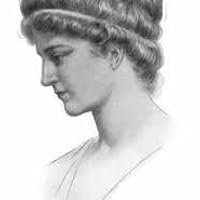
The historian also discusses the notorious and heinous murders, as well as the character assassination of prominent figures such as Hypatia, the eminent Greek Neoplatonist philosopher, mathematician, and astronomer (born c. 350 – 370; died 415 AD), and Giordano Bruno, the great Italian philosopher, mathematician, and astronomer (1548 – 1600). Furthermore, he highlights the suppression of marginalized and peaceful Gnostic communities like the Cathars and the Marcionites. Ironically, their commitment to Jesus's teachings resulted in their suppression. Anton Sammut offers clear and thorough explanations for these historical omissions, inviting readers to ponder the reasons behind such suppressions.
Additionally, he meticulously scrutinizes the less saintly nature of various Popes throughout Christian history. Although revered by the populace, these Popes were far from the pious figures immortalized in classical paintings with grandiose poses. Their lack of empathy, spiritual contemplation, and numerous earthly weaknesses contradict the glorified depictions.
In 'The Other Side of The Judeo-Christian History,' the historian pays tribute to the enlightening viewpoints of the eminent and great philosophers Hypatia and Giordano Bruno and other numerous brilliant thinkers, innocent individuals, and virtuous Gnostic communities that became victims of the 'victors' due to their peaceful and spiritually elevated lifestyles, which didn't align with the prevailing superficial understanding of 'spirituality' at that time. His thoroughly investigative work is indispensable for those seeking to uncover concealed truths within the mainstream narrative of 'victors' history.
With 'The Other Side of Judeo-Christian History,' I concluded an incredible literary journey. Through each of Anton Sammut's books (which are available in the English language), I have learned new realities about religion, philosophy, spirituality, and, most importantly, our unifying experiences. So, if you're eager to learn more about yourself and our collective journey, Anton Sammut's books are an ideal addition to your reading list 😊.
After reading The Secret Gospel of Jesus AD 0–78, I thought I had already encountered the most transformative lens Anton Sammut could offer. But The Other Side of the Judeo-Christian History is something else entirely. It’s not just a reimagining, it’s an excavation. A courageous, meticulous, and unflinching dive into the political, historical, and spiritual fractures beneath the foundations of the Judeo-Christian tradition.
If The Secret Gospel invited me into an intimate re-evaluation of individual figures like Jesus, Mary Magdalene and the silenced voices. Then The Other Side expands that view into an overwhelming landscape of history, power, empire, and erasure. And yet, Sammut guides the reader with the same grace and clarity he’s known for; not sermonising, not antagonising, but illuminating.
From the very first chapter, it was clear this book would demand more of me. It’s not casual reading. It is layered, scholarly without being inaccessible, bold yet incredibly humble. Each page pulses with a dual energy one of passion and one of precision. Sammut has done his homework. You can feel the years of research, the careful sourcing, the fearless questioning of sacred cows that most authors wouldn’t dare to touch. And yet, the beauty is that he does so not out of disdain, but out of reverence for transparency.
He charts a path through the contested terrains of the Old Testament, the shifting theologies of early Christianity, the machinations of Empire, and the silent margins where voices were deliberately left out or crushed under doctrinal weight. He dissects how history was shaped not only by those who lived it but by those who later told it, and more importantly, by those who chose what not to tell.
As someone long caught between curiosity and caution, I’ve often felt alienated by history books that either regurgitate dogma or sneer at belief. Sammut’s work does neither. He respects the reader’s intelligence.
Reading this, I found myself stopping often. Not out of confusion, but contemplation. A sentence would land like a weight in the chest. A footnote would carry more implication than an entire chapter of a mainstream theology text. He traces not just events, but consequences; how theological decisions forged in political halls would go on to shape centuries of belief, suffering, and silencing. And through it all, there is a quiet call... See what was buried. Hear what was silenced. Question what was handed to you as ‘eternal truth.’
One of the most remarkable aspects is its treatment of hidden lineages and overlooked wisdom traditions. Sammut offers glimpses into streams of spirituality that predate, challenge, or run parallel to the dominant Judeo-Christian narrative. And it’s not speculative fantasy, it’s grounded in rigorous historical method, and more importantly, in an ethical impulse to recover what was unjustly discarded. That recovery isn’t just intellectual. It is most importantly spiritual. A homecoming for spiritual truths long exiled.
By the final chapter, something inside me had quietly shifted. Not just in how I saw history, but in how I approached the sacred stories passed down to me. They no longer felt sealed or frozen in time, but alive—layered with human hands and hearts. In that aliveness, I found a more grounded kind of truth. One not bound by certainty, but rich with meaning.
The Other Side of the Judeo-Christian History by Anton Sammut - ★★★★☆
Anton Sammut's The Other Side of the Judeo-Christian History is a captivating exploration that challenges conventional narratives and offers a fresh perspective on the intertwined histories of Judaism and Christianity. The book delves deep into the origins of fundamental religious concepts, asking critical questions such as: How did the first concept of God originate? Who was Yahweh, and who was Moses? Where did the Ten Commandments come from? These questions, among others, form the backbone of Sammut’s investigation, leading readers through a journey of discovery that unearths new questions along the way.
The book is particularly strong in its meticulous research. Sammut examines a wide array of sources to provide a nuanced and well-rounded account of Judeo-Christian history. His work addresses not only the historical figures like Jesus Christ and St. Paul but also delves into the origins of the Gospels left out of the New Testament, the rise of the papal pontificate, and the Gnostics. The exploration of the repercussions of the false document supposedly left to the Church by Emperor Constantine the Great adds another layer of intrigue to the narrative.
One of the book's key strengths is its ability to connect historical dots and offer alternative interpretations that challenge the traditional understanding of religious history. Sammut's approach is both delicate and bold, as noted by Rev. Dr. René Camilleri, who praises the book for venturing beyond the borders of religion that typically offer security and certainty. This willingness to explore the unknown will appeal greatly to readers who are not satisfied with standard teachings and are curious about the true origins and development of religious beliefs.
The writing style is clear and accessible, making complex historical and theological concepts easier to grasp. However, there are sections where the book delves into dense academic discussions, which might slow down the pace for some readers. Despite this, the thorough research and careful analysis, as noted by Rev. Prof. Peter Serracino Inglott, make the mental exercise worthwhile.
In summary, The Other Side of the Judeo-Christian History is a well-researched and insightful exploration that offers a fresh perspective on religious history. Anton Sammut’s work challenges readers to think critically about the origins of Judeo-Christian beliefs and the evolution of religious institutions. While it may be dense in places, the book’s strengths far outweigh its weaknesses, making it a highly recommended read for those interested in religious studies, history, or anyone eager to explore the complexities of faith from a new angle.
For enthusiasts of religious history like myself, The Other Side of Judeo-Christian History is a masterclass in historical analysis and a delight for the intellect. Anton Sammut's exploration of both obscure and well-known biblical events, interpreted in ways never before considered, left me spellbound.
From the rise of ancient civilizations to the subtleties of religious doctrine, Sammut leaves no stone unturned in his study. His trailblazing approach to decoding sacred texts is pioneering, offering surprising answers to enduring questions about the murky history of Judeo-Christianity.
Whether you're a passionate lover of religious history or just dipping your toes into the world of religious studies, this book belongs on your favorite book shelf.
This earth-shattering book is an unflinching scrutiny of the biblical texts that shaped Western religious thought. Sammut employs a concise and direct approach, ensuring efficient communication of key concepts. His unbiased research, critical eye, and academic rigor challenge, and, I dare say, redefine the entire narrative of Judeo-Christian history in ways never studied before and much more meaningfully.
This powerful book offers an all-around investigation of Judeo-Christianity, a subject broadly studied but never approached from such a comprehensive angle as Historian Anton Sammut has. The Other Side of the Judeo-Christian History is a distinguished academic output that demands recognition.