What do you think?
Rate this book

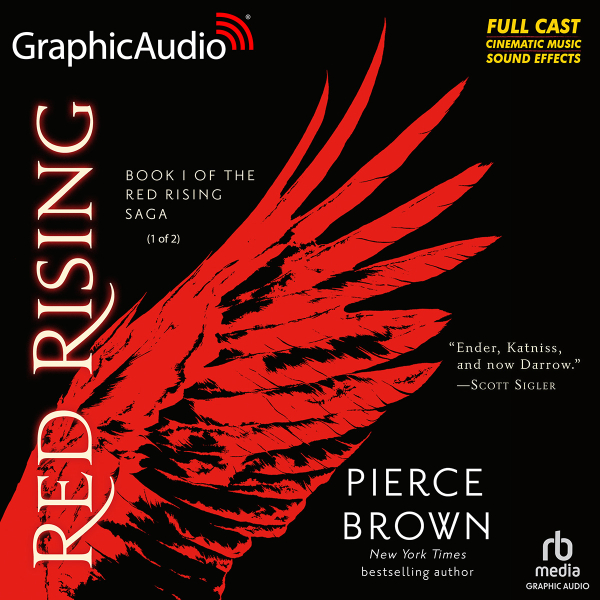
9 pages, Audiobook
First published April 2, 2023
Red Rising (1 of 2) [Dramatized Adaptation] by Pierce Brown
Pierce Brown's debut novel is a brutal, propulsive science-fiction epic set in a rigidly stratified future society. Humanity has colonized the solar system and organized itself into a color-coded caste system, with the golden-eyed Golds at the top and the Reds, who toil in the mines beneath Mars, at the bottom. This first half of the dramatized adaptation covers the setup: the world, its cruelty, and the beginning of a young man's transformation into something dangerous.
The Premise
Darrow is a sixteen-year-old Helldiver, a Red who drills for helium-3 in the deep tunnels. He has been told his whole life that his labor is terraforming the surface of Mars for the generations to come. His loyalty to that promise, and his love for his wife, Eo, form the emotional foundation of the story. The book then turns him from a worker into a weapon, and that transformation is the engine of the plot.
The Dramatized Format
A dramatized adaptation is not a standard audiobook. Instead of a single narrator, it uses a full cast of voice actors, a musical score, and layered sound effects. For a story this cinematic, the approach mostly works. Sci-fi action set pieces such as drilling, combat, and the hum and clatter of the Institute's arenas gain real energy from the sound design. Different characters get distinct voices, which helps in a book with a large, politically tangled ensemble. The adaptation also trims some of the novel's interior monologue in favor of dialogue and action, which speeds the pace but occasionally flattens Darrow's inner conflict.
Strengths
Momentum. The story rarely lets up. The opening chapters establish the stakes quickly, and the shift into the second act arrives with real force.
Worldbuilding. The caste system feels lived-in rather than decorative. The color hierarchy, the propaganda that keeps the Reds compliant, and the casual cruelty of the upper castes give the setting weight and give the story a moral spine.
Emotional stakes. Darrow's motivation is personal and easy to follow, which grounds a story that could otherwise drift into abstraction.
Audio production. The score and effects heighten tension without drowning out the performances, and the ensemble cast makes a crowded story easier to follow by ear.
Weaknesses
Familiar echoes. Readers of The Hunger Games, Ender's Game, or Game of Thrones will recognize some of the structure. The book borrows freely, though it usually adds enough of its own intensity to stand apart.
Abridged interiority. Because the format prioritizes action and dialogue, some of Darrow's reflective passages are compressed, so his moral struggle can feel less nuanced than on the page.
Content intensity. The violence is graphic and sustained, and the story deals with cruelty, death, and coercion. Some listeners will find it heavy going.
An incomplete arc. As the first of two parts, this installment ends mid-story. It sets up much more than it resolves, so it works best when you are ready to continue straight into part two.
Plot Notes
Verdict
A fast, savage, and emotionally driven sci-fi opener that gains real energy from its full-cast dramatization. It is imperfect and derivative in places, but hard to put down.
Rating: 5 out of 5 stars
Best for: Fans of dystopian and military science fiction, listeners who enjoy immersive full-cast productions, and anyone who likes stories of rebellion and revenge. Less suited to: Readers who prefer gentle pacing or want to avoid graphic violence.


![Profile Image for ari [gin’s vrsn 🩵] [semi ia].](https://i.gr-assets.com/images/S/compressed.photo.goodreads.com/users/1757265812i/180071670._UX200_CR0,33,200,200_.jpg)