

What do you think?

Sin
Zakhar Prilepin’s novel-in-stories, Sin, has become a literary phenomenon in Russia, where it was published in 2007. It has been hailed as the epitome of the spirit of the opening decade of the 21st century, and was called “the book of the decade” by the prestigious Super Natsbest Award jury. Now available for the first time in English, it not only embodies the reality of post-perestroika Russia, but also shows that even in this reality, just like in any other, it is possible to maintain a positive attitude while remaining human.
Zakharka is young, strong, in love with love and with life’s random, telling moments. In the episodes of his life, presented here in non-chronological order, we see him as a little boy, a lovelorn teenager, a hard-drinking grave-digger, a nightclub bouncer, a father, and a soldier in Chechnya. He even writes poetry, and his stylistically varied verses are presented in the penultimate chapter of the book. Loving life, he looks boldly, and even with curiosity, into the face of death – taking pictures of the deceased at a funeral, staring with agitation at the entrails of a just-disembowelled pig, chronicling the death of a childhood friend – and values the freedom of not fearing his own end. It is family that ultimately defines happiness for Zakharka; but it is also family that makes him realize, on the desolate Chechen border, that his love for them has deprived him of this freedom.
Sin offers a fascinating glimpse into the recent Russian past, as well as its present, with its unemployment, poverty, violence, and local wars – social problems that may be found in many corners of the world. Zakhar Prilepin presents these realities through the eyes of Zakharka, taking us along on the life-affirming journey of his unforgettable protagonist.
214 pages, Kindle Edition
First published January 1, 2007
About the author
Zakhar Prilepin
53 books114 followersYevgenii Nikolaevich Prilepin (Russian: Евге́ний Никола́евич Приле́пин, writing as Zahar Prilepin (Russian: Захар Прилепин), and sometimes using another pseudonym, Evgeny Lavlinsky (Russian: Евгений Лавлинский), this one mostly for journalistic publications, is a Russian writer, and a member of Russia's unregistered National Bolshevik Party since 1996.
http://en.wikipedia.org/wiki/Zakhar_P...
http://en.wikipedia.org/wiki/Zakhar_P...
Ratings & Reviews
Friends & Following
Create a free account to discover what your friends think of this book!
Community Reviews
Displaying 1 - 30 of 41 reviews

July 2, 2012
A bestseller in Russia and now translated into English and published by the UK/Dutch publisher Glagoslav, this novel-in-stories about the life of a young man named Zakharka(not told chronologically but in glimpses of various times) is a quite extraordinary book, sensual, tender, funny, brutal and philosophical by turns. This is a very male voice yet though some have compared him to Hemingway, I don't think that gives any real sense of the flavor of this book, it's not macho or emotion-repressed at all, quite the opposite. This is also very much a modern novel, both in its narrative format and the portrait of the society it draws, yet to my mind it's also very much in the headlong, sensual, experimental and surprising tradition of Russian literature. Life-affirming yet not optimistic, joyous yet very much aware of pain and sin, it's the story of a young man living in a society traumatised by the crashing of a system and the subsequent confusions of the new order, who snatches moments of true happiness which are not in any sense negated by the harder aspects of things.
I particularly loved three of these stories, all dealing with love in its different forms--a teenage love affair, a summer full of unresolved tension between three cousins and a particularly poignant and beautiful evocation of family life and the precious distinctiveness of children. But there are also stories of soldiers in Chechnya and nightclub bouncers and drunks, which though much harsher still manage to convey emotion in a way which rings absolutely true. Prilepin has a sharp eye for nature too and a gift for unexpected yet precise imagery. Brilliant work, not to be missed.
I particularly loved three of these stories, all dealing with love in its different forms--a teenage love affair, a summer full of unresolved tension between three cousins and a particularly poignant and beautiful evocation of family life and the precious distinctiveness of children. But there are also stories of soldiers in Chechnya and nightclub bouncers and drunks, which though much harsher still manage to convey emotion in a way which rings absolutely true. Prilepin has a sharp eye for nature too and a gift for unexpected yet precise imagery. Brilliant work, not to be missed.

July 7, 2018
Uvijek sam pomalo skeptična prema djelima pisaca koji na korice svoje knjige stave sopstvenu sliku, frontal u krupnom kadru. Toliko o meni.
Što se tiče Prilepina, uzela sam ga najviše zbog preporuke divne bibliotekarke i činjenice da uskoro dolazi u Banjaluku. Roman u pričama, kako ga naziva stručna javnost, proglašen je knjigom decenije u Rusiji što je već sasvim dovoljan argument da se zainteresujete za Prilepinovo stvaralaštvo. Neću mnogo pisati o pričama iz ove zbirke "Greh" koliko o samom Prilepinu. Za ove priče dovoljno je reći da sasvim opravdano i zasluženo nose dodijeljeni im status.
Sam Zaharka je radio kao fizikalac, grobar, izbacivač u noćnim klubovima, komandant jedinice Odjeljenja policije za posebne namjene (OMON), učestvovao je u borbenim dejstvima u Čečeniji, radi kao novinar, nosilac je brojnih ruskih i inostranih nagrada za svoj književni rad, ima ga i u politici, otac je četvoro djece,.. Bogato životno iskustvo kipi sa svake stranice ovih nezaboravnih priča među kojima ima najnježnijih očinskih emocija koje ćete ikad pročitati, preko opisa grubih marifetluka sitnih kriminalaca do doživljaja rata ravnih senzibilitetu i kvalitetu jednog Hemingveja.
Pored svih osobenosti stila, najviše me opčinjava njegova sposobnost, da ne upotrijebim baš onu Kunderinu čuvenu sintagmu, nepodnošljiva lakoća služenja jezikom zbog koje pomislim da je ruski ubjedljivo najbogatiji jezik na svijetu. Toliko zasad, meni predstoji Sanjka koju jedva čekam, ali moram prvo ispoštovati Zafona i lektiru kluba. Inače, Prilepinu je danas rođendan. Ništa nije slučajno.
Što se tiče Prilepina, uzela sam ga najviše zbog preporuke divne bibliotekarke i činjenice da uskoro dolazi u Banjaluku. Roman u pričama, kako ga naziva stručna javnost, proglašen je knjigom decenije u Rusiji što je već sasvim dovoljan argument da se zainteresujete za Prilepinovo stvaralaštvo. Neću mnogo pisati o pričama iz ove zbirke "Greh" koliko o samom Prilepinu. Za ove priče dovoljno je reći da sasvim opravdano i zasluženo nose dodijeljeni im status.
Sam Zaharka je radio kao fizikalac, grobar, izbacivač u noćnim klubovima, komandant jedinice Odjeljenja policije za posebne namjene (OMON), učestvovao je u borbenim dejstvima u Čečeniji, radi kao novinar, nosilac je brojnih ruskih i inostranih nagrada za svoj književni rad, ima ga i u politici, otac je četvoro djece,.. Bogato životno iskustvo kipi sa svake stranice ovih nezaboravnih priča među kojima ima najnježnijih očinskih emocija koje ćete ikad pročitati, preko opisa grubih marifetluka sitnih kriminalaca do doživljaja rata ravnih senzibilitetu i kvalitetu jednog Hemingveja.
Pored svih osobenosti stila, najviše me opčinjava njegova sposobnost, da ne upotrijebim baš onu Kunderinu čuvenu sintagmu, nepodnošljiva lakoća služenja jezikom zbog koje pomislim da je ruski ubjedljivo najbogatiji jezik na svijetu. Toliko zasad, meni predstoji Sanjka koju jedva čekam, ali moram prvo ispoštovati Zafona i lektiru kluba. Inače, Prilepinu je danas rođendan. Ništa nije slučajno.

Read
June 10, 2018کتاب رو به دلایلی شروع کردم و با اینکه نچسب بود تا وسط هاش هم رفتم، اما مجبور شدم به کتابخونه پسش بدم، و با توجه به اینکه جذبم نکرده بود و وقفه ای هم افتاد، عملا انگیزه ای برای خوندنش ندارم دیگه. حداقل نه الان. شاید بعدا برگشتم بهش.

June 28, 2019
Korice knjige su za 1, većina priča je 4-5, priča "Greh" je za 10, tako da 5 zvezdica.

May 13, 2022
A story told in flashes, in shorts, and it works because we get images of Zakhara, innocent, lustful, drunk, philosophical bouncer, hardened soldier, in love with his family, in love with his country. A country in the midst of change and the resultant poverty and lack of opportunity.

July 10, 2012
Zakhar Prilepin is one hell of a writer, and an interesting figure to boot. Sin is an exciting debut in English for one of one of Russia’s most popular and critically-acclaimed writers.
Though this is his first novel published in English, Prilepin has written a lot: four novels, three books of short stories, plus a couple of books of essays, plus he’s a full-time journalist writing for an independent newspaper he started in Nizhny Novgorod (the fifth-biggest city in Russia), where he lives, and his columns and interviews frequently appear in national newspapers and magazines. Last time I was in Russia, summer 2011, his newest novel, Чёрная обезьяна (Black Monkey), was everywhere—in the front of every bookstore, in kiosks in the Metro, and his face and name were in every magazine and newspaper I came across, from the massive state organ RIA to the hipster cultural mag Большой город. But Prilepin is also a controversial figure in Russian letters: politically active, he is a member is of the National Bolshevik Party (which is neither communist nor fascist, but some sort of weird hybrid in between), an outsider political organization/party headed up by the writer Eduard Limonov, and in 2012, Prilepin wrote a now-infamous “open letter to Stalin” that was accused of thinly-veiled anti-Semitism. And speaking of Stalin, there is an awesome poem in this book with the title “I’ll buy myself a portrait of Stalin.” To speak of Stalin in Russian literature is a taboo, this poem is remarkable, and Prilepin is, while controversial (and I make no judgments, I know too little), remarkable too.
Why do I mention Prilepin’s political inclinations? Because, as one old Soviet poet once said, in Russia, a poet is more than a poet; a writer is more than a writer. Or is he? Does he have to be? If you are American, and you read something by Zakhar Prilepin (which isn’t his real name but rather his pseudonym), is he more than a writer to you? Or is he just another Russian whom you can discard if he’s not Tolstoyan or anti-regime or doesn’t fit the mold of all the beautiful Russian stereotypes that have existed from Pushkin to Brodsky . . . we like our Russian writers to be daring, to be politically active, and to suffer some sort of persecution—basically, everything we don’t ask for in writers from anywhere else. Russian writers are held the worst levels of double-standards by global critics, where works are judged for their “insight into the Russian soul” or their “political satire” without placing the writers into the context of global culture and international literature where they justly belong.
Sin is Prilepin’s first book published in English, and it was brought out by Glagoslav Publications, a new publishing house based in the Netherlands and UK that specializes in eastern Slavic literatures (Russian, Ukrainian, Belarusian). Only a few of Prilepin’s stories have been available in English previously, most notably in the Rasskazy collection and the elusive Read Russia compilation put together for BEA 2012 (why this collection hasn’t been made available, at least as a downloadable file online, is beyond me. If anyone can tell me how to convert the book I have into a PDF file, aside from manually scanning each page, let’s pirate it!).
Sin is one of the most highly-regarded novels of the post-Soviet period: it won the National Bestseller after it was published in 2008, and in 2011 won the decade-spanning “SuperNatsBest prize, in which judges selected the best/most important (their criteria is vague) book that had ever won or been nominated for the National Bestseller award (in 2011, Prilepin's San'kya was a finalist for Russian Booker of the Decade for the 2000s, which I’m happy to see is coming out in English translation via Dzanc Books’s new DISQUIET imprint).
Why do I keep writing all of this? Why all this pedantic context? Here I am, trying to “teach” the reader of this review something about Russia and about Prilepin, as if I really knew. I hate myself for this review, because here I am, another scholar of Russian literature writing a review of a new Russian novel . . . published by a company that only publishes Russian literature. Isn’t this a vicious cycle? We’re Russianists and Slavophils writing reviews of Russian books to be read by other Russianists and Slavophils! I want somebody else to review this book who doesn’t know a goddamn thing about Russian literature today and can judge the merits of the book on the book itself—on Prilepin’s vivid language and complex characters! BUT WHAT IF THE CONTEXT IS EVERYTHING!? What if my pedantry can get somebody new to read this book and see that even though Putin’s name is never mentioned once, the hallmarks of Putinism are painted on every page?! And that even though the political undertones (and overt display of political themes, as in the closing story, “The Sergeant”) are everywhere, the joy and beauty of the narrator’s love for his wife and children (and his beautiful cousin, one summer when he is still a teenager) is still breathtaking. But is it breathtaking to someone who’s not in so deep with Russian literature? Can we judge Prilepin as a post-modernist-post-Soviet-21st-century writer without the context?
Sin is a novel in stories—well, eight stories and a cycle of poetry—and it is fun and easy to read (with a highly sympathetic and likeable narrator, if that’s your thing). The stories jump around time periods in the life of the narrator, Zakhar (or Zakharka, as he goes by when he’s younger), from a summer in his grandparents’ village at seventeen (“Sin”), through a courtship with his beloved as a young man (“Whatever day of the week it happens to be”) through marriage and fatherhood (all the rest of the stories). At various points he is a writer, a bouncer, a bread truck un-loader, a soldier, and an office worker. He loves his girlfriend and (later) his wife and his children and the puppies that live in the courtyard of his apartment building, and he has some friends of moderately ill repute that are alternately amusing and sad that he likes to drink with.
Zakhar the narrator lives in Nizhny Novgorod, which is only explicitly described once (when Zakhar-narrator drives from Nizhny Novgorod to his home village in the province of Ryazan, where the real-life Zakhar is also from), but the rest of the time, you can tell it’s not Moscow or Saint Petersburg, and that’s a pretty remarkable thing in Russian literature these days, considering 90+% of Russian cultural figures live in Moscow, Saint Petersburg, or abroad. Imagine if all American writers and directors and ballet dancers and anyone else affiliated with the arts lived in New York or Los Angeles and that was it. It’s kind of like that for film in the US, but no other arts industry. So it’s refreshing to read a book that’s NOT set in Moscow or Saint Petersburg.
I recently read and loved David Shields’s Reality Hunger, and like Shields, I like for my literature to take on a life of its own based on the life of its creator. It doesn’t have to be “fact,” that would be trite, but it has to come from a place of truth, inspired by the reality of the author. And the life that Prilepin describes is all too real. I can close my eyes smell the dank stairwells and cramped corner stores that Zakhar visits throughout his life. I can see the village where his grandparents live, where their neighbor still doesn’t own any electrical appliances. These hallmarks of decay are emblematic of the malaise educated, urban professionals and youth feel in Russia today. Brezhnev’s time as leader of the Soviet Union was described as “stagnation,” but Putin’s Russia is beginning to take on a similar tone; my favorite line in a book I translated by the journalist Oleg Kashin had to do with the “scum of Putin’s stagnation“—but a different word for stagnation, something more along the lines of “timelessness.” Putin’s Russia exists outside of time, the rest of the world moves on, goes forward, and Russia stays Russia, the elites at the top in Moscow getting infinitely wealthier, while the rest of the country slides further into irrelevance, malaise . . . timelessness. Prilepin gets at that, but with a dose of the little joys that come from our most basic human instinct: love (cheesy, eh?). And where the line between Zakhar-author and Zakhar-narrator is drawn, I don’t know. And I don’t want to know.
Prilepin was born in the Soviet Union but grew up in Russia—this loss/change of homeland figures prominently into Sin, as well as the writing of the new generation of Russian authors, those who were born Soviet but became Russian, and who plumb the depths of Russian and Soviet history to build a literary identity that straddles time and geopolitical space. The closing story in the novel, “The Sergeant,” is set on the borderlands of Russia, still in Russia, yet outside of the country, set among a small contingent of soldiers guarding an outpost just beyond their base (think “Restrepo” but with Chechens in place of Afghans), where the title character (it is never stated who Zakhar is in this story, it could very well be the narrator, who only goes by The Sergeant) engages in a running inner dialogue with himself about why he and his comrades are made to serve on this hostile frontier and their relationships with the land they’re fighting for:
He couldn’t remember when he had last pronounced this word—Homeland. There hadn’t been one for a long time. At some point, maybe in his youth, his Homeland had disappeared, and in its place nothing had formed. And nothing was needed.
Sometimes there was a forgotten, crushed, childish, painful feeling beating in his heart. The sergeant didn’t admit it and didn’t respond. Who hadn’t felt this . . .
It’s hard for anyone outside of Russia to understand what the Caucasus region means to Russia (and I’m not about to try and describe it), but regardless of its political importance, it has played a role in the development of countless Russian writers from the days of Pushkin and Lermontov to Tolstoy and now Prilepin, who himself served in the OMON (Russia’s most badassmotherfucker division of paramilitary forces, kind of like the SWAT team mixed with Special Forces) in the Chechen wars of the late 1990s. Can you imagine a place in America where you are IN America and yet simultaneously OUTSIDE of America? I know Texas seems like that place, but it’s not, and I for one can’t imagine it . . . it’s insane. And it’s a Russian reality still today, a borderland at the edge of an empire where radically opposed cultures have been in conflict for centuries. It’s a place where men become boys and boys and men alike die every day while the military and political stalemate continues.
And speaking of stalemate, I particularly like the end of the story “Wheels,” which continues in the all-too-common theme of “Russia as a train that doesn’t know where it’s going” motif that exists in contemporary Russian literature. But I like Prilepin’s take on it, when the narrator Zakhar is running alongside the traintracks at the end of the story and falls, the train rushing past him as he lays on his side, and you can feel the stagnation of life in Russia today:
My foot slipped, and I fell on my side, on to the gravel bank, and immediately, at that very second, I saw the black shining wheels steaking [sic] past with a terrible roar.
I gathered gravel in my palm, I felt the gravel with my cheek, and for a few minutes I couldn’t breathe: the huge wheels burnt the air, leaving a feeling of hot, stifling, mad emptiness.
This excerpt is a perfect extract to take out of Sin, both for its display of Prilepin’s prose (which is always rushing forward, he is very easy and enjoyable to read, and for some reason, my pulse is always up when I read him, his stories morph into page-turners the more you get inside Zakhar-narrator’s head) as well as some of the problems of this translation Simon Patterson and Nina Chordas, and this publication by Glagoslav: there are frequent grammatical and spelling mistakes throughout the text, as if the editor fell asleep on the job, or their word processing document’s spellcheck went on the fritz. At the same time, the first sentence of the extract shows a particularly Russian standard of punctuation that drives certain American readers crazy (I know I am not alone in this). I stand by translators’ rights to adopt whatever style they want in their work, and if Patterson and Chordas chose a style that adheres more closely to the Russian punctuation (which I have double-checked, and it does), that is fine, but at the same time, sentences like that above are left choppy, fragmented, and in need of some breathing space. This work would be greatly enhanced with a translator’s afterword (I hate prefaces of all types, especially when they talk at length about the book you’re about to read).
Also of note, the layout and font of this book are awful. It looks like it was a manuscript smuggled out of someone’s 95 version of Word in a size 13 Verdana font, with awkward paragraph and line spacing; plus the margins are massive on the left side and too close to the binding on the right, with plenty of room at the top and bottom of the page. And the cover: whose portrait is that on the front? I wish it was Prilepin’s, but I don’t think it is (he looks quite striking: tall and broad-shouldered with a shaved head, his picture is on the back cover). And how many more books are going to come out of Russia with goddamn St. Basil’s Cathedral on the cover (Rasskazy is guilty of this too, and even Anna Politkovskaya’s Putin’s Russia)? What message does that send to any potential reader? Not a damn scene in this book takes place in Moscow, it would be like reading a book that takes place in Texas that has the Empire State Building on the cover. Why? In the end, these are not unimportant quibbles I have with the book, and I do not mean them to be personal attacks against publisher, editor, or translator—but as, apparently, the target audience for this book (I received an unsolicited email from the publisher advertising the book while still a graduate student in a Russian program), I do hold everyone to a high standard of quality—Prilepin is arguably one of the greatest writers in the world right now, and this is his debut in the literary world’s dominant language (of the moment), throwing his name into the hat for the first time in serious discussion of Western literary recognition (not that that is everything)—if you expect a reader like me to buy a book and enjoy it, I want it to be a book worth holding in my hands, a book without mistakes on many pages, and a book that I will hold on to and cherish and share.
With that said, I hope the second edition (or future American edition) corrects some of those mistakes, and that many more of Prilepin’s books make it in to English.
Though this is his first novel published in English, Prilepin has written a lot: four novels, three books of short stories, plus a couple of books of essays, plus he’s a full-time journalist writing for an independent newspaper he started in Nizhny Novgorod (the fifth-biggest city in Russia), where he lives, and his columns and interviews frequently appear in national newspapers and magazines. Last time I was in Russia, summer 2011, his newest novel, Чёрная обезьяна (Black Monkey), was everywhere—in the front of every bookstore, in kiosks in the Metro, and his face and name were in every magazine and newspaper I came across, from the massive state organ RIA to the hipster cultural mag Большой город. But Prilepin is also a controversial figure in Russian letters: politically active, he is a member is of the National Bolshevik Party (which is neither communist nor fascist, but some sort of weird hybrid in between), an outsider political organization/party headed up by the writer Eduard Limonov, and in 2012, Prilepin wrote a now-infamous “open letter to Stalin” that was accused of thinly-veiled anti-Semitism. And speaking of Stalin, there is an awesome poem in this book with the title “I’ll buy myself a portrait of Stalin.” To speak of Stalin in Russian literature is a taboo, this poem is remarkable, and Prilepin is, while controversial (and I make no judgments, I know too little), remarkable too.
Why do I mention Prilepin’s political inclinations? Because, as one old Soviet poet once said, in Russia, a poet is more than a poet; a writer is more than a writer. Or is he? Does he have to be? If you are American, and you read something by Zakhar Prilepin (which isn’t his real name but rather his pseudonym), is he more than a writer to you? Or is he just another Russian whom you can discard if he’s not Tolstoyan or anti-regime or doesn’t fit the mold of all the beautiful Russian stereotypes that have existed from Pushkin to Brodsky . . . we like our Russian writers to be daring, to be politically active, and to suffer some sort of persecution—basically, everything we don’t ask for in writers from anywhere else. Russian writers are held the worst levels of double-standards by global critics, where works are judged for their “insight into the Russian soul” or their “political satire” without placing the writers into the context of global culture and international literature where they justly belong.
Sin is Prilepin’s first book published in English, and it was brought out by Glagoslav Publications, a new publishing house based in the Netherlands and UK that specializes in eastern Slavic literatures (Russian, Ukrainian, Belarusian). Only a few of Prilepin’s stories have been available in English previously, most notably in the Rasskazy collection and the elusive Read Russia compilation put together for BEA 2012 (why this collection hasn’t been made available, at least as a downloadable file online, is beyond me. If anyone can tell me how to convert the book I have into a PDF file, aside from manually scanning each page, let’s pirate it!).
Sin is one of the most highly-regarded novels of the post-Soviet period: it won the National Bestseller after it was published in 2008, and in 2011 won the decade-spanning “SuperNatsBest prize, in which judges selected the best/most important (their criteria is vague) book that had ever won or been nominated for the National Bestseller award (in 2011, Prilepin's San'kya was a finalist for Russian Booker of the Decade for the 2000s, which I’m happy to see is coming out in English translation via Dzanc Books’s new DISQUIET imprint).
Why do I keep writing all of this? Why all this pedantic context? Here I am, trying to “teach” the reader of this review something about Russia and about Prilepin, as if I really knew. I hate myself for this review, because here I am, another scholar of Russian literature writing a review of a new Russian novel . . . published by a company that only publishes Russian literature. Isn’t this a vicious cycle? We’re Russianists and Slavophils writing reviews of Russian books to be read by other Russianists and Slavophils! I want somebody else to review this book who doesn’t know a goddamn thing about Russian literature today and can judge the merits of the book on the book itself—on Prilepin’s vivid language and complex characters! BUT WHAT IF THE CONTEXT IS EVERYTHING!? What if my pedantry can get somebody new to read this book and see that even though Putin’s name is never mentioned once, the hallmarks of Putinism are painted on every page?! And that even though the political undertones (and overt display of political themes, as in the closing story, “The Sergeant”) are everywhere, the joy and beauty of the narrator’s love for his wife and children (and his beautiful cousin, one summer when he is still a teenager) is still breathtaking. But is it breathtaking to someone who’s not in so deep with Russian literature? Can we judge Prilepin as a post-modernist-post-Soviet-21st-century writer without the context?
Sin is a novel in stories—well, eight stories and a cycle of poetry—and it is fun and easy to read (with a highly sympathetic and likeable narrator, if that’s your thing). The stories jump around time periods in the life of the narrator, Zakhar (or Zakharka, as he goes by when he’s younger), from a summer in his grandparents’ village at seventeen (“Sin”), through a courtship with his beloved as a young man (“Whatever day of the week it happens to be”) through marriage and fatherhood (all the rest of the stories). At various points he is a writer, a bouncer, a bread truck un-loader, a soldier, and an office worker. He loves his girlfriend and (later) his wife and his children and the puppies that live in the courtyard of his apartment building, and he has some friends of moderately ill repute that are alternately amusing and sad that he likes to drink with.
Zakhar the narrator lives in Nizhny Novgorod, which is only explicitly described once (when Zakhar-narrator drives from Nizhny Novgorod to his home village in the province of Ryazan, where the real-life Zakhar is also from), but the rest of the time, you can tell it’s not Moscow or Saint Petersburg, and that’s a pretty remarkable thing in Russian literature these days, considering 90+% of Russian cultural figures live in Moscow, Saint Petersburg, or abroad. Imagine if all American writers and directors and ballet dancers and anyone else affiliated with the arts lived in New York or Los Angeles and that was it. It’s kind of like that for film in the US, but no other arts industry. So it’s refreshing to read a book that’s NOT set in Moscow or Saint Petersburg.
I recently read and loved David Shields’s Reality Hunger, and like Shields, I like for my literature to take on a life of its own based on the life of its creator. It doesn’t have to be “fact,” that would be trite, but it has to come from a place of truth, inspired by the reality of the author. And the life that Prilepin describes is all too real. I can close my eyes smell the dank stairwells and cramped corner stores that Zakhar visits throughout his life. I can see the village where his grandparents live, where their neighbor still doesn’t own any electrical appliances. These hallmarks of decay are emblematic of the malaise educated, urban professionals and youth feel in Russia today. Brezhnev’s time as leader of the Soviet Union was described as “stagnation,” but Putin’s Russia is beginning to take on a similar tone; my favorite line in a book I translated by the journalist Oleg Kashin had to do with the “scum of Putin’s stagnation“—but a different word for stagnation, something more along the lines of “timelessness.” Putin’s Russia exists outside of time, the rest of the world moves on, goes forward, and Russia stays Russia, the elites at the top in Moscow getting infinitely wealthier, while the rest of the country slides further into irrelevance, malaise . . . timelessness. Prilepin gets at that, but with a dose of the little joys that come from our most basic human instinct: love (cheesy, eh?). And where the line between Zakhar-author and Zakhar-narrator is drawn, I don’t know. And I don’t want to know.
Prilepin was born in the Soviet Union but grew up in Russia—this loss/change of homeland figures prominently into Sin, as well as the writing of the new generation of Russian authors, those who were born Soviet but became Russian, and who plumb the depths of Russian and Soviet history to build a literary identity that straddles time and geopolitical space. The closing story in the novel, “The Sergeant,” is set on the borderlands of Russia, still in Russia, yet outside of the country, set among a small contingent of soldiers guarding an outpost just beyond their base (think “Restrepo” but with Chechens in place of Afghans), where the title character (it is never stated who Zakhar is in this story, it could very well be the narrator, who only goes by The Sergeant) engages in a running inner dialogue with himself about why he and his comrades are made to serve on this hostile frontier and their relationships with the land they’re fighting for:
He couldn’t remember when he had last pronounced this word—Homeland. There hadn’t been one for a long time. At some point, maybe in his youth, his Homeland had disappeared, and in its place nothing had formed. And nothing was needed.
Sometimes there was a forgotten, crushed, childish, painful feeling beating in his heart. The sergeant didn’t admit it and didn’t respond. Who hadn’t felt this . . .
It’s hard for anyone outside of Russia to understand what the Caucasus region means to Russia (and I’m not about to try and describe it), but regardless of its political importance, it has played a role in the development of countless Russian writers from the days of Pushkin and Lermontov to Tolstoy and now Prilepin, who himself served in the OMON (Russia’s most badassmotherfucker division of paramilitary forces, kind of like the SWAT team mixed with Special Forces) in the Chechen wars of the late 1990s. Can you imagine a place in America where you are IN America and yet simultaneously OUTSIDE of America? I know Texas seems like that place, but it’s not, and I for one can’t imagine it . . . it’s insane. And it’s a Russian reality still today, a borderland at the edge of an empire where radically opposed cultures have been in conflict for centuries. It’s a place where men become boys and boys and men alike die every day while the military and political stalemate continues.
And speaking of stalemate, I particularly like the end of the story “Wheels,” which continues in the all-too-common theme of “Russia as a train that doesn’t know where it’s going” motif that exists in contemporary Russian literature. But I like Prilepin’s take on it, when the narrator Zakhar is running alongside the traintracks at the end of the story and falls, the train rushing past him as he lays on his side, and you can feel the stagnation of life in Russia today:
My foot slipped, and I fell on my side, on to the gravel bank, and immediately, at that very second, I saw the black shining wheels steaking [sic] past with a terrible roar.
I gathered gravel in my palm, I felt the gravel with my cheek, and for a few minutes I couldn’t breathe: the huge wheels burnt the air, leaving a feeling of hot, stifling, mad emptiness.
This excerpt is a perfect extract to take out of Sin, both for its display of Prilepin’s prose (which is always rushing forward, he is very easy and enjoyable to read, and for some reason, my pulse is always up when I read him, his stories morph into page-turners the more you get inside Zakhar-narrator’s head) as well as some of the problems of this translation Simon Patterson and Nina Chordas, and this publication by Glagoslav: there are frequent grammatical and spelling mistakes throughout the text, as if the editor fell asleep on the job, or their word processing document’s spellcheck went on the fritz. At the same time, the first sentence of the extract shows a particularly Russian standard of punctuation that drives certain American readers crazy (I know I am not alone in this). I stand by translators’ rights to adopt whatever style they want in their work, and if Patterson and Chordas chose a style that adheres more closely to the Russian punctuation (which I have double-checked, and it does), that is fine, but at the same time, sentences like that above are left choppy, fragmented, and in need of some breathing space. This work would be greatly enhanced with a translator’s afterword (I hate prefaces of all types, especially when they talk at length about the book you’re about to read).
Also of note, the layout and font of this book are awful. It looks like it was a manuscript smuggled out of someone’s 95 version of Word in a size 13 Verdana font, with awkward paragraph and line spacing; plus the margins are massive on the left side and too close to the binding on the right, with plenty of room at the top and bottom of the page. And the cover: whose portrait is that on the front? I wish it was Prilepin’s, but I don’t think it is (he looks quite striking: tall and broad-shouldered with a shaved head, his picture is on the back cover). And how many more books are going to come out of Russia with goddamn St. Basil’s Cathedral on the cover (Rasskazy is guilty of this too, and even Anna Politkovskaya’s Putin’s Russia)? What message does that send to any potential reader? Not a damn scene in this book takes place in Moscow, it would be like reading a book that takes place in Texas that has the Empire State Building on the cover. Why? In the end, these are not unimportant quibbles I have with the book, and I do not mean them to be personal attacks against publisher, editor, or translator—but as, apparently, the target audience for this book (I received an unsolicited email from the publisher advertising the book while still a graduate student in a Russian program), I do hold everyone to a high standard of quality—Prilepin is arguably one of the greatest writers in the world right now, and this is his debut in the literary world’s dominant language (of the moment), throwing his name into the hat for the first time in serious discussion of Western literary recognition (not that that is everything)—if you expect a reader like me to buy a book and enjoy it, I want it to be a book worth holding in my hands, a book without mistakes on many pages, and a book that I will hold on to and cherish and share.
With that said, I hope the second edition (or future American edition) corrects some of those mistakes, and that many more of Prilepin’s books make it in to English.
February 11, 2026
Dieci storie a forte impronta autobiografica che seguono diverse fasi della vita del protagonista, Zachar, prima che diventasse uno scrittore affermato.
L'adolescenza ed i primi turbamenti erotici/scoperta del desiderio.
La giovinezza precaria con Zachar che vive alla giornata passando per mille mestieri.
L'amore e la povertà con la vita domestica con Marusja, tra poesie scritte per fame e una felicità essenziale, descritta come leggera perché priva del peso del cuore.
Onestamente mi aspettavo qualcosa di diverso da Prilepin e ne sono rimasto colpito soprattutto dalla delicatezza di alcuni suoi passaggi.
Questo libro ha un tono decisamente intimista e lirico, non a caso il titolo riflette un senso di tormento interiore costante, contrapposto a un bene che l'autore definisce "leggero come una piuma".
Ogni mio peccato..." pensava Zacharka mezzo addormentato, "ogni mio peccato mi tormenterà in eterno... Il bene che ho fatto, invece, pesa meno di una piuma... il primo alito di vento lo spazzerà via...
Quella primavera mi licenziai dal locale dove lavoravo come buttafuori . Traboccavo di amore per il mondo , e decisi di arruolarmi nella Legione straniera come mercenario.
Può sembrare strano, ma da adolescente, dopo i primi quindici anni trascorsi sulla terra, quella fase di transizione era passata in fretta. Tra l'infanzia improvvisamente finita e il momento in cui la ragazza più bella della scuola era uscita con me la distanza era stata ridicola. Non l'avevo notata, e non me ne ricordavo.
E quindi, mi era quasi sconosciuta l'umiliazione tipica dei miei coetanei, quella che nasce dalla sproporzione tra desideri che urgono e misera possibilità di soddisfarli.
Non ho nemmeno trent'anni, e sono felice. Non penso alla caducità della vita, sono sette anni che non verso una lacrima, dal giorno che il mio unico amore mi ha detto di amarmi, che sì, mi amava, e che voleva essere mia moglie. Da quel giorno non ho mai trovato un solo motivo per piangere, rido spesso, invece, e ancora più spesso sorrido da solo, in mezzo alla strada, sorrido ai miei pensieri, ai miei cari, che con i loro tre cuori battono dolcemente la musica della mia felicità.
Cosa succede al mio Paese?" gli attraversò ancora la mente. "Perché ci striscio sopra, invece di camminarci eretto?"
Io amo la mia Patria" pensava il Sergente scrutando l'oscurità e inciampando. "La amo appassionatamente. Amo la mia terra di un amore feroce, immorale... sono pronto a tutto... a umiliare e a essere umiliato... Ma questa che striscia ai miei piedi, è la mia terra? La mia Patria? Cosa ne avete fatto...
L'adolescenza ed i primi turbamenti erotici/scoperta del desiderio.
La giovinezza precaria con Zachar che vive alla giornata passando per mille mestieri.
L'amore e la povertà con la vita domestica con Marusja, tra poesie scritte per fame e una felicità essenziale, descritta come leggera perché priva del peso del cuore.
Onestamente mi aspettavo qualcosa di diverso da Prilepin e ne sono rimasto colpito soprattutto dalla delicatezza di alcuni suoi passaggi.
Questo libro ha un tono decisamente intimista e lirico, non a caso il titolo riflette un senso di tormento interiore costante, contrapposto a un bene che l'autore definisce "leggero come una piuma".
Ogni mio peccato..." pensava Zacharka mezzo addormentato, "ogni mio peccato mi tormenterà in eterno... Il bene che ho fatto, invece, pesa meno di una piuma... il primo alito di vento lo spazzerà via...
Quella primavera mi licenziai dal locale dove lavoravo come buttafuori . Traboccavo di amore per il mondo , e decisi di arruolarmi nella Legione straniera come mercenario.
Può sembrare strano, ma da adolescente, dopo i primi quindici anni trascorsi sulla terra, quella fase di transizione era passata in fretta. Tra l'infanzia improvvisamente finita e il momento in cui la ragazza più bella della scuola era uscita con me la distanza era stata ridicola. Non l'avevo notata, e non me ne ricordavo.
E quindi, mi era quasi sconosciuta l'umiliazione tipica dei miei coetanei, quella che nasce dalla sproporzione tra desideri che urgono e misera possibilità di soddisfarli.
Non ho nemmeno trent'anni, e sono felice. Non penso alla caducità della vita, sono sette anni che non verso una lacrima, dal giorno che il mio unico amore mi ha detto di amarmi, che sì, mi amava, e che voleva essere mia moglie. Da quel giorno non ho mai trovato un solo motivo per piangere, rido spesso, invece, e ancora più spesso sorrido da solo, in mezzo alla strada, sorrido ai miei pensieri, ai miei cari, che con i loro tre cuori battono dolcemente la musica della mia felicità.
Cosa succede al mio Paese?" gli attraversò ancora la mente. "Perché ci striscio sopra, invece di camminarci eretto?"
Io amo la mia Patria" pensava il Sergente scrutando l'oscurità e inciampando. "La amo appassionatamente. Amo la mia terra di un amore feroce, immorale... sono pronto a tutto... a umiliare e a essere umiliato... Ma questa che striscia ai miei piedi, è la mia terra? La mia Patria? Cosa ne avete fatto...

August 30, 2008
Sin describes itself a novel in short stories – not quite accurate, since there is also a section of poetry – and each piece about a young man named Zakhar establishes its own mood. All the stories, though, combine threads of tenderness, rage, and тоска (toska), an untranslatable Russian word that represents a sort of soulful yearning and worry.
I admire Prilepin’s simple language and story structures, which reflect the everydayness of what he writes. Though at first they seem unremarkable, these stories become a disjointed and oddly beautiful portrait of a young life. There is an honesty to the stories that is disarming and frightening, particularly because the balance of anger and sweetness is so precarious.
Although not everything Prilepin writes is exactly subtle, he rarely becomes precious (with puppies) or brutal (as a bouncer) for long. Even when he does, Zakhar still feels painfully real. His emotional rawness was, for me, so distinctive and overpowering in a positive way that it was easy to overlook small technical aspects – an extra plot element in one story or a bit too much action in another – that sometimes made me, a reader with a bias toward minimalism in short stories, wish he’d trimmed a bit.
My full blog posting on Sin is here:
Prilepin's 'Sin' Isn't Ugly
I admire Prilepin’s simple language and story structures, which reflect the everydayness of what he writes. Though at first they seem unremarkable, these stories become a disjointed and oddly beautiful portrait of a young life. There is an honesty to the stories that is disarming and frightening, particularly because the balance of anger and sweetness is so precarious.
Although not everything Prilepin writes is exactly subtle, he rarely becomes precious (with puppies) or brutal (as a bouncer) for long. Even when he does, Zakhar still feels painfully real. His emotional rawness was, for me, so distinctive and overpowering in a positive way that it was easy to overlook small technical aspects – an extra plot element in one story or a bit too much action in another – that sometimes made me, a reader with a bias toward minimalism in short stories, wish he’d trimmed a bit.
My full blog posting on Sin is here:
Prilepin's 'Sin' Isn't Ugly
May 24, 2011
Прилепин необыкновенно точно выражает тоску.

April 14, 2017
Zakhar Prilepin represents much of what is confusing and contradictory about contemporary Russia. And on the other hand, it's all absolutely simple. He's a pro-Stalinist member of the anti-Putin opposition, a writer who exposes the dark side of modern Russian life while volunteering in the army of the pro-Russian Donetsk People's Republic. Western readers may find these apparent contradictions frustrating, just as casual readers might find the organization of this "novel," which, like its spiritual predecessor "A Hero of Our Time," is composed of a series of short stories arranged in non-chronological order. But what this seemingly haphazard organization reveals is not the bare bones of the main character's life story, but the increasingly strong sucking pull of violence in his life.
The opening story, "Whatever day of the week it happens to be," is largely a lighthearted story of young love. Wrapped up in their infatuation with each other, the main character and his "darling" feel protected from everything, so that "Nothing could touch us to the extent that it evoked any other reaction but a good, light laughter." When they adopt some stray puppies, their bliss seems complete. But then the puppies disappear.
Suspicion falls on some tramps squatting in an old apartment building, who, the main character and his girlfriend fear, must have taken the puppies in order to eat them. The main character invades the tramps' apartment and threatens them, but fails to find the puppies. He and his girlfriend try to reassure themselves that their puppies have not been eaten. And then one day they reappear. Everything seems idyllic again. Until someone else's dog attacks the smallest and shyest of the puppies. The main character explodes in rage, attacking the woman's dog and then threatening the woman herself while his dog runs away, this time for good.
This sets up the pattern for the subsequent stories, in which violence, first against animals, then against women, then against the narrator himself, is initially threatened, and then actualized. Zakhar the narrator seems to have many good things going for him, but violence keeps bursting forth, both from the outside and from within him.
War itself, however, does not appear until the penultimate section of the book, which is not another short story, but a collection of poems presented as written by the young Zakharka-the-character. There violence that has been coyly hinted out in the previous stories finally explodes into full-on mayhem, and
Plunging their nails in blood,
the entire dense army howls.
Butchery until night
or fighting since morning.
This leads the poet to speculate that:
sometimes I think:
perhaps everything happened
otherwise and what is happening now
is just tatters of post-traumatic delirium
a spatter of ruptured memory
idle running of suspended reason
Which is a good prism through which to view the previous stories. Their fragmented, disjointed, high-highs-and-low-lows nature, where everything is wonderful except that violence and death can come exploding out at you and from you from any angle, at any moment, could certainly be interpreted as "tatters of post-traumatic delirium."
It is in the last story that we finally reach what Prilepin calls "the most powerful experience of my life"--the war in Chechnya. This time, it's not some "Zakharka" who is the main character, but an unnamed Sergeant, who has fled to the war to escape from the mortifying realization that strikes him after the birth of his children that "he no longer had the right to die when he felt like it." In this short but powerful story, the main character confronts not so much the brutality of war--he's fine with that--but the question of human freedom, which he understands rather differently than many Western liberal humanists would. In the end, it's a question that's decided for him.
"Sin" is a short read, and much of the language is simple, so in some ways it's a very quick and easy read (I finished it in a couple of afternoons). In others it's highly challenging, both formally and thematically: while the violence is less graphic and over the top than your average Hollywood thriller, it is all-pervasive in its everyday hiddenness, and threatens the defenseless--puppies, kittens, women in strip clubs who have to choose between their lives and making a living--as much or more than it does the macho men who perpetrate it. Prilepin is a controversial figure (to put it mildly), and rightly so, but he has produced a highly accomplished piece of writing here, and, maybe more importantly, it may not be possible to understand contemporary Russia, and certainly not the mess currently taking place in Eastern Ukraine, where old insoluble disagreements are being played out and Chechen veterans are re-enacting their trauma once again, without reading him.
The opening story, "Whatever day of the week it happens to be," is largely a lighthearted story of young love. Wrapped up in their infatuation with each other, the main character and his "darling" feel protected from everything, so that "Nothing could touch us to the extent that it evoked any other reaction but a good, light laughter." When they adopt some stray puppies, their bliss seems complete. But then the puppies disappear.
Suspicion falls on some tramps squatting in an old apartment building, who, the main character and his girlfriend fear, must have taken the puppies in order to eat them. The main character invades the tramps' apartment and threatens them, but fails to find the puppies. He and his girlfriend try to reassure themselves that their puppies have not been eaten. And then one day they reappear. Everything seems idyllic again. Until someone else's dog attacks the smallest and shyest of the puppies. The main character explodes in rage, attacking the woman's dog and then threatening the woman herself while his dog runs away, this time for good.
This sets up the pattern for the subsequent stories, in which violence, first against animals, then against women, then against the narrator himself, is initially threatened, and then actualized. Zakhar the narrator seems to have many good things going for him, but violence keeps bursting forth, both from the outside and from within him.
War itself, however, does not appear until the penultimate section of the book, which is not another short story, but a collection of poems presented as written by the young Zakharka-the-character. There violence that has been coyly hinted out in the previous stories finally explodes into full-on mayhem, and
Plunging their nails in blood,
the entire dense army howls.
Butchery until night
or fighting since morning.
This leads the poet to speculate that:
sometimes I think:
perhaps everything happened
otherwise and what is happening now
is just tatters of post-traumatic delirium
a spatter of ruptured memory
idle running of suspended reason
Which is a good prism through which to view the previous stories. Their fragmented, disjointed, high-highs-and-low-lows nature, where everything is wonderful except that violence and death can come exploding out at you and from you from any angle, at any moment, could certainly be interpreted as "tatters of post-traumatic delirium."
It is in the last story that we finally reach what Prilepin calls "the most powerful experience of my life"--the war in Chechnya. This time, it's not some "Zakharka" who is the main character, but an unnamed Sergeant, who has fled to the war to escape from the mortifying realization that strikes him after the birth of his children that "he no longer had the right to die when he felt like it." In this short but powerful story, the main character confronts not so much the brutality of war--he's fine with that--but the question of human freedom, which he understands rather differently than many Western liberal humanists would. In the end, it's a question that's decided for him.
"Sin" is a short read, and much of the language is simple, so in some ways it's a very quick and easy read (I finished it in a couple of afternoons). In others it's highly challenging, both formally and thematically: while the violence is less graphic and over the top than your average Hollywood thriller, it is all-pervasive in its everyday hiddenness, and threatens the defenseless--puppies, kittens, women in strip clubs who have to choose between their lives and making a living--as much or more than it does the macho men who perpetrate it. Prilepin is a controversial figure (to put it mildly), and rightly so, but he has produced a highly accomplished piece of writing here, and, maybe more importantly, it may not be possible to understand contemporary Russia, and certainly not the mess currently taking place in Eastern Ukraine, where old insoluble disagreements are being played out and Chechen veterans are re-enacting their trauma once again, without reading him.

April 21, 2025
Stumbled on this book accidently in the library, must have been put away years ago and forgotten because I'm sure there was a western wide campaign to boycott modern/nationalist Russian literature after 2022. Prilepin was directly involved in the 2014 Donbass war and went on tv to brag about his units KD ratio and also just pushes for every expansionist agenda in Russia (he ended up getting car bombed like last year by Ukrainian SBU). still his writing style is very funny and he's quite the sensitive young man (me fr).
post collapse USSR really sucked and this is one of the only novels where smoking cigarettes comes across as dingy and depressing as possible. there are roaming tramps that steal and eat pets, some weird not quite incest but sorta incest fantasies, lots of daydreaming. my favourite short was his stint as a bouncer in some bumass club and meeting Vory mafia dudes and afghan veterans. I also enjoyed his rural bulocolic musings. everyone is a vodka drinking alcoholic who's teeth are yellow from nicotine stains so it confirms every slav stereotype possible, he also has wet dreams about stalin
post collapse USSR really sucked and this is one of the only novels where smoking cigarettes comes across as dingy and depressing as possible. there are roaming tramps that steal and eat pets, some weird not quite incest but sorta incest fantasies, lots of daydreaming. my favourite short was his stint as a bouncer in some bumass club and meeting Vory mafia dudes and afghan veterans. I also enjoyed his rural bulocolic musings. everyone is a vodka drinking alcoholic who's teeth are yellow from nicotine stains so it confirms every slav stereotype possible, he also has wet dreams about stalin
August 13, 2025
Prilepin has a poor command of form and pacing, and from the little I've read he does not seem capable of writing outside of his own voice. He falls back on the same themes, though expressed in a sharp variety of images. There is an awkward degree of overt personal desire in his writing of women. And yet, in his rawness, he lacks the affectedness and irony that characterises contemporaries like Sorokin and Pelevin. There is huge unrealised potential here. Perhaps Prilepin will mature as a writer, although I have my doubts. But there is sharp beauty in here, and it's a welcome break from the stylistic pretensions that define other recent Russian authors.

November 7, 2022
Нещо като мозаечен роман в стилистиката на битническата епоха - пие се, обикаля се, пари няма, разни спомени от миналото прехвърчат като гълъби пред тир.
Не е неприятно или тегаво за четене, но не е и нещо супер грабващо. Включени са и 40-ина страници поезия (предупреждение към недолюбващите).
Езиковата стилистика е добра, на места имаше доста богат и цветущ език, но не минава без усещането, че това вече сме го чели някъде, макар и със западен "съраундинг".
Не е неприятно или тегаво за четене, но не е и нещо супер грабващо. Включени са и 40-ина страници поезия (предупреждение към недолюбващите).
Езиковата стилистика е добра, на места имаше доста богат и цветущ език, но не минава без усещането, че това вече сме го чели някъде, макар и със западен "съраундинг".

August 22, 2020
“Sin” is a 2008 novel in stories written by one of the most admired writers in contemporary Russia. I was underwhelmed by Prilepin’s first novel, Sankya, but this one makes me see why he is regarded so highly.
The protagonist, Zakhar (same name as the author) is a Russian everyman, the sort of guy on whose behalf the century-earlier Bolsheviks toppled a 300-year old monarchial dynasty. Zakhar’s life doesn’t suggest that the Bolshevik’s ultimately failed — Zakhar cherishes his freedom and sort-of has it and lives it, even as a married father — but it’s also difficult to argue that they succeeded. Zakhar’s station in life has much in common with those at the bottom of a capitalist society (which is what Russia has devolved into post USSR). Among Zakhar’s jobs are bakery-truck unloader, gravedigger, night club bouncer, and soldier serving in Chechnya. But Zhakar writes, presumably without any commercial success (though the novel gives us a set of poems).
As to be expected in what is billed as a novel in stories (told un-chronologically), there is no plot per so. This is more of a character study, but not so much an angst-driven festival of introspection, as we often see in contemporary western literature, but one in which the character is clearly part and parcel of the world in which he lives, for better or worse. We see, here, a very three dimensional human being who at one moment can be as crude as any slob we’re likely to encounter or imagine, but is never really removed from the very aware, sensitive and sometimes awkward and not always as skilled as he wishes he was, inner self.
Neither Prilepin nor his first-person narrator “tell” us anything about Zakhar (he does though, switch in the last portion to free-indirect discourse, a third person narrative that is so closely identified with one character as to be quasi first-person). Instead, this is all about “showing.” I have no idea if Prilepin has ever seen anything written by Raymond Carver (I don’t even know if any of that has been translated to Russian), but the flavor of his writing is similar. Meanwhile, the gulf between Prelepin and the classic known-by-everyone chronicler of the Russian soul, Dostoevsky, is bigger than the distance between St. Petersburg and Vladivostok. But judging from this book, when it comes to the craft of writing, Prilepin can stand with anyone.
The protagonist, Zakhar (same name as the author) is a Russian everyman, the sort of guy on whose behalf the century-earlier Bolsheviks toppled a 300-year old monarchial dynasty. Zakhar’s life doesn’t suggest that the Bolshevik’s ultimately failed — Zakhar cherishes his freedom and sort-of has it and lives it, even as a married father — but it’s also difficult to argue that they succeeded. Zakhar’s station in life has much in common with those at the bottom of a capitalist society (which is what Russia has devolved into post USSR). Among Zakhar’s jobs are bakery-truck unloader, gravedigger, night club bouncer, and soldier serving in Chechnya. But Zhakar writes, presumably without any commercial success (though the novel gives us a set of poems).
As to be expected in what is billed as a novel in stories (told un-chronologically), there is no plot per so. This is more of a character study, but not so much an angst-driven festival of introspection, as we often see in contemporary western literature, but one in which the character is clearly part and parcel of the world in which he lives, for better or worse. We see, here, a very three dimensional human being who at one moment can be as crude as any slob we’re likely to encounter or imagine, but is never really removed from the very aware, sensitive and sometimes awkward and not always as skilled as he wishes he was, inner self.
Neither Prilepin nor his first-person narrator “tell” us anything about Zakhar (he does though, switch in the last portion to free-indirect discourse, a third person narrative that is so closely identified with one character as to be quasi first-person). Instead, this is all about “showing.” I have no idea if Prilepin has ever seen anything written by Raymond Carver (I don’t even know if any of that has been translated to Russian), but the flavor of his writing is similar. Meanwhile, the gulf between Prelepin and the classic known-by-everyone chronicler of the Russian soul, Dostoevsky, is bigger than the distance between St. Petersburg and Vladivostok. But judging from this book, when it comes to the craft of writing, Prilepin can stand with anyone.
November 21, 2012
E' la prima opera di Prilepin che leggo e devo dire, non mi aspettavo così tanto da un autore così giovane (appena 37 anni, mi pare). E' stato sia un agente dell'OMON russo in Cecenia sia ..un becchino, un buttafuori e insommma ... ha svolto tutti lavori non proprio "tranquillissimi".
Naturalmente, dato un simile passato, ci si aspetterebbe un'esaltazione della guerra, un romanzo epico, oppure una denuncia della guerra quale culmine della follia umana.
Niente di tutto questo. Infatti Zakhar oggi è un giornalista, si è persino laureato in filologia ed è padre di 4 figli, non riesco nemmeno ad immaginarlo con un fucile in mano!
Ed è interessante proprio perché quest'uomo, pur essendo passato per esperienze traumatizzanti, non si è abbandonato alla tipica depressione che porta a pensare "è tutto inutile". Non si è rinchiuso!
Anzi, leggendo questo suo libro si intuisce come abbia saputo elaborare le sue esperienze, raccontandone sia gli elementi banali e squallidi, che quelli orribili, e quelli meravigliosi ed affascinanti.
Si passa dalla banalità del male della guerra ad un amore semplice, niente affatto melenso, ma totalmente incondizionato per sua moglie e per i suoi figli, che sono diventati la sua "nuova patria", la patria per cui veramente vale la pena lottare - non quel guazzabuglio ideologico usato per motivare la gente ad andare a morire - la patria per cui adesso è diventato attivista politico.
Ottima lettura, specie per i ribelli senza causa, che una causa cercano, ma che non sanno descriverla minuziosamente o anche solo parlarne.
Naturalmente, dato un simile passato, ci si aspetterebbe un'esaltazione della guerra, un romanzo epico, oppure una denuncia della guerra quale culmine della follia umana.
Niente di tutto questo. Infatti Zakhar oggi è un giornalista, si è persino laureato in filologia ed è padre di 4 figli, non riesco nemmeno ad immaginarlo con un fucile in mano!
Ed è interessante proprio perché quest'uomo, pur essendo passato per esperienze traumatizzanti, non si è abbandonato alla tipica depressione che porta a pensare "è tutto inutile". Non si è rinchiuso!
Anzi, leggendo questo suo libro si intuisce come abbia saputo elaborare le sue esperienze, raccontandone sia gli elementi banali e squallidi, che quelli orribili, e quelli meravigliosi ed affascinanti.
Si passa dalla banalità del male della guerra ad un amore semplice, niente affatto melenso, ma totalmente incondizionato per sua moglie e per i suoi figli, che sono diventati la sua "nuova patria", la patria per cui veramente vale la pena lottare - non quel guazzabuglio ideologico usato per motivare la gente ad andare a morire - la patria per cui adesso è diventato attivista politico.
Ottima lettura, specie per i ribelli senza causa, che una causa cercano, ma che non sanno descriverla minuziosamente o anche solo parlarne.

September 10, 2011
I have to say that I am not sure the rating reflects what I found good or interesting about this book - I am jus not a fan of stories. Anyhing under 400 pages is not exactly my cup of tea, so it seems and I will be the first to admit, I have absolutely no appreciation for poetry, having been thoroughly turned off from it (but not from reading in general, au contraire) in Russian high school... Anyway, back to Prilepin's book, I absolutely loved the emotion in his "village" stories, but the most of the "drinking went bad" vibe was just not my thing. The bouncer story was excellent - you physically feel the emotional cheesecloth unravel inside the main character as the night at the club moves along. Prilepin definitely has a masterful command of he language, which is simple and evocative. Not sure when I will read more of his writings, but I will almost certainly will...

August 16, 2012
Книга для меня в первую очередь должна быть эмоцией.
Ну ок, может быть, не всегда, но на данный момент.
Когда я сегодня села в парке с мокаччино ту гоу и Киндлом, листая, что бы почитать, подвернулась эта книга, привлекла тем, что это набор недлинных рассказов. Пока не дочитала "Какой случится день недели", не могла даже подняться со скамейки в парке. Весь спектр эмоций - от щемящей нежности до восторга, от тягучей тоски до детских всхлипываний. Меня накрыло. Ура. Даже не ожидала.
***
Как-то не ожидала от современной русской (не российской даже, а русской) литературы такого. Думала - исписались уже. А тут - местами почти по-распутински, местами лихие 90-ые, местами заносит в дебри, но вкусный язык, такой русский, такой душевный.
***
В любом случае, заставляет задуматься. О каких-то очень земных вещах.
Ну ок, может быть, не всегда, но на данный момент.
Когда я сегодня села в парке с мокаччино ту гоу и Киндлом, листая, что бы почитать, подвернулась эта книга, привлекла тем, что это набор недлинных рассказов. Пока не дочитала "Какой случится день недели", не могла даже подняться со скамейки в парке. Весь спектр эмоций - от щемящей нежности до восторга, от тягучей тоски до детских всхлипываний. Меня накрыло. Ура. Даже не ожидала.
***
Как-то не ожидала от современной русской (не российской даже, а русской) литературы такого. Думала - исписались уже. А тут - местами почти по-распутински, местами лихие 90-ые, местами заносит в дебри, но вкусный язык, такой русский, такой душевный.
***
В любом случае, заставляет задуматься. О каких-то очень земных вещах.
December 15, 2012
This book is a bestseller in Russia which describes moments in the life of a young Russian called Zakharka. The writing is quite different from what I am used to, and at times I struggled to stay interested. The stories are told matter of factly even though there is quite a bit of violence. It makes you feel like violence is quite routine in Russia. I think it is definitely worthwhile reading. I wonder if it is a true window into a perception of life common in Russia.
March 26, 2018
Prikaz možete pogledati na:
http://zivimobiljeknjiga.blogspot.rs/...
http://zivimobiljeknjiga.blogspot.rs/...

May 7, 2021
Когда я делал подкаст «Эпоха крайностей» про издательство Ad Marginem, от Александра Иванова я услышал про Прилепина важную мысль. Иванов говорил, что дескать в 2006 году мы издали «Саньку», потому что ничего лучше нам не встретилось, а так-то Прилепин — писатель не близкой нам поэтики. Вот за эту фразу я и зацепился. Вспомнил подзабытое мной слово поэтика. И понял, что Прилепин, как раз, очень близкий для меня по поэтике писатель. А дальше уже начинается моё личное пространство отношений с автором. Я хочу и буду читать Прилепина.
В этом шубинском издании под одной обложкой собраны два сборника рассказов «Грех. Одна судьба в нескольких рассказах» и «Ботинки, полные горячей водки. Пацанские рассказы». Большинство из них про русские девяностые прошлого века, иногда вползая уже в век двадцать первый. Оба сборника — убедительная попытка создать в рассказах роман воспитания. Место действия большинства из них — деревни и посёлки.
И вот тут, тут! У меня случилось полное узнавание. Да, я же тоже самое проживал. Рос в такой же деревне, на которой лежала слабая тень той уже исчезнувшей крестьянской Руси. Я и мои сверстники в Клюкве прожили детство, слепленное из армейской и тюремной культуры, приправленное сверху напором телевизора и остатками традиционной крестьянской культуры. И неизбежным фоном для всего этого было крушение страны, самым зримым воплощением которой были неожиданно богатеющие и безысходно беднеющие знакомые и новости про чеченскую войну.
Его рассказы не увлекательны — в них по сути нет сюжета. Это импрессионистские зарисовки. И я часто ловил себя на мысли, что, если бы я всё-таки исполнил отроческую мечту и стал бы писателем, то был бы каким-нибудь десятым Прилепиным. Ведь он уже всё, что мне хотелось тогда в первой половины двухтысячных выплеснуть в мир в виде прозы, Прилепин сделал тогда же в своих рассказах.
Господи, да, можно сколь угодно ужасаться прилепинскому пиару на Донбассе и антиэстетике партии «За правду», но диву даёшься как писатель сам себя создаёт. Помните же сакраментальное «Новый Горький явился». Ну, и он продолжает косплеить классика. За этим точно интересно наблюдать. Но главное, за ним не потерять сути — Прилепин такой же крепкий и яркий писатель как Горький.
Я всегда стараюсь писать рецензии на книги максимально обезличенно. Но, увы, в этой книге Прилепин приближается к самым интимным моим образам и воспоминаниям из детства. И теперь я понимаю, что не каждому писателю удаётся вызвать у меня такой же эффект от прочтения.
В этом шубинском издании под одной обложкой собраны два сборника рассказов «Грех. Одна судьба в нескольких рассказах» и «Ботинки, полные горячей водки. Пацанские рассказы». Большинство из них про русские девяностые прошлого века, иногда вползая уже в век двадцать первый. Оба сборника — убедительная попытка создать в рассказах роман воспитания. Место действия большинства из них — деревни и посёлки.
И вот тут, тут! У меня случилось полное узнавание. Да, я же тоже самое проживал. Рос в такой же деревне, на которой лежала слабая тень той уже исчезнувшей крестьянской Руси. Я и мои сверстники в Клюкве прожили детство, слепленное из армейской и тюремной культуры, приправленное сверху напором телевизора и остатками традиционной крестьянской культуры. И неизбежным фоном для всего этого было крушение страны, самым зримым воплощением которой были неожиданно богатеющие и безысходно беднеющие знакомые и новости про чеченскую войну.
Его рассказы не увлекательны — в них по сути нет сюжета. Это импрессионистские зарисовки. И я часто ловил себя на мысли, что, если бы я всё-таки исполнил отроческую мечту и стал бы писателем, то был бы каким-нибудь десятым Прилепиным. Ведь он уже всё, что мне хотелось тогда в первой половины двухтысячных выплеснуть в мир в виде прозы, Прилепин сделал тогда же в своих рассказах.
Господи, да, можно сколь угодно ужасаться прилепинскому пиару на Донбассе и антиэстетике партии «За правду», но диву даёшься как писатель сам себя создаёт. Помните же сакраментальное «Новый Горький явился». Ну, и он продолжает косплеить классика. За этим точно интересно наблюдать. Но главное, за ним не потерять сути — Прилепин такой же крепкий и яркий писатель как Горький.
Я всегда стараюсь писать рецензии на книги максимально обезличенно. Но, увы, в этой книге Прилепин приближается к самым интимным моим образам и воспоминаниям из детства. И теперь я понимаю, что не каждому писателю удаётся вызвать у меня такой же эффект от прочтения.
October 15, 2017
...sviđalo mu se da bude pomalo strog i malčice mračan, dok mu unutra sve grgolji od radosti i neodoljivo milog života.
...Nežnost prema svetu ispunjavala me je do te mere da sam odlučio da se zaposlim u legiji stranaca, kao najamnik.
...Pomalo sam nastran, još iz rane mladosti - kad mi neko uveče ili noću zvoni na vratima ili me zove telefonom, svaki put sam čvrsto ubeđen da je banula ili je spremna da dođe ona koju čekam. Saznala da je čekam i - eto, odlučila se.
...Sa zadovoljstvom ću da posedim sa vama - odgovorila je ona sa neobičnom dobrotom, i došlo mi je da smesta uradim nešto korisno za nju, tako da me zapamti za čitav život.
...Nežnost prema svetu ispunjavala me je do te mere da sam odlučio da se zaposlim u legiji stranaca, kao najamnik.
...Pomalo sam nastran, još iz rane mladosti - kad mi neko uveče ili noću zvoni na vratima ili me zove telefonom, svaki put sam čvrsto ubeđen da je banula ili je spremna da dođe ona koju čekam. Saznala da je čekam i - eto, odlučila se.
...Sa zadovoljstvom ću da posedim sa vama - odgovorila je ona sa neobičnom dobrotom, i došlo mi je da smesta uradim nešto korisno za nju, tako da me zapamti za čitav život.

June 26, 2018
Образ сильного человека с ранимой душой создан – читателю представлен человек по имени Захар, желающий видеть вокруг себя справедливость. Такой ли он на самом деле – Прилепин? Соответствует ли он взятому на себя образу? Возражать не будем – просто согласимся. Поверим и в то, что роман в рассказах “Грех” вместил особо важные для автора моменты жизни.
(c) Trounin
(c) Trounin

August 8, 2016
In 2011 a special edition of the National Bestseller Award was presented to Zakhar Prilepin for his book Sin effectively naming it book of the decade. I was intrigued. Plus it was a novel-in-short-stories and that made me all the more curious. The book consists of eight stories and a few poems, snapshots from the life of a man called Zakhar or sometimes Zakharka (Russians and their diminutives) or, in the last story, simply ‘Sergeant’. How much of the author there is in Zakhar only he can say but they clearly share common ground, e.g. as an army captain Prilepin was deployed to Chechnya in 1996 and 1999.
The stories are not arranged chronologically. I’m sure he must have had a reason for presenting them in the order he does but I’m not sure what’s gained by it. In the opening story Zakhar is a journalist (for a time Prilepin was a writer for the opposition newspaper Novaya Gazeta) but then we jump back to his childhood before leaping forward to a time when he’s married and has children. I have to say I did find it hard to locate the character in time once I realised one person connected all the stories.
The opening story ends with this brief exchange between Zakhar and Marysenka, his girlfriend:
Puzzles me though that Prilepin decided to call the book Sin because it didn’t really strike me as an especially sinful life we get presented with here. This doesn’t mean that Zakhar is an angel because he’s not. As the young Zakharka he lusts after his cousin; in his twenties he’s a layabout and a drunk; he steals, falsely accuses and then assaults people and (albeit as a soldier) kills men—murder is still murder—and presumably he committed fornication with Marysenka before marrying her and yet his sins don’t define him; he’s not burdened by them; he becomes a happy—or at least contented—man.
These are character driven slices of life rather than conventional stories with plots. Zakhar is not a hero but he is a survivor and one of the things that keeps him going is an ability to snatch moments of happiness out of the jaws of grief or misery at every opportunity. Maybe that’s why Russians embraced this book: it sells hope.
As a westerner I’m afraid it didn’t really grab me. At times I struggled to stay interested if I’m being honest or to care. I wasn’t rooting for Zakhar (Vonnegut’s Creative Writing 101 #2) and I didn’t feel that his goal in life was to achieve happiness (Vonnegut’s Creative Writing 101 #3); he accepted these moments as and when they came to him. But perhaps that’s realistic. Most of us take life one day at a time and make the most out of those days or don’t. We’re not the driving force; life drags us along in its wake.
You can read the opening eighteen pages of the novel here.
The stories are not arranged chronologically. I’m sure he must have had a reason for presenting them in the order he does but I’m not sure what’s gained by it. In the opening story Zakhar is a journalist (for a time Prilepin was a writer for the opposition newspaper Novaya Gazeta) but then we jump back to his childhood before leaping forward to a time when he’s married and has children. I have to say I did find it hard to locate the character in time once I realised one person connected all the stories.
The opening story ends with this brief exchange between Zakhar and Marysenka, his girlfriend:
“Today is Monday,” she said. Although it was Saturday.This is a novel of modern Russia. Most of my experience with Russian literature is from the Soviet era and we don’t think of Russians from this period as happy people. Here, however, is a man who spent his teens in the USSR and yet has somehow managed to cling onto happiness through the transition into whatever Russia is becoming; it still seems very much a work in progress to me. In what way? Perhaps you need to be a Russian who’s lived through these events to get this. Enough has been written about Communist Russia but the new Russia is still a bit of an unknown quantity to us. In his review of Sin Will Evans writes:
“And tomorrow?” I asked.
Marysenka was silent for a moment – not thinking about what day it would be tomorrow, but rather deciding whether or not to reveal the truth to me.
“There won’t be any Sunday,” she said.
“What will there be?”
Marysenka looked at me thoughtfully and tenderly, and said:
“There will be more happiness. More and more of it.”
Brezhnev’s time as leader of the Soviet Union was described as “stagnation,” but Putin’s Russia is beginning to take on a similar tone; my favourite line in a book I translated by the journalist Oleg Kashin had to do with the “scum of Putin’s stagnation“—but a different word for stagnation, something more along the lines of “timelessness.” Putin’s Russia exists outside of time, the rest of the world moves on, goes forward, and Russia stays Russia, the elites at the top in Moscow getting infinitely wealthier, while the rest of the country slides further into irrelevance, malaise . . . timelessness.This was news to me. I thought since they embraced democracy everything was rosy on the garden. I suspect it’s a good word, whatever that Russian word is that means something between stagnation and timelessness, because despite the occasional pointers that I’m sure a Russian would pick up on quicker than me most of these stories could sit anywhere in fact when I first started to read the title story—the second story I the book—I assumed it was set in Africa! And it would work perfectly there. That’s the thing.
Puzzles me though that Prilepin decided to call the book Sin because it didn’t really strike me as an especially sinful life we get presented with here. This doesn’t mean that Zakhar is an angel because he’s not. As the young Zakharka he lusts after his cousin; in his twenties he’s a layabout and a drunk; he steals, falsely accuses and then assaults people and (albeit as a soldier) kills men—murder is still murder—and presumably he committed fornication with Marysenka before marrying her and yet his sins don’t define him; he’s not burdened by them; he becomes a happy—or at least contented—man.
These are character driven slices of life rather than conventional stories with plots. Zakhar is not a hero but he is a survivor and one of the things that keeps him going is an ability to snatch moments of happiness out of the jaws of grief or misery at every opportunity. Maybe that’s why Russians embraced this book: it sells hope.
As a westerner I’m afraid it didn’t really grab me. At times I struggled to stay interested if I’m being honest or to care. I wasn’t rooting for Zakhar (Vonnegut’s Creative Writing 101 #2) and I didn’t feel that his goal in life was to achieve happiness (Vonnegut’s Creative Writing 101 #3); he accepted these moments as and when they came to him. But perhaps that’s realistic. Most of us take life one day at a time and make the most out of those days or don’t. We’re not the driving force; life drags us along in its wake.
You can read the opening eighteen pages of the novel here.

June 23, 2021
Una piacevole sorpresa: stile coinvolgente e un punto di vista sulla Russia "di strada" a cui noi europei non siamo abituati.
Gli dò 4.5 solo perché non tutte le storie raccolte sono da massimo dei voti, ma Prilepin resta comunque una bella scoperta, per la quale devo ringraziare Emmanuel Carrére, che lo cita nel suo "Limonov".
Gli dò 4.5 solo perché non tutte le storie raccolte sono da massimo dei voti, ma Prilepin resta comunque una bella scoperta, per la quale devo ringraziare Emmanuel Carrére, che lo cita nel suo "Limonov".

January 13, 2021
Книга несомненно хорошо написана. Персонажи живые и их чувства действительно настоящие.
Но что-то во всем происходящем не так. Нет в том, что проживает герой, счастья, сколько бы он об этом не говорил. Нет мужественности в резких приступах агрессии. Нет смелости в побеге от семьи. Нет, как бы пошло это ни звучало, личностного роста в жизни Захара.
Есть жизнь, красиво описанная, есть подкупающая откровенность в рассказах.
Еще есть стихи, посредственные и не к месту.
Над книгой тяготеет сама личность Прилепина. Он талантливый писатель, но он убийца, и гордится этим. Кто-то может считать это достойным уважения, или просто не относящимся к книге, но мне это подпортило впечатление.
Но что-то во всем происходящем не так. Нет в том, что проживает герой, счастья, сколько бы он об этом не говорил. Нет мужественности в резких приступах агрессии. Нет смелости в побеге от семьи. Нет, как бы пошло это ни звучало, личностного роста в жизни Захара.
Есть жизнь, красиво описанная, есть подкупающая откровенность в рассказах.
Еще есть стихи, посредственные и не к месту.
Над книгой тяготеет сама личность Прилепина. Он талантливый писатель, но он убийца, и гордится этим. Кто-то может считать это достойным уважения, или просто не относящимся к книге, но мне это подпортило впечатление.
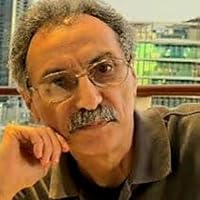
Read
May 14, 2023It does not seem to me a novel. I can see bunch of stories revolving around suburban conflicts and everyday experiences. Though one character called Zakhar keeps appearing. It is only a playful way to let you think it narrates a past memory. One can make sure it recaptures the meaning of new life in new Russia, that took place after the fall of the iron curtains.

July 12, 2016
Among the many praises of Leo Tolstoy is that he was a real combat soldier who maintained the sensitivity to write about both war and peace. Which he did most grandly in a famous novel with that very title: War and Peace. Tolstoy fought in the bloody Crimean War in the 1850s.
One hundred and fifty years later Zakhar Prelepin fought in the War in Chechnya in a Russian Special Forces unit. In 2007, barely three years after returning from the war, Prelepin published the Novel in short stories, "Sin."
Amazon has a excellent summary:
In the episodes of Zakharka’s life, presented here in non-chronological order, we see him as a little boy, a lovelorn teenager, a hard-drinking grave-digger, a nightclub bouncer, a father, and a soldier in Chechnya. Sin offers a fascinating glimpse into the recent Russian past, as well as its present, with its unemployment, poverty, violence, and local wars – social problems that may be found in many corners of the world. Zakhar Prilepin presents these realities through the eyes of Zakharka, taking us along on the life-affirming journey of his unforgettable protagonist.
At the end of the series of stories that make up most of the book are several poems and one final story about several soldiers in a lonely outpost. Although the entire book was vivid to the point I could almost smell some of the scenes, this final story puts the reader right in the middle of a group of soldiers who are cut off from their unit, have no orders and no information. They don't know whether to stay in the outpost or return to the base that is clearly under attack. Their relief unit is hours overdue. The sound of fighting gets more intense.
Do they have a unit to return to? They are running out of food, running out of options. The sergeant in charge of the detachments leads his men back to the base. They confront and kill a group of Chechens on their way back. They now have a truck. They return to the base and the story ends with a twist that I did not expect, but after I read it seemed like the perfect ending to a Russian war story.
The poetry that preceded the final story also gave me a sense of Prelepin's control of language. I am sure the final story was even better with the images from the poems in my head.
So I recommend this book highly, especially to soldiers, especially those who have had trouble returning to civilian life after war service. I also recommend reading the poetry and the last story first. The view of war we get at the end makes the stories of peace more intense, and more sad.
One hundred and fifty years later Zakhar Prelepin fought in the War in Chechnya in a Russian Special Forces unit. In 2007, barely three years after returning from the war, Prelepin published the Novel in short stories, "Sin."
Amazon has a excellent summary:
In the episodes of Zakharka’s life, presented here in non-chronological order, we see him as a little boy, a lovelorn teenager, a hard-drinking grave-digger, a nightclub bouncer, a father, and a soldier in Chechnya. Sin offers a fascinating glimpse into the recent Russian past, as well as its present, with its unemployment, poverty, violence, and local wars – social problems that may be found in many corners of the world. Zakhar Prilepin presents these realities through the eyes of Zakharka, taking us along on the life-affirming journey of his unforgettable protagonist.
At the end of the series of stories that make up most of the book are several poems and one final story about several soldiers in a lonely outpost. Although the entire book was vivid to the point I could almost smell some of the scenes, this final story puts the reader right in the middle of a group of soldiers who are cut off from their unit, have no orders and no information. They don't know whether to stay in the outpost or return to the base that is clearly under attack. Their relief unit is hours overdue. The sound of fighting gets more intense.
Do they have a unit to return to? They are running out of food, running out of options. The sergeant in charge of the detachments leads his men back to the base. They confront and kill a group of Chechens on their way back. They now have a truck. They return to the base and the story ends with a twist that I did not expect, but after I read it seemed like the perfect ending to a Russian war story.
The poetry that preceded the final story also gave me a sense of Prelepin's control of language. I am sure the final story was even better with the images from the poems in my head.
So I recommend this book highly, especially to soldiers, especially those who have had trouble returning to civilian life after war service. I also recommend reading the poetry and the last story first. The view of war we get at the end makes the stories of peace more intense, and more sad.

September 26, 2019
Самый заметный автор «поколения тридцатилетних» после романа о войне «Патологии» и книге о современном революционере (в котором с легкостью угадываются лимоновские «нацболы») «Санькя» Захар Прилепин выпустил третью книгу — сборник рассказов «Грех». Прилепин — финалист множества престижных конкурсов: от «Национального бестселлера» до «Русского Букера». Лауреат премий: «Ясная поляна», «России верные сыны», обладатель всекитайской литературной премии «Лучший зарубежный роман года».
И вот что важно: все победы и номинации Прилепина — заслужены. В современную русскую литературу пришел настоящий серьёзный думающий автор. Считается, что для того, чтобы писатель состоялся, ему нужна биография. В этом смысле жизнь Прилепина достойно следует традициям: писателю чуть за тридцать, а за плечами служба в Чечне, работа охранником, грузчиком, разнорабочим, журналистом, плюс филологическое образование. Из этого разностороннего знания жизни и растёт блистательная проза Прилепина, основная ценность которой — добро и свет. Несмотря на военный опыт, знание жизни «дна» автор не разучился сквозь грязь и жесть видеть солнце. Прилепин не стесняется быть предельно сентиментальным, нежным. От его искренности — сжимается сердце. Его ненависть способна увлечь за собой. Его жизнелюбие — заразительно. Его позиция ясна: перед читателем нормальный здоровый мужик с внятной системой ценностей, жизненной позицией и талантом хорошего обстоятельного рассказчика. В его рассказах и стихах иногда возникают параллели с Буковски, Селиным, Лимоновым. Но это — правильные параллели. Считайте их синонимом слова «настоящий».
На фоне гламурных минаевых, робских и прочей карамельной толпы, оседлавшей книжные полки и рейтинги, проза Захара Прилепина — естественна и прекрасна, жива и волнующа, основательна и, по-хорошему традиционна.
И вот что важно: все победы и номинации Прилепина — заслужены. В современную русскую литературу пришел настоящий серьёзный думающий автор. Считается, что для того, чтобы писатель состоялся, ему нужна биография. В этом смысле жизнь Прилепина достойно следует традициям: писателю чуть за тридцать, а за плечами служба в Чечне, работа охранником, грузчиком, разнорабочим, журналистом, плюс филологическое образование. Из этого разностороннего знания жизни и растёт блистательная проза Прилепина, основная ценность которой — добро и свет. Несмотря на военный опыт, знание жизни «дна» автор не разучился сквозь грязь и жесть видеть солнце. Прилепин не стесняется быть предельно сентиментальным, нежным. От его искренности — сжимается сердце. Его ненависть способна увлечь за собой. Его жизнелюбие — заразительно. Его позиция ясна: перед читателем нормальный здоровый мужик с внятной системой ценностей, жизненной позицией и талантом хорошего обстоятельного рассказчика. В его рассказах и стихах иногда возникают параллели с Буковски, Селиным, Лимоновым. Но это — правильные параллели. Считайте их синонимом слова «настоящий».
На фоне гламурных минаевых, робских и прочей карамельной толпы, оседлавшей книжные полки и рейтинги, проза Захара Прилепина — естественна и прекрасна, жива и волнующа, основательна и, по-хорошему традиционна.

December 4, 2013
Another new Russian and thank god more literate than The Helmet of Horror: The Myth of Theseus and the Minotaur and far better written than Ice Trilogy.
This appears to be first hand writing from Prilepin. A series of short stories based upon his life. However if you were to take this on you would end up believing that all Russian males are either drunks / alcoholics, gangsters, bouncers or macho freaks till some exegsis happens and they become errrrr..... ordinary blokes with families.
Its a bit like reading Irvine Welsh without the drugs... when Welsh could write with compassion as well as energy. Its very down-to-earth and everyday in a Russian sense given that its about consuming alcohol till your out of the game or posing some walk-the-wire macho pose.
It will be worth putting this aside and coming back to reread it in a few months time. For the present I will leave it as I have found it on first read. Interesting example of naive writing but Dostoyevsky it ain't.
This appears to be first hand writing from Prilepin. A series of short stories based upon his life. However if you were to take this on you would end up believing that all Russian males are either drunks / alcoholics, gangsters, bouncers or macho freaks till some exegsis happens and they become errrrr..... ordinary blokes with families.
Its a bit like reading Irvine Welsh without the drugs... when Welsh could write with compassion as well as energy. Its very down-to-earth and everyday in a Russian sense given that its about consuming alcohol till your out of the game or posing some walk-the-wire macho pose.
It will be worth putting this aside and coming back to reread it in a few months time. For the present I will leave it as I have found it on first read. Interesting example of naive writing but Dostoyevsky it ain't.

October 30, 2012
I really enjoyed the first half of this book, finding the story and characters interesting and engaging. Towards the middle and into the second half, it did start to lose steam a bit and I found my attention drifting, but then it pulled back for a strong ending.
I thought the style of the novel worked well with the series of stories and it was certainly intriguing to see glimpses of characters at different stages of their lives, experiencing things in different ways.
It is a piece that in some ways is very modern and yet it still relates back to the classics of Russian literature in its choice of themes.
I thought the translation came across well and the book was easy to read yet still thought-provoking.
I can recommend this for literary fiction readers and fans of Russian literature - it's not perfect but it is well worth your time checking it out.
I received this book as an e-copy for review from the publisher.
I thought the style of the novel worked well with the series of stories and it was certainly intriguing to see glimpses of characters at different stages of their lives, experiencing things in different ways.
It is a piece that in some ways is very modern and yet it still relates back to the classics of Russian literature in its choice of themes.
I thought the translation came across well and the book was easy to read yet still thought-provoking.
I can recommend this for literary fiction readers and fans of Russian literature - it's not perfect but it is well worth your time checking it out.
I received this book as an e-copy for review from the publisher.
Displaying 1 - 30 of 41 reviews