

What do you think?

Winds of the Forelands #1
La Couronne des 7 royaumes, l'intégrale 1
C'est avec une impatience doublée d'une légère angoisse que le jeune Tavis, fils du duc de Curgh, voit se rapprocher au-delà des remparts les joyeuses banderoles du festival. Lors de cet évènement, en effet, les adolescents sont soumis à l'épreuve de la révélation, durant la quelle les Glaneurs Qirsi, de mystérieux magiciens, dévoilent à chacun une partie de son futur destin. Or on a toujours répété à Tavis qu'il deviendrait duc, puis roi, à la suite de son père. Et si la révélation lui apprenait le contraire ?Retrouvez, dans le découpage de l’auteur, l’intégralité d’un succès majeur de la fantasy contemporaine.Le présent opus contient les volumes initialement parus sous les titres : Le complot des magiciens et Le Prince Tavis.
704 pages, Paperback
First published January 1, 2002
About the author
David B. Coe
68 books266 followersDavid B. Coe is an author of fantasy novels and short stories. He lives with his wife, Nancy Berner, and their two daughters on the Cumberland Plateau in Tennessee.
He has begun writing a new historical fantasy series under the pen name D.B. Jackson. The first one is titled Thieftaker, published in 2012.
He has begun writing a new historical fantasy series under the pen name D.B. Jackson. The first one is titled Thieftaker, published in 2012.
Ratings & Reviews
Friends & Following
Create a free account to discover what your friends think of this book!
Community Reviews
Displaying 1 - 30 of 105 reviews

September 22, 2019
Loved it!!

Mel 🖤🐶🐺🐾
Mel 🖤🐶🐺🐾

February 15, 2019
Si alguna vez has pensado que juego de tronos es bueno, es porque este libro no cayó en tus manos, imagina que todo lo que pasa en 3 libros y medio de Juego, aquí pasa en un solo libro y te deja deseando por más.
-Jorge Balderas
Es inaudito que un libro de esta calidad no sea muchísimo más reconocido. Tiene todo lo que alguien pueda pedir en un libro de fantasía:
-Personajes realistas, creíbles y que van creciendo y madurando conforme avanza la trama (por ejemplo, hay un personaje odioso que termina por ganarse nuestro respeto y es obligado por las circunstancias a madurar y volverse una especie de héroe fugitivo)
-Magia, mucha magia. Los Qirsi la llevan en la sangre.
-Intrigas Cortesanas.
-Familias que se disputan la supremacía de su apellido para Ascender al trono.
-Traiciones y maquinaciones políticas.
-Cacería de Brujas y exterminio de magos peligrosos a manos del gobierno.
Y por si éstas razones no te fueran suficientes, ahí te va una última sorpresa:
La gente alaba a Juego de Tronos porque ahí cualquier personaje puede morir. Si bien es cierto que hay muchas muertes de personajes importantes, lo cierto es que ninguno de ellos es el protagonista.
En la Conspiración de los Qirsi muere el protagonista en el prólogo (alto ahí, ya sé que esto es muy usual, sobre todo en los libros de Dan Brown, pero déjame terminar compañero).
Después, en el primer capítulo, el autor crea al mejor protagonista; es un personaje carismático, responsable y con el cual nos sentimos plenamente identificados.Un príncipe que por su apellido es el próximo en la línea para ocupar el trono del continente de acuerdo a las Leyes de la Ascensión En resumen, un personaje al que estamos dispuestos a acompañar al Infierno mismo.
Todo esto lo hace sólo para presentarnos al personaje que será asesinado en ese primer capítulo y desencadenará todo lo que vendrá a continuación y pondrá al Reino al borde de una Guerra Civil mientras los enemigos que planearon todo, acechan para invadir a un Reino debilitado por esa Guerra.
Ya no sé qué más puedo decir para convoncerlos de comprar este libro.
Espero les haya gustado esta reseña.
-Jorge Balderas
Es inaudito que un libro de esta calidad no sea muchísimo más reconocido. Tiene todo lo que alguien pueda pedir en un libro de fantasía:
-Personajes realistas, creíbles y que van creciendo y madurando conforme avanza la trama (por ejemplo, hay un personaje odioso que termina por ganarse nuestro respeto y es obligado por las circunstancias a madurar y volverse una especie de héroe fugitivo)
-Magia, mucha magia. Los Qirsi la llevan en la sangre.
-Intrigas Cortesanas.
-Familias que se disputan la supremacía de su apellido para Ascender al trono.
-Traiciones y maquinaciones políticas.
-Cacería de Brujas y exterminio de magos peligrosos a manos del gobierno.
Y por si éstas razones no te fueran suficientes, ahí te va una última sorpresa:
La gente alaba a Juego de Tronos porque ahí cualquier personaje puede morir. Si bien es cierto que hay muchas muertes de personajes importantes, lo cierto es que ninguno de ellos es el protagonista.
En la Conspiración de los Qirsi muere el protagonista en el prólogo (alto ahí, ya sé que esto es muy usual, sobre todo en los libros de Dan Brown, pero déjame terminar compañero).
Después, en el primer capítulo, el autor crea al mejor protagonista; es un personaje carismático, responsable y con el cual nos sentimos plenamente identificados.Un príncipe que por su apellido es el próximo en la línea para ocupar el trono del continente de acuerdo a las Leyes de la Ascensión En resumen, un personaje al que estamos dispuestos a acompañar al Infierno mismo.
Todo esto lo hace sólo para presentarnos al personaje que será asesinado en ese primer capítulo y desencadenará todo lo que vendrá a continuación y pondrá al Reino al borde de una Guerra Civil mientras los enemigos que planearon todo, acechan para invadir a un Reino debilitado por esa Guerra.
Ya no sé qué más puedo decir para convoncerlos de comprar este libro.
Espero les haya gustado esta reseña.

November 17, 2011
I'm very happy with this series. Currently reading the second book and no loss of steam power from the author. What I don't get is why more people haven't discovered this book. DOH! Must be that Tor didn't market it as hard compared to more mediocre fantasy novels.
The best way to view the story is to imagine a lot of petty kingdoms with dukes as vassals to these kings. The first book focuses on several of the dukes of one kingdom as well as other characters who come into and out of the tale. There's also a race of albino type beings who have short life spans, practice magic and lost big time against the humans in a war from long ago.
I would say the character complexities are close to that of George R.R. Martin's fantasy series. Coe spends a lot of time developing such characters, and, like Martin, he's big on believable History of the realm.
PROS
(1) At heart this is a murder mystery and conspiracy tale, so, if you like such things, this is good.
(2) Complex characters;
(3) No long typical fantasy tale journeys where it gives the characters and excuse to bore us with the rules of magic or a long, boring tale of Historical stuff that could have been spread out in the novel.;
(4) He doesn't follow the typical fantasy archetype adventure which is refreshing.;
(5) Lots of interesting Historical detail which feels different and not a rehash of previous fantasy books; and
(6) Magic is low and not like some bad RPGing game.
CONS
(1) There are a ton of names and places to keep track of, but, if you hold out, it's worth it b/c it makes the story more complex than the simple tales. If you prefer the simple ones, and, that doesn't mean you're stupid by the way, then HARRY POTTER or ERAGON should do nicely. It's too bad the book doesn't have an appendix of names and places but this is probably more a decision of the publisher than the author.;
(2) If you want to spend all your time with only one main character, then, this is surely not the book for you.; and
(3) Not a ton of battles, although there are a few, so, if you need a lot, this isn't it. Think intrigue more than hack and slash/break the door down/charge style.
OVERALL GRADE: B to B plus
The best way to view the story is to imagine a lot of petty kingdoms with dukes as vassals to these kings. The first book focuses on several of the dukes of one kingdom as well as other characters who come into and out of the tale. There's also a race of albino type beings who have short life spans, practice magic and lost big time against the humans in a war from long ago.
I would say the character complexities are close to that of George R.R. Martin's fantasy series. Coe spends a lot of time developing such characters, and, like Martin, he's big on believable History of the realm.
PROS
(1) At heart this is a murder mystery and conspiracy tale, so, if you like such things, this is good.
(2) Complex characters;
(3) No long typical fantasy tale journeys where it gives the characters and excuse to bore us with the rules of magic or a long, boring tale of Historical stuff that could have been spread out in the novel.;
(4) He doesn't follow the typical fantasy archetype adventure which is refreshing.;
(5) Lots of interesting Historical detail which feels different and not a rehash of previous fantasy books; and
(6) Magic is low and not like some bad RPGing game.
CONS
(1) There are a ton of names and places to keep track of, but, if you hold out, it's worth it b/c it makes the story more complex than the simple tales. If you prefer the simple ones, and, that doesn't mean you're stupid by the way, then HARRY POTTER or ERAGON should do nicely. It's too bad the book doesn't have an appendix of names and places but this is probably more a decision of the publisher than the author.;
(2) If you want to spend all your time with only one main character, then, this is surely not the book for you.; and
(3) Not a ton of battles, although there are a few, so, if you need a lot, this isn't it. Think intrigue more than hack and slash/break the door down/charge style.
OVERALL GRADE: B to B plus

July 17, 2021
This was my first book by Coe, and RoA is the start of a long series and it felt like it; much of the book felt like a set up for future installments in the series. The Rule sof Ascension refer to how the Northern Kingdoms select their next king and date back several hundred years. Long ago, 900 years or so, a strange and magical people (Qirsi) invaded the Forelands but the conquest failed. The Qirsi are from the 'Southlands' and look something like albinos except their eyes are yellow. Compared to the people in the Forelands, they are fragile, however, and much shorter lived. It seems the magic they use consumes their life force for a lack of better word. Many Qirsi have some magical abilities, but very few are masters of even a couple-- the magics range from wind/mist creation, 'shaping' (of metal, wood, etc.), fire and even mind bending. The few Qirsi that are masters of many magics are called 'weavers' as they basically weave their magical talents into powerful forms.
While the Qirsi were beaten in the invasion, and their weavers put to death, the Qirsi constitute a minority population in the Forelands, and one to this day still despised by many. Yet, they often serve as 'ministers' to the various lords and such, primarily because their magical talents are just so darn useful. Insert standard oppressed minority here...
The main plot concerns a rogue weaver who is planning on continuing the ancient war and in secret begins a long term plan to assassinate or discredit lords in the Forelands who are in the ascension ranks in hopes of producing a war or crisis that may help facilitate the Qirsi uprising. Not all Qirsi are in the loop, however, and some oppose the plan wholeheartedly.
So, Coe gives us a 'standard' feudal fantasy world here, with rival kingdoms and such, but the addition of the mysterious Qirsi and the secret plot give it some spice. Most of this volume dealt with the politics of the realm amid vast info dumps regarding the history of the world and such. It had a Game of Thrones vibe concerning the politics (and info dumps) and we are treated with many pages on the various rivalries in intrigues in the land. Our main protagonist is a young man named Tavis, son of the Duke who is next in line to be king, making Tavis basically the next king in waiting after his father.
Coe deploys fairly cliched tropes with Tavis-- spoiled and bratty, yet on occasion able to demonstrate that he is a good person. This felt trite and a bit too much YA for my taste, but so be it. The magic was interesting but not really novel. The world building was decent but not remarkable. Overall, a solid read and I may pursue the next book in the series, but nothing really to write home about. 2.5 stars, rounding up.
While the Qirsi were beaten in the invasion, and their weavers put to death, the Qirsi constitute a minority population in the Forelands, and one to this day still despised by many. Yet, they often serve as 'ministers' to the various lords and such, primarily because their magical talents are just so darn useful. Insert standard oppressed minority here...
The main plot concerns a rogue weaver who is planning on continuing the ancient war and in secret begins a long term plan to assassinate or discredit lords in the Forelands who are in the ascension ranks in hopes of producing a war or crisis that may help facilitate the Qirsi uprising. Not all Qirsi are in the loop, however, and some oppose the plan wholeheartedly.
So, Coe gives us a 'standard' feudal fantasy world here, with rival kingdoms and such, but the addition of the mysterious Qirsi and the secret plot give it some spice. Most of this volume dealt with the politics of the realm amid vast info dumps regarding the history of the world and such. It had a Game of Thrones vibe concerning the politics (and info dumps) and we are treated with many pages on the various rivalries in intrigues in the land. Our main protagonist is a young man named Tavis, son of the Duke who is next in line to be king, making Tavis basically the next king in waiting after his father.
Coe deploys fairly cliched tropes with Tavis-- spoiled and bratty, yet on occasion able to demonstrate that he is a good person. This felt trite and a bit too much YA for my taste, but so be it. The magic was interesting but not really novel. The world building was decent but not remarkable. Overall, a solid read and I may pursue the next book in the series, but nothing really to write home about. 2.5 stars, rounding up.

September 20, 2010
I'm just going to put my review for the entirety of the Winds of the Foreland series here, to save time and effort.
This series is definately filed under "Must Read" in my mind. Throughout the series, the political twists and turns are imaginative and fun, the dealings with magic are quite novel and handled much differently than any other fantasy books, and the characters are deep and complex. You get racial tensions between the Eandi, and the Qirsi. The Eandi are the normal and ungifted (magically) race, while the Qirsi are the pale and thin sorceror race. In the Qirsi, the ability to do magic falls upon different catagories, and each Qirsi is born into what magic they can do, whether it's to conjure flames, talk to animals, control peoples' minds, or conjure mists and winds, and that's not even all of the forms of magic they are capable of. The major protagonists are Grinsa and Tavis, who have their own flaws, but are generally good people. That's one of my favorite parts of Coe's writing, the characters are not always just cut and dry bad or good. Even the evil Weaver, despite his brutal actions, is acting out in what he feels is a justifiable way, due to the subjugation of his people, and the personal hatred the Eandi would bear to him were they to know he is a weaver. He'd be executed, and if there were any surviving members of his family, they'd be executed also. Knowing that he has this in common with Grinsa makes him a more believable and slightly tragic villain. Coe suprised me with this series, and I considered this series a masterwork, and recommend it to everyone. Coe's irreverant, his fight scenes are well written, and his ideas are novel and interesting.
Great series, and definately worth the read.
This series is definately filed under "Must Read" in my mind. Throughout the series, the political twists and turns are imaginative and fun, the dealings with magic are quite novel and handled much differently than any other fantasy books, and the characters are deep and complex. You get racial tensions between the Eandi, and the Qirsi. The Eandi are the normal and ungifted (magically) race, while the Qirsi are the pale and thin sorceror race. In the Qirsi, the ability to do magic falls upon different catagories, and each Qirsi is born into what magic they can do, whether it's to conjure flames, talk to animals, control peoples' minds, or conjure mists and winds, and that's not even all of the forms of magic they are capable of. The major protagonists are Grinsa and Tavis, who have their own flaws, but are generally good people. That's one of my favorite parts of Coe's writing, the characters are not always just cut and dry bad or good. Even the evil Weaver, despite his brutal actions, is acting out in what he feels is a justifiable way, due to the subjugation of his people, and the personal hatred the Eandi would bear to him were they to know he is a weaver. He'd be executed, and if there were any surviving members of his family, they'd be executed also. Knowing that he has this in common with Grinsa makes him a more believable and slightly tragic villain. Coe suprised me with this series, and I considered this series a masterwork, and recommend it to everyone. Coe's irreverant, his fight scenes are well written, and his ideas are novel and interesting.
Great series, and definately worth the read.

May 30, 2019
This reminds me a bit of Game of Thrones, with the story following many different families and side characters. It's a bit hard to get into and I'm not finding the names of people, places, and historical events as easy to remember as Martin's work, but I've read from other reviewers that perseverance is key.
Overall, I'm glad I stuck it out. Bits of it were a bit burdensome, what with all the strange names, mythology, and traveling, but I found this to be a solid start to a new (to me, at least) series. I've never read this author before, and it was a good experience. There were similarities to GoT only much cleaner, which I greatly appreciate. The abundance of the nobles willing to keep mistresses was sad, and I hope there isn't too much more of that in the series. We'll see.
I enjoyed the multiple povs, the interesting albeit sad political machinations, and the possibility for lots of character development.
Overall, I'm glad I stuck it out. Bits of it were a bit burdensome, what with all the strange names, mythology, and traveling, but I found this to be a solid start to a new (to me, at least) series. I've never read this author before, and it was a good experience. There were similarities to GoT only much cleaner, which I greatly appreciate. The abundance of the nobles willing to keep mistresses was sad, and I hope there isn't too much more of that in the series. We'll see.
I enjoyed the multiple povs, the interesting albeit sad political machinations, and the possibility for lots of character development.
January 28, 2022
3,5 🌟
J'ai bien aimé les personnages et surtout l'intrigue politique.
Malheureusement je n'y ai pas trouvé énormément d'originalité. Ça peut être aussi à cause de ma lecture de Time's Children que j'avais beaucoup aimé et qui brille par son originalité justement 😀👍
J'ai bien aimé les personnages et surtout l'intrigue politique.
Malheureusement je n'y ai pas trouvé énormément d'originalité. Ça peut être aussi à cause de ma lecture de Time's Children que j'avais beaucoup aimé et qui brille par son originalité justement 😀👍

June 24, 2012
David B. Coe has always been a comfort read for me. His books are always solid fantasy stories minus the usual formulaic storyline that is so prevalent in the genre. The first book in his Winds of the Forelands series is no different. Every once in a while I get in the mood to read fantasy, so when I do, it has to be something that is pure escapism with an intriguing plot. This book met both of those requirements and then some. I look forward to reading the second book and the rest of this series by one of the most underrated fantasy writers in the business today.

April 5, 2014
Rules of Ascension was an excellent book and I enjoyed it very much.
The story contains everything I love in fantasy, namely intrigue, believable and interesting characters, violence, magic, an interesting and well-thought off world and really good writing.
I hope that more people will read this first book, because I think it is really worth it. If the next books are that good, this series will become one of my favorites.
The story contains everything I love in fantasy, namely intrigue, believable and interesting characters, violence, magic, an interesting and well-thought off world and really good writing.
I hope that more people will read this first book, because I think it is really worth it. If the next books are that good, this series will become one of my favorites.

August 14, 2018
https://delivreenlivres.blogspot.com/...
Il y a des siècles les Qirsis ont tenté d'envahir les terres humaines. Ils ont échoué parce que malgré leur magie très puissante ils étaient bien moins nombreux que les humains et en plus parce qu'ils ont été trahis par un des leurs qui a prit le parti des hommes. Des siècles après, au présent, les Qirsis se divisent encore en deux camps : ceux qui aident les humains en leur apportant soutien et conseil, faisant parti de la cours des différents royaumes, et ceux qui au contraire se cachent et pensent que les premiers sont des traitres et n'ont pas l'intention de baisser les bras par rapport à leur objectif final en provoquant des accident et des changements dans la politique humaine.
Dans ce tome ci, qui est vraiment l'introduction de ce monde, nous suivons Tavis. Sur de lui et un peu trop bagarreur, le jeune homme est l'héritier d'un duché. Il n'hésite pas à imposer sa volonté quand il en a envie, au grand dam de son père qui aimerais bien avoir un héritier moins impulsif et plus raisonnable. Mais lors de la Révélation, un moment de la vie de chaque enfant ou un mage Qirsi leur dévoile leur avenir, il tombe totalement des nues car ce qu'il voit n'est pas son futur lointain mais celui des jours à venir et il est très loin d'être positif.
Tavis se retrouve en fait pris dans le complot des magiciens et son futur est grandement menacé.
Un tome pas simple à résumer parce que mine de rien il se passe pas mal de choses dans ce tome et que l'intrigue met du temps à se dévoiler. C'est vraiment un tome d'introduction et pourtant les choses bougent vraiment ce qui en fait un très bon début de série à mon avis.
On sent que l'intrigue a bien été réfléchie, elle est complexe et il nous en reste pas mal à découvrir. On commence tout juste à entrevoir les trames et les différents liens entre les personnages et l'intrigue. Ce premier tome a vraiment su me convaincre même si on sent vraiment qu'on n'a découvert que la surface de l'intrigue et que tout va bientôt devenir bien plus compliqué.
J'ai conscience qu'il s'agit en fait de la moitié du tome original, vu que l'édition française à préféré les diviser en deux. Du coup je vais lire le second tome (enfin la seconde moitié) très prochainement et j'espère bien avoir une vision de l'intrigue un peu plus complète à se moment la !
Il y a des siècles les Qirsis ont tenté d'envahir les terres humaines. Ils ont échoué parce que malgré leur magie très puissante ils étaient bien moins nombreux que les humains et en plus parce qu'ils ont été trahis par un des leurs qui a prit le parti des hommes. Des siècles après, au présent, les Qirsis se divisent encore en deux camps : ceux qui aident les humains en leur apportant soutien et conseil, faisant parti de la cours des différents royaumes, et ceux qui au contraire se cachent et pensent que les premiers sont des traitres et n'ont pas l'intention de baisser les bras par rapport à leur objectif final en provoquant des accident et des changements dans la politique humaine.
Dans ce tome ci, qui est vraiment l'introduction de ce monde, nous suivons Tavis. Sur de lui et un peu trop bagarreur, le jeune homme est l'héritier d'un duché. Il n'hésite pas à imposer sa volonté quand il en a envie, au grand dam de son père qui aimerais bien avoir un héritier moins impulsif et plus raisonnable. Mais lors de la Révélation, un moment de la vie de chaque enfant ou un mage Qirsi leur dévoile leur avenir, il tombe totalement des nues car ce qu'il voit n'est pas son futur lointain mais celui des jours à venir et il est très loin d'être positif.
Tavis se retrouve en fait pris dans le complot des magiciens et son futur est grandement menacé.
Un tome pas simple à résumer parce que mine de rien il se passe pas mal de choses dans ce tome et que l'intrigue met du temps à se dévoiler. C'est vraiment un tome d'introduction et pourtant les choses bougent vraiment ce qui en fait un très bon début de série à mon avis.
On sent que l'intrigue a bien été réfléchie, elle est complexe et il nous en reste pas mal à découvrir. On commence tout juste à entrevoir les trames et les différents liens entre les personnages et l'intrigue. Ce premier tome a vraiment su me convaincre même si on sent vraiment qu'on n'a découvert que la surface de l'intrigue et que tout va bientôt devenir bien plus compliqué.
J'ai conscience qu'il s'agit en fait de la moitié du tome original, vu que l'édition française à préféré les diviser en deux. Du coup je vais lire le second tome (enfin la seconde moitié) très prochainement et j'espère bien avoir une vision de l'intrigue un peu plus complète à se moment la !

June 13, 2020
It has been a while since I've become this invested in a fantasy series. While reading, I was continually blown away by the depth of the characters, the rich history, the vast world, among other things. The Qirsi magic has me very curious because it still is very unknown how the Weavers' magic works. I'm glad I have book two on hand so I can jump right in.

Read
February 26, 2023DNF
November 29, 2020
De la guerre, des magiciens beaux gosses aux cheveux blancs, des rois, des reines, des princes, du meurtre. Une fois commencé on n’arrive plus à s’arrêter et j’ai qu’une hâte c’est de lire la suite !

February 5, 2011
Great world building sets a nice atmosphere for a complex, epic and sprawling plot.
Read my full review here:
http://bookwormblues.blogspot.com/201...
Read my full review here:
http://bookwormblues.blogspot.com/201...

December 15, 2013
I hold David B. Coe’s The Winds of the Forelands series in very high regard. I consider it to be one of the best fantasy series I’ve ever read; not only do I really enjoy it but I also feel it’s one of the best written. (For the curious: George R. R. Martin’s A Song of Ice & Fire would be first and best of all, of course, with Coe’s WotF and Greg Keyes’s The Kingdoms of Thorn and Bone in a toss-up for second.) I’ve read WotF a few times now. Figured it was about time to give these books the thorough reviews they deserve. I’ll avoid spoilers as best I can because I’m hoping to inspire you to read them, not give away all the good stuff.
The first novel, Rules of Ascension, sets the stage for an epic fantasy series featuring an interesting cast of characters, a fascinating magic system, and an intricate plot centered on political machinations and betrayals. The title refers to the system of picking a new ruler that the country of Eibithar uses so as not to allow one of the various duchies to develop into a dynasty. The Rules of Ascension feels like a fantasy take on America’s electoral college/checks and balances/term limits. But what happens when a conspiracy begins breaking the rules?
Before getting into that, it’s important to know some of how the world works, the history, and the magic system. The Forelands are populated by two races of mankind, the Eandi and the Qirsi. The Eandi are from the Forelands and are no different than you or I. The Qirsi come from the Southlands (a neighboring landmass separated by a massive range of mountains). The Qirsi possess exceptionally pale skin (near translucent), pale yellow eyes, little in the way of physical strength but potent magic…
There are seven different magical powers that a Qirsi might be born with the ability to perform: Gleaning, allows glimpses of the future; Fire, obvious; Healing, obvious. And the deeper magics: Mist and Winds, allows them to raise a gale of wind or draw mist from the ground, especially useful in battle to conceal troops or avert the flight of arrows; Shaping, able to shatter wood, steel, and bone, or even to cut stone precisely; Language of Beasts, influence and control over animals, also quite useful in battle; and the very rare Mind Bending, the ability to control another’s mind, far easier on an Eandi (that does not know the Qirsi possesses the power). With this power, a Qirsi can force someone to reveal secrets or even to harm themselves or others.
The beauty and narrative power of the magic system lies in its consequences. Not only can the Qirsi not use their powers without physical costs like exhaustion but using their magic directly lowers their life expectancy. Most Qirsi are dead by forty. The limitations and self-destructive nature of the Qirsi magic plays into the plot in ways I won’t spoil. But I will say that this magic system is as interesting, nuanced, and central to the plot as any I’ve ever encountered in a fantasy novel.
Hundreds of years before the opening of this novel, the Qirsi came out of the Southlands to invade the Forelands and conquer the Eandi people (who do not possess any magic at all). Their armies were led by Weavers, extremely rare Qirsi that have the ability to use all of the magical powers and to weave the powers of many Qirsi together with devastating effect. (They can also walk in the dreams of other Qirsi. This is useful for communicating across vast distances. While dreamwalking, Weavers can also take control of the other Qirsi’s magic, to pleasant effect or to hurt them, even kill them, in their sleep.) Instead of one Qirsi breaking the neck of their foe in battle, a battalion of Shapers led by a Weaver can break the necks of dozens with one attack. Apply that principle to the other magics and you can begin to guess how the invasion was going for the Eandi.
And then a Qirsi Weaver betrayed his people, revealing the nature of their powers and the importance of his fellow Weavers, to the Eandi. The tide turned, the Qirsi defeated, and the Eandi maintained their rule. All Weavers were put to death and their families executed (so as to squash the bloodline that’s proven capable of producing a Weaver), and the practice continued throughout history. When the novel begins, all the nations of the Forelands are still ruled by the Eandi, the Qirsi at best serve as advisors to their rulers, and the coexistence between the two races balances on a blade’s edge.
The Forelands are a living setting that seems to be grounded in a history all its own. Coe possesses a PhD in U.S. History from Stanford, so it’s no wonder that he knows how to make a world feel believable and lived in. (I won't even get into the really interesting religion and culture.)
The story is told through multiple PoVs, including: Tavis, the young, arrogant heir to the dukedom of Curgh; Grinsa, a Gleaner in a traveling festival making a living telling the fortunes of Eandi children, hiding a secret that would kill him if it were discovered; and Cadel, a singer whose sweet voice masks a more sinister profession. Their stories prop up the plot as they converge together. Some might find the opening few chapters a tad slow, but Coe is trying to ease the reader into the world. Stick it out if you find it slow; I promise that it’s worth it.
This book’s got it all. Fleshed out, introspective characters involved in murder mystery, conspiracy, political intrigue, romance, shocking plot twists, and wondrous magic in an intriguing world (with an awesome map). If you loved the engrossing characters and setting of A Song of Ice & Fire, but found the material too dark and depressing, this series might be just what you need. That’s not to say that dark and depressing things don’t happen – oh boy – but it’s not the grim affair that ASOIAF can be for some. Buy this book, read this book, and know that you’ve just begun a truly remarkable journey. I envy you this experience. From here, the series becomes even more intriguing, the scope of the story even grander, the cast more diverse, and the twists more twisty!
Rules of Ascension is a worthy beginning to one of the absolute best epic fantasy series. I defy you to not begin the second novel, Seeds of Betrayal, as soon as you’ve finished this one. A thunderous 5/5.
The first novel, Rules of Ascension, sets the stage for an epic fantasy series featuring an interesting cast of characters, a fascinating magic system, and an intricate plot centered on political machinations and betrayals. The title refers to the system of picking a new ruler that the country of Eibithar uses so as not to allow one of the various duchies to develop into a dynasty. The Rules of Ascension feels like a fantasy take on America’s electoral college/checks and balances/term limits. But what happens when a conspiracy begins breaking the rules?
Before getting into that, it’s important to know some of how the world works, the history, and the magic system. The Forelands are populated by two races of mankind, the Eandi and the Qirsi. The Eandi are from the Forelands and are no different than you or I. The Qirsi come from the Southlands (a neighboring landmass separated by a massive range of mountains). The Qirsi possess exceptionally pale skin (near translucent), pale yellow eyes, little in the way of physical strength but potent magic…
There are seven different magical powers that a Qirsi might be born with the ability to perform: Gleaning, allows glimpses of the future; Fire, obvious; Healing, obvious. And the deeper magics: Mist and Winds, allows them to raise a gale of wind or draw mist from the ground, especially useful in battle to conceal troops or avert the flight of arrows; Shaping, able to shatter wood, steel, and bone, or even to cut stone precisely; Language of Beasts, influence and control over animals, also quite useful in battle; and the very rare Mind Bending, the ability to control another’s mind, far easier on an Eandi (that does not know the Qirsi possesses the power). With this power, a Qirsi can force someone to reveal secrets or even to harm themselves or others.
The beauty and narrative power of the magic system lies in its consequences. Not only can the Qirsi not use their powers without physical costs like exhaustion but using their magic directly lowers their life expectancy. Most Qirsi are dead by forty. The limitations and self-destructive nature of the Qirsi magic plays into the plot in ways I won’t spoil. But I will say that this magic system is as interesting, nuanced, and central to the plot as any I’ve ever encountered in a fantasy novel.
Hundreds of years before the opening of this novel, the Qirsi came out of the Southlands to invade the Forelands and conquer the Eandi people (who do not possess any magic at all). Their armies were led by Weavers, extremely rare Qirsi that have the ability to use all of the magical powers and to weave the powers of many Qirsi together with devastating effect. (They can also walk in the dreams of other Qirsi. This is useful for communicating across vast distances. While dreamwalking, Weavers can also take control of the other Qirsi’s magic, to pleasant effect or to hurt them, even kill them, in their sleep.) Instead of one Qirsi breaking the neck of their foe in battle, a battalion of Shapers led by a Weaver can break the necks of dozens with one attack. Apply that principle to the other magics and you can begin to guess how the invasion was going for the Eandi.
And then a Qirsi Weaver betrayed his people, revealing the nature of their powers and the importance of his fellow Weavers, to the Eandi. The tide turned, the Qirsi defeated, and the Eandi maintained their rule. All Weavers were put to death and their families executed (so as to squash the bloodline that’s proven capable of producing a Weaver), and the practice continued throughout history. When the novel begins, all the nations of the Forelands are still ruled by the Eandi, the Qirsi at best serve as advisors to their rulers, and the coexistence between the two races balances on a blade’s edge.
The Forelands are a living setting that seems to be grounded in a history all its own. Coe possesses a PhD in U.S. History from Stanford, so it’s no wonder that he knows how to make a world feel believable and lived in. (I won't even get into the really interesting religion and culture.)
The story is told through multiple PoVs, including: Tavis, the young, arrogant heir to the dukedom of Curgh; Grinsa, a Gleaner in a traveling festival making a living telling the fortunes of Eandi children, hiding a secret that would kill him if it were discovered; and Cadel, a singer whose sweet voice masks a more sinister profession. Their stories prop up the plot as they converge together. Some might find the opening few chapters a tad slow, but Coe is trying to ease the reader into the world. Stick it out if you find it slow; I promise that it’s worth it.
This book’s got it all. Fleshed out, introspective characters involved in murder mystery, conspiracy, political intrigue, romance, shocking plot twists, and wondrous magic in an intriguing world (with an awesome map). If you loved the engrossing characters and setting of A Song of Ice & Fire, but found the material too dark and depressing, this series might be just what you need. That’s not to say that dark and depressing things don’t happen – oh boy – but it’s not the grim affair that ASOIAF can be for some. Buy this book, read this book, and know that you’ve just begun a truly remarkable journey. I envy you this experience. From here, the series becomes even more intriguing, the scope of the story even grander, the cast more diverse, and the twists more twisty!
Rules of Ascension is a worthy beginning to one of the absolute best epic fantasy series. I defy you to not begin the second novel, Seeds of Betrayal, as soon as you’ve finished this one. A thunderous 5/5.

October 18, 2022
A very good surprise for sure, kinda hard to follow what's going on at the beginning but definitely worth keeping reading

May 2, 2008
Sometimes we get so caught up in reading and reviewing newly released books that some oldie but goodies get overlooked. These classic fantasy novels tend to be pushed to the back burner because everyone thinks that they should have already read them and know about them.
Every year I try to make an effort to read some of the "older" fantasy and sci-fi novels. I have been reluctant to review them based off of their publication dates, but I want to share my love and enthusiasm for some of these novels. As long as the book is available in some format for purchase, I will highlight it.
I am featuring David B. Coe's Rules of Ascension novel as the first novel in this featurette. Rules of Ascension is the first novel in the epic fantasy series Winds of the Forelands. This first novel starts the series off with a bang. There is pretty much everything in here that you could imagine – political intrigue, who-done-it murder mystery, conspiracies, warring kingdoms, evil villains, magic, and detailed, relatable characters. There is even a small smidgen of battles and fight scenes thrown in, but not too much.
Rules of Ascension, for me, started off slowly. It wasn't a painfully slow pace, but Coe definitely takes his time developing not only the world in which we are a part of, but the characters that are involved with the story. I never got to a point where I wanted to give up on the novel, but if you are looking for a series that immediately starts off running; this is probably not the novel for you.
It wasn't until maybe the 25% mark that things really started picking up. Once I was comfortable with the world, understood a bit about the magic, and there was a solid plot established, the novel just seemed to fly right on by. I was easily able to read 100 to 120 pages in one sitting and when I had to stop, I just wanted to jump back into the novel and see what was happening.
There are two major things that made Rules of Ascension stand out to me. First, was the complex nature of the characters. Every character was extremely detailed. They have their own quirks, their own powers, and their own agenda regarding certain things. Of course, the bad guys appear evil, but there are layers to them and they aren't just doing things because they are bad.
The detailed nature of the characters really helped to draw readers into the story. No one was back or white, good or bad. There were shades of gray. I enjoyed this aspect because it made it more lifelike. I was able to feel like I knew these characters their entire life and wasn't just being thrown an abridged version of who they are and how they react to certain things.
Another aspect that I enjoyed was the amount of detail Coe goes into regarding the history of the land and even the people who live in that land. Things weren't just dumped on readers with a 'here accept it' mentality. We were guided through important aspects of history and explained how and why things were happened.
That being said, the history parts didn't seem like they were info dumps. Yes, there is a lot to learn about everything, but it wasn't presented in long, drawn out ways that would bore you. It was more of a fun, learn while action is going on type format. In my experience, that made it a win-win.
Even though I absolutely adored Rules of Ascension, there were a few things that could make it a confusing read for some readers. The major problem would be with the amount of characters involved. There are dozens of different characters throughout the novel that we – the readers – encounter. This could easily become overwhelming for some individuals because you aren't just following Character A or Character B, but you are following a ton of other people who all play major and minor roles in the plot.
It becomes easier to follow who characters are and what they are doing as the novel goes on, and you become more familiar with the characters. But it could be a bit disorienting at first. If you can hold on, you are in for a definite treat. And it does get easier. Ideally, an index or something would be helpful to help readers, but I understand why that is not possible.
Overall, I loved Rules of Ascension, even more than I really thought I would. Once I hit a groove with the novel, it was smooth sailing and I hated having to put the book down for any reason. I really feel this is an overlooked series – at least from the first book. If the other books are anywhere near as good as this one, it will quickly become one of my top favorite series in fantasy.
Every year I try to make an effort to read some of the "older" fantasy and sci-fi novels. I have been reluctant to review them based off of their publication dates, but I want to share my love and enthusiasm for some of these novels. As long as the book is available in some format for purchase, I will highlight it.
I am featuring David B. Coe's Rules of Ascension novel as the first novel in this featurette. Rules of Ascension is the first novel in the epic fantasy series Winds of the Forelands. This first novel starts the series off with a bang. There is pretty much everything in here that you could imagine – political intrigue, who-done-it murder mystery, conspiracies, warring kingdoms, evil villains, magic, and detailed, relatable characters. There is even a small smidgen of battles and fight scenes thrown in, but not too much.
Rules of Ascension, for me, started off slowly. It wasn't a painfully slow pace, but Coe definitely takes his time developing not only the world in which we are a part of, but the characters that are involved with the story. I never got to a point where I wanted to give up on the novel, but if you are looking for a series that immediately starts off running; this is probably not the novel for you.
It wasn't until maybe the 25% mark that things really started picking up. Once I was comfortable with the world, understood a bit about the magic, and there was a solid plot established, the novel just seemed to fly right on by. I was easily able to read 100 to 120 pages in one sitting and when I had to stop, I just wanted to jump back into the novel and see what was happening.
There are two major things that made Rules of Ascension stand out to me. First, was the complex nature of the characters. Every character was extremely detailed. They have their own quirks, their own powers, and their own agenda regarding certain things. Of course, the bad guys appear evil, but there are layers to them and they aren't just doing things because they are bad.
The detailed nature of the characters really helped to draw readers into the story. No one was back or white, good or bad. There were shades of gray. I enjoyed this aspect because it made it more lifelike. I was able to feel like I knew these characters their entire life and wasn't just being thrown an abridged version of who they are and how they react to certain things.
Another aspect that I enjoyed was the amount of detail Coe goes into regarding the history of the land and even the people who live in that land. Things weren't just dumped on readers with a 'here accept it' mentality. We were guided through important aspects of history and explained how and why things were happened.
That being said, the history parts didn't seem like they were info dumps. Yes, there is a lot to learn about everything, but it wasn't presented in long, drawn out ways that would bore you. It was more of a fun, learn while action is going on type format. In my experience, that made it a win-win.
Even though I absolutely adored Rules of Ascension, there were a few things that could make it a confusing read for some readers. The major problem would be with the amount of characters involved. There are dozens of different characters throughout the novel that we – the readers – encounter. This could easily become overwhelming for some individuals because you aren't just following Character A or Character B, but you are following a ton of other people who all play major and minor roles in the plot.
It becomes easier to follow who characters are and what they are doing as the novel goes on, and you become more familiar with the characters. But it could be a bit disorienting at first. If you can hold on, you are in for a definite treat. And it does get easier. Ideally, an index or something would be helpful to help readers, but I understand why that is not possible.
Overall, I loved Rules of Ascension, even more than I really thought I would. Once I hit a groove with the novel, it was smooth sailing and I hated having to put the book down for any reason. I really feel this is an overlooked series – at least from the first book. If the other books are anywhere near as good as this one, it will quickly become one of my top favorite series in fantasy.

February 28, 2016
If you've ever read a book set in the Forgotten Realms fantasy series, you'll find David B. Coe's Rules of Ascension treading familiar stylistic territory. Coe's world is entirely original, of course, but his prose and characterizations have much in common with the style of writing employed by the FR cast of authors.
For example, one-dimensional characters abound - particularly among the ranks of the supporting cast. Even among the major players, though, Coe tends to give all of his characters an abundance of naivety and a distinct inability (or unwillingness) to control their emotions. Tantrums are thrown and threats are made at the utterance of a single word, while characters seething with rage can be converted to penitent puppies just as easily. Not to mention how often a character's "eyes widened" in amazement, fear, awe, etc...
While Coe struggles in character development, he excels at world building. The Forelands (of which the geographic outline remarkably resembles the upper third of Michigan's lower peninsula) is a complex land of kingdoms, duchies, cities and lesser feudalistic entities. Although coming in at well over 600 pages, Rules of Ascension doesn't spend much word count detailing the political spheres outside of the primary setting of the Kingdom of Eibithar (perhaps reserving such details for subsequent volumes). Instead, the traditions, religions, geography, climate and - of course - politics of Eibithar are dealt with in great detail throughout the book and in a manner that blends well with the story as it's being told and avoids the "info dump" pitfall.
I don't think that it's too much of a spoiler to reveal that battles and sword fights do take place in this novel, and I say as much only to point out another highlight of Coe's writing ability. Individual combat is described in realistic detail, and massed troop engagements are also presented in a believable manner with plausible results.
The plot, which Coe takes several chapters to really get cranking, is interesting and on nearly as grand a scale as George R.R. Martin's A Song of Ice and Fire saga but the limitations of the author's writing ability hold me back from moving on to the second book of the series. If, on the other hand, you're a fan of the various Forgotten Realms novels, I won't hesitate to recommend that you give Coe's Winds of the Forelands books a spin.
For example, one-dimensional characters abound - particularly among the ranks of the supporting cast. Even among the major players, though, Coe tends to give all of his characters an abundance of naivety and a distinct inability (or unwillingness) to control their emotions. Tantrums are thrown and threats are made at the utterance of a single word, while characters seething with rage can be converted to penitent puppies just as easily. Not to mention how often a character's "eyes widened" in amazement, fear, awe, etc...
While Coe struggles in character development, he excels at world building. The Forelands (of which the geographic outline remarkably resembles the upper third of Michigan's lower peninsula) is a complex land of kingdoms, duchies, cities and lesser feudalistic entities. Although coming in at well over 600 pages, Rules of Ascension doesn't spend much word count detailing the political spheres outside of the primary setting of the Kingdom of Eibithar (perhaps reserving such details for subsequent volumes). Instead, the traditions, religions, geography, climate and - of course - politics of Eibithar are dealt with in great detail throughout the book and in a manner that blends well with the story as it's being told and avoids the "info dump" pitfall.
I don't think that it's too much of a spoiler to reveal that battles and sword fights do take place in this novel, and I say as much only to point out another highlight of Coe's writing ability. Individual combat is described in realistic detail, and massed troop engagements are also presented in a believable manner with plausible results.
The plot, which Coe takes several chapters to really get cranking, is interesting and on nearly as grand a scale as George R.R. Martin's A Song of Ice and Fire saga but the limitations of the author's writing ability hold me back from moving on to the second book of the series. If, on the other hand, you're a fan of the various Forgotten Realms novels, I won't hesitate to recommend that you give Coe's Winds of the Forelands books a spin.
March 8, 2008
I'm not used to reading fantasy that doesn't start right away with a clear protagonist. I think the most parallel storylines I'm used to handling is what happens in the Lord of the Rings Triology. Call me simpleminded, I guess.
So, once I got through the first few chapters, I was able to get more into the story, so if you do read this, make sure you get through the first 4 or 5 chapters at least before giving up on the book.
Lots of political intrigue, enough war and magic to keep my comicbook sensibility engaged, and the character development is balanced, no white knights in shining armor taking on vile, purely evil demons. Even the god of death has some balance to his characterization.
on to book 2...
So, once I got through the first few chapters, I was able to get more into the story, so if you do read this, make sure you get through the first 4 or 5 chapters at least before giving up on the book.
Lots of political intrigue, enough war and magic to keep my comicbook sensibility engaged, and the character development is balanced, no white knights in shining armor taking on vile, purely evil demons. Even the god of death has some balance to his characterization.
on to book 2...

July 17, 2020
Premier volume d'une série dans laquelle je me suis lancé sans attente après avoir reçu ce livre en cadeau. Ce qui est bien lorsqu'on n'a aucune attente, c'est la possibilité d'être agréablement surpris. Me replongeant dans le style "Heroic Fantasy" après quelques années de hiatus a peut être joué sur mon appréciation du livre, mais tout le livre met en scène plusieurs personnages et événements laissant présager une suite où l'ampleur du déploiement pourrait être très satisfaisante. Assassinats, magie, trahisons et conflits politiques laissent le livre se lire tout seul!

Did Not Finish
July 9, 2017OK ,it official
any writer uses the term making love instead of fucking for people who have just met,I'm not finishing
any writer uses the term making love instead of fucking for people who have just met,I'm not finishing

August 13, 2019
I first picked up Rules of Ascension on the bargain table of an "already out of business" sale at a former Borders or something while in middle school. At that point, I was looking for a Fantasy series to graduate from Redwall, Artemis Fowl, and Harry Potter. This series was such a huge step up. We had politics, racism, murder, realistic action, and a plot more complex than "hero saves the day."
This series really set the table for me to transition into grittier, adult themed fantasy. I absolutely loved it. There is such a clear tie in my head between this series and ASOIAF. Game of Thrones didn't shock me or blow my mind, because I had already waded in these waters.
Coming back to it now, I was excited to see how my younger impressions hold up over time. On my reread, I found myself tearing through the book in a way I haven't for quite a while. But, as with everything, no experience is the same twice. While certainly more complex and darker than anything in my YA catalog, the Rules of Ascension belongs solidly in the tier just below my current favorites.
All of that said, I still love this book and look forward to rereading the four that follow it. I'm sure this series will continue to spark joy and survive on my shelves for a long time.
This series really set the table for me to transition into grittier, adult themed fantasy. I absolutely loved it. There is such a clear tie in my head between this series and ASOIAF. Game of Thrones didn't shock me or blow my mind, because I had already waded in these waters.
Coming back to it now, I was excited to see how my younger impressions hold up over time. On my reread, I found myself tearing through the book in a way I haven't for quite a while. But, as with everything, no experience is the same twice. While certainly more complex and darker than anything in my YA catalog, the Rules of Ascension belongs solidly in the tier just below my current favorites.
All of that said, I still love this book and look forward to rereading the four that follow it. I'm sure this series will continue to spark joy and survive on my shelves for a long time.
May 12, 2025
I was a little concerned when I started it, because I first bought this when I was like 16, and I loved it so much that I immediately bought the next four from amazon or ebay or somewhere . (I found the first one at Half Priced Bookstore. ) But, like always happens, I started reading another series waiting for the shipping, and never went back to read the series. So, I decided it's been long enough and I might as well see if I'm keeping the series or if my taste changed. I'm here to say it hasn't. This book is still just as good to be as a grown a** adult, as it was a teenager graduating high school. I'm so glad I have the next four in the series, because I'll be finishing them next. I'm here for the story parts involving Keziah and Grinsa. And I hope to see a lot more of Xaver too. And Fotir and Yaella (Not to be confused with Beatpellas' Yella, though every time I read of her, that's who I envisioned. ) And I hope to learn more about the old gods, Bain in particular. The Prioresses interest me. Anywho. I love it.

June 24, 2017
A pretty paint by numbers fantasy novel, with magical races and various kingdoms/duchies that allow for a decent plot to play out. The opening scene is a powerful portent of what's to come. There's great plot twists and double-crosses, but what keeps this from being a 5-star fantasy novel is that the overall plot could have been done much more concisely. Not that there is much in the way of side stories, but that there is a palpable wordiness that doesn't make for a truly compelling read.
This is also the first of a series, and unfortunately, that means that the book ends with some resolution but the grander story arc is still to be resolved in later books (there are at least 4 more books). So if you are looking for something political and complex, this is your book.
This is also the first of a series, and unfortunately, that means that the book ends with some resolution but the grander story arc is still to be resolved in later books (there are at least 4 more books). So if you are looking for something political and complex, this is your book.
October 1, 2024
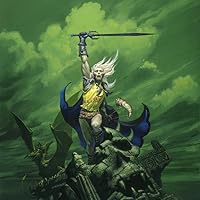
This book was highly recommended by author Brian Lee Durfee, (author of ‘The Five Warrior Angels’ trilogy).
Man… I was really blown away by this book. Really exceptional character work; they were real, complex, and flawed. At times I loved these characters, sometimes I hated them, but I couldn’t help but be compelled to follow their story.
Why is this book, author, or series not more well known? I can only speculate, but I would guess it would be lack of marketing, perhaps also being overshadowed by The Wheel of Time and GOT, both of which were really hitting their stride when this book was published.
That’s about all I got. Hats off to David B. Coe, look forward to reading the next installment in this series.
Man… I was really blown away by this book. Really exceptional character work; they were real, complex, and flawed. At times I loved these characters, sometimes I hated them, but I couldn’t help but be compelled to follow their story.
Why is this book, author, or series not more well known? I can only speculate, but I would guess it would be lack of marketing, perhaps also being overshadowed by The Wheel of Time and GOT, both of which were really hitting their stride when this book was published.
That’s about all I got. Hats off to David B. Coe, look forward to reading the next installment in this series.
November 18, 2025
Posiblemente, y sin ningún tipo de ironía, sea de lo mejor que he leído de literatura anglosajona. Es una novela que trata de los tejemanejes de la política, tratado de manera muy real, y que prevé temas de tan rabiosa actualidad como el ascenso de la ultraderecha y el populismo que estamos viviendo en la segunda mitad del siglo XXI.
No tiene absolutamente nada que envidiar a Juego de Tronos. Aquí el impacto no se consigue con la descripción con pelos y detalles de la casquería, ni con continuas referencias a violaciones. Aquí la acción es mínima, y todo se cuece en diálogos precisos, en escenarios determinados, y en eso radica su calidad.
Es una obra shakesperiana en la que priman los personajes y las conspiraciones de los mismos, y donde la magia existe, pero está exquisitamente tratada, llegando a sentirse como la cosa más natural del mundo.
No tiene absolutamente nada que envidiar a Juego de Tronos. Aquí el impacto no se consigue con la descripción con pelos y detalles de la casquería, ni con continuas referencias a violaciones. Aquí la acción es mínima, y todo se cuece en diálogos precisos, en escenarios determinados, y en eso radica su calidad.
Es una obra shakesperiana en la que priman los personajes y las conspiraciones de los mismos, y donde la magia existe, pero está exquisitamente tratada, llegando a sentirse como la cosa más natural del mundo.

Did Not Finish
November 9, 2023dnf @ 11%
i keep seeing this compared to game of thrones but really they couldn't be more different in terms of tone. the characters feel one-dimensional and juvenile.
i'm torn, because i'm only 70 pages in and we still haven't met the main characters. this is way too long for setup but i could have discounted that if i liked the writing or thought the characters had any depth to them.
kind of which i'd come across this when i was a teenager, because i probably would have loved it back then!
i keep seeing this compared to game of thrones but really they couldn't be more different in terms of tone. the characters feel one-dimensional and juvenile.
i'm torn, because i'm only 70 pages in and we still haven't met the main characters. this is way too long for setup but i could have discounted that if i liked the writing or thought the characters had any depth to them.
kind of which i'd come across this when i was a teenager, because i probably would have loved it back then!

July 2, 2018
This read very much like a Jennifer Fallon book so I recommend her books to anyone who has enjoyed this and not read her books.
Overall I enjoyed the tone and exploration of this story. The viewpoints only overlapped when needed, as to not simply retell the story for multiple chapters but instead each page revealed new and exciting information.
I am certainly curious to see where this series goes.
Overall I enjoyed the tone and exploration of this story. The viewpoints only overlapped when needed, as to not simply retell the story for multiple chapters but instead each page revealed new and exciting information.
I am certainly curious to see where this series goes.
December 27, 2023
This book started slowly and was a bit disjointed, but it all came together somewhere in the middle. There was a lot of action after that middle point in the book, which was fun to read. I hope the pacing picks up in the following books because it was an interesting enough read for me to continue reading the series. The next book looks shorter than this first book, so maybe the story picks up? Here's hoping, because I really like fantasy and hope that this series works out.
November 17, 2024
Had to make myself stop reading at times to finally go to bed it was that good! Loved the characters the twists and the way small hints would come back into the main storyline. Never heard of the series or author before I grabbed this at my used bookstore and judged it by its cover. Great read. I can't wait to start the 2nd book.
Displaying 1 - 30 of 105 reviews