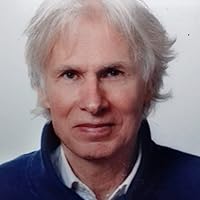
An informative, fun and rather charming essay on the nature and history of one of life’s most desirable assets, Charm, by renowned culture and design critic, Stephen Bayley.
Aiming to wound, a schoolmaster wrote on future design-guru Stephen Bayley’s last ever school report “Charm alone will not get him through”. Bayley took this to mean that an affable, genial, outgoing nature was not enough to ensure survival in a harsh world of statistical performance. But survive and flourish is exactly what Bayley did and now he aims to define Charm by looking at its origins and meanings throughout history and in the modern age.
جذابیت؛ فریبایی موضوع کتاب چیزیه که حتا توی زبان انگلیسی هم برای توصیفش نویسنده واژه کم آورد. با اینکه دایره لغاتی که توی این کتاب کوتاه استفاده شده، خیلی وسیع و گسترده است، اما مفهوم مورد نظر نویسنده خیلی فرارتر و دور از دسترس تر از اونه که بخواد به قید کلمات دربیاد. توی کتاب هم گفته شده که اگه این کیفیت رو توی کسی ببینیم، حس میکنیم اما توصیفش مشکله. جذابیتی اغواگر، ظریف، باوقار، رمانتیک و رازآلود. تا حدی تحت تاثیر ژنتیک و ظاهر جسمانی و تا حدی هم تحت تاثیر باورها و رفتار و اعتماد به نفس. کمی سرگرمکننده و بذلهگو، تاثیرگذار، متقاعدکننده، ستایشکننده، کنجکاو و کمی خودخواه. همه اینها هست و اینها نیست. رفتاری که باعث میشه تا مخاطب با ما احساس راحتی کنه و با ما همقدم بشه و البته هدف ما رو تامین کنه. هدف کتاب مشخص نیست. فصلبندی نداره و برای این موضوع جالب، حق مطلب رو ادا نمیکنه.
This essay is gracefully written but loses charm when equating charm to (male) seduction. No mention is made of the origin of the word and its meanings in French. Of course charm is elusive so you can only circle around it and Bayley does this in a pleasing and entertaining way. It is more a (mostly) pleasant conversation than an enlightening study of charm, but then a charming person is good company rather than a teacher. (I gave it two stars because I'm interested in the subject itself so was looking for more enlightenment, but others may be more interested in Bayley's company and conversation and rate it more highly.)
Do you think you're charming? Well, I'm not, considering that I can have an abrasive personality. Do I think that this book is charming? Well, to put it bluntly, no.
Charm is supposed to be a book on charm - what it is and what its history has been. Unfortunately, it suffers from one serious problem: a lack of focus. The author tends to skip from one thing to another and I never really knew what was going on in this long essay/mini-book. I would have much preferred more focus, for example, a clear structure that went either thematically (of looking at the possible elements of charm) or historically (charm through the ages). But perhaps the author thought that his method was more charming, I don't particularly agree, but style is subjective.
Charm for the male and female is apparently two different things. A charming man has "curiosity without being intrusively inquisitive. He has a confident, but not swaggering, bearing that's modified by a sensitive and intelligent reticence in the way he holds himself. He does not sulk, nor does he strut. It's a matter of balance and he finds a physical posture in between. He engages. He listens. He is empathetic. He has curiosity, is never short of something to say, but he knows the value of a pause." In other words, he is a Gary-Sue. I might also add that this definition makes me want to add 'he is also one stop short of being insufferable'.
What about the female? Well, a charming woman is "not an expression [the author would] readily use since to call a woman 'charming' is. in [his] view, to suggest a lack of other attractive properties". But no worries, he provides a definition in the following sentence: "First, looks. She would be gamine, pert, with a lively intelligence that settles, and then moves about her face. Her eyes are bright, but questioning, and she carries herself with relaxed elegance. Both literally and metaphorically, a charming woman would be light on her feet. ... The charming woman has more power than reserve, although that's not to say that the power's not actually kept discreetly in reserve." Part of this description actually reminds me of Elizabeth Bennet (and her 'fine eyes'). As well as Emma. So being a 'charming' woman would be a good thing.
One thing of this book struck me: when the author called Peter Mayle's book A Year in Florence charming. I whole-heartedly concur with this.
But, this book felt more flighty than charming. It had an interesting subject, but I think that the author didn't do it justice. I would be interested in reading a more detailed and focused book on this subject. Any recommendations?
Disclaimer: I got a copy of this book from the publisher via NetGalley in exchange for a free and honest review.