Stroke recovery begins at home with this revolutionary caregiver guide to home-based rehabilitation.Recovery after a stroke is an overwhelming and uncertain time. The journey to recovery doesn’t end when patients leave inpatient rehabilitation care; it’s just beginning. But where to start with a recovery program at home? How can loved ones caring for stroke victims start to build effective home-based rehabilitation? For caregivers, this new guide is a pathway to confident, proactive rehabilitation management, dramatically improving the recovery process for stroke survivors.
Dr. Kenneth Monaghan has been guiding caregivers and patients for over 32 years through stroke recovery. As a leading expert in stroke rehabilitation, Dr. Monaghan presents a compassionate guide specifically for caregivers of stroke victims. His revolutionary approach not only educates about the brain’s amazing capacity for recovery through neuroplasticity but also provides step-by-step guidance for implementing successful home therapy.
Discover how your understanding of neuroplasticity to boost confidence in your caregiving capabilities and the recovery process.Implement detailed, structured home-based programs that reduce stress and ensure comprehensive care, including morning and evening activities.Apply techniques like mirror therapy and sensory substitution effectively and safely at home to improve recovery outcomes.Track and adjust your care plans through practical progress-measurement tools, fostering ongoing improvement.Provide effective emotional and psychological support, creating a nurturing environment that promotes well-being for both you and the stroke survivor.After a stroke, survivors and caregivers want to be in a safe space to recover and know they have the best shot at regaining mobility, strength, and functionality. Lights, Mirrors, Action gives you the tools to build a successful recovery program at home and feel confident in your new role as a crucial partner in recovery. Whether you are a new caregiver or a veteran at home-patient care, this book is your essential companion for ensuring a successful stroke recovery at home.
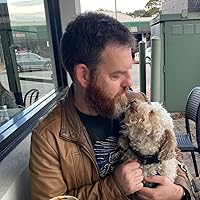
Dr. Kenneth Monaghan, PhD, is a renowned expert in stroke rehabilitation with over 32 years of clinical, academic, and research experience in Ireland. As a lecturer in health science and director of the Neuroplasticity Research Group at Atlantic Technological University, he is at the forefront of developing innovative physical rehabilitation solutions that can be implemented in a patient’s own home.
Kenneth’s mission is to empower stroke survivors to achieve the best possible recovery by optimizing their home environment for physical rehabilitation. With his expertise in digital health technology, remote rehabilitation systems, and neurology rehabilitation, he is revolutionizing the way stroke patients receive care and support after leaving the hospital.
A registered chartered physiotherapist specializing in musculoskeletal injuries, Kenneth holds a master’s degree in sports medicine from University College Dublin. He has an impressive track record of securing over $2 million in research funding, publishing 30 journal papers, presenting at 50 international conferences, and delivering invited talks worldwide. His groundbreaking work has been featured on radio programs and in national newspapers in Ireland. Kenneth is also the lead inventor of two successful UK/international patents for innovative rehabilitation devices. He serves on the board of directors for the Neurology Support Centre charity and is a former editor and current editorial board member of Physiotherapy Practice and Research international journal.
Kenneth resides in Donegal, Ireland, with his wife and two children.
To learn more about Kenneth’s transformative approach to stroke recovery and to access valuable resources for stroke survivors and their caregivers, visit www.lightsmirrorsaction.com.
"Lights, Mirrors, Action" by Kenneth Monaghan is an invaluable guide for caregivers and stroke survivors alike. Monaghan brings deep compassion and practical wisdom to the forefront, offering a roadmap for navigating the complex emotional and physical challenges that come with stroke recovery. His empathetic approach and actionable advice empower readers to reclaim hope and dignity, making this book a beacon of support and transformation. It's a must-read for anyone involved in the care journey, providing the tools and inspiration needed to create positive change.
I underwent brain surgery on Thursday, January 11th 2024, to remove a tumour in my cerebellum. The tumour had started to press against my brain and skull, causing unbearable headaches and nausea.
The brain surgery lasted for 3 hours: they opened my skull, removed more than half of the left side of my cerebellum, including the entire tumour, and I survived. After the surgery, I have experienced significantly reduced balance, as well as decreased coordination and fine motor skills in the left side of my body.
I am using the principles in this fantastic book, including mirror therapy, even though it is not a stroke I am recovering from. Neuroplasticity is my only hope, beside my unshakeable belief that I'm going to make a full recovery. I am making and recording almost unbelievable progress every week.
Monaghan wrote a useful, practical, and easy to read guide to transforming the lives of stroke survivors. I found this book to be encouraging - lending hope to the reader. The personal stories included were inspiring and a nice addition to the book. This is a great addition to the resources for caregivers assisting stroke survivors in their rehabilitation.
I feel Monaghan speaking from the heart and his passion for helping stroke survivors is apparent. His honesty is refreshing, and the addition of holistic treatment options is much appreciated.
Disclosure: I received a copy of this book from a Goodreads giveaway.
This is a book I wish I had a year and a half ago when I became a caretaker for my spouse. The author not only provides tools and encouragement for the stroke survivor, but recognizes the struggle and toll on wellbeing of the caretaker.
He offers hope and encouragement to both with well cited studies and his personal experience.
I received an advance review copy for free, and I am leaving this review voluntarily.
As a stroke survivor myself I found it a very valuable read. This book contains clear, simple, practical, and (very importantly) evidence-based advice. Very useful book written by an expert in the field of stroke rehab. Would recommend it to anyone looking for advice on how best to care for a stroke survivor through the recovery journey.