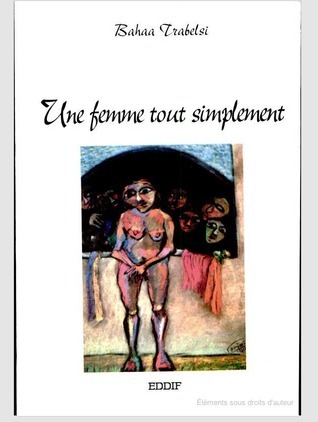
This was the first book I have read by a Moroccan author (I think). Through Laïla's journey from a traditional Moroccan family to the freedom and uncertainty of life in France, Trabelsi explores female identity, independence, sexuality, family expectations, and the complicated relationship between cultural belonging and personal freedom.
What makes the premise particularly compelling is the presence of different generations of women, each embodying a different response to the constraints imposed by society. Their lives reveal that emancipation is rarely a straightforward journey. Freedom can bring its own contradictions, loneliness, and difficult choices.
First published in the mid-1990s, the novel remains relevant today, particularly as women across different cultures continue to negotiate the boundaries between individual autonomy and inherited expectations. Trabelsi's exploration of Moroccan society offers a valuable perspective on a world in transition and on the universal search for a place where one can belong without surrendering one's identity.
A thoughtful contribution to Francophone North African literature and the ongoing conversation about what it means to be a woman on one's own terms.
J'ai trouvé que c'était un assez bon livre pour tous ceux qui veulent lire l'expérience d'une personne dont l'esprit est en quête d'une liberté utopique et qui est donc prête à souffrir pendant sa recherche. Cependant, j'aurais aimé que les histoires des différents personnages laissent entrevoir une morale claire et concise.
This novel is about the evolution of changing family values throughout the decades in Morocco through the eyes of a young woman. She was born in a traditional family in a small city whose mother passed away at her birth and her father remarried one year later to a very young woman. The family social status and values change once when they moved to Rabat and once more to Casablanca. This novel falls in the category of Youth and young adult novels.
The characters are well developed and the story is well written. However, this novel is written simply in a simple manner. The tone of the story is simple and monotonous with little creativity, but very few suspense. It is a good novel to read about the changing Moroccan society, but the story is not outstanding. The novel doesn't have the pretense to make critics or teach morals.